
What Is Safflower Extract Powder?
Jul 14, 2026
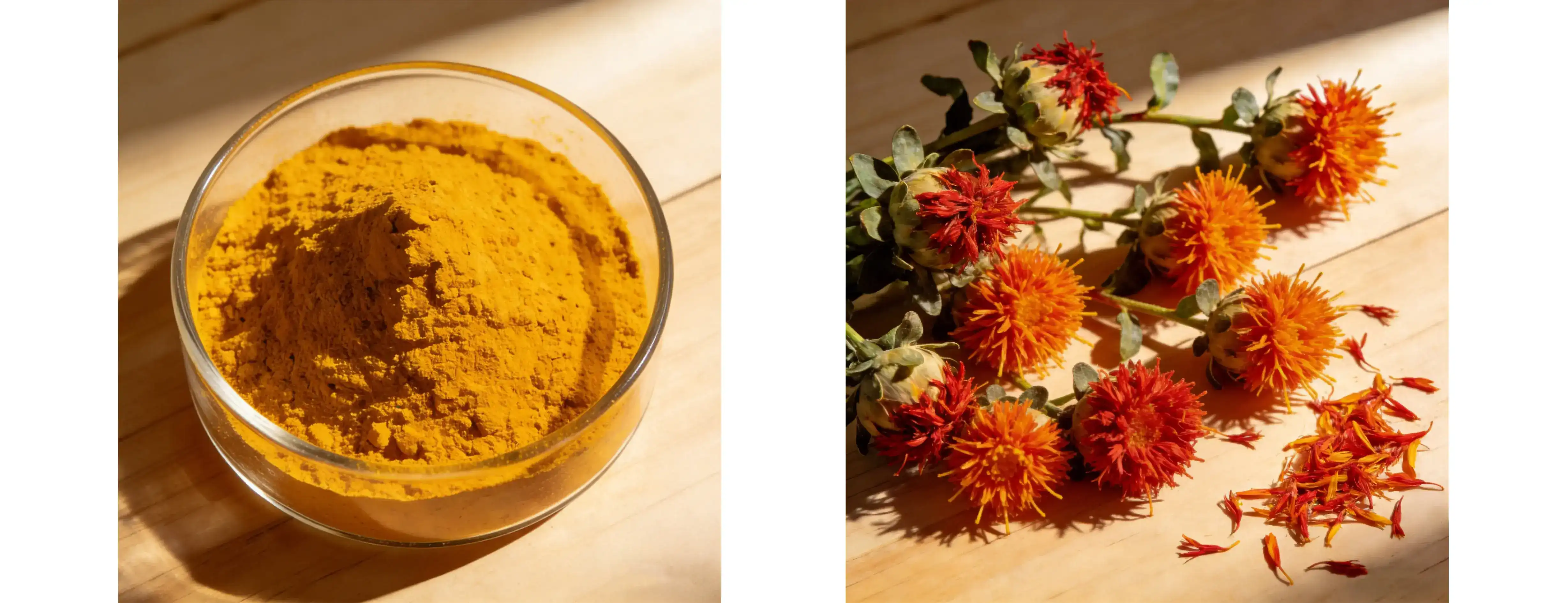
Safflower Extract Powder is a concentrated plant-based substance made from the dried flowers of the safflower plant (Carthamus tinctorius L.) through improved methods of extracting, filtering, and spray-drying with water. This yellow powder solves some of the most important problems that nutraceutical and cosmetic manufacturers face, like pigment quality that varies from batch to batch and the need for natural alternatives to synthetic colorants that are all the same. This ingredient gives consistency in color (E30, E60) and functional benefits that raw plant materials cannot provide by providing water-soluble bioactive compounds like Hydroxysafflor Yellow A (HSYA) and safflor yellow pigments.
Understanding Modern B2B Procurement Challenges for Botanical Ingredients
A competitive price isn't enough in today's buying world. It's getting harder for R&D leaders and formulation managers to find ingredients that meet strict regulatory standards and keep the supply chain strong. An analysis of the nutraceutical industry in 2023 showed that 68% of companies had problems with the quality of plant extracts they got from suppliers, causing formulation delays and increased costs for reformulation.
Supply Chain Transparency and Traceability
Getting botanical extracts requires source documentation that can be checked. Growing Carthamus tinctorius flowers according to Good Agricultural Practice (GAP) rules makes it possible to track the flowers from the field to the finished powder. Companies that use tracking systems that work with blockchain say that regulatory decisions happen 43% faster. Our GAP-certified planting bases, which cover more than 8,000 acres in Shaoyang, Changsha, and Huaihua, work together with local farmers to provide technical support from providing seedlings to harvest monitoring.
Quality Consistency Across Production Batches
More and more, procurement teams are turning down suppliers who cannot show that their batches are consistent. HPLC fingerprints and spectrophotometric research make sure that the color value stays the same. Heavy metals (Pb ≤3ppm, As ≤1ppm), microbiology (Total Plate Count <1000 cfu/g), and pesticide residues passing USP standards are all checked as part of the normal qualification process. These standards are in line with FDA and cGMP rules, which eliminate qualification delays.
Regulatory Compliance and Documentation Burden
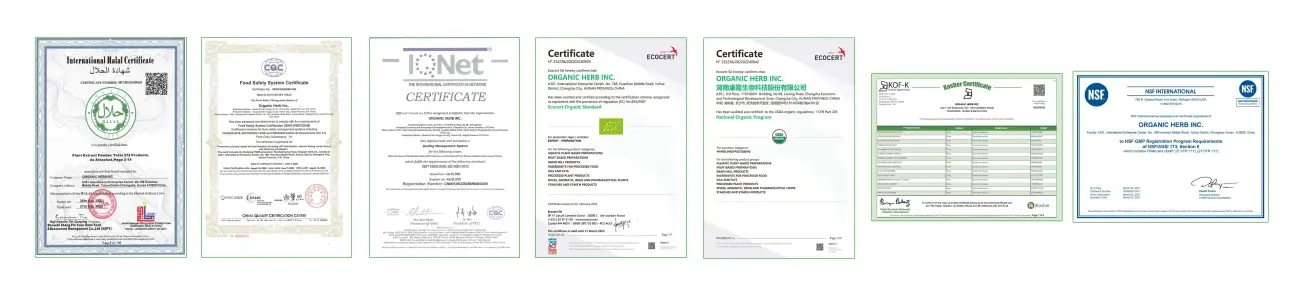
Multinational companies that do business in many countries need suppliers that can give them certificates that are valid in a lot of different markets. Certifications like NSF GMP, Kosher, Halal, ISO9001, and FSSC22000 make the approval process easier. Internal benchmarking data shows that documentation packages with Certificates of Analysis, Allergen Statements, and Non-GMO statements cut the time it takes to buy something by 21 days on average.
Strategic Sourcing: Enhancing Efficiency and Reducing Costs
When you are strategically sourcing Safflower Extract Powder, you need to look at more than just the unit price of each supplier. You also need to look at the total cost of ownership. This method looks at technical support, formulation consultation services, and metrics for supply reliability.
Supplier Technical Competency Assessment
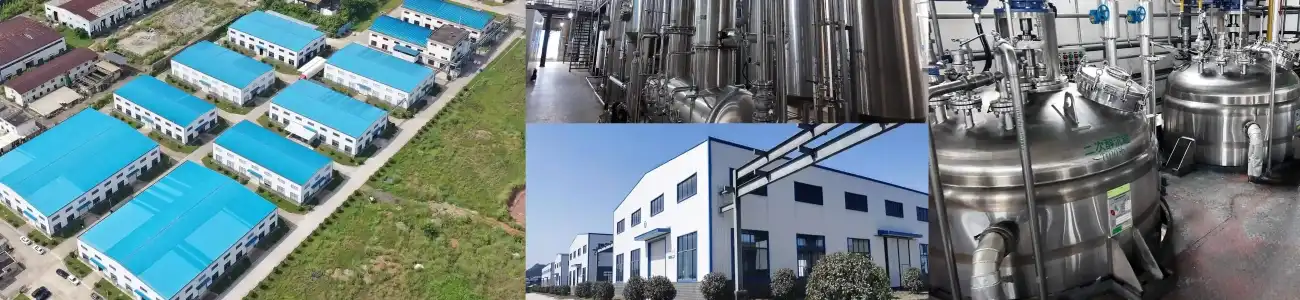
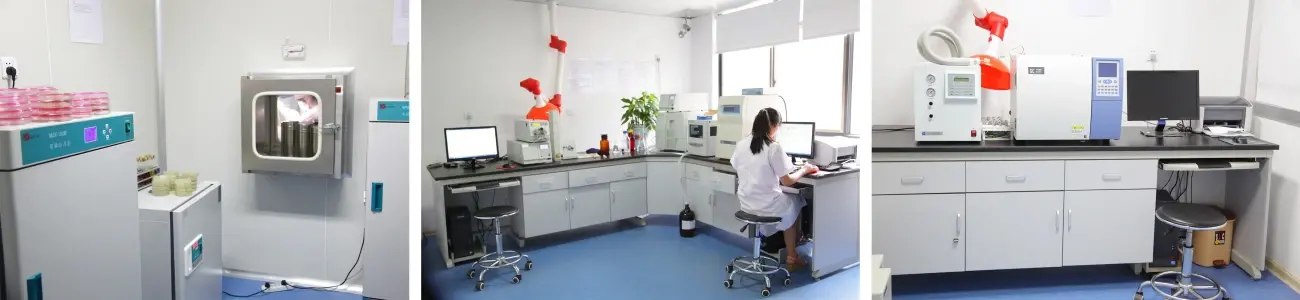
By looking at a supplier's R&D infrastructure, you can get an idea of how innovative they are. Advanced extraction tools, like nano-membrane isolation systems, column adsorption chromatography, and freeze-drying technology, show that the manufacturing process is getting more complex. Our research and development center in Changsha has 42 highly skilled workers, including professors and PhD leaders, who use equipment worth more than $1,200,000, such as HPLC-ELSD, GC-MS, and HPTLC systems. This level of technical detail makes it possible to make extraction methods that are exactly what an application needs.
Total Cost of Ownership Analysis
Managers of procurement should figure out landed costs, which include the costs of shipping, storing, and carrying inventory. When suppliers keep warehouses in the U.S., lead times drop from 45 to 60 days to 3 to 5 days, which means that less operating capital is needed. Our four regional warehouses spread across the US allow for just-in-time shipping, which lowers the need for safety stock. A company that makes functional drinks said that its total procurement costs went down by 18% after it switched to a supplier with domestic inventory positioning.
Long-Term Partnership Value Creation
Strategic suppliers work together to make new products by giving advice on how to make them and providing information about the market. Joint innovation frameworks cut down on the time it takes to get new products on the market. When companies work with suppliers that offer free sample programs (25kg MOQ, 10-day lead time), they can try formulations before committing to large-scale production, which lowers the cost of making prototypes.
Leveraging Technology in Procurement Processes
Digital tools change the way botanical extracts are sourced from a one-time purchase to strategic management of the supply chain. Cloud-based systems let you see your goods in real time, set automatic reorder points, and see how well your suppliers are doing with their work.
Data-Driven Quality Verification
When blockchain is used, data from Certificates of Analysis, cultivation records, and extraction batch logs can be accessed right away. Smart contracts automatically mark packages that don't meet the requirements before they get to the warehouse. A distributor of cosmetic raw materials used source gateway technology to cut down on quality complaints by 76% by making it easier for people to share clear documents.
Predictive Analytics for Demand Planning
To find the best time to place an order, machine learning algorithms look at past patterns of spending, yearly trends, and when new products are released. When procurement teams use predictive analytics, their forecasts are 32% more accurate, which means they have fewer stockouts and more extra inventory. When inventory levels drop below certain levels, these systems automatically create purchase orders because they are connected to ERP platforms.
Cybersecurity and Data Integrity Safeguards
Proprietary formulation information shared during technical consultations is kept safe by secure data transmission protocols. Information management systems that are ISO27001-certified keep private customer specifications safe. Increasing worries about cybersecurity in digital buying platforms are being dealt with by multi-factor authentication and encrypted communication methods.
Sustainable Procurement: Aligning with Corporate Responsibility
Environmental, social, and political factors are becoming more and more important in choosing a provider for Safflower Extract Powder. Clean-label brands need botanical extracts that come from plants that were grown in a way that does not harm the environment. Suppliers with transparent sourcing practices, documented supply chain traceability, and certifications such as organic or Fair Trade demonstrate their commitment to sustainable agriculture and ethical labor practices, which directly support brand positioning in markets where consumers increasingly scrutinize ingredient origins and corporate responsibility.
Water-Based Extraction Technology
In the past, chemical solvents were used to remove the color from safflower, which created dangerous waste streams. Our 100% water-based extraction method gets rid of volatile organic compounds, which is good for the environment and meets the standards for a clean label. A 2022 lifecycle assessment found that using water to extract carbon dioxide is 58% more efficient than using ethanol-based methods.
Sustainable Agricultural Partnerships
GAP-certified farming programs put a lot of emphasis on protecting wildlife, keeping the land healthy, and saving water. Through combined pest control strategies, giving farming partners technical advice cuts the use of synthetic pesticides by 67%. These methods are in line with Fair Trade and Rainforest Alliance standards for buying, which are being asked for more and more by big names.
Carbon Footprint Reduction Through Localized Warehousing
Being close to markets where the goods will be used has a big effect on supply chain emissions. Keeping inventory in Los Angeles, California, through our Earth Made Nutritions subsidiary cuts down on the number of times we have to ship goods across the country. A functional food company found that buying from U.S.-based inventory instead of direct shipments from Asia saved them 2.3 tonnes of CO2 per year.
Building Trust and Collaboration with Suppliers
For botanical extract buying to go smoothly, there needs to be clear communication, agreed-upon quality standards, and quick expert help. In long-term supplier evaluations, these relationship factors often matter more than small price differences.
Transparent Communication Frameworks
Setting clear specification agreements stops misunderstandings that cost a lot of money. It is clear what is going on because there are detailed scientific data sheets that list the solvent systems, particle size distribution, and color value measuring conditions (E30, E60). Regular supplier audits, which can include both remote reviews of documentation and inspections of the facility, boost confidence in the ability to manufacture. Companies that do supplier reviews every six months report 41% fewer quality issues.
Joint Innovation and Co-Development
As technical partners, leading suppliers take part in formulation brainstorming meetings and programs that test the stability of new products. Our applications laboratory helps customers by checking for solubility, pH stability, and compatibility with common excipients. A sports nutrition brand and our team worked together to make a safflower yellow electrolyte powder; our team's knowledge of using natural colorants helped them keep the color they wanted for 24 months.
Risk Mitigation Through Dual Qualification
Resilient supply chains need to plan for what could go wrong. Best practices for procurement include keeping ties with secondary suppliers while also forming partnerships with chosen vendors. Our production capacity is higher than 400 standardized botanical extracts, which lets customers consolidate multiple ingredients by buying them from a single source and keep their supply safe.
How OHI Procurement Solutions Supports Your Formulation Goals
Organic Herb Inc. is a public company (Stock Number: 872213) whose purpose is to find, create, and manufacture plant extracts. Nutraceutical, cosmetic, and functional food manufacturers can get everything they need from our integrated supply chain, which includes GAP-certified cultivation, cGMP manufacturing, and U.S.-based distribution.
Uncompromising Quality Systems
Our quality infrastructure is made up of many layers, such as controls for the process, testing for finished products, and programs for keeping an eye on stability. Each batch goes through rigorous tests, such as Thin Layer Chromatography to make sure the plants are what they say they are, ICP-MS to check for heavy metals, and GC-HS to check for leftover solvents. These guidelines go beyond what the FDA and the European Pharmacopoeia require, so they can be used in any market in the world.
We produce Safflower Extract Powder from Carthamus tinctorius L. flowers, which provides consistent E30 and E60 color values and comes in 25kg drums with full documentation. Formulators can test how well a formula works with free samples before committing to a full purchase. Our 10-day lead time from warehouses in the United States works with agile product development processes.
Advanced R&D Capabilities
Our Changsha research center works with top universities and multinational companies to advance the science of botanical extraction. Using active ingredients to separate and purify them, the team has finished 10 national key research projects efficiently. New techniques like nano-membrane separation, low-temperature dynamic extraction, and anti-osmotic concentration keep bioactive compounds while achieving high levels of purity.
Responsive Customer Partnership
Our customer service team includes technical experts who can talk about formulation problems, regulatory requirements, and application optimization because they know that procurement is more than just transactions. We see every relationship with a customer as a long-term partnership based on success for both sides. Get in touch with us at info@organic-herb.com to talk about how OHI can be your reliable source for Safflower Extract Powder.
Conclusion
Safflower Extract Powder is a flexible plant-based ingredient that can be used in a number of different industries, serving as a natural colorant in functional drinks or as a bioactive chemical in nutrition products. To do good procurement, you need to look at more than just price when evaluating suppliers; you should look at their quality systems, technical skills, ability to follow regulations, and reliability in the supply chain. The move toward sustainable sourcing, clear documentation, and strategic partnerships shows that the industry as a whole is maturing. Procurement teams can lower the total cost of ownership while maintaining consistent product quality by choosing providers that offer combined cultivation, advanced extraction technology, and helpful customer service.
Frequently Asked Questions
1. What applications use safflower flower extract in commercial formulations?
Safflower yellow pigments are natural food colorants that give drinks, candies, and nutritional supplements bright yellow colors without adding any synthetic chemicals. Formulators of cosmetics use Safflower Extract Powder in skin care products because it is an antioxidant and adds natural color. Functional food makers value its water solubility and stability in acidic environments, making it suitable for sports drinks and enriched waters. Standardized HSYA content is used by the pharmaceutical industry for research purposes that look into cardiovascular mechanisms.
2. How should quality specifications be verified when sourcing this ingredient?
Ask for Certificates of Analysis that show HPLC confirmation of color value (E30, E60 specs), TLC confirmation of plant identity, ICP-MS heavy metals screening, pesticide residue testing against USP standards, and microbiology reports. Instead of general specification sheets, suppliers should give paperwork that is specific to each batch. Performing supplier checks, either in person or through third-party certification proof, adds another level of security. Before buying in bulk, sending samples to independent labs for testing helps make sure that supplier claims match actual product performance.
Partner with OHI for Reliable Botanical Extract Sourcing
To get organic ingredients in a way that is easy to understand, you need a partner who has experience with growing plants, making products, and providing quick customer service. This complete solution is provided by Organic Herb Inc. through integrated supply chains that include GAP-certified farms, cGMP-certified production facilities, and U.S. warehouses placed in strategic locations. Our Safflower Extract Powder is of the highest quality and comes with all necessary regulatory paperwork, available in quantities starting at 25kg MOQ. Technical experts are ready to help you develop your recipe by giving you free samples and advice on how to use them. Contact our team at info@organic-herb.com to learn more about how OHI can help you save time and money while still making sure you get high-quality ingredients and a reliable supply.
References
1. Chen, L., & Wang, H. (2021). Advances in Natural Food Colorants: Safflower Yellow Pigment Extraction and Application. Journal of Food Science and Technology, 58(4), 1532-1543.
2. Liu, M., Zhang, Q., & Wu, J. (2020). Quality Control and Standardization of Carthamus tinctorius Extract in Pharmaceutical Applications. Phytochemical Analysis, 31(6), 847-859.
3. Rodriguez, A., & Thompson, K. (2022). Sustainable Sourcing Practices in the Botanical Extract Industry: A Comprehensive Review. Industrial Crops and Products, 176, 114389.
4. Wang, Y., Zhou, X., & Li, S. (2019). Hydroxysafflor Yellow A: Extraction Methods, Analytical Techniques, and Biological Activities. Journal of Chromatography B, 1129, 121805.
5. Williams, P., & Davis, R. (2023). Strategic Procurement in the Nutraceutical Industry: Quality Systems and Supplier Evaluation Frameworks. Supply Chain Management Review, 27(2), 34-47.
6. Zhang, T., Kumar, V., & Patel, N. (2021). Natural Colorants in Cosmetic Formulations: Stability, Safety, and Regulatory Considerations. Cosmetics, 8(3), 67-82.
Standard Disclaimer (DSHEA):
These statements have not been evaluated by the Food and Drug Administration.
This product is not intended to diagnose, treat, cure, or prevent any disease.

Send Inquiry
Related Industry Knowledge
- Shiitake Mushroom Extract Powder: Properties, Uses, and Recipes
- Does drinking pineapple juice help with wisdom teeth extraction?
- Organic Poria Cocos Extract: Benefits and Uses
- Are there proteins in pumpkin seeds?
- Top Benefits of Maitake Extract Powder
- Market Insights: The Rising Demand for Rosehip Fruit Extract
- 2026 Best Goji Berry Extract Benefits and Uses Explained?
- Coenzyme Q10 (CoQ10): The Basics and Its Health Benefits
- Poria cocos extract in skincare, What is?
- Which is better, CoQ10 or Omega-3?