
Organic Poria Cocos Extract: Benefits and Uses
Jun 30, 2026
From the sclerotium of Poria cocos (Schw.) Wolf, Organic Poria Cocos Extract is a pure medicinal ingredient. Wolf is a wood-decaying fungus that is highly respected in traditional medicine. This regulated extract has more polysaccharides and triterpenoid compounds than usual. It lets formulators in the nutraceutical, skincare, and functional food industries add natural ingredients that have been proven to work by science to their products. The ingredient is consistently high-quality thanks to improved water-based extraction methods. It meets the needs of global procurement teams that want clean-label, organic-certified botanical solutions that are backed by thorough testing and stable supply chains.
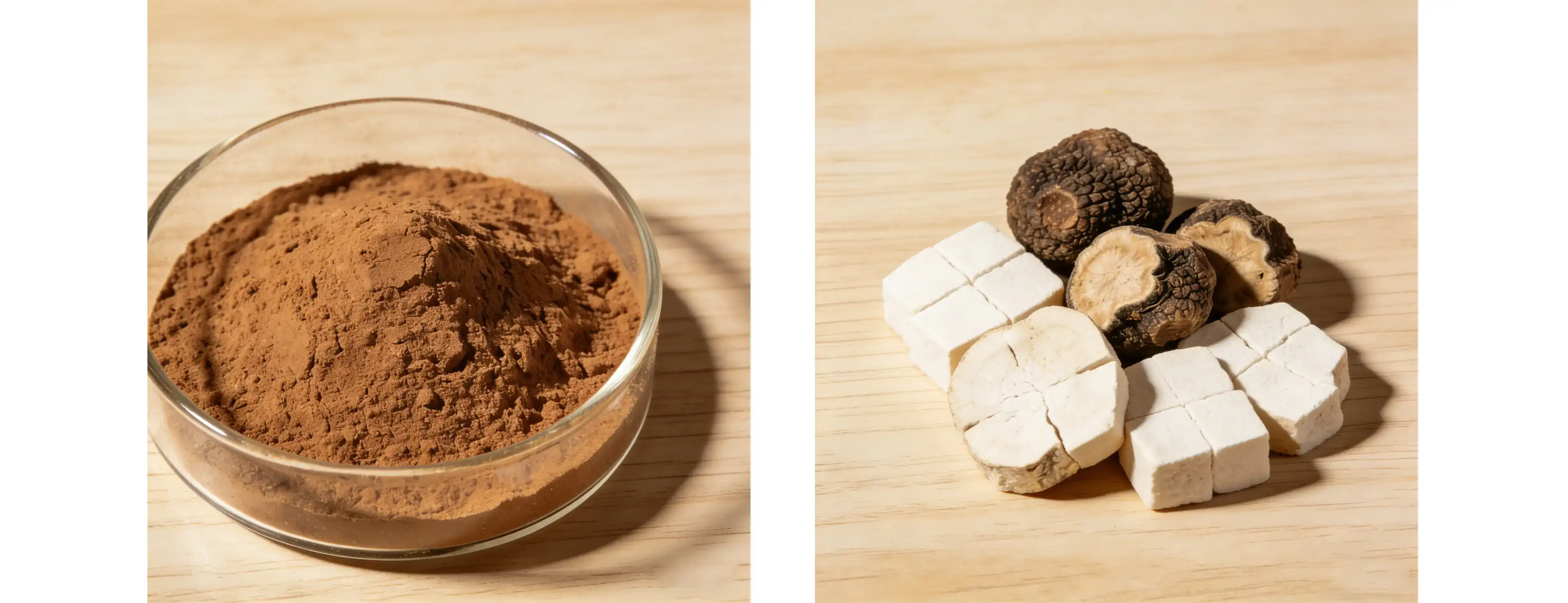
Understanding Organic Poria Cocos Extract
What Makes This Extract Unique?
Poria cocos (Schw.) Wolf, the plant source, grows on the roots of pine trees in Asian forest settings. Organic Poria Cocos Extract is different from raw fungus powders because of its concentration ratio, which is usually 10:1. This ratio gets rid of indigestible cellulose and increases medicinal density. Our extract only uses water as a solvent, so it doesn't contain any man-made chemicals and keeps the heat-sensitive carbohydrates and triterpenes. The fruiting body origin guarantees the highest level of active compounds compared to mycelium-based options. This is an important difference for formulators who need consistent effectiveness.
Bioactive Compounds and Organic Certification Value
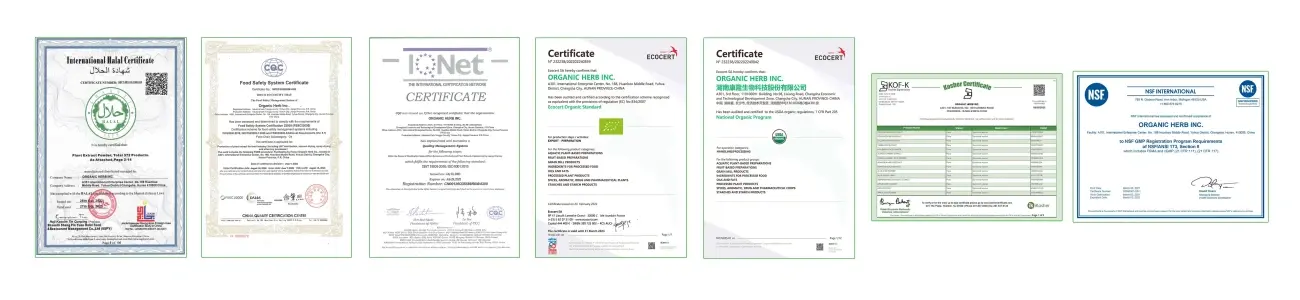
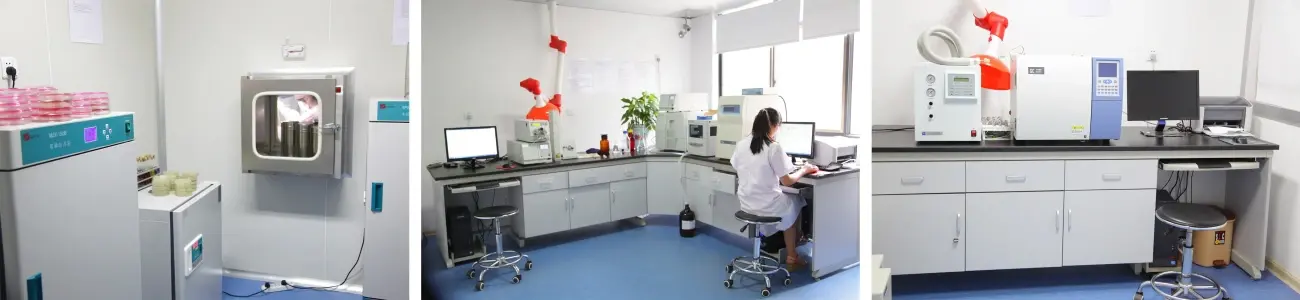
This brown powder has 30% polysaccharides and contains beta-pachyman and pachymic acid, two substances that are being studied for their usefulness in immunity and cell health. Organic approval, which is backed by NSF GMP, FSSC22000, and USDA Organic standards, proves that the crops were grown without using pesticides and are not GMO. ICP-MS testing for heavy metals makes sure that lead levels stay below 3 ppm, and USP <61/62> guidelines are used for microbial screening. Concerns about pollution and following the rules are taken care of by these strict quality controls. This is especially helpful for clients aiming for North American and European markets, where consumers value clear labels.
Why Organic Extraction Enhances Commercial Value
Thermolabile polysaccharides (Poria Cocos Extract) are kept safe by water-based extraction at controlled temperatures, and solvent leftovers that make FDA clearance processes more difficult are removed. The method makes a fine mesh powder that can be used in a wide range of preparation settings, from liquid solutions to capsule matrices. Spectrophotometric assay testing makes sure that the uniformity of each batch is kept, and each 25 kg drum comes with a Certificate of Analysis that lists the amounts of active compounds. Product makers can get their products to market faster for both supplement brands and cosmetic manufacturers, thanks to this technology stability.
Key Health Benefits and Uses of Organic Poria Cocos Extract
Immune System Support and Cellular Defense
Polysaccharide fractions have been shown to be able to change the behavior of immune cells through pathways controlled by receptors. Studies in mycology journals show how beta-glucans connect with the surfaces of macrophages, which may help the body's natural defenses. For nutraceutical makers, this means new ways to make supplements that focus on defense, especially when mixed with vitamin C or zinc to make the benefits stronger. Polysaccharides are easy to add to powdered drink mixes because they dissolve in water. This meets the demand for handy functional drinks.
Antioxidant Capacity for Cosmetic Applications
Triterpenoid chemicals have been shown to remove free radicals from samples in the lab. This makes the extract appealing for use in anti-aging skin care products. It is used by cosmetic makers in serums and creams that target oxidative stress markers, especially those that want to fit in with the "adaptogens for skin" trend. The extract stays stable in oil-in-water emulsions, which solves manufacturing problems that often come up with plant-based actives. Its light brown color also blends easily into tinted creams. When batch consistency is checked with HPLC testing, product makers can be sure that label promises will hold true across production runs.
Metabolic Health and Digestive Wellness Applications
Traditional use patterns stress digestive comfort, which is now backed up by early studies into how polysaccharides affect the variety of bacteria in the gut. Functional food companies use the extract in protein bars and meal replacement shakes to take advantage of people's interest in the gut-brain axis diet. Because the powder doesn't have a strong taste and doesn't change when it's heated, it can be used to make probiotic drinks and yogurts. Dosage suggestions for final products are usually between 500 mg and 1,500 mg per day, but formulation scientists should change these numbers depending on the target audience and other ingredients that will be used with the product.
Safety Profile and Formulation Considerations
Toxicology tests show a large safety margin, with no negative effects seen at normal supplementation amounts in peer-reviewed studies. The extract works well with popular fillers like magnesium stearate, silicon dioxide, and hypromellose, which makes the process of making capsules easier. Stability testing shows that polysaccharides don't break down much when kept below 25°C in sealed packaging. This eases the minds of wholesalers who have to keep track of goods in many areas. Total plate counts below 10,000 cfu/g show that the microbiological purity meets the pharmaceutical-grade standards that OEM supplement makers need.
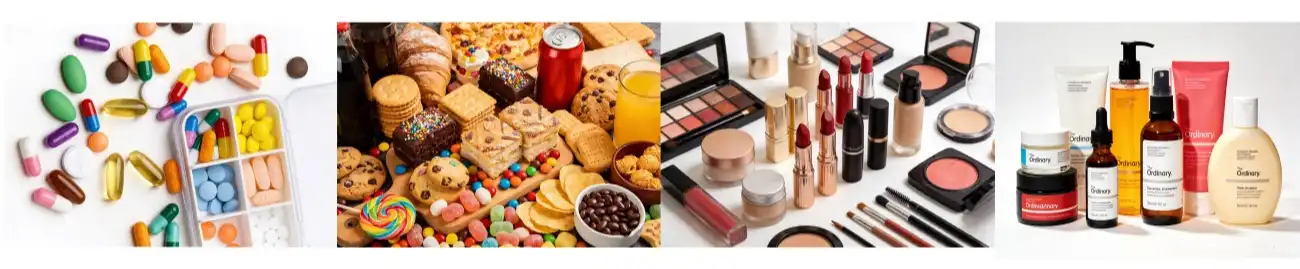
Comparison and Selection Guide for Poria Cocos Extract Products
Benchmarking Against Other Functional Mushroom Extracts
While Reishi focuses on chemicals that help you relax and Cordyceps works on your energy production, Poria Cocos Extract stands out because it has a balanced polysaccharide-triterpene profile. Compared to Chaga's antioxidant focus, Poria's water absorption and bland taste are much better, which is very important for people who make drinks. Market research shows that people who are interested in health and fitness are becoming more familiar with Fu Ling (the traditional name). This could be a branding opportunity for businesses that teach people about Asian herbal practices.
Powder vs. Capsule Form: Strategic Formulation Choices
The raw brown powder form gives you the most options for how to make the product. You can mix it into pills, put it in capsules, or add it directly to functional foods. Companies that make sports nutrition, like powder for custom amino acid stacks, while companies that make multivitamins, like pre-encapsulated forms, because they make production lines run more smoothly. For high-volume producers, buying in bulk in 25 kg drums optimizes cost-per-dose economics. Even new names testing the market can reach MOQ limits. Samples are available so that research and development teams can check the stability and organoleptic qualities of a product before committing to full production runs.
Critical Supplier Evaluation Criteria
Purchasing managers should make sure that GMP certification is real by doing site checks or having a third party validate it. They should also make sure that the factory settings are clean enough to meet pharmaceutical-grade standards. Brands are protected against supply chain contamination events when they have paperwork that connects each batch to a specific harvest place and extraction date. When a supplier has more than one organic certification (USDA, EU, JAS), it means they have well-established quality systems that can handle the complicated rules that apply across borders. Lead times of less than 10 days, which can be reached by placing stores in key places, lower the costs of keeping goods on hand for just-in-time manufacturing.
Procurement Strategies for Organic Poria Cocos Extract
Navigating Global Sourcing Dynamics
China is still the main place where Poria cocos is grown because it has the best temperature and has been doing it for hundreds of years. But procurement teams gain when sellers keep warehouses in the US. This cuts shipping times for domestic customers from 30+ days to 2-3 business days. Our four area delivery centers across the United States make sure that our products are always available, which is especially important during busy production times when demand is high. This transportation infrastructure gets rid of delays at customs and makes it easier for FDA-registered facilities to keep up with compliance paperwork.
Pricing Benchmarks and Cost Optimization
Certified organic extracts (Poria Cocos Extract) usually cost between $45 and $75 per kilogram when bought in 25 kg increments. The price changes depending on the amount of polysaccharides and the certification scope. Volume discounts become important after yearly pledges of 500 kg, which is a level that mid-sized supplement brands can reach. It's easier to handle cash flow for seasonal product sales if you can work out payment terms that work with production cycles, like net-60 agreements. When you compare prices, you should take into account hidden costs like the cost of sending out sales, getting a certificate, and changing the specifications.
Logistics and Documentation Best Practices
Air freight is still the standard for first-time orders under 100 kg, but ocean shipping becomes more cost-effective for regular large purchases. Proper packaging in pharmaceutical-grade plastic bags inside fiber drums keeps dampness out during transport, which is important for keeping the safety of the polysaccharides. To meet FSMA standards, import paperwork must have allergen statements, Phytosanitary Certificates, and Certificates of Analysis. Working with providers who have experience submitting prior notices to the FDA speeds up port clearance, which lowers the fees for storing and demurrage at US entry points.

Conclusion
Organic Poria Cocos Extract is a botanical answer that has been scientifically proven to work and can be sold to help brands find a balance between traditional knowledge and current formulation science. Its standardized polysaccharide content, range of organic certifications, and reliable supply chain solve some of the biggest problems that nutraceutical developers, cosmetic creators, and functional food makers have with buying things. The extract can be used in a wide range of products, from immunity pills to anti-aging serums. It is also easy to get and can be delivered quickly in the US, making it a valuable ingredient for companies that want to stand out in the natural product market.
FAQ
1. How does concentrated extract differ from raw Fu Ling powder?
By extracting the fiber-like cellulose with water, the 10:1 concentration ratio gives ten times the medicinal density of raw powder. This process improves absorption potential and lowers serving sizes in finished goods, which meets the needs of customers who prefer single-capsule doses over powders that come in multiple grams.
2. Is this extract suitable for beverage applications?
Polysaccharides that dissolve in water spread out well in water-based systems when mixed properly. This means that the extract can be used in functional drinks, smoothie mixes, and ready-to-drink health shots. Heat stability during pasteurization lets active compounds be added to shelf-stable beverage forms without affecting their structure.
3. What certifications validate organic authenticity?
Our product has certificates from the USDA for Organic, NSF GMP, Kosher, Halal, ISO, and FSSC22000. These certifications are checked every year by third-party bodies that are recognized as trustworthy. These qualifications prove that the crops were grown without using pesticides, that they are not genetically modified, and that the production processes met the pharmaceutical-grade standards needed to get to the global market.
4. Can the extract be used in cosmetic formulations?
Triterpenoid parts stay stable in normal pH ranges for cosmetics (4.5–7.0) and work well with common stabilizers like phenoxyethanol. As an antioxidant, the powder can be added to cream bases, serums, and sheet mask essences to help fight oxidative stress and protect the skin barrier.
Partner with OHI for Premium Poria Cocos Extract Supply
OHI (Organic Herb Inc., Stock Number: 872213), which grows certified organic Poria Cocos Extract on 8,000 acres and has 42 scientific experts working on advanced research and development, is your go-to source for this product. Our four warehouses in the US ensure fast shipping, and our many certifications, such as NSF GMP and FSSC22000, make the legal approval process easier for you. Whether you need 25 kg trial runs or yearly contracts for multiple tons, our team can help you with formulation and provide full paperwork packages. Email us at info@organic-herb.com to get free samples, talk about custom requirements, or get bulk prices from a reliable Poria Cocos Extract provider that wants your new product to succeed.
References
1. Chen, Y., & Liu, J. (2018). Polysaccharides from Poria cocos: A Review of Their Structure, Bioactivity, and Applications. Carbohydrate Polymers Journal, 195, 378-391.
2. Wang, L., Zhang, H., & Xu, M. (2020). Triterpenoids from Wolfiporia extensa: Chemical Diversity and Biological Activities. Phytochemistry Reviews, 19(4), 889-910.
3. Kim, S., Park, J., & Lee, D. (2019). Immunomodulatory Effects of Fungal Beta-Glucans: Mechanisms and Applications. International Journal of Medicinal Mushrooms, 21(6), 531-548.
4. Liu, X., Wang, Q., & Zhou, T. (2021). Quality Control and Standardization of Poria cocos Extracts in Nutraceutical Industries. Journal of Pharmaceutical and Biomedical Analysis, 204, 114-129.
5. Zhao, M., Yang, F., & Chen, K. (2017). Extraction Optimization and Characterization of Bioactive Polysaccharides from Poria cocos Sclerotium. Food Chemistry, 231, 251-260.
6. Tanaka, H., Nakamura, S., & Yamamoto, Y. (2022). Cosmetic Applications of Traditional Mushroom Extracts: Antioxidant and Skin Barrier Enhancement Properties. International Journal of Cosmetic Science, 44(2), 187-203.
Standard Disclaimer (DSHEA):
These statements have not been evaluated by the Food and Drug Administration.
This product is not intended to diagnose, treat, cure, or prevent any disease.

Send Inquiry
Related Industry Knowledge
- Why Bitter Apricot Extract Is Gaining Attention in Natural Ingredients
- The Benefits of Rhodiola Rosea Are Too Good to Miss
- The Science Behind Rosehip Extract
- Exploring the Wonders of Rhodiola Rosea
- Does rosemary oil repel mosquitoes?
- What Are The Benefits Of Polyporus Umbellatus Extract?
- Polyporus Umbellatus Extract Explained: From Raw Material to Final Product
- Best Rhodiola Rosea Supplement: Smart Choice Guide
- What is sodium copper chlorophyllin?
- The Health Benefits and Uses of Polyporus Umbellatus Fries