
Market Insights: The Rising Demand for Rosehip Fruit Extract
Jun 22, 2026
It's amazing how much the global plant products market has changed. For example, Rosehip Fruit Extract has become a popular choice for B2B buyers in many industries. This natural ingredient comes from the Rosehip Fruit Extract (Rosa canina) and helps with important formulation issues while also meeting customer demands for clean-label goods. Analysts think the market will keep growing until 2030, thanks to uses in makeup, functional drinks, and pharmaceutical-grade formulas. This ingredient is very useful because it has a lot of different bioactives, such as natural vitamin C, antioxidants, and galactolipids. Brands that want plant actives that have been proven to work by science must use it.
Understanding Rosehip Fruit Extract: Properties and Benefits
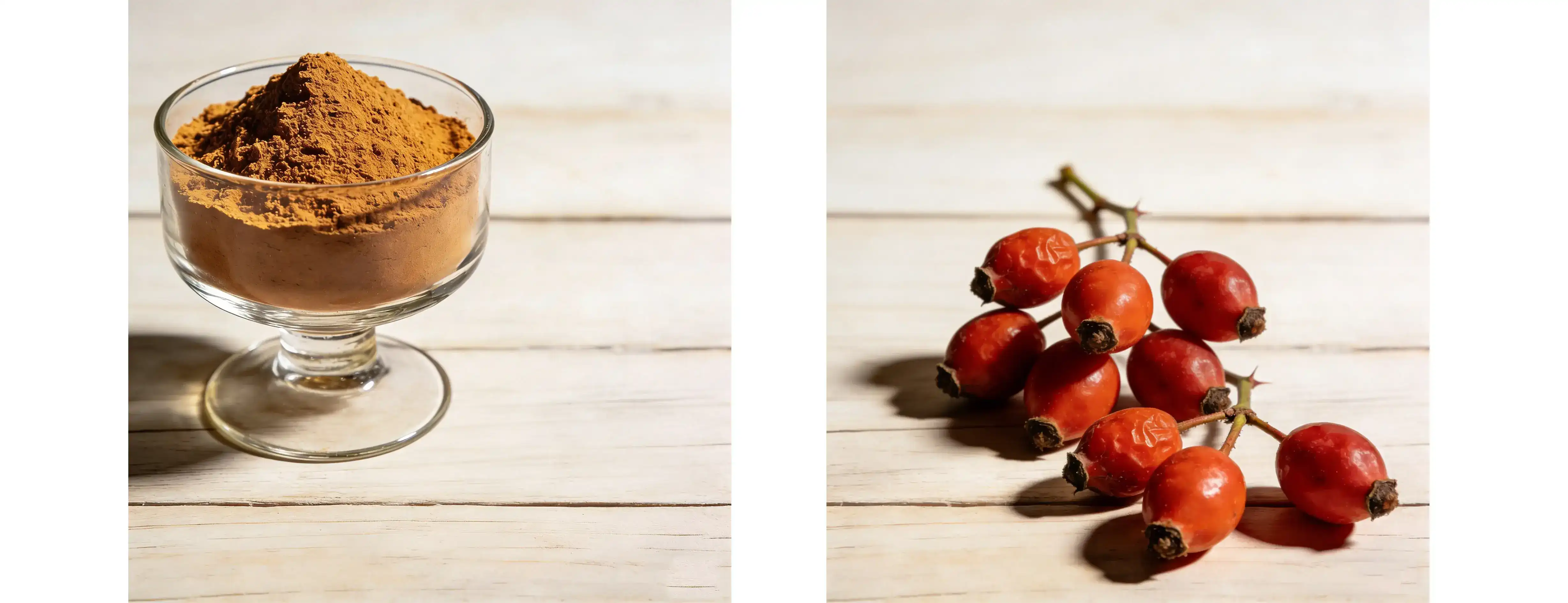
Rosehip fruit extract is a high-tech plant raw material that has certain technical properties that are important for industrial uses. Our water-extracted powder (10:1 strength, standardized to 5% Vitamin C) is more stable than manufactured options because it has a protective framework of phytocompounds that are already present.
Technical Specifications That Matter
For plant products to be of high quality, they need to be precisely described. The stuff we sell looks brownish-yellow, and 95% of it makes it through an 80-mesh screen, which makes sure that the particles are spread out evenly, which is important for filling capsules and making drinks. The water-based extraction method gets rid of any leftover organic solvents, meeting the safety standards for food that buying teams care about the most. Measurements of bulk density between 0.4 and 0.65 g/ml make it easier to predict how the product will move when it is mass-produced.
Bioactive Composition and Functional Advantages
Multiple active chemicals in the extract work together to make it effective. The flavonoid part, which includes quercetin and rutin, improves bioavailability, while the natural L-ascorbic acid content (minimum 5% measured) acts as an antioxidant. Brand-new research shows that the galactolipid GOPO helps the ingredient work better in joint health combinations. Unlike manufactured chemicals that are kept separate, this whole-fruit matrix is more stable during processing and storage, which means it doesn't break down as quickly due to oxidation like many vitamin C preparations do. Product designers like this "entourage effect" because it keeps the substance's effectiveness even when it goes through normal production processes like heating and changing pH levels.
Application Versatility Across Industries
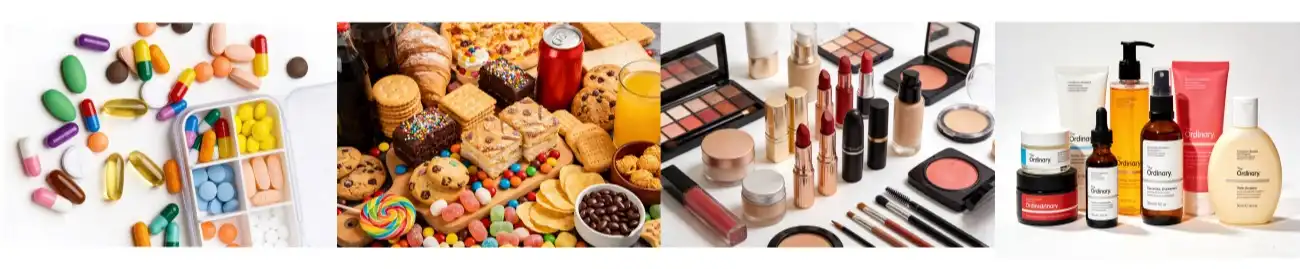
Formulation experts from a wide range of industries have used this Rosehip Fruit Extract in a wide range of products. In anti-aging serums, where it helps the collagen synthesis routes, cosmetic formulators use amounts between 2 and 10%. Functional beverage makers like how well it dissolves in water, which lets them make clear solutions without having to worry about precipitation. The natural acidity of the extract also changes the taste by hiding unpleasant notes that come from adding minerals or other botanical ingredients to complicated mixtures.
Market Trends Driving Demand for Natural Botanical Actives
Within the last five years, there have been big changes in how plant-based products are bought. Clean-label requirements now make up most of the product development plans in North America and Europe.
Consumer Preferences Shaping B2B Decisions
Supply lines are being affected by end users' knowledge of where ingredients come from. Brands are under more and more pressure to back up claims of naturalness, which is growing demand for plants that are extracted using water and have clear supply chains. This Rosehip Fruit Extract tackles several customer concerns at once: it has functional benefits, can be certified as a natural product, and supports sustainability stories when it comes from programs that ensure ethical harvesting.
Regulatory Environment and Compliance Advantages
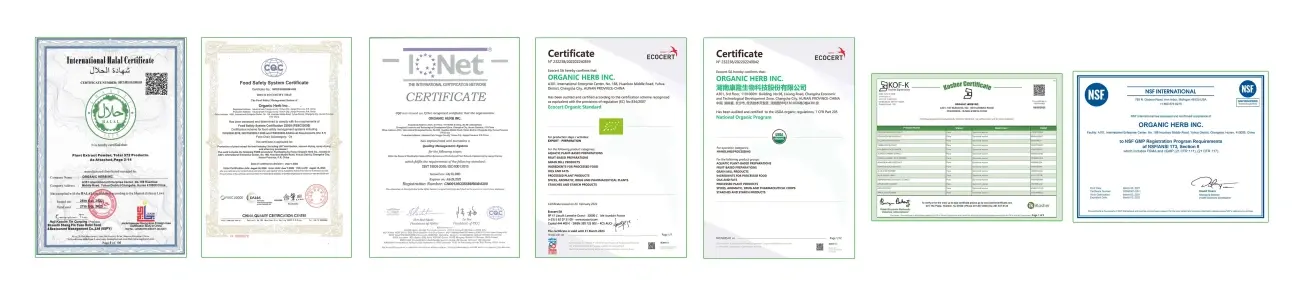
Different global markets have very different certification standards, which makes it hard for international brands to get what they need. There is a lot of paperwork for our product, like NSF GMP, Kosher, Halal, ISO, FSSC22000, and Organic certificates. This makes the government approval process easier. These qualifications are especially helpful for pharmaceutical and medical-nutrition businesses that need to show traceability paperwork and batch consistency records for regulatory purposes. Compared to goods that use chemical solvents, the water-based extraction method also makes it easier to make sure that the product is food-grade.
Competitive Positioning Against Alternative Ingredients
A lot of the time, procurement teams compare this rosehip fruit extract to ascorbic acid, acerola cherry extract, and other antioxidant sources. Comparative study shows clear benefits, including better stability during processing, a wider range of bioactive compounds compared to single-compound alternatives, and a higher level of customer recall as a traditional plant element. A cost-benefit study shows that the extract is a good investment because it can be used as both an active agent and a natural preservative system booster.
Product Forms and Supplier Considerations for Procurement Success
There are a lot of quality factors in the Rosehip Fruit Extract supply chain that have a direct effect on how well formulations work and how well they follow the rules. Knowing these factors helps you choose a seller wisely and build long-lasting partnerships.
Quality Differentiation in Extract Manufacturing
The production method has a big impact on the quality and accuracy of the extract. A dynamic low-temperature extraction method combined with nano-membrane isolation is used in our production plant to protect bioactives that break down at high temperatures. This technology keeps volatile chemicals from breaking down and stops polyphenols from oxidizing. The result is extracts with better organoleptic properties—their brownish-yellow color shows less thermal damage than darker, over-processed options. Column adsorption chromatography improves the extract even more by getting rid of unwanted chemicals and increasing the concentration of target actives to certain levels.
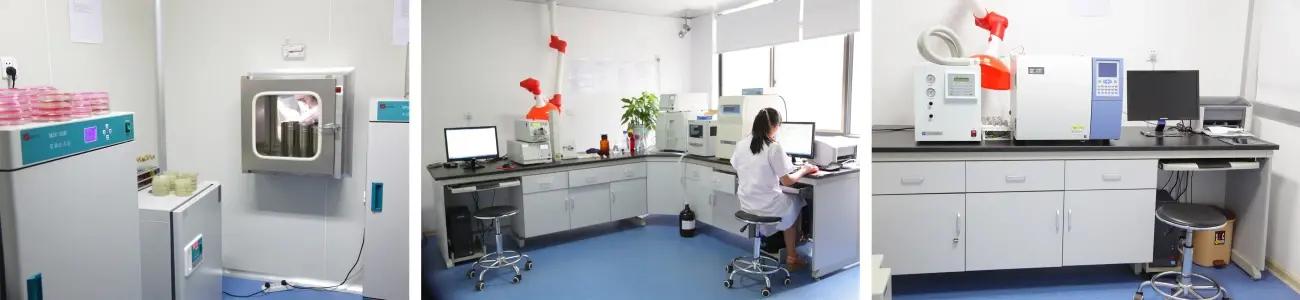
Each output batch is checked by high-tech testing instruments. Rosehip Fruit Extract HPLC testing shows the presence of Vitamin C (≥5%), and UV spectrophotometry measures the amount of total polyphenols present. This level of analytical accuracy makes sure that consistency from batch to batch is maintained, which is a major problem that formulation managers have noticed as they need to be able to predict how ingredients will work across production runs.
Certifications and Compliance Documentation
To get into global markets, you need a wide range of certifications. In addition to following GMP standards, our plant also has FSSC22000 food safety approval, which is especially important for healthy drinks and foods that have been fortified. Certifications like Halal and Kosher help brands reach more customers in certain groups. Organic apple juice helps you stand out from the competition, but regular apple juice is cheaper for users that need to save money. As part of our normal delivery process, procurement teams should ask for full documentation packages that include the Certificate of Analysis, allergen statements, GMO declarations, and pesticide residue testing results.
Supply Chain Infrastructure and Lead Times
How well an operation runs depends a lot on how well its suppliers can handle transportation. We have four carefully placed warehouses across the United States. For normal specs, it takes 10 days from the time an order is confirmed until it is delivered. This positioning of local inventory gets rid of the 45–60 day delays that usually come with straight buying from Asia, which helps just-in-time manufacturing. The smallest amount you can buy is 25 kg (one drum), which is enough for both R&D samples and small production runs. We give free samples to approved B2B buyers, which lets them try out different formulations without making a purchase promise.
Decision-Making Framework for B2B Procurement Teams
To effectively source rosehip fruit extract, you need to evaluate it in a planned way across a number of different areas. We suggest a structured method that strikes a mix between technology needs, provider abilities, and business concerns.
Defining Application-Specific Requirements
Creating clear specifications is the first step to a successful purchase. Standardized Vitamin C levels and microbial standards that meet GMPs for dietary supplements are usually the most important things for nutraceutical uses. Cosmetic formulators stress that particles should be the same size and there shouldn't be any solid materials that could change the appearance. Developers of drinks need data from solubility tests and stability studies that show how well the drinks work in sour pH conditions and at pasteurization temperatures. Our expert team gives advice based on the application, such as suggested dosage amounts and information on how well the product works with common formulation ingredients.
Supplier Evaluation Metrics
In addition to price, operational dependability is an important factor in building long-term ties with suppliers. Key evaluation factors include the ability to do analytical tests (in-house HPLC, GC-MS, and microbial testing), the ability to track raw materials back to their botanical source, the speed with which paperwork is responded to, and the availability of expert support. Our R&D center has 42 professionals working there, including top researchers with advanced degrees. They help with formulation and stability studies, which are services that set key suppliers apart from commodity vendors. Testimonials from clients show that our batch ticket system is very useful because it ensures that goods that are going through clinical trials or regulatory review will always be available.
Economic Analysis and Total Cost of Ownership
For purchasing choices that go beyond unit price, you need to do full cost modeling. Costs that aren't obvious include tests for quality control, costs for reformulating because batches are different, fast shipping fees for supply interruptions, and the cost of keeping goods on hand. Because our 10:1 extract ratio and Vitamin C level are always the same, we don't have to make many changes to the formula between runs. Domestic storage gets rid of import taxes and lowers the need for safety stocks. These things help make the total cost of ownership better, even though the product is more expensive than direct-import options that don't have as good of infrastructure.
Future Outlook: Innovation and Sustainability in Botanical Sourcing
The Rosehip Fruit Extract business is always changing because of new technologies and shifting stakeholder demands. Procurement plans that look ahead take into account new trends that will affect how companies compete over the next five years.
Extraction Technology Advancements
New processing methods for the next version offer more power and new features. Even though they cost a lot of money, supercritical CO2 extraction methods produce lipophilic fractions that work well with bioactives that were recovered with water. Techniques that use enzymes to help with extraction improve yield while lowering processing time and energy use. Our center keeps buying new, high-tech tools—already over $1.2 million has been spent on analysis instruments alone—so we can use new technologies as soon as they can be used in the real world. With these new ideas, you'll be able to make custom extract profiles that meet the needs of a particular formulation, going beyond standard stock offers.
Sustainability and Ethical Sourcing Imperatives
More and more, corporate social responsibility affects choices about what to buy. Our supply chain starts with three GAP-standard growing bases that are spread out over more than 8,000 acres in the provinces of Shaoyang, Changsha, Huaihua, Guizhou, Hubei, and Jiangxi. Fair pay is guaranteed by direct agreements with local farming communities, and our agronomists offer expert advice on how to grow crops in a way that doesn't harm the environment. This plan ensures the quality of the botanicals at their source while also helping the local economy grow. This story fits with what brands are required to say about sustainability and what customers expect from brands: honesty.
Strategic Supplier Partnership Models
Transactional ways of buying things don't work for unique Rosehip Fruit Extract ingredients that need expert teamwork. Progressive brands form development agreements with providers that can do research and development. Our 10 finished national research projects on plant-active isolation show that we can come up with new ideas that go beyond making things. We offer custom extract development, ranging from new ratio formulas to unique standardization marks. This helps with the creation of intellectual property to help brands stand out. With this model, sellers become strategic innovation partners, which speeds up the time it takes for next-generation goods to hit the market.

Conclusion
The market for Rosehip Fruit Extract is growing, which is great news for brands that want to use natural products that have been proven to work by science. According to the industry, Rosehip Fruit Extract meets many needs at once: it provides useful bioactives, is clean label, and is more stable in formulations than manufactured options. For buying to go well, suppliers must be carefully evaluated based on their quality systems, licensing portfolios, analytical skills, and supply chain infrastructure. We encourage procurement workers to stop buying goods based on price and instead form strategic partnerships with sellers who can show they can do research and development (R&D) and are committed to sustainability. The world of plant extracts will continue to change as new technologies and rules are put in place. Brands that build flexible supply relationships that can support long-term product portfolios will be rewarded.
FAQ
1. What are the primary functional benefits of incorporating this botanical extract into formulations?
The rosehip fruit extract has many benefits that can be used in different types of situations. It has a measured natural Vitamin C level of at least 5%, which acts as an antioxidant. The flavonoid and galactolipid fractions add to its bioactive qualities. The water-extracted structure makes sure that it is more bioavailable than oil-soluble options.
2. How can procurement teams verify supplier quality and extract purity?
Ask for full analytical reports that include HPLC chromatograms showing the concentrations of active compounds, pesticide residue testing results (usually below 0.05 ppm for controlled compounds), heavy metal analysis, and microbial specs. Reliable sellers include Certificates of Analysis that are specific to each batch with every package. Site exams that check for GMP compliance and analysis laboratory approval give you even more peace of mind. Our building is open to customer checks and has quality systems that are validated by third-party certifications like NSF GMP and FSSC22000.
3. What considerations apply when comparing organic versus conventional extracts?
Organic approval costs an extra 20 to 35 percent, but it helps sell natural products better. When both forms come from quality-controlled farming, there aren't many differences in how well they work technically. The choice rests on the needs of the target market—organic certification is needed for finished goods to be eligible for the USDA Organic seal, but it might not be needed for regular supplement lines where cutting costs is more important.
Partner with OHI for Premium Rosehip Fruit Extract Supply
Organic Herb Inc. (OHI), a botanical extract maker that is traded on the stock market (Stock Number: 872213), sells pharmaceutical-grade Rosehip Fruit Extract (Rosa canina) that comes with full approval and benefits of a domestic supply chain. Our 10:1 water-extracted powder, which is standardized to 5% Vitamin C, meets the needs of cosmetic makers, and functional food creators across North America for stable formulations and regulatory compliance. Our four US warehouses give procurement teams instant access to quality-checked goods, so they don't have to wait for long lead times that come with buying from other countries.
As a reliable provider of Rosehip Fruit Extract, we offer full technical support from the first sample to the start of industrial production. Our research and development (R&D) team works together to improve formulations, set up methods for stability testing, and make legal documents. Email our purchasing agents at info@organic-herb.com to get free samples, analytical data unique to each batch, and custom prices for large orders. Experience the OHI advantage: sustainable sourcing from more than 8,000 acres of GAP-certified growing grounds, cutting-edge extraction technology that protects bioactive purity, and rigorous analysis that guarantees the same quality in every 25kg drum supplied.
References
1. Patel, S. "Rose Hip (Rosa canina L.): A Functional Food Perspective on Bioactive Compounds and Health Claims." Journal of Functional Foods, vol. 47, 2018, pp. 251-265.
2. Winther, K., et al. "The Anti-Inflammatory Properties of Rose-Hip Extract in Patients with Osteoarthritis: A Randomized, Double-Blind, Controlled Trial." Scandinavian Journal of Rheumatology, vol. 34, no. 4, 2005, pp. 302-308.
3. Phetcharat, L., et al. "The Effectiveness of a Standardized Rose Hip Powder on Human Aging: A Randomized, Double-Blind, Placebo-Controlled Trial." Clinical Interventions in Aging, vol. 10, 2015, pp. 1849-1856.
4. Cbánek, V., et al. "Antioxidant Activity and Phenolic Compounds in Rosa canina L. Fruits." Czech Journal of Food Sciences, vol. 26, no. 2, 2008, pp. 105-111.
5. Larsen, E., et al. "Botanical Extracts in Cosmetic Formulations: Stability Assessment and Bioactivity Validation." International Journal of Cosmetic Science, vol. 41, no. 3, 2019, pp. 234-247.
6. Grand View Research. "Botanical Extracts Market Size, Share & Trends Analysis Report by Source, by Application, by Region, and Segment Forecasts, 2023-2030." Market Analysis Report, 2023.
Standard Disclaimer (DSHEA):
These statements have not been evaluated by the Food and Drug Administration.
This product is not intended to diagnose, treat, cure, or prevent any disease.

Send Inquiry
Related Industry Knowledge
- Market Insights: The Rising Demand for Rosehip Fruit Extract
- Bitter Apricot Extract: How It’s Made and What Sets It Apart
- Learn More About Bitter Apricot Seed
- How to use grape seed extract powder for skin
- What is peony extract?
- Does rosemary oil repel mosquitoes?
- Poria cocos extract in skincare, What is?
- Polyporus Umbellatus Extract Explained: From Raw Material to Final Product
- Poria Cocos Mushroom Extract as Functional Foods in Industry
- The Health Benefits and Uses of Polyporus Umbellatus Fries