
Coenzyme Q10 (CoQ10): The Basics and Its Health Benefits
Jun 9, 2026
Coenzyme Q10 (CoQ10) represents a naturally occurring compound central to cellular energy production and antioxidant protection within the human body. Available as Coenzyme Q10 Powder in industrial-grade formats, this nutrient-dense ingredient serves cosmetic and functional food manufacturers seeking to enhance product formulations with scientifically backed bioactive components. Understanding its biochemistry, sourcing considerations, and application versatility enables B2B buyers to make strategic procurement decisions that align with quality standards and market trends.
Introduction
Because of the need for good bioactive chemicals, the business of makeup is still changing. Coenzyme Q10 has become a very common raw material because it can protect cells from reactive stress and help mitochondria work properly. Procurement workers who are in charge of supply lines for making food supplements, skin care items, or functional drinks need to know about the technical specs and different ways to buy Coenzyme Q10 Powder.
This guide tells you everything you need to know about Coenzyme Q10 Powder, such as how to get it, basic ideas, proven benefits, and the best ways to make it. This resource has useful information for B2B decision-makers in the US market, whether they work for a supplement company that needs highly pure ubiquinone, a cosmetics company that needs stable antioxidants for anti-aging products, or a functional food company that wants to add cellular energy, supporters.
What is Coenzyme Q10 Powder? Understanding the Basics
Chemical Structure and Biological Role
Human cells naturally contain ubiquinone-10 (CAS 303-98-0), which is Coenzyme Q10. Fats dissolve it. Ten isoprenoid units form a side chain of a benzoquinone ring. This helps transport electrons in mitochondrial walls. Coenzyme Q10 assists in the production of ATP, the energy source for all cell operations.
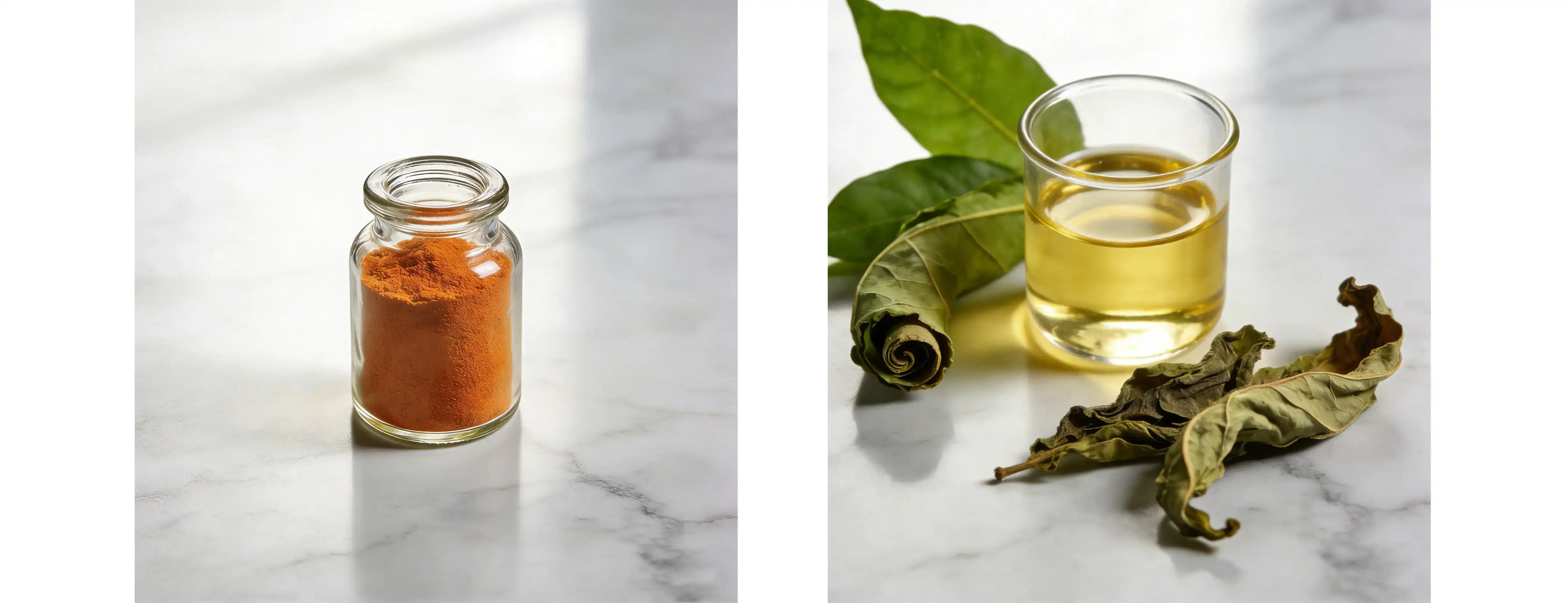
The chemical comes in two forms: oxidized and reduced. Both types can merge in biological systems, but they require different means of stability and formation. Many industrial-grade Coenzyme Q10 Powders include 98% pure ubiquinone. Between 48°C and 52°C melts. It resembles orange diamonds.
Manufacturing Methods and Quality Considerations
Rhodobacter sphaeroides and Agrobacterium tumefaciens are used in microbial fermentation to generate Coenzyme Q10 Powder. This biofermentation creates molecularly safe bio-identical trans-isomer configurations. For therapeutic application, fermented material must be extracted, cleansed, and crystallized.
For quality control, the all-trans isomer must be pure (>99%), there must be no cis-isomers (which have no biological activity), the particle sizes must be spread out for best formulation performance, and there must be little solvent left. Top providers utilize HPLC testing to prove product efficacy. In monitored fields, this ensures batch consistency.
Powder Form Advantages for B2B Applications
Powder is clearly better than finished dose in many aspects. Formulators can manufacture unique doses, blend the medicine with additional active chemicals, and administer it via oil-based softgels, tablets, or water-soluble dispersions. 98% pure Coenzyme Q10 Powder uses fewer raw ingredients per batch. It saves time and money for factories that create many goods.
To avoid oxidation and degradation, Coenzyme Q10 Powder must be handled carefully due to its stable structure. Store items properly and in protective packaging to preserve their usefulness. Light, heat, and air can destroy them. Professionals ship goods in 25-kilogram nitrogen-cleaned drums to maintain supply chain cleanliness.
Health Benefits and Antioxidant Properties of CoQ10 Powder
Free radicals are bad for your health, but Coenzyme Q10 Powder fights them.
Energy Metabolism Support
In living things, Coenzyme Q10's main job is to help move electrons around in the mitochondrial respiratory chain. To make energy for cells, this is a very important step. Many cells, like heart muscle and skeletal muscle tissue, need this system to help them get what they need. Athletes and other busy people often take extra Coenzyme Q10 to help their bodies heal and get stronger.
Several study articles have talked about the compound's role in keeping mitochondrial function at its best. This is very important because, as people age, their bodies make less Coenzyme Q10. Doses between 100 and 300 milligrams per day have been looked at in supplementation studies. The findings show that different groups of people have higher levels of mitochondrial efficiency.
Antioxidant Defense Mechanisms
Coenzyme Q10 is a strong antioxidant that dissolves in fats and does more than just keep you alive. It can protect cell walls, proteins, and DNA from damage caused by reactive oxygen species (ROS) because of the way its chemicals are organized. There are mitochondrial membranes and lipid bilayers all over cells on which this antioxidant power works on.
The substance is even better for your health because it can make more antioxidants, like vitamin E. Cosmetic companies that also make skin care items that fight aging are interested in this partnership. These items are meant to shield the skin from reactive stress caused by UV light and pollution in the air, which makes the aging process go faster.
Cardiovascular and Immune Considerations
As a result of its high energy needs, the circulation system always has a lot of Coenzyme Q10. Researchers have looked into the substance to see how it can help people with healthy eating and living habits keep their blood pressure and fat profiles in a healthy range.
Immune system cells also need to be able to make energy quickly so they can do their jobs of keeping an eye on things and responding. It is found in biological cells and helps the body's defenses do their job. Taking vitamins shouldn't get rid of healthy habits, though; they should add to them.
How to Use Coenzyme Q10 Powder: Dosage and Best Practices?
Application-Specific Dosage Considerations
Various products require various formulations. Dietary supplements typically contain 30–200 mg per dose. Higher amounts are stored for certain uses. Cosmetics utilize 0.01-0.1% because the chemical is powerful and expensive. Coenzyme Q10 Powder is lipophilic and requires unique water-based breakdown methods. This hinders functional food and drink production.
When choosing an amount, bioavailability is crucial. Solid Coenzyme Q10 Powder doesn't mix well with water; different amounts are absorbed at different rates. Modern methods, including combining medications with carrier oils, micronizing, and attaching them to liposomes or cyclodextrin complexes, make them easier to swallow.
Formulation Techniques for Manufacturers
Softgels are the greatest technique to release Coenzyme Q10 in dietary supplements. Coenzyme Q10 Powder mixes well with soybean, olive, and medium-chain triglycerides. Slowly heating it below 50°C dissolves it better, but the molecules retain their structure. Emulsifiers like lecithin maintain the spread evenly and prevent settling.
Pills are difficult to create since the substance is hard to crush and light-resistant. Producers co-process with flow agents, add protective coats, and utilize opaque packing to address these difficulties. Nanoemulsion or microencapsulation can make Coenzyme Q10 Powder dissolve in water and be added to beverages and functional waters.
Safety Profile and Storage Requirements
Many sources suggest Coenzyme Q10 is safe. One study revealed no serious negative effects from 1,200 milligrams daily. The molecule is found naturally in human cells, which explains its high reputation. Sometimes it's best to consult a specialist.
How Coenzyme Q10 Powder is stored affects its stability. To keep items safe, put them in boxes with tight lids, out of the light, below 25°C, and below 60% relative humidity. To maintain its 24-month shelf life, the substance must be nitrogen-flushed because oxygen contact accelerates disintegration.
Coenzyme Q10 Powder vs Other Forms: A B2B Comparative Analysis
Powder Versus Finished-Dose Forms
When bought in bulk, raw Coenzyme Q10 Powder, also called CO Q10, gives B2B buyers the most ways to prepare it and the best value for money. When you buy finished pills, you can't make as many changes to them, and the seller will charge you more for extra work that makes them valuable. People who make more than one line of products should keep a stock of Coenzyme Q10 Powders that can be used in different ways instead of spending money on capital for a single-SKU finished good.
Coenzyme Q10 Powder lasts longer, which is another good thing about it. If you store crystalline Coenzyme Q10 the right way, it will stay active for 24 to 36 months. But encapsulated types are less safe because the gelatin breaks down, the oil goes bad, and water gets in. So you won't have to worry about running out of things, and you can buy a lot when prices are low on the market.
Ubiquinone Versus Ubiquinol Forms
In business, the reduced form (ubiquinone) is usually used because it is more stable and less expensive. People think that the reduced form of ubiquinol would be better for uptake, but it is hard to make. It needs special ways to be packed because it is so sensitive to air, and the raw materials are much more expensive—often three to four times what ubiquinone costs.
When absorption is compared between types, the results are not always clear. Some of the things that have changed the results are the dose, the technology used for preparation, and each person's ability to convert. Many companies choose to use ubiquinone along with delivery methods that make it easier for the body to take because it is a cheap way to speed up absorption.
Sourcing Considerations and MOQ Requirements
On the world market, Coenzyme Q10 can be made in two ways: through fermentation and through manufacturing. The stuff that is fermented costs more, but it is completely trans-isomer pure and helps with regulation. Synthetic alternatives may have inactive cis-isomers, and natural goods are looked at carefully when they are put in place.
For goods that sell well, the lowest amount that can be ordered is usually between 25 kg and 100 kg, and as volume goes up, prices go down. Some people can get better deals when they buy Coenzyme Q10 Powder in bulk and talk about multi-batch deals or monthly supply contracts. Most of the time, wait times for stock items are between 7 and 14 days. Routines for making things need to be changed for special requirements.
Procuring Coenzyme Q10 Powder: Tips for B2B Buyers
Supplier Evaluation Criteria
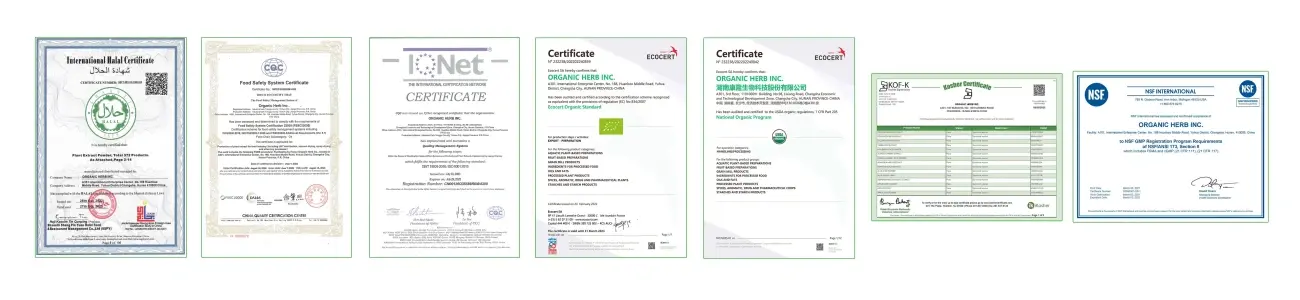
Finding the finest Coenzyme Q10 Powder providers requires more than price comparison. Good makers maintain NSF GMP, Kosher, Halal, ISO 9001, and FSSC 22000 requirements. These licenses demonstrate that the company has process controls and tracking systems to comply with regulatory regulations.
Premium suppliers provide expert assistance, unlike product dealers. R&D teams can aid with recipe, stability, and application-based ideas to speed up product development. Testing for heavy metals, pathogens, and residual solvents, as well as certificates of analysis, can help analysts evaluate incoming materials.
Strategic Procurement Approaches
When trying to balance quality and budget, buying teams need to consider more than unit pricing. Shipping expenses, testing costs, the likelihood of having to rewrite the formula due to unlevel Coenzyme Q10 Powder components, and customer complaints all affect success. Knowing experienced merchants who always deliver quality material might help you reduce these hidden costs.
Sample review tools enable you to compare quality fairly before buying a lot. Trustworthy suppliers provide free samples with scientific paperwork to test solubility, color consistency, and performance in varied uses. Pilot-scale manufacturing runs with sample materials can reveal handling issues before investing in them.
Long-term supply agreements lock in number commitments that lift prices and ensure that both parties can always acquire Coenzyme Q10 Powder, regardless of market conditions. Agreements should outline quality standards, testing methodologies, expected wait times, and unambiguous sign-based price changes.
Logistics and Storage Management
The High Purity of the CO Q10 makes logistics planning crucial since Coenzyme Q10 Powder is sensitive. Temperature-controlled transportation prevents heat damage. Packages moving across temperature zones need this. Target market stores reduce wait times and simplify just-in-time supply.
US manufacturers benefit from buyers keeping local inventories in well-placed outlets. This infrastructure lets us swiftly restock, manage small orders at low prices, and clear customs. Suppliers with Los Angeles sites can serve West Coast producers and deliver Coenzyme Q10 Powder to the East Coast.
Partnership Opportunities for Value Enhancement
Smart supplier relationships can provide value beyond raw materials by offering private labeling and specialized processing. Suppliers with packaging, mixing, and packing lines can aid brands without factories. These links help businesses access new markets faster and cheaper.
OEM and ODM arrangements benefit brands that prefer marketing and sales to manufacturing. Experienced manufacturing partners can help you follow the law, ensure recipes function, and increase production to meet demand. Quality agreements specify who is responsible for specs, tests, and paperwork, keeping everyone safe and ensuring high-quality work.
Conclusion
In the nutrition, cosmetics, and functional food businesses, Coenzyme Q10 Powder is a versatile ingredient that can be used in many different ways. Because it is known to help cells make energy and protect them from free radicals, it is a good science addition to lines of products for people who care about their health. To make a good buy, you should know about the technical aspects of the material, look at the skills of the seller in addition to price, and follow best practices for preparation that make the material more stable and bioavailable. Business-to-business sellers can do better in markets that value quality and new ideas when they work with qualified makers who show they know what they're doing, keep their supply lines open, and offer a wide range of support services.
FAQ
Q1: What specifications should I request when sourcing Coenzyme Q10 powder?
Ask for proof that the Coenzyme Q10 Powder is at least 98% pure (by HPLC analysis), has an all-trans isomer content of more than 99%, and has particle size distribution data, heavy metals testing results, bacterial screening results, and leftover solvent analysis results. This stuff should come from fermentation and not fake production. It is important for suppliers to show that they follow USP, EP, or JP guides by giving Certificates of Analysis for each batch.
Q2: How does storage affect CoQ10 powder shelf life?
Things will last 24 to 36 months if you store Coenzyme Q10 Powder correctly. When the temperature is between 15°C and 25°C and the relative humidity is below 60%, the material should stay covered in its original box. It should also be kept out of the light. Oxygen stops the reactive breakdown in packaging that is full of nitrogen. When you open something, try not to let air in as much as possible, and use it within six months.
Q3: Can CoQ10 powder be incorporated directly into beverages?
Pure Coenzyme Q10 Powder doesn't mix well with water because it is lipophilic. When you add something straight in, it doesn't spread out very well. For use in drinks, forms that can dissolve in water must be created using micro-encapsulation, nano-emulsion, or cyclodextrin complexation. These high-end grades cost a lot, but they let you make clear drinks.
Partner with OHI for Premium Coenzyme Q10 Powder Supply
Organic Herb Inc. (OHI) sells pharmaceutical-grade Coenzyme Q10 Powder that is 98% pure. It is made in facilities that are CGMP, FSSC 22000, and ISO-certified using controlled fermentation methods. We have over 8,000 acres of GAP-compliant farming grounds as a public company (Stock Number: 872213). We can now fully trace the supply chain from where the raw materials are sourced to where the final product is sent.
Coenzyme Q10 Powder, which is orange and solid, is packed in 25-kilogram drums with nitrogen to keep it safe. It has to meet strict quality standards. The all-trans isomer is more than 99% pure. These are some of the qualifications that can be bought: NSF GMP, Kosher, Halal, ISO 9001, and organic credentials that meet a lot of different legal needs. Our Los Angeles-based subsidiary, Earth Made Nutritions, runs four key stores across the US. This is how we can offer 7-day wait times and fast shipping all over the country.
OHI is a company that sells Coenzyme Q10 Powder. It has 42 research and development workers and more than $1.2 million worth of high-tech testing tools. Along with full expert support, they can help with formulation, stability tests, and making ideas based on the application. You can try the quality for free and see all the scientific information about them before you decide to buy. The minimum order quantity (MOQ) that our buying team offers starts at 25 kilos and goes down as orders get bigger.
Email OHI at info@organic-herb.com or visit usa-organic.com to get samples, full details, and unique quotes. To make your goods better, get high-quality, pure Coenzyme Q10 Powder from a company that cares about quality, innovation, and doing things in an eco-friendly way.
References
1. Crane, F.L. (2001). Biochemical functions of coenzyme Q10. Journal of the American College of Nutrition, 20(6), 591-598.
2. Bhagavan, H.N. & Chopra, R.K. (2006). Coenzyme Q10: absorption, tissue uptake, metabolism and pharmacokinetics. Free Radical Research, 40(5), 445-453.
3. Garrido-Maraver, J., Cordero, M.D., Oropesa-Avila, M., et al. (2014). Coenzyme Q10 therapy. Molecular Syndromology, 5(3-4), 187-197.
4. Pravst, I., Zmitek, K., & Zmitek, J. (2010). Coenzyme Q10 contents in foods and fortification strategies. Critical Reviews in Food Science and Nutrition, 50(4), 269-280.
5. Hosoe, K., Kitano, M., Kishida, H., et al. (2007). Study on safety and bioavailability of ubiquinol after single and 4-week multiple oral administration to healthy volunteers. Regulatory Toxicology and Pharmacology, 47(1), 19-28.
6. Lopez-Lluch, G., Del Pozo-Cruz, J., Sanchez-Cuesta, A., et al. (2010). Bioavailability of coenzyme Q10 supplements depends on carrier lipids and solubilization. Nutrition, 26(11-12), 1131-1136.
Standard Disclaimer (DSHEA):
These statements have not been evaluated by the Food and Drug Administration.
This product is not intended to diagnose, treat, cure, or prevent any disease.

Send Inquiry

Related Industry Knowledge
- Reishi Mushroom Skin Benefits: The Ultimate Guide
- Understanding Polyporus Umbellatus Extract: Source, Composition, and Characteristics
- Does rosemary oil repel mosquitoes?
- Where to buy strawberry extract?
- Best Rhodiola Rosea Supplement: Smart Choice Guide
- What is sodium copper chlorophyllin?
- Which is better, CoQ10 or Omega-3?
- Roseroot extract (Rhodiola rosea) for stress & exhaustion
- USA Market Insights on Sourcing High-Quality Polyporus Umbellatus Extract
- Natural Rhodiola Rosea Extract for Endurance and Metabolic Efficiency