
Top Benefits of Maitake Extract Powder
Jun 22, 2026
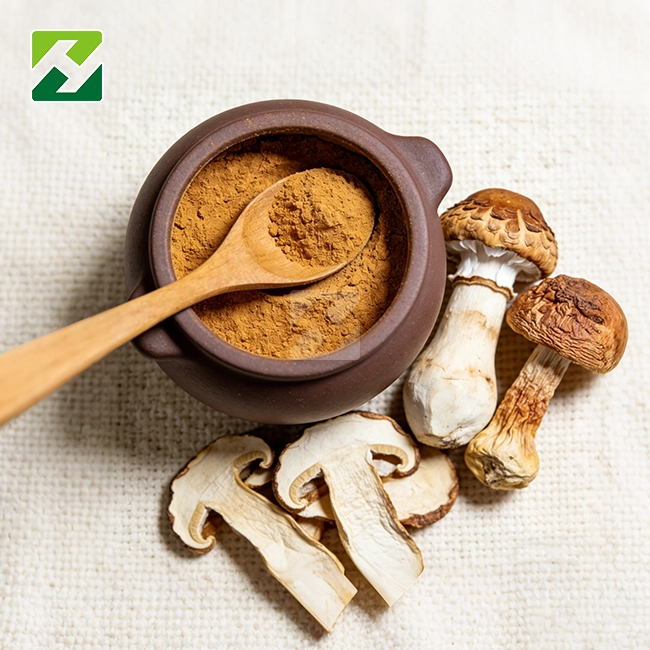
Maitake Mushroom Extract Powder contains high amounts of beta-glucans and carbohydrates that help the immune system, keep the metabolism healthy, and fight free radicals. This functional ingredient comes from the fruiting bodies of the Grifola frondosa plant and is extracted using water-based methods. It gives producers standardised bioactive chemicals that can be used in cosmetics, functional drinks, and dietary supplements. With specs ranging from 10:1 concentration ratios to 30% polysaccharide content, it gives formulators a lot of freedom to make products that are used in a wide range of wellness businesses.
Introduction
As people become more aware of sustainable, plant-based health options, the global functional ingredients market continues to change. For B2B procurement workers managing this change, Maitake Mushroom Extract Powder has appeared as a crucial ingredient. Taking its name from the plant Grifola frondosa, which is also known as "hen of the woods", this herbal extract combines old knowledge with new extraction methods.
When making competitive product lines, it's important for R&D leaders and formulation managers to know the technical details and useful qualities of Maitake extract. The ingredient has known bioactive molecules, mainly beta-glucans, that meet important customer needs for immune support, metabolic health, and clean-label formulas. Our in-depth study looks at how this extract can be used in different types of products while still being stable, effective, and in line with international regulations.
Understanding Maitake Mushroom Extract Powder and Its Nutritional Profile
What Distinguishes Extract Powder from Raw Mushroom Material
Specialized water extraction methods are used to concentrate beneficial chemicals that are much higher in Maitake Mushroom Extract Powder than they are in raw or dried mushrooms. This change breaks down the chitinous cell walls that normally stop nutrients from being absorbed, which makes the nutrients more bioavailable. The standardized extract, which comes in 10:1 ratios or 30% polysaccharide specifications, has constant potency that raw materials can't match. This solves a major problem for makers who need reliable batch-to-batch production.
The method for extraction separates certain parts, mainly the D-fraction and MD-fraction polysaccharides, which contain the beta-1,3 and beta-1,6-glucans that give the substance its functional features. This process concentrates about 10 kilograms of fruiting bodies into 1 kilogram of powerful extract powder. It's a cheap way for formulators to meet exact dose needs or capsule shapes that don't have a lot of room.
Core Bioactive Components and Their Functional Roles
The nutritional structure of Maitake extract is based on its carbohydrate makeup, with beta-glucans being the main active part. These complex carbohydrates are very stable across a wide range of pH levels and temperature changes, which makes them useful in a wide range of formulation situations. Besides polysaccharides, the extract also has ergosterol, which is a precursor to vitamin D, several B-complex vitamins, and trace minerals like zinc and selenium that add to its usefulness.
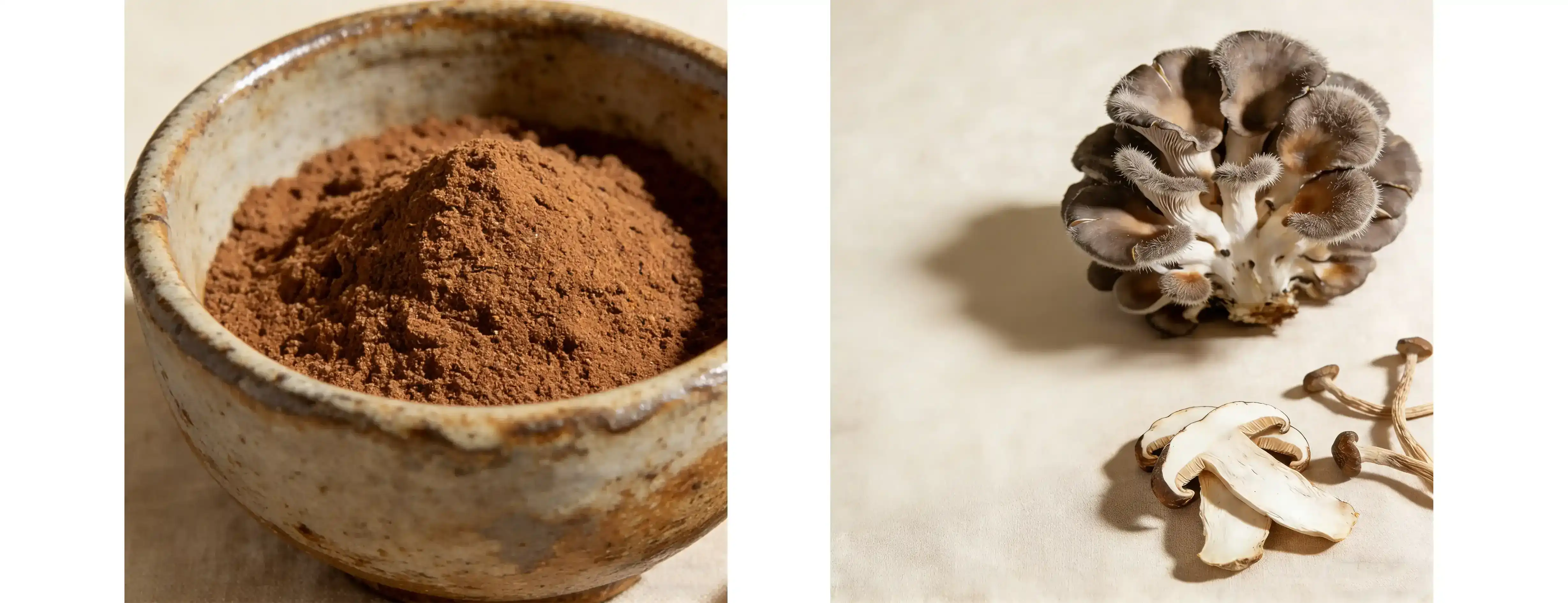
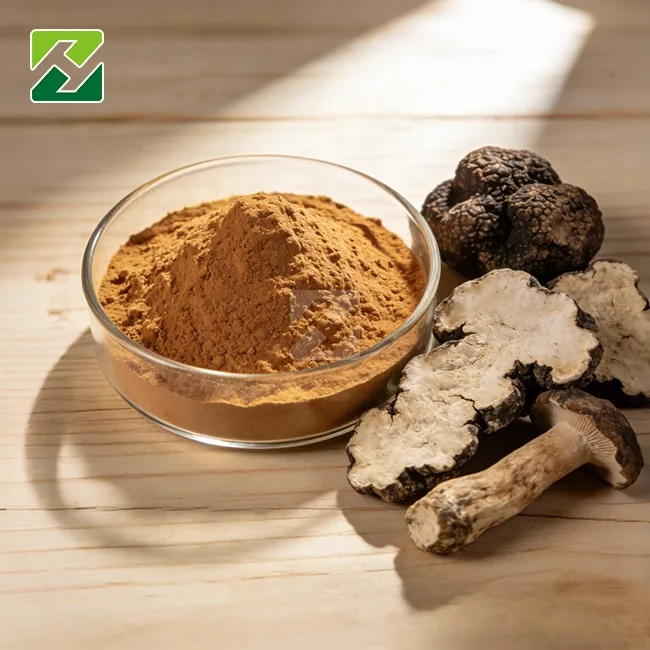
Laboratory tests show that good Maitake extracts usually have a low starch level of less than 5%. This is what makes them different from mycelium-on-grain products. This compositional purity is very important for product makers who want clear labels and real plant ingredients. The brown powder color comes from the natural chemicals that were carefully extracted and kept safe. It dissolves in water, which makes it easy to add to beverages, powder mixes, and capsules.
Quality Markers That Define Premium Extract Standards
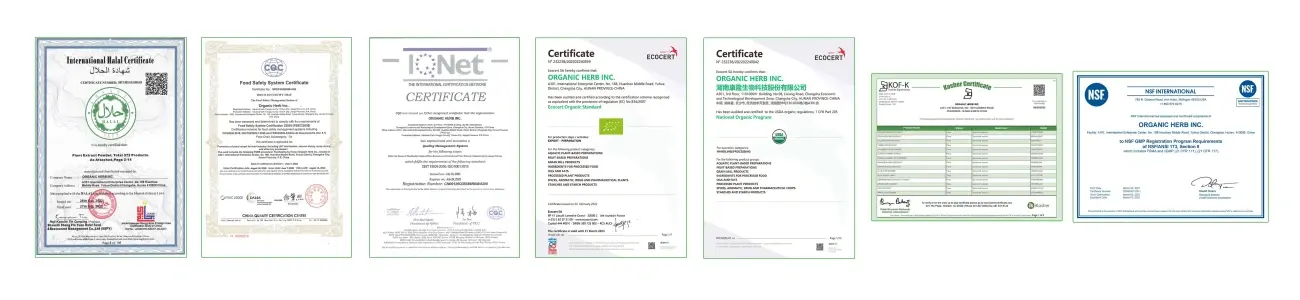
When purchasing teams look at Maitake products, they should put a number of technical factors at the top of their list. Functional polysaccharides can be told apart from inert fillers by checking the beta-glucan level using enzyme tests. Any ash level below 5% means the extraction was clean and there aren't too many minerals left over. Moisture levels kept below 5% keep things stable while they are being stored and shipped. With these standards and certificates like NSF GMP, Kosher, Halal, ISO, and FSSC22000, you can be sure that the quality is good enough for both pharmaceutical and food uses.
Top Health Benefits of Maitake Mushroom Extract Powder
Immune System Modulation Through Beta-Glucan Activity
There is research that shows how Maitake polysaccharides work with immune cell receptors, mainly those on macrophages and natural killer cells. These exchanges help the body's natural processes for recognising and responding to things without making them too active. The D-fraction component has gotten a lot of attention in scientific papers because it can change immune pathways. This makes it useful for formulators who are trying to make products that improve immune health.
This ability to change the defence system can be used in a lot of different product categories. Maitake Mushroom Extract Powder has been shown to have bioactive properties that can help with seasonal health recipes, daily upkeep supplements, and specific immune support products. The standard 30% polysaccharide guideline makes sure that these useful compounds are always delivered, meeting the needs of formulation managers who need to know how ingredients will work in different amounts.
Metabolic Wellness and Glycemic Response Support
A lot of clinical studies have looked at how Maitake powder affects glucose metabolism and insulin sensitivity. The polysaccharide parts seem to support healthy glucose consumption pathways, which means that this ingredient can be used in products that promote metabolic health. This feature creates chances in the growing market for blood sugar support goods, especially those that are aimed at busy older adults and people who are aware of their metabolism.
Companies that make sports nutrition items know that Maitake helps cells work and the body use energy. The extract can help the body use nutrients more efficiently, which makes it a good addition to formulas for endurance, healing, and metabolic efficiency. With its clean-label appeal, Maitake extract is a great way for brands to stand out in the supplement market, which is already very crowded.
Cardiovascular and Lipid Profile Benefits
There is scientific evidence that Maitake can change lipid metabolism, which includes changing the patterns of cholesterol and triglycerides. There are several ways that the beta-glucan substance helps the heart, such as by binding bile acids and preventing the uptake of fats. People are interested in heart-healthy ingredients, and these qualities make it possible to make items that are good for the heart.
Antioxidant Capacity and Cellular Protection
Polyphenolic substances and ergosterol, which are found in Maitake powder, have important antioxidant effects. This quality isn't just useful for food supplements; antioxidants can also be used in cosmetics to help keep skin healthy. Cosmetic scientists use Maitake ingredients in anti-aging serums, protective creams, and repair-focused products because they are good for the skin and contain antioxidants and polysaccharides.
Comparing Maitake Mushroom Extract Powder with Other Market Alternatives
Organic Versus Conventional Cultivation Impact
Organic approval has a big effect on where Maitake Mushroom Extract Powder is sold and how good the ingredients are. Organic farming methods get rid of leftovers from synthetic pesticides and use sustainable growing methods, which meet clean-label standards that appeal to brands that care about quality. Even though organic versions cost more, they set you apart in competitive markets where customers look closely at where the ingredients come from and how the products are made.
Maitake Versus Reishi: Distinct Functional Profiles
There are different chemical profiles when you compare Maitake and Reishi mushroom products. Ganoderma lucidum, or Reishi, has a variety of triterpenoid molecules and polysaccharide structures that give it its own special functions. The D-fraction polysaccharides in Maitake mushrooms have certain immune-modulating qualities, and the ganoderic acids in Reishi mushrooms work in a different way. This difference lets formulators choose the right mushroom extracts based on the claims they want to make about the product and the uses they want it to have.
Extract Powder Versus Whole Mushroom and Capsule Formats
Compared to dried whole mushrooms or simple mushroom powders, extract powder is easier to use and more bioavailable. Because extracts are so concentrated, smaller amounts are needed to get the desired effects. This means that fewer capsules are needed, and customers are more likely to take them as directed. For companies that make drinks, the water-soluble extract powder mixes easily into liquids and doesn't have the gritty texture that comes with whole mushroom powders.
Practical Guide to Using Maitake Mushroom Extract Powder
Dosage Considerations and Formulation Guidelines
Maitake Mushroom Extract Powder in food supplements is usually taken in doses between 500 mg and 3,000 mg per day, based on the concentration of polysaccharides and the purpose of the product. Products that are regulated to 30% polysaccharides give you between 150 mg and 900 mg of active chemicals. When making product specs, formulation managers have to find a mix between how well a dose works, the size of the capsules available, and how much the product will cost.
Integration into Diverse Product Formats
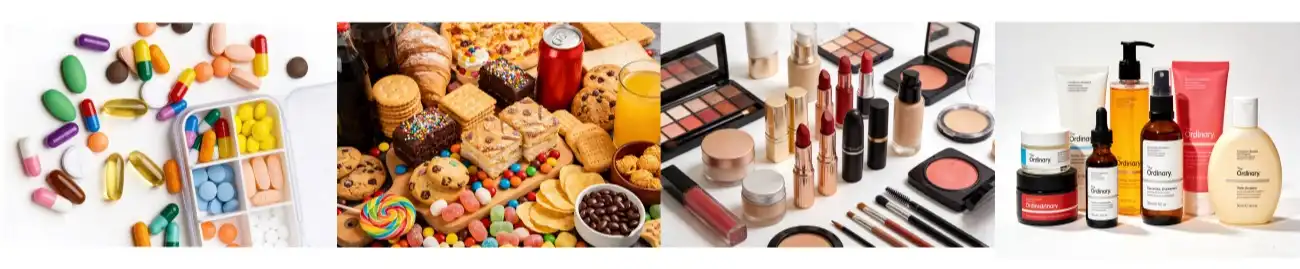
Maitake extract powder is very useful in a lot of different product groups. Manufacturers put it into more than just pills and tablets; they also put it into:
Powder Blends and Functional Beverages: Because it dissolves in water, it can be easily mixed into protein powders, veggie blends, and ready-to-mix drinks. Stability testing shows that the strength stays the same through normal beverage processing conditions.
Functional Food Applications: At the right amount, Maitake has a bland taste that works well in nutrition bars, candies, and fortified snacks. The brown colour blends in perfectly with cocoa-based goods and doesn't change how they taste.
Topical Cosmetic Formulations: Maitake extract that is safe for use on the skin is used in serums, creams, and masks because its polysaccharide content moisturises the skin and its antioxidant components support claims that the skin is protected.
Stability, Storage, and Shelf-Life Management
The best way to store ingredients is in a way that keeps their biological content stable for as long as possible. When kept in cool, dry places out of direct sunlight, 25 kg drums of Maitake extract powder that act as a moisture barrier keep their effectiveness. Because polysaccharide-rich extracts are hygroscopic, they need to be kept in covered containers between uses to keep them from absorbing water and possibly clumping.
Sourcing and Procurement Insights for Maitake Mushroom Extract Powder
Evaluating Supplier Quality and Manufacturing Standards
For B2B buying to go well, suppliers must first be carefully evaluated. Some important factors for evaluation are:
Extraction Technology and Equipment: Advanced extraction facilities that use nano-membrane concentration, multi-stage water extraction, and freeze-drying technology make extracts that are better than those made with basic processing methods. The ability to make something has a direct effect on how consistent and effective it is.
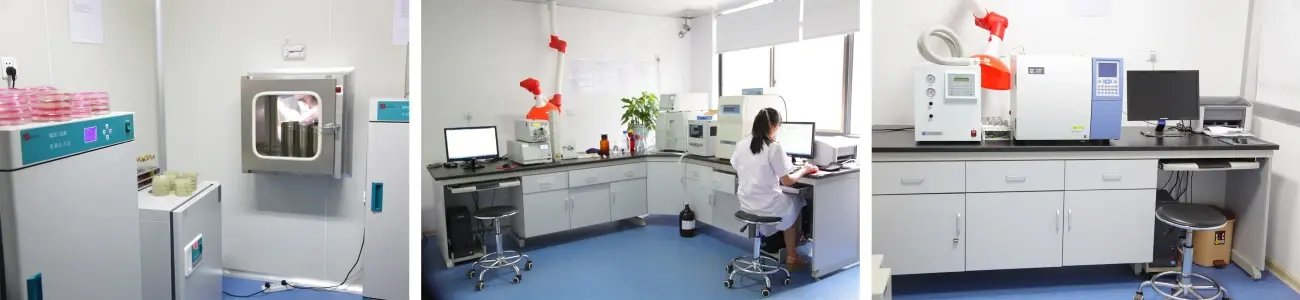
Quality Control Infrastructure: Suppliers should have their own analysis labs with HPLC, HPTLC, and spectrophotometric equipment for measuring polysaccharides, checking identities, and checking for contamination. Independent labs that do tests for a third party provide extra proof.
Certification Portfolio: Our wide range of certifications, such as NSF GMP, FSSC22000, ISO9001, Kosher, and Halal, show that we are dedicated to quality processes and market entry in many areas. Organic approval from the USDA or an agency similar to it adds value to the labelling of a high-end product.
Traceability Systems: Full supply chain paperwork from growing the plants to extracting the ingredients and packaging them makes sure the ingredients are real and meets due diligence standards. When it comes to organic and sustainably produced goods, where verification is important for brand credibility, traceability is even more important.
Strategic Procurement and Supply Chain Optimization
Working with providers who keep warehouse infrastructure in the United States makes the supply chain much more efficient for producers in North America. Local material makes it possible to fill orders quickly—often within 7 days—rather than waiting for long lead times that come with shipping directly from abroad. This flexibility helps just-in-time manufacturing tactics and frees up working capital that would otherwise be used to buy too much inventory.
Beta-Glucan Content Verification and Potency Testing
Not every Maitake Mushroom Extract Powder has the same amount of useful value. The way for verifying beta-glucan content must be made clear in the procurement requirements. The Megazyme enzymatic assay is the gold standard in the business. It measures beta-glucan content and leaves out starch and other non-functional polysaccharides that some providers might include in their figures of total polysaccharides.
Conclusion
For makers who want to promote overall health, metabolic support, and clean-label product positioning, Maitake Mushroom Extract Powder is a wise ingredient investment. The concentrated bioactive profile, especially the beta-glucan content that is fixed to 30% polysaccharides, works the same way in a wide range of situations, from makeup and functional foods to dietary supplements. For buying to go well, you need to pay attention to the extraction method, the quality verification methods, and the supplier's abilities that go beyond just comparing prices. As the need for natural, science-backed ingredients grows, it's important to build relationships with qualified suppliers who can offer technical support, legal knowledge, and a reliable shipping infrastructure.
FAQ
1. What is the difference between water extraction and dual extraction for Maitake Mushroom Extract Powder?
Water extraction separates water-soluble polysaccharides, such as beta-glucans, which have immune-modulating qualities. This method uses only one solvent to get the main functional chemicals in Maitake Mushroom Extract Powder while keeping the clean-label charm. Using both water and alcohol in the extraction process targets chemicals that dissolve in both water and alcohol. However, Maitake's main bioactives are water-soluble, so water extraction is best for most uses.
2. Why is the amount of polysaccharides more important than the ratio of concentrations?
Specifications for polysaccharide percentages, such as 30% polysaccharides, show useful material that has been confirmed through quantitative research. This gives accurate information about the amounts of bioactive compounds. Concentration ratios, like 10:1, show how the raw material and extract are related, but they don't promise a certain amount of medicinal content because the quality of the starting material can vary. For reliable product performance, purchasing choices should focus on polysaccharide percentage requirements that can be checked with enzymatic assays.
3. How should this ingredient be stored to prevent quality degradation?
Keep Maitake extract powder in containers that are tightly sealed and have a moisture barrier in cool, dry places where the temperature stays below 25°C. Because polysaccharides are hygroscopic, they can clump together when they come in contact with moisture and may break down as a result. When stored properly, beta-glucan levels and microbial stability are kept for up to 24 months, which is the normal shelf life for properly packed food.
4. Is Maitake Mushroom Extract Powder suitable for vegan and vegetarian formulations?
Yes, maitake extract comes from the fruiting bodies of fungi and doesn't contain any ingredients or processing tools that come from animals. This means that it can be used in vegan and veggie products. The ingredient also meets the standards for Kosher and Halal approval, which means that it can be sold to a wider range of consumers with different nutritional needs.
Partner With OHI for Premium Maitake Mushroom Extract Powder Supply
OHI provides certified organic Maitake Mushroom Extract Powder that is made to pharmaceutical-grade standards and comes with detailed quality paperwork and quick shipping support. We have over 8,000 acres of GAP-certified cultivation grounds and are a publicly traded company (Stock Number: 872213). This means we control quality from the dirt to the finished extract. Our Earth Made Nutritions subsidiary keeps key warehouses in the United States. This lets us send products anywhere in North America in seven days, without the supply chain risks that make foreign buying harder.
R&D teams and buying managers can use our technical consulting services to help them find the best dosages and preparation strategies for the uses of your products. No matter if you're making immune-supporting pills, functional drink mixes, or makeup active ingredients, our 30% polysaccharide-standardised extract meets the highest quality standards. We offer free samples so that you can fully evaluate our products before committing to buying them. Contact our buying experts at info@organic-herb.com to talk about your particular needs and find out how our advanced extraction technology, environmentally friendly sourcing methods, and focus on the customer set OHI apart in the ingredients market.
References
1. Nanba, H., Hamaguchi, A., and Kuroda, H. (1987). "The Chemical Structure of an Antitumor Polysaccharide in Fruit Bodies of Grifola frondosa (Maitake)." Chemical and Pharmaceutical Bulletin, 35(3), 1162-1168.
2. Kodama, N., Komuta, K., and Nanba, H. (2002). "Can Maitake MD-Fraction Aid Cancer Patients?" Alternative Medicine Review, 7(3), 236-239.
3. Konno, S., Tortorelis, D.G., Fullerton, S.A., Samadi, A.A., Hettiarachchi, J., and Tazaki, H. (2001). "A Possible Hypoglycemic Effect of Maitake Mushroom on Type 2 Diabetic Patients." Diabetic Medicine, 18(12), 1010.
4. Mayell, M. (2001). "Maitake Extracts and Their Therapeutic Potential: A Review." Alternative Medicine Review, 6(1), 48-60.
5. Cui, F.J., Li, Y., Xu, Y.Y., Liu, Z.Q., Huang, D.M., Zhang, Z.C. y Tao, W.Y. (2016). "Induction of Apoptosis in SGC-7901 Cells by Polysaccharide-Peptide GFPS1b from the Cultured Mycelia of Grifola frondosa GF9801." Toxicology in Vitro, 30(1), 281-291.
6. Wasser, S.P. (2002). "Medicinal Mushrooms as a Source of Antitumor and Immunomodulating Polysaccharides." Applied Microbiology and Biotechnology, 60(3), 258-274.
Standard Disclaimer (DSHEA):
These statements have not been evaluated by the Food and Drug Administration.
This product is not intended to diagnose, treat, cure, or prevent any disease.

Send Inquiry
Related Industry Knowledge
- Maitake Mushroom Benefits: Natural Health Boosts
- The Science Behind Rosehip Extract
- What is peony extract?
- Reishi Mushroom Skin Benefits: The Ultimate Guide
- Coenzyme Q10 (CoQ10): The Basics and Its Health Benefits
- What is sodium copper chlorophyllin?
- Does red yeast rice lower cholesterol?
- Natural Rhodiola Rosea Extract: Origin, Composition, and Key Features
- How Dose Poria Cocos Extract Improve Your Health?
- The Health Benefits and Uses of Polyporus Umbellatus Fries