
Which is better, CoQ10 or Omega-3?
May 18, 2026
Both CoQ10 and Omega‑3 play important roles in supporting general bodily functions, Coenzyme Q10 Powder, yet they operate through distinct biological mechanisms. CoQ10, especially high‑purity Coenzyme Q10 Powder with 98% specification, acts as a mitochondrial energy supporter and a strong antioxidant. Omega‑3 fatty acids mainly support normal inflammatory balance and cognitive function. The choice between these ingredients depends entirely on your target market demographics, formulation objectives, and regulatory requirements. Instead of seeing them as competing alternatives, experienced procurement professionals often use both compounds to create comprehensive nutritional products that meet multiple consumer needs at the same time.
Introduction
It is important to know the basic differences between Omega-3 fatty acids and CoQ10, especially high-grade Coenzyme Q10 Powder, when making product lines that meet the needs of a wide range of customers. Powdered Coenzyme Q10 has become a popular form of raw material because it is very stable and can be used in a lot of different ways. Powder goods have a longer shelf life, are easier to store, and meet the needs of procurement teams for better batch-to-batch consistency. The growing need for "clean-label" goods has also made sourcing decisions more important, turning supplier choice into a strategic advantage rather than just a cost factor. When buying something from a business today, you need to do more than just compare prices. Long-term partnership success is now measured by quality assurance methods, regulatory compliance, and the reliability of the supply chain. This comparison study gives purchasing managers the data they need to make smart sourcing choices that meet both current production needs and long-term market positioning goals.
Understanding CoQ10 and Omega‑3: Core Components and Characteristics
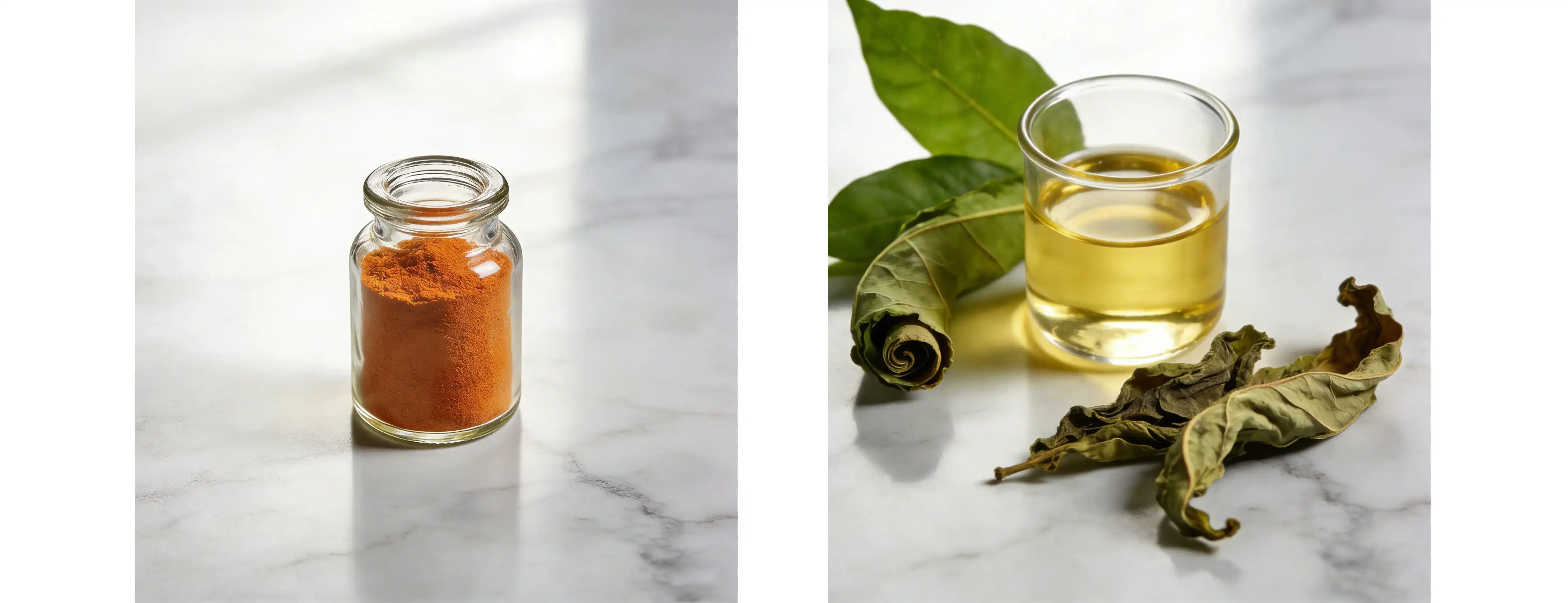
Omega-3 fatty acids and CoQ10 are part of very different biochemical processes. Ubiquinone, which is another name for coenzyme Q10, is a key cofactor in the production of ATP in mitochondria and helps protect cells from reactive stress. Biomedical journals consistently report on CoQ10's part in the energy metabolism of cells. This makes CoQ10 useful for formulas aimed at active people and older people. Premium Coenzyme Q10 Powder is usually at least 98% pure because it is made through advanced fermentation with specific types of yeast. This orange solid powder has a melting point between 48 and 52°C and is lipophilic, which means that it needs to be carefully planned how it is mixed. To keep the quality of a product throughout its lifecycle, manufacturing processes must take light sensitivity and temperature stability into account. Omega-3 fatty acids, such as EPA (eicosapentaenoic acid) and DHA (docosahexaenoic acid), work in different ways to control inflammatory pathways. These essential fatty acids help the circulation system work properly and keep blood flowing in a healthy way. Clinical studies have found the best dosage levels and bioavailability factors, which have a direct effect on how medicines are made and how they are bought. Because these compounds have very different bioavailability rates, they need different delivery system designs. Coenzyme Q10 Powder works best with lipid-based formulations or specialised technologies that make absorption better. Omega-3 goods, on the other hand, usually come in softgel capsules or are used in emulsification methods. By understanding these technical standards, procurement teams can better judge the skills of suppliers and make sure that their products will work with other products.
Key Decision Factors in Choosing Between CoQ10 and Omega‑3
Bioavailability is the main technical factor that affects which ingredients are used in CoQ10 and Omega-3 goods. To make coenzyme Q10 powder more bioavailable, it needs to be mixed in a certain way. Studies have shown that micronised forms and lipid-based transport systems can boost bioavailability by 300–800%. Professionals in charge of buying things should check to see if suppliers can give them specific particle size requirements and expert help for improving formulations. In different markets, the rules that these ingredients have to follow are very different. CoQ10 is generally thought to be safe (GRAS) in the US and has established titles in major pharmacopoeias around the world. The compound has been used commercially for decades, so its regulatory route is well-established. This makes it easy for procurement teams to plan for compliance. Rules about source sustainability, contamination limits, and labelling standards are always changing for omega-3 products, which could affect their long-term plans for where to get their supplies. When checking the quality of Coenzyme Q10 Powder, the focus is on isomeric purity. The best grades only have all-trans configurations that meet the biochemical needs of humans. High-Performance Liquid Chromatography (HPLC) is one way to test for strength and full impurity analysis. When suppliers give full spectral data with their Certificates of Analysis, it helps buying teams make sure that the quality of the products they sell stays the same from batch to batch. Cost–efficiency analysis should look at the whole economics of the recipe, not just the prices of raw materials. Coenzyme Q10 Powder generally costs more than Omega-3 ingredients, but because it is so powerful, finished products only need to use a small amount of it. Market research shows that people are ready to pay more for products that contain CoQ10, which is often more than the difference in cost between the ingredients. This means that brands with strong positioning can make more money. The supply chain risk estimate shows that each ingredient is more or less vulnerable in different ways. CoQ10 production rests on a small group of global suppliers with specialised knowledge in fermentation. This may cause problems when demand goes up. Omega-3 sourcing, on the other hand, has to deal with issues like sustainability and seasonal changes in supply that need careful inventory management. To keep production stable, you need to use a variety of suppliers and CO Q10 build strong ties with them.
Practical Procurement Guide: Matching Product Choice to Business Needs
Target demographic analysis forms the basis for ingredient selection between CoQ10 and Omega‑3 products. Coenzyme Q10 Powder is well-received by consumers over 40 years old, especially those interested in daily energy support and healthy aging. Market research consistently shows higher purchase intention and price acceptance in this group, making CoQ10‑based formulations suitable for premium product positioning. The sports and active lifestyle segments also prefer CoQ10 products due to the compound’s role in cellular energy production.Omega‑3 ingredients appeal to a wider range of age groups and consumer interests. Focus on circulatory health, cognitive function, and general daily wellness to drive purchasing decisions across diverse consumer groups. Established awareness and acceptance of Omega‑3 advantages support marketing efforts and simplify consumer education compared with newer ingredient categories.
Here are the essential supplier evaluation criteria for procurement professionals:
- Manufacturing certifications, including GMP, ISO standards, and organic certifications, ensure consistent quality and regulatory compliance
- Technical support for formulation development and stability testing helps shorten time‑to‑market for new products
- Supply chain transparency, including raw material sourcing documents and traceability systems
- Financial stability and production capacity scalability to support business growth
- Geographic distribution networks and inventory management systems for reliable delivery
These comprehensive evaluation standards help procurement teams identify suppliers that can support long‑term business goals while maintaining quality and cost competitiveness. Effective supplier partnerships go beyond transactions to include collaborative product development and market intelligence sharing. Formulation compatibility affects ingredient selection based on intended delivery formats. Coenzyme Q10 Powder performs well in softgels, tablets with suitable excipients, and powder blends for functional food applications. The ingredient’s stability allows for a long shelf life when properly formulated and packaged. Omega‑3 ingredients work well in liquid formats, gummy products, and functional foods where their natural properties complement the high purity of the CoQ10 components. Custom packaging and private labelling capabilities are increasingly important supplier criteria as brands seek differentiation in competitive markets. Suppliers offering full services from raw material processing to finished product packaging improve operational efficiency and simplify vendor management. These integrated approaches often provide cost advantages while reducing supply chain complexity and quality control requirements.
Scientific Insights and Market Trends Impacting CoQ10 and Omega‑3 Demand
Recent clinical research has expanded understanding of CoQ10’s applications beyond traditional cellular support to include neurological function, immune system balance, and skin health. Studies in peer‑reviewed journals show Coenzyme Q10 Powder’s potential to support healthy aging at the cellular level. These expanded uses create new product development opportunities and market positioning strategies for forward‑thinking brands. Bioavailability enhancement technologies continue to improve CoQ10 absorption through new delivery systems. Nanotechnology, cyclodextrin complexation, and specialised lipid matrices have shown significant improvements in plasma levels compared with standard formulations. These technological advances offer competitive benefits for brands willing to invest in premium ingredient specifications and advanced manufacturing processes.Omega‑3 research increasingly focuses on specialised ratios and purified concentrations for targeted consumer outcomes. Clinical studies examining optimal EPA to DHA ratios for different uses provide formulation guidance for targeted product development. In addition, plant‑based Omega‑3 alternatives from algae meet growing consumer demand for sustainable and vegetarian‑friendly options. Market trend analysis shows shifting consumer preference toward combination products that offer complete nutritional support rather than single‑ingredient formulas. This trend creates opportunities for innovative products combining Coenzyme Q10 Powder with complementary ingredients such as Omega‑3 fatty acids, antioxidant complexes, and other bioactive compounds. Successful combination products require careful attention to ingredient interactions and stability during product development. Sustainability increasingly influences procurement decisions as consumers demand environmentally responsible sourcing. CoQ10 production through fermentation generally offers a more favourable environmental profile compared with synthetic alternatives. Supplier sustainability certifications and environmental impact documents become important evaluation criteria for brands emphasising corporate responsibility. The evolving regulatory landscape continues to shape ingredient availability and marketing claims across regions. Understanding regional regulatory differences allows procurement professionals to develop sourcing strategies that support global market expansion while maintaining compliance. Proactive regulatory monitoring helps identify emerging opportunities and potential restrictions that could affect long‑term ingredient strategies.
Conclusion
The choice between CoQ10 and Omega‑3 depends mainly on the high purity of the CoQ10 on target market demographics, product positioning strategies, and formulation objectives, rather than the inherent superiority of either ingredient. Coenzyme Q10 Powder offers clear advantages for premium product positioning, especially among older consumer groups seeking daily energy and cellular health support. Omega‑3 ingredients provide broader market appeal and established consumer awareness that simplifies marketing and education. Successful procurement strategies often include both ingredients in diversified product portfolios to meet multiple consumer needs and market opportunities.
FAQ
1. What are the optimal dosage ranges for Coenzyme Q10 Powder in commercial formulations?
Commercial formulations typically utilise 30-200mg of CoQ10 per serving, with higher potencies commanding premium pricing. Clinical research supports efficacy at 100-300mg daily dosages, though bioavailability enhancement technologies may reduce required amounts. Procurement professionals should consider target demographics and price positioning when selecting potency levels for product development.
2. How do storage and stability requirements differ between CoQ10 and Omega-3 ingredients?
Coenzyme Q10 Powder requires protection from light exposure and temperature control below its 48-52°C melting point during storage and transportation. Omega-3 products need antioxidant protection and refrigeration to prevent oxidation. Both ingredients benefit from nitrogen flushing and moisture control in packaging systems to maintain potency throughout shelf life.
3. Can CoQ10 and Omega-3 be combined in single formulations?
Yes, these ingredients demonstrate excellent compatibility in properly formulated products. Many premium supplements successfully combine both compounds to provide comprehensive cardiovascular and energy support. Formulation considerations include appropriate ratios, stability testing, and delivery system optimisation to ensure bioavailability of both active ingredients.
4. What certifications should procurement teams prioritise when sourcing these ingredients?
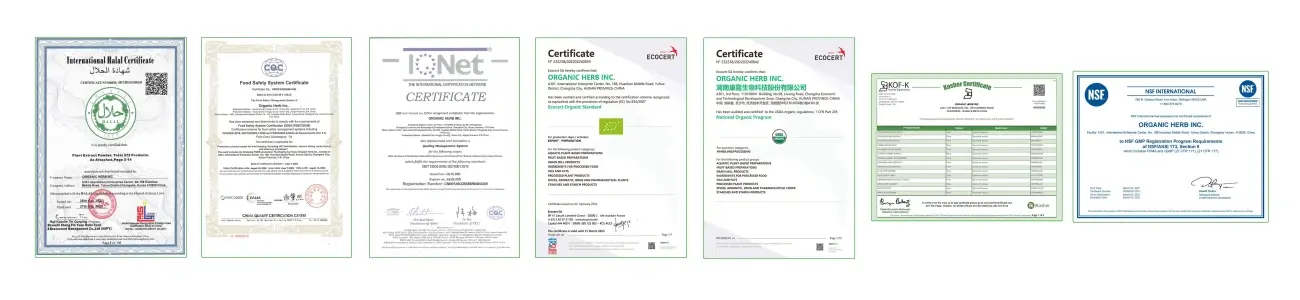
Essential certifications include GMP manufacturing standards, organic certifications where applicable, and third-party purity testing documentation. For international sourcing, Kosher and Halal certifications expand market accessibility. NSF certification and FDA registration provide additional quality assurance for premium product positioning.
Partner with OHI for Premium Coenzyme Q10 Powder Solutions
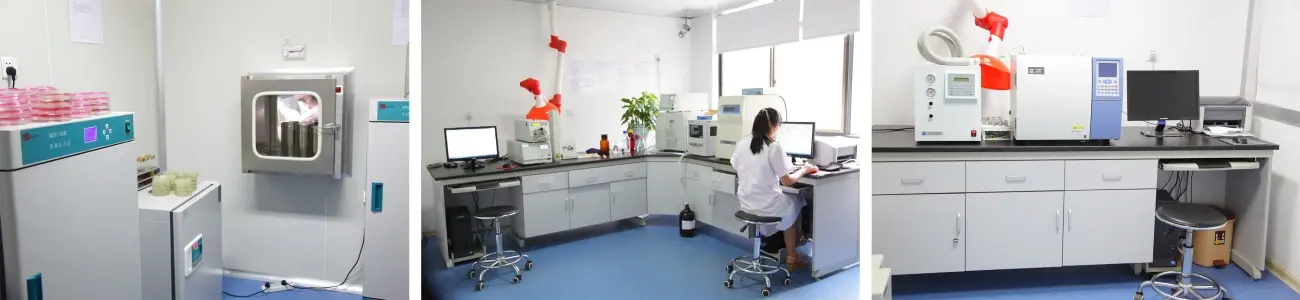
OHI stands ready to support your procurement objectives with industry-leading Coenzyme Q10 Powder manufacturing capabilities and comprehensive supply chain solutions. Our 98% purity specification meets the highest industry standards, while our advanced fermentation technology ensures consistent all-trans isomer content that matches human physiological requirements. As an established Coenzyme Q10 Powder supplier with NSF GMP, FSSC22000, ISO, Kosher, and Halal certifications, we provide the quality assurance and regulatory compliance your brand demands.
Our strategic advantages include four major warehouses across the United States, enabling rapid delivery within 7 days, plus free sampling programs that allow thorough evaluation before bulk commitments. With minimum order quantities of just 25kg and standardised 25kg drum packaging, we accommodate both emerging brands and established manufacturers. Contact info@organic-herb.com today to discuss your specific requirements and discover how our technical expertise can enhance your product development initiatives.
References
1. Crane, F.L. "Biochemical Functions of Coenzyme Q10." Journal of the American College of Nutrition, 2001, Vol. 20, No. 6, pp. 591-598.
2. Bhagavan, H.N. and Chopra, R.K. "Coenzyme Q10: Absorption, Tissue Uptake, Metabolism and Pharmacokinetics." Free Radical Research, 2006, Vol. 40, No. 5, pp. 445-453.
3. Swanson, D., Block, R., and Mousa, S.A. "Omega-3 Fatty Acids EPA and DHA: Health Benefits Throughout Life." Advances in Nutrition, 2012, Vol. 3, No. 1, pp. 1-7.
4. Littarru, G.P. and Tiano, L. "Clinical Aspects of Coenzyme Q10: An Update." Nutrition, 2010, Vol. 26, No. 3, pp. 250-254.
5. Calder, P.C. "Marine Omega-3 Fatty Acids and Inflammatory Processes: Effects, Mechanisms and Clinical Relevance." Biochimica et Biophysica Acta, 2015, Vol. 1851, No. 4, pp. 469-484.
6. López-Lluch, G. "Essential Role of Mitochondrial Function in Health and Disease." Current Opinion in Clinical Nutrition & Metabolic Care, 2017, Vol. 20, No. 6, pp. 464-470.
Standard Disclaimer (DSHEA):
These statements have not been evaluated by the Food and Drug Administration.
This product is not intended to diagnose, treat, cure, or prevent any disease.

Send Inquiry
Related Industry Knowledge
- What is black carrot extract?
- Which is better, CoQ10 or Omega-3?
- Natural Rhodiola Rosea Extract: Origin, Composition, and Key Features
- Poria Cocos Mushroom Extract as Functional Foods in Industry
- How Dose Poria Cocos Extract Improve Your Health?
- The Health Benefits and Uses of Polyporus Umbellatus Fries
- Roseroot extract (Rhodiola rosea) for stress & exhaustion
- USA Market Insights on Sourcing High-Quality Polyporus Umbellatus Extract
- Natural Rhodiola Rosea Extract for Endurance and Metabolic Efficiency
- USA Import Standards and Poria Cocos Extract: A Supplier’s Perspective