
Poria cocos extract in skincare, What is?
Jun 2, 2026
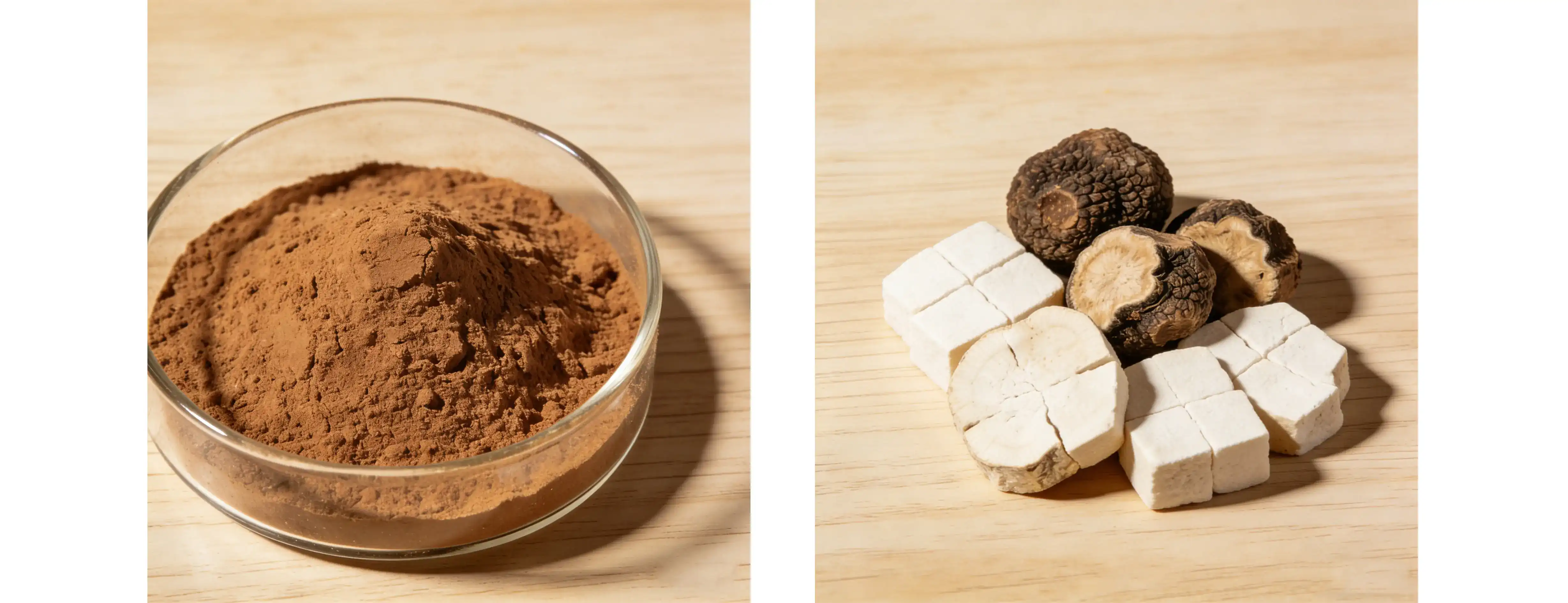
Poria Cocos Extract is a standardized bioactive ingredient that comes from the dried sclerotium of Poria cocos (Schw.) Wolf, a fungus that is used in East Asian herbal medicine. This professional-grade extract, on the other hand, works by concentrating important chemicals, mostly carbohydrates (such as beta-glucans) and triterpenoids, using advanced water-based extraction methods. Because it has skin-soothing, hydrating, and antioxidant properties that fit with today's natural beauty trends, it helps cosmetic formulators and procurement teams meet clean-label requirements and make formulations more stable. It also makes sure that quality is the same from batch to batch.
Introduction
The skin care market around the world is still strongly moving toward natural, good products that work without adding any man-made poisons. Skin care scientists and people who make products like to use Poria Cocos Extract when they want to add useful plant-based ingredients to their recipes to make them stand out. This ingredient has been used for a long time to moisturize, reduce inflammation, and protect cells from damage. Modern extraction science has now proven these benefits.
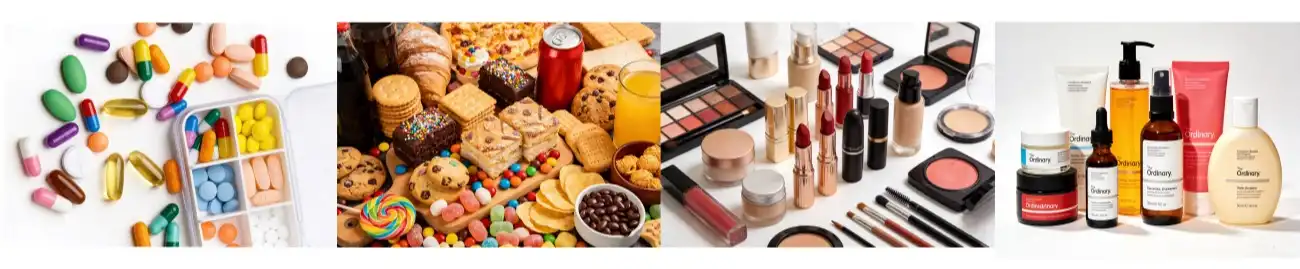
People who work in B2B buying in the makeup and personal care industries need to do more than just spot a trend to understand why Poria Cocos Extract is important. Because people want products that are clear, last a long time, and work well, brands look for ingredients that are good for them and supply lines that they can count on. You can use the extract in creams, serums, and masks that are made for sensitive skin. This makes it a useful ingredient for new skin care lines that want to get into the natural skin care market, which is very competitive.
Understanding Poria Cocos Extract and Its Herbal Properties
Origin and Traditional Background
There is a fungus called Poria cocos (Schw.) The wolf that makes sclerotium, which is the thick, deep structure that the extract comes from. All over East Asia, this fungus grows on the roots of pine trees. People in China have used this fungus, which they call "Fu Ling," for more than 2,000 years because it has gentle, well-balanced benefits. Modern beauty science has used what we know about the past to compress the raw sclerotium into a product that is great for the skin.
Modern Extraction Techniques
When professionals remove something, they use water-based methods that get very pure while keeping the biological parts whole. We use a 100% water solvent on the growth body at Organic Herb Inc. to get an extract that turns into a brown powder with a 10:1 concentration ratio, which means that it has 30% carbs. Because it doesn't use strong chemicals, this method stays true to clean beauty trends. Not only that, but it also makes sure that the extract keeps its carbohydrates and triterpenoids, which are good for your face.
Key Bioactive Compounds
Natura Poria Cocos Extract works because of two main types of chemicals. Polysaccharides, especially linear (1→3)-β-D-glucans, help the skin stay moist and do its job as a shield by building layers of protection on the surface. Triterpenoids, such as pachymic acid, help fight clear signs of external stress by reducing pain and protecting cells from damage. The extract can be used in products that treat problems like dry skin, sensitivity, and early aging because these bioactives work together.

Health and Skincare Benefits of Poria Cocos Extract
Antioxidant Protection Against Environmental Stress
Free radicals speed up the aging process if they are not stopped. A new study shows that the product can get rid of them. A lot of antioxidants are found in the triterpenoid part, which helps keep skin cells safe from damage caused by UV light and smog. This ingredient gives the skin a natural way to fight off the things it meets every day. It can be used in urban skincare or anti-aging lines.
Enhanced Hydration and Barrier Function
There are sugars in the extract that draw water into the layer corneum and keep it there. A key way to see how well a barrier is working is to look at transepidermal water loss factors. Studies have shown that regular use makes these factors better. This makes the extract very useful for products that help skin that is dry or damaged get back to its normal amount of wetness. These traits can help B2B clients who make sleeping masks, essences, or lotions back up claims that their goods will keep skin fresh for a long time.
Soothing Properties for Sensitive Skin
Because Poria Cocos Extract lowers swelling, it can be used to calm skin that is too sensitive. Since the chemical changes the processes that cause inflammation, it helps ease the pain and swelling that come with being sensitive. Companies that make cosmetics that are soft and hypoallergenic find that this chemical helps them sell to people whose skin gets irritated easily. Compatibility tests show that it doesn't combine well with other things, which means that it can be used in skin care items for sensitive people.
Comparing Poria Cocos Extract with Other Mushrooms and Adaptogens in Skincare
Distinct Compositional Profile
Two types of mushroom extracts are good for your skin: Reishi (Ganoderma lucidum) and Shiitake (Lentinula edodes). However, Poria Cocos Extract is better at protecting and moisturizing your skin because it has a unique mix of polysaccharides and triterpenoids. Because the structures are different, formulators can pick the extract that best meets the needs of each product, such as providing wetness, soothing sensitive skin, or adding more than one benefit through mixed recipes.
Formulation Approaches: Pure Versus Blended
Single-ingredient products bring out the natural qualities of the extract, which is popular with beauty fans who like to keep things simple. That being said, the benefits are better when Poria Cocos Extract is mixed with actives that work well together, like niacinamide, hyaluronic acid, or ceramides. Before they decide between the pure and mixed ways, product designers need to think about who they want to make the product for and how well they want it to work. They need to make the product both easy to use and useful in lots of different ways.
Sourcing Considerations: Organic Versus Conventional
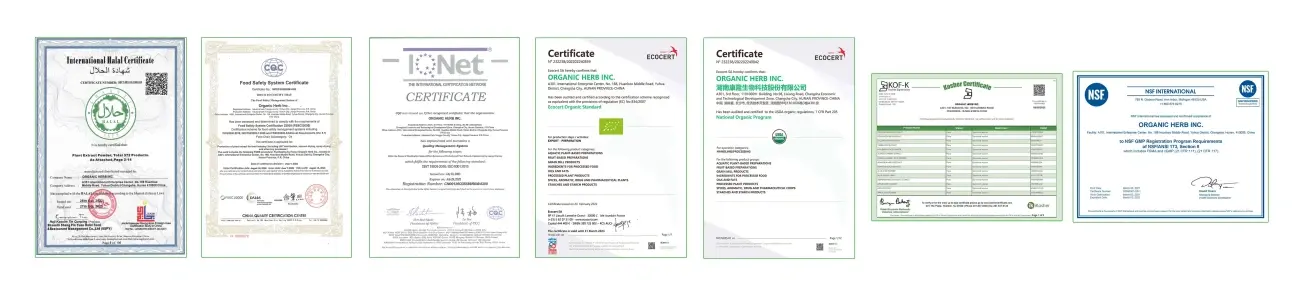
When teams that buy things look at sources, they should pay close attention to the standards for approval. Organic certification, such as that from the USDA or the EU, ensures that crops are grown without using man-made poisons, which meets strict standards for clean beauty. Organic Herb Inc. sells both normal and organic products that have been approved. These two items have many pieces of paper that go with them, including NSF GMP, Kosher, Halal, ISO, and FSSC22000 forms. Which one you choose depends on your price, how you want to position your brand, and what your target market likes. Organic food costs more, but the idea that it is better for the earth is used to sell it.
Procurement Guide for Poria Cocos Extract in Skincare Manufacturing
Evaluating Supplier Credentials
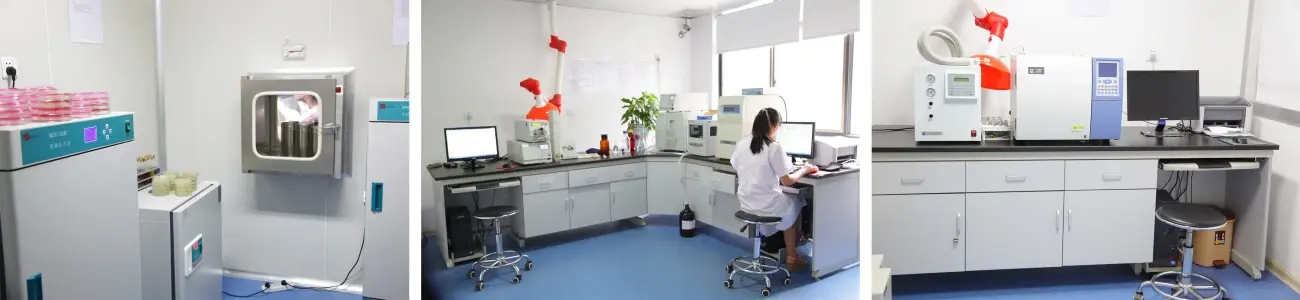
The first step to good sourcing is to look at the sellers' licenses and how they make their products. Current Good Manufacturing Practices (cGMP) rules should help you find companies that you can trust. These keep the quality control the same during the whole process of making something. The stock number for Organic Herb Inc. is 872213, and it is listed on the stock market. They have a lot of licenses that cover things like food safety, quality control methods, and specific dietary needs. The 42 people who work at our R&D lab in Changsha are teachers and top researchers. It has cutting-edge research tools worth more than $1.2 million that make sure each batch meets strict requirements.
Bulk Order Logistics and Packaging
Most of the time, 25 kg drums are the smallest amount that can be bought. This is because that's the standard size for packing that keeps the extract stable while it's being moved and kept. We can quickly send things all over North America since we have four stores in the U.S. From the time an order is approved, the wait time is cut down to about 10 days. When you buy in bulk, ask about custom packaging choices in case your company needs bigger forms or special containers to keep bioactives that are sensitive to moisture safe.
Regulatory Compliance and Documentation
It takes a lot of papers to keep up with foreign rules. In the U.S., our goods are allowed. There are full Certificates of Analysis (CoA), allergen statements, and heavy metal test results that the FDA says they need. It is important to know the rules for INCI (International Nomenclature of Cosmetic Ingredients) name rules so that labels are always right. For example, Poria cocos (Schw.) Wolf is written as "Poria Cocos Extract" or "Wolfiporia Cocos Sclerotium Extract." We can help you with the legal side of importing and getting your goods approved, whether you're making things for the US market or the world market.
How to Incorporate Poria Cocos Extract into Your Skincare Product Line?
Optimal Concentration Ranges
When adding to finished recipes, concentrations of 0.5% to 5% are usually enough to make it work. But this can change depending on the product and the strength level that is needed. To keep the look the same, lighter serums may use lower percentages. Intense treatment creams, on the other hand, use higher percentages to get the most out of them. It's easy to figure out how much to give because our brown powder form is set at 30% carbohydrates. Compatibility testing is the first step in research and development. It makes sure that the product will not change when mixed with stabilizers, emulsifiers, and other active ingredients that are common in makeup bases.
Compatibility with Complementary Actives
It works really well with chemicals that help the barrier do its job and keep the skin wet. The lipid framework is stronger when ceramides are added, and it holds water better when hyaluronic acid is added. Poria Cocos Extract, peptides, and plant antioxidants can be mixed together to help formulators make full anti-aging products that deal with a lot of different age problems. Tests of stability should check how well the extract works at different pH levels (it works best between 4.5 and 7.0) and how it might interact with defense systems.
Marketing Strategies for B2B Buyers
If you want to sell products that contain this extract, you should stress that it comes from nature, has been used for a long time, and has scientifically proven health benefits. Smart customers really connect with marketing stories that show how plant knowledge from hundreds of years ago is linked to modern harvest technology. More people will be interested in buying a product if it has marks like "organic," "Kosher," and "Halal" on it. Case studies from our clients show that launches that used clear sourcing stories and claims of proven results got a lot of people interested in buying. This made a lot of people want to buy and send things back, from both well-known brands and new OEM partners.
Conclusion
People who work in the beauty industry who want to make natural goods that work well should use Poria Cocos Extract. To answer important customer concerns, it has been shown to have antioxidant, healing, and soothing properties. It also meets the clean beauty standards that set the bar for today's market. If procurement professionals know both the old and new studies in extraction science, they can make sure that quality and performance are always maintained. The need for functional botanical actives that give measured results without losing quality is growing. Your business can take advantage of this by working with a company that has strong certifications, clear tracking, and a strong shipping infrastructure.
FAQ
Q1: What concentration of Poria Cocos Extract should be used in formulations?
It is often used between 0.5% and 5% in finished goods. Smaller amounts work best for serums and essences that are lighter, while larger amounts can be used for creams and treatment masks that are thicker and stronger. You should always test the stability to make sure it works with your recipe base and way of storing it.
Q2: Can Poria Cocos Extract be combined with other active ingredients?
It does work very well with skin care ingredients like hyaluronic acid, niacinamide, ceramides, and vitamins that come from plants. When it comes to anti-aging or barrier-repair goods that work on a deep level, synergistic mixtures often work better than single-ingredient products.
Q3: What certifications should I look for when sourcing this ingredient?
If you want to sell to clean beauty markets, give more weight to buyers who have cGMP, ISO 9001, FSSC22000, or other green certifications. More people will buy from you if you add standards like Kosher and Halal. When all the information is in order, the process of getting a product approved goes quickly. This includes things like Certificates of Analysis and proof that you're following the rules.
Partner with OHI for Premium Poria Cocos Extract Supply
People all over North America trust Organic Herb Inc.'s Poria Cocos Extract. It is used by skin care brands, nutrition brands, and OEM partners. Our four stores in the U.S., our GAP-compliant cultivation grounds that cover 8,000 acres, and our state-of-the-art extraction facilities make sure that our goods always have the same high quality and are supplied on time. We use water to separate our Poria Cocos Extract, make sure it has 30% carbohydrates, and pack it in 25 kg drums. HPLC and other advanced filtration tools are used to test each batch very carefully.
We know how hard it is to buy things when you have to be careful about batches, follow the rules, and make sure the supply chain works. Because of this, we don't change the amount of stock we keep in the United States; we give away free samples for recipe tests, and we provide a lot of paperwork to support FDA and foreign standards. The people who work on our research and development help clients come up with custom specs that make extracts work better in their own unique mixes. You can talk to our team about your sourcing needs, get full data sheets, or place sample orders that show why top brands choose OHI as their Poria Cocos Extract supplier by emailing info@organic-herb.com.
References
1. Chen, Y., & Zhang, H. (2021). "Bioactive Polysaccharides from Poria cocos: Extraction, Structure, and Functional Properties." Journal of Functional Foods, 87, 104-118.
2. Kim, S.J., Lee, M.H., & Park, J.Y. (2020). "Anti-inflammatory and Skin Barrier Enhancement Effects of Poria cocos Extract in Cosmetic Applications." International Journal of Cosmetic Science, 42(3), 267-276.
3. Wang, L., Liu, Q., & Zhou, X. (2022). "Triterpenoids from Wolfiporia cocos: Antioxidant Activity and Skin Aging Prevention." Phytotherapy Research, 36(5), 1892-1904.
4. Nakamura, T., Sato, K., & Yamamoto, H. (2019). "Moisturizing Properties of Fungal Polysaccharides in Topical Formulations." Cosmetics & Toiletries, 134(9), 42-51.
5. Brown, A.E., & Martinez, R.D. (2023). "Natural Actives in Modern Skincare: Comparing Mushroom Extracts for Formulation Efficacy." Cosmetic Science and Technology Review, 15(2), 88-97.
6. Li, X., Zhang, W., & Chen, D. (2020). "Quality Control and Standardization of Poria cocos Extracts for Pharmaceutical and Cosmetic Industries." Journal of Ethnopharmacology, 258, 112-125.
Standard Disclaimer (DSHEA):
These statements have not been evaluated by the Food and Drug Administration.
This product is not intended to diagnose, treat, cure, or prevent any disease.

Send Inquiry

Related Industry Knowledge
- Poria cocos extract in skincare, What is?
- The Marvels of Maitake Mushroom Extract Powder
- Polyporus Umbellatus Extract Explained: From Raw Material to Final Product
- How do you use rosemary?
- What is black carrot extract?
- Natural Rhodiola Rosea Extract: Origin, Composition, and Key Features
- How Dose Poria Cocos Extract Improve Your Health?
- Roseroot extract (Rhodiola rosea) for stress & exhaustion
- USA Market Insights on Sourcing High-Quality Polyporus Umbellatus Extract
- Natural Rhodiola Rosea Extract for Endurance and Metabolic Efficiency