
Are there proteins in pumpkin seeds?
Jun 29, 2026
Yes, pumpkin seeds contain substantial proteins, typically ranging between 25-30% of their dry weight. These seeds offer a complete amino acid profile, making them valuable for nutraceutical and functional food applications. Pumpkin Seed Extract Powder concentrates these proteins alongside bioactive phytosterols, fatty acids, and minerals through controlled extraction methods. This concentrated form serves as an ideal ingredient for supplement formulations, cosmetic applications, and fortified food products. The extract derived from Cucurbita moschata seeds maintains protein integrity while delivering consistent quality across production batches, addressing critical needs for standardized botanical ingredients in modern manufacturing.
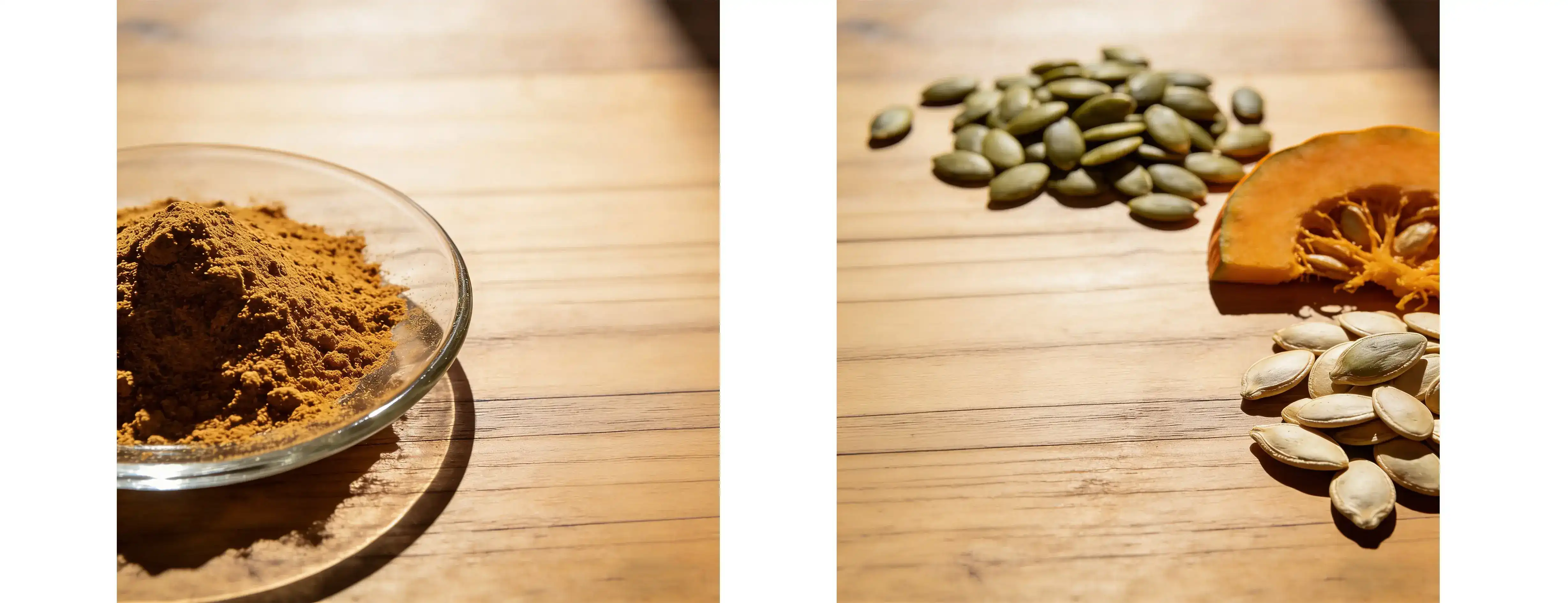
Understanding Protein Content in Pumpkin Seeds
Protein Profile and Amino Acid Composition
Because they have a special mix of amino acids, pumpkin seeds are one of the best plant-based ways to get protein. Researchers have found that every 100 grams of these seeds has about 30 grams of protein. Also, they have all nine amino acids that your body needs, like valine, isoleucine, and leucine. An important part of sports nutrition items is branched-chain amino acids. There are three types of proteins: albumins, globulins, and glutelins, each having its own unique traits that help goods grow in many ways.
Between 85 and 90% of pumpkin seed protein can dissolve in water, which makes it different from protein from other plants. This trait makes it easier for people to absorb, ensuring they get the benefits they need. An amino acid called arginine is found in pumpkin seeds, making them even more appealing to companies that make products that are good for you.
Comparative Analysis with Other Seed Proteins
Lots of good things about pumpkin seed protein become clear when you compare it to proteins from flaxseed, chia, or sunflower seeds. Pumpkin seeds have about 16–18% protein, which is about the same as sunflower seeds and comparable to the protein content of chia seeds. But what makes it unique are the good things that come with it, especially phytosterols and zinc, which work together to do more than just give protein.
Even though flaxseed proteins are good for you, it can be hard to keep them from going bad when they are being made or kept because they contain a lot of omega-3s. Because pumpkin seed proteins are very solid, there is less concern about them going bad during the preparation process. Companies that make long-lasting pills, capsules, or powdered drink mixes will benefit the most from this edge in steadiness.
Extraction Methods and Protein Preservation
The way the protein is separated makes a big difference in how much protein stays in Pumpkin Seed Extract Powder. The 4:1 and 10:1 concentrated extracts from OHI are made using water-based methods that keep the heat-sensitive proteins and get rid of the rest. The natural amino acid structure is kept without any chemical residues being added, aligning with the "clean label" approach that most people want right now.
Nano-membrane screening and low-temperature drying are two high-tech ways to process proteins that protect their fragile structures. With these ways, the denaturation that normally happens during high-heat processes is stopped, meaning that the useful and nutritional properties are kept. Life-giving building blocks were still present in the dark powder, which makes the extract work better overall. In pharmaceutical settings where protein stability is very important, this means it can be used.
Health and Industrial Benefits of Pumpkin Seed Extract Powder
Nutritional Advantages for Formulation Development
Pumpkin Seed Extract Powder is full of good things for you, not just protein. It has important minerals like magnesium and zinc, as well as unsaturated fatty acids like linoleic and oleic. This item can be used to make more than one useful claim because it has a lot of nutrients, which makes it easy to set up supply lines and make formulas. When pumpkin seed oil is made into a powder, it doesn't go bad like when it oxidizes, and the good lipid profile stays the same.
Protein is an important part of finished goods because it makes soups, protein bars, and drinks with added nutrients feel and look better in the mouth. The natural brown color goes well with many items and doesn't need any extra help to hide it. These qualities make the whole process cheaper while still meeting customer needs for a few ingredients and a natural look.
Applications Across Industrial Sectors
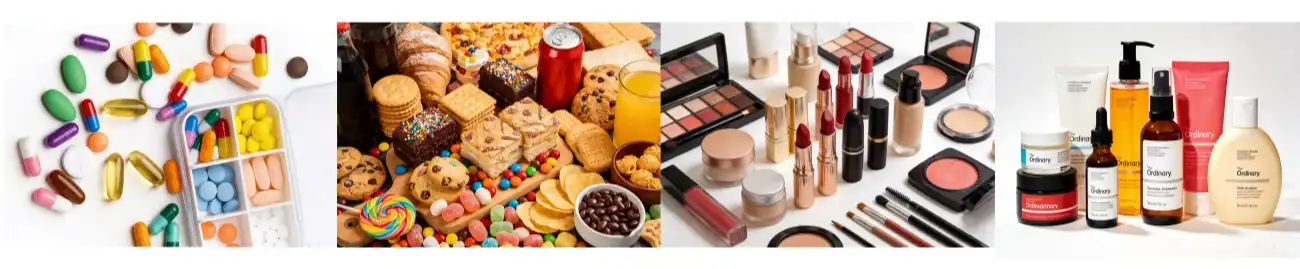
Diverse industries leverage pumpkin seed extract for distinct purposes:
- Nutraceutical and Dietary Supplements: The standardized extract meets the growing demand for plant-based protein choices. It's used in protein pills, multivitamin mixes, and recipes for men's health that are aimed at people who care about their health. The 10:1 ratio gives you more of the good stuff in smaller doses, which makes it easier to take.
- Cosmetic and Personal Care Products: The amino acid profile helps the skin's barrier function and keeps wetness in, so the extract can be used in healing creams, anti-aging serums, and hair care products. The mixture works better for things that are meant to improve skin health and hair growth because it has zinc in it. Scientists who study cosmetics like that the powder doesn't change when it gets wet or dry.
- Functional Foods and Beverages: Food experts add pumpkin seed extract to healthy bars, protein-rich snacks, and functional drinks to make them work better. The extract can be used with different temperatures and pH levels, which makes it easy to add to production lines that are already in place. It often pairs well with other flavors because its natural nutty undertone doesn't get in the way of the main tastes.
- Pharmaceutical Applications: When used in medicine, uniform pumpkin seed products are looked at by pharmaceutical R&D teams to make natural drug libraries. The tracked extraction method and a lot of paperwork make sure that regulatory standards for pharmaceutical-grade ingredients are met. Because amino acids and phytosterols have stable patterns, study data can be used again and again.
Dosage Considerations and Integration Guidelines
The amount that is generally added ranges from 250 mg to 1000 mg per serve, but this can change depending on the use and the desired functional benefits. The powder is easy to mix in systems that are based on water or lipids, but it can be spread out more evenly in more difficult ones if it is mixed with the right carriers first. The extract stays stable under fast settings tests and keeps its nutritional content and protein structure for up to 24 months, which is how long most things last when they are stored properly.
When manufacturing partners are coming up with ways to package the extract, they should keep in mind that it attracts water a little. Materials that block moisture keep powders from sticking together and keep them moving while they are being kept and worked on. When the product is scaled up and made in large quantities, our expert team gives clear directions on how to handle it so that it works at its best.
Pumpkin Seed Extract Powder vs. Pumpkin Seed Oil and Other Seed Powders
Protein Concentration Differences
How much protein they keep is what makes oil and extract powder different. Because of the way it was extracted, cold-pressed pumpkin seed oil has almost no protein (less than 1%), but the protein amount in the extract powder stays between 15% and 25%. Since these two things are different, the powder works better for protein-based recipes while the oil works better for fat-based recipes.
It's clear that plain ground seed powder is more uniform and controlled than extract powder for this reason. Each batch of raw seed powder may be different because of how the seeds were grown, when they were picked, and how they were kept. This difference isn't present in the extracted and standardized powder because the processing factors are controlled. This makes the analytical profiles reliable, which is needed for regulatory reports and quality assurance processes.
Functional Advantages of Powder Format
Business-to-business buyers who want to make protein-rich foods will like how flexible the powder is. The extract doesn't have to be mixed with oils before it can be put into solid dose forms like pills, tablets, and packs. This means that new brands don't have to spend as much on capital because they don't need to buy special tools for packing and making softgels.
The powder can be kept for longer than the oil, which is great for logistical planning. Pumpkin seed oil can be stored for 6 to 12 months if it stays cool. If you properly package extract powder, on the other hand, it will stay stable at room temperature for 24 months. This security lowers the risk of stock, makes shipping easier, and lets you sell your goods in new places where cold-chain infrastructure might not be as strong.
Organic Versus Conventional Quality Considerations
Organic approval costs more, but it lets companies that make natural products reach niche markets that are becoming more important to them. Our organic Pumpkin Seed Extract Powder comes from fields that the USDA, the EU, and other foreign groups have certified as safe. It meets these requirements and gives finished goods the proof they need to say they are organic.
For people who need to save money, conventional extracts are better because they have the same protein patterns and useful properties. Organic or standard depends on the values of the brand, the price, and the people they want to sell to. There are the same quality control steps for both options to make sure the proteins are whole, the bacteria are safe, and there are no other things that shouldn't be there.
Supplier Selection Criteria for Protein-Rich Extracts
People whose job it is to buy things should put these things first when looking at possible sellers:
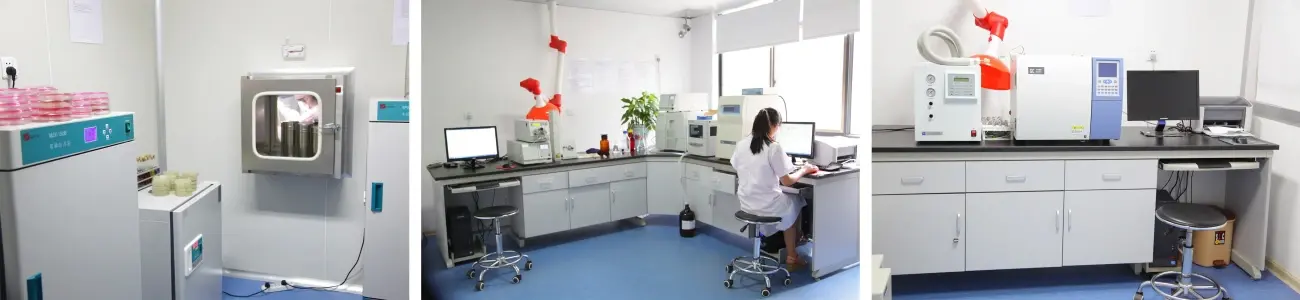
- Analytical Capabilities: Full records of analysis, like those that show how much protein was used, the profiles of amino acids, and the study of moisture, prove that the service provider is qualified. Look for sellers who have atomic absorption spectroscopy, gas chromatography-mass spectrometry, and HPLC.
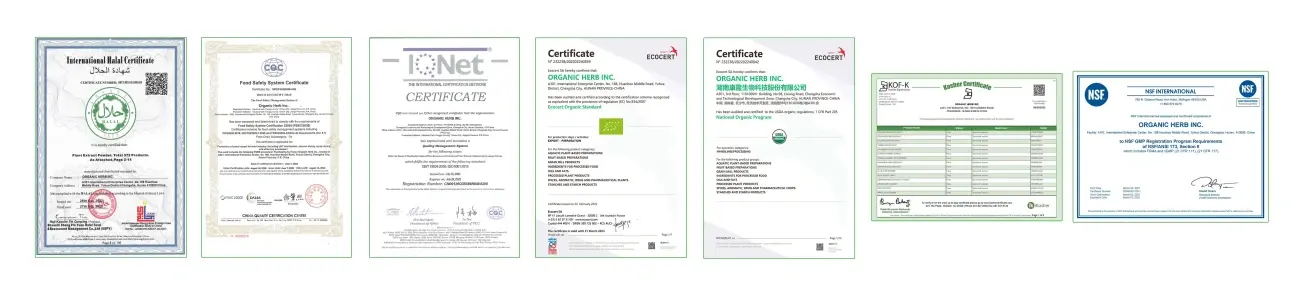
- Certification Portfolio: Many different labels, like GMP, ISO, FSSC22000, Kosher, and Halal, prove that the business has strong quality control and can meet the needs of many different people. These certificates make it easy for officials to say that a product is safe for different types of customers and in different places.
- Supply Chain Transparency: Being able to follow seeds from where they are grown to when they are packed makes sure that everyone is accountable and lets people act quickly if quality problems happen. Sellers who either grow their own crops or work directly with contract farmers can offer better control.
- Technical Support: It's helpful to be able to talk to recipe scientists and regulatory experts for more than just getting basic materials. With this help, it takes less time to make new products, and it costs less to try out different formulas.
How Pumpkin Seed Extract Powder Is Made and Quality Assured
Advanced Extraction Technologies
To start, very carefully pick Cucurbita moschata seeds that have the right amount of protein and good chemicals. When you clean the seeds, you get rid of any dirt or young plants that could hurt the quality of the extract that you make. Some of the steps used to get the seeds ready for extraction are drying them out and making them smaller, which is done while keeping the proteins as intact as possible.
When water is removed at controlled temperatures, advanced glycation end products are not formed, which can happen during high-temperature processes. Proteins, minerals, and some phytosterols that break down in water are broken down by the watery environment, while carbohydrates and solid fiber are left behind. This careful extraction draws out just the parts we need, giving us the 4:1 and 10:1 amounts that our product needs.
Filter systems that get rid of water without heating the material too much are used to concentrate the liquid extract. Reverse osmosis and nano-membrane systems are two new technologies that make the extract stronger while keeping the temperatures low, generally below 50°C. The secondary structure of proteins is maintained by controlling the temperature, which is important for their bioactivity and processing.
After being boiled down, the extract is put into spray-drying tanks where it meets hot air in the form of tiny drops, which quickly consume any water that is still there. When you're done, you'll have a brown powder that is easy to work with and has particles that are properly spread and the right size. Spray-drying options are set to get moisture levels of about 5%, which keeps germs from growing but doesn't dry the material too much.
Quality Control Protocols for B2B Standards
The first step in doing thorough tests is to look over the raw materials. When seeds come in, they are looked at under a microscope to make sure they are real plants, and if necessary, their DNA is barcoded. When you use the Kjeldahl or Dumas methods to check the protein level, you get standard numbers that help you fine-tune the extraction.
Throughout production, key control points keep an eye on the concentration levels, drying factors, and how well the extraction is going. During the process of making something, differences are found before they have an impact on the final quality. This makes sure that everything is the same and cuts down on waste. The last tests on a product are:
All of the tests show that every batch meets the standards for moisture, heavy metals, chemical leftovers, microbial pollution, and protein content. Plant sterols and bioactive markers are checked in our quality control lab using HPLC-ELSD to make sure they are what they say they are. Stability studies show that the product's protein content and bioactive profiles stay the same over its shelf life as long as it is kept in the right way according to ICH guidelines.
Regulatory Compliance and Certification Standards
Our Pumpkin Seed Extract Powder has been cleared by both the U.S. FDA rules and guidelines and European regulations. The fact that a factory has NSF GMP approval means that it follows strict rules for making pharmaceuticals, which are good for making food additives. When food safety management systems are approved by FSSC22000, they show that they meet international standards, which is important for use in food and drinks.
Licenses for Kosher and Halal food make it easier for businesses to reach customers who have to follow certain eating rules. Outsiders must check the places where the goods are processed, where the raw materials come from, and how they are cleaned before these certificates can be given. If fields and processing plants need to get organic approval, they have to be checked once a year to make sure they follow the rules for organic production from the seeds to the finished powder.
Documentation packages sent to regulators include detailed production flow charts, hazard analysis critical control point (HACCP) plans, allergy control methods, and a list of all the ingredients that go into the product. People can speed up the rules-following processes in other places, like when they register goods with the FDA or ask for new foods in Europe, by using this knowledge.
Supply Chain Excellence in Action
At OHI, the united supply chain shows how to make an extract that is high in protein. Our GAP-certified farms, which are spread out over more than 8,000 acres in several areas, make sure that we always have enough raw materials, even when bad weather hits some places. It is possible to use gardening methods that raise the protein content of gathering seeds when you have direct links with farmers.
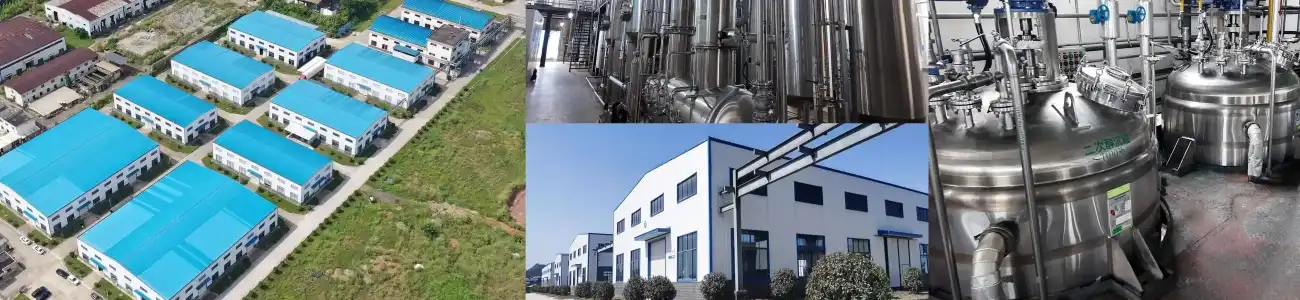
High-tech extraction tools worth more than $1.2 million are used in processing plants in Yichun, Jiangxi Province. Some of these are accurate spray dryers, supercritical CO2 devices, and membrane filter units. This input of money helps to keep the quality of the protein high so that the same processing conditions can be used over and over again. People can get their orders quickly because there are four carefully placed shops across the United States. Most of the time, it only takes 10 days from when an order is approved to when it is shipped.
Our R&D center in Changsha has 27 top researchers, some of whom are professors and PhD leaders. Their job is to find better ways to get proteins from pumpkin seeds and new ways to use them. We can quickly change to meet the needs of the market and help important customers with unique development projects because we can study them.
Buying Guide and Procurement Tips for Pumpkin Seed Extract Powder
Evaluating Protein Quality Metrics
When assessing Pumpkin Seed Extract Powder suppliers, begin by requesting detailed certificates of analysis specifying total protein content, amino acid breakdown, and nitrogen-to-protein conversion factors used. Different exchange factors can lead to different protein amounts when nitrogen content is used. Sellers you can trust are honest about how they look at data, which lets you compare sources properly.
The profiling of amino acids tells you if the product gives you full proteins that have all the helpful amino acids in the right amounts. It is best to find tests that use ion-exchange chromatography or mass spectrometry to find out how much of each amino acid was present. You can use this information to check that nutrition labels are correct and to believe what the ads say about the protein's quality.
Bioactive content beyond protein—specifically phytosterol levels and mineral profiles—differentiates premium extracts from commodity-grade materials. Standardized extracts with known amounts of phytosterol are more useful, which makes goods stand out in places where there is a lot of competition. It is very important to check the zinc amount in goods that are meant to help with health issues where zinc is important.
Market Pricing and Cost Analysis
Depending on the quantity of seeds used, whether they are naturally approved, and the size of the order, Pumpkin Seed Extract Powder currently sells for between $25 and $60 per kilogram. The 4:1 extract usually costs less than the 10:1 ratio since it doesn't need to be prepared as well and makes more from each kilogram of raw seed. Most of the time, getting organic certification costs an extra 20–40% because the materials are more expensive, and it costs money to keep the certification.
To figure out the cost-in-formulation, you should compare the strength of the extract to that of raw seed powder. There is more living material in the extract powder, so it takes less of it to do the same job. If you cut down on the number of pills, tablets, or servings needed to give the right amounts, the price of the final product goes down. Since there is less stuff going through the supply chain, it costs less to store and move it.
Long-term pricing stability depends on how easy it is to get raw materials and how much of them can be taken out. A lot of the time, sellers who get their seeds from contract farms have more stable prices than brokers who depend on spot markets. Deals on supplies that last longer than a year and have prices that change based on public product indices keep supplies going and protect both sides from changes in the market.
Establishing Strategic Supplier Partnerships
Businesses have an edge over their competitors when they have strategic ties with extract sources that go beyond just buying things. Customers and suppliers can work together to make a new product when suppliers do research and development (R&D) that helps customers come up with new recipes. When you have access to pilot-scale tools for test runs, you can get new goods on the market faster and for less money.
Quality agreements that make specs, testing methods, and handling variations public spell out who is in charge of what. There should be ways to let customers know about changes to the process that could affect how the product works in these deals. Quality reviews should happen at least once every three months so that people can talk about new issues and figure out how to keep getting better.
Supplier audits make sure that the paperwork fits the quality processes, manufacturing skills, and legal requirements. When you visit the site, you can see useful information that isn't on paper diplomas. You can trust your seller more if you see how things are made, talk to quality staff, and look at batch records. This is important for building long-term ties.
Sample review tools let you see how often groups happen before you buy a lot of them. You should ask for samples from a few different production lots that were made over a few months to see if the look, flow, protein level, and other important qualities stay the same. As part of this review, you should see how stable the product is under the storage settings you choose and how well it works with your formulation matrices.
Conclusion
There is a lot of protein and beneficial chemicals that are good for you in pumpkin seeds. Because of this, Pumpkin Seed Extract Powder is a useful ingredient that can be found in drugs, cosmetics, functional foods, and supplements. Concentrated powders are better for protein-based recipes because they are more stable, consistent, and adaptable than oils or raw seed powders. By learning about extraction methods, quality metrics, and factors for picking suppliers, procurement professionals can find protein-rich extracts that make products work better and do better in the market. As the market for ingredients changes because of clean-label trends and plant-based tastes, standardized pumpkin seed extracts represent a valuable tool for brands seeking natural, effective recipe solutions backed by science and excellent production.
FAQ
1. Does pumpkin seed extract powder provide complete protein?
As a full source of protein, pumpkin seed extract powder has all nine essential amino acids. Arginine, leucine, and tryptophan make up a lot of amino acids that help the body do many things. One thing that does depend on the ratio is how much protein is in the extract; there is more protein in 10:1 extracts than in 4:1 extracts. The amount of protein per serving is good, but it might need more protein sources in recipes that aim for a high-protein diet every day, especially in sports nutrition, where 20 grams or more of protein per serving is normal.
2. Can this extract substitute for other seed protein powders in supplement formulations?
Pumpkin seed extract powder can be used instead of hemp, sunflower, or chia protein powders a lot of the time. For people who are allergic to beans, it's better than soy proteins because it doesn't have any allergens in it. It is easier to make foods that last longer because the powder doesn't oxidize as quickly as wheat proteins do. Formulators should try to see if it works, though, since different kinds of seeds have different tastes. The slightly nutty taste and brown color go well with chocolate or vanilla flavors, but you might need to change them for fruit flavors.
3. What connection exists between protein content and the extract's functional properties?
There are several ways that the protein part makes the extract more bioactive as a whole. There are naturally occurring peptides in pumpkin seed proteins that get rid of metals from cells and get rid of free radicals. It's easier for lipophilic chemicals, like phytosterols, to mix with each other in gut settings, which changes how bioavailable they are. A higher protein amount generally means a better texture and a more stable suspension in drinks. This means there will be less sedimentation while it is being stored, which is good for the customer.
Partner With OHI for Premium Pumpkin Seed Extract Solutions
What OHI does best is make pharmaceutical-grade Pumpkin Seed Extract Powder. It's made for people who make high-end cosmetics, useful foods, and nutrition products. Our brown powder, made from Cucurbita moschata seeds that were separated with water, has stable protein profiles and comes in 4:1 and 10:1 amounts. It comes in 25 kg drums with a minimum order quantity of just 25 kg. Because our four carefully placed stores are in the U.S., we can ship quickly (10 days), so there aren't any long wait times that throw off production plans.
We promise to follow strict U.S. rules because our company is listed on the stock market (Stock Number: 872213) and is certified as NSF GMP, Kosher, Halal, ISO9001, and FSSC22000. We guarantee compliance with rigorous U.S. FDA and C-GMP standards. You can always count on us to deliver because our GAP-certified 8,000-acre farming network and $1.2M advanced extraction center make sure that every batch is the same. Whether you need organic certification to make your product stand out or a trusted provider for cost-effective formulations, our technical team supports your success from sample evaluation to commercial-scale production. Contact info@organic-herb.com today to request complimentary samples and discover how our sustainable sourcing practices and environmental stewardship align with your brand values.
References
1. Stevenson, D.G., Eller, F.J., Wang, L., Jane, J.L., Wang, T., & Inglett, G.E. (2007). Oil and tocopherol content and composition of pumpkin seed oil in 12 cultivars. Journal of Agricultural and Food Chemistry, 55(10), 4005-4013.
2. Rezig, L., Chouaibi, M., Msaada, K., & Hamdi, S. (2012). Chemical composition and profile characterization of pumpkin (Cucurbita maxima) seed oil. Industrial Crops and Products, 37(1), 82-87.
3. Rabrenovic, B.B., Dimic, E.B., Novakovic, M.M., Tesevic, V.V., & Basic, Z.N. (2014). The most important bioactive components of cold pressed oil from different pumpkin (Cucurbita pepo L.) seeds. LWT-Food Science and Technology, 55(2), 521-527.
4. Jiao, J., Li, Z.G., Gai, Q.Y., Li, X.J., Wei, F.Y., Fu, Y.J., & Ma, W. (2014). Microwave-assisted aqueous enzymatic extraction of oil from pumpkin seeds and evaluation of its physicochemical properties, fatty acid compositions and antioxidant activities. Food Chemistry, 147, 17-24.
5. Patel, S. (2013). Pumpkin (Cucurbita sp.) seeds as nutraceutical: A review on status quo and scopes. Mediterranean Journal of Nutrition and Metabolism, 6(3), 183-189.
6. Nkosi, C.Z., Opoku, A.R., & Terblanche, S.E. (2005). Effect of pumpkin seed (Cucurbita pepo) protein isolate on the activity levels of certain plasma enzymes in CCl4-induced liver injury in low-protein fed rats. Phytotherapy Research, 19(4), 341-345.
Standard Disclaimer (DSHEA):
These statements have not been evaluated by the Food and Drug Administration.
This product is not intended to diagnose, treat, cure, or prevent any disease.

Send Inquiry

Related Industry Knowledge
- Polyporus extract, powder and capsules for companies
- Maitake Mushroom Benefits: Natural Health Boosts
- Coenzyme Q10 (CoQ10): Biohacking Mitochondria for Energy, Longevity, and Anti-Ageing
- How to make peony extract
- Coenzyme Q10 (CoQ10): The Basics and Its Health Benefits
- Are kidney beans good for weight loss?
- Ultimate Guide to Poria Cocos: Health Benefits & Uses
- How do you use rosemary?
- Which is better, CoQ10 or Omega-3?
- USA Import Standards and Poria Cocos Extract: A Supplier’s Perspective