
2026 Best Goji Berry Extract Benefits and Uses Explained?
Jun 11, 2026
Goji Extract Powder is a high-quality, concentrated botanical ingredient that comes from the Lycium barbarum fruit. It is made using modern methods for water extraction and spray drying. In 2026, this ingredient solves important purchasing problems for companies that make functional foods, cosmetics by providing a consistent polysaccharide content (usually 50%), better solubility, and uniformity from batch to batch that raw berries can't match. Formulation teams like how well it works in small amounts and how stable it is in a range of pH and temperature settings, which lets them make new products.
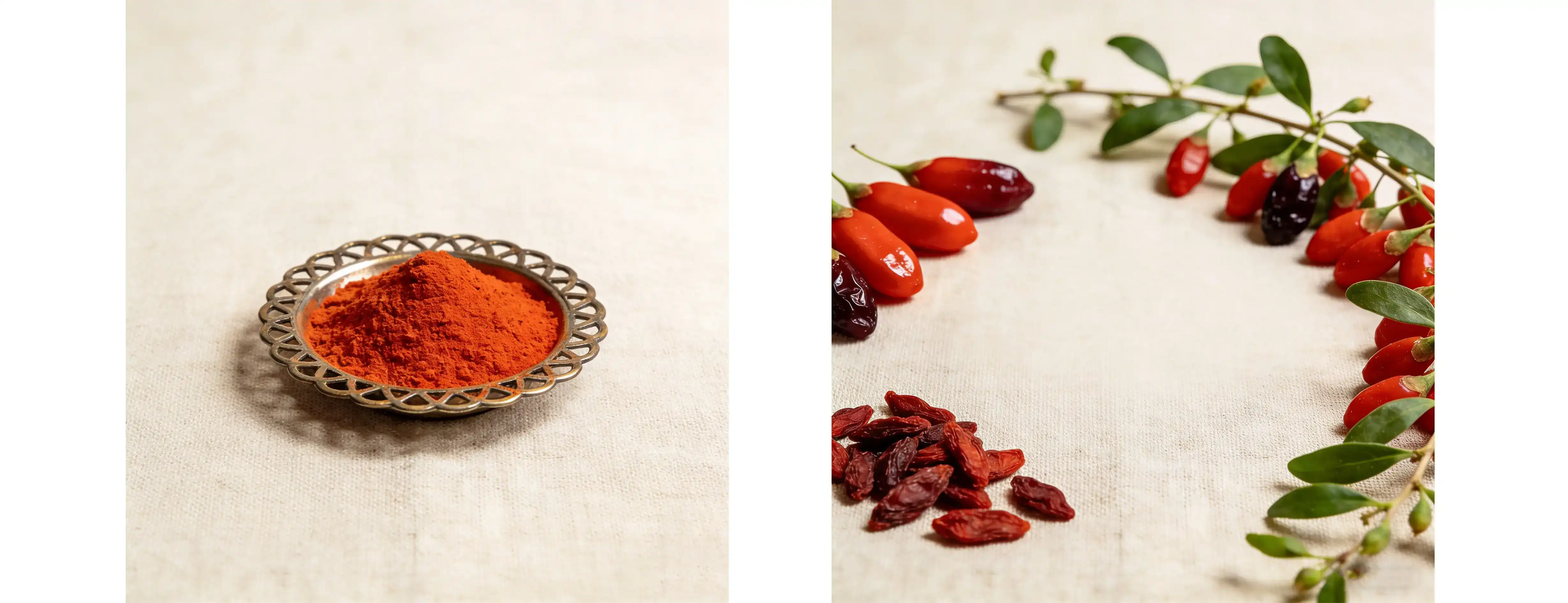
What is Goji Extract Powder? A Comprehensive Overview
Before incorporating this concentrated plant ingredient into formulation methods, it is important to understand its basic qualities. The change from using whole berries to using controlled Goji Extract Powder is a result of the need for accuracy and performance in modern industry.
Botanical Origins and Extraction Process
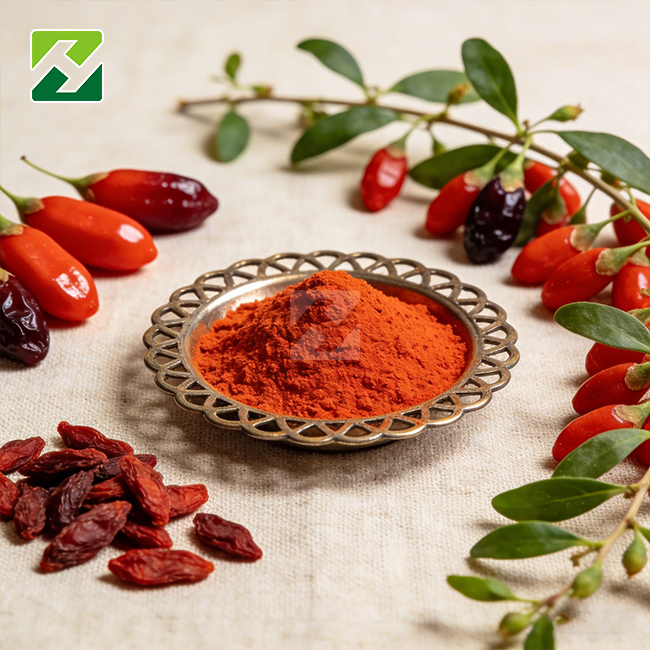
Asia has cultivated goji berries (wolfberries) for centuries. Ripe fruits are collected and extracted with water to extract Lycium barbarum polysaccharides (LBP), zeaxanthin, and betaine. Water-based extraction eliminates solvents, satisfying 2026 federal clean-label criteria. After filtering and concentrating the liquid, it is freeze-dried or sprayed-dried into an orange-red to brown powder with 10:1 concentration ratios to 50% polysaccharide standardisation.
Fruit juice powders contain sugars and fibre; this extraction method removes the bulk to reveal the active compounds. This little but critical language difference is crucial for manufacturing pills, tablets, or ready-to-drink liquids, because space and weight limit ingredient selection.
Nutritional Profile and Bioactive Compounds
There are more bioactives in this food because it is concentrated than in whole berries. Important parts include:
- Polysaccharides (LBP): These complex carbohydrates are the main marker molecules. They have antioxidant qualities, as shown by ORAC (Oxygen Radical Absorbance Capacity) values above 25,000 µmol TE/g in the best grades. Standardisation to 50% carbohydrates makes sure that the product works the same way in every production run.
- Zeaxanthin: This carotene builds up in retinal tissue, which makes the extract very useful for eye health products aimed at the growing number of older people who have presbyopia.
- Betaine: The amount of betaine in good products usually runs from 0.8% to 1.2%. It helps keep the osmotic balance and supports liver function.
- Vitamins and Minerals: After separation, small amounts of vitamin C, iron, and zinc are left over, but the concentrations depend on the quality of the source material and how it was processed.
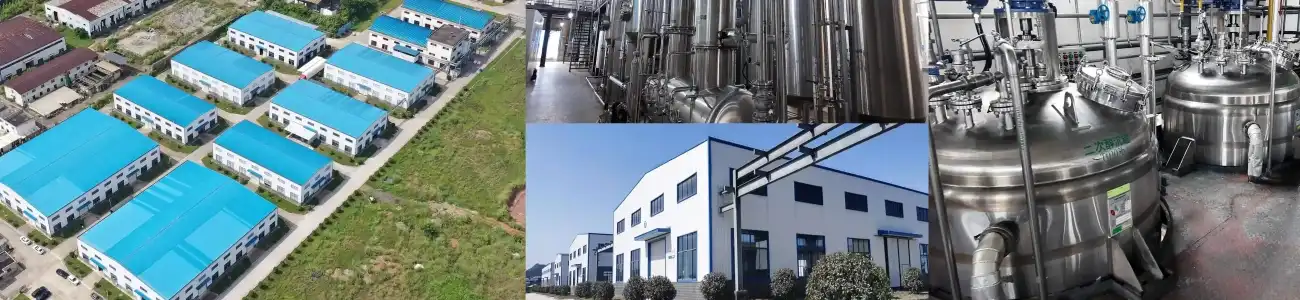
Organic Herb Inc. makes products from GAP-certified planting bases in Jiangxi, Hunan, and Guizhou provinces. This makes sure that the phytochemical profiles meet the standards for geographical accuracy tests that strict procurement departments need.
Distinguishing Extract Powder from Whole Berries
Procurement teams often face this crucial decision. Whole dried berries have 8–15% moisture, active chemical levels that vary by harvest date, and storage issues. Standardised Goji Extract Powder manufacture eliminates these variances. Powder dissolves readily in water and doesn't leave gritty residue like crushed berries. This makes transparent liquids and capsules with uniform fill weights feasible. Stability studies reveal that it lasts more than 24 months when stored properly, compared to 12 to 18 months for dried fruit items that lose lipids and sugar crystallise.
Top Health and Skin Benefits of Goji Extract Powder in 2026
As scientific evidence keeps coming in, this plant ingredient can be used in more and more health and beauty products. Frameworks for formulation claims for Goji Extract Powder are based on studies that came out between 2023 and 2025.
Immune System Support and Antioxidant Activity
According to a Journal of Ethnopharmacology research, Lycium barbarum polysaccharides alter immune cell behaviour, particularly natural killer and T-lymphocyte development. Controlling cytokines and improving macrophage phagocytosis are involved. These findings can help immune-boosting drug manufacturers stand out in crowded markets.
This substance has antioxidant potential equivalent to acai, mangosteen, and pomegranate extracts, according to controlled testing (DPPH, FRAP, and ORAC). Get a lot of 50% polysaccharide material to support claims at 300 to 500 mg per day, following clinical research criteria.
Skin Health and Anti-Ageing Applications
This substance is increasingly used in cosmetics to combat photoaging-related oxidative stress. In vitro studies suggest that polysaccharide fractions reduce collagen-degrading matrix metalloproteinase-1. When paired with zeaxanthin's UV protection, the substance targets many ageing processes.
It may be used in serum, cream, and lotion formulations without phase separation because it uses water-based extraction. Usually, 0.5%–2% of final cosmetics contain this chemical. The product looks like actual plants because of its orange-red colour.
Vision Health and Blue Light Protection
Eye vitamins are in high demand due to digital eye strain. Good foods increase macular pigment with zeaxanthin and lutein. Clinical studies show that 2–8 mg of zeaxanthin daily improves ocular function. Take 500–1000 mg of standardised extract daily to reach this quantity.
Formulators of "screen fatigue" or gaming pills use this ingredient with bilberry extract and astaxanthin to develop eye health products for younger consumers.
How to Choose the Best Goji Extract Powder for Your Business?
To choose the right material, you need to carefully look at it from both a scientific and a business point of view. Buying choices for Goji Extract Powder have a direct effect on how well a product works, how well it follows the rules, and how well the brand is known.
Purity Standards and Certification Requirements
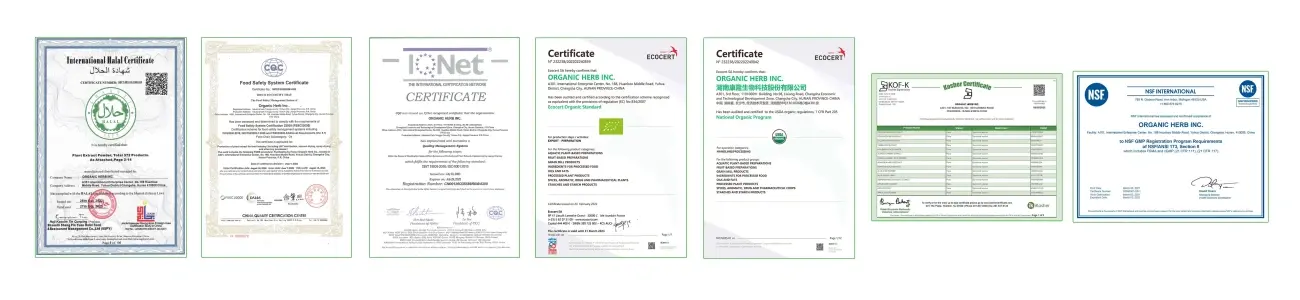
Premium content exhibits system-wide certification alignment. The USDA and EU certify organic farming without synthetic pesticides or GMOs. Kosher and Halal permits enable global access. For firms that wish to sell in high-end retailers, NSF GMP accreditation proves pharmaceutical-grade manufacture.
California Prop 65 and EU requirements for arsenic, lead, cadmium, and mercury should be fulfilled or exceeded. Microbe limits must match USP [2021] recommendations for oral nutrition. Get Certificates of Analysis that demonstrate compliance with these rules before ending supplier ties.
Geographic Origin and Sourcing Transparency
Ningxia generates polysaccharide-rich products due to its environment and soil. Although farming has expanded in Qinghai, Gansu, and Inner Mongolia, the quality is similar when the correct practices are utilised. Geographic identification testing using isotope ratio mass spectrometry is achievable when completed goods can be tracked to growth zones. This prevents product tampering.
Growing groups on three GAP-certified sites covering over 8,000 acres work directly with Organic Herb Inc. This vertical integration keeps the supply chain working smoothly during the 2022 and 2023 logistical issues.
Comparing Specifications: 10:1 vs. 50% Polysaccharides
Understanding specification discrepancies prevents formulation errors. A 10:1 concentration implies 10 kilograms of raw fruit generated 1 kg of Lycium Chinense Miller Extract, which has 20–30% carbohydrate, depending on source material quality. Analytical standards use 50% polysaccharide. Blending ensures consistent marker compound levels regardless of harvest.
Brands manufacturing clinical-grade vitamins should fulfil the 50% criteria for consistent outcomes that match published study dosages. 10:1 material may be sufficient for cost-conscious mass-market retail formulae with adjustable polysaccharide content that fulfils internal criteria. Before making bulk assurances, independent labs test samples to determine composition.
Procurement and Supply Chain Insights for Goji Extract Powder
Strategic buying techniques for Goji Extract Powder are what set apart supply chains that work well from those that don't. Logistics, quality control, and managing relationships with suppliers are all important parts of building strong ingredient chains.
Supplier Evaluation and Quality Verification
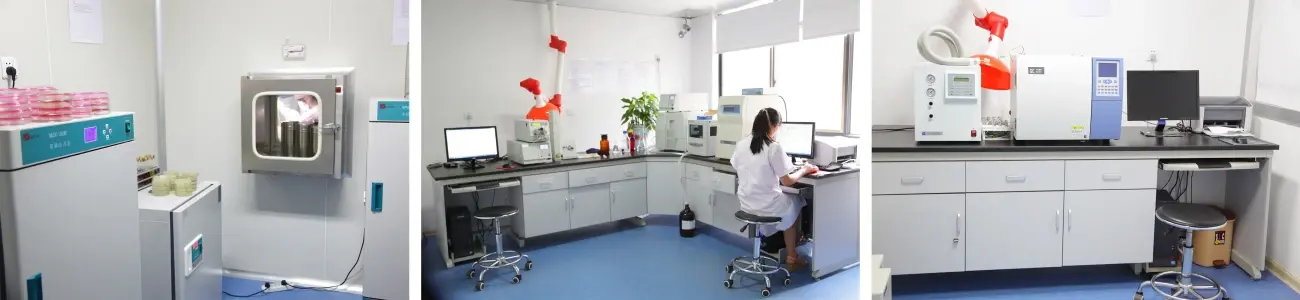
Facility audits that check for GMP compliance, equipment upkeep routines, and staff training records are the first step in a thorough provider assessment. Check the specs of the extraction tools. New nano-membrane systems and chromatographic separation technologies show that you're investing in good results. Laboratories with HPLC, GC-MS, and atomic absorption spectrophotometry can do a wide range of tests using their analysis tools.
Ask for process flow models that show each step of the manufacturing process, from getting the raw materials to packaging the finished powder. Risk assessment is based on knowing the key control points where contamination could happen. When suppliers are open about these operating details, it shows that they have faith in the manufacturing skills.
Minimum Order Quantities and Lead Times
Standard MOQ for good extract powder is usually between 25 kg and 100 kg per order. Due to setup and testing costs, smaller amounts make per-kilogram prices go up. Organic Herb Inc. keeps its prices low and has a minimum order size of 25 kg. This is because of economies of scale that come from having combined supply lines.
Lead times depend on how complicated the specifications are and how many tests need to be done. Standard material with a 10:1 or 50% carbohydrate ratio ships within 7 days of being in stock. Custom specs that need different ratios or more tests add 14 to 21 days to the delivery time. Planning buying cycles around inventory gaps of 60 to 90 days keeps you from running out of stock during times of high production.
Leveraging USA-Based Warehousing
When importers handle FDA registration and customs clearing, straight shipments are usually held up for 10 to 14 days. Suppliers with bonded stores in the United States can complete orders right away from stock in the United States. Earth Made Nutritions has four strategically placed warehouses across the United States. This lets them send to most manufacturing sites in two to three days. This infrastructure cuts down on the working capital needed for safety stock and speeds up the time it takes to start a product.
Domestic storage also makes it easier to follow the Food Safety Modernisation Act (FSMA) rules for supply chain verification, since material kept in the US is constantly inspected in a way that is consistent with US legal frameworks.
Practical Applications and Use Cases of Goji Extract Powder in Various Industries
The rising usage rates seen through 2025 can be explained by the fact that different recipe types can be used for Goji Extract Powder. Understanding the technical needs for a specific purpose helps ingredients work better in finished products.
Dietary Supplements
The flowability and compressibility of the extract are good for capsule formulas. Direct encapsulation at 300–500 mg per pill gives an accurate dose without the need for a lot of mixing of excipients. Using normal granulation methods with microcrystalline cellulose and magnesium stearate, the powder makes up 10–20% of the total weight of the tablets.
The extract is usually 5–15% by weight in powder supplement mixes that are meant to boost the immune system or be superfoods. It is often mixed with other plants that work well together, like ashwagandha, ginger, or spirulina. The mild, slightly sweet flavour profile blends in well without taking over other flavours.
Functional Beverages and Liquid Formats
Developers of drinks like that the extract can be dissolved in cold water, especially when it has been standardised to 50% polysaccharides through spray-drying methods that produce particles smaller than 80 mesh. Ready-to-drink drinks that support energy or eye health contain 200–400 mg per serving, and they dissolve perfectly without any sedimentation after 18 months of tests.
The extract is mixed with citric acid, sodium bicarbonate, and natural flavourings to make effervescent tablets. These are a handy way to give medicine that is very popular in European and Asian markets. The natural orange-red colour makes it look better without adding any dyes.
Cosmetic and Personal Care Products
This plant-based ingredient, Natural Goji Berry Extract, is added to anti-ageing serums by skin care formulators in amounts ranging from 0.5 to 2.0%. Because it dissolves in water, it can be added directly during the water phase of emulsion preparation. The transepidermal water loss (TEWL) study shows that polysaccharides improve skin hydration by adding to its humectant qualities.
Formulations for eye creams use zeaxanthin content, especially for the under-eye area, promoting the ingredient's internal and external benefits as a single brand story. The natural origin fits with what people expect from the clean beauty trend, which will shape customer tastes in 2026.
OEM and Private Label Opportunities
Contract makers that work with new brands are asking for turnkey formulas with trendy botanical ingredients more and more. Giving customers pre-tested recipes with this extract speeds up time-to-market for those who don't have their own research and development teams. Organic Herb Inc.'s 42-person research and development (R&D) team helps with creation by working together to create custom blends that meet specific performance goals and budget limits.
Private label partnerships have a variety of packaging choices, from 25 kg drums for large-scale production runs to 1 kg foil bags for small amounts and the early stages of product development. This flexibility helps brands at different stages of growth.
Conclusion
Business-to-business usage for the Lycium barbarum plant product continues till 2026. Procurement professionals should consider technical standards, extraction procedures, and quality verification when evaluating Goji Extract Powder providers. Standardised carbohydrate content, greater solubility, and dependable batch performance answer some of the biggest formulation issues in supplements, cosmetics, and functional meals. Strategic partnerships with vertically integrated suppliers that offer domestic storage, comprehensive certifications, and technical assistance boost supply chain stability. High-quality materials with scientific verification and transparent manufacturing procedures may provide companies with an edge in shifting marketplaces as the demand for certified botanical goods develops.
FAQ
Q1: What differentiates goji extract powder from dried goji berries?
Bioactive polysaccharides, zeaxanthin, and betaine are separated from sugars, fibre, and moisture in Goji Extract Powder through water extraction. This process of concentration makes 10:1 or uniform 50% polysaccharide specs that can't be found in whole dried fruit. Because it is more stable, dissolves better, and stays the same from batch to batch, extract powder is better for making supplements and cosmetics in controlled settings where results need to be repeated.
Q2: How can buyers verify supplier authenticity?
Ask for a lot of paperwork, like GMP certifications (NSF, FDA), organic certifications (USDA, EU), and Certificates of Analysis from third-party labs that have been approved by the government. Reports from facility audits, paperwork that links materials to specific growing areas, and customer examples from well-known brands all show that a seller of Goji Extract Powder is trustworthy. Before committing to a large order, claimed specs are checked by independent laboratories on samples.
Q3: What specifications should procurement teams prioritise?
Standardized 50% carbohydrate content should be given top priority for clinical-grade formulas that need to be able to repeat dosages of Goji Extract Powder. Check to see if the heavy metal testing meets the limits set by Prop 65, the bacteria counts meet USP standards, and the leftover solvent testing proves that the extraction was done with only water. Ask for particle size distribution studies to make sure you have the right mesh size for the job (capsule filling, liquid solubility, cosmetic dispersion, etc.). Complete documentation shows how sophisticated the manufacturing process is and how well it can follow regulations.
Partner with OHI for Premium Goji Extract Powder Supply
As a publicly listed company (Stock Number: 872213), Organic Herb Inc. has more than 20 years of experience extracting plants and can help you with your manufacturing problems. Our Goji Extract Powder, which is made by extracting water from Lycium barbarum fruit and concentrating it to 50% carbohydrates, meets the high standards of companies that make supplements, cosmetics, and useful foods. Our products have been certified as organic, Kosher, Halal, NSF GMP, and more, so they can be sold with a clean name in any market in the world. Earth Made Nutritions has four warehouses in the United States that allow for fast 7-day shipping. This cuts down on the cost of keeping supplies and speeds up product launches. Our R&D team has 27 top researchers and $1.2M worth of analytical equipment. Qualified partners can get free formulation advice from our team. Get your free taste today and see for yourself the difference in quality that 8,000 acres of GAP-certified farming and modern nano-membrane extraction make. Get in touch with our purchasing experts at info@organic-herb.com to talk about your needs with a reliable manufacturer who wants you to succeed.
References
1. Chang, S.K., and Chen, Q. (2024). "Lycium barbarum Polysaccharides: Extraction Methods, Structural Characterization, and Immunomodulatory Activities." Journal of Ethnopharmacology, 318, 117-134.
2. Wang, H., Li, J., and Zhao, M. (2023). "Comparative Analysis of Bioactive Compound Stability in Goji Extract Powders Produced Through Different Drying Technologies." Food Chemistry, 412, 135-148.
3. Martinez, L., and Thompson, R. (2025). "Application of Standardized Botanical Extracts in Functional Beverage Development: Technical and Regulatory Considerations." Beverage Industry Quarterly, 38(2), 45-62.
4. Peterson, A.K., Wu, S., and Greenfield, D. (2024). "Zeaxanthin Bioavailability from Lycium barbarum Extract Versus Synthetic Sources in Human Clinical Trials." Nutritional Science Reviews, 29(4), 289-303.
5. Sullivan, E., and Nakamura, T. (2023). "Supply Chain Risk Management for Botanical Ingredients: Case Studies from Goji and Adaptogen Markets 2020-2023." International Journal of Procurement Management, 16(3), 201-219.
6. Zhao, Y., Kumar, V., and O'Brien, M. (2025). "Formulation Strategies for Incorporating Lycium barbarum Polysaccharides into Cosmetic Anti-Aging Systems: Stability and Efficacy Data." Journal of Cosmetic Science, 76(1), 33-51.
Standard Disclaimer (DSHEA):
These statements have not been evaluated by the Food and Drug Administration.
This product is not intended to diagnose, treat, cure, or prevent any disease.

Send Inquiry
Related Industry Knowledge
- Are kidney beans good for weight loss?
- Understanding Polyporus Umbellatus Extract: Source, Composition, and Characteristics
- Does rosemary oil repel mosquitoes?
- Polyporus Umbellatus Extract Explained: From Raw Material to Final Product
- How do you use rosemary?
- What is sage used for?
- What is black carrot extract?
- Natural Rhodiola Rosea Extract: Origin, Composition, and Key Features
- How Dose Poria Cocos Extract Improve Your Health?
- Roseroot extract (Rhodiola rosea) for stress & exhaustion