
Shiitake Mushroom Extract Powder: Properties, Uses, and Recipes
Jul 6, 2026
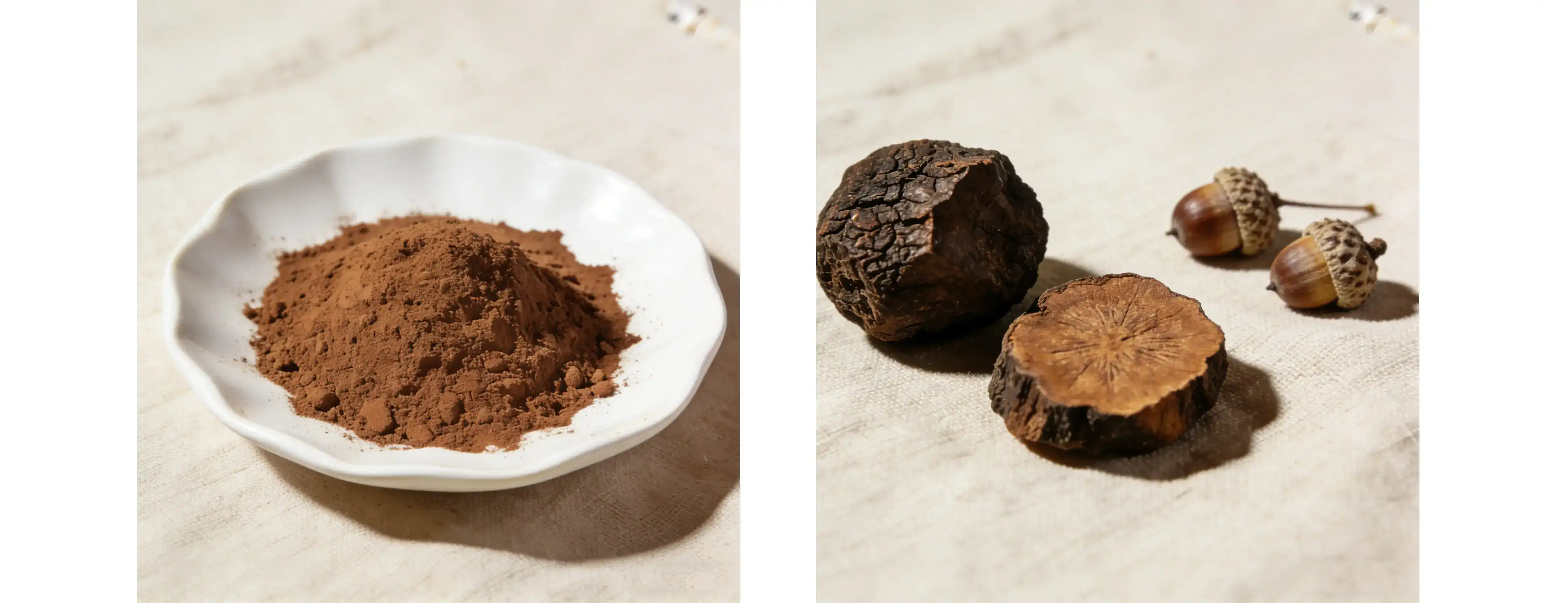
Shiitake Mushroom Extract Powder is a concentrated plant ingredient that comes from the fruiting bodies of Lentinula edodes. It delivers beneficial chemicals that are consistent with professional extraction methods. This extract separates polysaccharides and beta-glucans from ground mushrooms, making it a dependable material for companies that make nutraceuticals, cosmetics, and functional foods. Its dark powder form, which is usually fixed to 40% carbohydrates at a 10:1 concentration ratio, gives vitamins, drinks, and personal care items a uniform quality for business-to-business use.
Understanding Shiitake Mushroom Extract Powder: Properties and Production
The main difference between raw mushroom powder and properly removed concentrate is how bioavailable and consistent the two are. The chitin cell walls in raw powder are still whole, which makes it harder for compounds to be absorbed. Extraction, on the other hand, breaks down these walls, concentrating the good compounds into a form that can be used.
Core Bioactive Compounds and Chemical Profile
Beta-1,3/1,6-D-glucans and polysaccharide clusters are the main active ingredients that give the extract its usefulness. Our 40% polysaccharide standard gives formulators making immune-boosting vitamins or functional drinks a way to make sure that the uniformity is measured. The fruiting body source ensures a higher level of fungal compounds than mycelium-based options, which usually have grain substrate leftovers.
Good extracts have amino acid profiles that include leucine, lysine, and other important building blocks that are useful for sports nutrition formulas. Ergosterol, which is a form of vitamin D2, adds to the nutritional value. This is especially important for vegan supplement makers who want to find natural vitamin D precursors.
Hot Water Extraction Process and Quality Standards
The industry standard for isolating polysaccharides is 100% water extraction, which avoids using chemical agents that make regulatory approval more difficult. This method carefully concentrates chemicals that dissolve in water while keeping the clean label status that consumers today expect.
At OHI, our extraction plant uses dynamic low-temperature processes to keep the purity of the compounds. The brown powdery look means that the growing body has been processed properly, and the particles are usually between 80 and 100 mesh for the best interaction with the mixture. Temperature control during extraction keeps compounds from breaking down, so their strength stays the same from the raw material to the end product.
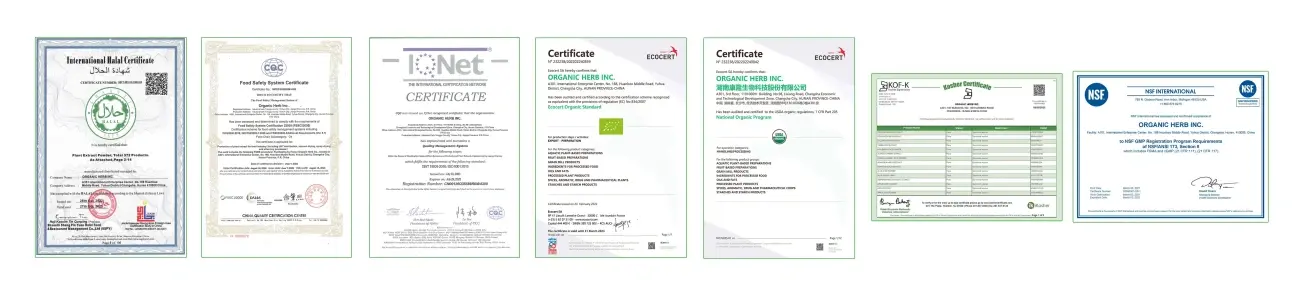
Our production follows the rules set by NSF GMP, Kosher, Halal, ISO, and FSSC22000, which means it meets a wide range of global safety standards. The organic certification choice is for high-end markets that put a high value on approved supply lines. Each 25 kg drum goes through a lot of tests, and there is full paperwork to back up the tracking standards that are necessary for pharmaceutical and nutritional uses.
Standardization and Batch Consistency Considerations
Consistency across production runs is a top priority for procurement teams. Agricultural factors change the make-up of raw mushrooms, so standardization methods are necessary. Our quality control checks the carbohydrate content using proven scientific methods to make sure that each batch meets the 40% requirement within acceptable ranges.
If the moisture level is less than 5%, microbes can't grow, and the food can last up to 24 months if stored properly. This stability helps makers plan their goods when they are handling supply chains for a lot of different product lines. Because it absorbs water, it needs to be packed properly. Our foil-lined drums with desiccants keep the product's structure while it's being shipped and stored.

Benefits and Uses of Shiitake Mushroom Extract Powder in B2B Markets
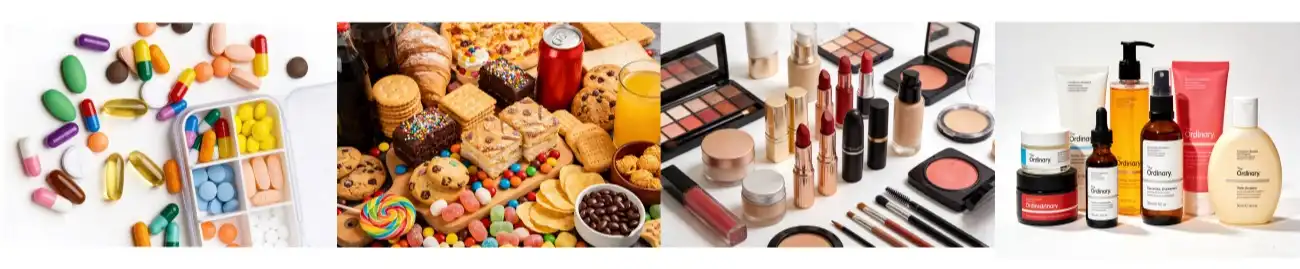
The list of useful benefits of Shiitake Mushroom Extract Powder fits with the current market trend toward natural ingredients that support a health stance. Researchers have written a lot about how polysaccharides interact with living things. This helps formulators make claims about their products that are scientifically sound and don't break any rules.
Immune System Support Applications
Because it contains beta-glucan, this ingredient is good for making supplements that focus on the immune system. There is a lot of research in the field of food science that shows how the polysaccharide structures work with immunity receptors. This ingredient is used by nutraceutical companies in everyday health recipes, seasonal support products, and immunity complex mixes for specific needs.
Doses of finished vitamins usually run from 500 mg to 2000 mg per day, but formulation teams should test for stability in certain situations. The neutral flavor profile works well with pills, tablets, and powder mixes without making other ingredients taste too strong.
Antioxidant Properties for Cosmetic Formulations
Cosmetic scientists use mushroom extracts because they contain antioxidant compounds that are good for anti-aging skin care lines. Polysaccharides have soothing qualities and help keep the mixture stable. Natural skincare brands use the fact that their ingredients come from plants to market themselves as "clean" and use plant-based actives.
In cosmetics, usage rates are usually between 0.5% and 5%, but this depends on the type of product and the result that is wanted. Because it dissolves in water, it is easy to mix into serums, lotions, and masks. Our dark powder melts easily, but for clear product forms, it may need to be filtered first.
Functional Food and Beverage Integration
It can be hard for food scientists to find a good balance between taste profiles and usefulness. The umami flavor of shiitake extract goes well with spicy drinks like broths and functional soups. For bland or sweet uses, changing the dose or hiding the flavor can keep the product's taste while still providing the right amount of polysaccharides.
When checking the safety of a drink, settling should be taken into account, especially in acidic settings. In cold liquid uses, instantization or co-processing with carriers makes it easier for the molecules to mix. Heat stability up to 120°C lets compounds be pasteurized without breaking down too much, making it good for useful drinks that can be kept on the shelf.
Product Development Guidelines and Formulation Tips
When making new formulations, R&D teams should think about how hygroscopic the extract is. Moisture barrier wrapping is helpful for encapsulation or blended products. When plant products are mixed with each other, compatibility testing stops any interactions that could weaken or stop the mixture from working.
Regulatory compliance is different for each market and use case. In the US, the GRAS status route is used for food uses, but dietary supplements are regulated in a different way. Our set of documents, which includes certificates of analysis, safety data, and accounts of the manufacturing process, can be used for regulatory applications.
Comparing Shiitake Mushroom Extract Powder with Other Functional Ingredients
Strategic ingredient selection requires understanding comparative advantages across similar botanical categories. Procurement decisions balance functionality, cost efficiency, and market positioning considerations.
Fruiting Body Extract versus Fresh Mushrooms
As a result, fresh mushrooms are not useful for making regulated supplements because they are mostly water. When compared to dry whole mushrooms, the extraction concentration process gives 10 times as many active chemicals per gram. This quantity lowers the dose needed and makes formulations more flexible.
Based on cost, extracts are better for goods that need specific amounts of polysaccharides. Fresh mushrooms are good for cooking, but extract uniformity ensures that controlled health products are always the same. The longer shelf life and smaller storage space make it easier for big manufacturing processes to run smoothly.
Benchmark Against Other Mushroom Extracts
Even though both Cordyceps and Reishi come from mushrooms, their products have different uses. Cordyceps works on energy and sports ability, while Reishi focuses on dealing with stress and relaxing. Shiitake Mushroom Extract Powder offers immune and antioxidant properties that open up new business possibilities for functional food and supplement developers seeking natural support for overall wellness.
Shiitake extract usually costs less per kilogram than Cordyceps or Reishi, which is good for formulators who are making mass-market products because it saves money. People are more likely to recognize this mushroom species because it is used in cooking, which could mean that less marketing education is needed.
Formulations that combine several mushroom products focus on a wider range of health issues. Our range of products supports multi-extract methods and includes suitability data for formulators who are making full fungus mixes.
Organic versus Conventional Quality Considerations
Organic approval leads to higher prices but also new market opportunities. Stores that sell natural foods and brands that make organic products need verified ingredients all the way through their supply chains. The quality standards for conventional extracts are the same when it comes to safety and strength, but they are cheaper.
Our organic shiitake extract comes from approved growing grounds that cover more than 8,000 acres in several Chinese provinces. This makes sure that we always have an organic supply. The usual choice uses the same quality standards and extraction technology, with the only difference being that it is certified as agricultural. Procurement teams should choose ingredients that are in line with what the target market wants and how they want to price their products.
Procuring Shiitake Mushroom Extract Powder: A Buyer's Guide
Successful sourcing relationships depend on supplier evaluation beyond price comparison. Quality assurance systems, documentation capabilities, and supply reliability impact long-term manufacturing success.
Supplier Evaluation Criteria and Certification Requirements
Buyers are protected from poor quality and legal problems when factory licenses are checked. Our NSF GMP approval shows that we can make pharmaceutical-grade products, which is important for companies that sell high-end vitamins. The FSSC22000 certification covers food safety management and can be used for various foods and drinks.
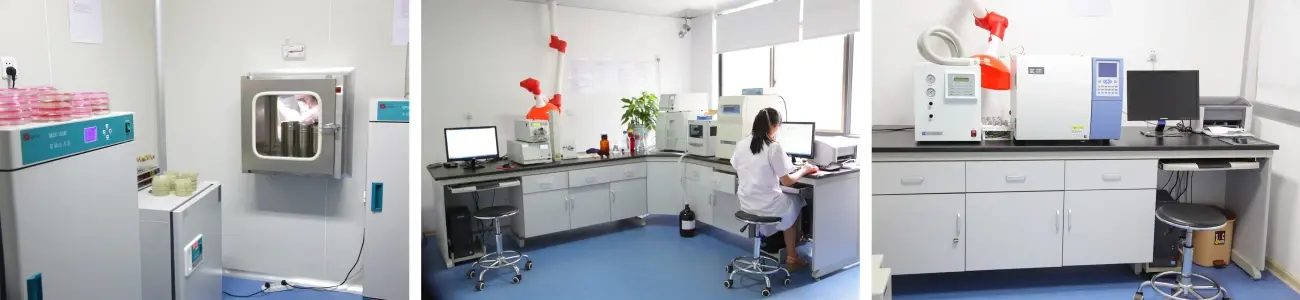
Professional sellers and commodity traders can be told apart by how complete their documentation is. Every package should come with full records of analysis, screening for pesticides, heavy metals, and microbes. To make sure thorough testing, our quality control lab uses HPLC, GS-MS, and other high-tech analysis tools worth more than $1.2 million.
Being able to track an ingredient from the plant's roots to the end product helps with auditing and due diligence. Our fully integrated supply chain, which includes GAP-certified farming sites, gives big brands and stores the openness they want more and more.
Pricing Dynamics and Minimum Order Quantities
Prices on the market are based on the prices of raw materials, the difficulty of extraction, and licensing fees. Organic extracts usually cost 20–30% more than their regular counterparts. Concentration ratios also have an effect on prices, since higher ratios need more raw materials to make one kilogram of finished extract.
Our 25 kg minimum order lets you test new products and make your first batch of products without having to commit to too much inventory. The 25kg drum size is normal in the industry and works with most of the tools used to move things around in factories. When yearly amounts go over 500 kg, and supply deals make costs predictable, bulk price talks become important.
A lead time of 10 days from when an order is confirmed to when it is ready to ship allows flexible inventory management. Our four warehouses in the U.S. allow for fast delivery, cutting down on travel time and making the supply chain more flexible than with direct purchases for every order.
Sample Testing and Product Validation
Formulators can test for compatibility with free samples before committing to large production amounts. We suggest that you do some initial testing in all of the places you want to use it to make sure it dissolves, stays stable, and tastes good with other recipes.
Independent labs that do third-party testing add to the quality assurance for important uses. The Megazyme beta-glucan test can tell the difference between fungal beta-glucans and starch-based alpha-glucans. This makes sure that the mushrooms in a product are real and not fake with cheap fillers.
Formulations don't fail after they've been put on the market if they are tested for stability in the store and under the use conditions that were planned. Our expert team can give you advice on steadiness based on their experience with a wide range of uses. However, it is still up to each maker to do testing that is unique to their product.
Practical Recipes and Applications for Shiitake Mushroom Extract Powder
Translating ingredient specifications into finished products requires practical application knowledge. Shiitake Mushroom Extract Powder formulation starting points accelerate development while allowing customization for specific brand requirements, as its beta-glucan content, polysaccharide profile, and extraction solvent residue levels directly influence final product performance in terms of solubility, stability, and bioavailability.
Immune Support Capsule Formula
A straightforward supplement application combines 500mg shiitake extract with complementary ingredients like vitamin C, zinc, and elderberry extract. The neutral flavor profile prevents taste issues in two-piece capsules. Standard capsule filling equipment accommodates the powder blend without special processing requirements.
Manufacturing considerations include moisture control during blending and encapsulation. Desiccant packets in final bottles prevent moisture absorption that could cause caking or capsule degradation. Stability testing should confirm potency retention through the shelf life under typical retail storage conditions.
Functional Beverage Development
Incorporating mushroom extract into ready-to-drink beverages requires addressing solubility and sedimentation challenges. Starting with a 0.1-0.2% usage rate (1- 2 g per liter) provides functional polysaccharide content while minimizing impact on taste and clarity. Pre-hydration in warm water before adding to cold beverage bases improves dispersion.
Flavor pairing with ginger, lemon, or honey masks the subtle earthy notes, creating consumer-acceptable taste profiles. Savory applications like miso-flavored functional broths leverage the natural umami character. Carbonation compatibility requires specific testing, as some formulations may promote foam formation.
Culinary Wellness Product Applications
Health-conscious food manufacturers incorporate functional extracts into convenient food formats. Adding 2-3% shiitake extract to soup mixes, seasoning blends, or pasta sauces enriches nutritional profiles while enhancing savory depth. The heat-stable nature withstands cooking temperatures without significant compound loss.
Bakery applications present greater formulation challenges due to moisture sensitivity and flavor intensity. Lower inclusion rates (0.5-1%) in savory crackers or protein bars maintain functionality without overwhelming product characteristics. Co-processing with flavor masking agents expands application possibilities into mainstream food products.
Conclusion
Shiitake mushroom extract powder delivers standardized polysaccharide content essential for contemporary nutraceutical, cosmetic, and functional food manufacturing. The 40% polysaccharide specification at 10:1 concentration provides formulators measurable consistency, while 100% water extraction maintains a clean-label status. Quality sourcing requires evaluating certifications, supply chain transparency, and technical support capabilities beyond basic price comparison. Our fruiting body-based extract, complete with NSF GMP, Kosher, Halal, ISO, and FSSC22000 certifications, addresses diverse B2B requirements across global markets. Understanding extraction methodology, comparative ingredient positioning, and practical application strategies enables procurement teams and R&D departments to confidently integrate this botanical extract into product portfolios targeting health-conscious consumers.
Frequently Asked Questions About Shiitake Extract Sourcing
1. How does fruiting body extract differ from mycelium-based products?
Fruiting body extracts contain significantly higher fungal beta-glucan concentrations compared to mycelium grown on grain substrates. Mycelium products often show elevated starch content from the growth medium, diluting active fungal compounds. Quality verification through Megazyme beta-glucan testing distinguishes authentic fruiting body extracts from inferior alternatives, ensuring formulators receive ingredients with meaningful functional compound levels.
2. What testing confirms polysaccharide quality claims?
Total polysaccharide testing provides a broad measurement, including both beneficial beta-glucans and less valuable alpha-glucans like starch. Specific beta-glucan analysis through enzymatic methods offers more accurate functional compound quantification. Reputable suppliers provide both measurements, demonstrating transparency about product composition. If suppliers resist beta-glucan testing while promoting high polysaccharide numbers, product adulteration with inexpensive fillers like dextrin becomes a concern.
3. Does extraction temperature affect compound integrity?
Hot water extraction requires elevated temperatures to break down chitin cell walls and release polysaccharides. While some heat-sensitive compounds may be reduced, the core immunomodulatory polysaccharides actually require heat for bioavailability. The tradeoff favors extraction, as bound compounds in unprocessed mushrooms provide minimal functional value. Temperature-controlled processing balances compound release with preservation of thermally sensitive constituents.
Partner with OHI for Premium Shiitake Mushroom Extract Supply
OHI combines vertically integrated supply chain control with pharmaceutical-grade manufacturing capabilities, delivering consistent shiitake mushroom extract powder for demanding B2B applications. Our GAP-certified cultivation bases spanning 8,000 acres ensure quality from agricultural origin, while advanced extraction technology concentrates bioactive compounds to precise specifications. As a publicly traded company (Stock Number: 872213) with comprehensive certifications including NSF GMP, FSSC22000, Kosher, and Halal, we meet the stringent requirements of nutraceutical, cosmetic, and functional food manufacturers worldwide.
Whether sourcing organic or conventional shiitake extract, our technical team provides formulation support, regulatory documentation, and reliable supply through four U.S. warehouse locations. Contact our procurement specialists at info@organic-herb.com to discuss your shiitake mushroom extract powder requirements, request complimentary samples, or explore custom extraction specifications tailored to your product development objectives.
References
1. Chang, S.T. & Wasser, S.P. (2017). The Cultivation and Environmental Impact of Mushrooms. Oxford Research Encyclopedia of Environmental Science.
2. Bisen, P.S., Baghel, R.K., Sanodiya, B.S., Thakur, G.S., & Prasad, G.B. (2010). Lentinus edodes: A Macrofungus with Pharmacological Activities. Current Medicinal Chemistry, 17(22), 2419-2430.
3. Finimundy, T.C., Dillon, A.J.P., Henriques, J.A.P., & Ely, M.R. (2014). A Review on General Nutritional Compounds and Pharmacological Properties of the Lentinula edodes Mushroom. Food and Nutrition Sciences, 5, 1095-1105.
4. Rathore, H., Prasad, S., & Sharma, S. (2017). Mushroom nutraceuticals for improved nutrition and better human health: A review. PharmaNutrition, 5(2), 35-46.
5. Zhang, Y., Mills, G.L., & Nair, M.G. (2002). Cyclooxygenase inhibitory and antioxidant compounds from the mycelia of the edible mushroom Grifola frondosa. Journal of Agricultural and Food Chemistry, 50(26), 7581-7585.
6. Wasser, S.P. (2014). Medicinal mushroom science: Current perspectives, advances, evidence, and challenges. Biomedical Journal, 37(6), 345-356.
Standard Disclaimer (DSHEA):
These statements have not been evaluated by the Food and Drug Administration.
This product is not intended to diagnose, treat, cure, or prevent any disease.

Send Inquiry
Related Industry Knowledge
- St. John's Wort: What It Is, Properties, When to Take It
- Coenzyme Q10 (CoQ10) & Ubiquinol: What's the Difference?
- Does red yeast rice lower triglycerides?
- Are there proteins in pumpkin seeds?
- What Is Grape Powder? Benefits, Uses, How It’s Made & Top Tips
- What is red yeast rice good for?
- Reishi Extract Guide: Stress Relief & Immunity
- What is black carrot extract?
- Poria Cocos Mushroom Extract as Functional Foods in Industry
- Polyporus Discover its nutrients and properties