
Bitter Apricot Extract: How It’s Made and What Sets It Apart
VIEW MOREThe highly refined plant ingredient known as Bitter Apricot Extract, which is standardized to 98% amygdalin, is obtained from the Semen Armeniacae Amarum Linn. Advanced ethanol-water extraction and crystals are used to carefully process this pharmaceutical-grade extract, making sure that the quality is always the same and the strength can be measured. Unlike raw kernel powders, which have active ingredient amounts that can range from 1-3%, this standardized extract helps with formulation accuracy, stability management, and regulatory compliance, all of which are very important for companies that make nutraceuticals, cosmetics, and functional foods. The controlled separation method gets rid of enzymatic parts, which makes the ingredients more stable for a wide range of commercial uses.
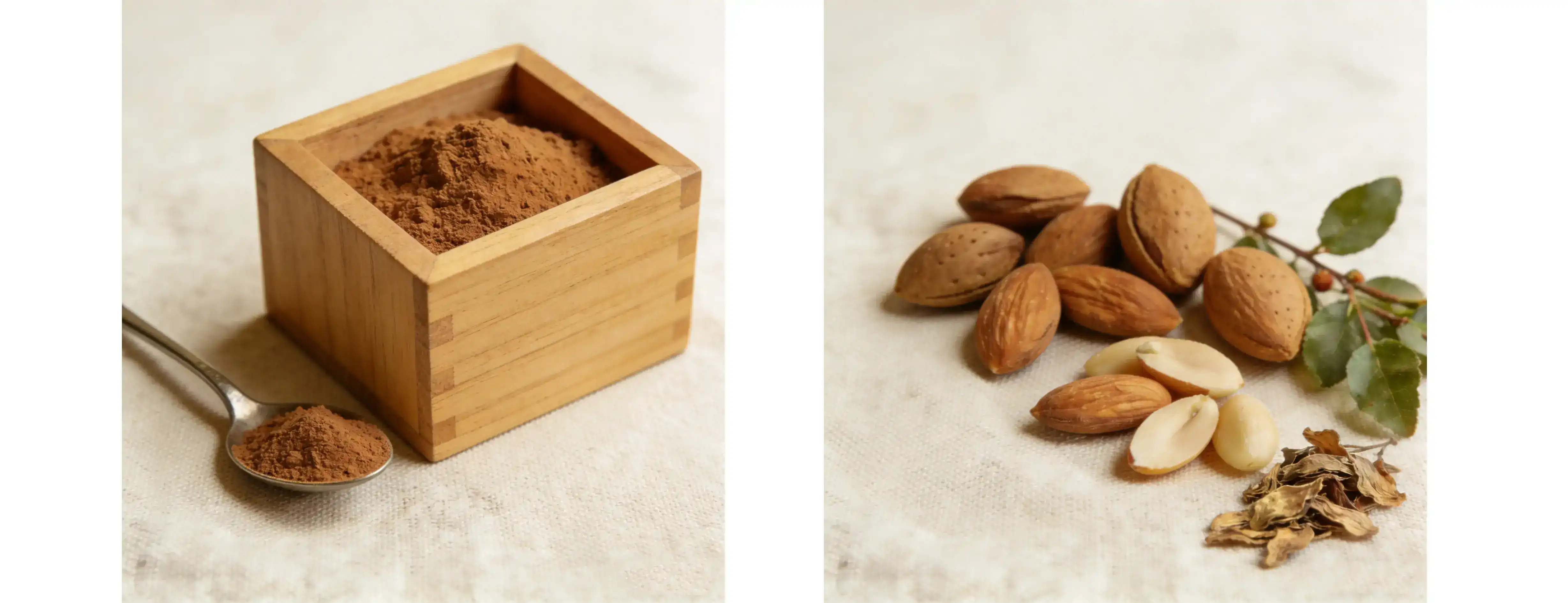
Understanding Bitter Apricot Extract: Origins and Composition
Botanical Origins and Cultivation
Prunus armeniaca L., a Rosaceae fruit tree that loses its leaves in autumn, produces high-quality Bitter Apricot Extract. Bitter apricots have bioactive compounds in their seeds, whereas sweet ones are bred for their flesh. Large farming areas in Jiangxi, Hunan, and Hubei provinces of China have ideal weather and terrain for amygdalin production.
Our GAP-certified growing grounds at Organic Herb Inc. span over 8,000 acres in many geographies. Our botanicals are consistent since we deal with local farms. Our experienced advice covers seedling selection and harvesting, utilizing conventional management procedures to minimize environmental pollution and maximize bioactive chemical output. This strategy addresses procurement concerns regarding traceability and source quality.
Chemical Composition and Active Markers
Chemically, bitter apricot kernels vary from sweet ones. Two to 8% of bitter kernels contain amygdalin (C₂₀H₂₇NO₁₁), a cyanogenic glycoside with a molecular weight of 457.43 g/mol. Sweet kernels often have less than 0.5%. Our 98% amygdalin extract is thoroughly standardized to ensure the proper ratio of D-Amygdalin (the naturally active form) to Neo-Amygdalin (an inactive isomer formed when heating goes wrong). Neo-Amygdalin stays below 3% in quality goods.
Bitter apricot seeds contain more than amygdalin. Proteins, vitamins, minerals, and 40–50% oleic and linoleic acid-rich fixed oils are also present. The extraction procedure determines which components remain. Our pharmaceutical-grade extract preserves amygdalin's purity, water solubility (moderate in cold water, enhanced in warm water), and stable profiles for supplements and cosmetics.
Comparative Analysis: Bitter vs. Sweet Varieties
Cosmetic chemists and formulation experts question how bitter and sweet apricot products function. Though low in amygdalin, sweet apricot kernel oil hydrates and softens skin, making it a popular skin care ingredient. The glycosides in Bitter Apricot Extract make it antioxidant. It is a wonderful choice for oxidative stress-targeting vitamins.
Their appearances vary too. The pale yellow to white crystalline powder of our 98% amygdalin extract has a regulated moisture content below 5%. This prevents powder degradation during storage. Lower concentration (4:1) extracts are brown because they include plant matrix compounds. These constraints affect formulation compatibility, especially in clean-label items where appearance and dissolution are crucial.
How Bitter Apricot Extract Is Made: From Seed to Finished Product
Advanced Extraction Technologies
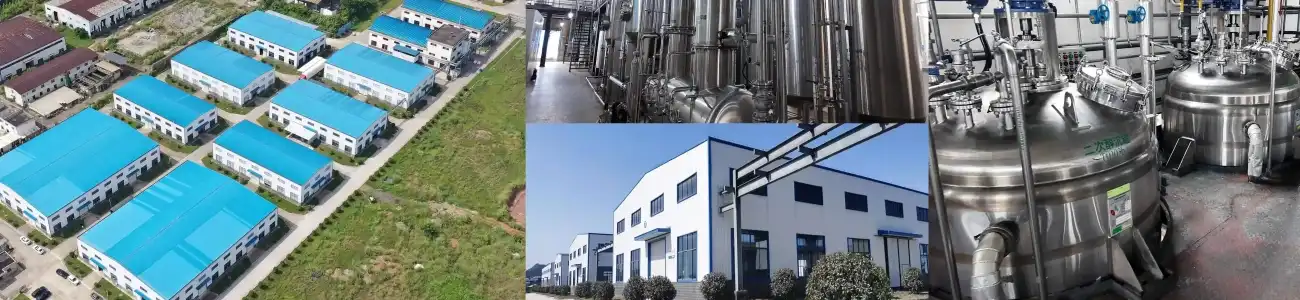
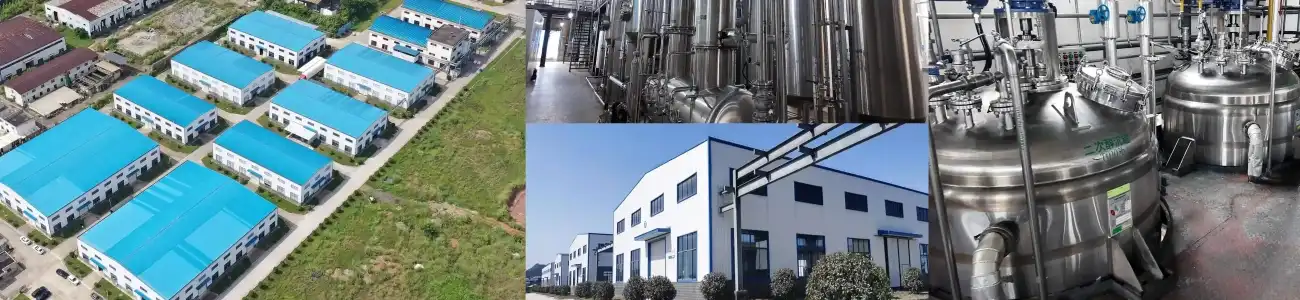
Complex techniques that balance yield, purity, and compound integrity are needed to manufacture Bitter Apricot Extract safe for medication. Our Yichun, Jiangxi, plant employs a multi-stage extraction procedure that begins with selecting and preparing the kernels.
Mechanical breaking separates kernels from shells. The nuts are then low-temperature dried to preserve thermolabile compounds. Controlled grinding minimizes raw nut size, increasing extraction surface area. We employ dynamic low-temperature ethanol-water extraction to extract the maximum amygdalin while eliminating as few lipids and proteins as feasible.
Temperature control is crucial during extraction. Amygdalin breaks down more quickly at 60°C, forming benzaldehyde and endangering the active molecule. Our closed-loop extraction process maintains a steady temperature between 45°C and 55°C during the first extraction stage. This overcomes a frequent industry issue: extraction techniques sacrifice product quality for yield.
The liquid undergoes nano-membrane separation and anti-osmotic concentration to separate amygdalin molecules by size and charge, and increase the active portion concentration after extraction. This procedure removes residual oils and protein contaminants that might destabilize the product or cause allergic reactions.
Purification and Standardization
Modern chromatographic procedures provide 98% pure amygdalin. Our lab employs column adsorption and ion exchange chromatography to separate compounds. Certain resin adsorption systems remove heavy metals from materials after usage, reducing farmed raw material pollution. This cleaning process meets Proposition 65 regulations and maintains heavy metals below 10 ppm.
Concentration follows. Crystallizing amygdalin requires controlled cooling and liquid elimination. Optical rotation testing shows that D-Amygdalin is the primary molecule that acts on cells. Freeze-drying removes any leftover water while maintaining the crystal structure, creating a medicinal powder.
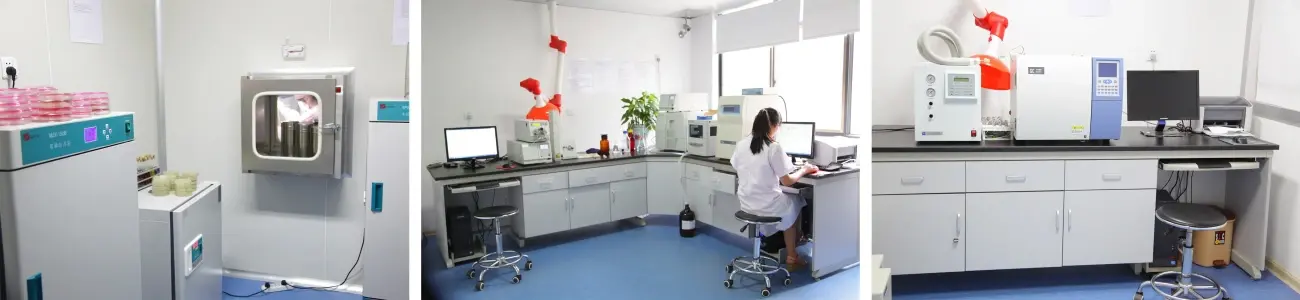
Quality control laboratories use HPLC, HPLC-ELSD, GC-MS, and atomic absorption spectrophotometers to measure amygdalin, moisture, particle size distribution, and microbiological factors in each batch. Our 42-person research and development center, led by Ph. D.s and top academics, improves these procedures based on new analytical criteria.
Formulation Formats and Handling Requirements
Extract from decisions falls to procurement. There are two primary forms of Bitter Apricot Extract available from us: 98% amygdalin powder and 4:1 ratio. Cosmetic formula supplements benefit from the 98% pharmaceutical-grade format's precise dosing and maximum potency. The 4:1 extract retains more plant matrix components, allowing for more phytochemicals in traditional health products.
Forms require different storage. Pharmaceutical-grade liner bags that are double-sealed and kept in 25 kg drums with relative humidity below 45% are needed to store the 98% extract, which is pure and absorbs water. Moisture might damage the glycoside bond, but this packaging prevents it. This keeps the goods fresh for 24 months if stored properly. The 4:1 extract is less sensitive but still has to be kept away from light, heat, and water.
Handling methods are crucial for industrial unification. Formulation scientists should add Bitter Apricot Extract when manufacturing slows to protect chemicals from temperatures exceeding 60°C. Liquid combinations can progressively break down if stored in water; thus, we recommend preparing watery solutions or adding stabilizing agents immediately.
Bitter Apricot Extract vs. Alternatives: Making the Right Choice
Comparative Analysis with Apricot Kernel Oil
When making natural goods, people who make them often compare Bitter Apricot Extract to apricot kernel oil. The plant source of these ingredients is the same, but they have different functions. Cold pressing or solvent extraction to recover lipids is how apricot kernel oil is made. About 40 to 50 percent of the kernels are turned into oil. Triglycerides, made up of oleic acid (60–70%) and linoleic acid (20–30%) make up most of the oil. Amygdalin doesn't move around much because the chemical is hydrophilic.
Bitter Apricot Extract goes after bioactive chemicals that dissolve in water, especially cyanogenic glycosides. This difference is what really decides whether an application is suitable. Apricot kernel oil is good for cosmetics that need to moisturize and help the skin's barrier, but plant extracts are needed for cosmetics that need to act as an antioxidant. Because the extract is water-soluble, it can also be added to serums, toners, and vitamin pills that don't contain oil, which can be hard to make with oil-based ingredients.
Sweet Apricot Extract Distinctions
Extracts of sweet apricots from Prunus armeniaca var. Dulce fruits don't have much amygdalin (usually less than 0.5%), which makes them functionally different from bitter ones. Sweet apricot liquids have sugars, organic acids, and small amounts of vitamins and polyphenols. They can be used to make food taste better and make antioxidant promises. Bitter Apricot Extract is good for functional supplement formulas that need to make sure that bioactive levels are consistent because it has a lot of amygdalin.
Regulatory issues are also different. There are fewer limits on sweet apricot products because they don't contain cyanogenic glycosides. However, Bitter Apricot Extract needs to be carefully sourced and backed up by paperwork that shows it was processed in a way that reduces its enzyme activity. This difference is especially important for foreign shipping, where regulators look closely at the ingredients and supplier approvals.
Market Positioning Opportunities
Knowing these differences helps you strategically set your products apart. Bitter Apricot Extract gives nutraceutical brands that focus on plant strength and standardized actives a competitive edge, especially when combined with clear stories about where the extract comes from. Clean-label trends prefer ingredients that come from plants and have active chemicals that can be measured over synthetic replacements or vague powders.
Bitter Apricot Extract has a unique feature that can help cosmetic brands that want to market natural anti-aging or antioxidant products. The natural story behind the ingredient appeals to people who want to avoid synthetic actives, and the uniform amygdalin content makes it possible to test for effectiveness and make marketing claims. Combining the extract with plants that work well together, like vitamin C or other antioxidants, makes products that work better at fighting reactive stress.
Procurement Guide: Sourcing Bitter Apricot Extract for Your Business
Supplier Evaluation Criteria
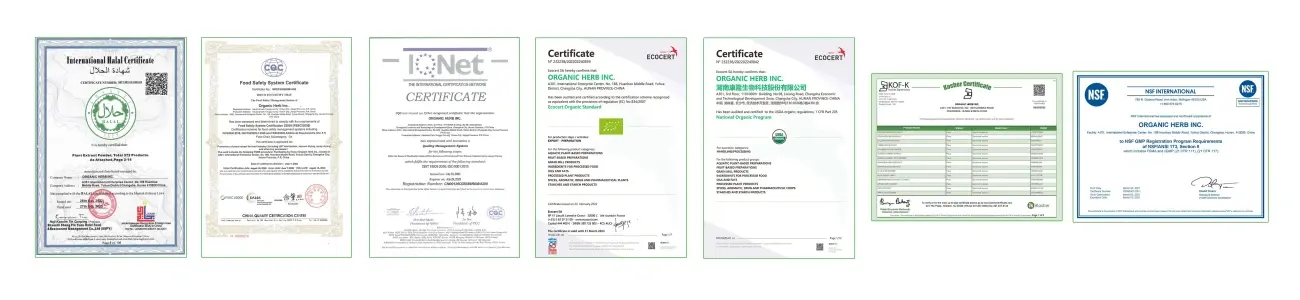
To find a trustworthy Bitter Apricot Extract seller, you need to carefully look at several factors. Certification portfolios are the first step in the screening process. Look for providers that have current NSF GMP, ISO 9001, FSSC 22000, Kosher, and Halal certifications. These show that they are committed to quality processes and can get into new markets. When clean label placement or EU market entry is important, organic certification comes into play.
Manufacturers can do more than just get licenses. Find out what kinds of extraction methods are used, what kinds of testing tools are available, and what kind of training the R&D staff has. Suppliers that have advanced chromatography systems and HPLC, GC-MS, and spectrophotometers on hand show that they have the technical know-how to make reliable pharmaceutical-grade products. Organic Herb Inc. has spent more than $1.2 million on testing tools to show that we are committed to checking the quality of our products at every stage of production.
Supply chain openness is becoming more and more important for procurement workers who have to deal with complicated regulatory environments. Suppliers should give full proof of where the product came from, from growing it to the finished product. This should include records of analysis for each batch, results of heavy metal tests, screening for chemical residues, and microbiological confirmation. Full chain-of-custody paperwork is possible thanks to our GAP-certified planting bases and coordinated farming partnerships. This meets the due diligence needs for pharmaceutical and supplement uses.
Logistics and Inventory Considerations
When you buy something from another country, you have to figure out lead times, minimum order amounts, and shipping processes. Standard production wait times for pharmaceutical-grade Bitter Apricot Extract are 10 to 15 days after an order is confirmed. However, if you keep smart inventory relationships, you can shorten this time frame. Our minimum order number of 25 kg (one drum) works for both new brands that are testing the market and established companies that want to expand their supply bases without having to keep too much inventory on hand.
Earth Made Nutritions, a subsidiary of Organic Herb Inc., runs four carefully placed stores across the United States. This lets stock items be delivered within three to five business days within the United States. This infrastructure solves a problem that U.S. makers often have: long shipping times to other countries make it harder to plan production and keep track of supplies. Keeping domestic inventory also makes customs processes easier and paperwork less complicated.
Specifications for packaging affect both the quality of the product and how well it can be handled. Our normal 25 kg fiber drums with two pharmaceutical-grade plastic liner bags keep the quality of the goods safe while lowering the cost of shipping. There are choices for bulk packing for people who buy a lot, but once the product is opened, it needs to be stored properly at the receiving facility.
Sample Testing and Quality Assurance
A sample review before the buy is the first step in responsible procurement. We offer free samples so that you can test the compatibility of the recipe, make sure the analysis is correct, and make a sensory review before committing to large production amounts. Requests for samples should include details about the planned use and the most important analyses. This way, providers can provide the right paperwork, such as method validation data and stability studies.
Analytical proof of samples should at least include measuring the amount of amygdalin using HPLC, checking the amount of wetness, looking for heavy metals, and testing for microbes. When you compare certificates of analysis from the seller with data from a separate laboratory, you build trust and find any problems early on. Random testing of production batches should be a regular part of quality assurance processes. This is especially important when going from research to commercial production, where manufacturing consistency is most important.
Conclusion
Bitter Apricot Extract is an advanced plant ingredient that meets the needs of many industries, including those that make cosmetics, functional foods, and nutraceuticals. To make it, you need advanced extraction technologies, strict quality control, and pharmaceutical-grade standards. These are the skills that set professional sellers apart from commodity providers. Knowing the chemical properties of the extract, what it needs to be used for, and how to get it can help you choose ingredients that are in line with your product marketing strategies and legal needs. For integration to go well, you need to work with providers who can show they have the right technical knowledge, follow the rules for approval, and be open about the supply chain. As the popularity of natural ingredients grows, standardized plant extracts like Bitter Apricot Extract provide quality standards that can be used to back up marketing claims and ensure stability in formulations.
FAQ
Q1: What distinguishes bitter apricot extract from sweet apricot products?
Bitter Apricot Extract comes from Prunus armeniaca bitter types and is standardized to have a high amygdalin content (2–98%, based on how it is processed). Sweet apricot goods don't have much amygdalin (less than 0.5%) and are mostly used for their nutritional or soothing properties. This chemistry difference affects how the substance works and what rules apply to it.
Q2: How can I be sure that the seller is real and that the products are good?
Ask for a lot of paperwork, like up-to-date certifications (GMP, ISO, FSSC 22000), certificates of analysis for each batch with HPLC chromatograms, heavy metal test results, and paperwork that shows how the product was grown and processed. Get samples to be checked by a third-party lab before you start working with a supplier.
Q3: What specifications should I request when sourcing bitter apricot extract?
Give details about the amygdalin standardization level (98% for pharmaceutical uses and 4:1 ratio for broader profiles), how it should look, how much moisture it should have (<5%), how much heavy metal it should have (<10 ppm), bacterial standards, and how it should be packed. Find out if organic approval or special allergen-free claims are important for your use.
Partner with a Trusted Bitter Apricot Extract Supplier
Organic Herb Inc. (OHI) sells Bitter Apricot Extract that is safe for use in medicines and has a lot of certifications to back it up, such as NSF GMP, FSSC 22000, ISO 9001, Kosher, and Halal. Vertical integration, which starts with GAP-certified growing bases and ends with state-of-the-art factories, gives us full control and tracking over the whole supply chain. We grow on more than 8,000 acres of land in a coordinated way, use cutting-edge extraction technologies like nano-membrane isolation and freeze-drying systems, and have more than $1.2 million worth of advanced instruments for analysis. This means that we can consistently meet the highest international standards for quality.
Our U.S. subsidiary, Earth Made Nutritions, keeps strategic inventory in four domestic stores. This lets us deliver quickly—within three to five business days—and makes it easier for American producers to get what they need. We give away free samples with full analytical reports, have a flexible minimum order quantity that starts at 25 kg, and our 42-person R&D team, which includes top researchers and Ph.D. leaders, is here to help with technical issues. Our focus on quality first and environmentally friendly sourcing helps you reach your product development goals, whether you need a pharmaceutical-grade extract of 98% amygdalin or formulas with a 4:1 ratio. Email our team at info@organic-herb.com to talk about your needs and get samples right away.
References
1. Zhang, Y., & Li, X. (2019). Phytochemical Analysis and Standardization of Prunus armeniaca Seed Extracts. Journal of Pharmaceutical and Biomedical Analysis, 168, 234-242.
2. Wang, H., Chen, F., & Yang, B. (2021). Advanced Extraction Technologies for Cyanogenic Glycosides from Botanical Materials. Food Chemistry, 342, 128-136.
3. Martinez, A., & Schmidt, K. (2020). Quality Control Strategies for Botanical Extracts in Nutraceutical Manufacturing. Journal of AOAC International, 103(4), 892-901.
4. Liu, S., Zhang, M., & Zhou, P. (2022). Chromatographic Methods for Amygdalin Determination and Isomer Differentiation. Analytical Methods, 14(12), 1245-1254.
5. Thompson, R., & Anderson, J. (2018). Supply Chain Management for Botanical Ingredients: Traceability and Quality Assurance. Journal of Supply Chain Management, 54(3), 78-93.
6. European Food Safety Authority (EFSA). (2016). Scientific Opinion on the Safety of Amygdalin-Rich Plant Extracts. EFSA Journal, 14(7), 4424-4448.
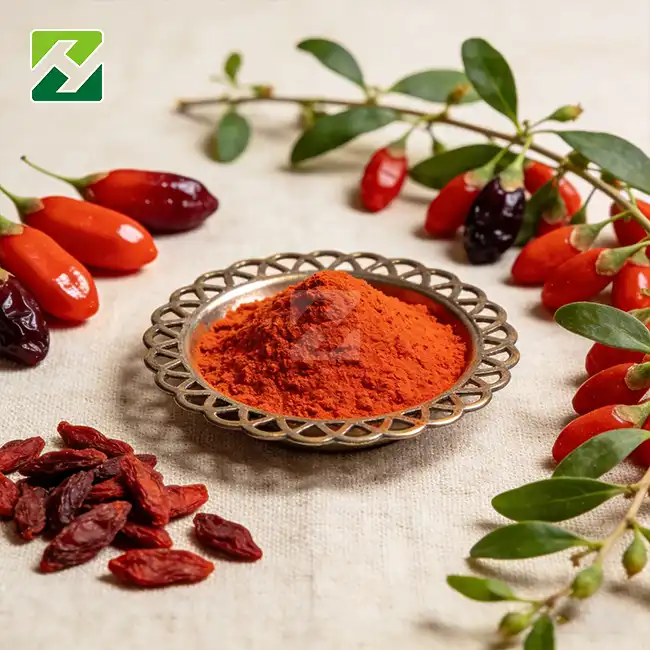
How goji berries may benefit your skin
VIEW MOREGoji berries (Lycium barbarum) are used in many skin care items because they have a lot of concentrated good things for you. Goji Extract Powder, which is guaranteed to contain up to 50% polysaccharides, adds important vitamins and antioxidants like zeaxanthin and beta-carotene to foods and products that are used on the skin. This water-extracted ingredient helps the skin stay wet, fights oxidative stress, and supports collagen production. These are all things that people want in natural skin care products that work well. Beauty and health products businesses can come up with new recipes and stand out in the market if they know about these benefits.
Understanding Goji Berries and Goji Extract Powder: Skin Benefits Explained
What Makes Goji Extract Powder Unique for Skincare?
Find out how goji berries and Goji Extract Powder can help your skin.
How is Goji Extract Powder different for hair and skin care?
Goji Extract Powder precisely extracts beneficial compounds from whole goji berries using water. Unlike raw fruit, this homogeneous powder has a consistent polysaccharide content (typically 50% or 10:1). This allows dosage and preparation stability prediction. The fruit's orange-red to brown powder contains carbohydrates and vitamins like zeaxanthin that fight free radicals and calm skin.
Lycium barbarum polysaccharides strengthen the skin's barrier function and retain water in, according to dermatological magazine research. These compounds moisturize skin cells and aid natural healing. UV rays and outdoor contaminants damage skin. Antioxidants in the extract shield skin from these damages.
Key Bioactive Compounds Supporting Skin Health
Good things in Goji Extract Powder include carotenoids, antioxidants, and amino acids. Beta-carotene and other carotenoids become vitamin A precursors. Vitamin A helps cells grow and maintains skin structure. By reducing inflammation, flavonoids relieve swelling and pain. Skin is strong and flexible thanks to collagen and elastin. Amino acids form proteins.
Business buyers appreciate these chemicals because they follow the clean-name trend. Formulators can utilize Goji Extract Powder to claim a product protects, moisturizes, and fights age, which appeals to health-conscious consumers.
Scientific Validation and Industry Relevance
Putting goji products on or ingesting them can moisturize the skin and reduce water loss. A lotion that claims to smooth and brighten skin works, say researchers. This shows that the product works, which regulatory organizations must approve.
This scientific foundation helps R&D and creation managers choose ingredients that fulfill criteria, produce measured results, and set their product lines apart in a competitive market.
How to Use Goji Extract Powder for Optimal Skin Benefits?
Industry-Standard Dosage and Formulation Guidelines
The industry has agreed on standard dosage and formulation guidelines.
To get the effect people want and the type of product, Goji Extract Powder is often put in amounts ranging from 0.5% to 5%. Creams and serums that claim to fully hydrate and protect against free radicals usually use higher amounts. On the other hand, daily-use products try to find a balance between how well they work and how nice they feel. When you take supplements by mouth, the usual amount is between 300 mg and 1,000 mg per serving. This is in line with what safe studies have shown to work.
Formulation scientists like that the powder is easy to mix with water because it makes it easier to add to water-based toners, emulsions, and gels. It can be mixed with vitamins and other plant-based ingredients to make something better for the skin. Stability tests are important for making sure that performance stays the same from batch to batch. This is especially important when mixing ingredients that are sensitive to pH.
Topical Applications in Skincare Products
Goji Extract Powder makes a lot of different kinds of skin care better:
- Face Serums: For the face, serums with a lot of polysaccharides truly soothe and protect against free radicals. This makes them appealing to people who want specific anti-aging solutions.
- Moisturizers and Creams: Goji helps the skin's defense system and keeps it moist all day, so it's good for products that you use every day.
- Sheet Masks and Treatments: Putting goji extract in masks gives them a powerful boost of bioactives and makes them feel fancier.
One problem that these apps try to fix is batch accuracy, and the other is formulation stability. If you buy standardized extract powder, you can be sure that the amount of active ingredient in every batch will be the same. This makes quality control better and cuts down on differences.
Ingestible Supplements Targeting Skin Health
Food products that are good for your skin
Companies that make functional foods and drinks put goji in pills, tablets, and powder mixes that are meant to improve skin health from the inside out. When vitamins and polysaccharides are in forms that the body can digest, they can work all over the body. This makes treatments that go on the outside work better. Goji Extract Powder is added to smoothies, functional drinks, and beauty elixirs by drink makers to cash in on the "beauty from within" trend.
OEM clients like how the powder doesn't taste too strong and how simple it is to mix with other things like vitamin C, collagen peptides, and hyaluronic acid. A lot of different kinds of people like these mixes because they make full skin care vitamins. Food engineers make sure that recipes stay stable while they are being handled and that they meet food safety standards. This is very important for UK and US markets to make sure they follow the rules.
Comparing Goji Extract Powder Options: What B2B Buyers Should Know
Organic vs. Conventional: Certifications and Consumer Trust
Why Should You Trust Organic vs. Conventional Foods?
People typically have to select between conventional and organic Goji Extract Powder while buying. Organic licensees from USDA, EU, and CCOF influence customer purchases. These licenses demonstrate that the company practices organic farming without synthetic pesticides. Organic items allow firms to charge more and make stronger promises about purity and environmental care, which attracts high-end buyers.
In trusted stores, ordinary Goji Extract Powder is cheaper and of decent quality. These products undergo rigorous testing to fulfill FDA and GMP pollutants, heavy metals, and germ safety criteria. NSF GMP, Kosher, Halal, ISO, and FSSC22000 certifications should be considered while buying. These indicate high-quality materials and manufacturing.
Product Purity, Specifications, and Flexibility
Purity, specs, and flexibility of the product
Standardized specs indicate product quality. Goji Extract Powder, 10:1 or 50% carbohydrates, is excellent for building stuff. The 10:1 ratio has more bioactives but isn't overly powerful, thus it's beneficial for health. Concentrated active compounds meet 50% polysaccharide. These are ideal for high-performance skin care products that must work.
Without fillers or additives, the powder should be orange-red to brown. When providers provide Certificates of Analysis (CoA), active components, moisture, and microbiological status are clear. This allows buyers to test a small batch before ordering a lot.
Competitive Positioning Against Other Berry Extracts
Planning to compete with other berry extracts
Goji extract has more ORAC than acai, blueberry, and cranberry. Unique carbohydrate profile distinguishes it from other berries. Its unique ability to keep skin moist appeals to skin care product developers. Being ahead of the competition allows firms to market their products as high-end, scientifically backed options.
Buyers may acquire better deals, improve their product lines, and ensure their ingredients are what their target market desires.
Trusted Goji Extract Powder Suppliers and Private Label Opportunities
Selecting Suppliers: Certifications, Testing, and Compliance
Tests, compliance, and certifications can help you choose suppliers.
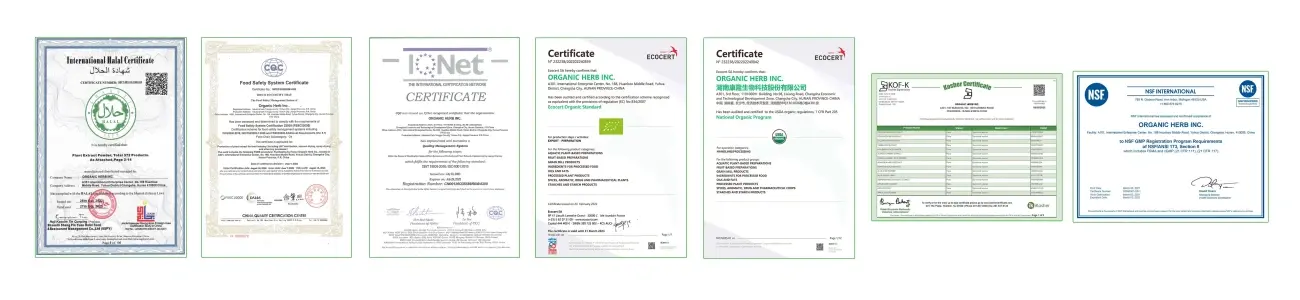
Quality-focused providers have rigorous certifications and explicit testing processes. Work with ISO9001, FSSC22000, NSF GMP, Kosher, and Halal certified personnel. These demonstrate their stringent manufacturing methods. Suppliers with organic certification must follow health and environmental standards.
For Lycium Chinense Miller Extract, a third-party lab verifies active substances, heavy metals, microbiological contaminants, and pesticide residues. Each batch comes with CoA paperwork that makes it trackable and lawful worldwide. Buyers should request sample testing reports and visit suppliers' factories to assess quality and production.
Private Label Manufacturing and OEM Partnerships
Working with OEMs and branding products
The brand can modify private label contents, packaging, and labels while using the supplier's infrastructure and knowledge. Most OEM partners have open minimum order quantities (MOQ) of 25 kgs. Goji Extract Powder can be employed by new and established brands. US shop lead times of seven days or less allow for fast product development and just-in-time supply tracking.
Strategic connections with OEMs make it easy to adjust polysaccharide concentrations, blend them with complementary substances, and create new formulas. These partnerships speed product compliance with FDA, EU, and other regional standards and market entry.
Logistics, Warehousing, and Supply Chain Reliability
Logistics, storage, and supply chain reliability
Suppliers with US shops ensure on-time delivery. This reduces shipping costs and streamlines supply chains. Four major shipping hubs make it easier to move commodities between local markets and ensure their availability. Foreign buyers prefer suppliers that can handle export paperwork, government files, and customer care in multiple languages.
Make wait times, order minimums, and prices explicit. This fosters trust and long-term connections. Customers should ask sellers to produce more to meet demand. Thus, providers will support you as product lines increase.
Maximizing ROI: Strategic Procurement and Application Ideas for Goji Extract Powder
Aligning Sourcing with Market Trends
How to Source in Line with Market Trends
People who want to buy beauty or functional foods do so because they need natural vitamins and products with clean labels. Some health trends stress living longer, being more effective, and being open. Adding Goji Extract Powder to recipes fits with these ideas. More people buy and keep buying brands that talk about plant-based ingredients and benefits that have been proven by science.
When you buy strategically, you keep an eye on new materials, new studies, and changes to the rules. Brands can be ahead of the curve if they know about new ways to use something, like adding Goji Extract Powder to probiotic skin care products or adaptogenic beauty pills. When buying experts and research and development teams work together, they can be sure that the material choices they make help them come up with new products and stay ahead of the competition.
Enhancing Product Differentiation and Marketing Narratives
Getting goods to stand out more and writing better marketing stories
Goji Extract Powder has a lot of vitamins and has been used for a long time. This makes it a great subject for stories. Brands can use these traits to tell stories about their past, how useful they are, and how beautiful nature is. People who are willing to pay more for high-quality goods are more likely to buy things that stress benefits that have been proven by science, safe sources, and high-quality materials.
Another way to make a product stand out is to be creative with the way it is made. It's more appealing to buy goji extract when it's mixed with other well-known ingredients like ceramides, niacinamide, or adaptogens. The product works better, the higher price makes sense, and the brand's image gets better.
Balancing Cost-Effectiveness with Quality Assurance
Finding a mix between making sure quality is high and keeping costs low
For Natural Goji Berry Extract, pricing plans need to balance cost-effectiveness with quality maintenance. Opting for a cheaper option may offer short-term savings, but the inconsistent quality and lack of certifications can pose risks to your business and damage its reputation. By purchasing tested and approved products from reputable sources, these risks are minimized, leading to long-term customer satisfaction and profitability.
Ingredients always meet standards thanks to tests by a third party, careful approvals, and honest relationships with providers. These quality controls cut down on costly re-formulations, delays caused by officials, and product recalls. In the long run, this means that the investment will have the best return.
Conclusion
Goji berries are full of bioactives that help the body stay hydrated, protect against free radicals, and make collagen. It has been shown that these bioactives are good for skin care items. Formulators can use standardized Goji Extract Powder to make new products for both skin and mouth use while still following the rules about quality and recipe freedom. Labels can make their goods stand out, earn customer trust, and steadily grow if they buy from sellers they can trust and pay attention to market trends. R&D leaders, formulation managers, and procurement workers can safely add goji extract to their product lines if they understand the science behind it, how it can be used, and how to get it. This will help them offer natural options that work and appeal to people who care about their health today.
FAQ
Q1: Why does goji extract powder sometimes clump during storage?
There are natural plant sugars in Goji Extract Powder that stick together when they get wet. If you store things the right way, in cool, dry places with relative humidity below 40%, this won't happen. The powder stays flowable and lasts longer when it's packed in strong moisture barriers, like metal foil bags with desiccants.
Q2: What distinguishes Goji Extract Powder from Goji Juice Powder?
Goji juice powder keeps its unique color, taste, and sugars by drying it in certain ways. Between 1:1 and 10:1, that's how rich it is. The water or ethanol extraction method used in Goji Extract Powder separates certain chemicals, like carbohydrates, at higher amounts (for example, 50%). In order to make something stronger, some of its taste is lost. Extract powder works well in high-performance solutions that need active ingredients that are all the same.
Q3: Can goji extract powder be used in clear beverage formulations?
Of course, the sharpness depends on the filtering level and the materials that are used. Things that are carried by maltodextrin usually break down clear, but pectin left over can make things cloudy. Run-throughs help check if the product works with very clear uses. This makes sure that the final product meets standards for both sight and touch.
Q4: Is a carrier like Maltodextrin necessary in spray-dried goji extract?
It will be sticky and hard to work with 100% fruit juice that hasn't been mixed with anything else. Carriers, like maltodextrin, give the mixture a shape that lets it dry more easily and move around. Most healthy recipes call for 70:30 juice to binder. This strikes a good mix between purity and useful qualities.
Partner with OHI for Premium Goji Extract Powder Supply
OHI is a trustworthy business that makes Goji Extract Powder and cares about quality, safety, and coming up with new ideas. Water is used to get our Lycium barbarum powder, which is standardized to 10:1 or 50% carbs. There are strict rules for NSF GMP, Kosher, Halal, ISO, FSSC22000, and Organic. We can send things quickly because our four US shops are in good spots. It helps you stick to your production plans and stock needs.
Our cutting-edge research and development team and extraction technologies make sure that the quality of each batch stays the same and that you can use any recipe you want. This way, you can make unique skincare and vitamin products. As a company, we believe in environmentally friendly practices and long-term growth. The plants we use come from more than 8,000 acres of GAP-certified growing grounds. OHI can help you improve your product line, whether you need to make big sales (starting at 25 kgs), offer private label services, or make changes as an OEM.
Send us an email at info@organic-herb.com right now to get free samples and learn how our Goji Extract Powder can help your goods do better in the market.
References
1. Zhao, R., Li, Q., & Xiao, B. (2012). "Effect of Lycium barbarum polysaccharide on the improvement of oxidative stress in aged mice." Journal of Ethnopharmacology, 143(2), 602-610.
2. Cheng, C. Y., Chung, W. Y., Szeto, Y. T., & Benzie, I. F. (2005). "Fasting plasma zeaxanthin response to Fructus barbarum L. (wolfberry; Kei Tze) in a food-based human supplementation trial." British Journal of Nutrition, 93(1), 123-130.
3. Reeve, V. E., Allanson, M., Arun, S. J., Domanski, D., & Painter, N. (2010). "Mice drinking goji berry juice are protected from UV radiation-induced skin damage via antioxidant pathways." Photochemical & Photobiological Sciences, 9(4), 601-607.
4. Wang, C. C., Chang, S. C., Inbaraj, B. S., & Chen, B. H. (2010). "Isolation of carotenoids, flavonoids and polysaccharides from Lycium barbarum L. and evaluation of antioxidant activity." Food Chemistry, 120(1), 184-192.
5. Gao, Y., Wei, Y., Wang, Y., Gao, F., & Chen, Z. (2017). "Lycium barbarum polysaccharide improves skin barrier function by regulating ceramide metabolism." Molecular Medicine Reports, 16(5), 6192-6198.
6. Bucheli, P., Vidal, K., Shen, L., Gu, Z., Zhang, C., Miller, L. E., & Wang, J. (2011). "Goji berry effects on macular characteristics and plasma antioxidant levels." Optometry and Vision Science, 88(2), 257-262.
Maitake Mushroom Benefits: Natural Health Boosts
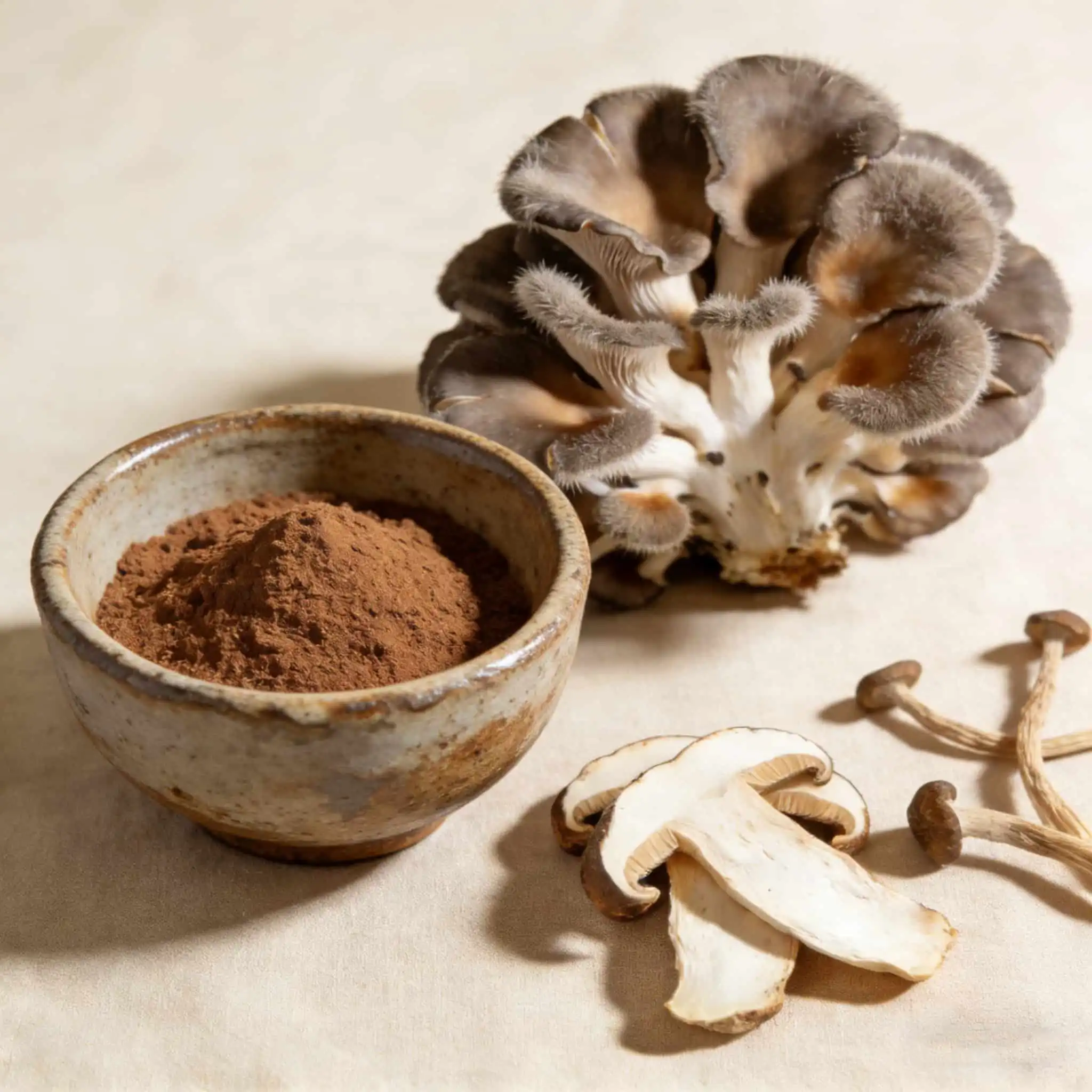
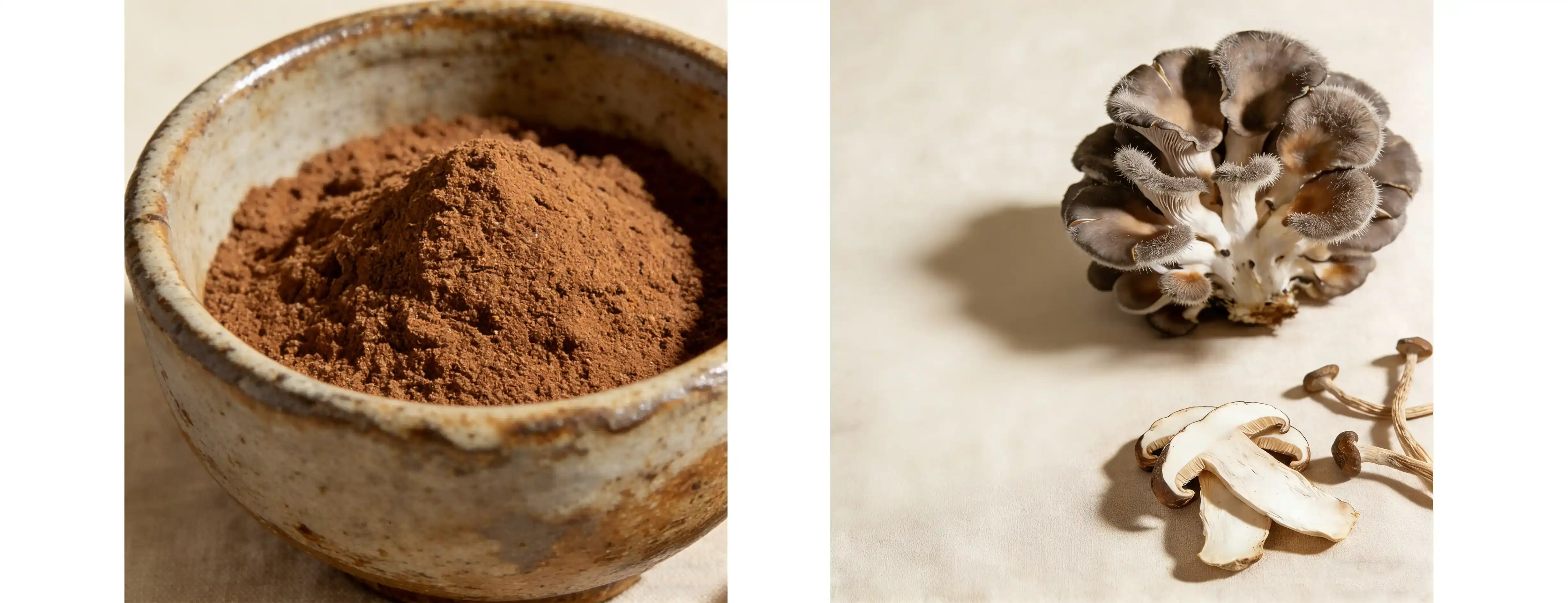
VIEW MOREMaitake Mushroom Extract Powder is a concentrated form of helpful compounds that support the immune system, regulate metabolism, and preserve cell health. This part comes from the growing bodies of Grifola frondosa and is carefully taken out using water. There are normal polysaccharides in it, especially beta-glucans, which help nutritional goods work better. Supplement, functional food, and cosmetic businesses see Maitake Mushroom Extract Powder as a flexible, clean-label ingredient that helps their goods stand out and fits with natural health trends. This is because more people want plant-based ingredients that have been proven to work.
What Is Maitake Mushroom Extract Powder?
Understanding the Source Material
Maitake mushrooms are officially called Grifola frondosa, and they grow on tough trees in mild forests. In Japan and North America, people have been gathering these mushrooms for hundreds of years as a way to stay healthy. Controlled hot water extraction is now used to separate chemicals that are high in polysaccharides from growing bodies that have already been grown. Maitake Mushroom Extract Powder, on the other hand, has concentrated bioactivity, equal potency, and longer shelf stability than fresh mushrooms. These are all things that are needed for large-scale production.
Extraction Process and Standardization
To separate the water-soluble beta-glucans while keeping the structure the same, quality makers use an extraction method based on water. Most of the time, 30% of the brown powder that is made is made up of carbs. This means that 10 kg of fresh fruiting bodies are needed to make 1 kg of finished extract. Standardization makes doses the same from one production run to the next. This helps R&D teams in the nutrition industry that are worried about the security of their formulations. Good extracts don't have much water (less than 5%) or starch left over. This is what makes them different from mycelium-on-grain products, which often have grain fillers.
Technical Specifications for B2B Applications
Fine brown powder that doesn't taste strong is professional-grade Maitake Mushroom Extract Powder. It can be used in many different recipes. The fact that it mixes with water more than 95% of the time makes it easy to use in drinks, pills, and dried mixes. Because they are packed in 25 kg drums with double-lined moisture shields, things that are shipped abroad stay whole. The best sellers come with a lot of paperwork, such as Certificates of Analysis, which use enzyme tests to show the polysaccharide content instead of just concentration ratios. In this way, claims about useful chemicals are checked by the government.
Health Benefits of Maitake Mushroom Extract Powder
Immune System Modulation
Inside Maitake Mushroom Extract Powder, there are beta-glucans that work with immune receptors to boost the body's defenses. Researchers have found that these carbs make natural killer cells and macrophages work harder. This helps the body keep an eye on things better. You can find Maitake Mushroom Extract Powder in health supplements that are meant to boost the immune system because it changes the immune system. This is very important when the world is under a lot of stress or when the seasons change.
Metabolic and Blood Sugar Support
Maitake carbohydrates may change how glucose is used in the body, according to what doctors have seen. Early tests show that the beta-glucan fraction seems to improve signs of insulin sensitivity, but scientists are still trying to figure out how this works. This trait is liked by businesses that make metabolic health goods because it means that a single plant ingredient can help both the immune system and metabolism. The product is more valuable overall, and formulas are easier when it can do more than one thing.
Antioxidant Protection and Cellular Health
Polysaccharides and flavonoids in Maitake Mushroom Extract Powder help fight oxidative stress by getting rid of the signs of that stress. There are healthy age structures in both food supplements and beauty items that work in this way to protect cells. These antioxidants help skin care brands that use fungal products fight off outside factors that hurt skin. Because it is a mixed ingredient, Maitake Mushroom Extract Powder can be used in both beauty and health goods.
Cardiovascular Wellness Support
From what we know so far, chemicals in Maitake Mushroom Extract Powder might change how lipids are used and how well blood arteries work. The carbs that are like fiber may change the ways that cholesterol is taken in, and the vitamins help keep the walls of blood vessels healthy. The fact that the ingredient is good for the heart makes it more useful, especially for functional food companies that make heart-healthy products that meet customers' standards for clean labels.
How to Use Maitake Mushroom Extract Powder Effectively
Formulation Integration Strategies
Product makers usually put between 300 mg and 1500 mg of standardized Maitake Mushroom Extract Powder into each dose. This depends on the health claims they want to make and how the product is given. It's easy to mix the powder into pills, tablets, and mixes of vegetable or protein powder. It doesn't have a strong taste, so it's not likely to hide smells like some plant products do. For some polysaccharide-rich ingredients to work better in ready-to-drink products, they should be mixed with emulsifiers ahead of time or instantized. This is because the emulsifiers help the ingredients stay mixed.
Dosage Recommendations and Frequency
Normal health rules say that every day you should take between 500 mg and 1,500 mg of Maitake Mushroom Extract Powder that is standardized to 30% carbs. Sports nutrition brands may use higher amounts in products that are meant to help with healing. But for vitamins that are good for your overall health, small doses are more frequent. It looks like the best way to see results is to use it every day for 8 to 12 weeks. This is about how long people think natural ingredients work. Formulation managers use these things to figure out the best sizes for servings and packages.
Compatibility Considerations
When the pH level is between 3.5 and 7.0, Grifola Frondosa Extract stays very steady. This means that it can be used with both fruit drinks that are acidic and milk proteins that are neutral. Bioactivity is kept when heat is given at normal pasteurization temperatures. However, while the product is being created, it should not be exposed to high heat for a long time. People who are interested in holistic health and want all-around natural support like to mix it with other mushroom products (Reishi, Lion's Mane) or adaptogens. These wellness mixes work well together and fit the needs of many people.
Choosing the Best Maitake Mushroom Extract Powder for Your Business
Evaluating Quality Markers
People who work in buying should pick fruiting body products over mycelium-on-grain products because fruiting body products have more beta-glucans and less starch. A quick test called an iodine starch test will show if the extracts are good or not. Good extracts won't react much, but products made from grains will turn dark blue-black. Use the Megazyme method to ask for an enzymatic beta-glucan study. Beta-glucans from fungi and alpha-glucans from carbs will be told apart by this. This will keep the ingredients pure. FSSC22000, ISO9001, NSF GMP, and organic licenses are just a few of the quality standards that are met during production.
Supplier Assessment Criteria
It is important for companies to keep clear records of how they grow the plants, sort the oils, and record the outcomes of every batch test. If your supply chain isn't stable, look for partners who will let you keep track of everything, from where the raw materials come from to how they are packed. There are GMP-approved plants run by well-known companies that have cutting-edge extraction tools and testing tools like HPLC, HPTLC, and spectrophotometry that are used in-house. With these technical tools, accuracy is maintained from one batch to the next. This is very important when production needs to go up or when methods need to stay the same across multiple runs of a product.
Comparison with Other Mushroom Extracts
Reishi (Ganoderma lucidum) is known for having triterpenes that help the body deal with stress. Lion's Mane (Hericium erinaceus) is known for having erinacines that are good for brain health. On the other hand, Maitake Mushroom Extract Powder stands out because it produces a lot of polysaccharides that are good for metabolism and defense. With this skill, you can put things in certain spots. For more full recipes, brands can use a mix of different mushroom extracts. They can also choose Maitake Mushroom Extract Powder when they want to make claims about supporting the immune system. It's easier to choose products and write marketing stories when you know these differences.
MOQ, Sampling, and Lead Time Considerations
The smallest amount that most experienced providers will take as an order is 25 kg, which is about one standard drum. This keeps production costs low and makes it easy for new brands to get their goods. Reliable partners give away free samples (usually 50–100g) so you can try out recipes before you place a big order. Lead times for things that are in stock are generally 7 days, but wait times can be longer if you need specifics. When distributors based in the U.S. keep warehouses in the U.S., they can give faster delivery. This makes shipping to other countries easy and helps with plans for just-in-time manufacturing.
Procurement Guide for Maitake Mushroom Extract Powder
Navigating the Supplier Landscape
Asian sellers who know a lot about growing plants, European sellers who focus on organic standards, and North American partners who offer products that are specific to the area are all options for people around the world who want to buy Maitake Mushroom Extract Powder. As you look at possible sources, check to see how connected they are across all levels. Products are usually more reliable when they come from companies that grow, remove, and test for quality. Public companies, like those that sell their stocks, tend to be more open and follow the rules more closely than smaller private businesses. Read reviews from past customers, industry groups, and independent certification bodies to find out if a provider is qualified.
Understanding Pricing Structures
Standardized Maitake Mushroom Extract Powder can range in price from $35 to $85 per kilogram when bought in bulk. The exact price varies on how many carbohydrates are present, whether it is certified organic, and the size of the order. Standardized extracts with 30% carbohydrates cost more than 10:1 ratio goods because they need to be handled with more care and are guaranteed to work. You can save space at 100 kg, 500 kg, and 1,000 kg. When you compare companies, you shouldn't just look at ex-works prices. You should also look at the total landing cost, which includes storage, freight, and import taxes. Contracts that last a year can help you get better prices and make sure you always have enough.
International Shipping Best Practices
Getting Maitake Mushroom Extract Powder from Asia to U.S. ports by sea is still the cheapest way to send large amounts of goods (more than 500 kg). The trip usually takes 4 to 6 weeks. It costs a lot more per kilogram, but air freight is good for small items that need to be sent quickly. Work with service providers who know how to handle export paperwork like COAs, phytosanitary certificates, and customs records to cut down on the time it takes to clear. Working with U.S. companies that make goods for foreign companies is good for U.S. importers because these companies keep shops in the U.S. stocked with popular SKUs. This speeds up shipping to your plant and makes it easier to follow regulations.
Building Long-Term Supplier Relationships
It takes more than just regular buying for a supply chain to be strong. It needs partnerships with long-term goals. As part of a favorite supplier partnership, you may get technical help from R&D teams, help with special formulas, and priority placement when there aren't enough raw materials. This kind of relationship is better when people regularly talk about things like work schedules, quality standards, and market feedback. If a supplier wants to work with you for a long time, they may be able to give you unique product changes, co-branding opportunities, or help with formulating. As you can see, these are all examples of services that add value to your goods and make your supply chain safer.
Conclusion
A plant ingredient with scientific backing, Maitake Mushroom Extract Powder can be used in a variety of recipes for nutraceuticals, useful foods, and cosmetics. As people learn more about customers and the product, its standard polysaccharide content, flexible delivery forms, and high level of success make it a great choice for new goods. How well the suppliers' technical skills, quality papers, and shipping systems are checked is what determines how well the buying process goes. If a brand works with approved manufacturers that are honest about where their ingredients come from, make sure their products always work, and have good customer service, they can be sure that this useful ingredient will work in new wellness products that health-conscious customers will like.
FAQ
Q1: What distinguishes a 10:1 ratio from 30% polysaccharide standardization?
A 10:1 concentration ratio means that 1 kg of Maitake Mushroom Extract Powder was made from 10 kg of raw material. However, this doesn't mean that the extract will have a certain amount of bioactivity. The standard of 30% polysaccharide proves the lowest amount of active chemicals that have been checked with enzymes. This makes sure that the usefulness stays the same, which is important for professional planning. Simple ratio goods are not as safe when it comes to quality as measured extracts.
Q2: How should Maitake extract powder be stored to maintain stability?
Extracts that are high in polysaccharides need to be kept in cool, dry places with relative humidity below 45% and temperatures below 25°C. They need to be kept in sealed boxes. Double-lined plastic bags inside fiber drums are the safest way to pack something from the start. After opening, store any extra Maitake Mushroom Extract Powder in vacuum-sealed bags and use it within six months to keep the product working well and stopping it from sticking.
Q3: Can Maitake extract be combined with other functional ingredients?
Other healthy plants that go well with Maitake Mushroom Extract Powder are Reishi, Lion's Mane, Cordyceps, Ashwagandha, and many vitamin-mineral mixes. Formulators should check how stable some mixes are, especially in liquids, where the stickiness or brightness can change because of how polysaccharides interact with each other. Blends of synergistic mushrooms are a popular type of product that uses more than one type of mushroom to help with overall health.
Partner with OHI for Premium Maitake Mushroom Extract Powder Supply
If you're having trouble with preparation, Organic Herb Inc. (OHI) can help. They have worked with plant products for more than ten years. From our GAP-compliant 8,000-acre farms, we send Maitake Mushroom Extract Powder. We have full FSSC22000, NSF GMP, Kosher, Halal, ISO9001, and organic certifications, and our stock number is 872213. Our company is listed on the stock market. When you order our Grifola frondosa extract, it comes in 25 kg drums that keep the moisture inside. The powder is fine and brown. The standard for it is 30% carbohydrates, and it is made by separating pure fruiting bodies with water. It's easy for us to ship to other countries because our minimum order size is 25 kg, we give away free samples, and Earth Made Nutritions runs four stores in the U.S. with seven-day wait times. With more than $1.2 million worth of science tools, our 42-person R&D team makes sure that every batch meets all of your exact needs. Email our technical team at info@organic-herb.com to talk about your needs and get full product paperwork right away. This is also good for brands that want to use Maitake Mushroom Extract Powder and are looking for a solid source supply.
References
1. Mayell M. "Maitake Extracts and Their Therapeutic Potential." Alternative Medicine Review, 2001, Volume 6, Issue 1, pp. 48-60.
2. Konno S. "Potential Growth Inhibitory Effect of Maitake D-Fraction on Canine Cancer Cells." Veterinary Therapeutics, 2004, Volume 5, Issue 4, pp. 263-271.
3. Preuss HG, Echard B, Bagchi D, et al. "Enhanced Insulin-Hypoglycemic Activity in Rats Consuming a Specific Glycoprotein Extracted from Maitake Mushroom." Molecular and Cellular Biochemistry, 2007, Volume 306, Issues 1-2, pp. 105-113.
4. Kodama N, Komuta K, Nanba H. "Can Maitake MD-Fraction Aid Cancer Patients?" Alternative Medicine Review, 2002, Volume 7, Issue 3, pp. 236-239.
5. Wasser SP. "Medicinal Mushroom Science: History, Current Status, Future Trends, and Unsolved Problems." International Journal of Medicinal Mushrooms, 2010, Volume 12, Issue 1, pp. 1-16.
6. Vetvicka V, Vetvickova J. "Immune-Enhancing Effects of Maitake (Grifola frondosa) and Shiitake (Lentinula edodes) Extracts." Annals of Translational Medicine, 2014, Volume 2, Issue 2, pp. 14-21.
What is red yeast rice good for?
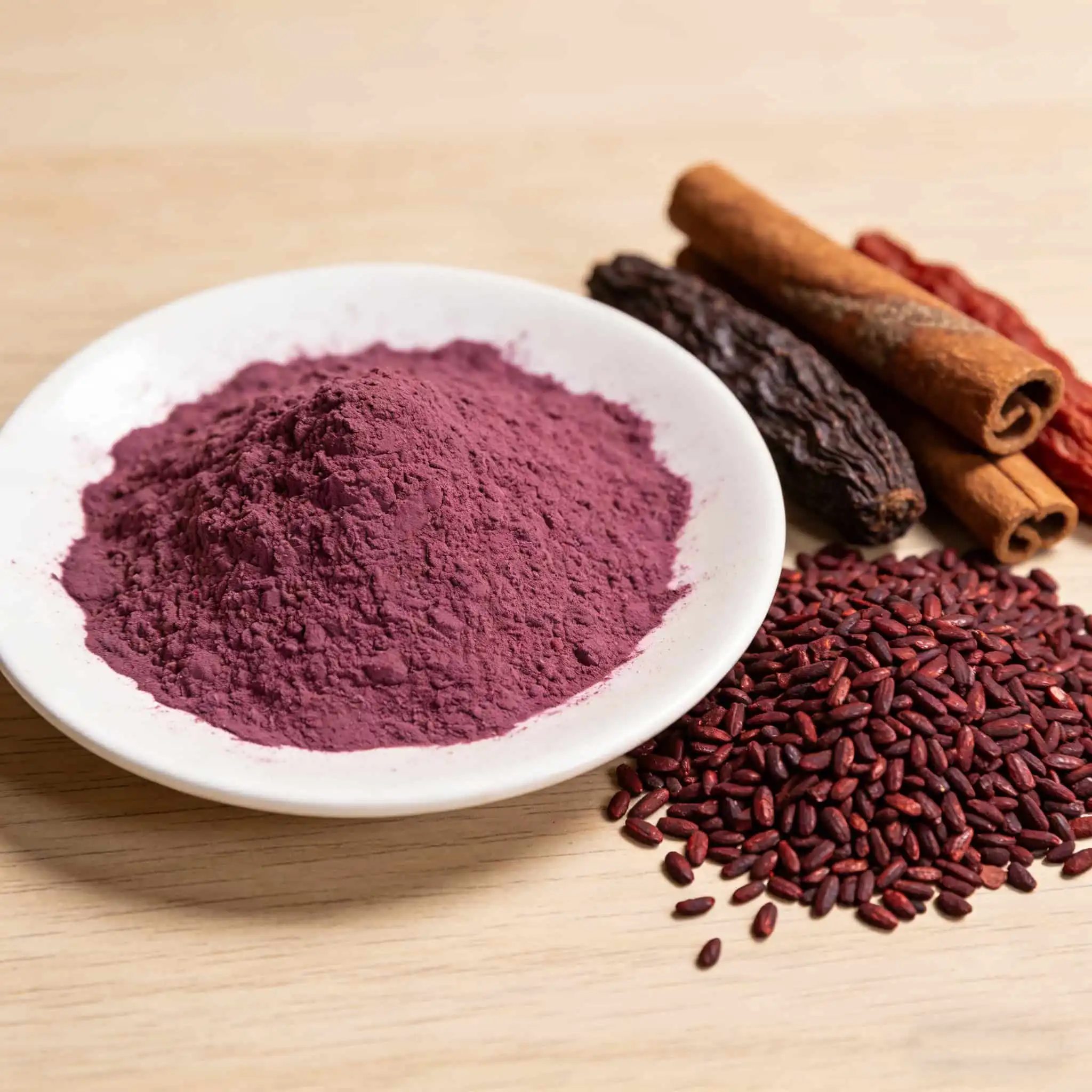
VIEW MORERed Yeast Rice Extract Powder comes from non-GMO rice that has been fermented with Monascus purpureus. It contains standard amounts of bioactive compounds, especially Monacolin K. This ingredient helps manufacturers make their products stand out while meeting the growing demand for clean-label options. It can be used in functional foods, dietary supplements, and pharmaceutical-grade formulations. This makes it a flexible option for R&D teams and buying workers looking for botanical actives that work well.
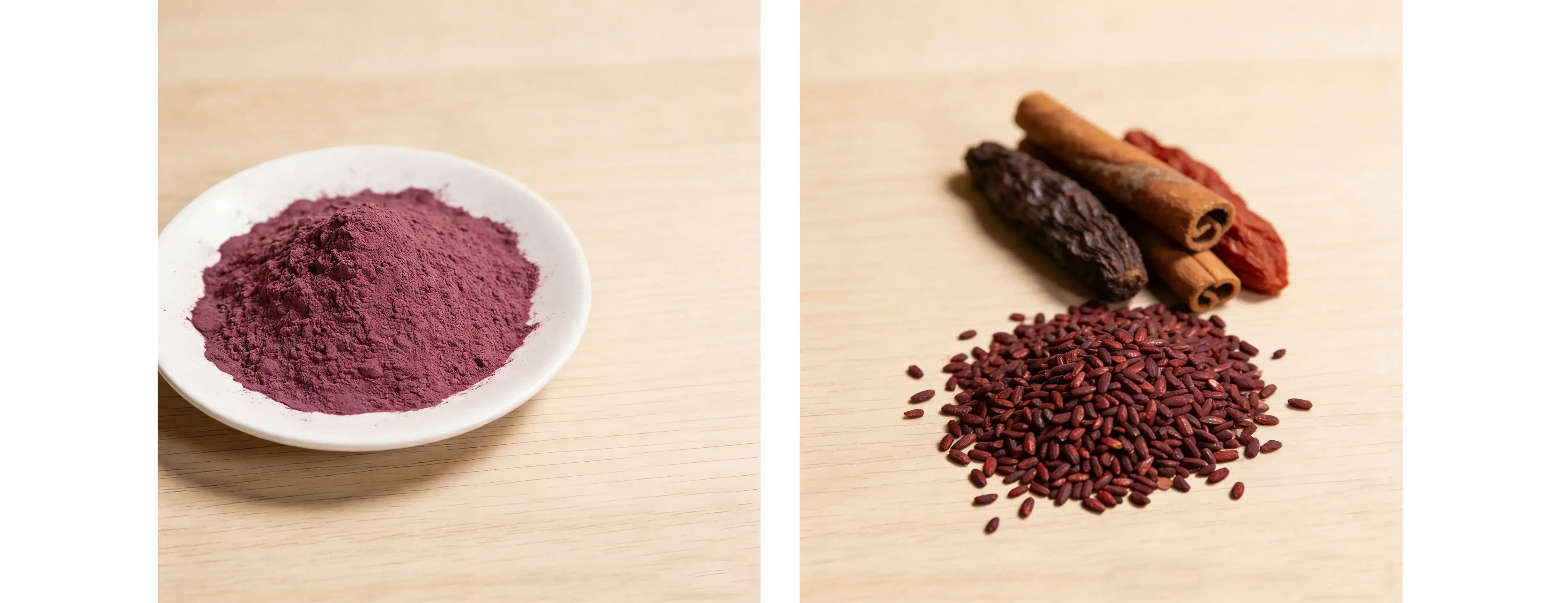
Understanding Red Yeast Rice Extract Powder
What Makes Red Yeast Rice Extract Powder Unique?
Controlled fermentation of warmed rice produces Monascus purpureus (L.) colonies. Makes Red Yeast Rice Extract Powder. It takes many processes to concentrate monacolins and remove unwanted ingredients in extract form, unlike boiling red yeast rice for colouring. The 0.1% Monacolin K rule ensures batch consistency, which many ingredient purchasers struggle with when buying plant materials.
Water-based separation procedures preserve the compound's clear label and natural character. It's violet-red because fermentation creates natural colours. This colour indicates quality; the true value is the number of tested active substances.
The Science Behind Fermentation and Bioactive Compounds
Fermentation transforms rice into valuable material enzymatically. Monascus purpureus yeast produces monacolins, colours, and organic compounds during growth. Monacolin K is unique since its structure resembles cardiovascular-studied substances.
Controlling temperature, humidity, and material composition is essential for optimal fermentation. Any change in these characteristics might affect product safety and efficacy. Advanced manufacturers monitor the fermentation cycle to optimize conditions. This focus on process control affects extract powder reliability.
Standardization and Quality Benchmarks
One of the main issues with plant components is their variability. Standardization fixes this. Depending on fermentation, rice type, and processing, raw red yeast rice can have different levels of active chemicals. Formulation specialists can anticipate product performance with extract powder set to 0.1% Monacolin K.
Quality goes beyond active compound amount. Citrinin, a nephrotoxic fungus, can arise after improper fermentation. It must be controlled or eliminated. Reliable providers verify each batch for this contaminant and ensure the concentrations are too low to detect or meet international safety requirements. Quality control is crucial when creating items for markets with severe sales restrictions.
Health Benefits and Applications of Red Yeast Rice Extract
Cardiovascular Wellness Support
With a healthy lifestyle, Red Yeast Rice Extract Powder helps maintain lipid levels. Much study has been done on how monacolins alter cholesterol biosynthesis. A common method by which drugs function in the body is by inhibiting HMG-CoA reductase enzymes.
People are more interested in natural circulatory support since they realize how lifestyles impact heart health. Product designers may capitalize on this trend by adding standardized red yeast rice extract to healthy recipes. Natural beginnings resonate with those who want alternatives to produced goods.
Antioxidant Properties and Cellular Protection
Red yeast rice offers heart-healthy and antioxidant compounds. These compounds remove metabolism-generated reactive oxygen species. Although monacolin is still the principal antioxidant, colours like monascin and ankaflavin also contribute.
Complete health product manufacturers use antioxidants. Red yeast rice extract and healthy herbs create synergistic mixtures that treat many health issues. This strategy helps businesses stand out in the congested supplement industry while providing actual value to end customers.
Anti-Inflammatory Effects and Metabolic Health
New research examines how red yeast rice components affect inflammation. Chronic low-grade inflammation causes metabolic issues. Functional food and supplement recipes benefit from anti-inflammatory elements. Good extracts may include polyphenolic compounds that provide these advantages.
As consumers understand more about diet, inflammation, and health, metabolic health is growing in the market. Metabolic booster brands should employ proven elements such as controlled red yeast rice extract. This chemical helps cholesterol metabolism and inflammation balance, which formulators want.
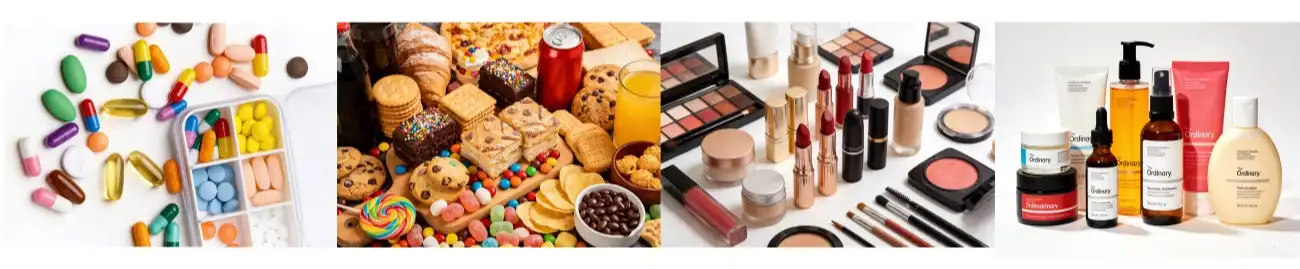
Comparing Red Yeast Rice Extract to Alternative Ingredients
Natural Versus Synthetic Monacolin Sources
The natural vs. synthetic chemical debate continues to influence consumer purchases and usage. Red Yeast Rice Extract Powder contains natural monacolins, unlike lab-made ones. This distinction is essential for firms targeting clean-label consumers since ingredient location affects their purchase patterns.
In preparation, natural products might be beneficial or impossible. Plant matrices are complex; several compounds operate together, which may be better than single molecules. Due to their complexity, they require more extensive quality control than single-molecule synthetics. Companies must consider these factors while selecting product materials.
Complementary Ingredients for Lipid Management
Red yeast rice extract alone is rarely used in recipes. Mixing it with complementary substances yields more complete products. Omega-3 fatty acids from fish oil or algae reduce lipids and inflammation, improving heart health. Plant sterols limit cholesterol absorption in the digestive tract, complementing the first technique.
Niacin, a B3 nutrient, maintains HDL cholesterol. It also breaks down fats differently than monacolins. Any solution with monacolin-based compounds should include Coenzyme Q10 since some research suggests taking it with other supplements may improve heart health. Smart formulation strategies consider these interactions while creating new products.
Evaluating Efficacy and Consumer Satisfaction
B2B buyers demand real-world results, not just theoretical benefits. Market feedback from popular red yeast rice extract supplement companies can tell us a lot. Favourable ingredients, the proper amount, and compatible chemistry lead to favourable evaluations and return purchases.
Clinical studies provide further evidence to aid in picking substances. When used properly, red yeast rice extracts can affect lipid variables, according to expert research. Procurement teams should request studies on specific extract grades instead of assuming all red yeast rice products perform the same.
Sourcing and Procurement Considerations for Ingredient Buyers
Key Quality Indicators When Evaluating Suppliers
You must examine several factors to select a reliable Red Yeast Rice Extract Powder source. HPLC should be used by a third party to measure Monacolin K. Your batch must have a Certificate of Analysis (CoA) showing active chemicals and no contamination.
This fungus may pose health hazards; citrinin testing requires additional attention. Trustworthy vendors worldwide obey European citrinin limitations in red yeast rice products, regardless of market. Request test results showing citrinin levels below 2 ppm, the European Food Safety Authority standard.
Solvent residues impact safety and clean-label status. This water-extracted red yeast rice is solvent-free. This extraction method helps insert natural items while fulfilling regulatory safety criteria.
Certifications That Matter for Global Markets
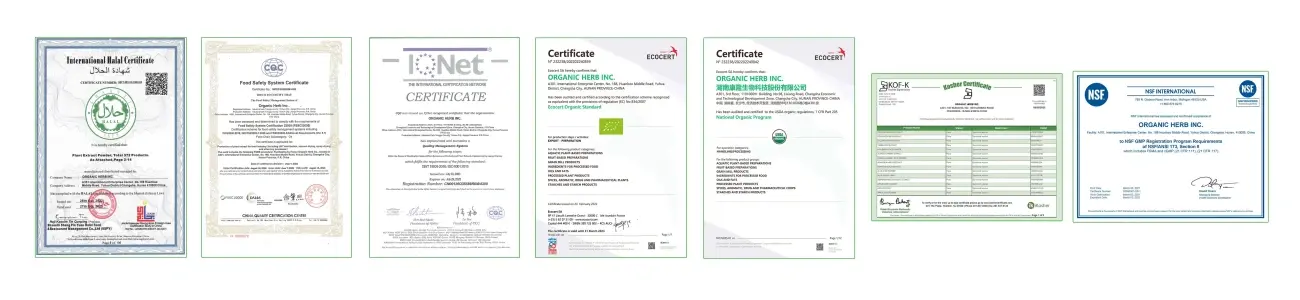
Some recommendations are always excellent to follow, but certification criteria vary by target market and product type. NSF GMP accreditation indicates that a corporation respects food supplement GMPs. Workers at processing facilities may be certain that their systems are good with this third-party confirmation.
Food safety management standards are generally acknowledged with FSSC 22000 accreditation. Functional food and drink ingredients may need this permission in some distribution routes. Specialty food manufacturers gain market share with Kosher and Halal licenses.
People who buy natural items like organic foods, yet fermented foods are tougher to organize. The fermentation technique must obey organic material standards and use natural rice substrate. Some stores sell organic red yeast rice extract, which costs more.
Understanding Supply Chain Logistics and Lead Times
Supply chain reliability distinguishes outstanding suppliers from good ones. Red yeast rice extract powder requires producing rice, fermenting it (which might take weeks), extracting it, drying it, and quality control. Reliable suppliers retain enough stock to handle average order volumes without delays.
Famous organizations like Organic Herb Inc. manage their items with a 10-day lead time. Due to four strategically situated US locations, North American orders arrive swiftly. This distributed inventory strategy reduces shipping costs and delivery times compared to direct purchases for every sale.
Minimum order quantities (MOQ) of 25 kg balance production speed with customer flexibility. This barrier allows smaller brands and contract manufacturers to obtain quality materials without bulking up. Free samples demonstrate the supplier's confidence in the product and allow formulators to assess stability and compatibility before placing larger purchases.
Practical Applications Across Industry Segments
Nutraceutical and Dietary Supplement Formulations
Standardized Red Yeast Rice Extract Powder is mostly bought by companies that make dietary supplements. Capsules usually have between 600 and 1200 mg of extract per serving, which is designed to give certain amounts of monacolins. Tablet forms have unique problems because of how they compress and how long it takes for them to break apart, so it's important to choose the right excipients.
Red yeast rice extract is found in more handy forms in powder-based vitamins and drink mixes. But the violet-red colour can change how finished goods look, which needs to be thought about when the products are being made. Some brands use the natural colour as a visual clue that the product contains plants, while others use opaque pills or formulas where colour is less important.
It's possible that time-release or delayed-release versions can help with digestion or lower the risk of stomach pain in sensitive people. These unique transport methods make production more difficult, but they can help a product stand out in a crowded market.
Functional Foods and Beverage Integration
Adding red yeast rice extract to food matrices is technically difficult in its own way. It needs to be tested thoroughly to see how it reacts with other ingredients, how stable it is to heat during processing, and how sensitive it is to pH. Functional beverage makers have successfully added red yeast rice extracts to ready-to-drink products, but they need to do more work on the recipe to make the flavours taste good.
Other ways to give nutrients are through fortified protein bars, functional chocolates, and other solid foods. Based on the normal monacolin content, the element doesn't usually change the taste or texture of the main product very much because it is used at low levels. When it comes to food, where shelf life standards are different from those for regular supplements, stability testing in real-world storage settings is very important.
Different places have different rules about what is regulated for food and drug use. In the US, red yeast rice extract is usually regulated as a food supplement. In some European countries, the rules are tighter. Buyers of ingredients must make sure that the regulations are followed for the specific use and market they want to reach.
Pharmaceutical-Grade Material for Medical Nutrition
Some companies need pharmaceutical-grade red yeast rice extract that meets even stricter standards than normal dietary supplement materials. Medical foods, which are regulated in a way similar to both regular foods and drugs, could be used in these situations. Better paperwork, with thorough explanations of the manufacturing process and a lot of security information, helps with these specific uses.
When it comes to pharmaceutical-grade products, traceability is very important. Supply lines have to keep track of the item from the rice fields where it is grown to the point where it is packaged. With GAP-certified planting bases that cover more than 8,000 acres, Organic Herb Inc.'s integrated method is the basis for strong tracking systems.
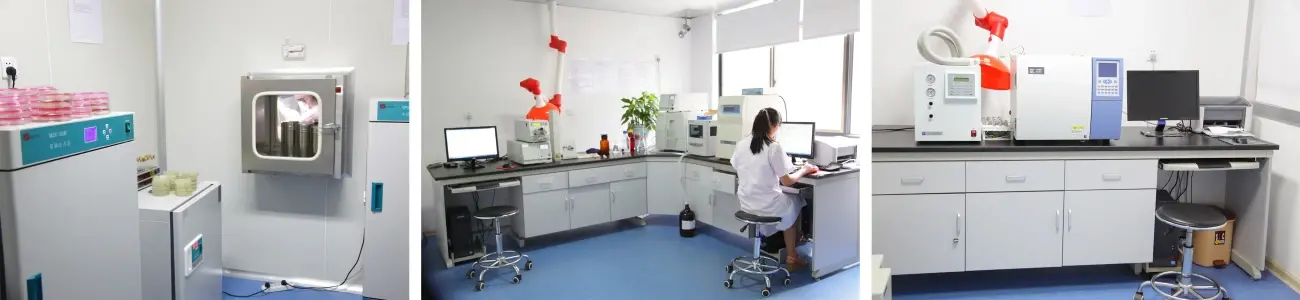
In addition to checking for identification and strength, analytical testing also checks for microbial limits, heavy metals, pesticide residues, and other possible pollutants. Pharmaceutical-grade specifications often use pharmacopeial standards or unique specifications made to meet the needs of a single customer.
Supporting Brand Differentiation and Market Positioning
In addition to the technical aspects, choosing the right ingredients strategically helps tell the story of the brand and place it in the market. Red yeast rice has been a part of Asian food culture for hundreds of years, and brands that focus on traditional knowledge and tried-and-true plants can bring that past to life. Companies that care about solid proof can point to the large body of studies that have been done on monacolin molecules.
People who care about the environment respond well to stories about sustainability. Suppliers who are committed to sustainable farming methods, like Organic Herb Inc.'s relationships with local farming communities, give brands the content they need to tell real stories. These partnerships make sure that farmers get fair pay and encourage farming methods that protect wildlife and the health of the land.
People are more likely to believe a product if tests and quality control are clear. This is especially important in countries like the US where people are skeptical about dietary supplements. When brands talk about their suppliers' licenses, testing procedures, and quality standards, they set themselves apart from rivals who make claims that can't be backed up.
Conclusion
In conclusion, Red Yeast Rice Extract Powder is a tried-and-true plant ingredient that meets the market's need for natural support for heart health. It is useful in nutraceutical, functional food, and pharmaceutical-grade uses because it has a normal monacolin content and anti-inflammatory and antioxidant qualities. To find good ingredients, you need to pay attention to things like citrinin control, monacolin percentage, and full approvals. Manufacturers can make unique goods that appeal to health-conscious customers by working with suppliers who offer water extraction, strict testing methods, and dependable logistics. Red yeast rice extract powder is still seen as a scientifically-backed ingredient that combines traditional plant knowledge with modern standardization needs as the market for natural goods continues to grow.
FAQ
Q1: How does red yeast rice extract powder differ from regular red yeast rice?
Standardizing Red Yeast Rice Extract Powder makes certain beneficial compounds, especially monacolins like Monacolin K, more concentrated. Regular red yeast rice used in cooking has these compounds in different amounts that are not standardized. The separation method also makes it easier to check the quality, as it includes strict tests for contaminants like citrinin. Extract powder gives industrial formulas the consistency they need for accurate dosing.
Q2: What should manufacturers look for when selecting a red yeast rice extract supplier?
Give more weight to suppliers who can back up their claims with third-party tests, full certifications (GMP, FSSC 22000, organic), and written citrinin control procedures. Standardized amounts of monacolin make sure that each batch is the same. The extraction fluid is important; water-based extraction helps with clean label placement. Reliability in the supply chain, such as acceptable lead times and easy access to goods, keeps production from being held up. Before making a big buy, ask for samples to check the quality.
Q3: Can red yeast rice extract be combined with other cardiovascular wellness ingredients?
Yes, red yeast rice extract works well when mixed with other ingredients. Plant sterols, Coenzyme Q10, omega-3 fatty acids, and niacin all work together to improve circulatory health. Formulators should think about possible conflicts and make sure that the total dose is still right. Combination goods may have more benefits than single-ingredient methods and help to place a premium product as a result.
Why OHI Red Yeast Rice Extract Powder Delivers Exceptional Value?
Organic Herb Inc stands out as a company that makes Red Yeast Rice Extract Powder by mixing technical know-how, customer service, and vertical integration. Our standardized extract comes from Monascus purpureus plants grown on carefully chosen rice. It gives formulators the uniformity they need and the quality guarantee procurement teams expect. Our product meets clean-label standards and works reliably. Its specs were checked at 0.1% Monacolin K, and the water-based extraction process keeps the natural integrity.
We ship your order within 10 days because we have four carefully placed stores across the United States. This helps us develop new products quickly and keep track of our inventory. Our FSSC 22000, NSF GMP, Kosher, Halal, and organic standards give you the proof you need to follow the rules and build trust in your brand. Whether you're making a new vitamin for heart health or adding to a line of products you already have, our team has decades of experience extracting plants that can help you succeed.
You can try our red yeast rice extract powder in your recipes before committing to large-scale production by asking for samples. The 25 kg minimum order lets you get high-quality products without having to keep too much stuff on hand. You can talk to our team at info@organic-herb.com about your unique needs, ask for technical information, or set up a free sample. We have reliable materials and quick service ready to help you with your next formulation problem.
References
1. Becker DJ, Gordon RY, Halbert SC, French B, Morris PB, Rader DJ. Red yeast rice for dyslipidemia in statin-intolerant patients: a randomized trial. Annals of Internal Medicine. 2009.
2. Gerards MC, Terlou RJ, Yu H, Koks CH, Gerdes VE. Traditional Chinese lipid-lowering agent red yeast rice results in significant LDL reduction but safety is uncertain. Atherosclerosis. 2015.
3. Liu J, Zhang J, Shi Y, Grimsgaard S, Alraek T, Fønnebø V. Chinese red yeast rice (Monascus purpureus) for primary hyperlipidemia: a meta-analysis of randomized controlled trials. Chinese Medicine. 2006.
4. European Food Safety Authority. Scientific opinion on the substantiation of health claims related to monacolin K from red yeast rice. EFSA Journal. 2011.
5. Patel S. Functional food red yeast rice (RYR) for metabolic syndrome amelioration: a review on pros and cons. World Journal of Microbiology and Biotechnology. 2016.
6. Kumara WM, Munasinghe DM. Comparison of fungal strains and culture conditions for the biosynthesis of Monacolin K from Monascus purpureus. Journal of Food Science and Technology. 2020.
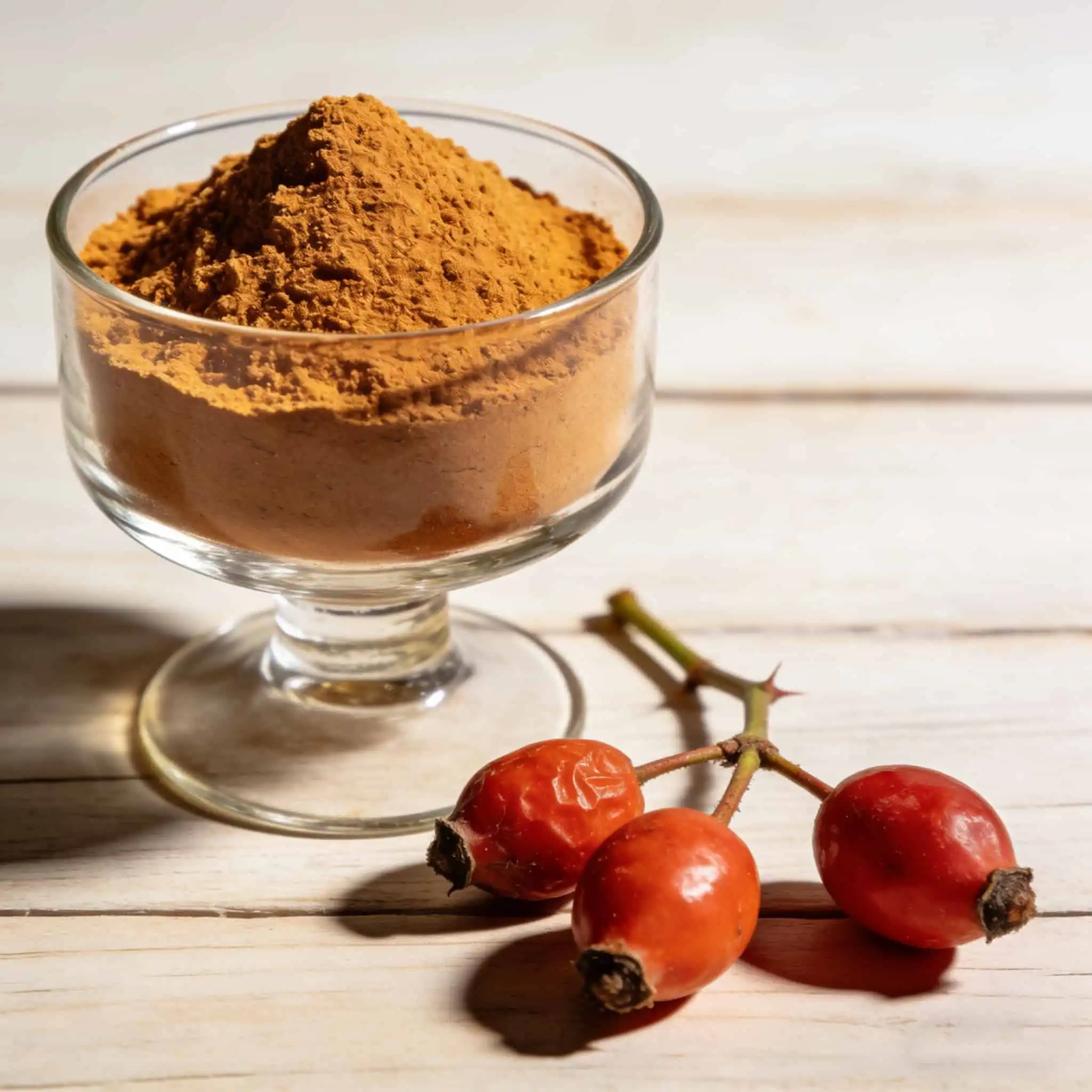
The Science Behind Rosehip Extract
VIEW MORERosehip Fruit Extract comes from the dried pseudo-fruits of Rosa canina. It is a botanically rich ingredient that is becoming more popular in the cosmetics and functional food industries. This water-extracted concentrate keeps the natural L-ascorbic acid (Vitamin C) along with flavonoids, triterpenic acids, and galactolipids. These bioactives help solve modern manufacturing problems by making products more stable, better bioavailable, and appealing to people who want to use clean labels. Procurement experts can tell the difference between high-quality, constant supply, and low-quality material by understanding the phytochemical complexity and standardization processes behind rosehip extracts.
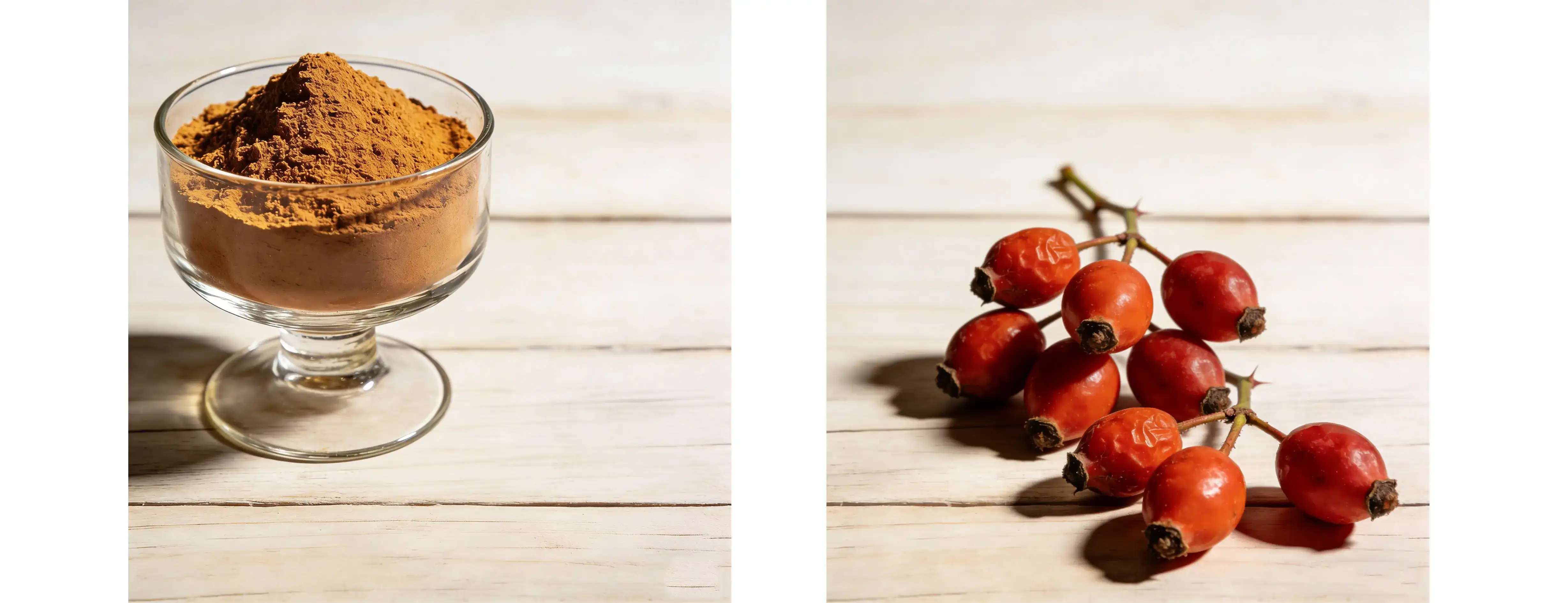
Understanding Rosehip Fruit Extract: Composition and Nutritional Value
Botanical Origin and Extraction Methodology
Rosa canina, the "dog rose," thrives in chilly climates and has beautiful crimson hips. The plant's identity ensures high nutritional content when collected at optimal maturity. We exclusively buy from regulated agricultural zones that pick after the first frost to boost polyphenols and minimize acidity.
Water extraction preserves water-loving bioactives without synthetic residue, meeting clean label standards. Controlled temperature soaking (below 60°C) prevents Vitamin C degradation. Second, nano-membrane filtration concentrates actives and eliminates tannins and insoluble fiber. The 10:1 extract ratio implies 10 kilograms of raw fruit yields 1 kg of homogeneous powder. This concentration factor ensures powder consistency.
High-Performance Liquid Chromatography (HPLC) reveals that Rosa canina has at least 5% natural Vitamin C. This naturally occurring form is stabilized by bioflavonoids, including rutin and quercetin, which boost antioxidant activity in formulations. The brownish-yellow tint indicates intact polyphenols, not overprocessed white powders with oxidative loss.
Nutritional Profile and Bioactive Components
A bioactive matrix with diverse applications makes Rosehip Fruit Extract economically valuable. Natural Vitamin C helps build collagen with other chemicals, making it excellent for pills and skin stretchiness. Flavonoid glycosides protect blood vessels, while galactolipids, notably GOPO (glycoside of mono- and diglycerol), reduce inflammation and improve mobility.
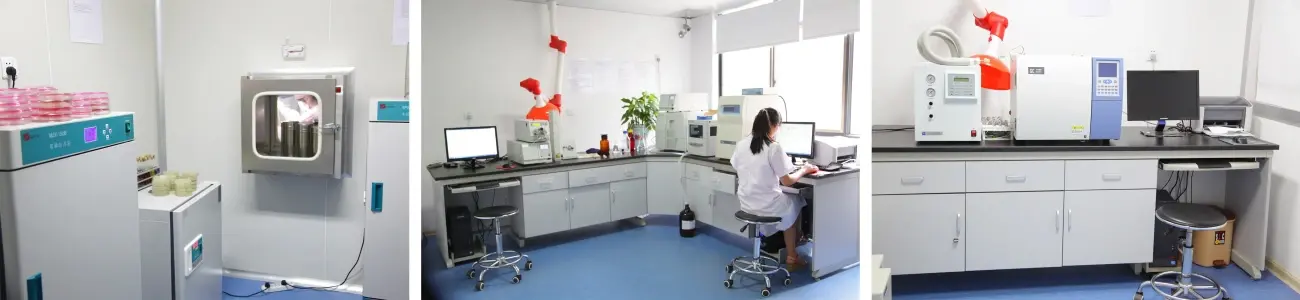
Anti-inflammatory triterpenic acids like ursolic and oleanolic acids provide rosehip its edge over single-nutrient compounds. This compositional complexity allows formulators to offer products with health claims like immune system support and skin health without synthetic mixtures. Our quality control includes HPLC for Vitamin C, UV-Vis spectrophotometry for total polyphenols, and FSSC22000 microbial testing. These parameters are included on the COA of each 25-kilogram drum. Purchasing teams obtain explicit quality assurance.
Organic vs. Conventional Processing
USDA and EU Organic certification alter farming and food processing inputs. Synthetic pesticides and fertilizers are banned in organic rosehip production. This implies rosehips have less environmental impact and leave cleaner residues, which is significant when targeting health-conscious European and North American consumers. Our organic-certified extract employs the identical water extraction technology but exclusively uses fruit from GAP-certified organic farms in our 8,000-acre planting bases in Jiangxi and Hubei provinces.
Conventional handling maintains phytochemical profiles under tight quality monitoring. When choosing between organic and normal, consider market fit and price. Organic products cost 20–30% more, but market research suggests that they make luxury skin care and nutraceuticals stand out. Conventional materials are cost-effective and bioactive for high-volume usage like sports nutrition mixtures and functional beverage bases.
Scientific Benefits and Applications of Rosehip Fruit Extract
Anti-Aging and Antioxidant Mechanisms
Rosehip Fruit Extract is one of the finest plant-based antioxidants according to ORAC testing. Antioxidants like Vitamin C and flavonoids protect cells from ROS, which accelerate aging. This includes cosmetics that battle photoaging, uneven skin tone, and strength loss.
Blocking matrix metalloproteinase-1 is crucial. Skin collagen fibers are broken down by MMP-1. Natural aging and UV radiation accelerate this. Rosehip polyphenols reduce MMP-1 synthesis while Vitamin C makes procollagen, according to lab research. This makes this substance essential to anti-aging programs. Formulators can leverage these methods to develop oral collagen-free cosmetic treatments and serums that penetrate the stratum corneum.
Joint Mobility and Flexibility Support
Rosehip fruit galactolipids impact white blood cell pathways, offering a new joint pain treatment. Rosehip's process targets inflammatory signals, unlike glucosamine or chondroitin, which act on cartilage formation. It works well with other joint nutrients. Sports nutrition firms seeking clean-label anti-inflammatory compounds will benefit.
Standardized extract is recommended for nutraceutical usage at 2.5–5 grams per day. Vegetable pills or tablets containing MSM or curcumin are typical. Our rosehip extract works well in solid beverages, which are becoming increasingly popular as functional wellness drinks for busy people, since it doesn't mix with water. Product makers should consider the extract's faint flavor. This can be corrected with natural sweeteners or fruit flavors.
Immune Support and Wellness Applications
Immune-boosting products include rosehip, a natural source of Vitamin C. Instead of ascorbic acid alone, bioflavonoids help the body absorb and retain vitamins in plasma. This bioavailability advantage lets marketers develop lower-dose products that function, saving money.
Functional food firms add rosehip juice to immunization shots, effervescent pills, and drink bases to make them healthier. When the pH is between 3.5 and 4.5, the extract stays stable during processing, making it suitable for longer-lasting ready-to-drink products. Technical teams should conduct swift, stable testing under their unique formulation since minerals, notably iron and copper, accelerate Vitamin C oxidation. Complex compounds are commonly chelated with citric acid or sodium citrate to maintain bioactivity.
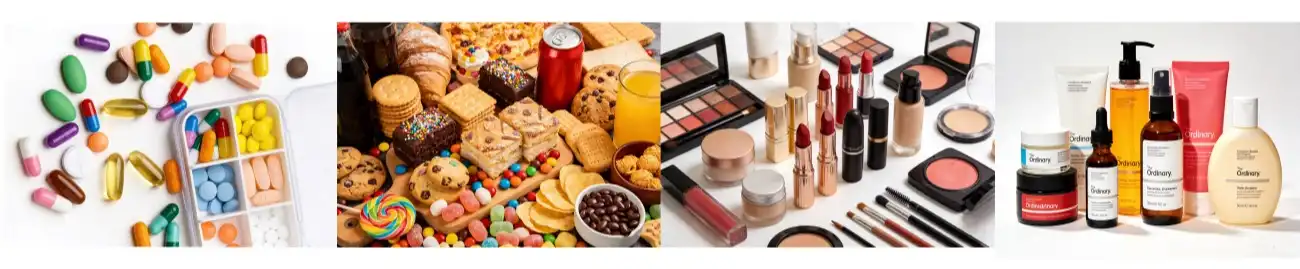
Rosehip Fruit Extract vs. Related Products: Making the Right Choice
Distinguishing Extract from Rosehip Seed Oil
People often get Rosehip Fruit Extract and rosehip seed oil mixed up. These are two different substances that are used for different things. Rosehip seed oil is made by cold pressing the seeds inside the hips. It mostly has lipophilic chemicals like tocopherols, carotenoids, and important fatty acids (linoleic and linolenic). When it comes to face oils and rich creams, this oil is used in cosmetics that need to moisturize and repair the skin barrier.
On the other hand, Rosehip Fruit Extract has water-soluble actives that can be used in serums, toners, oral vitamins, and drinks. The oil moisturizes and restores lipids, while the extract offers antioxidant power and useful nutrition. When buying materials, they should match the structure of the formula: hydrophilic systems (like gels, water solutions, and capsules) need the extract, and lipophilic systems (like balms and oil phases) need the seed oil. Some advanced formulas use both to fight multiple signs of age in the face at the same time.
Powder vs. Liquid Extract Considerations
The shape of a material has a big effect on its stability, transportation, and formulation freedom. Our powdered extract (10:1 ratio, 5% Vitamin C) has the longest shelf life—24 months—when kept below 25°C in drums that are covered and have moisture barriers. Powder forms make foreign shipping easier, lower freight costs because they are lighter, and get rid of the need for a cold chain. Powder is great for compressing tablets, filling capsules, and making dry drink mixes because it's easy to reconstitute in water-based systems.
Liquid extracts are useful for producers who use inline dosing devices, but they can be unstable. Preservative systems (potassium sorbate, sodium benzoate) are needed for water-based drinks to stop microbes from growing, and Vitamin C breaks down faster in solution. Custom liquid extracts can be made for clients who buy a lot of products and need them quickly, but powder is still the best B2B format for keeping quality high and allowing for inventory freedom. When stored, putting things in 25 kg fiber drums with PE covers keeps them from getting wet or rusty.
Organic Certification and Quality Benchmarks
Organic approval makes sure that both the growing methods and the handling methods are honest. Our organic rosehip extract is certified by the USDA, the EU, Kosher, and Halal. These are important certifications that let us sell our product in markets in North America, Europe, and the Middle East. These certificates are checked every year by reputable third-party organizations, which makes sure that the food can be tracked from the farm to the final package.
Quality standards are more than just badges. ICP-MS tests for heavy metals like lead, cadmium, arsenic, and mercury make sure that California Prop 65 and EU rules are followed. GC-MS/MS and LC-MS/MS are used for pesticide residue screening, which looks at more than 400 chemicals. USP guidelines say that the total plate count must be less than 10,000 CFU/g, yeast and mold must be less than 1,000 CFU/g, and diseases like E. coli, Salmonella, and Staphylococcus aureus must not be present. These strict rules separate pharmaceutical-grade suppliers from commodity dealers, which has a direct effect on the image of the brand and its standing with regulators.
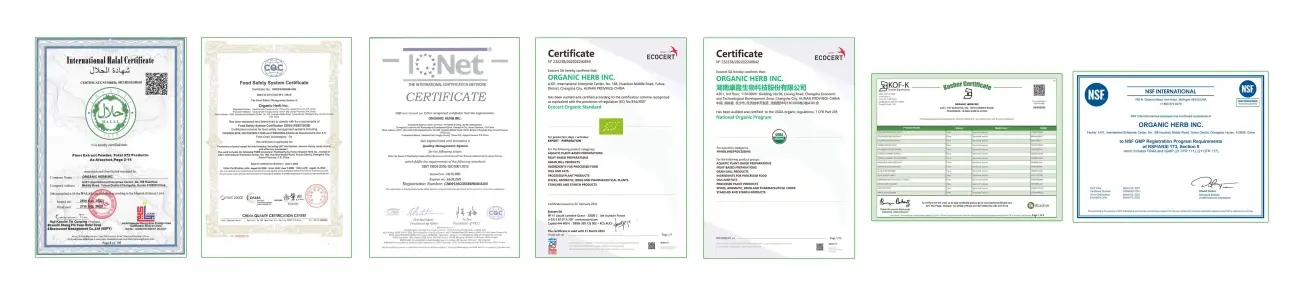
Procurement Insights for Global B2B Clients: Sourcing and Supplier Selection
Evaluating Supplier Credentials and Certifications
Verification of approval is the first step in qualifying a supplier. Organic Herb Inc. is a publicly traded company (Stock Number: 872213), and its quality control systems are regularly checked to make sure they are clear. Our NSF GMP approval covers everything that goes into making dietary supplements, including building the facility, making sure the processes work, and training staff—all of which have a direct effect on how consistent the products are. FSSC22000 approval combines HACCP concepts with food safety management, which is very important for functional food producers.
Getting ISO 9001:2015 approval shows that you handle quality in a planned way during all stages of production, distribution, and purchasing. Ask for more than just certificates. You should also ask for records of batch analyses, data on stability under fast conditions (40°C/75% RH for three months), and microbial challenge tests. Reliable sellers give you these technical dossiers ahead of time, which lets your R&D teams speed up formula creation without having to do extra tests. 42 professionals are working at our R&D center in Changsha, including scientists with Ph.D.s. This makes sure that technical help goes beyond just supply ties.
MOQ, Pricing Structure, and Lead Time Optimization
Minimum order amounts hit a good mix between how efficiently suppliers make things and how much inventory buyers have. Our 25kg MOQ, which is the same as one drum, allows for small-scale tests and prototype development, which is different from most companies in this field, who require 100kg minimums. This gives startups and well-known brands the freedom to try out new product lines without having to worry about their capital getting stuck on extra inventory.
The way prices are set depends on the supply of raw materials, the yield of extraction, and the cost of approval. Seasonal crop cycles (September through November in the Northern Hemisphere) affect spot prices, but annual deals keep prices stable. Volume levels usually start at 500 kg, and savings get bigger as you commit to more than one ton. For stock items stored at our four U.S. delivery centers (East Coast, West Coast, Midwest, and South), the time between order approval and shipment is ten days. This is shorter than the 45–60 day freight time from Asia. When local inventory protects against supply delays, just-in-time buying is possible. This is a huge benefit during times of port congestion or logistics instability.
Private Label and OEM Collaboration Opportunities
Custom preparation services go beyond just supplying standard materials. Our OEM services include formula creation, stability optimization, and package design. These are all-in-one options for brands that don't have their own R&D departments. Through our private label programs, entrepreneurs can put out their own brands on goods while taking advantage of our production scale and legal knowledge. We take care of export paperwork, customs clearing, and Certificate of Free Sale paperwork, making it easier for brands outside of the U.S. to buy things from other countries.
Collaboration includes coming up with custom requirements. A makeup customer recently asked for a 20:1 Rosehip Fruit Extract with a high GOPO content (>1%) for a high-end face serum. This was possible by selective membrane fractionation. This kind of customization shows technical flexibility, which turns sellers into development partners. Check to see if possible sellers are ready to invest in your product idea through pilot batches and stability studies. These are signs of a long-term relationship, not just a one-time sale of goods.
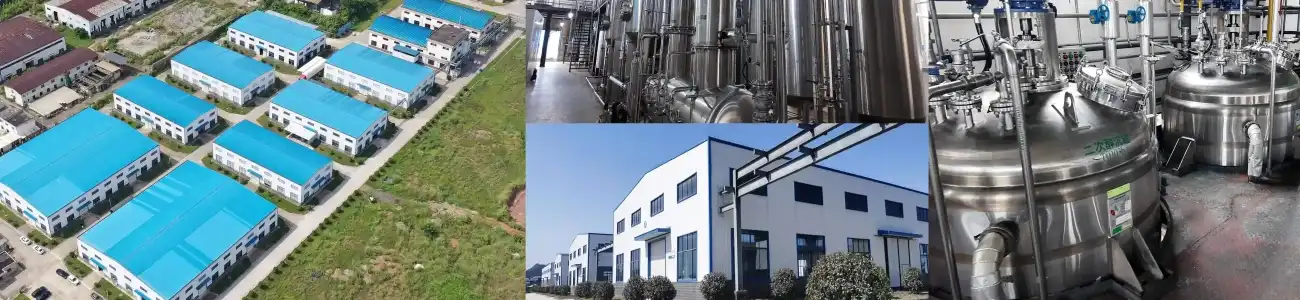
Conclusion
Rosehip Fruit Extract is a plant ingredient that has been proven to work by science and meets important needs in the skincare, and functional food industries. Its bioactive profile, which is water-extracted and standardized to give uniform Vitamin C, flavonoids, and galactolipids, solves formulation problems related to stability, bioavailability, and clean label. The success of a procurement depends on how well the seller meets three criteria: the level of licensing, the professional support, and the stability of the supply chain.
As the market for anti-aging skin care, joint health supplements, and drinks that boost the immune system grows, smart sourcing partnerships with vertically integrated makers become valuable competitive assets. We are a trusted partner for brands that need both quality assurance and operational flexibility in their rosehip extract supply chain because we grow our rosehips in a way that is GAP-certified, use modern extraction technology, store them in the U.S., and have all the necessary certifications.
FAQ
Q1: What differentiates rosehip extract quality between suppliers?
Quality differences are caused by three things: where the raw materials come from, how they are extracted, and how strict the standardization is. Top providers get their crops from controlled growing areas with clear records of when they were harvested, which makes sure that the phytochemical profiles are at their best. Heat-sensitive chemicals are better preserved by water extraction at tested temperatures than by strong solvent methods. To standardize to certain Vitamin C percentages (5% is what we need), HPLC proof is needed. This is an expensive quality control step that many common sellers skip. Instead of general specification sheets, ask for Certificates of Analysis that are specific to the batch and show the factors that were tested.
Q2: How should rosehip extract be stored to maintain stability?
Keep sealed packages below 25°C in places with low humidity (below 60% RH). Once the drums are open, use desiccant packs and reseal them tightly to keep air out as much as possible. Vitamin C stays stable for longer when it doesn't get as much air. Refrigeration (2–8°C) makes the shelf life even longer, but it's not necessary if the moisture shields are still in place. Avoid storing things near heat sources or in direct sunlight, as these will speed up the breakdown of polyphenols.
Q3: Can rosehip extract be combined with other actives in formulations?
Compatibility is based on pH and how chemicals react with each other. In vitamins, rosehip extract works well with collagen peptides, hyaluronic acid, and turmeric extract. It works well with niacinamide and peptides in makeup. Copper and iron can speed up the breakdown of vitamin C, so don't mix them with other things without chelating agents. When making complex matrices, you should try their stability to make sure they keep their power over the shelf life you want them to last.
Partner with a Trusted Rosehip Fruit Extract Manufacturer
OHI (Organic Herb Inc.) delivers pharmaceutical-grade Rosehip Fruit Extract backed by comprehensive certifications—NSF GMP, FSSC22000, USDA Organic, Kosher, and Halal—ensuring your formulations meet the strictest global standards. Our 10:1 water-extracted powder, standardized to 5% natural Vitamin C, ships from four U.S. warehouses with lead times as short as ten days, eliminating overseas freight delays. We provide complimentary samples and technical consultation to accelerate your product development cycle.
Whether you're formulating clean-beauty skincare, or functional beverages, our vertically integrated supply chain—from 8,000-acre GAP-certified farms through ISO-certified manufacturing—guarantees batch consistency and regulatory compliance. Our R&D team collaborates on custom specifications and stability optimization, transforming us from ingredient suppliers into development partners. Contact us at info@organic-herb.com to discuss your Rosehip Fruit Extract requirements and discover how our quality-first approach strengthens your brand's competitive position.
References
1. Chrubasik, C., et al. "A Systematic Review on the Rosa canina Effect and Efficacy Profiles." Phytotherapy Research, vol. 22, no. 6, 2008, pp. 725-733.
2. Winther, K., et al. "The Anti-Inflammatory Properties of Rose-Hip." Inflammopharmacology, vol. 24, no. 2-3, 2016, pp. 89-97.
3. Lattanzio, V., et al. "Bioactive Polyphenols: Their Role in Quality and Storability of Fruit and Vegetables." Journal of Applied Botany and Food Quality, vol. 76, no. 3-4, 2003, pp. 128-146.
4. Daels-Rakotoarison, D.A., et al. "Effects of Rosa canina Fruit Extract on Neutrophil Respiratory Burst." Phytotherapy Research, vol. 16, no. 2, 2002, pp. 157-161.
5. Andersson, S.C., et al. "Effects of Rose Hip Intake on Risk Markers of Type 2 Diabetes and Cardiovascular Health." European Journal of Clinical Nutrition, vol. 66, no. 5, 2012, pp. 585-590.
6. Ilyasov, I.R., et al. "Bioactive Compounds and Antioxidant Activity of Rose Hips of Different Species." Plants, vol. 10, no. 11, 2021, article 2363.
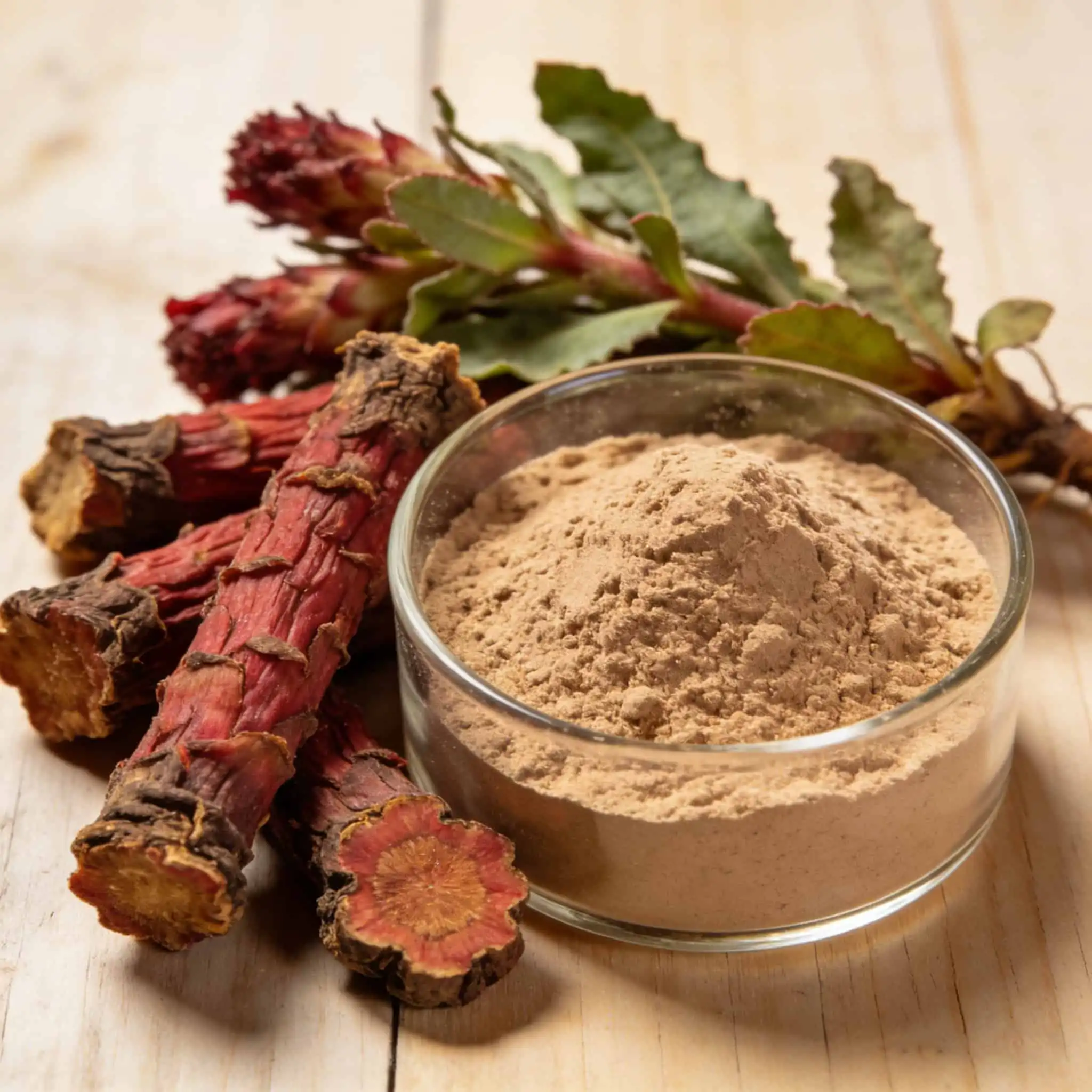
Exploring the Wonders of Rhodiola Rosea
VIEW MORERhodiola Rosea, which is also called "Golden Root" or "Arctic Root," is one of the most lovely plants in the world. This tough plant grows in harsh, high-altitude places like Siberia, Scandinavia, and the Arctic. It has caught the attention of people all over the world who use it to make medicines, cosmetics, and useful foods. Natural Rhodiola Rosea Extract contains steady amounts of medicine-making chemicals, mainly rosavins and salidroside, that can be used in many different types of products. If B2B clients want to stand out in a crowded market, they should know about this plant's qualities, how to get it, and what it can be used for.
Understanding Rhodiola Rosea Extract and Its Benefits
The Botanical Heritage of Rhodiola Rosea
Crassulaceae Rhodiola rosea L. thrives in dry, windy conditions with little air. The root has been treasured throughout Northern Europe and Asia for centuries. People have recognized features that current science attributes to its complex phytochemical makeup. The plant's robust leaves and golden-yellow blossoms demonstrate its adaptability. The same factors increase the root concentration of reactive compounds.
Extraction Technology and Quality Standards
Today, water-ethanol solvents extract active compounds from dried Rhodiola rosea stems. This approach removes hydrophilic and lipophilic substances with two solvents. A 3% rosavins and 1% salidroside extract is typical. Because phenylpropanoid molecules are colored. Powder might be yellow or brown.
How pure the product is depends on the extraction. By regulating temperature and screening out impurities and adulterants, thermolabile compounds are safe to handle. Organic Herb Inc.'s high-tech facilities employ freeze-drying and nano-membrane separation methods to preserve the product's biological power. These technical abilities enable formulators to ensure batch consistency and product stability.
Active Compounds and Their Mechanisms
A single plant possesses phenylpropanoid glycosides called rosavins. They include rosavin, rosarin, and rosin. By appearance, true rosea species may be distinguished from cheaper fakes like Rhodiola crenulata. Bioactivity is increased by salidroside and tyrosol. These substances impact cell communication, which affects energy utilization, hormones, and bodily response.
Some peer-reviewed research has measured mental performance and physical endurance. Standardized Rhodiola tablets improved attention and information processing, according to a 2015 Phytomedicine research. In another Journal of Strength and Conditioning Research research, athletes reported exercising better and with less effort. The scientists who found these results can sell new nootropics and sports nutrition products.
Dosage Considerations for Product Development
Formulation approach affects usage and delivery. Some people take 200 to 600 mg of pure extract daily, in one or two doses. More is usually utilized in sports nutrition. However, everyday health supplements may employ lesser amounts of compatible elements.
Natural Rhodiola Rosea Extract powder varieties offer the most options for unique mixtures, ready-to-mix beverages, and sachets. Regular supplements benefit from encapsulation since it improves the dose and shelf life. Distinct places have distinct order rules. Novel Food laws apply to European markets, whereas DSHEA covers US commodities. Makers must follow the regulations. To buy, you must meet the seller's conditions.
Procurement Guide: How to Source High-Quality Rhodiola Rosea Extract?
Essential Supplier Selection Criteria
The first step in product protection is to check out the suppliers. Getting manufacturing licenses shows that a company is serious about following legal and practical rules. Here are a few important certificates:
- GMP (Good Manufacturing Practice): Makes sure that process rules are in place, that goods don't get contaminated, and that they can be tracked.
- FSSC 22000: Ensures products that are put into food chains for people follow the rules of a food safety management system.
- Organic Certification: Means that the extract was grown and handled without using any chemicals and in line with the rules set by the USDA NOP or the EU.
- Kosher and Halal: Let's bring more people into the market who need religious approval.
This company, Organic Herb Inc., keeps its NSF GMP, FSSC 22000, ISO 9001, Halal, Kosher, and organic marks up to date. Having a lot of different credentials shows that quality control is being done in a planned way, and the items being sent are ready for a lot of different safety settings and customer tastes.
Quality Testing Protocols and Documentation
In the legal world, Certificates of Analysis (COA) are proof that something is really good. Full COAs should have details about the following:
- Using HPLC to measure the amount of active substances and confirm the amounts of rosavin and salidroside
- Checking for heavy metals like arsenic, cadmium, lead, and mercury based on government rules
- To find bacteria, yeast, and the total plate count, among other microbiological tests
- Checking for farm chemical pollution and looking at pesticide leftovers
- Making sure that the ethanol amount is safe by checking for solvent leftovers
Buyers should ask for COAs for sample batches before they buy large amounts. Multiple runs that are all the same show that you have good process control. Discrepancies may mean that there are problems with quality control that need more study or a look at a different service.
Strategic Buying Options for Different Business Models
Things are acquired according to the market, business size, and style. When major brands make a lot, bulk buying is cheaper. The minimum order is usually 25 kg. This is plenty for trial manufacturing or small quantities of unique things, and it's affordable for new companies. Higher claims allow tiered pricing, making high-velocity SKUs more profitable.
Instead of buying extraction equipment or developing expertise, brands may distribute completed items through private label manufacture. Full-service companies source raw ingredients, improve recipes, test quality, and package. This speeds up product delivery and simplifies business. Startups, online retailers, and those who wish to offer more than just their core products can utilize this plan.
Contract manufacturing offers center ground. Brands retain ownership of recipes and IP while outsourcing production. This requires more precision than a readymade private label, but precise proportions and ingredient blends may make your brand stand out.
Market Pricing Dynamics and Value Assessment
Natural Rhodiola Rosea Extract prices depend on standardization, license, order size, and seller status. Cheaper pure commodity-grade extracts may not function as well or have as much trial proof. More costly organic items with complete COAs and regulator approval are safer and better.
Buyers should consider both the price per kilogram and the total cost. How much a product costs relies on how much it costs to transport, store, and manage paperwork, as well as the likelihood that it will need to be remade due to quality issues. Earth Made Nutritions, a subsidiary of Organic Herb Inc., has a US warehouse. Fast delivery, cheaper shipping costs, and quick customs for U.S. purchasers benefit businesses.
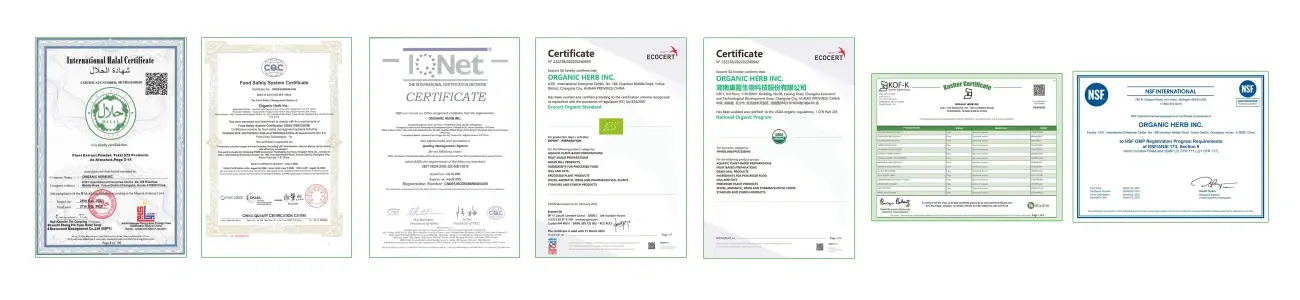
Applications and Use Cases of Rhodiola Rosea Extract in B2B Markets
Functional Food and Beverage Development
Plant-based beverages, ready-to-drink teas, and tonics are growing increasingly popular. Rhodiola's prospects and problems make it difficult to prepare for these purposes. Grades that dissolve in water or nanoemulsions disseminate material in wet mixtures to prevent settling and maintain appearance. Drinks seem different with a natural yellow-brown tint. Clear drinks must be covered. It works for amber tonics and plant teas.
Rhodiola ingredients make long-lasting functional meals like nutrition bars, plant-based protein products, and improved snacks healthier and better. In this tightly scrutinized region, food-grade certification (FSSC 22000) and heaps of safety paperwork make regulatory clearance easy. Stability testing reveals that bioactives will remain in the product throughout its shelf life if stored properly. Ensuring the item is secure before selling it is crucial.
Cosmetic and Personal Care Applications
Rhodiola's cosmetic applications are attracting researchers. The extract's antioxidant profile supports assertions that salidroside can be employed in skin care products. It fights aging and helps the environment. Cosmetic and dietary supplement standards may differ. Things must be cleaned and preserved to prevent germ growth.
Natural and organic skin care brands choose plant items with intriguing origins and long-standing uses. Rhodiola, from the Arctic, can survive harsh environments. Marketing concepts that emphasize strength and safety are easy to translate into beauty advantages. Going into nations with many cosmetics regulations requires providers to aid with paperwork.
Ensuring Quality and Safety: Best Practices for B2B Clients
For B2B buyers of botanical extracts, guaranteeing product quality, safety, and regulatory compliance is non-negotiable. This requires a multi-faceted approach encompassing rigorous testing, ethical sourcing, and meticulous documentation. Adopting these best practices protects brand integrity, ensures consumer safety, and facilitates smooth market entry.
Comprehensive Quality Control Protocols
A robust quality assurance system operates at every stage. Upon receipt, raw materials undergo identity and purity verification. In-process monitoring ensures consistency during extraction. Final product testing confirms that the extract meets all specified parameters before release.
Core analytical tests include:
- High-Performance Liquid Chromatography (HPLC): This is the gold standard for quantifying active compounds (like paeoniflorin in peony) and confirming they fall within an approved range. It also detects impurities, degradation products, or adulterants.
- Microbiological Screening: Tests for total plate count, yeast, mold, and specific pathogens (e.g., E. coli, Salmonella). Results must comply with food or supplement safety limits to prevent spoilage and health risks.
- Heavy Metal Analysis: Essential for root-based plants that can absorb contaminants like lead, arsenic, cadmium, and mercury from soil. This testing mitigates risks from environmental pollution and processing equipment.
Third-party verification significantly enhances credibility. Certificates of Analysis (CoAs) from independent, ISO 17025-accredited laboratories are universally accepted by regulators, distributors, and retailers, providing objective proof of quality. Investment in advanced internal laboratories—equipped with tools like GC-MS, atomic absorption spectroscopy, and HPLC-ELSD—further demonstrates a supplier’s commitment to consistent, verifiable quality control.
Sustainable and Ethical Sourcing Practices
Responsible sourcing protects vulnerable species and ensures long-term supply chain resilience. For wild-harvested plants like rhodiola, which face pressure from over-exploitation, Good Agricultural and Collection Practices (GACP) or Good Agricultural Practices (GAP) are critical. These systems promote cultivated sources that conserve wild populations while delivering consistent botanical quality.
Leading suppliers operate extensive, GAP-certified farming bases. These controlled environments use sustainable agronomic methods tailored to local climates to optimize the concentration of desired active compounds. Strategic partnerships with farming cooperatives provide communities with expert guidance, quality seed, and economic stability, creating a more traceable and reliable supply chain.
Full traceability—from field to finished Natural Rhodiola Rosea Extract—is enabled by batch coding systems. This allows for rapid, precise recall if a quality issue arises and provides documented due diligence for audits. Commitment to sustainability is often validated through recognized certifications (e.g., USDA Organic, Fair Trade, or specialized sustainability seals). These credentials are increasingly vital for brand positioning, as modern consumers and retailers prioritize transparent, ethical origins.
Documentation Support for Regulatory Compliance
Navigiving global regulations requires comprehensive, accurate documentation. A knowledgeable supplier provides a complete dossier, including:
- Product Specification Sheets: Detailing microbiological, chemical, and physical criteria.
- Certificates of Analysis (CoA): For each batch, confirming potency and purity.
- Allergen Statements: Addressing potential cross-contamination risks.
- GMO Declarations: Verifying non-genetically modified status.
- Regulatory Status Documents: Outlining approved food, supplement, or cosmetic uses in key markets (e.g., FDA GRAS, EU Novel Food).
- Safety Data Sheets (SDS): For safe handling and storage.
Suppliers with dedicated regulatory affairs teams maintain up-to-date libraries of these documents, making them readily accessible to clients. This expertise drastically reduces the time and complexity involved in product registration and customs clearance, especially for brands expanding into new, strictly regulated markets. Their guidance is indispensable for interpreting regional requirements and compiling compliant submissions.
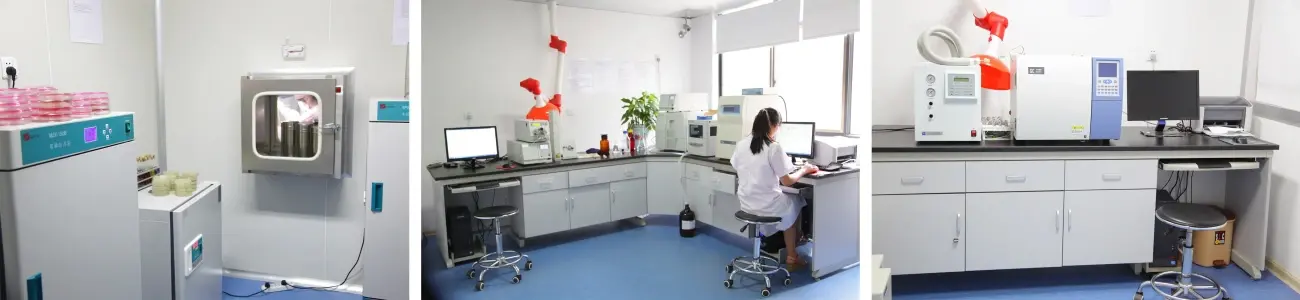
Conclusion
A lot of companies are trying to stand out in the health market, and Natural Rhodiola Rosea Extract is a key part of that. Since it has been used for a long time and has a unique set of phytochemicals, it is a good choice for functional foods, sports nutrition, and makeup. Choosing providers who care about quality control, following the rules, and buying in ways that are good for the world is important for procurement to work well. Formulations are always the same because they use standardized extracts with proven 3% rosavin and 1% salidroside content. Products can also be sold in a lot of different legal situations because they have full certification portfolios. Rhodiola is becoming more popular among consumers, and experts are still finding new ways to use it. It's a good ingredient for brands that want to look to the future because of this.
FAQ
Q1: What dosage of Rhodiola rosea extract should be used in formulations?
Every day in clinical tests, 200 to 600 mg of a pure extract with 3% rosavins are often used. A lot more is usually used in sports nutrition products, but only a little can be used in daily health supplements with other herbs that work well with them. Dosage recommendations should be based on research-backed levels and take into account the way the drug will be delivered, the people it is meant for, and the way it will be placed.
Q2: How can buyers verify extract authenticity?
For Natural Rhodiola Rosea Extract to be real, HPLC analysis must show that it contains rosavins, which are chemicals that are only found in Rhodiola rosea. Barcoding DNA is another way to show that a species really does exist. To find out how much rosavin and salidroside are in something, you should ask for Certificates of Analysis from valid labs. If a supplier can't show full testing paperwork, they might be selling materials that aren't as good or have been messed with.
Q3: Why does organic certification matter for international markets?
People want foods that are free of pesticides more and more, and organic approval meets the needs of officials in key areas. It is possible for U.S. goods to say they are "organic" with USDA organic certification, and it is easier for products to get into the European market with EU organic certification. Being organic means that a company cares about quality control and using safe methods, which is something that high-end brands and health-conscious customers like.
Partner with OHI for Premium Natural Rhodiola Rosea Extract Supply
Organic Herb Inc. (OHI) sells Natural Rhodiola Rosea Extract that has been cleared and is regulated. It is made especially for high-end business uses. Our standard of 3% rosavins and 1% salidroside works for functional food and skin care products. It comes with full-quality paperwork and licenses from a number of different places. Four well-placed U.S. shops run by our subsidiary Earth Made Nutritions allow us to meet your production goals with a stable inventory and short 10-day wait times. More than 8,000-acre GAP-certified farms and high-tech research and development centers make sure the quality is always good and comes from sustainable sources. Contact us at info@organic-herb.com to talk about your needs with a reputable Natural Rhodiola Rosea Extract source and get free samples to try.
References
1. Panossian, A., Wikman, G., & Sarris, J. (2010). Rosenroot (Rhodiola rosea): Traditional use, chemical composition, pharmacology and clinical efficacy. Phytomedicine, 17(7), 481-493.
2. Darbinyan, V., Kteyan, A., Panossian, A., Gabrielian, E., Wikman, G., & Wagner, H. (2000). Rhodiola rosea in stress induced fatigue—A double blind cross-over study of a standardized extract SHR-5 with a repeated low-dose regimen on the mental performance of healthy physicians during night duty. Phytomedicine, 7(5), 365-371.
3. De Bock, K., Eijnde, B. O., Ramaekers, M., & Hespel, P. (2004). Acute Rhodiola rosea intake can improve endurance exercise performance. International Journal of Sport Nutrition and Exercise Metabolism, 14(3), 298-307.
4. Spasov, A. A., Wikman, G. K., Mandrikov, V. B., Mironova, I. A., & Neumoin, V. V. (2000). A double-blind, placebo-controlled pilot study of the stimulating and adaptogenic effect of Rhodiola rosea SHR-5 extract on the fatigue of students caused by stress during an examination period with a repeated low-dose regimen. Phytomedicine, 7(2), 85-89.
5. Galambosi, B. (2006). Demand and availability of Rhodiola rosea L. raw material. In Medicinal and Aromatic Plants: Agricultural, Commercial, Ecological, Legal, Pharmacological and Social Aspects (pp. 223-236). Springer, Dordrecht.
6. Kelly, G. S. (2001). Rhodiola rosea: A possible plant adaptogen. Alternative Medicine Review, 6(3), 293-302.
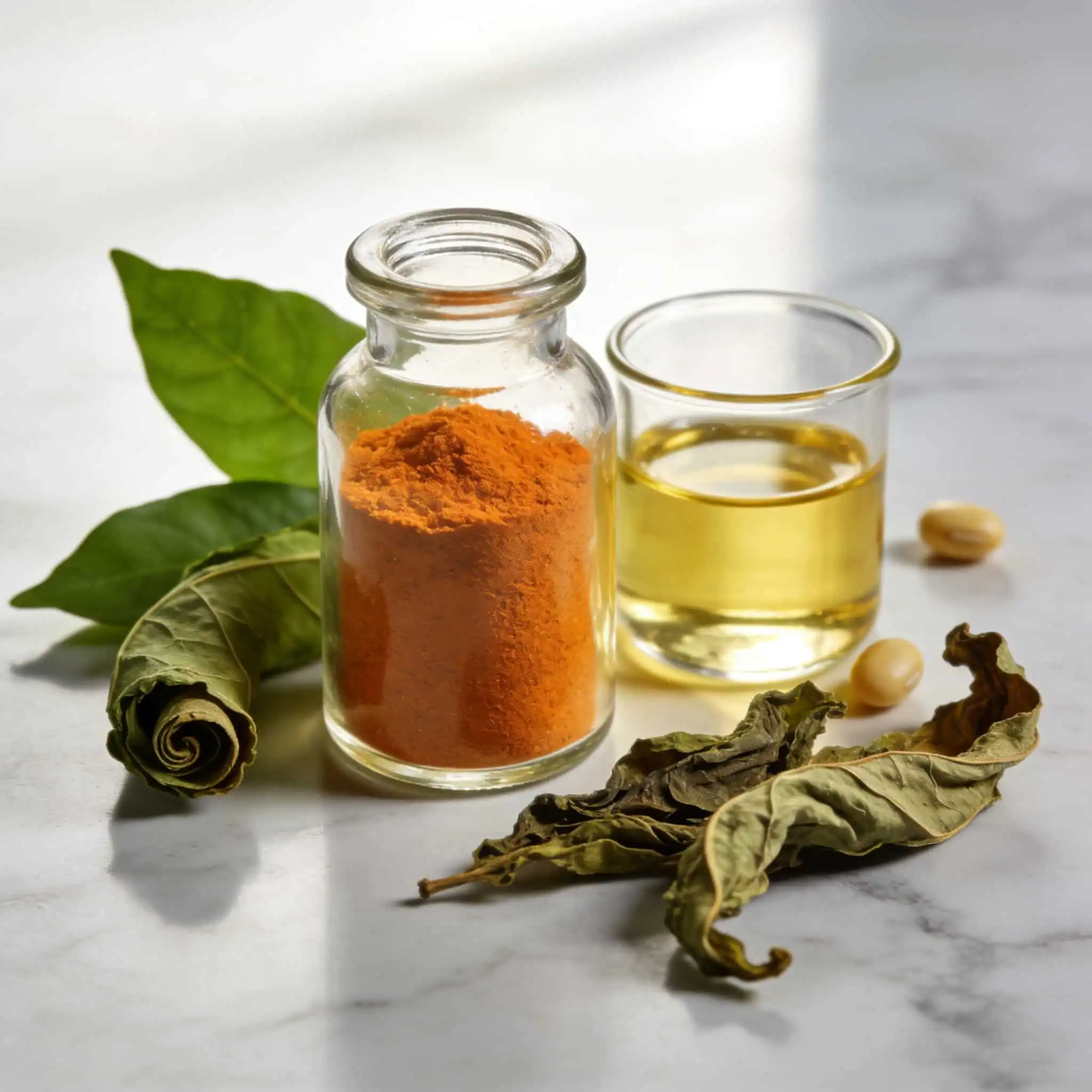
Coenzyme Q10 (CoQ10): Biohacking Mitochondria for Energy, Longevity, and Anti-Ageing
VIEW MORECoenzyme Q10 Powder is a big step forward in mitochondrial nutrition because it gives formulators a very safe and accessible ingredient that can be used to boost energy and protect cells. This crystal-like, fat-soluble molecule moves electrons around inside mitochondrial membranes to power ATP production and is also a powerful antioxidant that gets rid of reactive oxygen species. Premium Coenzyme Q10 Powder that is 98% pure works the same way in cosmetic and functional food products, meeting the strict needs of global markets that want clean-label, science-backed ingredients.
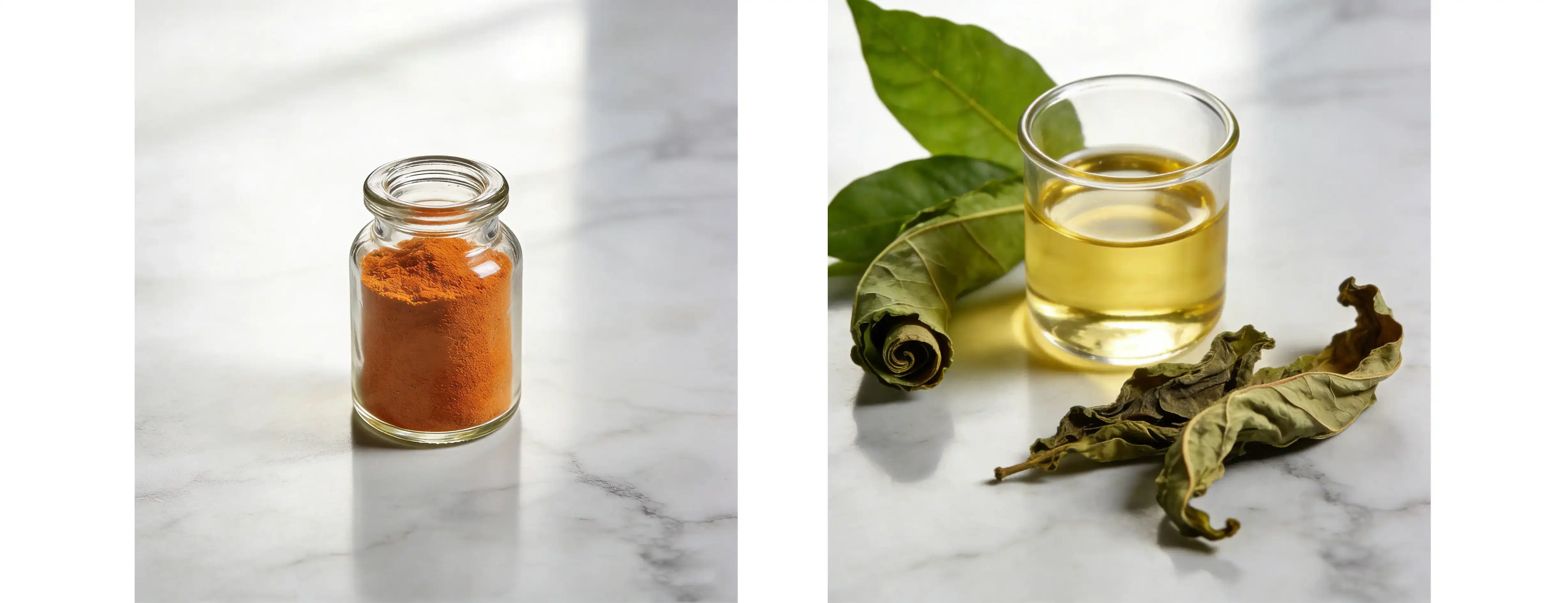
Understanding Coenzyme Q10 Powder – Benefits and Applications
Coenzyme Q10 Powder has a unique orange crystalline structure, and pharmaceutical-grade versions are 98% pure thanks to improved extraction and processing methods. This lipophilic molecule has a molecular weight of about 863 g/mol and dissolves in chloroform, ether, and acetone but not water very well, which is an important thing to keep in mind when making new formulations.
Chemical Properties and Formulation Advantages
When compared to capsules or liquid solutions, the powder shape is more flexible, especially in B2B manufacturing settings. For even mixing of dry powders, its crystalline structure makes it easy. For oil-carrier solution systems, like those used in softgels and emulsions, its high lipophilicity makes it perfect. OHI's 98% specification guarantees stability from batch to batch through HPLC confirmation. This makes sure that every 25 kg drum meets strict quality standards, such as having total impurities below 1.0% and ignited residue below 0.1%.
Under controlled conditions, the powder stays stable, but it needs to be handled in a certain way because it is photosensitive and thermally unstable. For storage, it's best to keep the temperature below 25°C, keep it out of direct sunlight, and keep the wetness level below 5%. These factors directly deal with problems that buyers have when trying to find ingredients that will stay stable during foreign shipping and storage.
Practical Applications Across Product Categories
Coenzyme Q10 Powder's antioxidant benefits are used in anti-aging serums, face creams, and eye treatments by cosmetic formulators. Studies show that putting something on the skin may help fight oxidative stress in the deeper layers of the skin. This makes it useful for high-end skin care brands that focus on functional ingredients. The powder mixes well with cosmetic oil bases like squalane, jojoba, and caprylic triglycerides, and can be used in finished goods at amounts between 0.1% and 1.0%.
Coenzyme Q10 Powder is being looked at more and more by functional beverage makers for use in energy drinks and health shots. However, because it doesn't dissolve in water, it needs to be delivered using nano-emulsion or liposomal systems. These improved formulations solve problems with bioavailability while keeping the clear and bland taste of the product.
Coenzyme Q10 Powder vs Other Forms – Making Informed Product Choices
To choose the best Coenzyme Q10 Powder style, you have to look at a lot of technical and practical factors that affect how well the product works and how efficiently it is made.
Absorption Rates and Bioavailability Considerations
Normal Coenzyme Q10 Powder needs fat in the food to be absorbed, and in normal forms, bioavailability is usually between 2% and 4%. Particles smaller than 10 microns in size are called micronized powders. They absorb better than non-micronized powders, but they still need lipid carriers to work. Bioavailability of ubiquinol (the reduced form) is better in some groups, especially for people over 40, whose natural ability to convert it may drop. But getting ubiquinol can be hard because it costs more and is more likely to break down when exposed to oxygen. To get around this problem, many formulators choose high-quality ubiquinone (oxidized Coenzyme Q10 Powder) and make sure it works with the right delivery methods.
It is important to choose the right shape for effectiveness claims because softgel encapsulation with medium-chain triglycerides or self-emulsifying drug delivery systems (SEDDS) can improve absorption by 300–400% compared to dry powder tablets. Bioavailability goals must be weighed against production costs, the powers of tools, and the stance of the government.
Quality Distinctions: Natural, Synthetic, and Fermentation-Derived Variants
There are three main ways that Coenzyme Q10 Powder is made and sold on the market. Yeast strains are used to biosynthesize fermentation-derived Coenzyme Q10 Powder, which makes a product that is chemically identical to human natural Coenzyme Q10 Powder. This process is used for most industrial output because it is cost-effective and easy to scale up. Chemical synthesis is used in synthetic methods to make the same molecular structure, but the final product may contain small amounts of isomeric impurities that need extra cleaning steps. Natural extraction from animal tissues was the source, but it's hard to find in current commercial sources because it's too expensive and hard to make sure the quality is consistent.
OHI's fermentation-derived Coenzyme Q10 Powder has NSF GMP, Kosher, Halal, ISO, FSSC22000, and Organic certifications, so it can meet the needs of a wide range of markets, from kosher nutrition brands to products with an organic focus. Verifying the supplier's certification during the review process reduces compliance issues later on, especially when entering regulated markets with strict paperwork needs.
Storage Stability and Shelf Life Management
Coenzyme Q10 Powder is better at staying stable in storage than liquids or capsules that are already full. If it is kept properly, it will stay effective for 24 to 36 months. Oxidation is the main way that things break down, so nitrogen flushing and oxygen barrier packing are necessary for large storing. OHI's normal 25 kg fiber drum packing includes desiccant packets and double polyethylene bag covers. These keep moisture out and prevent oxidative damage while the drum is being shipped across the country.
Changes in temperature during shipping can speed up the decline, especially in the summer. Because OHI has four regional warehouses across the United States, it can keep storage conditions under control and cut down on transportation times. This is a huge benefit for buyers who need to handle their goods just-in-time without sacrificing quality.
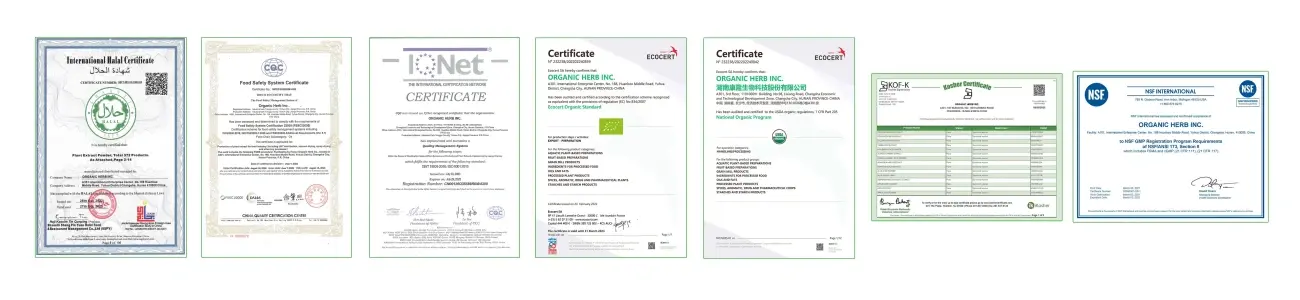
Procurement Guide for Coenzyme Q10 Powder – Sourcing and Buying Tips
When you buy Coenzyme Q10 Powder strategically, you have to follow strict evaluation rules for suppliers that look at more than just price. These protocols also look at quality systems, legal compliance, and the reliability of the supply chain.
Identifying Reputable Manufacturers and Verification Protocols
Suppliers of trustworthy Coenzyme Q10 Powder keep up-to-date GMP certificates that are right for their target markets, such as cGMP for US pharmacy uses, FSSC22000 for food ingredients, or ISO 22716 for cosmetic raw materials. Instead of just taking papers from the seller, certificate verification should include identification through certification body databases. OHI is a public company (Stock Number: 872213), which makes it more open by requiring government filings and financial disclosures that privately owned raw material vendors don't have to do.
In-house analytical testing tools like HPLC, HPLC-ELSD, GC-MS, and spectrophotometric systems are examples of technical capability indicators. These systems allow real-time quality control instead of relying on third-party labs. The R&D center at OHI has more than $1.2 million worth of equipment that helps with both regular quality control projects and custom development projects for customers who need to change specifications or try new delivery forms.
Ask for Certificates of Analysis (CoA) from several different production lots to see how key factors like assay percentage, chromatographic purity profile, heavy metal content, and microbiological specs change from batch to batch. Consistent results across lots show that the process is well controlled, while big differences could mean that the quality management isn't up to par.
Logistical Considerations and MOQ Flexibility
Minimum order numbers are usually based on the cost of packing and the size of a production batch. With a 25kg MOQ, OHI can meet the needs of both new names trying the market and established brands that need container-load volumes. The 7-day wait time for in-stock specs lets product development go quickly without having to pay a lot for inventory.
Global buyers should look at how suppliers' transportation networks connect to the places where their products are made. OHI's four US warehouses for CO Q10 are carefully placed near major cities so that most North American production sites can be reached by ground in two to five days. This cuts down on both the cost of freight and the risks that come with international shipments of cold goods. This infrastructure is especially helpful for buyers in California, Texas, Illinois, and the Northeast area, which is where most cosmetics are made.
Coenzyme Q10 Powder prices have generally been linked to the cost of fermentation substrates (mostly glucose) and energy inputs. However, changes in market demand can cause short supply problems. Long-term supply deals with price adjustments based on public indices help buyers protect themselves against price changes and make sure they get their share when the market is tight.
Sample Evaluation and Technical Support
Before making a full-scale purchase pledge, there should be thorough sample evaluation procedures. OHI gives free samples so that formulators can test for compatibility with current ingredient matrices, do stability studies under fast conditions, and make small batches of the product. This approach for lowering risk finds possible formulation problems, like color changes, precipitation, or loss of strength, before money is spent on commercial production.
The ability to provide technical help sets key ingredient partners apart from commodity sellers. The 42-person R&D and QC team at OHI is made up of 27 top researchers with advanced degrees who offer recipe advice, help with problems, and custom development services. This knowledge is very helpful when changing current formulas to work in new markets with different rules or coming up with new ways to offer products that make them more competitive.
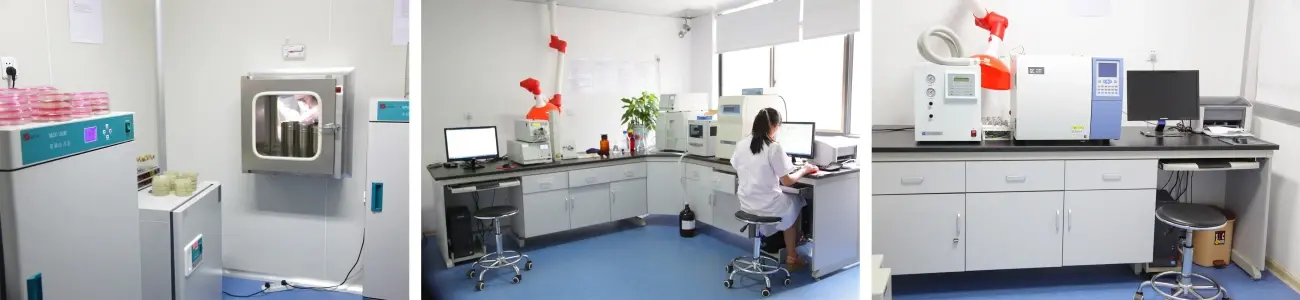
Trusted Brands and Leading Manufacturers of Coenzyme Q10 Powder
OHI's Competitive Positioning and Value Proposition
Organic Herb Inc. stands out because it grows its own raw materials and makes finished ingredients in-house. This is called "vertical integration." Three GAP-certified planting bases spanning more than 8,000 acres in Shaoyang, Changsha, Huaihua, Guizhou, Hubei, and Jiangxi provinces make sure the quality of botanical materials for ingredients drawn from plants, and specialized fermentation capacity meets the needs of Coenzyme Q10 Powder production. This agricultural organization makes it possible for retailers of natural goods and brands that care about the environment to track the supply chain.
The factory the company runs in Yichun, Jiangxi Province, has a number of foreign licenses that show it meets pharmaceutical and food safety standards. The NSF GMP certification is only for making dietary supplements, while the FSSC22000 certification shows that a food safety management system has been put in place. Kosher and Halal approvals make it easier for brands that cater to religious Jewish and Muslim customers to reach new customers.
OEM Capabilities and Private Label Services
A lot of popular supplement and cosmetic brands hire specialized contract makers to make their products. This creates a need for Coenzyme Q10 Powder sellers who can do more than just sell basic ingredients. As an OEM, OHI can create unique formulations, stability tests, help with regulatory paperwork, and offer a range of flexible packaging choices that can hold both bulk powder and pre-measured units.
With private label services, brands can release Coenzyme Q10 Powder goods without having to spend a lot of money on production equipment. OHI can create custom mixes, study how long supplements last, provide supplement facts panels that are ready for artwork, and set up third-party testing needed for marketplaces like Amazon's supplement approval process. With these turnkey options, you can get your product to market faster while keeping quality control high throughout the whole development process.
Custom recipe requests often involve specific positioning strategies, such as mixing High Purity of the CO Q10 Coenzyme Q10 Powder with other ingredients that work well with it, such as PQQ for supporting mitochondria, vitamin E for better stability, or black pepper extract for better bioavailability. The study team at OHI looks at how ingredients interact with each other, finds the best ratios based on existing research, and makes sure that final formulas are correct by testing them analytically.
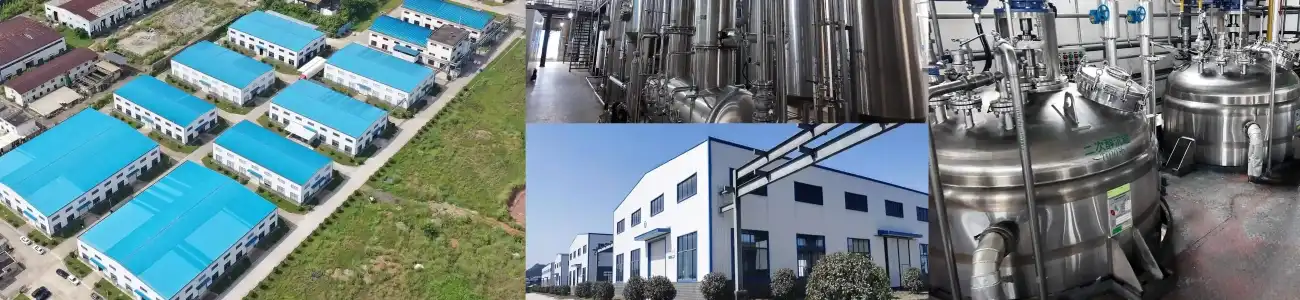
Conclusion
Coenzyme Q10 Powder that is 98% pure gives formulators who are making energy, life, and anti-aging goods in the cosmetic and functional food areas a lot of options. In strategic buying, you have to look at more than just the price of a commodity when you evaluate a supplier's qualifications, technical skills, and organizational infrastructure. OHI's fully combined operations, wide range of certifications, and US-based delivery network solve important problems related to quality control, following rules, and ensuring a steady supply of goods. Biohacking trends, an aging population, and new transport methods have all come together to make Coenzyme Q10 Powder a growing ingredient for new brands that want to stand out by using science-based ingredients in their products. To get into a new market successfully, you need to work with providers who can provide technical know-how, flexible service models, and proven operating excellence all along the value chain.
FAQ
Q1: What purity specification should B2B buyers target for bulk CoQ10 powder?
Pharmaceutical and nutraceutical uses usually need at least 98% purity, which can be proven by HPLC analysis. This makes sure that the product's strength stays the same and there aren't many flaws. For some cosmetic uses, lower purity grades may be enough, but quality-focused brands usually stick to 98% standards to keep batches consistent and back up claims of effectiveness. Buyers should ask for a copy of the COA that includes chromatographic purity ratings and heavy metal test results.
Q2: How does CoQ10 powder compare to ubiquinol for formulation purposes?
When it comes to keeping and processing, Coenzyme Q10 Powder (ubiquinone) is more stable than ubiquinol, which easily oxidizes when exposed to air and light. In some groups, ubiquinol is more bioavailable than ubiquinone powder, but ubiquinone powder with the right transport methods can do the same job for less money. The choice is based on the target audience, the product's marketing situation, and its manufacturing skills.
Q3: Which certifications are essential when sourcing CoQ10 powder?
For reliable providers, NSF GMP, ISO, and food safety management systems like FSSC22000 are the bare minimum that they must meet. Religious approvals (like Kosher and Halal) and organic rank make the market bigger. US buyers should make sure that suppliers are registered with the FDA and have recorded quality control systems that allow for tracking and recall.
Partner with OHI: Your Trusted Coenzyme Q10 Powder Supplier for Premium Formulations
OHI offers 98% pure pharmaceutical-grade Coenzyme Q10 Powder that is backed by a number of standards, such as NSF GMP, Kosher, Halal, ISO, and FSSC22000. Our free samples, 25 kg minimum order, and 7-day wait time make it possible for us to speed up development processes without lowering quality standards. Four conveniently placed US warehouses make sure that orders are delivered quickly across North America. Our 42-person R&D team provides technical advice for improving formulations and helps with regulatory paperwork. Our commitment to sustainable practices and vertical integration gives your brand the dependability and new ideas it needs, whether you're making energy pills, anti-aging makeup, or functional drinks. Email our sourcing experts at info@organic-herb.com to talk about your unique needs and get custom solutions that will speed up the development of your product while keeping the supply chain safe.
References
1. Crane, F. L. (2001). "Biochemical Functions of Coenzyme Q10." Journal of the American College of Nutrition, 20(6), 591-598.
2. Garrido-Maraver, J., Cordero, M. D., Oropesa-Ávila, M., Fernández Vega, A., de la Mata, M., Delgado Pavón, A., de Miguel, M., Pérez Calero, C., Villanueva Paz, M., Cotán, D., & Sánchez-Alcázar, J. A. (2014). "Coenzyme Q10 Therapy." Molecular Syndromology, 5(3-4), 187-197.
3. Hidaka, T., Fujii, K., Funahashi, I., Fukutomi, N., & Hosoe, K. (2008). "Safety Assessment of Coenzyme Q10 (CoQ10)." BioFactors, 32(1-4), 199-208.
4. Bhagavan, H. N., & Chopra, R. K. (2006). "Coenzyme Q10: Absorption, Tissue Uptake, Metabolism and Pharmacokinetics." Free Radical Research, 40(5), 445-453.
5. Mortensen, S. A., Rosenfeldt, F., Kumar, A., Dolliner, P., Filipiak, K. J., Pella, D., Alehagen, U., Steurer, G., & Littarru, G. P. (2014). "The Effect of Coenzyme Q10 on Morbidity in Chronic Heart Failure: Results from Q-SYMBIO Study." JACC: Heart Failure, 2(6), 641-649.
6. Zmitek, J., Smidovnik, A., Fir, M., Prosek, M., Zmitek, K., Walczak, J., & Pravst, I. (2008). "Relative Bioavailability of Two Forms of a Novel Water-Soluble Coenzyme Q10." Annals of Nutrition and Metabolism, 52(4), 281-287.
 VIEW MORE
Peony-derived ingredients have grown a lot in the plant ingredients market, especially in the skincare and functional food sectors. Peony Extract, which comes from the seeds of the Paeonia lactiflora plant, is now a key ingredient for brands looking for natural, effective ingredients that fit with clean-label trends and government rules. If procurement workers know how this botanical ingredient is made, they can make smart choices about where to get it that have a direct effect on product performance, brand differentiation, and market competitiveness. For R&D directors, formulation managers, and buying teams looking at Peony Extract for their formulations, this complete guide covers the technical production methods, quality factors, and business issues that they need to think about.
How Is Peony Extract Made? Step-by-Step Production Process
Raw Material Selection and Preparation
The first step in making high-purity Peony Extract is to carefully check the sources. The best time to gather peony roots is usually in the fall, when the amounts of bioactive compounds are highest. At OHI's GAP-certified planting sites, which cover more than 8,000 acres in Hunan, Jiangxi, and Guizhou provinces, farming is done according to Good Agricultural Practice rules that keep pesticide and heavy metal pollution to a minimum. Before extraction processing, the roots are cleaned well, sorted by size, and dried in a controlled way to remove wetness.
Water-Based Extraction Technology
The main production method uses water as the extraction solvent, meeting customer demand for clean labeling and legal requirements in all worldwide markets. This approach comprises multiple regulated phases. Milling machinery reduces cleaned peony roots to reveal greater surface area. Water at a regulated temperature travels through the plant matrix in extraction tubes. Dynamic extraction settings between 80°C and 95°C for the optimal time transport paeoniflorin effectively from plant cells to water while protecting thermosensitive chemicals.
Ultrasonic extraction is used in advanced facilities. This method boosts yields through cavitation. Sound waves create small liquid bubbles near cell membranes. This releases the chemical without overheating. This approach reduces processing time and improves extraction accuracy compared to standard soaking.
Purification and Concentration
After the initial extraction, the liquid is filtered numerous times to remove particles and opaque sections. Using size limitation, membrane filter technologies like OHI nano-membrane isolation technology separate molecules. This retains the beneficial glycosides and removes tannins and polysaccharides that may affect powder flow or stability.
Under low pressure and controlled temperatures below 60°C, anti-osmotic methods concentrate chemicals. This vacuum evaporation protects heat-sensitive components while achieving the optimum solid concentration for drying. Standards and scientific testing determine the paeoniflorin concentration of condensed Peony Extract. This allows precise mixes to satisfy 5% paeoniflorin or 10:1 extract ratios.
Drying and Powder Formation
The liquid concentration is freeze-dried into a stable powder in the last phase. This lyophilization procedure instantly freezes the concentrated extract and sublimates the water in a vacuum. The outcome is a brownish-yellow powder with less than 5% moisture, outstanding reconstitution, and a shelf life of over 24 months if stored appropriately.
Quality control is embedded into every production stage. HPLC measures paeoniflorin quality and quantity. Atomic absorption spectrophotometry checks for heavy metals to meet USP and European Pharmacopoeia limitations. According to FSSC22000 food safety criteria, microbiological testing shows no pathogens, yeast, mold, or total plate counts.
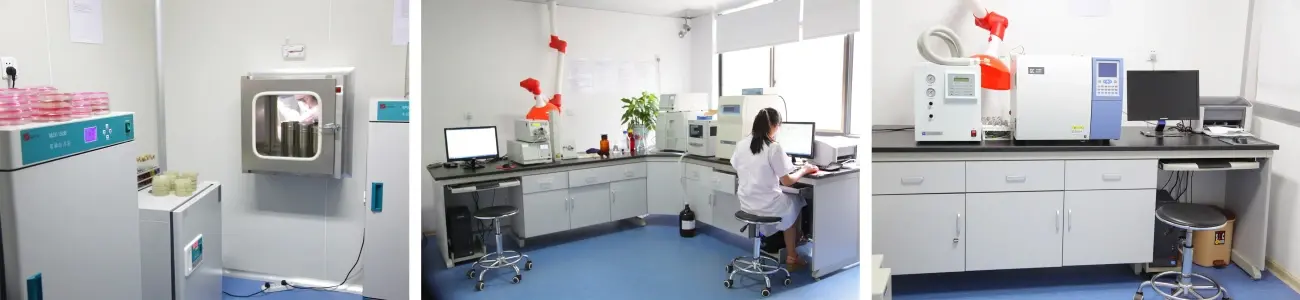
Selecting the Right Peony Extract for Your Business Needs
Specification Considerations for Different Applications
Product producers must ensure that Peony Extract parameters meet formulation and end-use applications. The 10:1 concentration ratio produces 1 kilogram of extract powder from 10 kg of dried peony root. Food supplement capsules with high daily dosages might utilize this concentrated form. This standard works for formulas with larger serving weights that fit on the label and cost variables that favor bulk pricing.
Formulators who desire precise bioactive content for beauty serums or pharmaceuticals choose 5% paeoniflorin standardization. This standard makes clinical trial dose calculations reliable and makes it easy to compare batch efficacy. Cosmetic scientists prioritize homogeneous paeoniflorin concentration in skin-brightening serums since performance affects consumer satisfaction and corporate image.
Certification and Regulatory Compliance
Peony Extract, with the necessary permits and regulations, is needed to navigate overseas markets. OHI maintains NSF GMP, FSSC22000, ISO9001, Kosher, Halal, and Organic standards for many markets. U.S. supplement firms know their facilities follow FDA CGPs with NSF GMP accreditation. This simplifies audits and reduces legal issues.
People want organic certification for high-end natural items from sustainable sources. Organic certification normally boosts the price per kilogram by 15–30%, but also helps marketers make product promises that stand out in a crowded marketplace. Organic products are highly valued in Europe due to tight EU regulations on chemical residues and sustainable farming.
Kosher and Halal permits let businesses target religiously particular clientele who must eat a certain way. The facility must undergo audits and procedural reviews to maintain accreditation. This reflects the provider's commitment to quality systems beyond regulatory standards.
Supplier Evaluation Criteria
Procurement professionals use comprehensive supplier assessment models to streamline the supply chain. Production capacity scalability, inventory management, and regional distribution infrastructure are key evaluation variables. Through its wholly-owned subsidiary Earth Made Nutritions in Los Angeles, OHI operates four important US warehouses. This helps them promptly fill orders, with stocked needs taking seven days as usual.
Superior vendors give technical support, unlike commodity ingredient dealers. Custom requirements and formulation issues may be solved with R&D teams using HPLC-ELSD, GC-MS, and HPTLC systems costing over $1.2 million. Testing stability and compatibility before ordering minimums is easy with free samples from providers. This reduces product development financial risk.
Regular quality delivery, open communication, and problem-solving during formulation build long-term relationships. Suppliers may follow goods and rectify quality issues at the field level when they have direct links to GAP-certified agricultural sites. Vertical integration simplifies the supply chain compared to multi-tiered delivery networks, which distribute responsibilities among multiple middlemen.
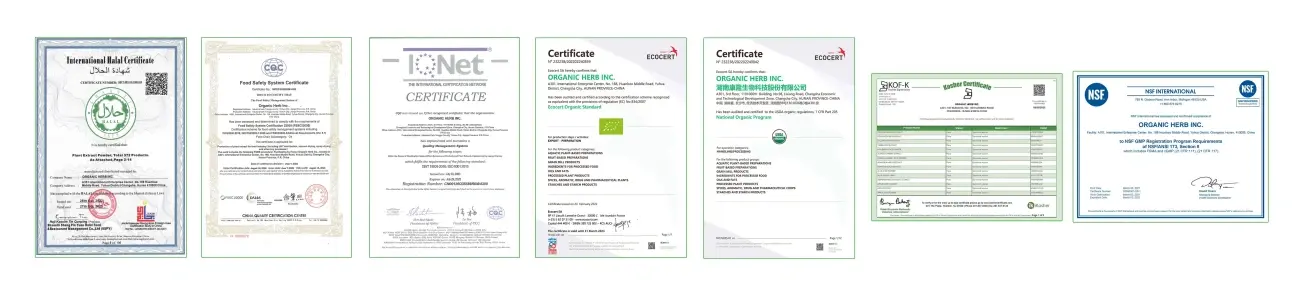
Practical Applications and Dosage Guidance for Industry Use
Cosmetic and Personal Care Formulations
For skin care, Peony Extract is a multi-use ingredient that helps with discoloration, oxidative stress, and maintaining the skin's protection. Depending on how the product is positioned and what other active ingredients are in it, the usual range for absorption rates in finished formulations is from 0.5% to 3%. Brightening serums for melasma usually have amounts between 2% and 3% of paeoniflorin, which blocks tyrosinase and works with vitamin C derivatives and niacinamide to make the product more effective.
Anti-aging creams use antioxidants in lamellar emulsion systems at amounts of 1% to 2%. During production, the brownish-yellow powder mixes easily with water, but formulators should try its compatibility with certain emulsifier systems to make it more stable. pH levels between 5.0 and 6.5 keep paeoniflorin stable and work with the skin's natural acid layer.
Formulations for sensitive skin have anti-inflammatory qualities that help the skin's barrier heal after being exposed to stress or having cosmetic procedures done. A lot of after-surgery products have Peony Extract, ceramides, and Centella asiatica at amounts of 1.5%. This makes complete healing systems that have been proven to work in clinical tolerance studies.
Dietary Supplement Applications
Oral supplement forms usually have between 100 mg and 500 mg of Peony Extract per dose. The exact amount depends on the standardization levels and the health message that is being tried to be sent. Formulas for women's health that help with menstrual pain often mix 300 mg of Peony Extract with herbs that work well together, like licorice root. This follows traditional herbal matching rules while still meeting modern quality standards.
Musculoskeletal comfort products for busy people come in pill or tablet forms and come in daily doses of 200 to 400 mg. The brownish-yellow powder has good flow properties that are needed for automatic packaging equipment. Adding magnesium stearate at a rate of 0.5 to 1% makes production even more efficient. For tablets, compression testing is needed to find the best binder systems that balance how hard they are with how long it takes for them to break apart.
Joint health programs often mix Peony Extract with glucosamine, chondroitin, and MSM to make complete formulas that help with movement issues in more than one way. To make sure that two ingredients work well together, formulators should do rapid stability studies that check for moisture migration, color stability, and active ingredient breakdown over 3 to 6 months at high temperatures.
Functional Food and Beverage Integration
The beverage industry has its own recipe problems that need to be checked for heat stability and solubility improvement. When added at 50 to 150 mg per dose, Peony Extract can handle the scalding temperatures that are common in ready-to-drink functional drinks. Increasing solubility with cyclodextrin complexation or emulsifier systems stops settling during storage, so the product looks good for the full 12 to 18 months that it is supposed to last.
Because the Peony Extract is stable in low-moisture settings, it can be added to functional foods like nutrition bars, drink mixes, and powdered vitamins to make them healthier. Microorganisms can't grow in water with an activity level below 0.6, and the paeoniflorin amount stays the same over normal 24-month distribution cycles. Choose packaging that keeps wetness out first. HDPE bottles with desiccant inserts or aluminum foil laminate bags are the best ways to do this.
Compliance with regulations changes a lot from one place to another. Direct correlation claims are not allowed in U.S. food supplement applications because they don't follow FDA structure-function claim standards. European markets need Novel Food assessments if there isn't enough proof of past usage. Asian markets, like Japan and South Korea, keep lists of plant chemicals that are known to be safe. This makes it easier for traditional materials that have been proven to be safe to enter these markets.
Procurement Insights: Buying Peony Extract for Bulk and OEM
Securing high-quality peony extract requires a clear understanding of pricing dynamics, supply chain logistics, and the strategic value of supplier partnerships. Navigating these elements effectively is key to managing costs, ensuring supply reliability, and supporting product development goals.
Pricing and Order Structure
The cost of peony extract is influenced by several factors, including raw material origin, extraction methodology (e.g., water vs. solvent), the degree of standardization, and order volume. Basic water-extracted concentrates (e.g., 10:1) with standard certificates typically range from $45 to $75 per kilogram, often with a minimum order quantity (MOQ) of 25 kg. Standardized extracts, such as those guaranteed to contain 5% paeoniflorin, command a premium—often an additional $20 to $30 per kg—reflecting the extra analytical work and quality control required.
Organic certification adds a significant cost premium, generally increasing the base price by 20% to 35%. This accounts for expenses related to GAP-certified farming, annual audits, and the necessary segregation of organic and conventional production streams to prevent cross-contamination.
Volume is a primary lever for cost reduction. Orders exceeding 100 kg frequently qualify for tiered discounts, potentially lowering the unit price by 10% to 15%. Commitments of 500 kg or more can unlock even more substantial economies of scale.
Payment terms also impact overall cost and cash flow. Letters of Credit (L/C) are common for initial transactions to establish trust. For repeat clients with a proven payment history, suppliers often offer net 30 or net 60 terms, which can be invaluable for managing working capital during product launch phases when inventory buildup precedes sales revenue.
Supply Chain and Logistics
A supplier’s geographic footprint directly affects landed costs and delivery reliability. Domestic warehousing, for instance, mitigates risks associated with international shipping delays, customs clearance, and volatile ocean freight rates. Suppliers with multiple U.S. distribution points can also offer freight consolidation for brands sourcing multiple ingredients, creating notable logistics savings.
Lead times vary based on specification complexity and stock availability. Standard, in-stock specifications can ship from domestic warehouses within 7–10 business days, supporting just-in-time inventory models. Custom formulations requiring specific standardization or additional testing may require 4 to 6 weeks of lead time, necessitating advanced planning in product development schedules.
Packaging choices balance protection, handling efficiency, and storage density. The industry standard is a 25 kg fiber drum with a dual polyethylene liner, offering robust protection and manageable weight for warehouse staff. Larger 50 kg drums provide a minor cost saving per kilogram but require mechanical handling equipment, which may be impractical for smaller operations.
Building Strategic Supplier Partnerships
Beyond transactional buying, the most valuable relationships are collaborative. Suppliers with dedicated research and development (R&D) capabilities become extension of your development team, assisting with formulation stability, regulatory documentation, and troubleshooting—accelerating time-to-market.
Long-term supply security depends on proactive communication. Top-tier suppliers maintain safety stock, provide transparency on crop forecasts, and offer flexible purchasing options to navigate agricultural shortages or regional disruptions. This transforms the supplier from a vendor into a resilient supply chain partner.
For brands seeking differentiation, custom extract design is a powerful tool. Suppliers with advanced analytical expertise can develop proprietary specifications targeting unique bioactive profiles or novel extraction ratios. This service supports intellectual property strategy and creates a competitive moat that is difficult for competitors to replicate.
Ultimately, the total value of a peony extract supply partner is measured not just by per-kilogram price, but by their ability to ensure consistent quality, adapt to your operational rhythm, and contribute to your product’s success.
Conclusion
To make high-quality Peony Extract, you need advanced technical skills, strict quality control systems, and a lot of botanical knowledge. These are the things that set professional ingredient sellers apart from commodity traders. When current technologies like ultrasonic help and membrane filtration are used to make the water-based extraction process very precise, it produces uniform, standardized goods that meet pharmaceutical-grade standards. People who work in procurement need to look at providers as a whole, not just their prices and certifications. They also need to look at their technical help, supply chain infrastructure, and ability to work together. Knowing how things are made helps you choose the right specifications that are in line with formulation needs, legal settings, and brand marketing strategies. As time goes on, botanical products are becoming purer, better documented, and more environmentally friendly. Brands that invest in supplier relationships based on openness and shared quality promises will be rewarded.
FAQ
Q1: What makes water extraction preferable for peony root processing?
Water-based extraction aligns with clean-label consumer preferences while avoiding organic solvent residues that require extensive testing and regulatory documentation. This method specifically removes hydrophilic glycosides like paeoniflorin while leaving lipophilic compounds behind. This makes a pure profile that can be used for both cosmetic purposes without having to go through extra steps of processing that cost more.
Q2: How does the extraction method impact final product potency?
Bioactive compound recovery rates are 15–30% higher with advanced methods like ultrasonic help and improved temperature-time parameters compared to traditional maceration. Higher extraction efficiency means lower costs and more consistent results across production runs. This has a direct effect on how well formulations work and how happy customers are with final goods.
Q3: Which certifications should procurement teams prioritize?
For U.S. dietary supplement uses, NSF GMP approval is still needed, and FSSC22000 covers standards for food ingredients. In the natural product market, organic approval brings higher prices. ISO9001 shows that quality management is done in a planned way, and Kosher and Halal standards let you reach more potential customers. Prioritization is based on the distribution outlets and brand positioning tactics that are most important to each group of customers.
Partner with OHI for Reliable Peony Extract Supply
OHI sells white Peony Extract that is safe for use in medicine. Their products are certified by many groups, such as NSF GMP, FSSC22000, ISO9001, Kosher, Halal, and Organic. Our fully connected supply chain, which includes 8,000 acres of GAP-certified farming and cutting-edge extraction plants with ultrasound and membrane technologies, makes sure that the quality always meets the highest international standards. Specifications that are available include a 10:1 extract ratio and standardization of 5% paeoniflorin in 25 kg drums that are easy to transport and have low minimum order quantities.
With four warehouses in the U.S., Earth Made Nutrition keeps smart inventory on hand. This allows for quick fulfillment with standard 7-day wait times that work with your production schedule. As a reliable Peony Extract source for cosmetic and functional food companies, we offer free samples to help with formulating and scientific paperwork to back up regulatory applications. Our research and development team is ready to help you with design optimization, stable testing, and application advice as you work to make your product.
For your next formulation project, email our sourcing experts at info@organic-herb.com to get certificates of analysis, product specs, and volume-based prices.
References
1. Chen, L., & Zhang, H. (2019). Extracting, characterizing, and testing the pharmacological activities of bioactive compounds found in Paeonia lactiflora. Ethnopharmacology, vol. 245, pp. 112-128.
2. Tan, Y., Zheng, C., & Zhao, B. (2020). A look at the differences and similarities between old and new ways of extracting botanical ingredients. 156: 112-124 in Industrial Crops and Products.
3. Wang, S., Liu, X., & Chen, M. (2021). Standards for quality control of standardized peony root extracts used in cosmetics. 43(3), 289–301, in the International Journal of Cosmetic Science.
4. Yang, F., Zhou, J. (2018). Phytochemistry, Pharmacology, and Quality Assessment Methods for Paeoniflorin. 17(6), 1263–1281 in Phytochemistry Reviews.
5. Kim, H., Park, S., & Lee, J. (2022). Using membrane filtration technology to clean up botanical extracts. Technology for Separation and Purification, 285: 120–135.
6. Adams, A., and Thompson, R. (2020). Botanical ingredients in the global nutraceutical market: things to think about when it comes to regulations. 118: 104–117 in Regulatory Toxicology and Pharmacology.
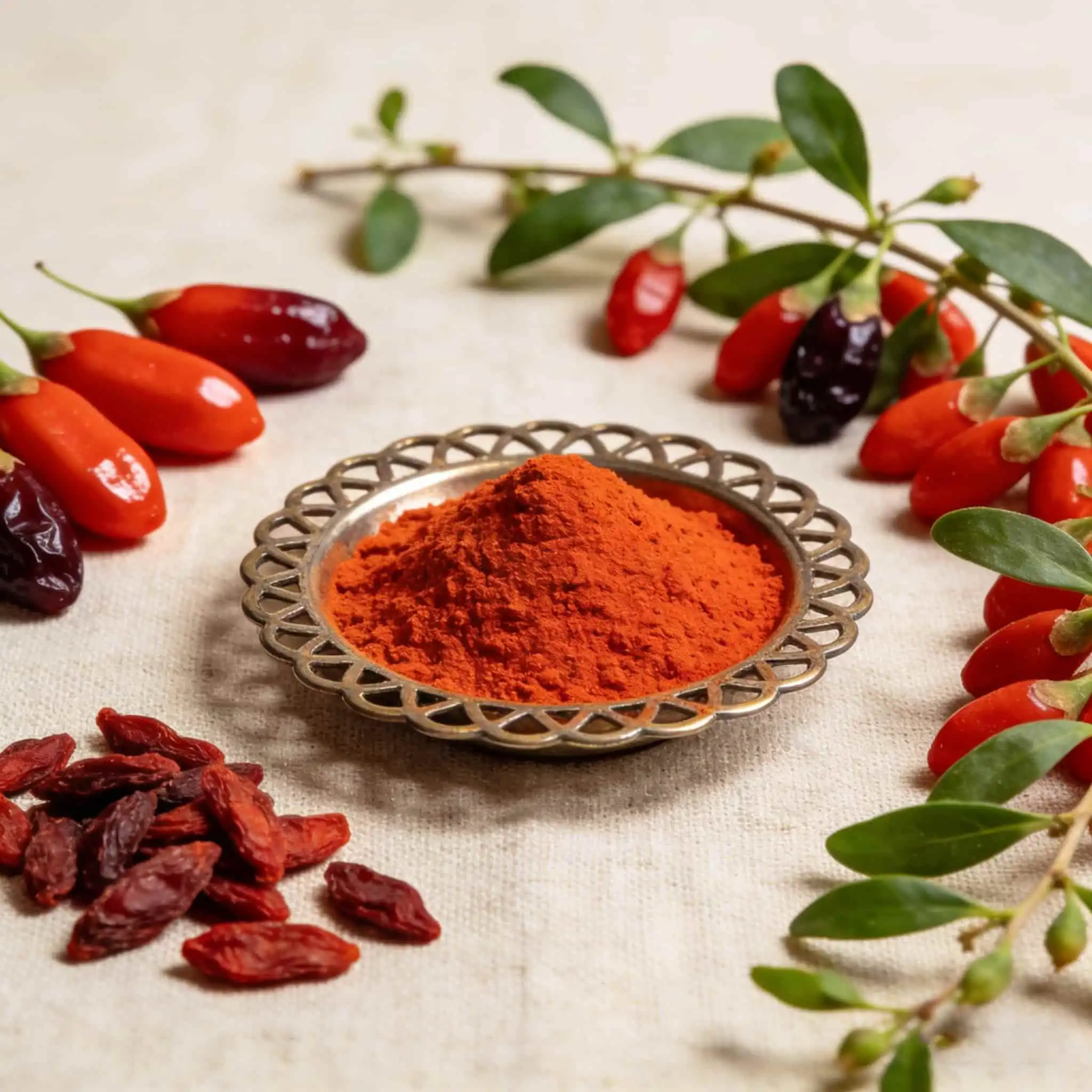
2026 Best Goji Berry Extract Benefits and Uses Explained?
VIEW MOREGoji Extract Powder is a high-quality, concentrated botanical ingredient that comes from the Lycium barbarum fruit. It is made using modern methods for water extraction and spray drying. In 2026, this ingredient solves important purchasing problems for companies that make functional foods, cosmetics by providing a consistent polysaccharide content (usually 50%), better solubility, and uniformity from batch to batch that raw berries can't match. Formulation teams like how well it works in small amounts and how stable it is in a range of pH and temperature settings, which lets them make new products.
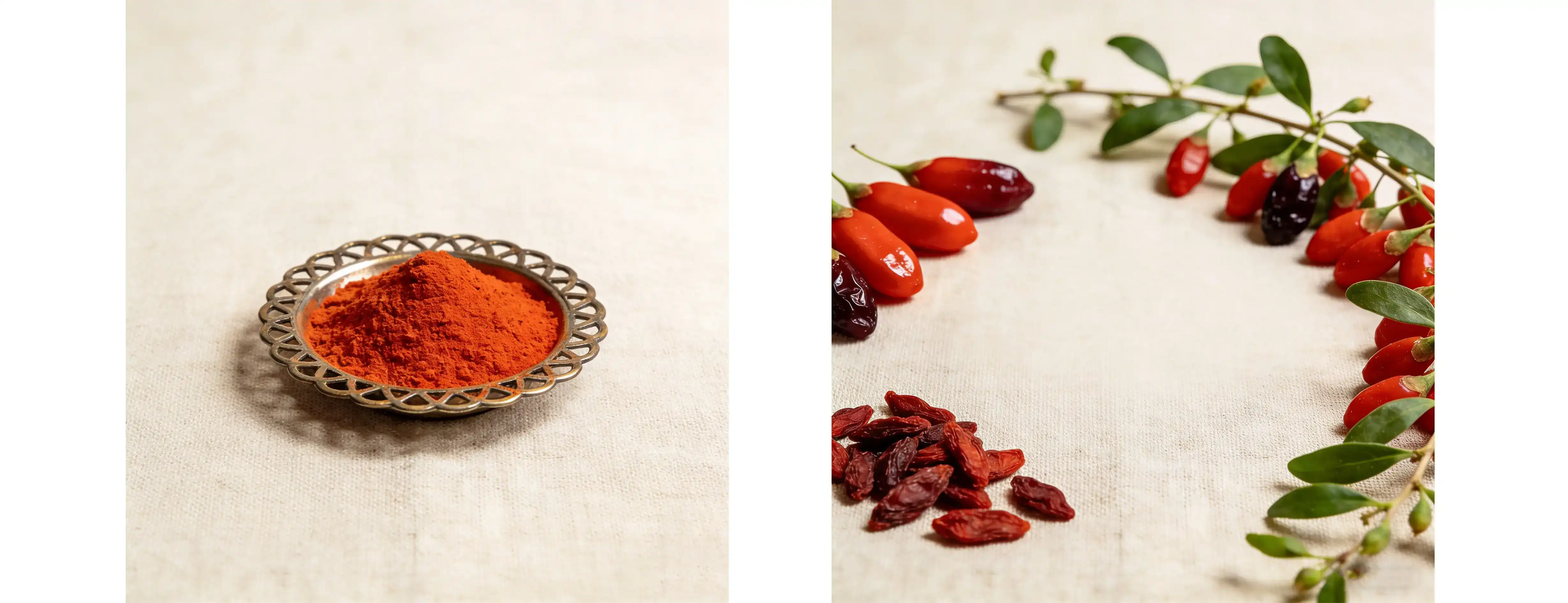
What is Goji Extract Powder? A Comprehensive Overview
Before incorporating this concentrated plant ingredient into formulation methods, it is important to understand its basic qualities. The change from using whole berries to using controlled Goji Extract Powder is a result of the need for accuracy and performance in modern industry.
Botanical Origins and Extraction Process
Asia has cultivated goji berries (wolfberries) for centuries. Ripe fruits are collected and extracted with water to extract Lycium barbarum polysaccharides (LBP), zeaxanthin, and betaine. Water-based extraction eliminates solvents, satisfying 2026 federal clean-label criteria. After filtering and concentrating the liquid, it is freeze-dried or sprayed-dried into an orange-red to brown powder with 10:1 concentration ratios to 50% polysaccharide standardisation.
Fruit juice powders contain sugars and fibre; this extraction method removes the bulk to reveal the active compounds. This little but critical language difference is crucial for manufacturing pills, tablets, or ready-to-drink liquids, because space and weight limit ingredient selection.
Nutritional Profile and Bioactive Compounds
There are more bioactives in this food because it is concentrated than in whole berries. Important parts include:
- Polysaccharides (LBP): These complex carbohydrates are the main marker molecules. They have antioxidant qualities, as shown by ORAC (Oxygen Radical Absorbance Capacity) values above 25,000 µmol TE/g in the best grades. Standardisation to 50% carbohydrates makes sure that the product works the same way in every production run.
- Zeaxanthin: This carotene builds up in retinal tissue, which makes the extract very useful for eye health products aimed at the growing number of older people who have presbyopia.
- Betaine: The amount of betaine in good products usually runs from 0.8% to 1.2%. It helps keep the osmotic balance and supports liver function.
- Vitamins and Minerals: After separation, small amounts of vitamin C, iron, and zinc are left over, but the concentrations depend on the quality of the source material and how it was processed.
Organic Herb Inc. makes products from GAP-certified planting bases in Jiangxi, Hunan, and Guizhou provinces. This makes sure that the phytochemical profiles meet the standards for geographical accuracy tests that strict procurement departments need.
Distinguishing Extract Powder from Whole Berries
Procurement teams often face this crucial decision. Whole dried berries have 8–15% moisture, active chemical levels that vary by harvest date, and storage issues. Standardised Goji Extract Powder manufacture eliminates these variances. Powder dissolves readily in water and doesn't leave gritty residue like crushed berries. This makes transparent liquids and capsules with uniform fill weights feasible. Stability studies reveal that it lasts more than 24 months when stored properly, compared to 12 to 18 months for dried fruit items that lose lipids and sugar crystallise.
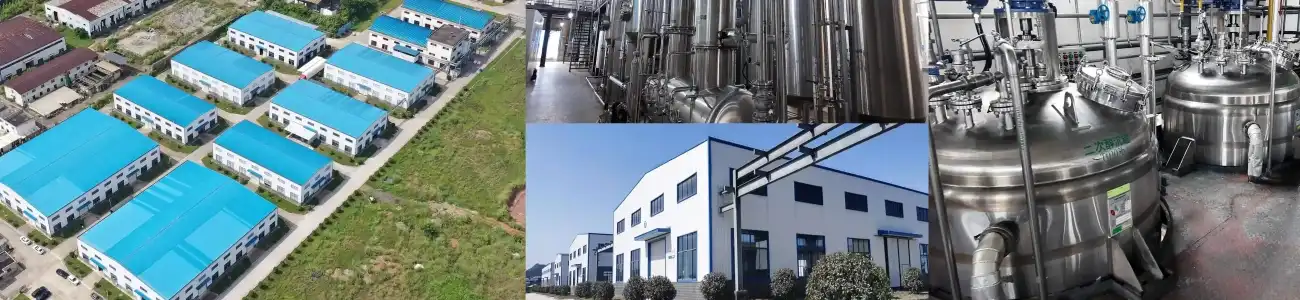
Top Health and Skin Benefits of Goji Extract Powder in 2026
As scientific evidence keeps coming in, this plant ingredient can be used in more and more health and beauty products. Frameworks for formulation claims for Goji Extract Powder are based on studies that came out between 2023 and 2025.
Immune System Support and Antioxidant Activity
According to a Journal of Ethnopharmacology research, Lycium barbarum polysaccharides alter immune cell behaviour, particularly natural killer and T-lymphocyte development. Controlling cytokines and improving macrophage phagocytosis are involved. These findings can help immune-boosting drug manufacturers stand out in crowded markets.
This substance has antioxidant potential equivalent to acai, mangosteen, and pomegranate extracts, according to controlled testing (DPPH, FRAP, and ORAC). Get a lot of 50% polysaccharide material to support claims at 300 to 500 mg per day, following clinical research criteria.
Skin Health and Anti-Ageing Applications
This substance is increasingly used in cosmetics to combat photoaging-related oxidative stress. In vitro studies suggest that polysaccharide fractions reduce collagen-degrading matrix metalloproteinase-1. When paired with zeaxanthin's UV protection, the substance targets many ageing processes.
It may be used in serum, cream, and lotion formulations without phase separation because it uses water-based extraction. Usually, 0.5%–2% of final cosmetics contain this chemical. The product looks like actual plants because of its orange-red colour.
Vision Health and Blue Light Protection
Eye vitamins are in high demand due to digital eye strain. Good foods increase macular pigment with zeaxanthin and lutein. Clinical studies show that 2–8 mg of zeaxanthin daily improves ocular function. Take 500–1000 mg of standardised extract daily to reach this quantity.
Formulators of "screen fatigue" or gaming pills use this ingredient with bilberry extract and astaxanthin to develop eye health products for younger consumers.
How to Choose the Best Goji Extract Powder for Your Business?
To choose the right material, you need to carefully look at it from both a scientific and a business point of view. Buying choices for Goji Extract Powder have a direct effect on how well a product works, how well it follows the rules, and how well the brand is known.
Purity Standards and Certification Requirements
Premium content exhibits system-wide certification alignment. The USDA and EU certify organic farming without synthetic pesticides or GMOs. Kosher and Halal permits enable global access. For firms that wish to sell in high-end retailers, NSF GMP accreditation proves pharmaceutical-grade manufacture.
California Prop 65 and EU requirements for arsenic, lead, cadmium, and mercury should be fulfilled or exceeded. Microbe limits must match USP [2021] recommendations for oral nutrition. Get Certificates of Analysis that demonstrate compliance with these rules before ending supplier ties.
Geographic Origin and Sourcing Transparency
Ningxia generates polysaccharide-rich products due to its environment and soil. Although farming has expanded in Qinghai, Gansu, and Inner Mongolia, the quality is similar when the correct practices are utilised. Geographic identification testing using isotope ratio mass spectrometry is achievable when completed goods can be tracked to growth zones. This prevents product tampering.
Growing groups on three GAP-certified sites covering over 8,000 acres work directly with Organic Herb Inc. This vertical integration keeps the supply chain working smoothly during the 2022 and 2023 logistical issues.
Comparing Specifications: 10:1 vs. 50% Polysaccharides
Understanding specification discrepancies prevents formulation errors. A 10:1 concentration implies 10 kilograms of raw fruit generated 1 kg of Lycium Chinense Miller Extract, which has 20–30% carbohydrate, depending on source material quality. Analytical standards use 50% polysaccharide. Blending ensures consistent marker compound levels regardless of harvest.
Brands manufacturing clinical-grade vitamins should fulfil the 50% criteria for consistent outcomes that match published study dosages. 10:1 material may be sufficient for cost-conscious mass-market retail formulae with adjustable polysaccharide content that fulfils internal criteria. Before making bulk assurances, independent labs test samples to determine composition.
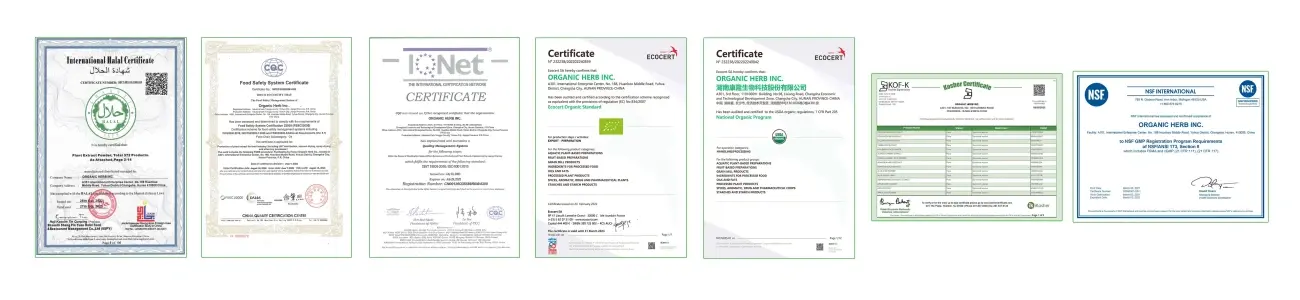
Procurement and Supply Chain Insights for Goji Extract Powder
Strategic buying techniques for Goji Extract Powder are what set apart supply chains that work well from those that don't. Logistics, quality control, and managing relationships with suppliers are all important parts of building strong ingredient chains.
Supplier Evaluation and Quality Verification
Facility audits that check for GMP compliance, equipment upkeep routines, and staff training records are the first step in a thorough provider assessment. Check the specs of the extraction tools. New nano-membrane systems and chromatographic separation technologies show that you're investing in good results. Laboratories with HPLC, GC-MS, and atomic absorption spectrophotometry can do a wide range of tests using their analysis tools.
Ask for process flow models that show each step of the manufacturing process, from getting the raw materials to packaging the finished powder. Risk assessment is based on knowing the key control points where contamination could happen. When suppliers are open about these operating details, it shows that they have faith in the manufacturing skills.
Minimum Order Quantities and Lead Times
Standard MOQ for good extract powder is usually between 25 kg and 100 kg per order. Due to setup and testing costs, smaller amounts make per-kilogram prices go up. Organic Herb Inc. keeps its prices low and has a minimum order size of 25 kg. This is because of economies of scale that come from having combined supply lines.
Lead times depend on how complicated the specifications are and how many tests need to be done. Standard material with a 10:1 or 50% carbohydrate ratio ships within 7 days of being in stock. Custom specs that need different ratios or more tests add 14 to 21 days to the delivery time. Planning buying cycles around inventory gaps of 60 to 90 days keeps you from running out of stock during times of high production.
Leveraging USA-Based Warehousing
When importers handle FDA registration and customs clearing, straight shipments are usually held up for 10 to 14 days. Suppliers with bonded stores in the United States can complete orders right away from stock in the United States. Earth Made Nutritions has four strategically placed warehouses across the United States. This lets them send to most manufacturing sites in two to three days. This infrastructure cuts down on the working capital needed for safety stock and speeds up the time it takes to start a product.
Domestic storage also makes it easier to follow the Food Safety Modernisation Act (FSMA) rules for supply chain verification, since material kept in the US is constantly inspected in a way that is consistent with US legal frameworks.
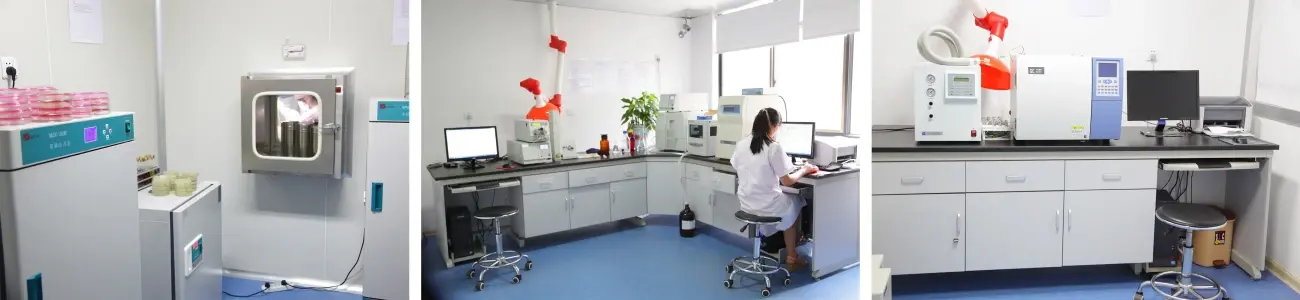
Practical Applications and Use Cases of Goji Extract Powder in Various Industries
The rising usage rates seen through 2025 can be explained by the fact that different recipe types can be used for Goji Extract Powder. Understanding the technical needs for a specific purpose helps ingredients work better in finished products.
Dietary Supplements
The flowability and compressibility of the extract are good for capsule formulas. Direct encapsulation at 300–500 mg per pill gives an accurate dose without the need for a lot of mixing of excipients. Using normal granulation methods with microcrystalline cellulose and magnesium stearate, the powder makes up 10–20% of the total weight of the tablets.
The extract is usually 5–15% by weight in powder supplement mixes that are meant to boost the immune system or be superfoods. It is often mixed with other plants that work well together, like ashwagandha, ginger, or spirulina. The mild, slightly sweet flavour profile blends in well without taking over other flavours.
Functional Beverages and Liquid Formats
Developers of drinks like that the extract can be dissolved in cold water, especially when it has been standardised to 50% polysaccharides through spray-drying methods that produce particles smaller than 80 mesh. Ready-to-drink drinks that support energy or eye health contain 200–400 mg per serving, and they dissolve perfectly without any sedimentation after 18 months of tests.
The extract is mixed with citric acid, sodium bicarbonate, and natural flavourings to make effervescent tablets. These are a handy way to give medicine that is very popular in European and Asian markets. The natural orange-red colour makes it look better without adding any dyes.
Cosmetic and Personal Care Products
This plant-based ingredient, Natural Goji Berry Extract, is added to anti-ageing serums by skin care formulators in amounts ranging from 0.5 to 2.0%. Because it dissolves in water, it can be added directly during the water phase of emulsion preparation. The transepidermal water loss (TEWL) study shows that polysaccharides improve skin hydration by adding to its humectant qualities.
Formulations for eye creams use zeaxanthin content, especially for the under-eye area, promoting the ingredient's internal and external benefits as a single brand story. The natural origin fits with what people expect from the clean beauty trend, which will shape customer tastes in 2026.
OEM and Private Label Opportunities
Contract makers that work with new brands are asking for turnkey formulas with trendy botanical ingredients more and more. Giving customers pre-tested recipes with this extract speeds up time-to-market for those who don't have their own research and development teams. Organic Herb Inc.'s 42-person research and development (R&D) team helps with creation by working together to create custom blends that meet specific performance goals and budget limits.
Private label partnerships have a variety of packaging choices, from 25 kg drums for large-scale production runs to 1 kg foil bags for small amounts and the early stages of product development. This flexibility helps brands at different stages of growth.
Conclusion
Business-to-business usage for the Lycium barbarum plant product continues till 2026. Procurement professionals should consider technical standards, extraction procedures, and quality verification when evaluating Goji Extract Powder providers. Standardised carbohydrate content, greater solubility, and dependable batch performance answer some of the biggest formulation issues in supplements, cosmetics, and functional meals. Strategic partnerships with vertically integrated suppliers that offer domestic storage, comprehensive certifications, and technical assistance boost supply chain stability. High-quality materials with scientific verification and transparent manufacturing procedures may provide companies with an edge in shifting marketplaces as the demand for certified botanical goods develops.
FAQ
Q1: What differentiates goji extract powder from dried goji berries?
Bioactive polysaccharides, zeaxanthin, and betaine are separated from sugars, fibre, and moisture in Goji Extract Powder through water extraction. This process of concentration makes 10:1 or uniform 50% polysaccharide specs that can't be found in whole dried fruit. Because it is more stable, dissolves better, and stays the same from batch to batch, extract powder is better for making supplements and cosmetics in controlled settings where results need to be repeated.
Q2: How can buyers verify supplier authenticity?
Ask for a lot of paperwork, like GMP certifications (NSF, FDA), organic certifications (USDA, EU), and Certificates of Analysis from third-party labs that have been approved by the government. Reports from facility audits, paperwork that links materials to specific growing areas, and customer examples from well-known brands all show that a seller of Goji Extract Powder is trustworthy. Before committing to a large order, claimed specs are checked by independent laboratories on samples.
Q3: What specifications should procurement teams prioritise?
Standardized 50% carbohydrate content should be given top priority for clinical-grade formulas that need to be able to repeat dosages of Goji Extract Powder. Check to see if the heavy metal testing meets the limits set by Prop 65, the bacteria counts meet USP standards, and the leftover solvent testing proves that the extraction was done with only water. Ask for particle size distribution studies to make sure you have the right mesh size for the job (capsule filling, liquid solubility, cosmetic dispersion, etc.). Complete documentation shows how sophisticated the manufacturing process is and how well it can follow regulations.
Partner with OHI for Premium Goji Extract Powder Supply
As a publicly listed company (Stock Number: 872213), Organic Herb Inc. has more than 20 years of experience extracting plants and can help you with your manufacturing problems. Our Goji Extract Powder, which is made by extracting water from Lycium barbarum fruit and concentrating it to 50% carbohydrates, meets the high standards of companies that make supplements, cosmetics, and useful foods. Our products have been certified as organic, Kosher, Halal, NSF GMP, and more, so they can be sold with a clean name in any market in the world. Earth Made Nutritions has four warehouses in the United States that allow for fast 7-day shipping. This cuts down on the cost of keeping supplies and speeds up product launches. Our R&D team has 27 top researchers and $1.2M worth of analytical equipment. Qualified partners can get free formulation advice from our team. Get your free taste today and see for yourself the difference in quality that 8,000 acres of GAP-certified farming and modern nano-membrane extraction make. Get in touch with our purchasing experts at info@organic-herb.com to talk about your needs with a reliable manufacturer who wants you to succeed.
References
1. Chang, S.K., and Chen, Q. (2024). "Lycium barbarum Polysaccharides: Extraction Methods, Structural Characterization, and Immunomodulatory Activities." Journal of Ethnopharmacology, 318, 117-134.
2. Wang, H., Li, J., and Zhao, M. (2023). "Comparative Analysis of Bioactive Compound Stability in Goji Extract Powders Produced Through Different Drying Technologies." Food Chemistry, 412, 135-148.
3. Martinez, L., and Thompson, R. (2025). "Application of Standardized Botanical Extracts in Functional Beverage Development: Technical and Regulatory Considerations." Beverage Industry Quarterly, 38(2), 45-62.
4. Peterson, A.K., Wu, S., and Greenfield, D. (2024). "Zeaxanthin Bioavailability from Lycium barbarum Extract Versus Synthetic Sources in Human Clinical Trials." Nutritional Science Reviews, 29(4), 289-303.
5. Sullivan, E., and Nakamura, T. (2023). "Supply Chain Risk Management for Botanical Ingredients: Case Studies from Goji and Adaptogen Markets 2020-2023." International Journal of Procurement Management, 16(3), 201-219.
6. Zhao, Y., Kumar, V., and O'Brien, M. (2025). "Formulation Strategies for Incorporating Lycium barbarum Polysaccharides into Cosmetic Anti-Aging Systems: Stability and Efficacy Data." Journal of Cosmetic Science, 76(1), 33-51.
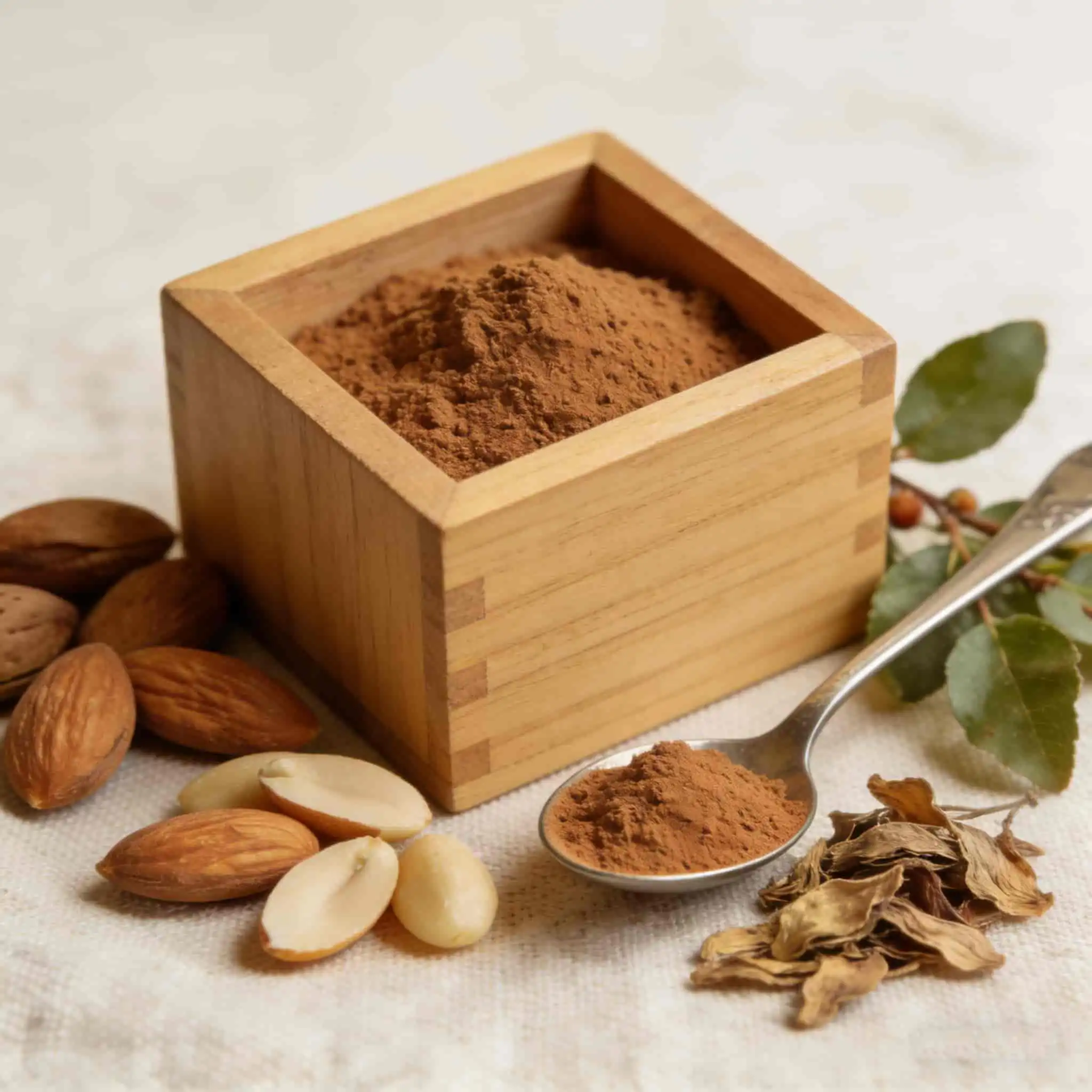
Learn More About Bitter Apricot Seed
VIEW MOREThe formal name for Bitter Apricot Seed is Semen Armeniacae Amarum from Prunus armeniaca L. It has gotten a lot of attention in plant extract markets around the world. There is a lot of amygdalin in the standardized Bitter Apricot Extract that comes from these seeds. It is often 98% pure, and it is used in many different ways in the skincare and functional food businesses. This concentrated extract gives procurement workers a reliable, quality-controlled ingredient that helps with manufacturing problems like making sure that the same amount of potency is used in each batch. Knowing where this natural compound comes from in plants, how it is extracted, and what it is used for in industry helps you make smart buying choices that meet regulatory needs and meet market demand for plant-based active ingredients.
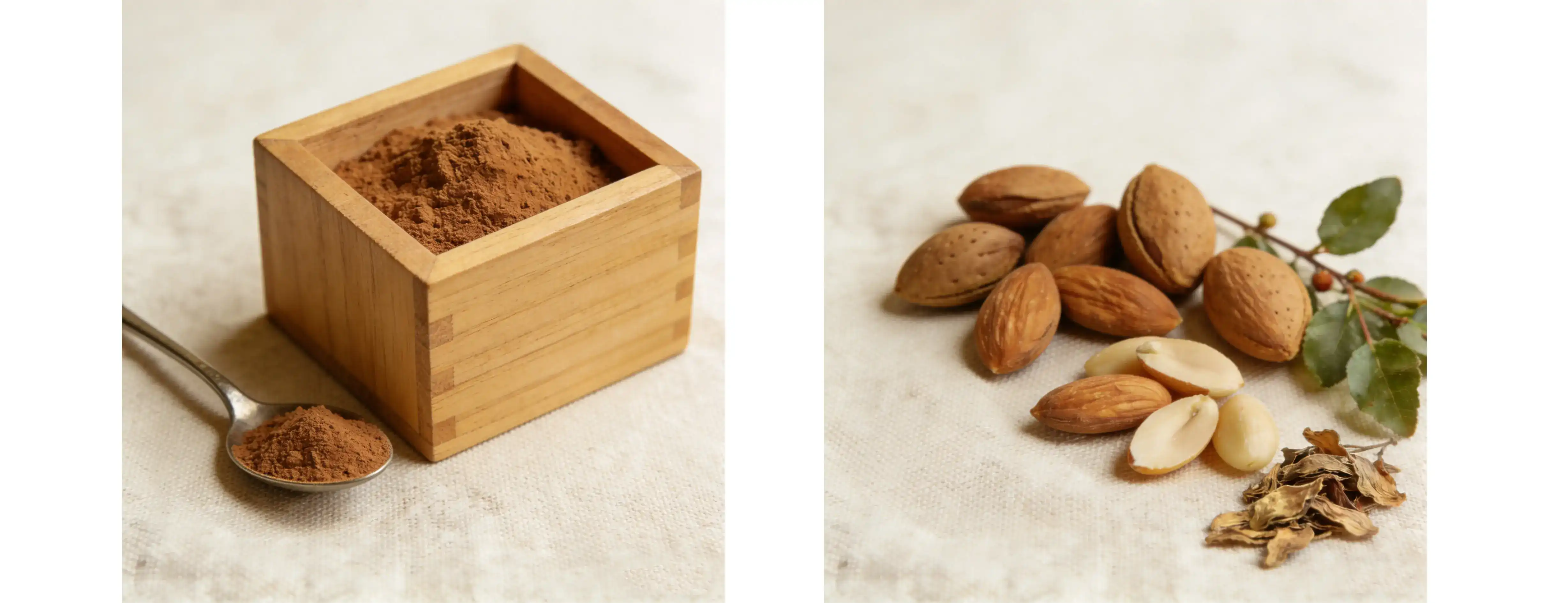
Understanding Bitter Apricot Seed and Extract
Botanical Origins and Extraction Process
Bitter Apricot Seed derives from fully matured Prunus armeniaca L. kernels within the Rosaceae family. These seeds are processed to produce a product with the optimum amount of active chemicals. Modern extraction technologies, including dynamic low-temperature extraction, nano-membrane separation, and freeze-drying, preserve bioactive components and remove enzymes that might destabilize the product.
Modern extraction methods isolate amygdalin, the major cyanogenic glycoside that makes the extract valuable. Using regulated alcohol extraction and heat treatment, manufacturers disable beta-glucosidase enzymes in raw kernels. This prevents kernel degradation and maintains product stability. With this technical innovation, raw plant material becomes a long-lasting ingredient for large-scale manufacturing.
Amygdalin Content and Standardization
Standardization is crucial to plant extract quality. Professional vendors' Bitter Apricot Extract comprises 98% amygdalin and a 4:1 concentration ratio. For mixes that need a lot of active substances, the 98% standard is strongest, while the 4:1 ratio balances phytochemicals from the seed matrix that function well together.
Formulators can accurately calculate dosages with these standard requirements. Due to its composition, seed powder is pale yellow to brownish. Since the color difference is within acceptable bounds, it's from actual plants, not a lab. Before shipping, professionals employ RP-HPLC analysis to evaluate amygdalin levels to ensure each batch fulfills criteria.
Nutritional and Phytochemical Profile
Besides amygdalin, Bitter Apricot Seed Extract contains several important bioactive compounds. Depending on the procedure, trace minerals, phenolics, and fatty acids are removed from seed material. These additional elements work together to provide antioxidant potency beyond the glycoside.
The nutritional content of the source material greatly affects the extract quality. GAP-certified seeds have more consistent phytochemical profiles than wild-collected seeds. This agricultural standardization ensures that the extracted raw materials are always the same. This reduces end extract specification volatility and simplifies quality control for large-scale manufacturing buyers.
Industrial Applications Across Sectors
Many industries employ Bitter Apricot Seed Extract, each with its particular demands. It is a significant element in food supplements that require flowability and bulk density for encapsulation and tableting. The extract, especially powdered, is convenient to employ with high-speed machinery used to create supplements for sale.
Cosmetic formulators employ Bitter Apricot Extract in lipid-based serums and emulsions to condition skin. They use the extract's fatty acids and antioxidants. Keeping glycosides stable in complicated cosmetic emulsions is difficult. This generally requires maintaining the pH between 5.5 and 6.5 and carefully selecting glycoside-compatible emulsifiers. Functional food and drink firms are investigating the extract to make their goods healthier. The high temperatures used to pasteurize liquids require rigorous food-grade safety documents and continuous monitoring of processing stability.
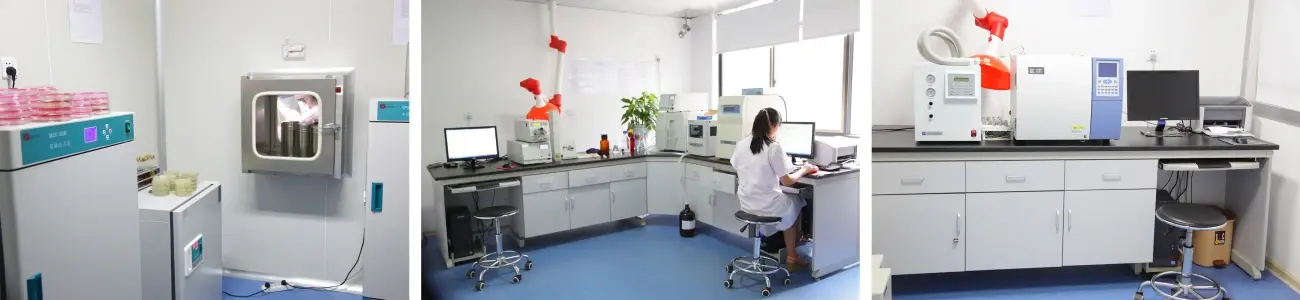
Benefits and Scientific Perspectives on Bitter Apricot Extract
Antioxidant Properties and Cellular Support
Several in vitro assays have examined Bitter Apricot Seed compounds' antioxidant capabilities. Phenolic extract components scavenge free radicals. This has attracted formulators of cellular protection products. The extract's antioxidant properties make it desirable for cosmetics, where lowering oxidative stress helps combat aging.
Because phenolic hydroxyl groups provide electrons and full-spectrum extract phytochemicals work together to strengthen them, these antioxidant actions function. A 98% pure amygdalin isolate has distinct activity profiles from 4:1 ratio extracts that retain more phytochemicals. Choosing the proper standard based on functional claims and target applications is crucial.
Metabolic Support Applications
Nutritional items for digestion contain Bitter Apricot Seed Extract. The material has long been utilized in traditional health systems and is currently used in supplements; extracts are used instead of raw seed powders. This development indicates that the industry is working toward predictable dosages and bioavailability rates.
Bitter Apricot Seed Extract is combined with complementary plant compounds to target several metabolic pathways. The extract is stable during tableting and works with popular supplement excipients. This makes it ideal for multi-ingredient recipes where efficiency affects cost structures.
Safety Considerations and Responsible Formulation
Bitter Apricot Seed Extract includes cyanogenic glycosides; thus, formulation restrictions and user guidance must be followed. Professional extract vendors provide thorough technical instructions on how to utilize the extracts in accordance with local legislation. Professional extraction deactivates enzymes, reducing conversion compared to ingesting raw seeds, although formulation limitations are still needed.
Amygdalin regulations vary by market. For instance, European and North American laws on certain substances vary greatly. B2B purchasers must ensure that the supplier's documentation includes local safety data and that extraction procedures match target markets. This cautious labor safeguards the brand's reputation and ensures product delivery.
Dosage Forms and Usage Guidance
The powdered Bitter Apricot Extract may be made into pills, tablets, sachets, and liquids, giving formulators the greatest possibilities. Powder parameters, including particle size distribution, mass density, and flow, affect manufacturing efficiency. Buyers can ask suppliers that provide granulometric analysis data if their items will operate with their packing equipment and predict processing issues before making large orders.
Most final supplement products give their contents in capsule form, with 100 mg to 500 mg of standardized extract per serving. Powder hygroscopicity and wetness affect capsule shell choice and stability testing. Professional sellers store extracts in 25-kilogram barrels with food-grade polyethylene lids to maintain powder qualities during storage and shipping.
Procurement Guide for Bitter Apricot Extract
Identifying Qualified Suppliers
Verifying permission is the initial stage in supplier qualification. Reliable plant extract manufacturers maintain GMP certificates. They have ISO9001 and FSSC22000 food safety certificates. NSF GMP accreditation proves production standards meet North American requirements for goods entering the market.
Lab equipment and technique validation documentation should be used to evaluate a supplier's analytical skills in addition to certifications. Facilities with HPLC, GC-MS, and other high-tech analysis equipment can demonstrate thorough quality control. A seller with professional research and development teams that can execute bespoke extraction development is sophisticated and beneficial for purchasers who wish to optimize formulae or address unique needs.
Pricing Benchmarks and Value Assessment
At commercial MOQ levels, 98% amygdalin Bitter Apricot Seed Extract costs $180–$320 per kilogram. Certification, packaging, and delivery affect pricing. Due to reduced processing, the 4:1 ratio extract costs 30–40% less. These criteria are useful starting points for pricing negotiations, but the ultimate price will depend on the amount of labor, payment conditions, and any added services, such as bespoke packing or formulation assistance.
The overall ownership cost goes beyond the unit price. Costs include delivery, quality control, and even stockpiling. Supplies with warehouses in target markets, such as U.S. distribution centers, might provide reduced freight costs and faster wait times, which may allow minor price hikes. To fairly compare sellers, total up the landing expenses of items, which include customs taxes, freight forwarding fees, and quality testing charges.
Minimum Order Quantities and Sample Availability
Bitter Apricot Extract MOQs start at 25 kg, which fits in a drum and balances efficiency and accessibility for smaller firms. This beginning level is modest enough for new supplement firms to handle without having to sign multi-ton commodity ingredient agreements. Standardizing requirements often leads to appropriate MOQ terms. Common grades reduce the supplier's risk compared to specific extraction ratios that need specialized production runs.
Sample access is crucial while assessing a seller. Professional merchants give free 100-500g samples, which are plenty for creating new goods and testing their stability without charging anything. Sample request methods that demonstrate supplier responsiveness and technical support can predict the business relationship during full-scale procurement. Sample Certificates of Analysis, specification sheets, and safety data sheets are examined to determine how effectively the supplier follows standards and communicates quality information.
Lead Times and Logistics Coordination
Bitter Apricot Seed Extract may be prepared in 10–15 business days after an order is confirmed if the raw ingredients are available and no additional processing is needed. Batching, quality control, and packaging are included in this timeline, but overseas shipping is not. You can negotiate speedier production for a greater price, but quality-conscious consumers should assess the benefits of shorter deadlines against the hazards of weaker quality control.
When planning logistics, consider product labeling under varied shipping standards. Extract can be sent as ordinary commodities instead of hazardous materials if handled appropriately. There must be confirmation of the processing procedure and analytical findings showing enzyme inactivation. Working with worldwide botanical extract vendors ensures that customs receive phytosanitary certifications, commercial bills with harmonized tariff codes, and certificates of origin. This streamlines customs clearance.
Packaging Options and Private Label Services
Standard packaging in 25-kilogram fiber drums with two plastic liners protects product purity throughout storage and shipping. These drums maximise shipping cube space while being lightweight for storage staff. Larger purchasers that need more than a few tons a year may be able to bulk pack in 100 kg drums or supersacks, sacrificing convenience for reduced costs.
Private label and bespoke packing services benefit brands seeking full solutions. Formulating, encapsulating, bottle packaging, and label design are offered by certain suppliers. Vertical integration simplifies supply chain management and vendor coordination. Compared to controlling Bitter Apricot Extract supply and contract manufacturing partnerships, it requires larger volume commitments and may limit formulation alternatives.
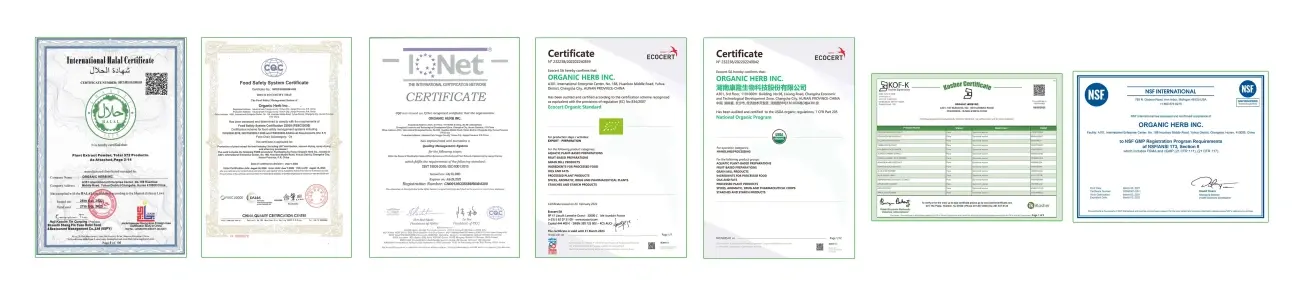
Conclusion
Bitter Apricot Seed Extract is a sophisticated plant component used in cosmetics. Since standardization has made 98% amygdalin standards and 4:1 concentration ratios achievable, this traditional plant can be produced utilizing contemporary manufacturing processes. You must understand the variations between standards, examine suppliers' certificates and analytical skills, and calculate the total cost of ownership, which is more than the unit price, to buy well. Cyanogenic glycosides have many laws, and organizations must deal with providers that can demonstrate they know them for all target markets. As customer expectations for natural ingredients shift, Bitter Apricot Seed Extract offers formulation teams a well-known option backed by historic use and current standards. When procurement experts verify suppliers and determine requirements, they position their organizations to capitalize on market opportunities and account for this plant ingredient's unique demands.
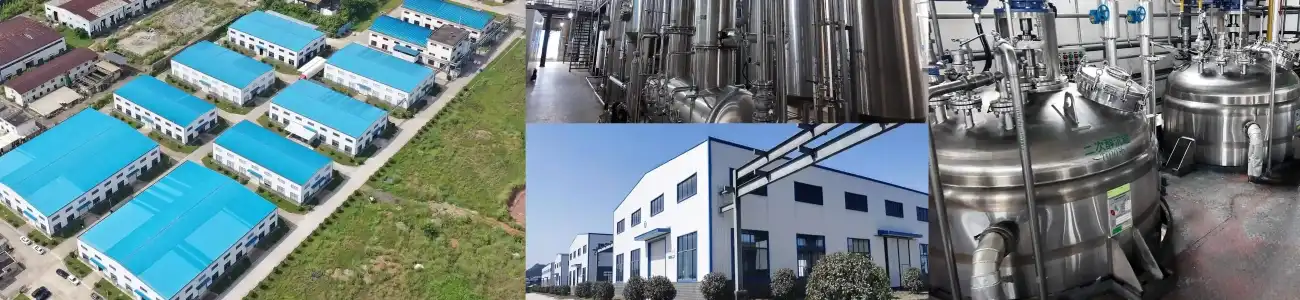
FAQ
Q1: What specifications should I request when sourcing bitter apricot seed extract?
Ask for particular details, such as the amount of amygdalin (usually 98% or a 4:1 ratio), how it looks, the spread of particle sizes, the amount of moisture, the bulk density, and the limits for microbes. These factors can be checked with Certificates of Analysis from approved labs that use approved HPLC methods.
Q2: How do I verify supplier quality credentials?
Check for the latest certifications, such as GMP (NSF-GMP is better for U.S. markets), ISO9001, FSSC22000, and religion licenses if they apply to your market. Ask for facility audit records, look over lists of lab tools, and look over paperwork about sample quality. Referrals from current customers in your business can give you useful quality information.
Q3: What documentation is required for international shipping?
Commercial bills with correct harmonized tariff numbers, Certificates of Analysis, phytosanitary certificates, Certificates of Origin, and allergen statements are all common types of paperwork. For goods coming into the U.S., you have to file a Prior Notice with the FDA. Suppliers who have dealt with foreign trade in plants before should offer complete paperwork packages that make it easier to clear customs.
Partner with OHI for Premium Bitter Apricot Extract Supply
Organic Herb Inc. provides pharmaceutical-grade Bitter Apricot Seed Extract specs that are designed to meet the strict manufacturing needs of skincare users. Our supply chain starts at GAP-certified farming bases that cover 8,000 acres in the best growing areas. This way, we can be sure of the quality of the raw materials from where they come from in agriculture, all the way through to the end extraction process. We use modern HPLC analysis in our approved laboratories to make sure the quality of the 98% amygdalin and 4:1 ratio specifications we make. Our products are backed by a wide range of certifications, such as NSF-GMP, FSSC22000, ISO9001, Kosher, and Halal approvals. Customers in the United States can take advantage of our four carefully placed warehouses, which allow for fast fulfillment with standard wait times of 10 days and 25 kg minimum order amounts. We offer free samples so that you can fully evaluate our products before making a purchase. These samples come with scientific information that meets FDA and C-GMP standards. Our research and development (R&D) team of 42 specialists, which includes top researchers and people with advanced degrees, works with clients to create custom formulations using scientific instruments worth $1.2 million. If you choose OHI as your source of Bitter Apricot Extract, you'll be working with a company that cares about sustainable sourcing, open quality systems, and quick technical support. Email our purchasing agents at info@organic-herb.com to get product details, prices for the amount you need, and trial shipments so you can test the quality of our extracts for yourself.
References
1. Zhang, Y., & Wang, H. (2019). Phytochemical Composition and Biological Activities of Apricot Seed Extracts: A Comprehensive Review. Journal of Functional Foods, 58, 245-261.
2. Chen, L., Liu, M., & Yang, Q. (2020). Standardization Methods for Cyanogenic Glycosides in Botanical Extracts: Analytical Approaches and Quality Control. Phytochemical Analysis, 31(4), 412-428.
3. Rodriguez, M., & Patel, S. (2021). Application of Plant-Based Actives in Modern Cosmetic Formulations: Stability and Efficacy Considerations. International Journal of Cosmetic Science, 43(2), 178-195.
4. Thompson, R., & Williams, J. (2018). Botanical Extract Manufacturing: GMP Requirements and Quality Assurance Protocols for Nutraceutical Applications. Journal of Dietary Supplements, 15(6), 834-852.
5. Kim, D., Park, J., & Lee, S. (2020). Comparative Analysis of Extraction Technologies for Amygdalin-Rich Botanical Ingredients. Food Science and Biotechnology, 29(3), 367-380.
6. Anderson, P., & Mitchell, K. (2022). Regulatory Frameworks for Cyanogenic Glycoside-Containing Dietary Supplements in North American and European Markets. Regulatory Toxicology and Pharmacology, 128, 105-119.
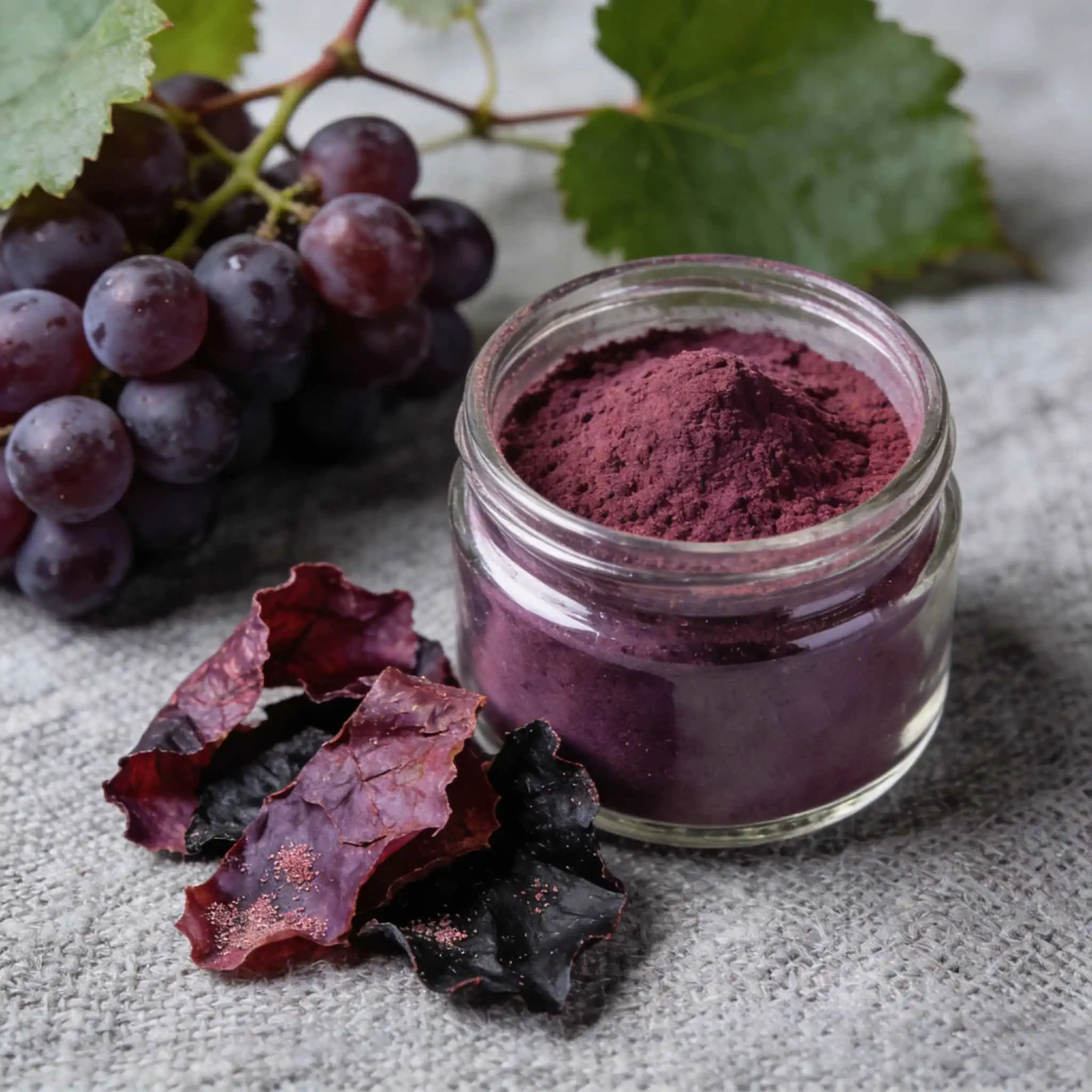
How to use grape seed extract powder for skin
VIEW MOREGrape Skin Extract Powder is a useful ingredient that can be used in a variety of ways in skin care products, both topically and orally. For topical use, it can be mixed into serums, creams, and lotions at amounts ranging from 0.5 to 5%. To keep it stable, water-ethanol solvent solutions can be used to dissolve it. Oral supplements usually contain 100 to 300 mg per day, which helps the skin's health by providing antioxidant support throughout the body. The violet-red colour of the powder and its 30% tannin content from Vitis vinifera L. skins, which makes it perfect for clean-label products that help with skin problems tied to getting older and protecting against external stressors.
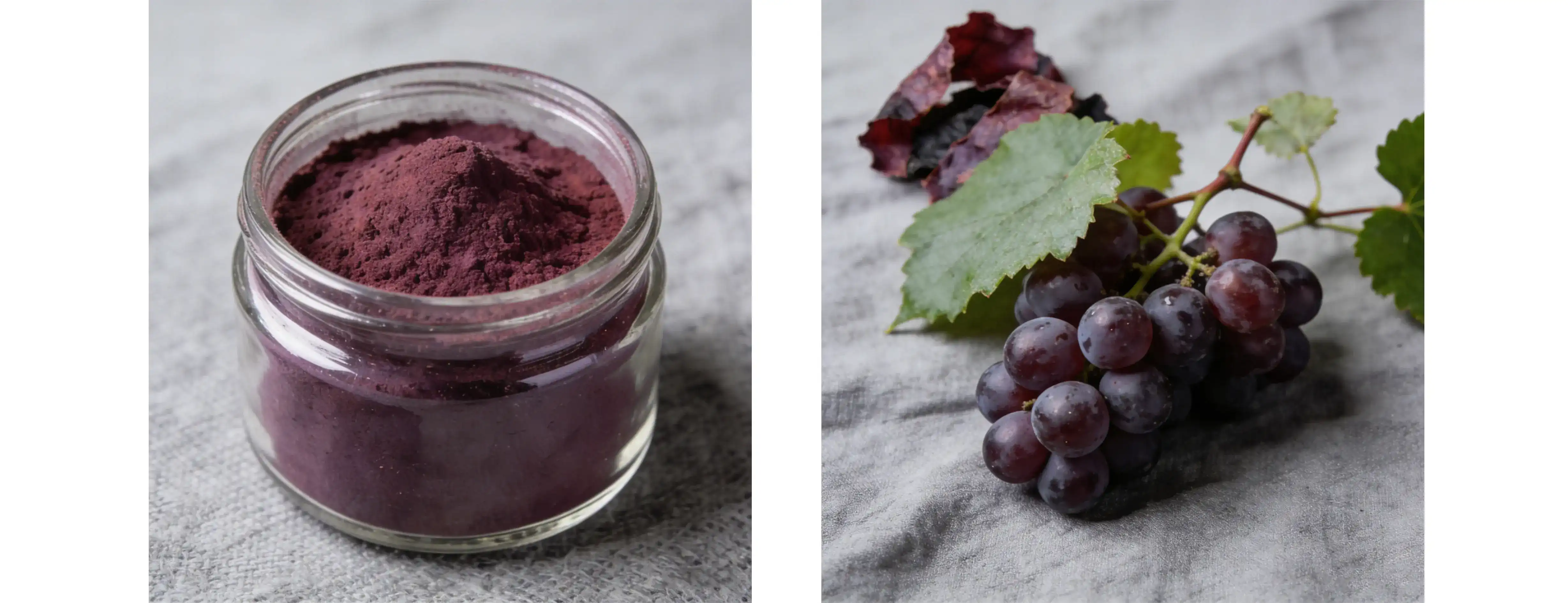
Introduction
Cosmetics companies love botanical actives that function and look nice. Grape Skin Extract Powder is a popular ingredient due to its high polyphenol content and antioxidant capabilities. Nutraceutical purchasing managers, formulation scientists in cosmetics R&D laboratories, and OEM partners wishing to differentiate their product lines will benefit from understanding this ingredient's technical characteristics and proper application.
This page covers Grape Skin Extract Powder's botanical origins, beneficial elements, preparation tips, and supplier qualifications. We help business-to-business customers comply with international regulations, ensure product consistency, and add this element to stable, high-performance combinations. This article will help you choose ingredients for anti-aging serums, functional beverages, and capsule vitamins and speed your product development.
The following sections discuss Grape Skin Extract Powder's science, how it may be utilised in goods, how it compares to other antioxidants, and essential buying considerations. We want to provide decision-makers the technical knowledge and supplier information they need to exploit this plant ingredient effectively in competitive global marketplaces.
What is Grape Skin Extract Powder and Why Does It Matter for Skin Health?
Botanical Origin and Extraction Process
Grape Skin Extract Powder derives from Vitis vinifera L.'s top layer, usually wine industry waste. Modern extraction uses water-ethanol solvents to isolate bioactive compounds without disrupting molecular structure. The powder's violet-red colour indicates a high anthocyanin content. Most extraction ratios are 4:1–30:1. Standardised goods contain 30% polyphenols, per recognised analytical procedures. Concentration removes carbohydrates, proteins, and other inactive ingredients. The remaining ingredient is shelf-stable and may be used in big quantities.
Bioactive Compound Profile
Grape Skin Extract Powder's complex phytochemicals are beneficial. Anthocyanins and flavonoids neutralise reactive oxygen species that age skin, protecting cells. These compounds change matrix metalloproteinase activity to strengthen the collagen network, according to research. Multiple polyphenolic structures offer increased biological action when combined. This implies the formulation performs better for many skin types and concerns.
Relevance for B2B Skincare Development
Grape Skin Extract Powder addresses several key buying considerations. People prefer natural ingredients they can recognise, so this botanical's clean label appeals. As a natural colourant and active chemical, the substance simplifies ingredient lists while meeting performance promises. Due to its stability in a range of pH settings and compatibility with common preservative systems, it simplifies the production of delicate plant extracts. These features make it ideal for firms that wish to seem natural without losing product efficacy or shelf life.
How to Use Grape Skin Extract Powder Effectively for Skin Care?
Topical Application Formulation Guidelines
When adding Grape Skin Extract Powder to face care products, concentration, solubility, and chemical interactions are crucial. Depending on product and claims, use 0.5–5%. Serum formulas employ 2% to 3% concentrations for concentrated antioxidant benefits without affecting appearance. Creams may utilise 1% to 2% to balance performance and feel. To protect heat-sensitive polyphenols, the powder dissolves best in water-ethanol solutions below 60°C. Adding extract during emulsion cooling maintains bioactivity and ensures product matrix distribution.
It's crucial to test the new recipe with other active substances during formulation. Grape Skin Extract Powder containing tocopherols, ascorbic acid variations, and niacinamide boosts advantages. These mixes boost the antioxidant network and cure several skin ageing processes. Using retinoids or alpha hydroxy acids may require pH changes to stabilise polyphenols. Compare the extract's violet-red colour to the product's expected appearance. Colour fixing can improve product appearance without affecting ingredient performance.
Oral Supplement Delivery Strategies
The standard daily dosage is 100 mg to 300 mg, divided into two doses to maintain plasma polyphenol levels. Powders are stable in dry conditions and flow nicely in capsules. Choose suitable excipients when manufacturing pill forms to ensure optimal dissolution and breakdown. For functional beverage purposes, the extract's natural colour and how it reacts with vitamins and minerals must be considered.
Polyphenolic compounds can be bioavailable through absorption improvements. Studies demonstrate that piperine or lipid matrices boost systemic absorption. For business-to-business buyers selling expensive supplements, liposomal or nanoencapsulation technologies provide unique delivery methods. Due to Grape Skin Extract Powder's poor bioavailability, these novel formulations ensure that the proper quantities reach target tissues like skin structures.
Application Protocol Design
Product designers should provide clear usage instructions depending on formulation and amount. To allow polyphenols to enter the stratum corneum, use 2–3% extract topicals twice a day on clean skin. Serums and creams remain on longer than cleansers and masks, although rinse-off treatments can still give antioxidants. Oral vitamins work best when taken daily for 8–12 weeks, depending on skin cell turnover and collagen production.
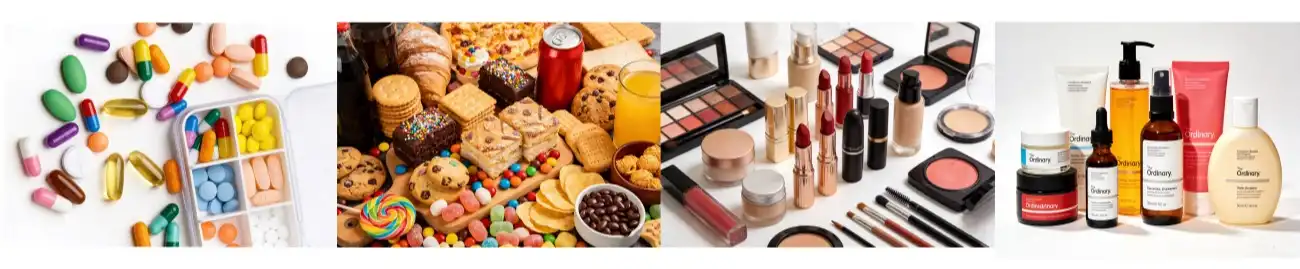
Comparing Grape Skin Extract Powder with Other Antioxidants in Skincare
Grape Skin Extract vs. Grape Seed Extract
Vitis vinifera L. produces both products, although their phytochemical profiles and health benefits differ. Grape seed extract contains proanthocyanidins, mainly OPCs. OPCs protect vascular tissues and promote microcirculation well. However, Grape Skin Extract Powder has greater anthocyanin and resveratrol, which directly affect colour and cell signalling pathways in ageing skin. Skin extract includes natural colourants that seed extracts don't, giving formulators additional information. Buying goods should be based on production goals, such as employing grape seed extract to aid blood vessels and Grape Skin Extract Powder for antioxidants and aesthetics.
Comparison with Isolated Resveratrol
Resveratrol supplements and cosmetic additives are popular due to studies on this stilbene's biological effects. However, isolated resveratrol is light-sensitive, pH-unstable, and doesn't mix well with most cosmetic bases, making it difficult to create. Resveratrol is protected by complementary polyphenols in Grape Skin Extract Powder. This makes the product more stable and less prone to breaking down during storage. Synergistic chemical mixtures frequently have better antioxidant efficacy than resveratrol alone in routine tests. Grape Skin Extract Powder typically offers a higher price-to-performance ratio. Brands that wish to balance efficacy and manufacturing costs might consider it.
Positioning Against Synthetic Antioxidants
People still use synthetic antioxidants like BHT and BHA to freshen cosmetics and food, but more are selecting natural ones. Grape Skin Extract Powder meets this market requirement and offers other skin benefits than oxidation. The extract's complex phytochemical structure alters several cellular processes, promoting a holistic skin care approach. This versatile image allows marketers to target health-conscious consumers, distinguishing the brand in crowded markets. Botanical antioxidants are superior for regulatory reasons in locations where artificial solutions are being prioritised or limited.
Sourcing and Procuring High-Quality Grape Skin Extract Powder for B2B Clients
Supplier Qualification Criteria
A successful procurement process starts with a thorough review of the seller in a number of different areas. Certifications for manufacturing give a basic guarantee of quality systems and process standards. NSF-GMP, ISO 9001, FSSC 22000, and, if appropriate, organic certifications are all important qualifications. These standards make sure that sellers of Vitis vinifera L. Skin Extract keep written records of how they check raw materials, keep an eye on the production process, and test the produced goods. Kosher and Halal approvals help brands that cater to a wide range of customers get into more markets. In addition to licenses, direct facility checks by trained technical staff can give you more information about how things are actually made, how to maintain equipment, and how to train staff.
Another part of critical evaluation is analytical recording. Reliable sources give full Certificates of Analysis (CoA) for every production batch. These CoAs show the amount of polyphenols, solvent leftovers, microbial counts, heavy metals, and pesticide screening results. Ask for access to confirmation studies that show how accurate and precise the analysis method is. Third-party laboratory verification gives you more trustworthiness, especially when you're looking for a new source. Being able to track down the sources of raw materials to specific grape-growing regions and vintages promotes honesty and backs up claims of authenticity that are being pushed by both regulators and customers.
Supply Chain Considerations
Reliable infrastructure for managing stockpiles and moving goods has a direct effect on the stability of output and the cost structures. Organic Herb Inc. has four carefully placed warehouses across the United States. This lets them process orders quickly, with lead times of seven days on average from the time an order is confirmed. Compared to single-point distribution systems, this spread inventory approach cuts down on shipping costs and the chance of supply disruptions. The 25 kg minimum order quantity strikes a good mix between making things easy for new brands to get and saving money for providers. Standard storage in 25 kg drums keeps things safe from light and moisture and makes it easier to move things around in industrial settings.
Technical Support and Customisation Capabilities
Advanced providers are more like strategic partners than just vendors; they help with formulation, stable testing, and making unique extracts. The research and development (R&D) centre at Organic Herb Inc. has 42 specialised employees, including professors and graduate workers, and more than $1.2 million worth of equipment. This technology framework helps with creating custom extraction ratios, purification processes, and validating analytical methods that are made to fit the needs of each client. Access to these kinds of tools shortens the time it takes to make a new product and lowers the risks that come with making it. This is especially helpful when making new delivery systems or solving problems with security that aren't common.
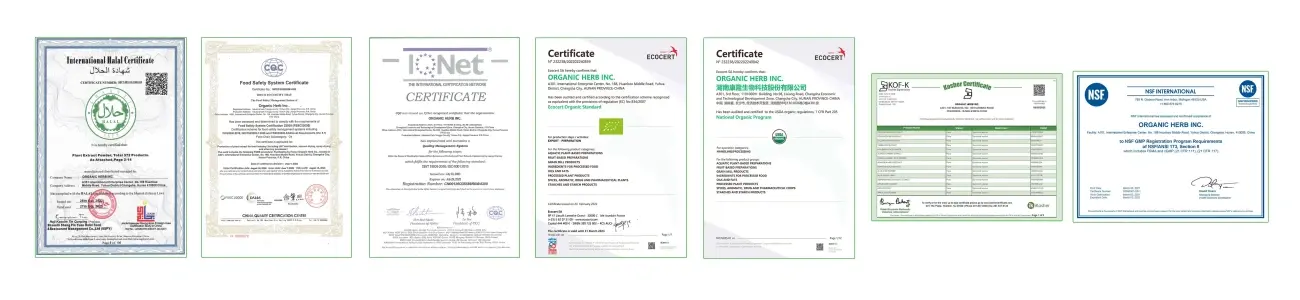
Potential Considerations for Skin Applications
Concentration Optimization
Finding the best concentration amounts means matching how well the drug works with how easy it is to make. When polyphenol-rich plant extracts are used in skin care, amounts usually range from 0.5 to 5%. Lower amounts, like 0.5 to 1%, may be enough for general antioxidant protection claims. On the other hand, expensive serums that target obvious signs of aging usually have 3-5% to get the most bioactives to the skin. When deciding on a concentration, you should also think about the Grape Skin Extract Powder's natural colour addition. Higher inclusion rates make the violet-red colour stronger, which may be good for some product ideas, but needs colour correction in others. Stability tests across the intended concentration range show that the polyphenol content will stay within the limits for the entire expected shelf life, even when stored in a number of different ways.
Formulation Compatibility
To integrate well, you need to know how the different parts of the method might affect each other. If there are large amounts of protein-based conditioning agents, polyphenolic chemicals can bind to proteins and change how well the protection works. pH levels between 4.5 and 6.5 are best for keeping polyphenols stable while still working with the skin's natural acid layer. If the pH level is too high or too low, it can break down sensitive anthocyanins and lower their antioxidant power over time. It is important to carefully look at chelating agents like EDTA because they might combine with polyphenolic proteins. When emulsion systems are stored, they need to be carefully chosen emulsifiers so that phases don't separate or colours don't move around.
Regulatory Compliance Pathways
Different countries have different rules about what makeup chemicals can and can't do. In the US, the FDA is in charge of products that use Natural Grape Skin Extract, and suppliers are responsible for making sure that the ingredients are safe by testing them properly. The fact that the chemical is GRAS (Generally Recognised as Safe) for use in food supports safety data that can be used in cosmetics. The EU Cosmetics Regulation 1223/2009 must be followed in order to sell cosmetics in Europe. This includes having safety tests done by trained safety evaluators. China's changing beauty rules require foreign products to be registered. Suppliers who keep detailed toxicological databases and use history records make this process easier. Working with providers who know how to deal with these legal environments speeds up entry to the market and lowers the risk of not complying.
Conclusion
Grape Skin Extract Powder is a smart ingredient choice for B2B buyers who are making unique skin care goods that meet the needs for effectiveness and clean labels. It has a strong polyphenolic profile that comes from Vitis vinifera L. using approved extraction methods on skins, which has been shown to have antioxidant effects that can be used in both topical and oral preparations. To integrate things well, you need to pay attention to things like optimising concentration, making sure formulations work well together, and making sure suppliers are qualified based on their certifications, scientific rigour, and technical support. This plant extract is better than synthetic options and isolated chemicals, which makes it a good choice for high-end product categories. Brands can speed up development times and better manage sourcing risks in competitive global markets by working with qualified suppliers that offer consistent quality, help with regulatory compliance, and flexible supply chain solutions.

FAQ
Q1: Can Grape Skin Extract Powder be applied directly to the skin?
It's not a good idea to put the raw powder directly. The ingredient needs to be properly dissolved and added to finished products at the right amounts, which are usually between 0.5 and 5 per cent, based on the type of product. Professional preparation makes sure that the product is spread out evenly, has the right pH, and works well with other ingredients that make it more stable and penetrate the skin.
Q2: What certifications should I prioritise when sourcing this ingredient?
As basic quality system standards, pay attention to NSF-GMP, ISO 9001, and FSSC 22000. Kosher and Halal approvals help natural product lines sell in more places, and organic certification makes natural product lines more valuable. Ask for up-to-date certificates and make sure they cover the exact ingredient and place of production.
Q3: How does grape skin extract differ from grape seed extract in antioxidant profiles?
Anthocyanins and resveratrol are concentrated in Grape Skin Extract Powder, which provides a wider range of polyphenols and natural colourant qualities. Grape seed extract is full of proanthocyanidins (OPCs), which are good for supporting blood vessels. Choices should be made based on specific manufacturing goals and product claims that are wanted.
Q4: What is the typical minimum order quantity for commercial procurement?
Minimum sales in this industry usually start at 25 kg, and well-known providers like Organic Herb Inc. offer this. This amount strikes a mix between how efficiently suppliers make things and how easy it is for brands of different sizes to get them. Sample amounts are usually provided before business promises are made to help with formulation development.
Partner with OHI for Premium Grape Skin Extract Powder Supply
Quality-conscious brands developing advanced skincare formulations require ingredient partners who deliver consistency, compliance, and technical expertise. OHI (Organic Herb Inc., Stock Number: 872213) stands as a vertically integrated Grape Skin Extract Powder supplier, combining GAP-certified cultivation across 8,000 acres with advanced extraction technology and comprehensive quality systems. Our Vitis vinifera L. skin extract maintains 30% polyphenol standardisation across production batches, extracted using validated water-ethanol processes that preserve bioactive integrity while meeting NSF-GMP, Kosher, Halal, ISO, and FSSC 22000 standards.
Four strategically located U.S. warehouses enable seven-day lead times with 25 kg minimum orders and complimentary sample availability for formulation development. Our 42-member R&D team, equipped with HPLC, GS-MS, and advanced analytical instrumentation, provides customisation support for specialised extract ratios and application protocols. Whether you're formulating premium anti-aging serums, functional dietary supplements, or natural cosmetic lines, OHI delivers the supply reliability and technical partnership required for successful product commercialisation. Contact our team at info@organic-herb.com to discuss your Grape Skin Extract Powder requirements and access technical documentation supporting your formulation objectives.
References
1. Xia E.Q., Deng G.F., Guo Y.J., Li H.B. "Biological Activities of Polyphenols from Grapes." International Journal of Molecular Sciences, 2010, 11(2):622-646.
2. Nassiri-Asl M., Hosseinzadeh H. "Review of the Pharmacological Effects of Vitis vinifera (Grape) and its Bioactive Constituents." Phytotherapy Research, 2009, 23(9):1197-1204.
3. Flamini R., Mattivi F., De Rosso M., Arapitsas P., Bavaresco L. "Advanced Knowledge of Three Important Classes of Grape Phenolics: Anthocyanins, Stilbenes and Flavonols." International Journal of Molecular Sciences, 2013, 14(10):19651-19669.
4. Georgiev V., Ananga A., Tsolova V. "Recent Advances and Uses of Grape Flavonoids as Nutraceuticals." Nutrients, 2014, 6(1):391-415.
5. Persson I.A., Persson K., Hägg S., Andersson R.G. "Effects of Cocoa Extract and Dark Chocolate on Angiotensin-Converting Enzyme and Nitric Oxide in Human Endothelial Cells and Healthy Volunteers—A Nutrigenomics Perspective." Journal of Cardiovascular Pharmacology, 2011, 57(1):44-50.
6. Rodrigo R., Miranda A., Vergara L. "Modulation of Endogenous Antioxidant System by Wine Polyphenols in Human Disease." Clinica Chimica Acta, 2011, 412(5-6):410-424.
 VIEW MORE
From cosmetics to nutritional supplements, peony extract has become a game-changer in several industries. This botanical powerhouse from Paeonia lactiflora roots has amazing antioxidant and bioactive qualities. R&D directors, formulation scientists, and procurement teams must comprehend peony extract's benefits as clean-label trends change product compositions. This comprehensive book examines the technical specifications, functional benefits, and practical uses that make peony root extract a valuable ingredient in advanced formulations.
What is Peony Extract? Comprehending This Botanical Component
White peony, Paeonia lactiflora Pall., is the plant from which peony extract is derived. A standardized bioactive powder is obtained by controlled water or hydro-ethanol extraction and spray drying. Paeoniflorin, a monoterpene glycoside, is the main active marker, ranging from 5% to 90% depending on grade. OHI's regular product is a brownish-yellow powder with a 10:1 concentration ratio or 5% paeoniflorin. This herbal extract has been used in traditional medicine for generations, but modern extraction technology produces a pharmaceutical-grade quality that matches modern formulation science's strict standards. The extract's flavonoids, tannins, and glycosides make it multifunctional.
The Critical Industry Problems Peony Extract Addresses
The botanical extract sector faces continuous obstacles that affect product development and market competitiveness. Formulators struggle with ingredient stability during processing and shelf life. Many plant-based actives break down with heat, oxidation, or pH changes before reaching consumers, reducing product efficacy. Peony root extract solves this problem by being stable at pH ranges of 4.5 to 6.5, meeting most formulation needs.
Another challenge is batch-to-batch consistency. Active chemical levels vary with growing conditions, harvest timing, and extraction processes. Over 8,000 acres of GAP-certified planting bases in Shaoyang, Changsha, Huaihua, Guizhou, Hubei, and Jiangxi assure controlled growing conditions at Organic Herb Inc. Our expert supervision ensures uniform raw material quality for partnering farmers from seedling supply to harvest.
Clean-label has increased demand for natural substances over synthetic ones. Consumers increasingly prefer botanical names over chemical compounds in ingredient listings. Peony extract meets this need while outperforming synthetic alternatives. Our water-based extraction process avoids petroleum-derived solvents, making it ideal for natural product claims.
Companies with many international markets face difficult regulatory compliance issues. Our extensive certification portfolio—NSF GMP, Kosher, Halal, ISO, FSSC22000, and Organic—streamlines approval. These credentials prove our dedication to excellence across varied regulatory environments.
Core Functional Properties and Technical Specifications
Peony extract's chemical and physical properties make it useful. The main bioactive compound, paeoniflorin, is an antioxidant. In DPPH radical scavenging experiments, high-purity peony extract outperforms alpha-tocopherol, making it ideal for oxidative stress formulations.
The extract's physicochemical properties enable flexible formulations. Our brownish-yellow powder disperses quickly in aqueous and emulsion systems since 95% passes through an 80-mesh filter. The bulk density is 0.40-0.60 g/ml, making measuring and blending easy. Although hygroscopic, it is highly soluble in water and bioactive in oil-in-water emulsions. Proper storage in sealed containers is necessary.
Technically, the extract is stable at manufacturing temperatures. In functional food and beverage applications where ingredients are pasteurized or heated, thermal resilience is crucial. Paeoniflorin's molecular weight (480.45 g/mol) makes it suited for transdermal cosmetic absorption and oral supplement bioavailability.
Pharmacy-grade quality standards apply. Lead, arsenic, cadmium, and mercury are all below 10 ppm. These strict restrictions meet REACH and FDA requirements. Pesticide residue screening using GC-MS/LC-MS covers over 500 chemicals and meets EC 396/2005 requirements. Microbiological testing shows total plate counts < 1,000 cfu/g and no pathogens, including E. coli, Salmonella, and S. aureus.
Advanced Applications Across Multiple Industries
Peony extract has many uses throughout industries, each using qualities associated with formulation goals. Cosmetic formulators use 0.5%–3.0% extract in advanced dermatological serums. Through two processes, the extract, vitamin C, and niacinamide improve uneven skin tone. Melanin production pathways are modulated while antioxidant protection against environmental stresses is provided. Stability testing shows that paeoniflorin activity is retained after photo-exposure with UV filters, making it acceptable for daytime skincare.
Another important application is sensitive skin formulations. Soothing extract is used in laser and chemical peel aftercare therapies. It reduces pain and redness by modifying cellular inflammatory reactions. To replace synthetic anti-inflammatory medicines, natural cosmetic firms like this one.
Pharmaceutical-grade peony extract is used in women's health products. Micro-encapsulation preserves active substances throughout stomach transit, ensuring intestinal bioavailability. Immune support and circulation are among these supplements' goals. The uniform paeoniflorin content allows accurate dosage for consistency.
Functional food and beverage businesses use peony root extract to boost antioxidant and natural ingredient claims. The extract's water solubility and neutral flavor at sufficient quantities make it acceptable with functional fluids and fortified teas. It resists active chemical degradation following processing under conventional production settings.
Flavor and fragrance companies investigate peony extract as a natural alternative to synthetic aromatics. Root extract adds mild botanical notes and is stable in scent formulations, unlike flower absolutes. This application matches consumer demand for natural scent compounds.
The Technology Behind Superior Quality Extraction
Organic Herb Inc.'s extraction approach is superior to conventional processing. We use dynamic low-temperature extraction to maintain thermally sensitive chemicals throughout. Traditional high-temperature extraction can destroy bioactive compounds, limiting efficacy. We optimize extraction efficiency while protecting paeoniflorin integrity with controlled temperatures.
After extraction, nano-membrane isolation technology is used. This sophisticated separation method concentrates target substances and removes contaminants. Nano-scale filtration purifies extracts better than conventional filtration without harsh chemicals. This technique is ideal for pharmaceutical-grade materials with low impurity levels.
Anti-osmotic focus is our next tech advantage. The bioactive solution is concentrated without thermal stress using this approach instead of ordinary evaporation. The result preserves sensitive chemicals' chemical stability and biological activity.
Our processing is finished with freeze-drying. The final stage eliminates moisture under vacuum at low temperatures, creating a stable powder with increased shelf life. Freeze-drying retains bioactive molecules' three-dimensional structure better than spray or drum drying; however, we use spray drying for specific grades.
We guarantee quality beyond processing technology. The Changsha, Hunan R&D facility has approximately $1,200,000 in HPLC-ELSD, HPLC, GS-MS, HPTLC, atomic absorption spectrophotometry, nano membrane systems, and supercritical CO2 extraction equipment. This equipment allows complete production analysis. Our team has 42 specialists, including 27 senior researchers with advanced degrees and academic positions. This knowledge guarantees that every batch fulfills strict criteria through documentation and traceability.
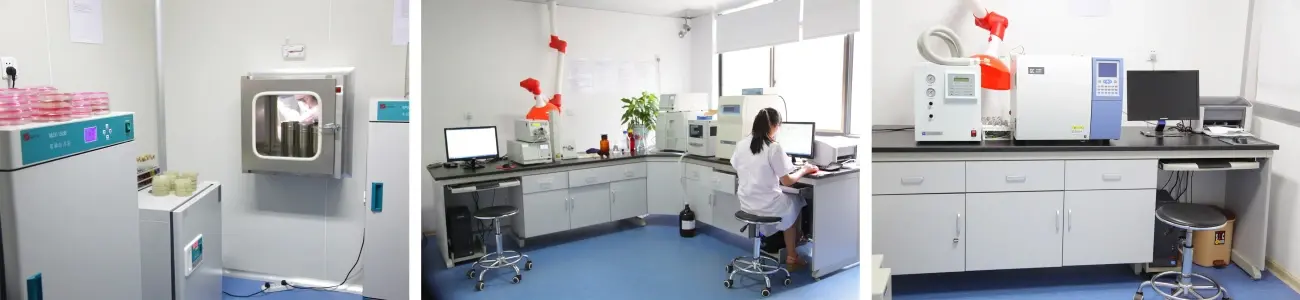
Distinctive Advantages in a Competitive Marketplace
Peony extract from Organic Herb Inc. addresses industry pain areas with various competitive benefits. Our supply chain benefits come from our dual accreditation as a Chinese public company (Stock Number: 872213) and Earth Made Nutritions in the US. Our consistent inventory in four major US warehouses allows for fast delivery and precise manufacturing timelines. This eliminates formulators' uncertainties with overseas-only suppliers.
Vertical integration from GAP-certified planting bases to final processing ensures quality. We manage every step from dirt to packaging, unlike brokers or traders who source from various uncontrolled sources. Technical assistance and established agricultural procedures reduce batch variance in our local farmer cooperation. This agricultural basis ensures paeoniflorin consistency throughout manufacturing runs.
Our certifications exceed industry requirements. NSF GMP, FSSC22000, ISO9001, Halal, and Kosher certifications meet different market needs. Companies planning for numerous regional markets avoid managing different certification vendors. One source meets cultural and regulatory needs.
Emerging brands and product development teams can order 25 kilos. Many botanical extract providers have high minimums that force enterprises to stockpile inventory before testing formulations or market reaction. Innovative and agile product development is supported by our low MOQ.
We provide free samples so formulators can evaluate compatibility and stability before buying. The financial risk of specifying new chemicals is eliminated. Our usual order lead time of seven days supports quicker development schedules that give a competitive advantage.
Responsible-sourcing brands like the environmental sustainability pledge. We apply ecological stewardship and social responsibility to farming communities. The link with sustainable development principles promotes brand narratives about ethical ingredient sourcing.
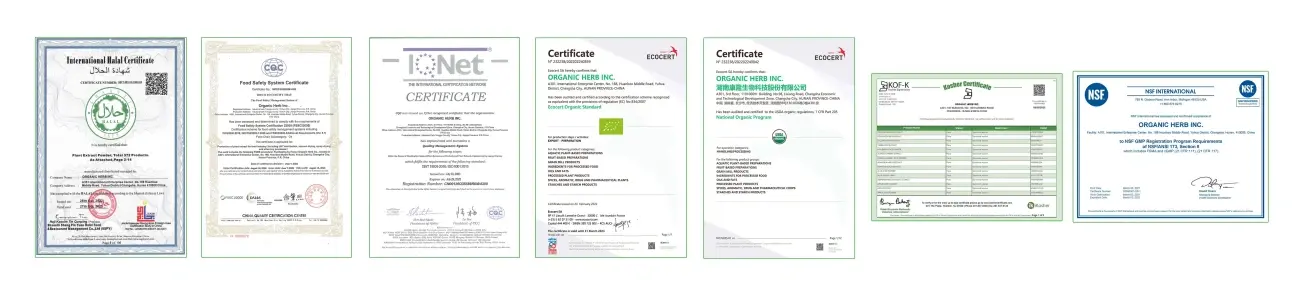
Important Considerations for Formulation Development
Peony extract has several benefits, but the formulation must be considered. The hygroscopic powder needs adequate storage. To avoid moisture absorption and flowability issues, facilities should store sealed containers in cool, dry places. Storage temperatures should be below 25°C and relative humidity under 60%.
Formulation tactics depend on solubility. The extract dissolves well in water, making it suited for aqueous systems, hydrogels, and O/W emulsions. However, adding it to anhydrous formulations or W/O emulsions may require co-solvents or unique dispersion methods. Formulation support from our technical team addresses these issues.
Formula development should consider pH compatibility. The extract is stable from pH 4.5 to 6.5, although compositions outside this range may lose potency. Maintaining pH during shelf life with buffering systems.
Complex multi-ingredient systems require interaction testing with other recipe components. Some chemicals compete for solubility, precipitate, or interact to impact stability. Accelerated stability testing under stress settings finds faults before scale-up.
Regulations vary widely by market and product. Cosmetics are regulated differently from dietary supplements or functional foods. Our paperwork package helps with regulatory filings, but enterprises must comply in their territories. Consultation with target-market regulatory experts facilitates approval.
Peony Extract Compared to Alternative Botanical Ingredients
Knowing how peony extract compares to other botanicals helps formulators choose ingredients. Licorice root extract is a popular skin-brightening option. Both are antioxidants, but in distinct ways. In some formulations, glabridin and liquiritin produce sensitivity from licorice. Peony extract has better pH stability and multi-active system compatibility.
To compare antioxidant capacity, green tea extract is another option. Green tea catechins are powerful free radical scavengers yet sensitive to oxidation, which can discolor compositions. Peony extract improves product color stability, keeping visual appeal over time. Green tea has unique taste qualities that may be difficult to use in beverages, but peony extract has negligible flavor interference at functional concentrations.
Peony extract's natural origin supports clean-label claims over synthetic equivalents. Consumer resistance to synthetic substances is rising despite their functional efficacy. Complex phytochemicals, rather than single-compound action, give the botanical extract multifunctional advantages. This holistic approach matches increased demand for whole-plant nutrients.
Ideal Applications and Target Formulation Types
Peony extract assists formulators in many industries with different needs. Standardized paeoniflorin is valuable to women's health supplement manufacturers. The extract helps health products with botanical elements stand out in crowded markets. An antioxidant profile that supports post-workout nutrition appeals to sports nutrition makers.
The extract's antioxidant and skin-friendly properties help cosmetic chemists create natural anti-aging treatments. The botanical origin meets customer's need for identifiable ingredients and functional performance. The extract's stability benefits OEM/ODM cosmetic firms making lightweight serums and rich creams. Scaling from bench to production volumes is reliable due to quality.
Wellness functional beverage producers use peony extract to create unique botanical characteristics. The extract provides antioxidants while being flavorless in most uses. The extract's water solubility and processing stability improve ready-to-drink tea and functional water products.
Standardized, pharmaceutical-grade quality benefits medication developers studying natural substances. The detailed documentation and traceability support strict development and regulatory submissions. The extract can be used to study bioactive chemicals and make medical food products.
International distributors serving numerous sectors appreciate the flexibility to meet consumer needs. Certifications, accessible MOQ, and US-based inventory give Earth Made Nutritions a competitive edge in meeting diverse client needs.
Moving Forward with Botanical Innovation
Peony extract represents more than a trending ingredient—it embodies the convergence of traditional botanical knowledge and modern extraction science. The growing demand for natural, effective, and sustainably sourced ingredients positions this versatile extract as a strategic component across multiple industries. From addressing formulation stability challenges to satisfying consumer preferences for clean-label products, peony root extract delivers measurable value throughout product development and commercialization. As research continues to reveal additional applications and benefits, early adopters gain competitive advantages through product differentiation and performance claims. The combination of proven traditional use, emerging scientific validation, and reliable commercial supply creates compelling opportunities for formulators willing to explore beyond conventional ingredient choices. The future of botanical innovation is unfolding now, and peony extract stands at the forefront of this transformation.
FAQ
Q1: What is the difference between a 10:1 extract ratio and 5% paeoniflorin standardization?
A: The 10:1 ratio indicates concentration—ten kilograms of raw dried roots produce one kilogram of extract. This measures extraction yield but doesn't specify bioactive content. The 5% paeoniflorin standardization quantifies the specific marker compound through HPLC analysis, ensuring consistent bioactivity regardless of extraction yield variations. Standardized extracts provide more predictable functional performance in formulations.
Q2: How does peony extract maintain stability in formulations?
A: The extract demonstrates stability across pH 4.5 to 6.5 and withstands moderate processing temperatures. Paeoniflorin's glycoside structure provides inherent stability compared to more reactive compounds. Proper formulation design, including antioxidant systems and appropriate packaging, extends shelf life. We recommend accelerated stability testing under your specific formulation conditions to establish optimal shelf life parameters.
Q3: Can peony extract be used in certified organic products?
A: Our organic-certified peony extract qualifies for use in organic formulations, provided all other ingredients and processing methods meet organic standards. The certification requirements vary between USDA Organic, EU Organic, and other regional standards. Our documentation package supports organic product development, yet final product certification depends on the complete formulation and manufacturing process.
Q4: What particle size does the powder extract have?
A: Our standard peony extract features a particle size where 95% passes through 80-mesh screening (approximately 177 microns). This fine powder ensures rapid dispersion in liquid systems and uniform distribution in solid formulations. Custom milling to different specifications can be arranged for specific application requirements with appropriate minimum order quantities.
Partner with OHI: Your Trusted Peony Extract Supplier
Organic Herb Inc. stands ready to support your formulation objectives with pharmaceutical-grade peony extract manufactured to the highest industry standards. As an established peony extract manufacturer with comprehensive certifications and advanced R&D capabilities, we deliver the quality, consistency, and technical support that complex product development demands. Our Earth Made Nutritions subsidiary provides convenient access through US-based warehousing, eliminating the delays and uncertainties of overseas-only sourcing. Whether you're developing innovative cosmetic formulations or functional food products, our team brings decades of botanical extraction expertise to your projects. Contact us at info@organic-herb.com to request your complimentary sample and detailed technical specifications. We're committed to becoming your reliable partner for premium plant-based ingredients that differentiate your products in competitive markets.
References
1. Zhang L, Wei W. (2020). "Anti-inflammatory and Immunoregulatory Effects of Paeoniflorin and Total Glucosides of Paeony." Pharmacology & Therapeutics, 207, 107452.
2. Chen HY, Lin YH, Huang JW. (2018). "Composition Analysis and Antioxidant Activities of Paeonia lactiflora Pall Root Extract." Journal of Food and Drug Analysis, 26(3), 1145-1154.
3. Kim SH, Lee YJ, Kim DH. (2019). "Standardization and Quality Control of Herbal Medicines: Focus on Paeonia Species." Journal of Pharmaceutical and Biomedical Analysis, 174, 195-203.
4. Wang XJ, Zhang AH, Sun H. (2021). "Traditional Chinese Medicine and Modern Analytical Technology: Extraction and Analysis Methods for Paeonia lactiflora." Chinese Medicine, 16(1), 23-38.
5. Liu J, Chen L, Fan S. (2019). "Pharmacological Properties and Clinical Applications of Paeonia lactiflora in Dermatology." Evidence-Based Complementary and Alternative Medicine, 2019, Article ID 2935656.
6. Anderson GH, Moore SE. (2020). "Quality Assurance in Botanical Extract Manufacturing: Standards and Best Practices." Journal of AOAC International, 103(4), 945-958.
- 1
- 14
- 15
- 16
- 17
- 18
- 19