
What is peony extract?
Jun 10, 2026
From cosmetics to nutritional supplements, peony extract has become a game-changer in several industries. This botanical powerhouse from Paeonia lactiflora roots has amazing antioxidant and bioactive qualities. R&D directors, formulation scientists, and procurement teams must comprehend peony extract's benefits as clean-label trends change product compositions. This comprehensive book examines the technical specifications, functional benefits, and practical uses that make peony root extract a valuable ingredient in advanced formulations.
What is Peony Extract? Comprehending This Botanical Component
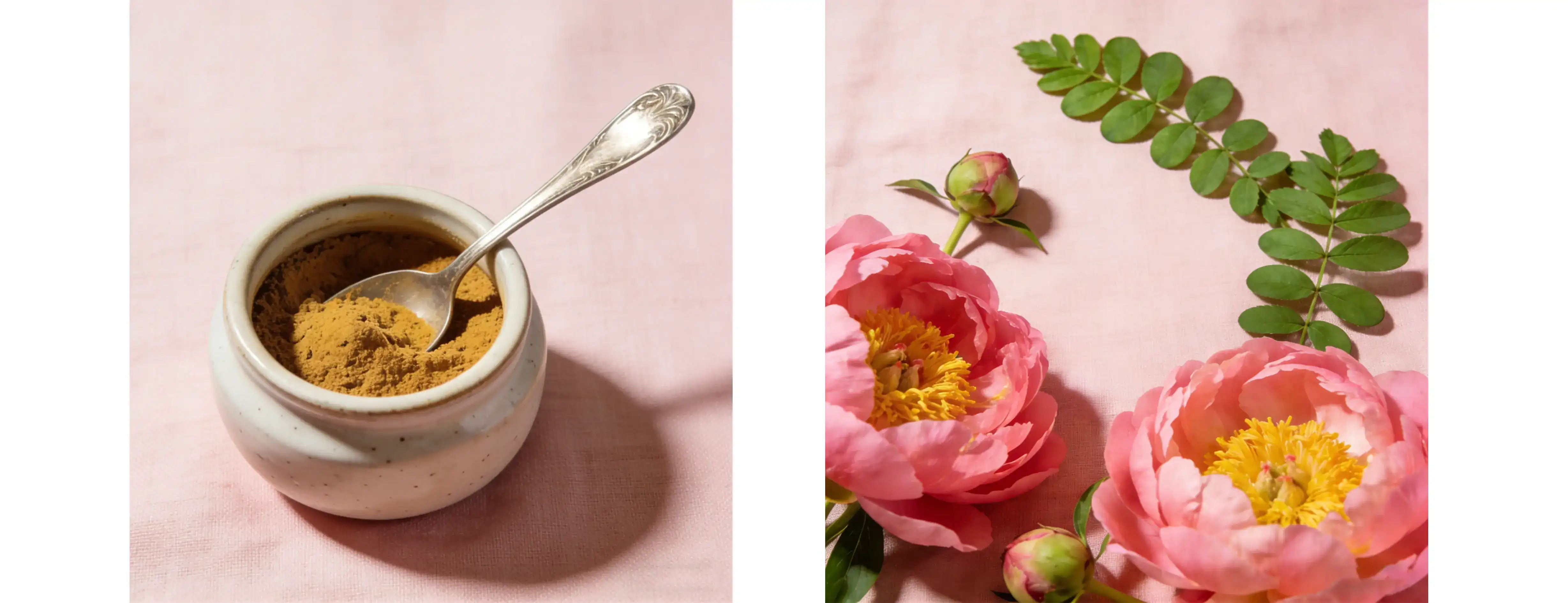
White peony, Paeonia lactiflora Pall., is the plant from which peony extract is derived. A standardized bioactive powder is obtained by controlled water or hydro-ethanol extraction and spray drying. Paeoniflorin, a monoterpene glycoside, is the main active marker, ranging from 5% to 90% depending on grade. OHI's regular product is a brownish-yellow powder with a 10:1 concentration ratio or 5% paeoniflorin. This herbal extract has been used in traditional medicine for generations, but modern extraction technology produces a pharmaceutical-grade quality that matches modern formulation science's strict standards. The extract's flavonoids, tannins, and glycosides make it multifunctional.
The Critical Industry Problems Peony Extract Addresses
The botanical extract sector faces continuous obstacles that affect product development and market competitiveness. Formulators struggle with ingredient stability during processing and shelf life. Many plant-based actives break down with heat, oxidation, or pH changes before reaching consumers, reducing product efficacy. Peony root extract solves this problem by being stable at pH ranges of 4.5 to 6.5, meeting most formulation needs.
Another challenge is batch-to-batch consistency. Active chemical levels vary with growing conditions, harvest timing, and extraction processes. Over 8,000 acres of GAP-certified planting bases in Shaoyang, Changsha, Huaihua, Guizhou, Hubei, and Jiangxi assure controlled growing conditions at Organic Herb Inc. Our expert supervision ensures uniform raw material quality for partnering farmers from seedling supply to harvest.
Clean-label has increased demand for natural substances over synthetic ones. Consumers increasingly prefer botanical names over chemical compounds in ingredient listings. Peony extract meets this need while outperforming synthetic alternatives. Our water-based extraction process avoids petroleum-derived solvents, making it ideal for natural product claims.
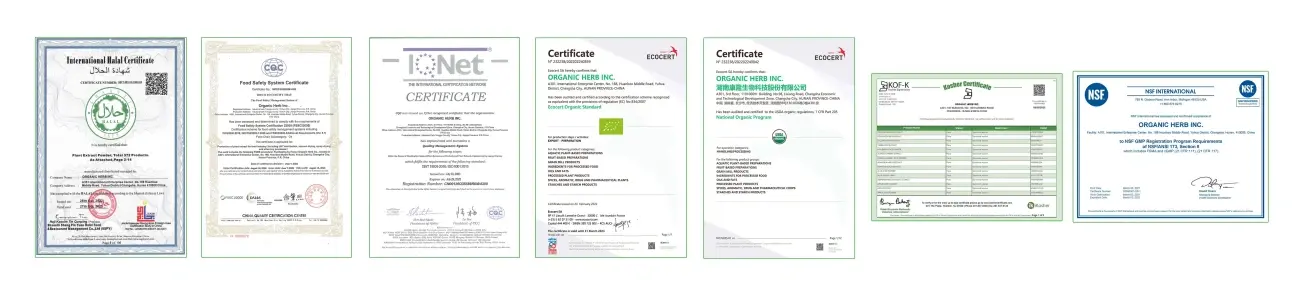
Companies with many international markets face difficult regulatory compliance issues. Our extensive certification portfolio—NSF GMP, Kosher, Halal, ISO, FSSC22000, and Organic—streamlines approval. These credentials prove our dedication to excellence across varied regulatory environments.
Core Functional Properties and Technical Specifications
Peony extract's chemical and physical properties make it useful. The main bioactive compound, paeoniflorin, is an antioxidant. In DPPH radical scavenging experiments, high-purity peony extract outperforms alpha-tocopherol, making it ideal for oxidative stress formulations.
The extract's physicochemical properties enable flexible formulations. Our brownish-yellow powder disperses quickly in aqueous and emulsion systems since 95% passes through an 80-mesh filter. The bulk density is 0.40-0.60 g/ml, making measuring and blending easy. Although hygroscopic, it is highly soluble in water and bioactive in oil-in-water emulsions. Proper storage in sealed containers is necessary.
Technically, the extract is stable at manufacturing temperatures. In functional food and beverage applications where ingredients are pasteurized or heated, thermal resilience is crucial. Paeoniflorin's molecular weight (480.45 g/mol) makes it suited for transdermal cosmetic absorption and oral supplement bioavailability.
Pharmacy-grade quality standards apply. Lead, arsenic, cadmium, and mercury are all below 10 ppm. These strict restrictions meet REACH and FDA requirements. Pesticide residue screening using GC-MS/LC-MS covers over 500 chemicals and meets EC 396/2005 requirements. Microbiological testing shows total plate counts < 1,000 cfu/g and no pathogens, including E. coli, Salmonella, and S. aureus.
Advanced Applications Across Multiple Industries
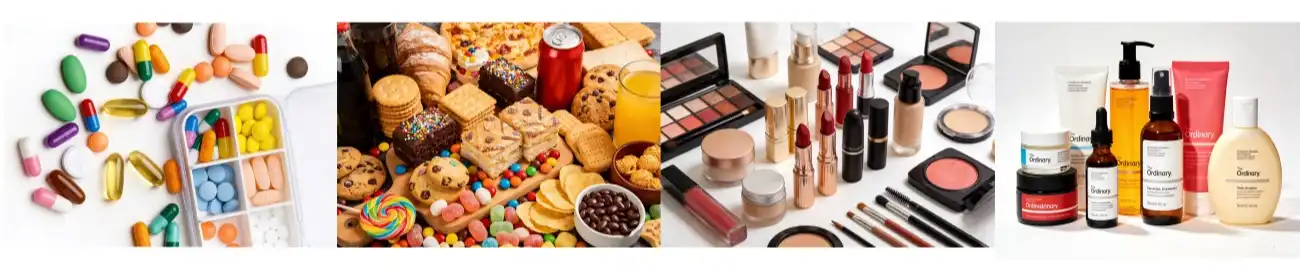
Peony extract has many uses throughout industries, each using qualities associated with formulation goals. Cosmetic formulators use 0.5%–3.0% extract in advanced dermatological serums. Through two processes, the extract, vitamin C, and niacinamide improve uneven skin tone. Melanin production pathways are modulated while antioxidant protection against environmental stresses is provided. Stability testing shows that paeoniflorin activity is retained after photo-exposure with UV filters, making it acceptable for daytime skincare.
Another important application is sensitive skin formulations. Soothing extract is used in laser and chemical peel aftercare therapies. It reduces pain and redness by modifying cellular inflammatory reactions. To replace synthetic anti-inflammatory medicines, natural cosmetic firms like this one.
Pharmaceutical-grade peony extract is used in women's health products. Micro-encapsulation preserves active substances throughout stomach transit, ensuring intestinal bioavailability. Immune support and circulation are among these supplements' goals. The uniform paeoniflorin content allows accurate dosage for consistency.
Functional food and beverage businesses use peony root extract to boost antioxidant and natural ingredient claims. The extract's water solubility and neutral flavor at sufficient quantities make it acceptable with functional fluids and fortified teas. It resists active chemical degradation following processing under conventional production settings.
Flavor and fragrance companies investigate peony extract as a natural alternative to synthetic aromatics. Root extract adds mild botanical notes and is stable in scent formulations, unlike flower absolutes. This application matches consumer demand for natural scent compounds.
The Technology Behind Superior Quality Extraction
Organic Herb Inc.'s extraction approach is superior to conventional processing. We use dynamic low-temperature extraction to maintain thermally sensitive chemicals throughout. Traditional high-temperature extraction can destroy bioactive compounds, limiting efficacy. We optimize extraction efficiency while protecting paeoniflorin integrity with controlled temperatures.
After extraction, nano-membrane isolation technology is used. This sophisticated separation method concentrates target substances and removes contaminants. Nano-scale filtration purifies extracts better than conventional filtration without harsh chemicals. This technique is ideal for pharmaceutical-grade materials with low impurity levels.
Anti-osmotic focus is our next tech advantage. The bioactive solution is concentrated without thermal stress using this approach instead of ordinary evaporation. The result preserves sensitive chemicals' chemical stability and biological activity.
Our processing is finished with freeze-drying. The final stage eliminates moisture under vacuum at low temperatures, creating a stable powder with increased shelf life. Freeze-drying retains bioactive molecules' three-dimensional structure better than spray or drum drying; however, we use spray drying for specific grades.
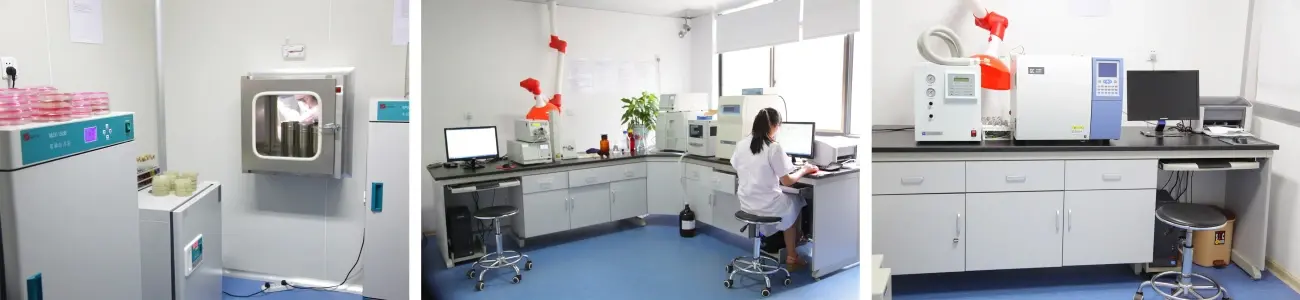
We guarantee quality beyond processing technology. The Changsha, Hunan R&D facility has approximately $1,200,000 in HPLC-ELSD, HPLC, GS-MS, HPTLC, atomic absorption spectrophotometry, nano membrane systems, and supercritical CO2 extraction equipment. This equipment allows complete production analysis. Our team has 42 specialists, including 27 senior researchers with advanced degrees and academic positions. This knowledge guarantees that every batch fulfills strict criteria through documentation and traceability.
Distinctive Advantages in a Competitive Marketplace
Peony extract from Organic Herb Inc. addresses industry pain areas with various competitive benefits. Our supply chain benefits come from our dual accreditation as a Chinese public company (Stock Number: 872213) and Earth Made Nutritions in the US. Our consistent inventory in four major US warehouses allows for fast delivery and precise manufacturing timelines. This eliminates formulators' uncertainties with overseas-only suppliers.
Vertical integration from GAP-certified planting bases to final processing ensures quality. We manage every step from dirt to packaging, unlike brokers or traders who source from various uncontrolled sources. Technical assistance and established agricultural procedures reduce batch variance in our local farmer cooperation. This agricultural basis ensures paeoniflorin consistency throughout manufacturing runs.
Our certifications exceed industry requirements. NSF GMP, FSSC22000, ISO9001, Halal, and Kosher certifications meet different market needs. Companies planning for numerous regional markets avoid managing different certification vendors. One source meets cultural and regulatory needs.
Emerging brands and product development teams can order 25 kilos. Many botanical extract providers have high minimums that force enterprises to stockpile inventory before testing formulations or market reaction. Innovative and agile product development is supported by our low MOQ.
We provide free samples so formulators can evaluate compatibility and stability before buying. The financial risk of specifying new chemicals is eliminated. Our usual order lead time of seven days supports quicker development schedules that give a competitive advantage.
Responsible-sourcing brands like the environmental sustainability pledge. We apply ecological stewardship and social responsibility to farming communities. The link with sustainable development principles promotes brand narratives about ethical ingredient sourcing.
Important Considerations for Formulation Development
Peony extract has several benefits, but the formulation must be considered. The hygroscopic powder needs adequate storage. To avoid moisture absorption and flowability issues, facilities should store sealed containers in cool, dry places. Storage temperatures should be below 25°C and relative humidity under 60%.
Formulation tactics depend on solubility. The extract dissolves well in water, making it suited for aqueous systems, hydrogels, and O/W emulsions. However, adding it to anhydrous formulations or W/O emulsions may require co-solvents or unique dispersion methods. Formulation support from our technical team addresses these issues.
Formula development should consider pH compatibility. The extract is stable from pH 4.5 to 6.5, although compositions outside this range may lose potency. Maintaining pH during shelf life with buffering systems.
Complex multi-ingredient systems require interaction testing with other recipe components. Some chemicals compete for solubility, precipitate, or interact to impact stability. Accelerated stability testing under stress settings finds faults before scale-up.
Regulations vary widely by market and product. Cosmetics are regulated differently from dietary supplements or functional foods. Our paperwork package helps with regulatory filings, but enterprises must comply in their territories. Consultation with target-market regulatory experts facilitates approval.
Peony Extract Compared to Alternative Botanical Ingredients
Knowing how peony extract compares to other botanicals helps formulators choose ingredients. Licorice root extract is a popular skin-brightening option. Both are antioxidants, but in distinct ways. In some formulations, glabridin and liquiritin produce sensitivity from licorice. Peony extract has better pH stability and multi-active system compatibility.
To compare antioxidant capacity, green tea extract is another option. Green tea catechins are powerful free radical scavengers yet sensitive to oxidation, which can discolor compositions. Peony extract improves product color stability, keeping visual appeal over time. Green tea has unique taste qualities that may be difficult to use in beverages, but peony extract has negligible flavor interference at functional concentrations.
Peony extract's natural origin supports clean-label claims over synthetic equivalents. Consumer resistance to synthetic substances is rising despite their functional efficacy. Complex phytochemicals, rather than single-compound action, give the botanical extract multifunctional advantages. This holistic approach matches increased demand for whole-plant nutrients.
Ideal Applications and Target Formulation Types
Peony extract assists formulators in many industries with different needs. Standardized paeoniflorin is valuable to women's health supplement manufacturers. The extract helps health products with botanical elements stand out in crowded markets. An antioxidant profile that supports post-workout nutrition appeals to sports nutrition makers.
The extract's antioxidant and skin-friendly properties help cosmetic chemists create natural anti-aging treatments. The botanical origin meets customer's need for identifiable ingredients and functional performance. The extract's stability benefits OEM/ODM cosmetic firms making lightweight serums and rich creams. Scaling from bench to production volumes is reliable due to quality.
Wellness functional beverage producers use peony extract to create unique botanical characteristics. The extract provides antioxidants while being flavorless in most uses. The extract's water solubility and processing stability improve ready-to-drink tea and functional water products.
Standardized, pharmaceutical-grade quality benefits medication developers studying natural substances. The detailed documentation and traceability support strict development and regulatory submissions. The extract can be used to study bioactive chemicals and make medical food products.
International distributors serving numerous sectors appreciate the flexibility to meet consumer needs. Certifications, accessible MOQ, and US-based inventory give Earth Made Nutritions a competitive edge in meeting diverse client needs.
Moving Forward with Botanical Innovation
Peony extract represents more than a trending ingredient—it embodies the convergence of traditional botanical knowledge and modern extraction science. The growing demand for natural, effective, and sustainably sourced ingredients positions this versatile extract as a strategic component across multiple industries. From addressing formulation stability challenges to satisfying consumer preferences for clean-label products, peony root extract delivers measurable value throughout product development and commercialization. As research continues to reveal additional applications and benefits, early adopters gain competitive advantages through product differentiation and performance claims. The combination of proven traditional use, emerging scientific validation, and reliable commercial supply creates compelling opportunities for formulators willing to explore beyond conventional ingredient choices. The future of botanical innovation is unfolding now, and peony extract stands at the forefront of this transformation.
FAQ
Q1: What is the difference between a 10:1 extract ratio and 5% paeoniflorin standardization?
A: The 10:1 ratio indicates concentration—ten kilograms of raw dried roots produce one kilogram of extract. This measures extraction yield but doesn't specify bioactive content. The 5% paeoniflorin standardization quantifies the specific marker compound through HPLC analysis, ensuring consistent bioactivity regardless of extraction yield variations. Standardized extracts provide more predictable functional performance in formulations.
Q2: How does peony extract maintain stability in formulations?
A: The extract demonstrates stability across pH 4.5 to 6.5 and withstands moderate processing temperatures. Paeoniflorin's glycoside structure provides inherent stability compared to more reactive compounds. Proper formulation design, including antioxidant systems and appropriate packaging, extends shelf life. We recommend accelerated stability testing under your specific formulation conditions to establish optimal shelf life parameters.
Q3: Can peony extract be used in certified organic products?
A: Our organic-certified peony extract qualifies for use in organic formulations, provided all other ingredients and processing methods meet organic standards. The certification requirements vary between USDA Organic, EU Organic, and other regional standards. Our documentation package supports organic product development, yet final product certification depends on the complete formulation and manufacturing process.
Q4: What particle size does the powder extract have?
A: Our standard peony extract features a particle size where 95% passes through 80-mesh screening (approximately 177 microns). This fine powder ensures rapid dispersion in liquid systems and uniform distribution in solid formulations. Custom milling to different specifications can be arranged for specific application requirements with appropriate minimum order quantities.
Partner with OHI: Your Trusted Peony Extract Supplier
Organic Herb Inc. stands ready to support your formulation objectives with pharmaceutical-grade peony extract manufactured to the highest industry standards. As an established peony extract manufacturer with comprehensive certifications and advanced R&D capabilities, we deliver the quality, consistency, and technical support that complex product development demands. Our Earth Made Nutritions subsidiary provides convenient access through US-based warehousing, eliminating the delays and uncertainties of overseas-only sourcing. Whether you're developing innovative cosmetic formulations or functional food products, our team brings decades of botanical extraction expertise to your projects. Contact us at info@organic-herb.com to request your complimentary sample and detailed technical specifications. We're committed to becoming your reliable partner for premium plant-based ingredients that differentiate your products in competitive markets.
References
1. Zhang L, Wei W. (2020). "Anti-inflammatory and Immunoregulatory Effects of Paeoniflorin and Total Glucosides of Paeony." Pharmacology & Therapeutics, 207, 107452.
2. Chen HY, Lin YH, Huang JW. (2018). "Composition Analysis and Antioxidant Activities of Paeonia lactiflora Pall Root Extract." Journal of Food and Drug Analysis, 26(3), 1145-1154.
3. Kim SH, Lee YJ, Kim DH. (2019). "Standardization and Quality Control of Herbal Medicines: Focus on Paeonia Species." Journal of Pharmaceutical and Biomedical Analysis, 174, 195-203.
4. Wang XJ, Zhang AH, Sun H. (2021). "Traditional Chinese Medicine and Modern Analytical Technology: Extraction and Analysis Methods for Paeonia lactiflora." Chinese Medicine, 16(1), 23-38.
5. Liu J, Chen L, Fan S. (2019). "Pharmacological Properties and Clinical Applications of Paeonia lactiflora in Dermatology." Evidence-Based Complementary and Alternative Medicine, 2019, Article ID 2935656.
6. Anderson GH, Moore SE. (2020). "Quality Assurance in Botanical Extract Manufacturing: Standards and Best Practices." Journal of AOAC International, 103(4), 945-958.
Standard Disclaimer (DSHEA):
These statements have not been evaluated by the Food and Drug Administration.
This product is not intended to diagnose, treat, cure, or prevent any disease.

Send Inquiry
Related Industry Knowledge
- What is peony extract?
- Coenzyme Q10 (CoQ10): The Basics and Its Health Benefits
- How to use rosemary oil for skin
- Poria cocos extract in skincare, What is?
- The Marvels of Maitake Mushroom Extract Powder
- Polyporus Umbellatus Extract Explained: From Raw Material to Final Product
- When to take saw palmetto morning or night?
- How Dose Poria Cocos Extract Improve Your Health?
- Roseroot extract (Rhodiola rosea) for stress & exhaustion
- USA Import Standards and Poria Cocos Extract: A Supplier’s Perspective