
Bitter Apricot Extract: How It’s Made and What Sets It Apart
Jun 17, 2026
The highly refined plant ingredient known as Bitter Apricot Extract, which is standardized to 98% amygdalin, is obtained from the Semen Armeniacae Amarum Linn. Advanced ethanol-water extraction and crystals are used to carefully process this pharmaceutical-grade extract, making sure that the quality is always the same and the strength can be measured. Unlike raw kernel powders, which have active ingredient amounts that can range from 1-3%, this standardized extract helps with formulation accuracy, stability management, and regulatory compliance, all of which are very important for companies that make nutraceuticals, cosmetics, and functional foods. The controlled separation method gets rid of enzymatic parts, which makes the ingredients more stable for a wide range of commercial uses.
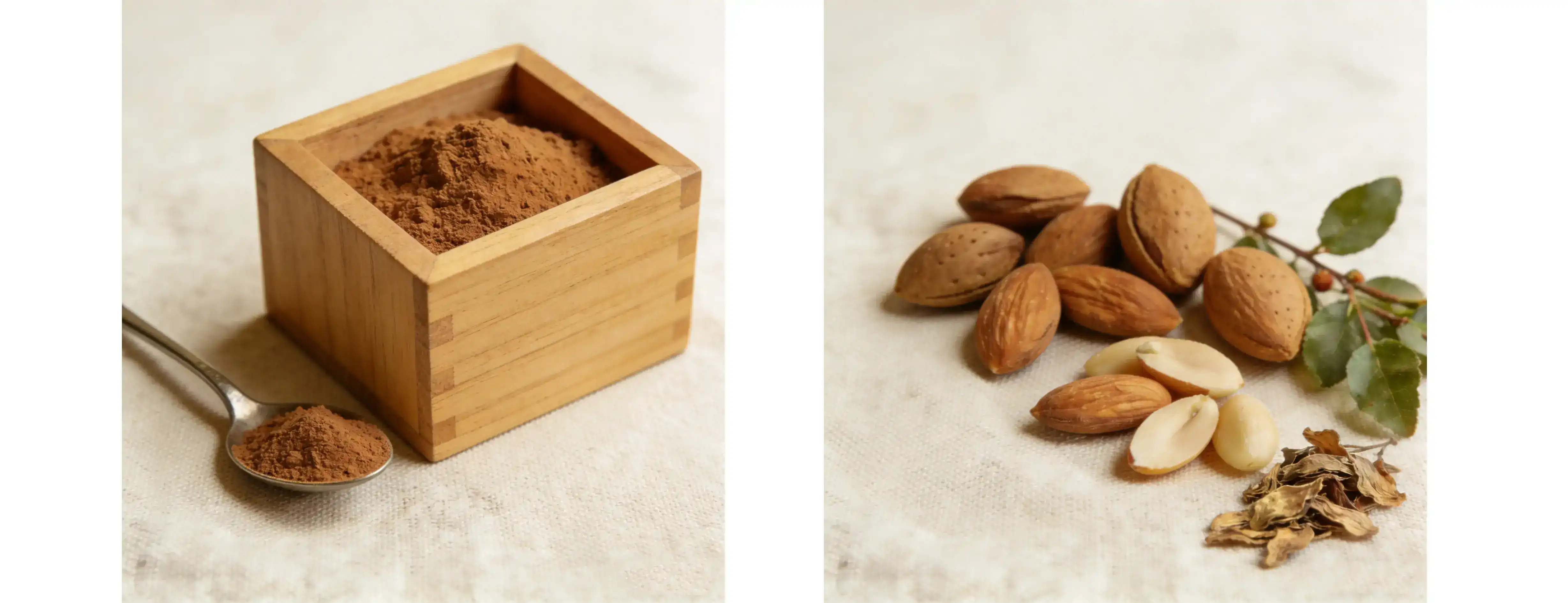
Understanding Bitter Apricot Extract: Origins and Composition
Botanical Origins and Cultivation
Prunus armeniaca L., a Rosaceae fruit tree that loses its leaves in autumn, produces high-quality Bitter Apricot Extract. Bitter apricots have bioactive compounds in their seeds, whereas sweet ones are bred for their flesh. Large farming areas in Jiangxi, Hunan, and Hubei provinces of China have ideal weather and terrain for amygdalin production.
Our GAP-certified growing grounds at Organic Herb Inc. span over 8,000 acres in many geographies. Our botanicals are consistent since we deal with local farms. Our experienced advice covers seedling selection and harvesting, utilizing conventional management procedures to minimize environmental pollution and maximize bioactive chemical output. This strategy addresses procurement concerns regarding traceability and source quality.
Chemical Composition and Active Markers
Chemically, bitter apricot kernels vary from sweet ones. Two to 8% of bitter kernels contain amygdalin (C₂₀H₂₇NO₁₁), a cyanogenic glycoside with a molecular weight of 457.43 g/mol. Sweet kernels often have less than 0.5%. Our 98% amygdalin extract is thoroughly standardized to ensure the proper ratio of D-Amygdalin (the naturally active form) to Neo-Amygdalin (an inactive isomer formed when heating goes wrong). Neo-Amygdalin stays below 3% in quality goods.
Bitter apricot seeds contain more than amygdalin. Proteins, vitamins, minerals, and 40–50% oleic and linoleic acid-rich fixed oils are also present. The extraction procedure determines which components remain. Our pharmaceutical-grade extract preserves amygdalin's purity, water solubility (moderate in cold water, enhanced in warm water), and stable profiles for supplements and cosmetics.
Comparative Analysis: Bitter vs. Sweet Varieties
Cosmetic chemists and formulation experts question how bitter and sweet apricot products function. Though low in amygdalin, sweet apricot kernel oil hydrates and softens skin, making it a popular skin care ingredient. The glycosides in Bitter Apricot Extract make it antioxidant. It is a wonderful choice for oxidative stress-targeting vitamins.
Their appearances vary too. The pale yellow to white crystalline powder of our 98% amygdalin extract has a regulated moisture content below 5%. This prevents powder degradation during storage. Lower concentration (4:1) extracts are brown because they include plant matrix compounds. These constraints affect formulation compatibility, especially in clean-label items where appearance and dissolution are crucial.
How Bitter Apricot Extract Is Made: From Seed to Finished Product
Advanced Extraction Technologies
Complex techniques that balance yield, purity, and compound integrity are needed to manufacture Bitter Apricot Extract safe for medication. Our Yichun, Jiangxi, plant employs a multi-stage extraction procedure that begins with selecting and preparing the kernels.
Mechanical breaking separates kernels from shells. The nuts are then low-temperature dried to preserve thermolabile compounds. Controlled grinding minimizes raw nut size, increasing extraction surface area. We employ dynamic low-temperature ethanol-water extraction to extract the maximum amygdalin while eliminating as few lipids and proteins as feasible.
Temperature control is crucial during extraction. Amygdalin breaks down more quickly at 60°C, forming benzaldehyde and endangering the active molecule. Our closed-loop extraction process maintains a steady temperature between 45°C and 55°C during the first extraction stage. This overcomes a frequent industry issue: extraction techniques sacrifice product quality for yield.
The liquid undergoes nano-membrane separation and anti-osmotic concentration to separate amygdalin molecules by size and charge, and increase the active portion concentration after extraction. This procedure removes residual oils and protein contaminants that might destabilize the product or cause allergic reactions.
Purification and Standardization
Modern chromatographic procedures provide 98% pure amygdalin. Our lab employs column adsorption and ion exchange chromatography to separate compounds. Certain resin adsorption systems remove heavy metals from materials after usage, reducing farmed raw material pollution. This cleaning process meets Proposition 65 regulations and maintains heavy metals below 10 ppm.
Concentration follows. Crystallizing amygdalin requires controlled cooling and liquid elimination. Optical rotation testing shows that D-Amygdalin is the primary molecule that acts on cells. Freeze-drying removes any leftover water while maintaining the crystal structure, creating a medicinal powder.
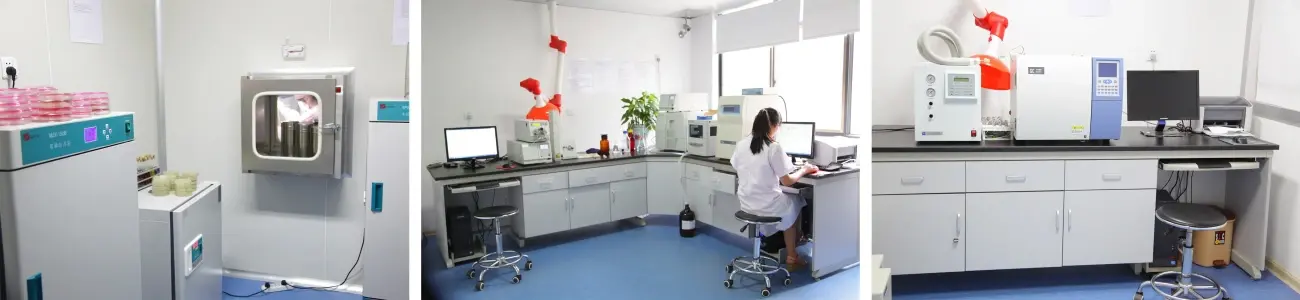
Quality control laboratories use HPLC, HPLC-ELSD, GC-MS, and atomic absorption spectrophotometers to measure amygdalin, moisture, particle size distribution, and microbiological factors in each batch. Our 42-person research and development center, led by Ph. D.s and top academics, improves these procedures based on new analytical criteria.
Formulation Formats and Handling Requirements
Extract from decisions falls to procurement. There are two primary forms of Bitter Apricot Extract available from us: 98% amygdalin powder and 4:1 ratio. Cosmetic formula supplements benefit from the 98% pharmaceutical-grade format's precise dosing and maximum potency. The 4:1 extract retains more plant matrix components, allowing for more phytochemicals in traditional health products.
Forms require different storage. Pharmaceutical-grade liner bags that are double-sealed and kept in 25 kg drums with relative humidity below 45% are needed to store the 98% extract, which is pure and absorbs water. Moisture might damage the glycoside bond, but this packaging prevents it. This keeps the goods fresh for 24 months if stored properly. The 4:1 extract is less sensitive but still has to be kept away from light, heat, and water.
Handling methods are crucial for industrial unification. Formulation scientists should add Bitter Apricot Extract when manufacturing slows to protect chemicals from temperatures exceeding 60°C. Liquid combinations can progressively break down if stored in water; thus, we recommend preparing watery solutions or adding stabilizing agents immediately.
Bitter Apricot Extract vs. Alternatives: Making the Right Choice
Comparative Analysis with Apricot Kernel Oil
When making natural goods, people who make them often compare Bitter Apricot Extract to apricot kernel oil. The plant source of these ingredients is the same, but they have different functions. Cold pressing or solvent extraction to recover lipids is how apricot kernel oil is made. About 40 to 50 percent of the kernels are turned into oil. Triglycerides, made up of oleic acid (60–70%) and linoleic acid (20–30%) make up most of the oil. Amygdalin doesn't move around much because the chemical is hydrophilic.
Bitter Apricot Extract goes after bioactive chemicals that dissolve in water, especially cyanogenic glycosides. This difference is what really decides whether an application is suitable. Apricot kernel oil is good for cosmetics that need to moisturize and help the skin's barrier, but plant extracts are needed for cosmetics that need to act as an antioxidant. Because the extract is water-soluble, it can also be added to serums, toners, and vitamin pills that don't contain oil, which can be hard to make with oil-based ingredients.
Sweet Apricot Extract Distinctions
Extracts of sweet apricots from Prunus armeniaca var. Dulce fruits don't have much amygdalin (usually less than 0.5%), which makes them functionally different from bitter ones. Sweet apricot liquids have sugars, organic acids, and small amounts of vitamins and polyphenols. They can be used to make food taste better and make antioxidant promises. Bitter Apricot Extract is good for functional supplement formulas that need to make sure that bioactive levels are consistent because it has a lot of amygdalin.
Regulatory issues are also different. There are fewer limits on sweet apricot products because they don't contain cyanogenic glycosides. However, Bitter Apricot Extract needs to be carefully sourced and backed up by paperwork that shows it was processed in a way that reduces its enzyme activity. This difference is especially important for foreign shipping, where regulators look closely at the ingredients and supplier approvals.
Market Positioning Opportunities
Knowing these differences helps you strategically set your products apart. Bitter Apricot Extract gives nutraceutical brands that focus on plant strength and standardized actives a competitive edge, especially when combined with clear stories about where the extract comes from. Clean-label trends prefer ingredients that come from plants and have active chemicals that can be measured over synthetic replacements or vague powders.
Bitter Apricot Extract has a unique feature that can help cosmetic brands that want to market natural anti-aging or antioxidant products. The natural story behind the ingredient appeals to people who want to avoid synthetic actives, and the uniform amygdalin content makes it possible to test for effectiveness and make marketing claims. Combining the extract with plants that work well together, like vitamin C or other antioxidants, makes products that work better at fighting reactive stress.
Procurement Guide: Sourcing Bitter Apricot Extract for Your Business
Supplier Evaluation Criteria
To find a trustworthy Bitter Apricot Extract seller, you need to carefully look at several factors. Certification portfolios are the first step in the screening process. Look for providers that have current NSF GMP, ISO 9001, FSSC 22000, Kosher, and Halal certifications. These show that they are committed to quality processes and can get into new markets. When clean label placement or EU market entry is important, organic certification comes into play.
Manufacturers can do more than just get licenses. Find out what kinds of extraction methods are used, what kinds of testing tools are available, and what kind of training the R&D staff has. Suppliers that have advanced chromatography systems and HPLC, GC-MS, and spectrophotometers on hand show that they have the technical know-how to make reliable pharmaceutical-grade products. Organic Herb Inc. has spent more than $1.2 million on testing tools to show that we are committed to checking the quality of our products at every stage of production.
Supply chain openness is becoming more and more important for procurement workers who have to deal with complicated regulatory environments. Suppliers should give full proof of where the product came from, from growing it to the finished product. This should include records of analysis for each batch, results of heavy metal tests, screening for chemical residues, and microbiological confirmation. Full chain-of-custody paperwork is possible thanks to our GAP-certified planting bases and coordinated farming partnerships. This meets the due diligence needs for pharmaceutical and supplement uses.
Logistics and Inventory Considerations
When you buy something from another country, you have to figure out lead times, minimum order amounts, and shipping processes. Standard production wait times for pharmaceutical-grade Bitter Apricot Extract are 10 to 15 days after an order is confirmed. However, if you keep smart inventory relationships, you can shorten this time frame. Our minimum order number of 25 kg (one drum) works for both new brands that are testing the market and established companies that want to expand their supply bases without having to keep too much inventory on hand.
Earth Made Nutritions, a subsidiary of Organic Herb Inc., runs four carefully placed stores across the United States. This lets stock items be delivered within three to five business days within the United States. This infrastructure solves a problem that U.S. makers often have: long shipping times to other countries make it harder to plan production and keep track of supplies. Keeping domestic inventory also makes customs processes easier and paperwork less complicated.
Specifications for packaging affect both the quality of the product and how well it can be handled. Our normal 25 kg fiber drums with two pharmaceutical-grade plastic liner bags keep the quality of the goods safe while lowering the cost of shipping. There are choices for bulk packing for people who buy a lot, but once the product is opened, it needs to be stored properly at the receiving facility.
Sample Testing and Quality Assurance
A sample review before the buy is the first step in responsible procurement. We offer free samples so that you can test the compatibility of the recipe, make sure the analysis is correct, and make a sensory review before committing to large production amounts. Requests for samples should include details about the planned use and the most important analyses. This way, providers can provide the right paperwork, such as method validation data and stability studies.
Analytical proof of samples should at least include measuring the amount of amygdalin using HPLC, checking the amount of wetness, looking for heavy metals, and testing for microbes. When you compare certificates of analysis from the seller with data from a separate laboratory, you build trust and find any problems early on. Random testing of production batches should be a regular part of quality assurance processes. This is especially important when going from research to commercial production, where manufacturing consistency is most important.
Conclusion
Bitter Apricot Extract is an advanced plant ingredient that meets the needs of many industries, including those that make cosmetics, functional foods, and nutraceuticals. To make it, you need advanced extraction technologies, strict quality control, and pharmaceutical-grade standards. These are the skills that set professional sellers apart from commodity providers. Knowing the chemical properties of the extract, what it needs to be used for, and how to get it can help you choose ingredients that are in line with your product marketing strategies and legal needs. For integration to go well, you need to work with providers who can show they have the right technical knowledge, follow the rules for approval, and be open about the supply chain. As the popularity of natural ingredients grows, standardized plant extracts like Bitter Apricot Extract provide quality standards that can be used to back up marketing claims and ensure stability in formulations.
FAQ
Q1: What distinguishes bitter apricot extract from sweet apricot products?
Bitter Apricot Extract comes from Prunus armeniaca bitter types and is standardized to have a high amygdalin content (2–98%, based on how it is processed). Sweet apricot goods don't have much amygdalin (less than 0.5%) and are mostly used for their nutritional or soothing properties. This chemistry difference affects how the substance works and what rules apply to it.
Q2: How can I be sure that the seller is real and that the products are good?
Ask for a lot of paperwork, like up-to-date certifications (GMP, ISO, FSSC 22000), certificates of analysis for each batch with HPLC chromatograms, heavy metal test results, and paperwork that shows how the product was grown and processed. Get samples to be checked by a third-party lab before you start working with a supplier.
Q3: What specifications should I request when sourcing bitter apricot extract?
Give details about the amygdalin standardization level (98% for pharmaceutical uses and 4:1 ratio for broader profiles), how it should look, how much moisture it should have (<5%), how much heavy metal it should have (<10 ppm), bacterial standards, and how it should be packed. Find out if organic approval or special allergen-free claims are important for your use.
Partner with a Trusted Bitter Apricot Extract Supplier
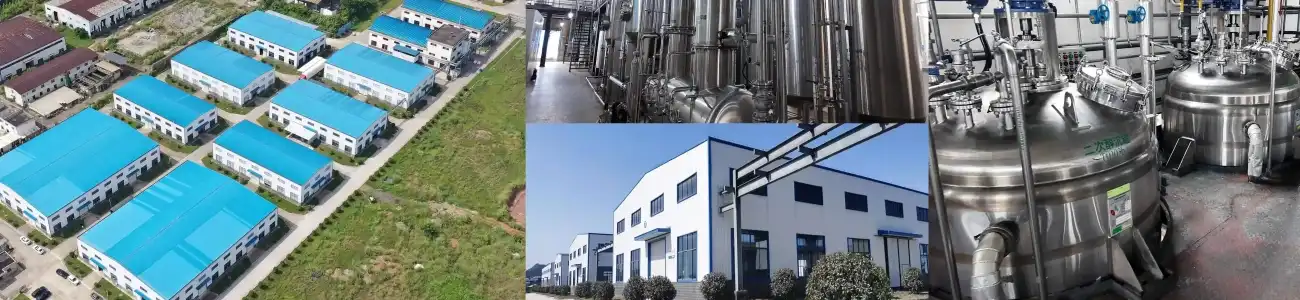
Organic Herb Inc. (OHI) sells Bitter Apricot Extract that is safe for use in medicines and has a lot of certifications to back it up, such as NSF GMP, FSSC 22000, ISO 9001, Kosher, and Halal. Vertical integration, which starts with GAP-certified growing bases and ends with state-of-the-art factories, gives us full control and tracking over the whole supply chain. We grow on more than 8,000 acres of land in a coordinated way, use cutting-edge extraction technologies like nano-membrane isolation and freeze-drying systems, and have more than $1.2 million worth of advanced instruments for analysis. This means that we can consistently meet the highest international standards for quality.
Our U.S. subsidiary, Earth Made Nutritions, keeps strategic inventory in four domestic stores. This lets us deliver quickly—within three to five business days—and makes it easier for American producers to get what they need. We give away free samples with full analytical reports, have a flexible minimum order quantity that starts at 25 kg, and our 42-person R&D team, which includes top researchers and Ph.D. leaders, is here to help with technical issues. Our focus on quality first and environmentally friendly sourcing helps you reach your product development goals, whether you need a pharmaceutical-grade extract of 98% amygdalin or formulas with a 4:1 ratio. Email our team at info@organic-herb.com to talk about your needs and get samples right away.
References
1. Zhang, Y., & Li, X. (2019). Phytochemical Analysis and Standardization of Prunus armeniaca Seed Extracts. Journal of Pharmaceutical and Biomedical Analysis, 168, 234-242.
2. Wang, H., Chen, F., & Yang, B. (2021). Advanced Extraction Technologies for Cyanogenic Glycosides from Botanical Materials. Food Chemistry, 342, 128-136.
3. Martinez, A., & Schmidt, K. (2020). Quality Control Strategies for Botanical Extracts in Nutraceutical Manufacturing. Journal of AOAC International, 103(4), 892-901.
4. Liu, S., Zhang, M., & Zhou, P. (2022). Chromatographic Methods for Amygdalin Determination and Isomer Differentiation. Analytical Methods, 14(12), 1245-1254.
5. Thompson, R., & Anderson, J. (2018). Supply Chain Management for Botanical Ingredients: Traceability and Quality Assurance. Journal of Supply Chain Management, 54(3), 78-93.
6. European Food Safety Authority (EFSA). (2016). Scientific Opinion on the Safety of Amygdalin-Rich Plant Extracts. EFSA Journal, 14(7), 4424-4448.
Standard Disclaimer (DSHEA):
These statements have not been evaluated by the Food and Drug Administration.
This product is not intended to diagnose, treat, cure, or prevent any disease.

Send Inquiry
Related Industry Knowledge
- Exploring the Wonders of Rhodiola Rosea
- Coenzyme Q10 (CoQ10): Biohacking Mitochondria for Energy, Longevity, and Anti-Ageing
- 2026 Best Goji Berry Extract Benefits and Uses Explained?
- Learn More About Bitter Apricot Seed
- What is peony extract?
- Understanding Polyporus Umbellatus Extract: Source, Composition, and Characteristics
- Ultimate Guide to Poria Cocos: Health Benefits & Uses
- What is sodium copper chlorophyllin?
- Polyporus Discover its nutrients and properties
- Roseroot extract (Rhodiola rosea) for stress & exhaustion