
What is red yeast rice good for?
Jun 12, 2026
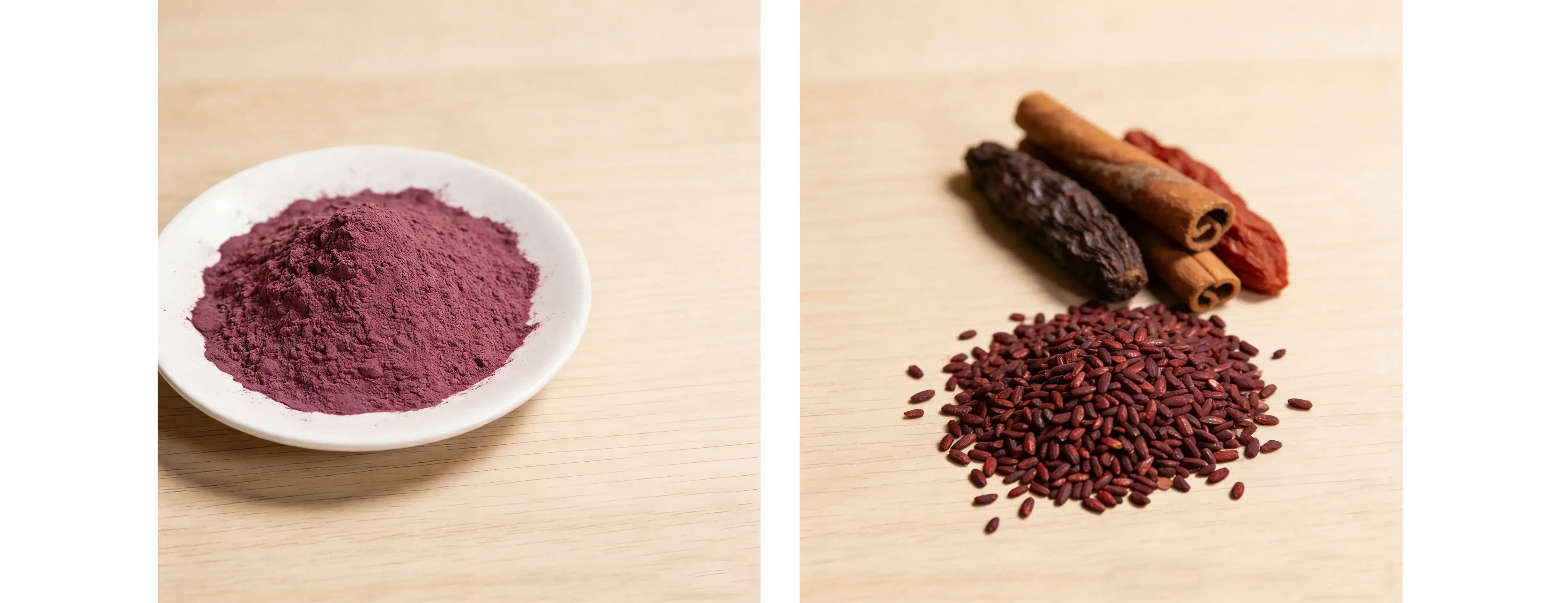
Red Yeast Rice Extract Powder comes from non-GMO rice that has been fermented with Monascus purpureus. It contains standard amounts of bioactive compounds, especially Monacolin K. This ingredient helps manufacturers make their products stand out while meeting the growing demand for clean-label options. It can be used in functional foods, dietary supplements, and pharmaceutical-grade formulations. This makes it a flexible option for R&D teams and buying workers looking for botanical actives that work well.
Understanding Red Yeast Rice Extract Powder
What Makes Red Yeast Rice Extract Powder Unique?
Controlled fermentation of warmed rice produces Monascus purpureus (L.) colonies. Makes Red Yeast Rice Extract Powder. It takes many processes to concentrate monacolins and remove unwanted ingredients in extract form, unlike boiling red yeast rice for colouring. The 0.1% Monacolin K rule ensures batch consistency, which many ingredient purchasers struggle with when buying plant materials.
Water-based separation procedures preserve the compound's clear label and natural character. It's violet-red because fermentation creates natural colours. This colour indicates quality; the true value is the number of tested active substances.
The Science Behind Fermentation and Bioactive Compounds
Fermentation transforms rice into valuable material enzymatically. Monascus purpureus yeast produces monacolins, colours, and organic compounds during growth. Monacolin K is unique since its structure resembles cardiovascular-studied substances.
Controlling temperature, humidity, and material composition is essential for optimal fermentation. Any change in these characteristics might affect product safety and efficacy. Advanced manufacturers monitor the fermentation cycle to optimize conditions. This focus on process control affects extract powder reliability.
Standardization and Quality Benchmarks
One of the main issues with plant components is their variability. Standardization fixes this. Depending on fermentation, rice type, and processing, raw red yeast rice can have different levels of active chemicals. Formulation specialists can anticipate product performance with extract powder set to 0.1% Monacolin K.
Quality goes beyond active compound amount. Citrinin, a nephrotoxic fungus, can arise after improper fermentation. It must be controlled or eliminated. Reliable providers verify each batch for this contaminant and ensure the concentrations are too low to detect or meet international safety requirements. Quality control is crucial when creating items for markets with severe sales restrictions.
Health Benefits and Applications of Red Yeast Rice Extract
Cardiovascular Wellness Support
With a healthy lifestyle, Red Yeast Rice Extract Powder helps maintain lipid levels. Much study has been done on how monacolins alter cholesterol biosynthesis. A common method by which drugs function in the body is by inhibiting HMG-CoA reductase enzymes.
People are more interested in natural circulatory support since they realize how lifestyles impact heart health. Product designers may capitalize on this trend by adding standardized red yeast rice extract to healthy recipes. Natural beginnings resonate with those who want alternatives to produced goods.
Antioxidant Properties and Cellular Protection
Red yeast rice offers heart-healthy and antioxidant compounds. These compounds remove metabolism-generated reactive oxygen species. Although monacolin is still the principal antioxidant, colours like monascin and ankaflavin also contribute.
Complete health product manufacturers use antioxidants. Red yeast rice extract and healthy herbs create synergistic mixtures that treat many health issues. This strategy helps businesses stand out in the congested supplement industry while providing actual value to end customers.
Anti-Inflammatory Effects and Metabolic Health
New research examines how red yeast rice components affect inflammation. Chronic low-grade inflammation causes metabolic issues. Functional food and supplement recipes benefit from anti-inflammatory elements. Good extracts may include polyphenolic compounds that provide these advantages.
As consumers understand more about diet, inflammation, and health, metabolic health is growing in the market. Metabolic booster brands should employ proven elements such as controlled red yeast rice extract. This chemical helps cholesterol metabolism and inflammation balance, which formulators want.
Comparing Red Yeast Rice Extract to Alternative Ingredients
Natural Versus Synthetic Monacolin Sources
The natural vs. synthetic chemical debate continues to influence consumer purchases and usage. Red Yeast Rice Extract Powder contains natural monacolins, unlike lab-made ones. This distinction is essential for firms targeting clean-label consumers since ingredient location affects their purchase patterns.
In preparation, natural products might be beneficial or impossible. Plant matrices are complex; several compounds operate together, which may be better than single molecules. Due to their complexity, they require more extensive quality control than single-molecule synthetics. Companies must consider these factors while selecting product materials.
Complementary Ingredients for Lipid Management
Red yeast rice extract alone is rarely used in recipes. Mixing it with complementary substances yields more complete products. Omega-3 fatty acids from fish oil or algae reduce lipids and inflammation, improving heart health. Plant sterols limit cholesterol absorption in the digestive tract, complementing the first technique.
Niacin, a B3 nutrient, maintains HDL cholesterol. It also breaks down fats differently than monacolins. Any solution with monacolin-based compounds should include Coenzyme Q10 since some research suggests taking it with other supplements may improve heart health. Smart formulation strategies consider these interactions while creating new products.
Evaluating Efficacy and Consumer Satisfaction
B2B buyers demand real-world results, not just theoretical benefits. Market feedback from popular red yeast rice extract supplement companies can tell us a lot. Favourable ingredients, the proper amount, and compatible chemistry lead to favourable evaluations and return purchases.
Clinical studies provide further evidence to aid in picking substances. When used properly, red yeast rice extracts can affect lipid variables, according to expert research. Procurement teams should request studies on specific extract grades instead of assuming all red yeast rice products perform the same.
Sourcing and Procurement Considerations for Ingredient Buyers
Key Quality Indicators When Evaluating Suppliers
You must examine several factors to select a reliable Red Yeast Rice Extract Powder source. HPLC should be used by a third party to measure Monacolin K. Your batch must have a Certificate of Analysis (CoA) showing active chemicals and no contamination.
This fungus may pose health hazards; citrinin testing requires additional attention. Trustworthy vendors worldwide obey European citrinin limitations in red yeast rice products, regardless of market. Request test results showing citrinin levels below 2 ppm, the European Food Safety Authority standard.
Solvent residues impact safety and clean-label status. This water-extracted red yeast rice is solvent-free. This extraction method helps insert natural items while fulfilling regulatory safety criteria.
Certifications That Matter for Global Markets
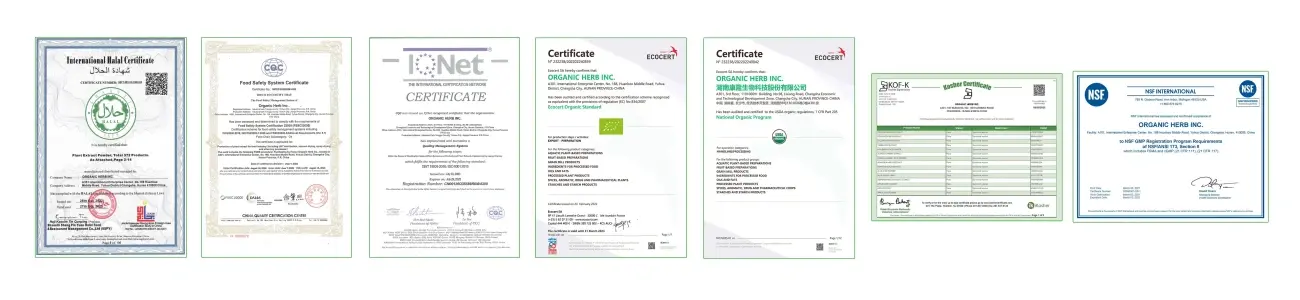
Some recommendations are always excellent to follow, but certification criteria vary by target market and product type. NSF GMP accreditation indicates that a corporation respects food supplement GMPs. Workers at processing facilities may be certain that their systems are good with this third-party confirmation.
Food safety management standards are generally acknowledged with FSSC 22000 accreditation. Functional food and drink ingredients may need this permission in some distribution routes. Specialty food manufacturers gain market share with Kosher and Halal licenses.
People who buy natural items like organic foods, yet fermented foods are tougher to organize. The fermentation technique must obey organic material standards and use natural rice substrate. Some stores sell organic red yeast rice extract, which costs more.
Understanding Supply Chain Logistics and Lead Times
Supply chain reliability distinguishes outstanding suppliers from good ones. Red yeast rice extract powder requires producing rice, fermenting it (which might take weeks), extracting it, drying it, and quality control. Reliable suppliers retain enough stock to handle average order volumes without delays.
Famous organizations like Organic Herb Inc. manage their items with a 10-day lead time. Due to four strategically situated US locations, North American orders arrive swiftly. This distributed inventory strategy reduces shipping costs and delivery times compared to direct purchases for every sale.
Minimum order quantities (MOQ) of 25 kg balance production speed with customer flexibility. This barrier allows smaller brands and contract manufacturers to obtain quality materials without bulking up. Free samples demonstrate the supplier's confidence in the product and allow formulators to assess stability and compatibility before placing larger purchases.
Practical Applications Across Industry Segments
Nutraceutical and Dietary Supplement Formulations
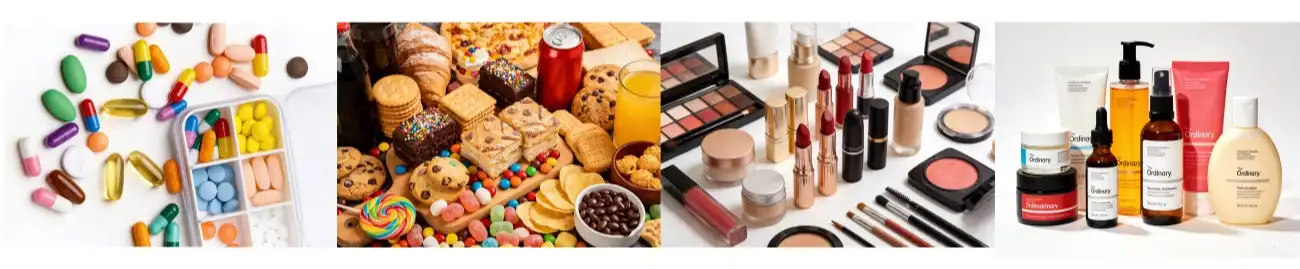
Standardized Red Yeast Rice Extract Powder is mostly bought by companies that make dietary supplements. Capsules usually have between 600 and 1200 mg of extract per serving, which is designed to give certain amounts of monacolins. Tablet forms have unique problems because of how they compress and how long it takes for them to break apart, so it's important to choose the right excipients.
Red yeast rice extract is found in more handy forms in powder-based vitamins and drink mixes. But the violet-red colour can change how finished goods look, which needs to be thought about when the products are being made. Some brands use the natural colour as a visual clue that the product contains plants, while others use opaque pills or formulas where colour is less important.
It's possible that time-release or delayed-release versions can help with digestion or lower the risk of stomach pain in sensitive people. These unique transport methods make production more difficult, but they can help a product stand out in a crowded market.
Functional Foods and Beverage Integration
Adding red yeast rice extract to food matrices is technically difficult in its own way. It needs to be tested thoroughly to see how it reacts with other ingredients, how stable it is to heat during processing, and how sensitive it is to pH. Functional beverage makers have successfully added red yeast rice extracts to ready-to-drink products, but they need to do more work on the recipe to make the flavours taste good.
Other ways to give nutrients are through fortified protein bars, functional chocolates, and other solid foods. Based on the normal monacolin content, the element doesn't usually change the taste or texture of the main product very much because it is used at low levels. When it comes to food, where shelf life standards are different from those for regular supplements, stability testing in real-world storage settings is very important.
Different places have different rules about what is regulated for food and drug use. In the US, red yeast rice extract is usually regulated as a food supplement. In some European countries, the rules are tighter. Buyers of ingredients must make sure that the regulations are followed for the specific use and market they want to reach.
Pharmaceutical-Grade Material for Medical Nutrition
Some companies need pharmaceutical-grade red yeast rice extract that meets even stricter standards than normal dietary supplement materials. Medical foods, which are regulated in a way similar to both regular foods and drugs, could be used in these situations. Better paperwork, with thorough explanations of the manufacturing process and a lot of security information, helps with these specific uses.
When it comes to pharmaceutical-grade products, traceability is very important. Supply lines have to keep track of the item from the rice fields where it is grown to the point where it is packaged. With GAP-certified planting bases that cover more than 8,000 acres, Organic Herb Inc.'s integrated method is the basis for strong tracking systems.
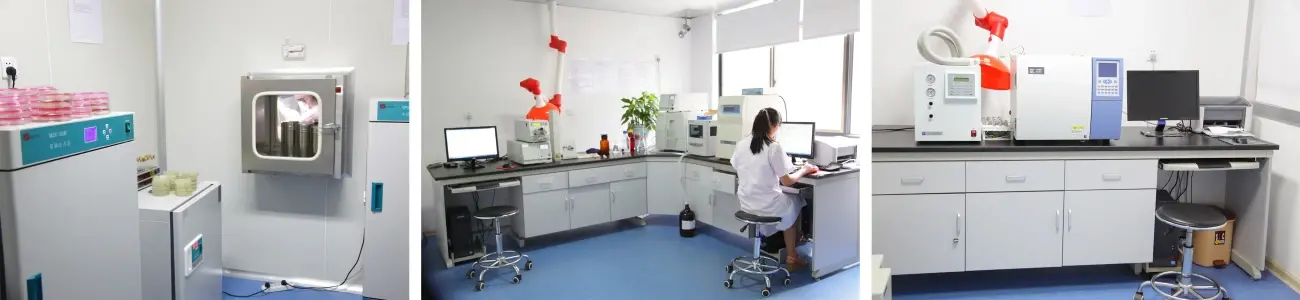
In addition to checking for identification and strength, analytical testing also checks for microbial limits, heavy metals, pesticide residues, and other possible pollutants. Pharmaceutical-grade specifications often use pharmacopeial standards or unique specifications made to meet the needs of a single customer.
Supporting Brand Differentiation and Market Positioning
In addition to the technical aspects, choosing the right ingredients strategically helps tell the story of the brand and place it in the market. Red yeast rice has been a part of Asian food culture for hundreds of years, and brands that focus on traditional knowledge and tried-and-true plants can bring that past to life. Companies that care about solid proof can point to the large body of studies that have been done on monacolin molecules.
People who care about the environment respond well to stories about sustainability. Suppliers who are committed to sustainable farming methods, like Organic Herb Inc.'s relationships with local farming communities, give brands the content they need to tell real stories. These partnerships make sure that farmers get fair pay and encourage farming methods that protect wildlife and the health of the land.
People are more likely to believe a product if tests and quality control are clear. This is especially important in countries like the US where people are skeptical about dietary supplements. When brands talk about their suppliers' licenses, testing procedures, and quality standards, they set themselves apart from rivals who make claims that can't be backed up.
Conclusion
In conclusion, Red Yeast Rice Extract Powder is a tried-and-true plant ingredient that meets the market's need for natural support for heart health. It is useful in nutraceutical, functional food, and pharmaceutical-grade uses because it has a normal monacolin content and anti-inflammatory and antioxidant qualities. To find good ingredients, you need to pay attention to things like citrinin control, monacolin percentage, and full approvals. Manufacturers can make unique goods that appeal to health-conscious customers by working with suppliers who offer water extraction, strict testing methods, and dependable logistics. Red yeast rice extract powder is still seen as a scientifically-backed ingredient that combines traditional plant knowledge with modern standardization needs as the market for natural goods continues to grow.
FAQ
Q1: How does red yeast rice extract powder differ from regular red yeast rice?
Standardizing Red Yeast Rice Extract Powder makes certain beneficial compounds, especially monacolins like Monacolin K, more concentrated. Regular red yeast rice used in cooking has these compounds in different amounts that are not standardized. The separation method also makes it easier to check the quality, as it includes strict tests for contaminants like citrinin. Extract powder gives industrial formulas the consistency they need for accurate dosing.
Q2: What should manufacturers look for when selecting a red yeast rice extract supplier?
Give more weight to suppliers who can back up their claims with third-party tests, full certifications (GMP, FSSC 22000, organic), and written citrinin control procedures. Standardized amounts of monacolin make sure that each batch is the same. The extraction fluid is important; water-based extraction helps with clean label placement. Reliability in the supply chain, such as acceptable lead times and easy access to goods, keeps production from being held up. Before making a big buy, ask for samples to check the quality.
Q3: Can red yeast rice extract be combined with other cardiovascular wellness ingredients?
Yes, red yeast rice extract works well when mixed with other ingredients. Plant sterols, Coenzyme Q10, omega-3 fatty acids, and niacin all work together to improve circulatory health. Formulators should think about possible conflicts and make sure that the total dose is still right. Combination goods may have more benefits than single-ingredient methods and help to place a premium product as a result.
Why OHI Red Yeast Rice Extract Powder Delivers Exceptional Value?
Organic Herb Inc stands out as a company that makes Red Yeast Rice Extract Powder by mixing technical know-how, customer service, and vertical integration. Our standardized extract comes from Monascus purpureus plants grown on carefully chosen rice. It gives formulators the uniformity they need and the quality guarantee procurement teams expect. Our product meets clean-label standards and works reliably. Its specs were checked at 0.1% Monacolin K, and the water-based extraction process keeps the natural integrity.
We ship your order within 10 days because we have four carefully placed stores across the United States. This helps us develop new products quickly and keep track of our inventory. Our FSSC 22000, NSF GMP, Kosher, Halal, and organic standards give you the proof you need to follow the rules and build trust in your brand. Whether you're making a new vitamin for heart health or adding to a line of products you already have, our team has decades of experience extracting plants that can help you succeed.
You can try our red yeast rice extract powder in your recipes before committing to large-scale production by asking for samples. The 25 kg minimum order lets you get high-quality products without having to keep too much stuff on hand. You can talk to our team at info@organic-herb.com about your unique needs, ask for technical information, or set up a free sample. We have reliable materials and quick service ready to help you with your next formulation problem.
References
1. Becker DJ, Gordon RY, Halbert SC, French B, Morris PB, Rader DJ. Red yeast rice for dyslipidemia in statin-intolerant patients: a randomized trial. Annals of Internal Medicine. 2009.
2. Gerards MC, Terlou RJ, Yu H, Koks CH, Gerdes VE. Traditional Chinese lipid-lowering agent red yeast rice results in significant LDL reduction but safety is uncertain. Atherosclerosis. 2015.
3. Liu J, Zhang J, Shi Y, Grimsgaard S, Alraek T, Fønnebø V. Chinese red yeast rice (Monascus purpureus) for primary hyperlipidemia: a meta-analysis of randomized controlled trials. Chinese Medicine. 2006.
4. European Food Safety Authority. Scientific opinion on the substantiation of health claims related to monacolin K from red yeast rice. EFSA Journal. 2011.
5. Patel S. Functional food red yeast rice (RYR) for metabolic syndrome amelioration: a review on pros and cons. World Journal of Microbiology and Biotechnology. 2016.
6. Kumara WM, Munasinghe DM. Comparison of fungal strains and culture conditions for the biosynthesis of Monacolin K from Monascus purpureus. Journal of Food Science and Technology. 2020.
Standard Disclaimer (DSHEA):
These statements have not been evaluated by the Food and Drug Administration.
This product is not intended to diagnose, treat, cure, or prevent any disease.

Send Inquiry
Related Industry Knowledge
- What is peony extract?
- Reishi Mushroom Skin Benefits: The Ultimate Guide
- The rejuvenating power of Rosehip extract in skin care
- Polyporus Umbellatus Extract Explained: From Raw Material to Final Product
- What is the best reishi mushroom extract?
- What is sodium copper chlorophyllin?
- Does red yeast rice lower cholesterol?
- How do you use rosemary?
- What is sage used for?
- Polyporus Discover its nutrients and properties