
Exploring the Wonders of Rhodiola Rosea
Jun 12, 2026
Rhodiola Rosea, which is also called "Golden Root" or "Arctic Root," is one of the most lovely plants in the world. This tough plant grows in harsh, high-altitude places like Siberia, Scandinavia, and the Arctic. It has caught the attention of people all over the world who use it to make medicines, cosmetics, and useful foods. Natural Rhodiola Rosea Extract contains steady amounts of medicine-making chemicals, mainly rosavins and salidroside, that can be used in many different types of products. If B2B clients want to stand out in a crowded market, they should know about this plant's qualities, how to get it, and what it can be used for.
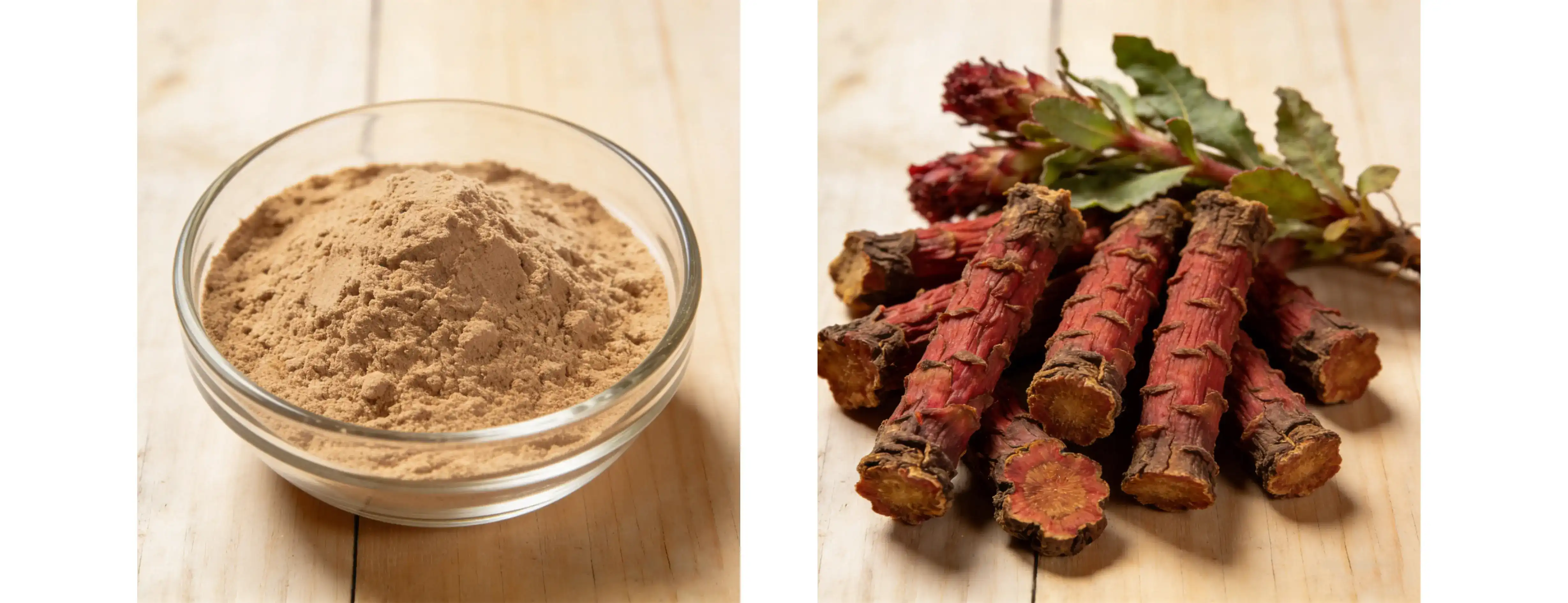
Understanding Rhodiola Rosea Extract and Its Benefits
The Botanical Heritage of Rhodiola Rosea
Crassulaceae Rhodiola rosea L. thrives in dry, windy conditions with little air. The root has been treasured throughout Northern Europe and Asia for centuries. People have recognized features that current science attributes to its complex phytochemical makeup. The plant's robust leaves and golden-yellow blossoms demonstrate its adaptability. The same factors increase the root concentration of reactive compounds.
Extraction Technology and Quality Standards
Today, water-ethanol solvents extract active compounds from dried Rhodiola rosea stems. This approach removes hydrophilic and lipophilic substances with two solvents. A 3% rosavins and 1% salidroside extract is typical. Because phenylpropanoid molecules are colored. Powder might be yellow or brown.
How pure the product is depends on the extraction. By regulating temperature and screening out impurities and adulterants, thermolabile compounds are safe to handle. Organic Herb Inc.'s high-tech facilities employ freeze-drying and nano-membrane separation methods to preserve the product's biological power. These technical abilities enable formulators to ensure batch consistency and product stability.
Active Compounds and Their Mechanisms
A single plant possesses phenylpropanoid glycosides called rosavins. They include rosavin, rosarin, and rosin. By appearance, true rosea species may be distinguished from cheaper fakes like Rhodiola crenulata. Bioactivity is increased by salidroside and tyrosol. These substances impact cell communication, which affects energy utilization, hormones, and bodily response.
Some peer-reviewed research has measured mental performance and physical endurance. Standardized Rhodiola tablets improved attention and information processing, according to a 2015 Phytomedicine research. In another Journal of Strength and Conditioning Research research, athletes reported exercising better and with less effort. The scientists who found these results can sell new nootropics and sports nutrition products.
Dosage Considerations for Product Development
Formulation approach affects usage and delivery. Some people take 200 to 600 mg of pure extract daily, in one or two doses. More is usually utilized in sports nutrition. However, everyday health supplements may employ lesser amounts of compatible elements.
Natural Rhodiola Rosea Extract powder varieties offer the most options for unique mixtures, ready-to-mix beverages, and sachets. Regular supplements benefit from encapsulation since it improves the dose and shelf life. Distinct places have distinct order rules. Novel Food laws apply to European markets, whereas DSHEA covers US commodities. Makers must follow the regulations. To buy, you must meet the seller's conditions.
Procurement Guide: How to Source High-Quality Rhodiola Rosea Extract?
Essential Supplier Selection Criteria
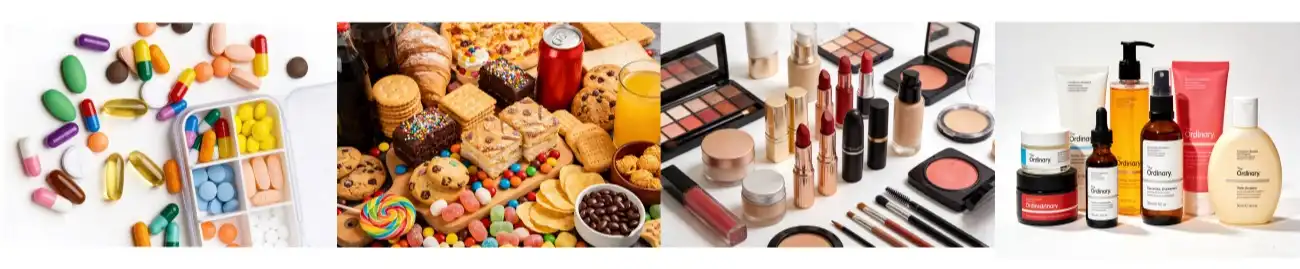
The first step in product protection is to check out the suppliers. Getting manufacturing licenses shows that a company is serious about following legal and practical rules. Here are a few important certificates:
- GMP (Good Manufacturing Practice): Makes sure that process rules are in place, that goods don't get contaminated, and that they can be tracked.
- FSSC 22000: Ensures products that are put into food chains for people follow the rules of a food safety management system.
- Organic Certification: Means that the extract was grown and handled without using any chemicals and in line with the rules set by the USDA NOP or the EU.
- Kosher and Halal: Let's bring more people into the market who need religious approval.
This company, Organic Herb Inc., keeps its NSF GMP, FSSC 22000, ISO 9001, Halal, Kosher, and organic marks up to date. Having a lot of different credentials shows that quality control is being done in a planned way, and the items being sent are ready for a lot of different safety settings and customer tastes.
Quality Testing Protocols and Documentation
In the legal world, Certificates of Analysis (COA) are proof that something is really good. Full COAs should have details about the following:
- Using HPLC to measure the amount of active substances and confirm the amounts of rosavin and salidroside
- Checking for heavy metals like arsenic, cadmium, lead, and mercury based on government rules
- To find bacteria, yeast, and the total plate count, among other microbiological tests
- Checking for farm chemical pollution and looking at pesticide leftovers
- Making sure that the ethanol amount is safe by checking for solvent leftovers
Buyers should ask for COAs for sample batches before they buy large amounts. Multiple runs that are all the same show that you have good process control. Discrepancies may mean that there are problems with quality control that need more study or a look at a different service.
Strategic Buying Options for Different Business Models
Things are acquired according to the market, business size, and style. When major brands make a lot, bulk buying is cheaper. The minimum order is usually 25 kg. This is plenty for trial manufacturing or small quantities of unique things, and it's affordable for new companies. Higher claims allow tiered pricing, making high-velocity SKUs more profitable.
Instead of buying extraction equipment or developing expertise, brands may distribute completed items through private label manufacture. Full-service companies source raw ingredients, improve recipes, test quality, and package. This speeds up product delivery and simplifies business. Startups, online retailers, and those who wish to offer more than just their core products can utilize this plan.
Contract manufacturing offers center ground. Brands retain ownership of recipes and IP while outsourcing production. This requires more precision than a readymade private label, but precise proportions and ingredient blends may make your brand stand out.
Market Pricing Dynamics and Value Assessment
Natural Rhodiola Rosea Extract prices depend on standardization, license, order size, and seller status. Cheaper pure commodity-grade extracts may not function as well or have as much trial proof. More costly organic items with complete COAs and regulator approval are safer and better.
Buyers should consider both the price per kilogram and the total cost. How much a product costs relies on how much it costs to transport, store, and manage paperwork, as well as the likelihood that it will need to be remade due to quality issues. Earth Made Nutritions, a subsidiary of Organic Herb Inc., has a US warehouse. Fast delivery, cheaper shipping costs, and quick customs for U.S. purchasers benefit businesses.
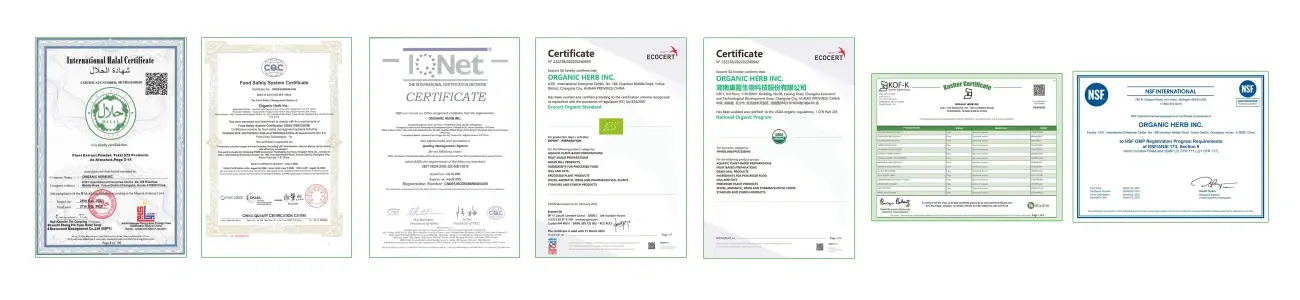
Applications and Use Cases of Rhodiola Rosea Extract in B2B Markets
Functional Food and Beverage Development
Plant-based beverages, ready-to-drink teas, and tonics are growing increasingly popular. Rhodiola's prospects and problems make it difficult to prepare for these purposes. Grades that dissolve in water or nanoemulsions disseminate material in wet mixtures to prevent settling and maintain appearance. Drinks seem different with a natural yellow-brown tint. Clear drinks must be covered. It works for amber tonics and plant teas.
Rhodiola ingredients make long-lasting functional meals like nutrition bars, plant-based protein products, and improved snacks healthier and better. In this tightly scrutinized region, food-grade certification (FSSC 22000) and heaps of safety paperwork make regulatory clearance easy. Stability testing reveals that bioactives will remain in the product throughout its shelf life if stored properly. Ensuring the item is secure before selling it is crucial.
Cosmetic and Personal Care Applications
Rhodiola's cosmetic applications are attracting researchers. The extract's antioxidant profile supports assertions that salidroside can be employed in skin care products. It fights aging and helps the environment. Cosmetic and dietary supplement standards may differ. Things must be cleaned and preserved to prevent germ growth.
Natural and organic skin care brands choose plant items with intriguing origins and long-standing uses. Rhodiola, from the Arctic, can survive harsh environments. Marketing concepts that emphasize strength and safety are easy to translate into beauty advantages. Going into nations with many cosmetics regulations requires providers to aid with paperwork.
Ensuring Quality and Safety: Best Practices for B2B Clients
For B2B buyers of botanical extracts, guaranteeing product quality, safety, and regulatory compliance is non-negotiable. This requires a multi-faceted approach encompassing rigorous testing, ethical sourcing, and meticulous documentation. Adopting these best practices protects brand integrity, ensures consumer safety, and facilitates smooth market entry.
Comprehensive Quality Control Protocols
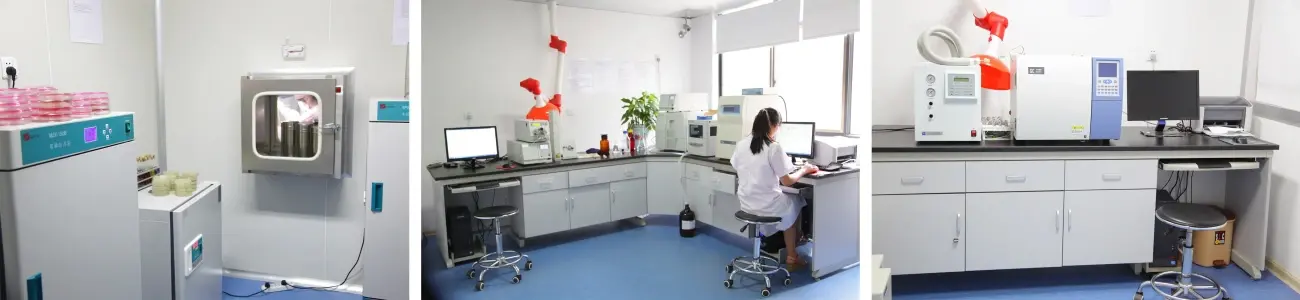
A robust quality assurance system operates at every stage. Upon receipt, raw materials undergo identity and purity verification. In-process monitoring ensures consistency during extraction. Final product testing confirms that the extract meets all specified parameters before release.
Core analytical tests include:
- High-Performance Liquid Chromatography (HPLC): This is the gold standard for quantifying active compounds (like paeoniflorin in peony) and confirming they fall within an approved range. It also detects impurities, degradation products, or adulterants.
- Microbiological Screening: Tests for total plate count, yeast, mold, and specific pathogens (e.g., E. coli, Salmonella). Results must comply with food or supplement safety limits to prevent spoilage and health risks.
- Heavy Metal Analysis: Essential for root-based plants that can absorb contaminants like lead, arsenic, cadmium, and mercury from soil. This testing mitigates risks from environmental pollution and processing equipment.
Third-party verification significantly enhances credibility. Certificates of Analysis (CoAs) from independent, ISO 17025-accredited laboratories are universally accepted by regulators, distributors, and retailers, providing objective proof of quality. Investment in advanced internal laboratories—equipped with tools like GC-MS, atomic absorption spectroscopy, and HPLC-ELSD—further demonstrates a supplier’s commitment to consistent, verifiable quality control.
Sustainable and Ethical Sourcing Practices
Responsible sourcing protects vulnerable species and ensures long-term supply chain resilience. For wild-harvested plants like rhodiola, which face pressure from over-exploitation, Good Agricultural and Collection Practices (GACP) or Good Agricultural Practices (GAP) are critical. These systems promote cultivated sources that conserve wild populations while delivering consistent botanical quality.
Leading suppliers operate extensive, GAP-certified farming bases. These controlled environments use sustainable agronomic methods tailored to local climates to optimize the concentration of desired active compounds. Strategic partnerships with farming cooperatives provide communities with expert guidance, quality seed, and economic stability, creating a more traceable and reliable supply chain.
Full traceability—from field to finished Natural Rhodiola Rosea Extract—is enabled by batch coding systems. This allows for rapid, precise recall if a quality issue arises and provides documented due diligence for audits. Commitment to sustainability is often validated through recognized certifications (e.g., USDA Organic, Fair Trade, or specialized sustainability seals). These credentials are increasingly vital for brand positioning, as modern consumers and retailers prioritize transparent, ethical origins.
Documentation Support for Regulatory Compliance
Navigiving global regulations requires comprehensive, accurate documentation. A knowledgeable supplier provides a complete dossier, including:
- Product Specification Sheets: Detailing microbiological, chemical, and physical criteria.
- Certificates of Analysis (CoA): For each batch, confirming potency and purity.
- Allergen Statements: Addressing potential cross-contamination risks.
- GMO Declarations: Verifying non-genetically modified status.
- Regulatory Status Documents: Outlining approved food, supplement, or cosmetic uses in key markets (e.g., FDA GRAS, EU Novel Food).
- Safety Data Sheets (SDS): For safe handling and storage.
Suppliers with dedicated regulatory affairs teams maintain up-to-date libraries of these documents, making them readily accessible to clients. This expertise drastically reduces the time and complexity involved in product registration and customs clearance, especially for brands expanding into new, strictly regulated markets. Their guidance is indispensable for interpreting regional requirements and compiling compliant submissions.
Conclusion
A lot of companies are trying to stand out in the health market, and Natural Rhodiola Rosea Extract is a key part of that. Since it has been used for a long time and has a unique set of phytochemicals, it is a good choice for functional foods, sports nutrition, and makeup. Choosing providers who care about quality control, following the rules, and buying in ways that are good for the world is important for procurement to work well. Formulations are always the same because they use standardized extracts with proven 3% rosavin and 1% salidroside content. Products can also be sold in a lot of different legal situations because they have full certification portfolios. Rhodiola is becoming more popular among consumers, and experts are still finding new ways to use it. It's a good ingredient for brands that want to look to the future because of this.
FAQ
Q1: What dosage of Rhodiola rosea extract should be used in formulations?
Every day in clinical tests, 200 to 600 mg of a pure extract with 3% rosavins are often used. A lot more is usually used in sports nutrition products, but only a little can be used in daily health supplements with other herbs that work well with them. Dosage recommendations should be based on research-backed levels and take into account the way the drug will be delivered, the people it is meant for, and the way it will be placed.
Q2: How can buyers verify extract authenticity?
For Natural Rhodiola Rosea Extract to be real, HPLC analysis must show that it contains rosavins, which are chemicals that are only found in Rhodiola rosea. Barcoding DNA is another way to show that a species really does exist. To find out how much rosavin and salidroside are in something, you should ask for Certificates of Analysis from valid labs. If a supplier can't show full testing paperwork, they might be selling materials that aren't as good or have been messed with.
Q3: Why does organic certification matter for international markets?
People want foods that are free of pesticides more and more, and organic approval meets the needs of officials in key areas. It is possible for U.S. goods to say they are "organic" with USDA organic certification, and it is easier for products to get into the European market with EU organic certification. Being organic means that a company cares about quality control and using safe methods, which is something that high-end brands and health-conscious customers like.
Partner with OHI for Premium Natural Rhodiola Rosea Extract Supply
Organic Herb Inc. (OHI) sells Natural Rhodiola Rosea Extract that has been cleared and is regulated. It is made especially for high-end business uses. Our standard of 3% rosavins and 1% salidroside works for functional food and skin care products. It comes with full-quality paperwork and licenses from a number of different places. Four well-placed U.S. shops run by our subsidiary Earth Made Nutritions allow us to meet your production goals with a stable inventory and short 10-day wait times. More than 8,000-acre GAP-certified farms and high-tech research and development centers make sure the quality is always good and comes from sustainable sources. Contact us at info@organic-herb.com to talk about your needs with a reputable Natural Rhodiola Rosea Extract source and get free samples to try.
References
1. Panossian, A., Wikman, G., & Sarris, J. (2010). Rosenroot (Rhodiola rosea): Traditional use, chemical composition, pharmacology and clinical efficacy. Phytomedicine, 17(7), 481-493.
2. Darbinyan, V., Kteyan, A., Panossian, A., Gabrielian, E., Wikman, G., & Wagner, H. (2000). Rhodiola rosea in stress induced fatigue—A double blind cross-over study of a standardized extract SHR-5 with a repeated low-dose regimen on the mental performance of healthy physicians during night duty. Phytomedicine, 7(5), 365-371.
3. De Bock, K., Eijnde, B. O., Ramaekers, M., & Hespel, P. (2004). Acute Rhodiola rosea intake can improve endurance exercise performance. International Journal of Sport Nutrition and Exercise Metabolism, 14(3), 298-307.
4. Spasov, A. A., Wikman, G. K., Mandrikov, V. B., Mironova, I. A., & Neumoin, V. V. (2000). A double-blind, placebo-controlled pilot study of the stimulating and adaptogenic effect of Rhodiola rosea SHR-5 extract on the fatigue of students caused by stress during an examination period with a repeated low-dose regimen. Phytomedicine, 7(2), 85-89.
5. Galambosi, B. (2006). Demand and availability of Rhodiola rosea L. raw material. In Medicinal and Aromatic Plants: Agricultural, Commercial, Ecological, Legal, Pharmacological and Social Aspects (pp. 223-236). Springer, Dordrecht.
6. Kelly, G. S. (2001). Rhodiola rosea: A possible plant adaptogen. Alternative Medicine Review, 6(3), 293-302.
Standard Disclaimer (DSHEA):
These statements have not been evaluated by the Food and Drug Administration.
This product is not intended to diagnose, treat, cure, or prevent any disease.

Send Inquiry
Related Industry Knowledge
- How to make peony extract
- 2026 Best Goji Berry Extract Benefits and Uses Explained?
- Reishi Mushroom Skin Benefits: The Ultimate Guide
- Are kidney beans good for weight loss?
- Does rosemary oil repel mosquitoes?
- Where to buy strawberry extract?
- What Are The Benefits Of Polyporus Umbellatus Extract?
- Best Rhodiola Rosea Supplement: Smart Choice Guide
- Poria Cocos Mushroom Extract as Functional Foods in Industry
- USA Market Insights on Sourcing High-Quality Polyporus Umbellatus Extract