
How to make peony extract
Jun 11, 2026
Peony-derived ingredients have grown a lot in the plant ingredients market, especially in the skincare and functional food sectors. Peony Extract, which comes from the seeds of the Paeonia lactiflora plant, is now a key ingredient for brands looking for natural, effective ingredients that fit with clean-label trends and government rules. If procurement workers know how this botanical ingredient is made, they can make smart choices about where to get it that have a direct effect on product performance, brand differentiation, and market competitiveness. For R&D directors, formulation managers, and buying teams looking at Peony Extract for their formulations, this complete guide covers the technical production methods, quality factors, and business issues that they need to think about.
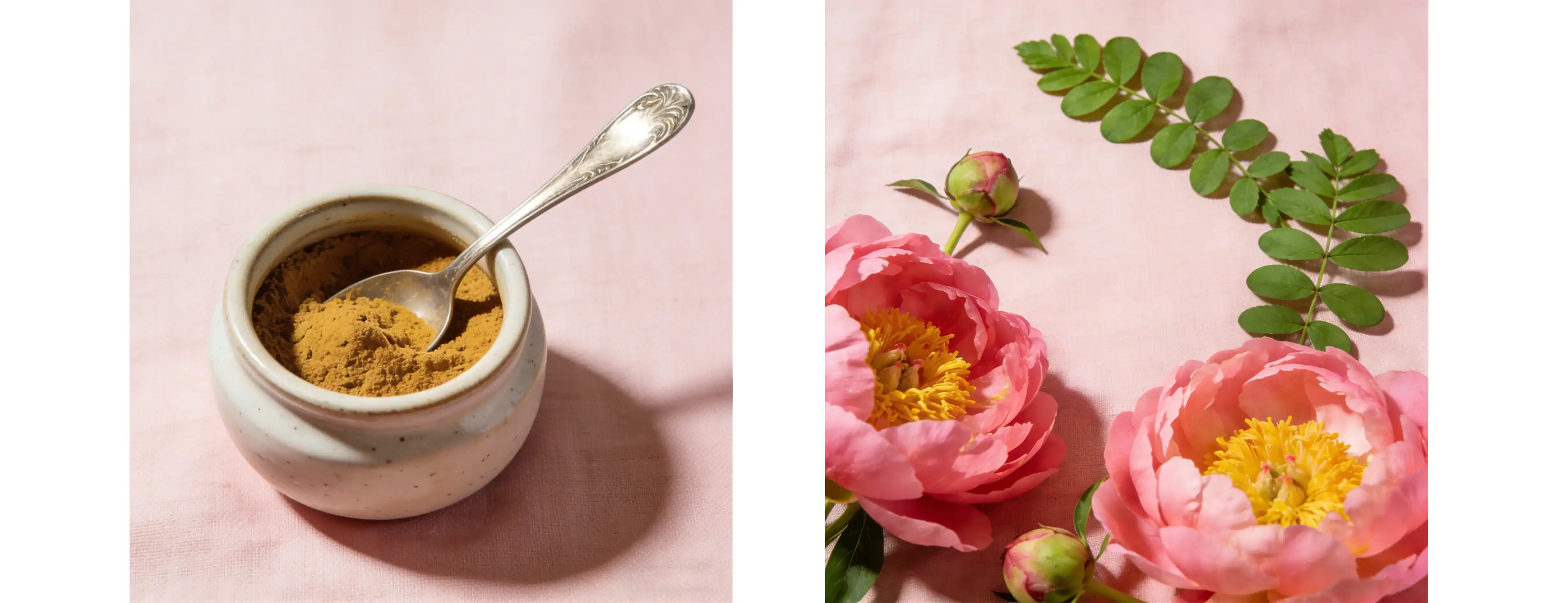
How Is Peony Extract Made? Step-by-Step Production Process
Raw Material Selection and Preparation
The first step in making high-purity Peony Extract is to carefully check the sources. The best time to gather peony roots is usually in the fall, when the amounts of bioactive compounds are highest. At OHI's GAP-certified planting sites, which cover more than 8,000 acres in Hunan, Jiangxi, and Guizhou provinces, farming is done according to Good Agricultural Practice rules that keep pesticide and heavy metal pollution to a minimum. Before extraction processing, the roots are cleaned well, sorted by size, and dried in a controlled way to remove wetness.
Water-Based Extraction Technology
The main production method uses water as the extraction solvent, meeting customer demand for clean labeling and legal requirements in all worldwide markets. This approach comprises multiple regulated phases. Milling machinery reduces cleaned peony roots to reveal greater surface area. Water at a regulated temperature travels through the plant matrix in extraction tubes. Dynamic extraction settings between 80°C and 95°C for the optimal time transport paeoniflorin effectively from plant cells to water while protecting thermosensitive chemicals.
Ultrasonic extraction is used in advanced facilities. This method boosts yields through cavitation. Sound waves create small liquid bubbles near cell membranes. This releases the chemical without overheating. This approach reduces processing time and improves extraction accuracy compared to standard soaking.
Purification and Concentration
After the initial extraction, the liquid is filtered numerous times to remove particles and opaque sections. Using size limitation, membrane filter technologies like OHI nano-membrane isolation technology separate molecules. This retains the beneficial glycosides and removes tannins and polysaccharides that may affect powder flow or stability.
Under low pressure and controlled temperatures below 60°C, anti-osmotic methods concentrate chemicals. This vacuum evaporation protects heat-sensitive components while achieving the optimum solid concentration for drying. Standards and scientific testing determine the paeoniflorin concentration of condensed Peony Extract. This allows precise mixes to satisfy 5% paeoniflorin or 10:1 extract ratios.
Drying and Powder Formation
The liquid concentration is freeze-dried into a stable powder in the last phase. This lyophilization procedure instantly freezes the concentrated extract and sublimates the water in a vacuum. The outcome is a brownish-yellow powder with less than 5% moisture, outstanding reconstitution, and a shelf life of over 24 months if stored appropriately.
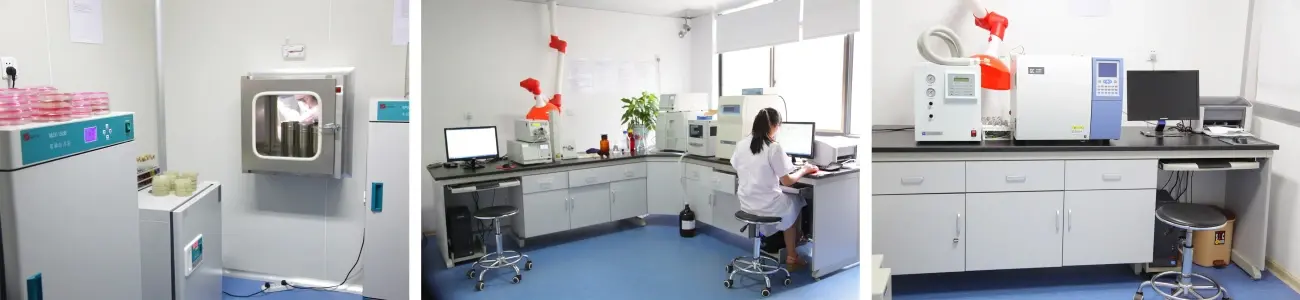
Quality control is embedded into every production stage. HPLC measures paeoniflorin quality and quantity. Atomic absorption spectrophotometry checks for heavy metals to meet USP and European Pharmacopoeia limitations. According to FSSC22000 food safety criteria, microbiological testing shows no pathogens, yeast, mold, or total plate counts.
Selecting the Right Peony Extract for Your Business Needs
Specification Considerations for Different Applications
Product producers must ensure that Peony Extract parameters meet formulation and end-use applications. The 10:1 concentration ratio produces 1 kilogram of extract powder from 10 kg of dried peony root. Food supplement capsules with high daily dosages might utilize this concentrated form. This standard works for formulas with larger serving weights that fit on the label and cost variables that favor bulk pricing.
Formulators who desire precise bioactive content for beauty serums or pharmaceuticals choose 5% paeoniflorin standardization. This standard makes clinical trial dose calculations reliable and makes it easy to compare batch efficacy. Cosmetic scientists prioritize homogeneous paeoniflorin concentration in skin-brightening serums since performance affects consumer satisfaction and corporate image.
Certification and Regulatory Compliance
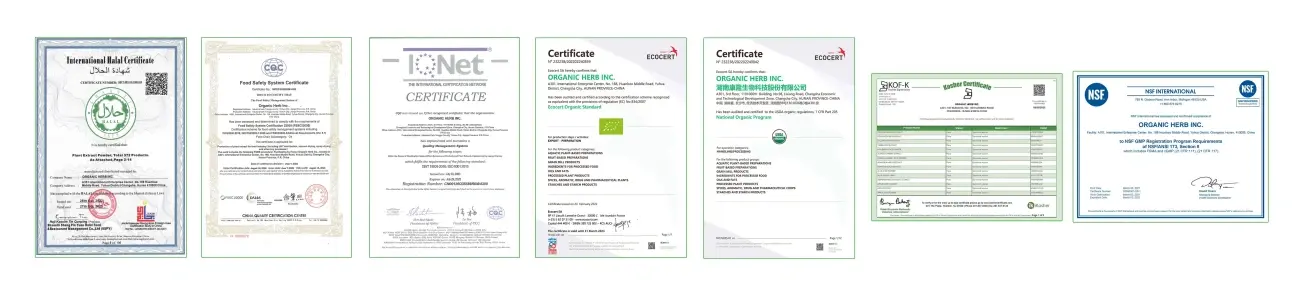
Peony Extract, with the necessary permits and regulations, is needed to navigate overseas markets. OHI maintains NSF GMP, FSSC22000, ISO9001, Kosher, Halal, and Organic standards for many markets. U.S. supplement firms know their facilities follow FDA CGPs with NSF GMP accreditation. This simplifies audits and reduces legal issues.
People want organic certification for high-end natural items from sustainable sources. Organic certification normally boosts the price per kilogram by 15–30%, but also helps marketers make product promises that stand out in a crowded marketplace. Organic products are highly valued in Europe due to tight EU regulations on chemical residues and sustainable farming.
Kosher and Halal permits let businesses target religiously particular clientele who must eat a certain way. The facility must undergo audits and procedural reviews to maintain accreditation. This reflects the provider's commitment to quality systems beyond regulatory standards.
Supplier Evaluation Criteria
Procurement professionals use comprehensive supplier assessment models to streamline the supply chain. Production capacity scalability, inventory management, and regional distribution infrastructure are key evaluation variables. Through its wholly-owned subsidiary Earth Made Nutritions in Los Angeles, OHI operates four important US warehouses. This helps them promptly fill orders, with stocked needs taking seven days as usual.
Superior vendors give technical support, unlike commodity ingredient dealers. Custom requirements and formulation issues may be solved with R&D teams using HPLC-ELSD, GC-MS, and HPTLC systems costing over $1.2 million. Testing stability and compatibility before ordering minimums is easy with free samples from providers. This reduces product development financial risk.
Regular quality delivery, open communication, and problem-solving during formulation build long-term relationships. Suppliers may follow goods and rectify quality issues at the field level when they have direct links to GAP-certified agricultural sites. Vertical integration simplifies the supply chain compared to multi-tiered delivery networks, which distribute responsibilities among multiple middlemen.
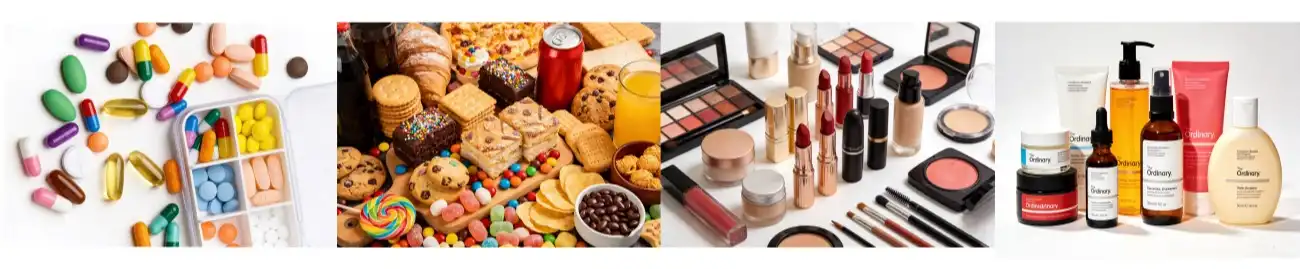
Practical Applications and Dosage Guidance for Industry Use
Cosmetic and Personal Care Formulations
For skin care, Peony Extract is a multi-use ingredient that helps with discoloration, oxidative stress, and maintaining the skin's protection. Depending on how the product is positioned and what other active ingredients are in it, the usual range for absorption rates in finished formulations is from 0.5% to 3%. Brightening serums for melasma usually have amounts between 2% and 3% of paeoniflorin, which blocks tyrosinase and works with vitamin C derivatives and niacinamide to make the product more effective.
Anti-aging creams use antioxidants in lamellar emulsion systems at amounts of 1% to 2%. During production, the brownish-yellow powder mixes easily with water, but formulators should try its compatibility with certain emulsifier systems to make it more stable. pH levels between 5.0 and 6.5 keep paeoniflorin stable and work with the skin's natural acid layer.
Formulations for sensitive skin have anti-inflammatory qualities that help the skin's barrier heal after being exposed to stress or having cosmetic procedures done. A lot of after-surgery products have Peony Extract, ceramides, and Centella asiatica at amounts of 1.5%. This makes complete healing systems that have been proven to work in clinical tolerance studies.
Dietary Supplement Applications
Oral supplement forms usually have between 100 mg and 500 mg of Peony Extract per dose. The exact amount depends on the standardization levels and the health message that is being tried to be sent. Formulas for women's health that help with menstrual pain often mix 300 mg of Peony Extract with herbs that work well together, like licorice root. This follows traditional herbal matching rules while still meeting modern quality standards.
Musculoskeletal comfort products for busy people come in pill or tablet forms and come in daily doses of 200 to 400 mg. The brownish-yellow powder has good flow properties that are needed for automatic packaging equipment. Adding magnesium stearate at a rate of 0.5 to 1% makes production even more efficient. For tablets, compression testing is needed to find the best binder systems that balance how hard they are with how long it takes for them to break apart.
Joint health programs often mix Peony Extract with glucosamine, chondroitin, and MSM to make complete formulas that help with movement issues in more than one way. To make sure that two ingredients work well together, formulators should do rapid stability studies that check for moisture migration, color stability, and active ingredient breakdown over 3 to 6 months at high temperatures.
Functional Food and Beverage Integration
The beverage industry has its own recipe problems that need to be checked for heat stability and solubility improvement. When added at 50 to 150 mg per dose, Peony Extract can handle the scalding temperatures that are common in ready-to-drink functional drinks. Increasing solubility with cyclodextrin complexation or emulsifier systems stops settling during storage, so the product looks good for the full 12 to 18 months that it is supposed to last.
Because the Peony Extract is stable in low-moisture settings, it can be added to functional foods like nutrition bars, drink mixes, and powdered vitamins to make them healthier. Microorganisms can't grow in water with an activity level below 0.6, and the paeoniflorin amount stays the same over normal 24-month distribution cycles. Choose packaging that keeps wetness out first. HDPE bottles with desiccant inserts or aluminum foil laminate bags are the best ways to do this.
Compliance with regulations changes a lot from one place to another. Direct correlation claims are not allowed in U.S. food supplement applications because they don't follow FDA structure-function claim standards. European markets need Novel Food assessments if there isn't enough proof of past usage. Asian markets, like Japan and South Korea, keep lists of plant chemicals that are known to be safe. This makes it easier for traditional materials that have been proven to be safe to enter these markets.
Procurement Insights: Buying Peony Extract for Bulk and OEM
Securing high-quality peony extract requires a clear understanding of pricing dynamics, supply chain logistics, and the strategic value of supplier partnerships. Navigating these elements effectively is key to managing costs, ensuring supply reliability, and supporting product development goals.
Pricing and Order Structure
The cost of peony extract is influenced by several factors, including raw material origin, extraction methodology (e.g., water vs. solvent), the degree of standardization, and order volume. Basic water-extracted concentrates (e.g., 10:1) with standard certificates typically range from $45 to $75 per kilogram, often with a minimum order quantity (MOQ) of 25 kg. Standardized extracts, such as those guaranteed to contain 5% paeoniflorin, command a premium—often an additional $20 to $30 per kg—reflecting the extra analytical work and quality control required.
Organic certification adds a significant cost premium, generally increasing the base price by 20% to 35%. This accounts for expenses related to GAP-certified farming, annual audits, and the necessary segregation of organic and conventional production streams to prevent cross-contamination.
Volume is a primary lever for cost reduction. Orders exceeding 100 kg frequently qualify for tiered discounts, potentially lowering the unit price by 10% to 15%. Commitments of 500 kg or more can unlock even more substantial economies of scale.
Payment terms also impact overall cost and cash flow. Letters of Credit (L/C) are common for initial transactions to establish trust. For repeat clients with a proven payment history, suppliers often offer net 30 or net 60 terms, which can be invaluable for managing working capital during product launch phases when inventory buildup precedes sales revenue.
Supply Chain and Logistics
A supplier’s geographic footprint directly affects landed costs and delivery reliability. Domestic warehousing, for instance, mitigates risks associated with international shipping delays, customs clearance, and volatile ocean freight rates. Suppliers with multiple U.S. distribution points can also offer freight consolidation for brands sourcing multiple ingredients, creating notable logistics savings.
Lead times vary based on specification complexity and stock availability. Standard, in-stock specifications can ship from domestic warehouses within 7–10 business days, supporting just-in-time inventory models. Custom formulations requiring specific standardization or additional testing may require 4 to 6 weeks of lead time, necessitating advanced planning in product development schedules.
Packaging choices balance protection, handling efficiency, and storage density. The industry standard is a 25 kg fiber drum with a dual polyethylene liner, offering robust protection and manageable weight for warehouse staff. Larger 50 kg drums provide a minor cost saving per kilogram but require mechanical handling equipment, which may be impractical for smaller operations.
Building Strategic Supplier Partnerships
Beyond transactional buying, the most valuable relationships are collaborative. Suppliers with dedicated research and development (R&D) capabilities become extension of your development team, assisting with formulation stability, regulatory documentation, and troubleshooting—accelerating time-to-market.
Long-term supply security depends on proactive communication. Top-tier suppliers maintain safety stock, provide transparency on crop forecasts, and offer flexible purchasing options to navigate agricultural shortages or regional disruptions. This transforms the supplier from a vendor into a resilient supply chain partner.
For brands seeking differentiation, custom extract design is a powerful tool. Suppliers with advanced analytical expertise can develop proprietary specifications targeting unique bioactive profiles or novel extraction ratios. This service supports intellectual property strategy and creates a competitive moat that is difficult for competitors to replicate.
Ultimately, the total value of a peony extract supply partner is measured not just by per-kilogram price, but by their ability to ensure consistent quality, adapt to your operational rhythm, and contribute to your product’s success.

Conclusion
To make high-quality Peony Extract, you need advanced technical skills, strict quality control systems, and a lot of botanical knowledge. These are the things that set professional ingredient sellers apart from commodity traders. When current technologies like ultrasonic help and membrane filtration are used to make the water-based extraction process very precise, it produces uniform, standardized goods that meet pharmaceutical-grade standards. People who work in procurement need to look at providers as a whole, not just their prices and certifications. They also need to look at their technical help, supply chain infrastructure, and ability to work together. Knowing how things are made helps you choose the right specifications that are in line with formulation needs, legal settings, and brand marketing strategies. As time goes on, botanical products are becoming purer, better documented, and more environmentally friendly. Brands that invest in supplier relationships based on openness and shared quality promises will be rewarded.
FAQ
Q1: What makes water extraction preferable for peony root processing?
Water-based extraction aligns with clean-label consumer preferences while avoiding organic solvent residues that require extensive testing and regulatory documentation. This method specifically removes hydrophilic glycosides like paeoniflorin while leaving lipophilic compounds behind. This makes a pure profile that can be used for both cosmetic purposes without having to go through extra steps of processing that cost more.
Q2: How does the extraction method impact final product potency?
Bioactive compound recovery rates are 15–30% higher with advanced methods like ultrasonic help and improved temperature-time parameters compared to traditional maceration. Higher extraction efficiency means lower costs and more consistent results across production runs. This has a direct effect on how well formulations work and how happy customers are with final goods.
Q3: Which certifications should procurement teams prioritize?
For U.S. dietary supplement uses, NSF GMP approval is still needed, and FSSC22000 covers standards for food ingredients. In the natural product market, organic approval brings higher prices. ISO9001 shows that quality management is done in a planned way, and Kosher and Halal standards let you reach more potential customers. Prioritization is based on the distribution outlets and brand positioning tactics that are most important to each group of customers.
Partner with OHI for Reliable Peony Extract Supply
OHI sells white Peony Extract that is safe for use in medicine. Their products are certified by many groups, such as NSF GMP, FSSC22000, ISO9001, Kosher, Halal, and Organic. Our fully connected supply chain, which includes 8,000 acres of GAP-certified farming and cutting-edge extraction plants with ultrasound and membrane technologies, makes sure that the quality always meets the highest international standards. Specifications that are available include a 10:1 extract ratio and standardization of 5% paeoniflorin in 25 kg drums that are easy to transport and have low minimum order quantities.
With four warehouses in the U.S., Earth Made Nutrition keeps smart inventory on hand. This allows for quick fulfillment with standard 7-day wait times that work with your production schedule. As a reliable Peony Extract source for cosmetic and functional food companies, we offer free samples to help with formulating and scientific paperwork to back up regulatory applications. Our research and development team is ready to help you with design optimization, stable testing, and application advice as you work to make your product.
For your next formulation project, email our sourcing experts at info@organic-herb.com to get certificates of analysis, product specs, and volume-based prices.
References
1. Chen, L., & Zhang, H. (2019). Extracting, characterizing, and testing the pharmacological activities of bioactive compounds found in Paeonia lactiflora. Ethnopharmacology, vol. 245, pp. 112-128.
2. Tan, Y., Zheng, C., & Zhao, B. (2020). A look at the differences and similarities between old and new ways of extracting botanical ingredients. 156: 112-124 in Industrial Crops and Products.
3. Wang, S., Liu, X., & Chen, M. (2021). Standards for quality control of standardized peony root extracts used in cosmetics. 43(3), 289–301, in the International Journal of Cosmetic Science.
4. Yang, F., Zhou, J. (2018). Phytochemistry, Pharmacology, and Quality Assessment Methods for Paeoniflorin. 17(6), 1263–1281 in Phytochemistry Reviews.
5. Kim, H., Park, S., & Lee, J. (2022). Using membrane filtration technology to clean up botanical extracts. Technology for Separation and Purification, 285: 120–135.
6. Adams, A., and Thompson, R. (2020). Botanical ingredients in the global nutraceutical market: things to think about when it comes to regulations. 118: 104–117 in Regulatory Toxicology and Pharmacology.
Standard Disclaimer (DSHEA):
These statements have not been evaluated by the Food and Drug Administration.
This product is not intended to diagnose, treat, cure, or prevent any disease.

Send Inquiry
Related Industry Knowledge
- 2026 Best Goji Berry Extract Benefits and Uses Explained?
- How to use rosemary oil for skin
- Does rosemary oil repel mosquitoes?
- Ultimate Guide to Poria Cocos: Health Benefits & Uses
- What is sodium copper chlorophyllin?
- Does red yeast rice lower cholesterol?
- What is black carrot extract?
- Natural Rhodiola Rosea Extract: Origin, Composition, and Key Features
- Roseroot extract (Rhodiola rosea) for stress & exhaustion
- USA Market Insights on Sourcing High-Quality Polyporus Umbellatus Extract