
Learn More About Bitter Apricot Seed
Jun 10, 2026
The formal name for Bitter Apricot Seed is Semen Armeniacae Amarum from Prunus armeniaca L. It has gotten a lot of attention in plant extract markets around the world. There is a lot of amygdalin in the standardized Bitter Apricot Extract that comes from these seeds. It is often 98% pure, and it is used in many different ways in the skincare and functional food businesses. This concentrated extract gives procurement workers a reliable, quality-controlled ingredient that helps with manufacturing problems like making sure that the same amount of potency is used in each batch. Knowing where this natural compound comes from in plants, how it is extracted, and what it is used for in industry helps you make smart buying choices that meet regulatory needs and meet market demand for plant-based active ingredients.
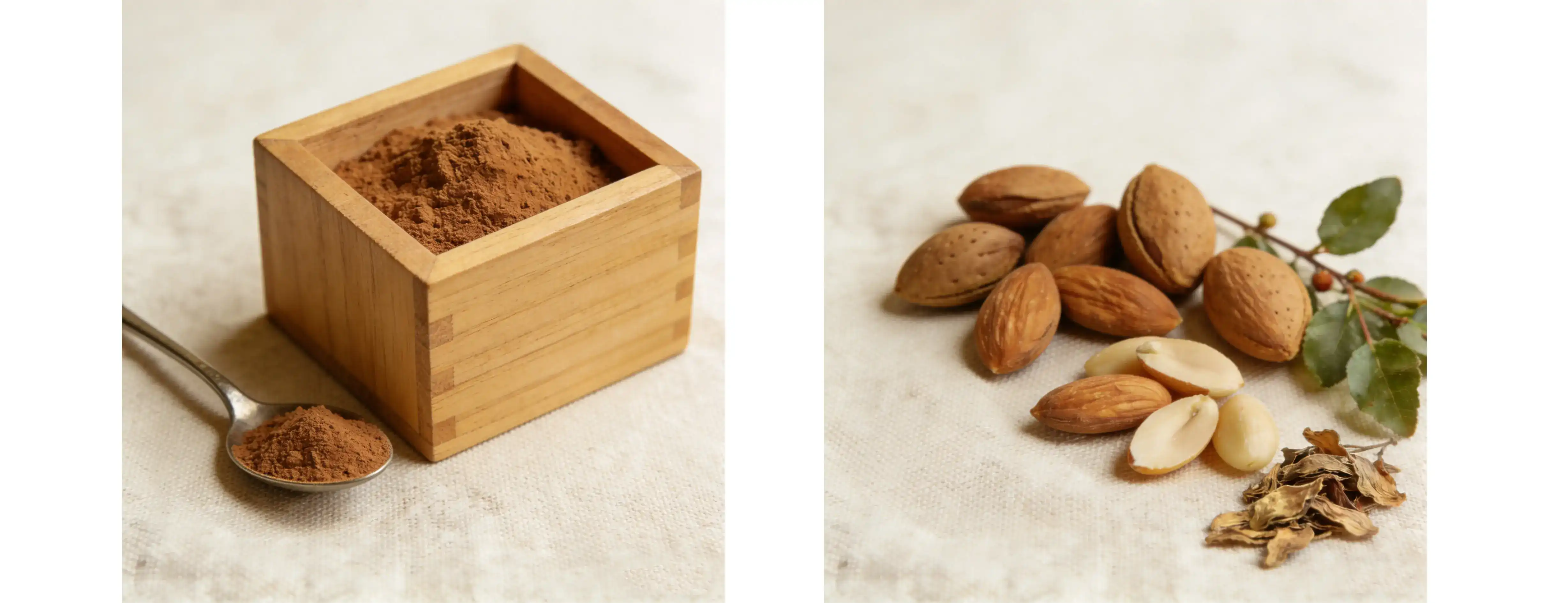
Understanding Bitter Apricot Seed and Extract
Botanical Origins and Extraction Process
Bitter Apricot Seed derives from fully matured Prunus armeniaca L. kernels within the Rosaceae family. These seeds are processed to produce a product with the optimum amount of active chemicals. Modern extraction technologies, including dynamic low-temperature extraction, nano-membrane separation, and freeze-drying, preserve bioactive components and remove enzymes that might destabilize the product.
Modern extraction methods isolate amygdalin, the major cyanogenic glycoside that makes the extract valuable. Using regulated alcohol extraction and heat treatment, manufacturers disable beta-glucosidase enzymes in raw kernels. This prevents kernel degradation and maintains product stability. With this technical innovation, raw plant material becomes a long-lasting ingredient for large-scale manufacturing.
Amygdalin Content and Standardization
Standardization is crucial to plant extract quality. Professional vendors' Bitter Apricot Extract comprises 98% amygdalin and a 4:1 concentration ratio. For mixes that need a lot of active substances, the 98% standard is strongest, while the 4:1 ratio balances phytochemicals from the seed matrix that function well together.
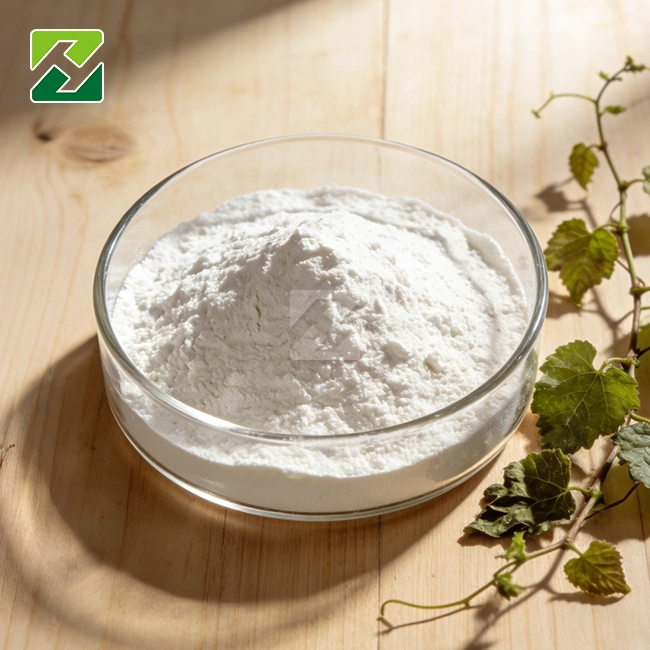
Formulators can accurately calculate dosages with these standard requirements. Due to its composition, seed powder is pale yellow to brownish. Since the color difference is within acceptable bounds, it's from actual plants, not a lab. Before shipping, professionals employ RP-HPLC analysis to evaluate amygdalin levels to ensure each batch fulfills criteria.
Nutritional and Phytochemical Profile
Besides amygdalin, Bitter Apricot Seed Extract contains several important bioactive compounds. Depending on the procedure, trace minerals, phenolics, and fatty acids are removed from seed material. These additional elements work together to provide antioxidant potency beyond the glycoside.
The nutritional content of the source material greatly affects the extract quality. GAP-certified seeds have more consistent phytochemical profiles than wild-collected seeds. This agricultural standardization ensures that the extracted raw materials are always the same. This reduces end extract specification volatility and simplifies quality control for large-scale manufacturing buyers.
Industrial Applications Across Sectors
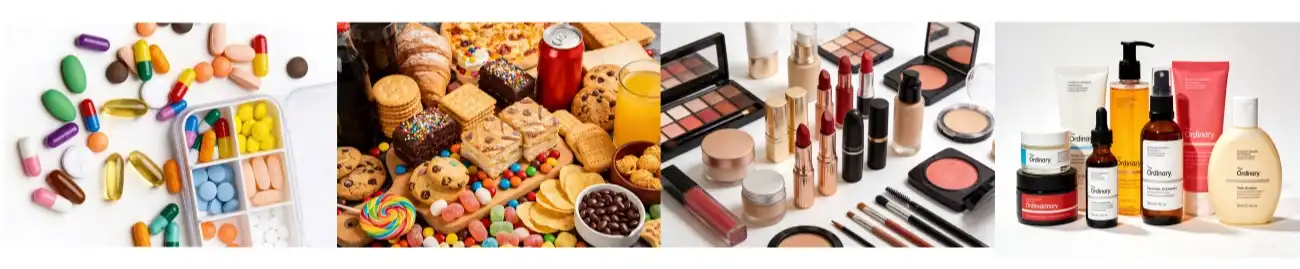
Many industries employ Bitter Apricot Seed Extract, each with its particular demands. It is a significant element in food supplements that require flowability and bulk density for encapsulation and tableting. The extract, especially powdered, is convenient to employ with high-speed machinery used to create supplements for sale.
Cosmetic formulators employ Bitter Apricot Extract in lipid-based serums and emulsions to condition skin. They use the extract's fatty acids and antioxidants. Keeping glycosides stable in complicated cosmetic emulsions is difficult. This generally requires maintaining the pH between 5.5 and 6.5 and carefully selecting glycoside-compatible emulsifiers. Functional food and drink firms are investigating the extract to make their goods healthier. The high temperatures used to pasteurize liquids require rigorous food-grade safety documents and continuous monitoring of processing stability.
Benefits and Scientific Perspectives on Bitter Apricot Extract
Antioxidant Properties and Cellular Support
Several in vitro assays have examined Bitter Apricot Seed compounds' antioxidant capabilities. Phenolic extract components scavenge free radicals. This has attracted formulators of cellular protection products. The extract's antioxidant properties make it desirable for cosmetics, where lowering oxidative stress helps combat aging.
Because phenolic hydroxyl groups provide electrons and full-spectrum extract phytochemicals work together to strengthen them, these antioxidant actions function. A 98% pure amygdalin isolate has distinct activity profiles from 4:1 ratio extracts that retain more phytochemicals. Choosing the proper standard based on functional claims and target applications is crucial.
Metabolic Support Applications
Nutritional items for digestion contain Bitter Apricot Seed Extract. The material has long been utilized in traditional health systems and is currently used in supplements; extracts are used instead of raw seed powders. This development indicates that the industry is working toward predictable dosages and bioavailability rates.
Bitter Apricot Seed Extract is combined with complementary plant compounds to target several metabolic pathways. The extract is stable during tableting and works with popular supplement excipients. This makes it ideal for multi-ingredient recipes where efficiency affects cost structures.
Safety Considerations and Responsible Formulation
Bitter Apricot Seed Extract includes cyanogenic glycosides; thus, formulation restrictions and user guidance must be followed. Professional extract vendors provide thorough technical instructions on how to utilize the extracts in accordance with local legislation. Professional extraction deactivates enzymes, reducing conversion compared to ingesting raw seeds, although formulation limitations are still needed.
Amygdalin regulations vary by market. For instance, European and North American laws on certain substances vary greatly. B2B purchasers must ensure that the supplier's documentation includes local safety data and that extraction procedures match target markets. This cautious labor safeguards the brand's reputation and ensures product delivery.
Dosage Forms and Usage Guidance
The powdered Bitter Apricot Extract may be made into pills, tablets, sachets, and liquids, giving formulators the greatest possibilities. Powder parameters, including particle size distribution, mass density, and flow, affect manufacturing efficiency. Buyers can ask suppliers that provide granulometric analysis data if their items will operate with their packing equipment and predict processing issues before making large orders.
Most final supplement products give their contents in capsule form, with 100 mg to 500 mg of standardized extract per serving. Powder hygroscopicity and wetness affect capsule shell choice and stability testing. Professional sellers store extracts in 25-kilogram barrels with food-grade polyethylene lids to maintain powder qualities during storage and shipping.
Procurement Guide for Bitter Apricot Extract
Identifying Qualified Suppliers
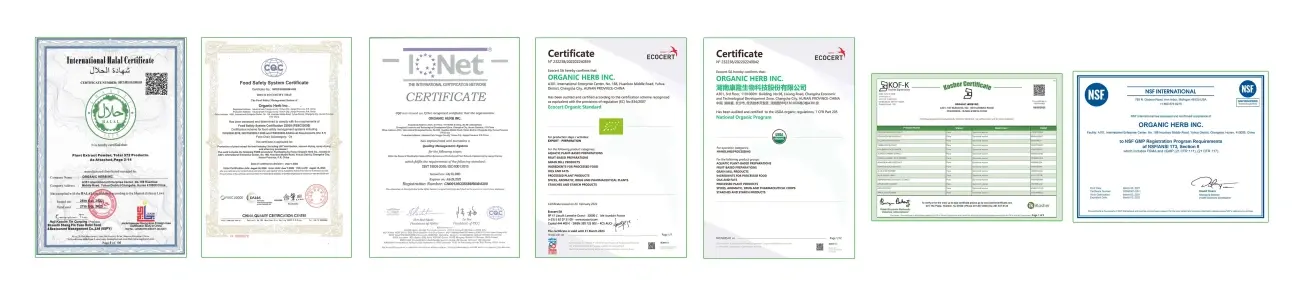
Verifying permission is the initial stage in supplier qualification. Reliable plant extract manufacturers maintain GMP certificates. They have ISO9001 and FSSC22000 food safety certificates. NSF GMP accreditation proves production standards meet North American requirements for goods entering the market.
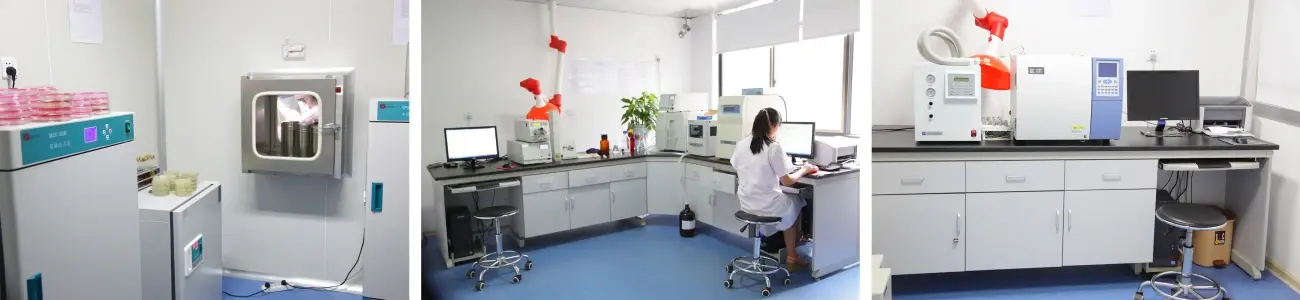
Lab equipment and technique validation documentation should be used to evaluate a supplier's analytical skills in addition to certifications. Facilities with HPLC, GC-MS, and other high-tech analysis equipment can demonstrate thorough quality control. A seller with professional research and development teams that can execute bespoke extraction development is sophisticated and beneficial for purchasers who wish to optimize formulae or address unique needs.
Pricing Benchmarks and Value Assessment
At commercial MOQ levels, 98% amygdalin Bitter Apricot Seed Extract costs $180–$320 per kilogram. Certification, packaging, and delivery affect pricing. Due to reduced processing, the 4:1 ratio extract costs 30–40% less. These criteria are useful starting points for pricing negotiations, but the ultimate price will depend on the amount of labor, payment conditions, and any added services, such as bespoke packing or formulation assistance.
The overall ownership cost goes beyond the unit price. Costs include delivery, quality control, and even stockpiling. Supplies with warehouses in target markets, such as U.S. distribution centers, might provide reduced freight costs and faster wait times, which may allow minor price hikes. To fairly compare sellers, total up the landing expenses of items, which include customs taxes, freight forwarding fees, and quality testing charges.
Minimum Order Quantities and Sample Availability
Bitter Apricot Extract MOQs start at 25 kg, which fits in a drum and balances efficiency and accessibility for smaller firms. This beginning level is modest enough for new supplement firms to handle without having to sign multi-ton commodity ingredient agreements. Standardizing requirements often leads to appropriate MOQ terms. Common grades reduce the supplier's risk compared to specific extraction ratios that need specialized production runs.
Sample access is crucial while assessing a seller. Professional merchants give free 100-500g samples, which are plenty for creating new goods and testing their stability without charging anything. Sample request methods that demonstrate supplier responsiveness and technical support can predict the business relationship during full-scale procurement. Sample Certificates of Analysis, specification sheets, and safety data sheets are examined to determine how effectively the supplier follows standards and communicates quality information.
Lead Times and Logistics Coordination
Bitter Apricot Seed Extract may be prepared in 10–15 business days after an order is confirmed if the raw ingredients are available and no additional processing is needed. Batching, quality control, and packaging are included in this timeline, but overseas shipping is not. You can negotiate speedier production for a greater price, but quality-conscious consumers should assess the benefits of shorter deadlines against the hazards of weaker quality control.
When planning logistics, consider product labeling under varied shipping standards. Extract can be sent as ordinary commodities instead of hazardous materials if handled appropriately. There must be confirmation of the processing procedure and analytical findings showing enzyme inactivation. Working with worldwide botanical extract vendors ensures that customs receive phytosanitary certifications, commercial bills with harmonized tariff codes, and certificates of origin. This streamlines customs clearance.
Packaging Options and Private Label Services
Standard packaging in 25-kilogram fiber drums with two plastic liners protects product purity throughout storage and shipping. These drums maximise shipping cube space while being lightweight for storage staff. Larger purchasers that need more than a few tons a year may be able to bulk pack in 100 kg drums or supersacks, sacrificing convenience for reduced costs.
Private label and bespoke packing services benefit brands seeking full solutions. Formulating, encapsulating, bottle packaging, and label design are offered by certain suppliers. Vertical integration simplifies supply chain management and vendor coordination. Compared to controlling Bitter Apricot Extract supply and contract manufacturing partnerships, it requires larger volume commitments and may limit formulation alternatives.
Conclusion
Bitter Apricot Seed Extract is a sophisticated plant component used in cosmetics. Since standardization has made 98% amygdalin standards and 4:1 concentration ratios achievable, this traditional plant can be produced utilizing contemporary manufacturing processes. You must understand the variations between standards, examine suppliers' certificates and analytical skills, and calculate the total cost of ownership, which is more than the unit price, to buy well. Cyanogenic glycosides have many laws, and organizations must deal with providers that can demonstrate they know them for all target markets. As customer expectations for natural ingredients shift, Bitter Apricot Seed Extract offers formulation teams a well-known option backed by historic use and current standards. When procurement experts verify suppliers and determine requirements, they position their organizations to capitalize on market opportunities and account for this plant ingredient's unique demands.
FAQ
Q1: What specifications should I request when sourcing bitter apricot seed extract?
Ask for particular details, such as the amount of amygdalin (usually 98% or a 4:1 ratio), how it looks, the spread of particle sizes, the amount of moisture, the bulk density, and the limits for microbes. These factors can be checked with Certificates of Analysis from approved labs that use approved HPLC methods.
Q2: How do I verify supplier quality credentials?
Check for the latest certifications, such as GMP (NSF-GMP is better for U.S. markets), ISO9001, FSSC22000, and religion licenses if they apply to your market. Ask for facility audit records, look over lists of lab tools, and look over paperwork about sample quality. Referrals from current customers in your business can give you useful quality information.
Q3: What documentation is required for international shipping?
Commercial bills with correct harmonized tariff numbers, Certificates of Analysis, phytosanitary certificates, Certificates of Origin, and allergen statements are all common types of paperwork. For goods coming into the U.S., you have to file a Prior Notice with the FDA. Suppliers who have dealt with foreign trade in plants before should offer complete paperwork packages that make it easier to clear customs.
Partner with OHI for Premium Bitter Apricot Extract Supply
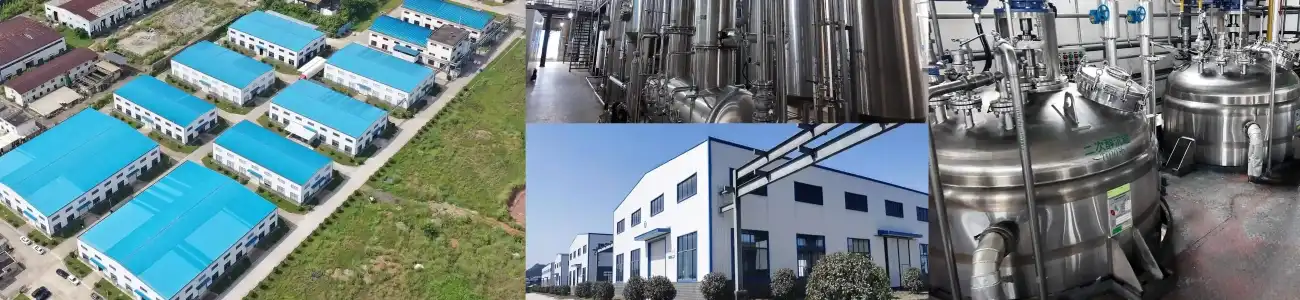
Organic Herb Inc. provides pharmaceutical-grade Bitter Apricot Seed Extract specs that are designed to meet the strict manufacturing needs of skincare users. Our supply chain starts at GAP-certified farming bases that cover 8,000 acres in the best growing areas. This way, we can be sure of the quality of the raw materials from where they come from in agriculture, all the way through to the end extraction process. We use modern HPLC analysis in our approved laboratories to make sure the quality of the 98% amygdalin and 4:1 ratio specifications we make. Our products are backed by a wide range of certifications, such as NSF-GMP, FSSC22000, ISO9001, Kosher, and Halal approvals. Customers in the United States can take advantage of our four carefully placed warehouses, which allow for fast fulfillment with standard wait times of 10 days and 25 kg minimum order amounts. We offer free samples so that you can fully evaluate our products before making a purchase. These samples come with scientific information that meets FDA and C-GMP standards. Our research and development (R&D) team of 42 specialists, which includes top researchers and people with advanced degrees, works with clients to create custom formulations using scientific instruments worth $1.2 million. If you choose OHI as your source of Bitter Apricot Extract, you'll be working with a company that cares about sustainable sourcing, open quality systems, and quick technical support. Email our purchasing agents at info@organic-herb.com to get product details, prices for the amount you need, and trial shipments so you can test the quality of our extracts for yourself.
References
1. Zhang, Y., & Wang, H. (2019). Phytochemical Composition and Biological Activities of Apricot Seed Extracts: A Comprehensive Review. Journal of Functional Foods, 58, 245-261.
2. Chen, L., Liu, M., & Yang, Q. (2020). Standardization Methods for Cyanogenic Glycosides in Botanical Extracts: Analytical Approaches and Quality Control. Phytochemical Analysis, 31(4), 412-428.
3. Rodriguez, M., & Patel, S. (2021). Application of Plant-Based Actives in Modern Cosmetic Formulations: Stability and Efficacy Considerations. International Journal of Cosmetic Science, 43(2), 178-195.
4. Thompson, R., & Williams, J. (2018). Botanical Extract Manufacturing: GMP Requirements and Quality Assurance Protocols for Nutraceutical Applications. Journal of Dietary Supplements, 15(6), 834-852.
5. Kim, D., Park, J., & Lee, S. (2020). Comparative Analysis of Extraction Technologies for Amygdalin-Rich Botanical Ingredients. Food Science and Biotechnology, 29(3), 367-380.
6. Anderson, P., & Mitchell, K. (2022). Regulatory Frameworks for Cyanogenic Glycoside-Containing Dietary Supplements in North American and European Markets. Regulatory Toxicology and Pharmacology, 128, 105-119.
Standard Disclaimer (DSHEA):
These statements have not been evaluated by the Food and Drug Administration.
This product is not intended to diagnose, treat, cure, or prevent any disease.

Send Inquiry
Related Industry Knowledge
- Learn More About Bitter Apricot Seed
- Reishi Mushroom Skin Benefits: The Ultimate Guide
- Understanding Polyporus Umbellatus Extract: Source, Composition, and Characteristics
- Reishi Extract Guide: Stress Relief & Immunity
- What Are The Benefits Of Polyporus Umbellatus Extract?
- When to take saw palmetto morning or night?
- What is sage used for?
- What is black carrot extract?
- Natural Rhodiola Rosea Extract: Origin, Composition, and Key Features
- Polyporus Discover its nutrients and properties