
How to use grape seed extract powder for skin
Jun 10, 2026
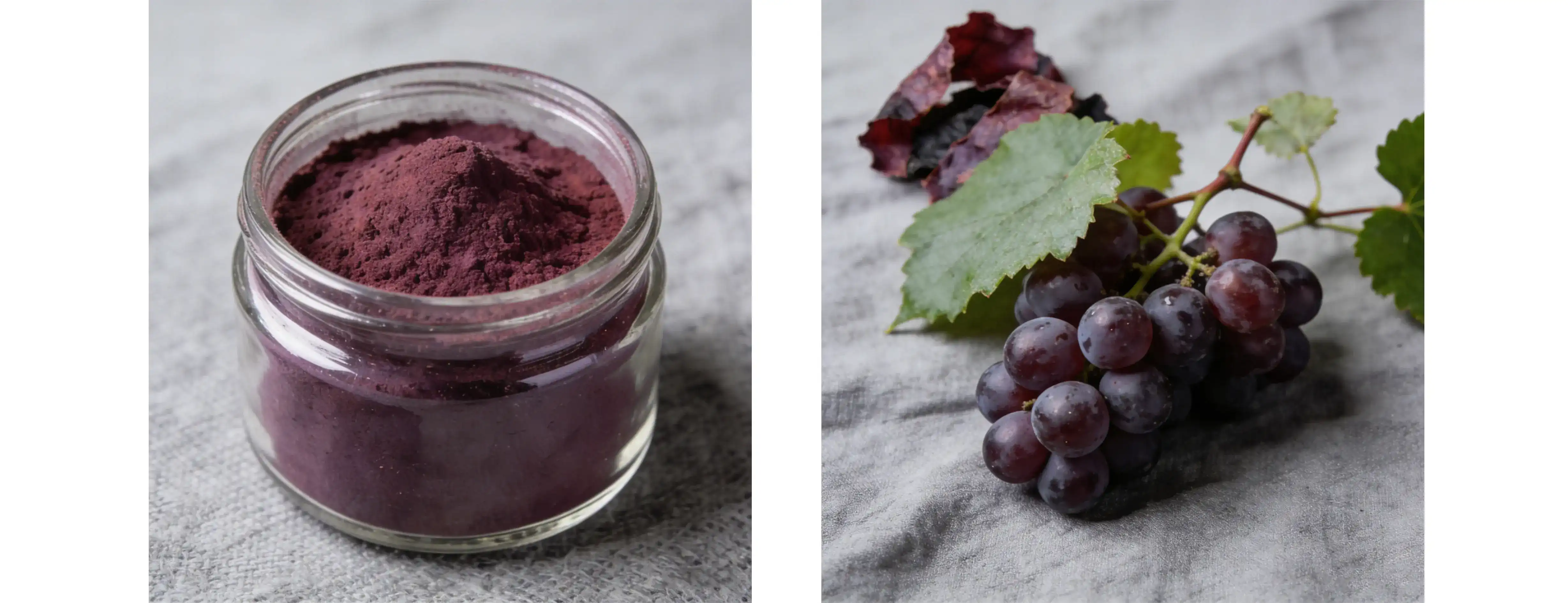
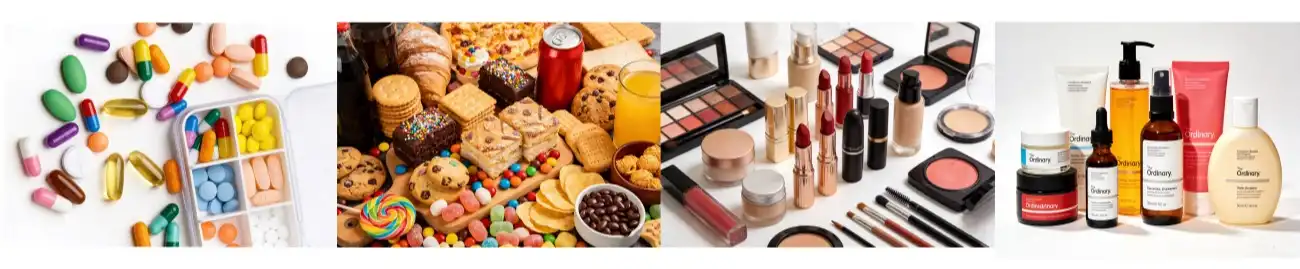
Grape Skin Extract Powder is a useful ingredient that can be used in a variety of ways in skin care products, both topically and orally. For topical use, it can be mixed into serums, creams, and lotions at amounts ranging from 0.5 to 5%. To keep it stable, water-ethanol solvent solutions can be used to dissolve it. Oral supplements usually contain 100 to 300 mg per day, which helps the skin's health by providing antioxidant support throughout the body. The violet-red colour of the powder and its 30% tannin content from Vitis vinifera L. skins, which makes it perfect for clean-label products that help with skin problems tied to getting older and protecting against external stressors.
Introduction
Cosmetics companies love botanical actives that function and look nice. Grape Skin Extract Powder is a popular ingredient due to its high polyphenol content and antioxidant capabilities. Nutraceutical purchasing managers, formulation scientists in cosmetics R&D laboratories, and OEM partners wishing to differentiate their product lines will benefit from understanding this ingredient's technical characteristics and proper application.
This page covers Grape Skin Extract Powder's botanical origins, beneficial elements, preparation tips, and supplier qualifications. We help business-to-business customers comply with international regulations, ensure product consistency, and add this element to stable, high-performance combinations. This article will help you choose ingredients for anti-aging serums, functional beverages, and capsule vitamins and speed your product development.
The following sections discuss Grape Skin Extract Powder's science, how it may be utilised in goods, how it compares to other antioxidants, and essential buying considerations. We want to provide decision-makers the technical knowledge and supplier information they need to exploit this plant ingredient effectively in competitive global marketplaces.
What is Grape Skin Extract Powder and Why Does It Matter for Skin Health?
Botanical Origin and Extraction Process
Grape Skin Extract Powder derives from Vitis vinifera L.'s top layer, usually wine industry waste. Modern extraction uses water-ethanol solvents to isolate bioactive compounds without disrupting molecular structure. The powder's violet-red colour indicates a high anthocyanin content. Most extraction ratios are 4:1–30:1. Standardised goods contain 30% polyphenols, per recognised analytical procedures. Concentration removes carbohydrates, proteins, and other inactive ingredients. The remaining ingredient is shelf-stable and may be used in big quantities.
Bioactive Compound Profile
Grape Skin Extract Powder's complex phytochemicals are beneficial. Anthocyanins and flavonoids neutralise reactive oxygen species that age skin, protecting cells. These compounds change matrix metalloproteinase activity to strengthen the collagen network, according to research. Multiple polyphenolic structures offer increased biological action when combined. This implies the formulation performs better for many skin types and concerns.
Relevance for B2B Skincare Development
Grape Skin Extract Powder addresses several key buying considerations. People prefer natural ingredients they can recognise, so this botanical's clean label appeals. As a natural colourant and active chemical, the substance simplifies ingredient lists while meeting performance promises. Due to its stability in a range of pH settings and compatibility with common preservative systems, it simplifies the production of delicate plant extracts. These features make it ideal for firms that wish to seem natural without losing product efficacy or shelf life.
How to Use Grape Skin Extract Powder Effectively for Skin Care?
Topical Application Formulation Guidelines
When adding Grape Skin Extract Powder to face care products, concentration, solubility, and chemical interactions are crucial. Depending on product and claims, use 0.5–5%. Serum formulas employ 2% to 3% concentrations for concentrated antioxidant benefits without affecting appearance. Creams may utilise 1% to 2% to balance performance and feel. To protect heat-sensitive polyphenols, the powder dissolves best in water-ethanol solutions below 60°C. Adding extract during emulsion cooling maintains bioactivity and ensures product matrix distribution.
It's crucial to test the new recipe with other active substances during formulation. Grape Skin Extract Powder containing tocopherols, ascorbic acid variations, and niacinamide boosts advantages. These mixes boost the antioxidant network and cure several skin ageing processes. Using retinoids or alpha hydroxy acids may require pH changes to stabilise polyphenols. Compare the extract's violet-red colour to the product's expected appearance. Colour fixing can improve product appearance without affecting ingredient performance.
Oral Supplement Delivery Strategies
The standard daily dosage is 100 mg to 300 mg, divided into two doses to maintain plasma polyphenol levels. Powders are stable in dry conditions and flow nicely in capsules. Choose suitable excipients when manufacturing pill forms to ensure optimal dissolution and breakdown. For functional beverage purposes, the extract's natural colour and how it reacts with vitamins and minerals must be considered.
Polyphenolic compounds can be bioavailable through absorption improvements. Studies demonstrate that piperine or lipid matrices boost systemic absorption. For business-to-business buyers selling expensive supplements, liposomal or nanoencapsulation technologies provide unique delivery methods. Due to Grape Skin Extract Powder's poor bioavailability, these novel formulations ensure that the proper quantities reach target tissues like skin structures.
Application Protocol Design
Product designers should provide clear usage instructions depending on formulation and amount. To allow polyphenols to enter the stratum corneum, use 2–3% extract topicals twice a day on clean skin. Serums and creams remain on longer than cleansers and masks, although rinse-off treatments can still give antioxidants. Oral vitamins work best when taken daily for 8–12 weeks, depending on skin cell turnover and collagen production.
Comparing Grape Skin Extract Powder with Other Antioxidants in Skincare
Grape Skin Extract vs. Grape Seed Extract
Vitis vinifera L. produces both products, although their phytochemical profiles and health benefits differ. Grape seed extract contains proanthocyanidins, mainly OPCs. OPCs protect vascular tissues and promote microcirculation well. However, Grape Skin Extract Powder has greater anthocyanin and resveratrol, which directly affect colour and cell signalling pathways in ageing skin. Skin extract includes natural colourants that seed extracts don't, giving formulators additional information. Buying goods should be based on production goals, such as employing grape seed extract to aid blood vessels and Grape Skin Extract Powder for antioxidants and aesthetics.
Comparison with Isolated Resveratrol
Resveratrol supplements and cosmetic additives are popular due to studies on this stilbene's biological effects. However, isolated resveratrol is light-sensitive, pH-unstable, and doesn't mix well with most cosmetic bases, making it difficult to create. Resveratrol is protected by complementary polyphenols in Grape Skin Extract Powder. This makes the product more stable and less prone to breaking down during storage. Synergistic chemical mixtures frequently have better antioxidant efficacy than resveratrol alone in routine tests. Grape Skin Extract Powder typically offers a higher price-to-performance ratio. Brands that wish to balance efficacy and manufacturing costs might consider it.
Positioning Against Synthetic Antioxidants
People still use synthetic antioxidants like BHT and BHA to freshen cosmetics and food, but more are selecting natural ones. Grape Skin Extract Powder meets this market requirement and offers other skin benefits than oxidation. The extract's complex phytochemical structure alters several cellular processes, promoting a holistic skin care approach. This versatile image allows marketers to target health-conscious consumers, distinguishing the brand in crowded markets. Botanical antioxidants are superior for regulatory reasons in locations where artificial solutions are being prioritised or limited.
Sourcing and Procuring High-Quality Grape Skin Extract Powder for B2B Clients
Supplier Qualification Criteria
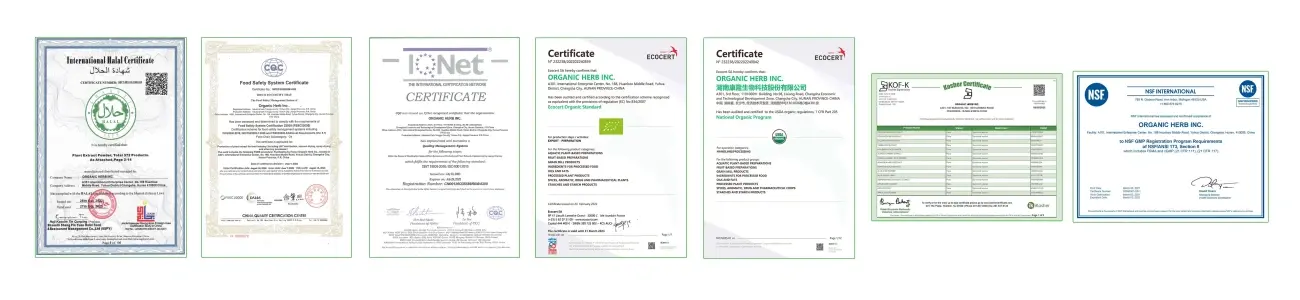
A successful procurement process starts with a thorough review of the seller in a number of different areas. Certifications for manufacturing give a basic guarantee of quality systems and process standards. NSF-GMP, ISO 9001, FSSC 22000, and, if appropriate, organic certifications are all important qualifications. These standards make sure that sellers of Vitis vinifera L. Skin Extract keep written records of how they check raw materials, keep an eye on the production process, and test the produced goods. Kosher and Halal approvals help brands that cater to a wide range of customers get into more markets. In addition to licenses, direct facility checks by trained technical staff can give you more information about how things are actually made, how to maintain equipment, and how to train staff.
Another part of critical evaluation is analytical recording. Reliable sources give full Certificates of Analysis (CoA) for every production batch. These CoAs show the amount of polyphenols, solvent leftovers, microbial counts, heavy metals, and pesticide screening results. Ask for access to confirmation studies that show how accurate and precise the analysis method is. Third-party laboratory verification gives you more trustworthiness, especially when you're looking for a new source. Being able to track down the sources of raw materials to specific grape-growing regions and vintages promotes honesty and backs up claims of authenticity that are being pushed by both regulators and customers.
Supply Chain Considerations
Reliable infrastructure for managing stockpiles and moving goods has a direct effect on the stability of output and the cost structures. Organic Herb Inc. has four carefully placed warehouses across the United States. This lets them process orders quickly, with lead times of seven days on average from the time an order is confirmed. Compared to single-point distribution systems, this spread inventory approach cuts down on shipping costs and the chance of supply disruptions. The 25 kg minimum order quantity strikes a good mix between making things easy for new brands to get and saving money for providers. Standard storage in 25 kg drums keeps things safe from light and moisture and makes it easier to move things around in industrial settings.
Technical Support and Customisation Capabilities
Advanced providers are more like strategic partners than just vendors; they help with formulation, stable testing, and making unique extracts. The research and development (R&D) centre at Organic Herb Inc. has 42 specialised employees, including professors and graduate workers, and more than $1.2 million worth of equipment. This technology framework helps with creating custom extraction ratios, purification processes, and validating analytical methods that are made to fit the needs of each client. Access to these kinds of tools shortens the time it takes to make a new product and lowers the risks that come with making it. This is especially helpful when making new delivery systems or solving problems with security that aren't common.
Potential Considerations for Skin Applications
Concentration Optimization
Finding the best concentration amounts means matching how well the drug works with how easy it is to make. When polyphenol-rich plant extracts are used in skin care, amounts usually range from 0.5 to 5%. Lower amounts, like 0.5 to 1%, may be enough for general antioxidant protection claims. On the other hand, expensive serums that target obvious signs of aging usually have 3-5% to get the most bioactives to the skin. When deciding on a concentration, you should also think about the Grape Skin Extract Powder's natural colour addition. Higher inclusion rates make the violet-red colour stronger, which may be good for some product ideas, but needs colour correction in others. Stability tests across the intended concentration range show that the polyphenol content will stay within the limits for the entire expected shelf life, even when stored in a number of different ways.
Formulation Compatibility
To integrate well, you need to know how the different parts of the method might affect each other. If there are large amounts of protein-based conditioning agents, polyphenolic chemicals can bind to proteins and change how well the protection works. pH levels between 4.5 and 6.5 are best for keeping polyphenols stable while still working with the skin's natural acid layer. If the pH level is too high or too low, it can break down sensitive anthocyanins and lower their antioxidant power over time. It is important to carefully look at chelating agents like EDTA because they might combine with polyphenolic proteins. When emulsion systems are stored, they need to be carefully chosen emulsifiers so that phases don't separate or colours don't move around.
Regulatory Compliance Pathways
Different countries have different rules about what makeup chemicals can and can't do. In the US, the FDA is in charge of products that use Natural Grape Skin Extract, and suppliers are responsible for making sure that the ingredients are safe by testing them properly. The fact that the chemical is GRAS (Generally Recognised as Safe) for use in food supports safety data that can be used in cosmetics. The EU Cosmetics Regulation 1223/2009 must be followed in order to sell cosmetics in Europe. This includes having safety tests done by trained safety evaluators. China's changing beauty rules require foreign products to be registered. Suppliers who keep detailed toxicological databases and use history records make this process easier. Working with providers who know how to deal with these legal environments speeds up entry to the market and lowers the risk of not complying.
Conclusion
Grape Skin Extract Powder is a smart ingredient choice for B2B buyers who are making unique skin care goods that meet the needs for effectiveness and clean labels. It has a strong polyphenolic profile that comes from Vitis vinifera L. using approved extraction methods on skins, which has been shown to have antioxidant effects that can be used in both topical and oral preparations. To integrate things well, you need to pay attention to things like optimising concentration, making sure formulations work well together, and making sure suppliers are qualified based on their certifications, scientific rigour, and technical support. This plant extract is better than synthetic options and isolated chemicals, which makes it a good choice for high-end product categories. Brands can speed up development times and better manage sourcing risks in competitive global markets by working with qualified suppliers that offer consistent quality, help with regulatory compliance, and flexible supply chain solutions.

FAQ
Q1: Can Grape Skin Extract Powder be applied directly to the skin?
It's not a good idea to put the raw powder directly. The ingredient needs to be properly dissolved and added to finished products at the right amounts, which are usually between 0.5 and 5 per cent, based on the type of product. Professional preparation makes sure that the product is spread out evenly, has the right pH, and works well with other ingredients that make it more stable and penetrate the skin.
Q2: What certifications should I prioritise when sourcing this ingredient?
As basic quality system standards, pay attention to NSF-GMP, ISO 9001, and FSSC 22000. Kosher and Halal approvals help natural product lines sell in more places, and organic certification makes natural product lines more valuable. Ask for up-to-date certificates and make sure they cover the exact ingredient and place of production.
Q3: How does grape skin extract differ from grape seed extract in antioxidant profiles?
Anthocyanins and resveratrol are concentrated in Grape Skin Extract Powder, which provides a wider range of polyphenols and natural colourant qualities. Grape seed extract is full of proanthocyanidins (OPCs), which are good for supporting blood vessels. Choices should be made based on specific manufacturing goals and product claims that are wanted.
Q4: What is the typical minimum order quantity for commercial procurement?
Minimum sales in this industry usually start at 25 kg, and well-known providers like Organic Herb Inc. offer this. This amount strikes a mix between how efficiently suppliers make things and how easy it is for brands of different sizes to get them. Sample amounts are usually provided before business promises are made to help with formulation development.
Partner with OHI for Premium Grape Skin Extract Powder Supply
Quality-conscious brands developing advanced skincare formulations require ingredient partners who deliver consistency, compliance, and technical expertise. OHI (Organic Herb Inc., Stock Number: 872213) stands as a vertically integrated Grape Skin Extract Powder supplier, combining GAP-certified cultivation across 8,000 acres with advanced extraction technology and comprehensive quality systems. Our Vitis vinifera L. skin extract maintains 30% polyphenol standardisation across production batches, extracted using validated water-ethanol processes that preserve bioactive integrity while meeting NSF-GMP, Kosher, Halal, ISO, and FSSC 22000 standards.
Four strategically located U.S. warehouses enable seven-day lead times with 25 kg minimum orders and complimentary sample availability for formulation development. Our 42-member R&D team, equipped with HPLC, GS-MS, and advanced analytical instrumentation, provides customisation support for specialised extract ratios and application protocols. Whether you're formulating premium anti-aging serums, functional dietary supplements, or natural cosmetic lines, OHI delivers the supply reliability and technical partnership required for successful product commercialisation. Contact our team at info@organic-herb.com to discuss your Grape Skin Extract Powder requirements and access technical documentation supporting your formulation objectives.
References
1. Xia E.Q., Deng G.F., Guo Y.J., Li H.B. "Biological Activities of Polyphenols from Grapes." International Journal of Molecular Sciences, 2010, 11(2):622-646.
2. Nassiri-Asl M., Hosseinzadeh H. "Review of the Pharmacological Effects of Vitis vinifera (Grape) and its Bioactive Constituents." Phytotherapy Research, 2009, 23(9):1197-1204.
3. Flamini R., Mattivi F., De Rosso M., Arapitsas P., Bavaresco L. "Advanced Knowledge of Three Important Classes of Grape Phenolics: Anthocyanins, Stilbenes and Flavonols." International Journal of Molecular Sciences, 2013, 14(10):19651-19669.
4. Georgiev V., Ananga A., Tsolova V. "Recent Advances and Uses of Grape Flavonoids as Nutraceuticals." Nutrients, 2014, 6(1):391-415.
5. Persson I.A., Persson K., Hägg S., Andersson R.G. "Effects of Cocoa Extract and Dark Chocolate on Angiotensin-Converting Enzyme and Nitric Oxide in Human Endothelial Cells and Healthy Volunteers—A Nutrigenomics Perspective." Journal of Cardiovascular Pharmacology, 2011, 57(1):44-50.
6. Rodrigo R., Miranda A., Vergara L. "Modulation of Endogenous Antioxidant System by Wine Polyphenols in Human Disease." Clinica Chimica Acta, 2011, 412(5-6):410-424.
Standard Disclaimer (DSHEA):
These statements have not been evaluated by the Food and Drug Administration.
This product is not intended to diagnose, treat, cure, or prevent any disease.

Send Inquiry
Related Industry Knowledge
- Are kidney beans good for weight loss?
- Reishi Extract Guide: Stress Relief & Immunity
- Poria cocos extract in skincare, What is?
- What is the best reishi mushroom extract?
- What is sodium copper chlorophyllin?
- How do you use rosemary?
- What is black carrot extract?
- How Dose Poria Cocos Extract Improve Your Health?
- Polyporus Discover its nutrients and properties
- The Health Benefits and Uses of Polyporus Umbellatus Fries