
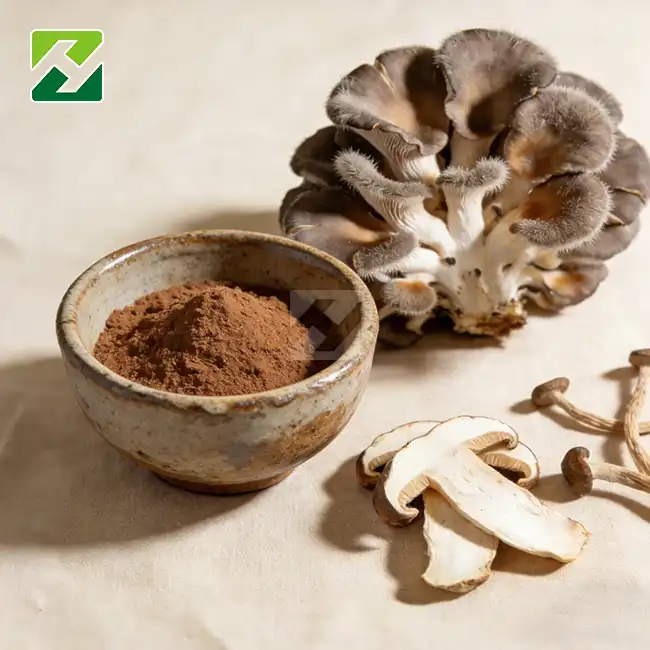
Exploring the Unique Properties of Maitake Mushroom Extract Powder
VIEW MOREMaitake Mushroom Extract Powder is a complex functional ingredient made from Grifola frondosa using precision water extraction to concentrate bioactive polysaccharides, notably beta-glucans, to prescribed amounts. This extract solves commercial issues such as unpredictable active ingredient concentrations, limited bioavailability owing to indigestible chitinous cell walls, and poor formulation solubility, unlike raw mushroom biomass. Understanding these unique qualities helps R&D directors and formulation managers strategically obtain high-purity botanical ingredients that promote product distinctiveness and fulfill clean-label requirements.
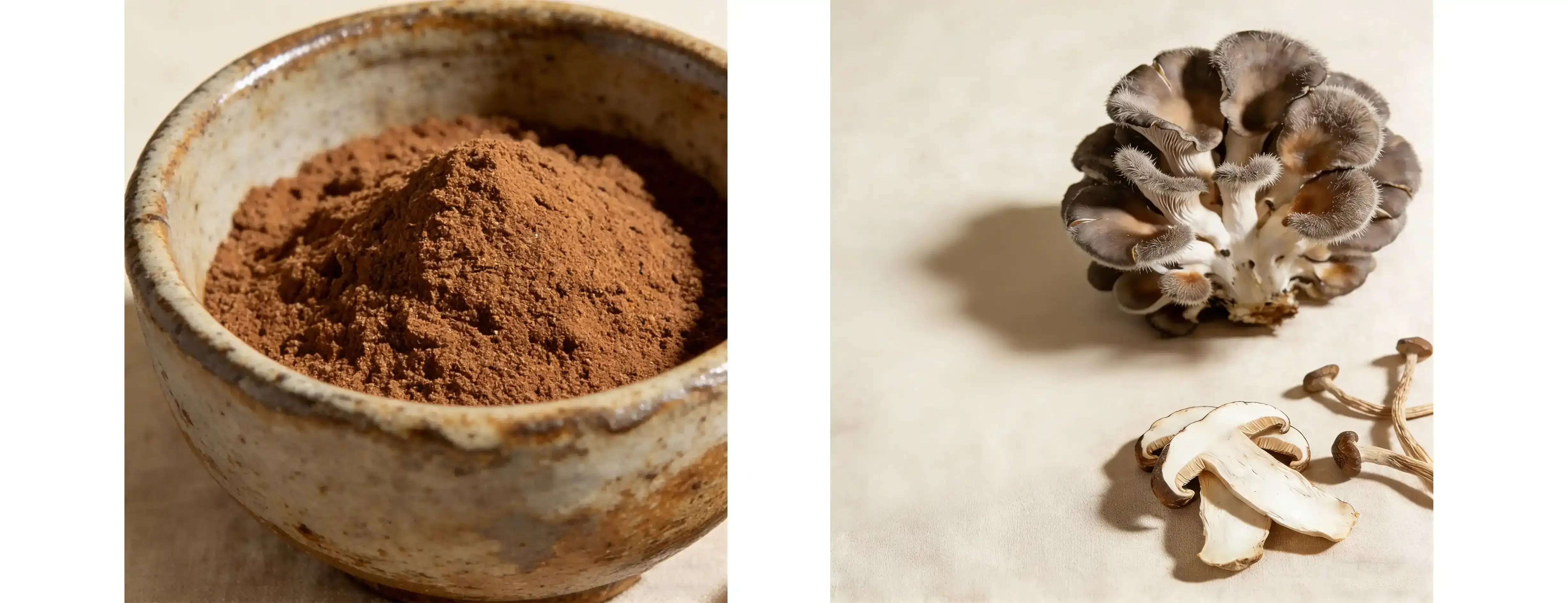
Understanding Maitake Mushroom Extract Powder
What Sets This Extract Apart from Raw Mushroom Forms
Multi-stage water extraction breaks down complex chitinous structures to turn Grifola frondosa fruiting bodies into pure extract powder. It releases and concentrates bioactive chemicals from cellular matrices, which grinding and drying cannot do. Organic Herb Inc. uses dynamic low-temperature extraction and nano-membrane isolation to preserve heat-sensitive polysaccharides' structural integrity while achieving 10:1 concentration ratios or 30% standardized polysaccharide content.
The brown powder's homogenous particle distribution and steady solubility solve a major problem for functional beverage and encapsulated supplement formulators. Our extract provides bioavailable actives that integrate effortlessly into manufacturing processes without sacrificing formulation stability, unlike whole mushroom powder, which includes 60-70% indigestible fiber.
Core Bioactive Components and Their Industrial Relevance
Beta-1,3/1,6-D-glucans, especially Grifola frondosa's D-fraction, with molecular weights between 1,000 and 2,000 kDa, are the main active ingredients. A peer-reviewed study shows immune-modulating characteristics in proteoglycan complexes, bound polysaccharides, and proteins. HPLC-ELSD analysis at OHI's CGMP-certified facility verifies beta-glucan content for batch-to-batch consistency required by procurement teams for regulatory compliance.
The extract includes concentrated ergosterol, phenolic chemicals, and glycoproteins that contribute to ORAC-measured antioxidant activity beyond polysaccharides. Secondary metabolites improve the ingredient's usefulness in sports nutrition formulas that regulate oxidative stress and cosmetic actives that mend cells. The water-based extraction solvent profile avoids residual organic solvents that complicate ingredient declarations and consumer concerns to support clean labelling.
Scientifically Documented Functional Properties
D-fraction polysaccharides modulate immune system-balancing cytokine production via interacting with macrophage receptors, according to immunopharmacology studies. These results may help nutraceutical firms differentiate in the immune support area, which is growing in the U.S., according to SPINS retail statistics.
In controlled studies, polysaccharides interact with glucose metabolism pathways and lipid profiles in weight management applications. This study helps functional food makers build metabolic wellness products. Multiple analytical approaches, including DPPH radical scavenging tests, verify the antioxidant capability, which supports anti-aging cosmetic applications where oxidative damage mitigation drives consumer purchases.
Beta-glucan fractions have been studied as adjuvant dietary treatments in oncology. We avoid therapeutic claims, yet this literature creates scientific credibility that boosts brand authority when presented via educational marketing materials.
How to Use Maitake Mushroom Extract Powder in B2B Applications
Dosage Guidelines and Formulation Standards
Based on application category and polysaccharide administration, industry formulations include 300-1,500 mg per serving. Research procedures support 500 mg standardized to 30% polysaccharides in nutraceutical capsules, delivering 150 mg of active beta-glucans per dosage. Optimising solubility in functional beverages frequently involves adding dispersion agents or using our nano-particle processing options in bespoke production.
Food technologists manufacturing fortified goods must consider heat stability. Our study shows polysaccharide retention over 92% at 85°C for 30 minutes, allowing integration into pasteurized drinks or baked items without potency loss. This stability profile helps product developers balance functionality and processing, and similar thermal characteristics apply to Grifola Frondosa Extract when used in heat-treated applications, ensuring consistent beta-glucan delivery across different production methods.
To ensure quality, methods should include minimum polysaccharide content, heavy metal limitations (≤10 ppm total, ≤2 ppm lead), microbiological parameters, and pesticide residue testing to USP or Ph.Eur standards. standards. Our FSSC22000 accreditation embeds these controls in production processes rather than in completed product testing, reducing supply chain risk for procurement managers.
Product Format Considerations for Production Integration
Flexibility and convenience are traded off when comparing powder and pre-encapsulated solutions. Bulk powder purchase allows bespoke mix ratios, customized delivery system creation, and vertical integration to optimize cost. This method works for producers with encapsulation lines or those creating special functional food matrices that need precision dosage.
Contract manufacturers with strong particle control requirements choose pre-encapsulated forms because they eliminate handling and dust exposure. Labor savings and decreased validation load must be considered against the 15-25% cost premium over bulk powder. Our private label services fill semi-finished capsules to your brand requirements at reasonable per-unit costs.
Cross-Industry Application Examples
Standardized extracts are added to therapeutic immune support meal formulations by pharmaceutical nutrition departments. The combination of pharmacopeia-grade quality requirements and verified bioactivity makes nutrition-medical intervention products compliant.
Beta-glucans' moisturizing capabilities complement active ingredient delivery mechanisms in anti-aging serums, where cosmetic chemists use the extract's antioxidant and polysaccharide properties. Without solubilizers, our water-extracted powder dissolves well in glycerin-based vehicles and is stable in cosmetic preservation systems.
Sports nutrition firms use the extract with adaptogens or other botanical actives in pre-workout or recovery formulas for metabolic assistance. Our balanced flavor profile from low-temperature processing minimizes earthy or bitter flavors that degrade ready-to-drink taste.

Comparing Maitake Mushroom Extract Powder with Other Market Options
Distinguishing Characteristics Versus Alternative Medicinal Mushrooms
Grifola frondosa's beta-glucan structure and metabolic and immunological studies distinguish it from Reishi (Ganoderma lucidum) extracts, which concentrate triterpenes and stress adaptation. Purchase choices should match extract selection with desired product positioning: Reishi matches relaxation and longevity formulations, while Maitake supports active immune support and metabolic wellbeing.
Lion's Mane (Hericium erinaceus) targets cognitive function with erinacine and hericenone chemicals, a niche market. Betulinic acid and melanin complexes provide chaga (Inonotus obliquus) antioxidant activity. Understanding these differential points helps formulators create synergistic mushroom blends or choose evidence-based single-ingredient solutions.
Organic Versus Conventional Sourcing Implications
Organic Maitake powder costs 20–35% more than conventional grades due to cultivation expenses, certification maintenance, and market demand. Consumer research repeatedly shows a willingness to pay more for organic supplements, and USDA Organic certification protects label claims.
Our GAP-standard agricultural bases in Jiangxi Province provide organic and conventional production streams, allowing customers to choose grade levels that match brand positioning and pricing ranges. Active ingredient content quality standards are the same; agricultural input limits and certification paperwork differ. Procurement managers for natural channel merchants typically want organic certification for distribution acceptability, making this a strategic rather than technical choice.
Extract Concentration Versus Whole Mushroom Economics
Standardised extracts cost $80-180/kg, depending on concentration ratio and polysaccharide specification, whereas whole mushroom powder costs $15-30/kg. This apparent cost difference is deceptive when active ingredient delivery is considered. Processing expenses increase the base material investment for a 10:1 extract, which takes 10 kg of raw material to make 1 kilogram of powder.
To provide 150 mg of beta-glucans, 500 mg of 30% standardized extract is needed, against 2,000-2,500 mg of whole mushroom powder with varied bioavailability. The extract allows smaller capsules, lower per-serving material costs, and constant potency, improving production efficiency and user pleasure. These factors show why R&D executives request standardized extracts despite greater per-kilogram costs.
Procurement Guide: How to Source Maitake Mushroom Extract Powder for Your Business
Critical Supplier Evaluation Criteria
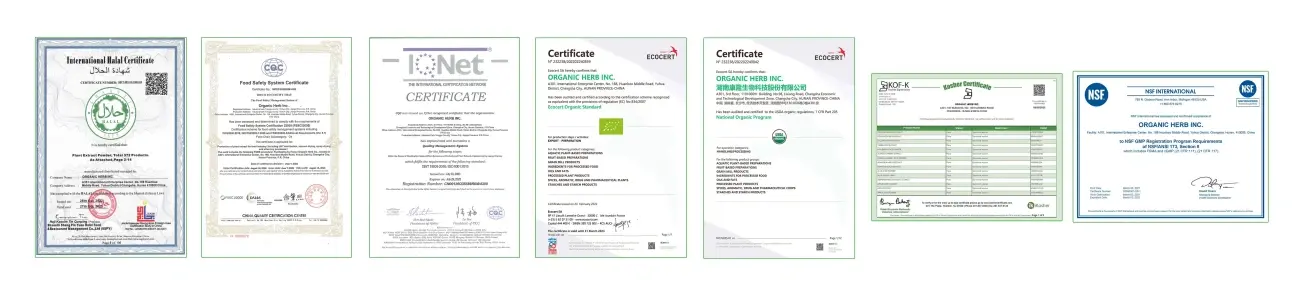
Certification verification underpins supplier due diligence for Maitake Mushroom Extract procurement. Pharmaceutical-grade manufacturing process controls are ensured by GMP certification (ideally NSF-certified for U.S. markets). We have NSF GMP, ISO 9001, FSSC22000, Kosher, and Halal certifications, which simplify client audits and regulatory filings in many regions. Requesting updated certificate copies with scope descriptions clarifies recognized product categories.
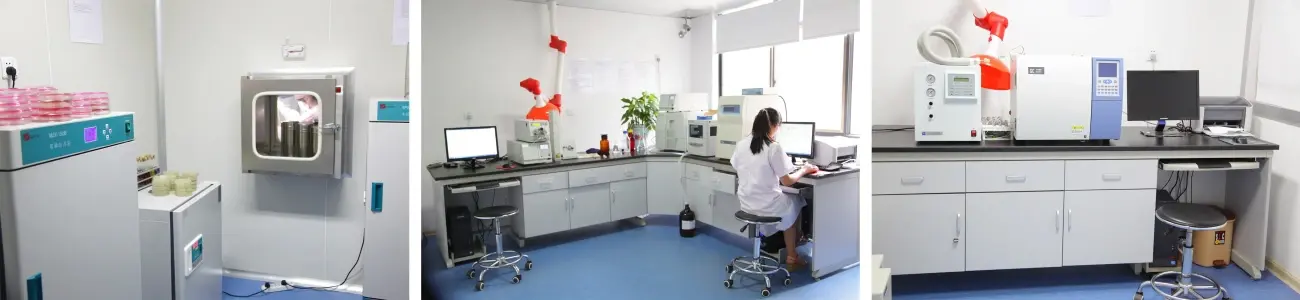
Every production lot should include third-party testing for identity verification (microscopic analysis, DNA barcoding), potency assays (HPLC quantification of polysaccharides), contaminant screening (ICP-MS, GC-MS/LC-MS, microbial limits), and allergen declarations. Suppliers that cannot produce Certificates of Analysis with comprehensive method references have poor quality systems. Our 27 experienced researchers run HPLC-ELSD, GC-MS, and atomic absorption spectroscopy, which ensures data dependability.
Track record evaluation includes supplier longevity, customer references, and regulatory history. Organic Herb Inc.'s public company status (Stock Number: 872213) enables financial reporting and governance frameworks not available to privately owned companies. This organizational structure represents long-term stability for key ingredient agreements.
Optimizing Bulk Purchase Dynamics
We balance production efficiency with accessible entry points for developing companies by starting minimum order quantities at 25 kg for specialty extracts like Maitake powder. Volume discounting often applies at 100-kilogram, 500 kg, and 1,000 kg thresholds, with 5-8% per tier price reductions. Negotiating yearly supply agreements instead of spot purchases may save 3–5% and secure inventory allocation during peak demand.
Our Earth Made Nutritions subsidiary stocks products in four U.S. regional warehouses, delivering them in 2-3 business days vs 4-6 weeks for direct imports. This domestic distribution system solves a major procurement issue: inventory carrying costs against supply continuity risk. Our storage and just-in-time delivery schedules help procurement managers maximize working capital.
Logistics and Regulatory Navigation
Certificates of Analysis, allergy declarations, non-GMO statements, BSE/TSE compliance letters, and country-specific import permissions must be coordinated for international delivery. We regularly provide paperwork packages for FDA Prior Notice filing, EU Novel Food compliance, and other jurisdiction-specific processes in our export department.
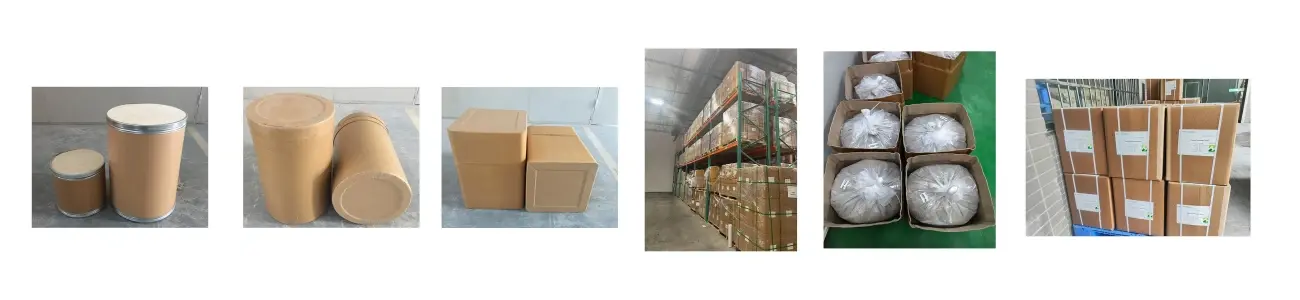
Packaging affects delivery costs and quality. Our 25-kilogram fiber drums with twin polyethylene liners meet ocean freight dimensions and offer a superior moisture barrier. Custom packaging eliminates intermediate repackaging and contamination hazards for private label or unique storage conditions.
Private Label and OEM Partnership Opportunities
Unique formulations and positioning are increasingly important for brand differentiation. Our OEM services include stock extract, private labeling, and bespoke blend formulation using our 400+ ingredient library. Academics and PhDs work with customers to transform market insights into formulation plans supported by stability testing and regulatory compliance.
Distributors and fledgling brands without technical resources benefit from this relationship. From idea to production-ready formula, development takes 6-12 weeks with incremental funding structures that match project milestones. Ingredient suppliers become important partners for brand advancement via such cooperation.
Addressing Product Specifications and Quality Assurance
Standardized Product Parameters
Our Maitake Mushroom Extract Powder, derived from Grifola frondosa fruiting bodies, meets the following specifications:
- Concentration Ratios: Available in 10:1 extract or standardized to 30% polysaccharides measured by UV-spectrophotometry
- Extraction Method: Water-based process preserving beta-glucan integrity while eliminating organic solvent residues
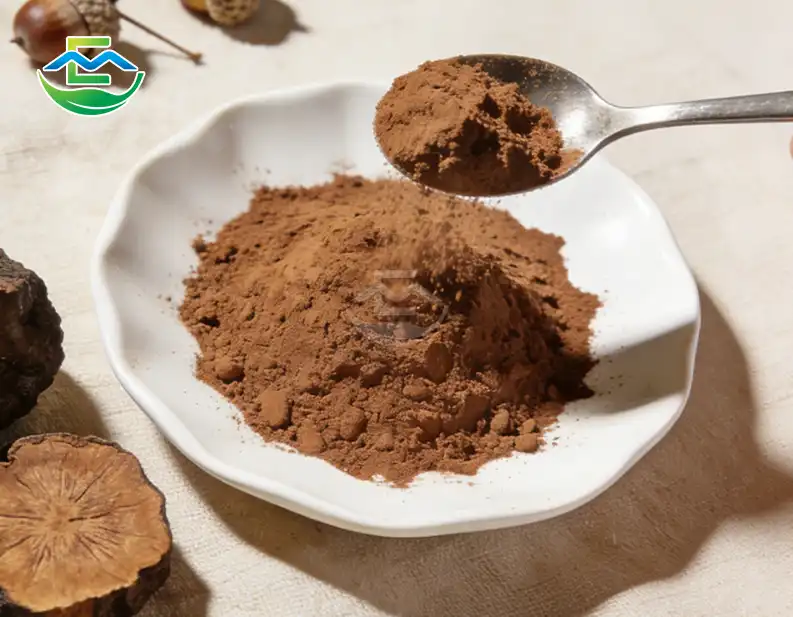
- Physical Characteristics: Fine brown powder with particle size ≤80 mesh, ensuring uniform dispersion in formulations
- Plant Material Source: 100% fruiting body utilization, excluding mycelium or grain substrate materials that dilute active constituent concentrations
These parameters directly address formulator requirements for consistent ingredient performance across production runs. The specification clarity eliminates ambiguity that complicates quality disputes or regulatory documentation.
Practical Procurement Information
Logistics planning benefits from understanding our operational parameters. Standard packaging utilizes 25 kg fiber drums meeting international shipping regulations, though custom packaging configurations accommodate specific handling requirements. The 25 kg minimum order quantity provides accessible trial opportunities for new product development while maintaining production efficiency.
Sample availability removes procurement risk by enabling formulation compatibility testing before commitment. We provide complimentary samples with full analytical documentation, typically shipped within 48 hours of request. Lead times for production orders average seven days for stock specifications, expanding to 14-21 days for custom concentration ratios or specialized testing requirements.
Our comprehensive certification portfolio—spanning NSF GMP, Kosher, Halal, ISO 9001, FSSC22000, and USDA Organic—addresses diverse market access requirements without necessitating supplier multiplication. This consolidated credential set simplifies vendor management while ensuring compliance with religious dietary laws, food safety management systems, and quality management standards.
Storage and Handling Recommendations
Maintaining extract potency throughout shelf life requires attention to environmental factors. Recommended storage conditions specify cool (below 25°C), dry environments (below 60% relative humidity) with protection from direct light exposure. Under these conditions, polysaccharide content remains stable for 24 months from the manufacturing date—a shelf life that supports inventory optimization without excessive turnover pressure.
Hygroscopic properties necessitate resealing opened containers promptly and using moisture barrier packaging for any repackaging operations. Manufacturing environments should maintain particulate control and implement allergen prevention protocols despite the non-allergenic nature of mushroom extracts, as cross-contamination during handling could introduce undeclared allergens.
Conclusion
The unique properties of Maitake Mushroom Extract Powder—concentrated beta-glucan content, documented bioactivity, and versatile formulation characteristics—position this ingredient as a strategic asset for brands competing in immunity support, metabolic wellness, and functional food categories. Procurement success demands attention to supplier credentials, specification clarity, and quality assurance systems that ensure consistency across global supply chains. Organic Herb Inc.'s integrated approach combines GAP-standard cultivation, advanced extraction technology, comprehensive analytical capabilities, and domestic U.S. distribution infrastructure to address the critical pain points facing R&D directors and procurement managers. As consumer demand for evidence-based botanical ingredients continues expanding, partnering with suppliers offering both technical expertise and operational reliability becomes essential to capturing market opportunities while managing regulatory and reputational risks.
Frequently Asked Questions
1. What lead times should we expect for bulk orders?
Stock specifications ship within seven days from our U.S. warehouses, providing rapid fulfillment for urgent production needs. Custom concentration ratios or specialized testing protocols extend lead times to 14-21 days, depending on analytical requirements. Annual supply agreements enable production scheduling aligned with your demand forecasting, ensuring inventory availability during peak seasons. Our four regional U.S. warehouse locations support delivery within 2-3 business days to most destinations, eliminating the extended timelines associated with direct international shipping.
2. How does the extract support immune function in finished products?
The beta-1,3/1,6-D-glucan structures interact with specific immune cell receptors, modulating cytokine production patterns documented in immunopharmacology research. This mechanism enables product positioning around immune system balance—particularly relevant for seasonal wellness formulations or products targeting populations with elevated immune support interest. Formulation at clinically relevant dosages (typically 300-500 mg standardized extract per serving) allows substantiation of structure-function claims compliant with FDA regulations.
3. What regulatory considerations affect imports for U.S. markets?
Grifola frondosa extract qualifies as a dietary ingredient under DSHEA, provided manufacturing follows GMP requirements and product labeling complies with FDA structure-function claim regulations. Our NSF GMP certification and comprehensive documentation packages—including Certificates of Analysis, allergen statements, and non-GMO declarations—streamline FDA Prior Notice filing and customs clearance. Products avoid Novel Food designation complications affecting EU markets, though specific member states may impose additional notification requirements.
Partner with OHI for Premium Maitake Mushroom Extract Powder Supply
Organic Herb Inc. delivers pharmaceutical-grade Grifola frondosa extract meeting the exacting standards of nutraceutical formulators and functional food developers. Our vertical integration—from GAP-certified cultivation bases exceeding 8,000 acres through CGMP manufacturing and U.S. domestic distribution—ensures supply chain reliability unavailable from broker-dependent suppliers. As a Maitake Mushroom Extract Powder manufacturer with public company transparency and multi-jurisdictional certifications, we eliminate the documentation burden and quality uncertainty that complicate global ingredient procurement. Contact our technical team at info@organic-herb.com to discuss custom specifications, request analytical documentation, or arrange complimentary samples. Whether developing proprietary immune support formulations or expanding existing product lines, our R&D collaboration and flexible private labeling services accelerate your time-to-market while maintaining competitive positioning.
References
1. Mayell, M. (2001). "Maitake extracts and their therapeutic potential: A review." Alternative Medicine Review, 6(1), 48-60.
2. Kodama, N., Komuta, K., & Nanba, H. (2002). "Can maitake MD-fraction aid cancer patients?" Alternative Medicine Review, 7(3), 236-239.
3. Konno, S. (2004). "Potential growth inhibitory effect of maitake D-fraction on canine cancer cells." Veterinary Therapeutics, 5(4), 263-271.
4. Wasser, S. P. (2017). "Medicinal mushroom science: Current perspectives, advances, evidence, and challenges." Biomedical Journal, 40(6), 345-353.
5. Zhang, Y., Mills, G. L., & Nair, M. G. (2002). "Cyclooxygenase inhibitory and antioxidant compounds from the mycelia of the edible mushroom Grifola frondosa." Journal of Agricultural and Food Chemistry, 50(26), 7581-7585.
6. Preuss, H. G., Echard, B., Bagchi, D., & Perricone, N. V. (2007). "Maitake mushroom extracts ameliorate progressive hypertension and other chronic metabolic perturbations in aging female rats." International Journal of Medical Sciences, 4(1), 47-52.
Shiitake Mushroom Extract Powder: Properties, Uses, and Recipes
VIEW MOREShiitake Mushroom Extract Powder is a concentrated plant ingredient that comes from the fruiting bodies of Lentinula edodes. It delivers beneficial chemicals that are consistent with professional extraction methods. This extract separates polysaccharides and beta-glucans from ground mushrooms, making it a dependable material for companies that make nutraceuticals, cosmetics, and functional foods. Its dark powder form, which is usually fixed to 40% carbohydrates at a 10:1 concentration ratio, gives vitamins, drinks, and personal care items a uniform quality for business-to-business use.
Understanding Shiitake Mushroom Extract Powder: Properties and Production
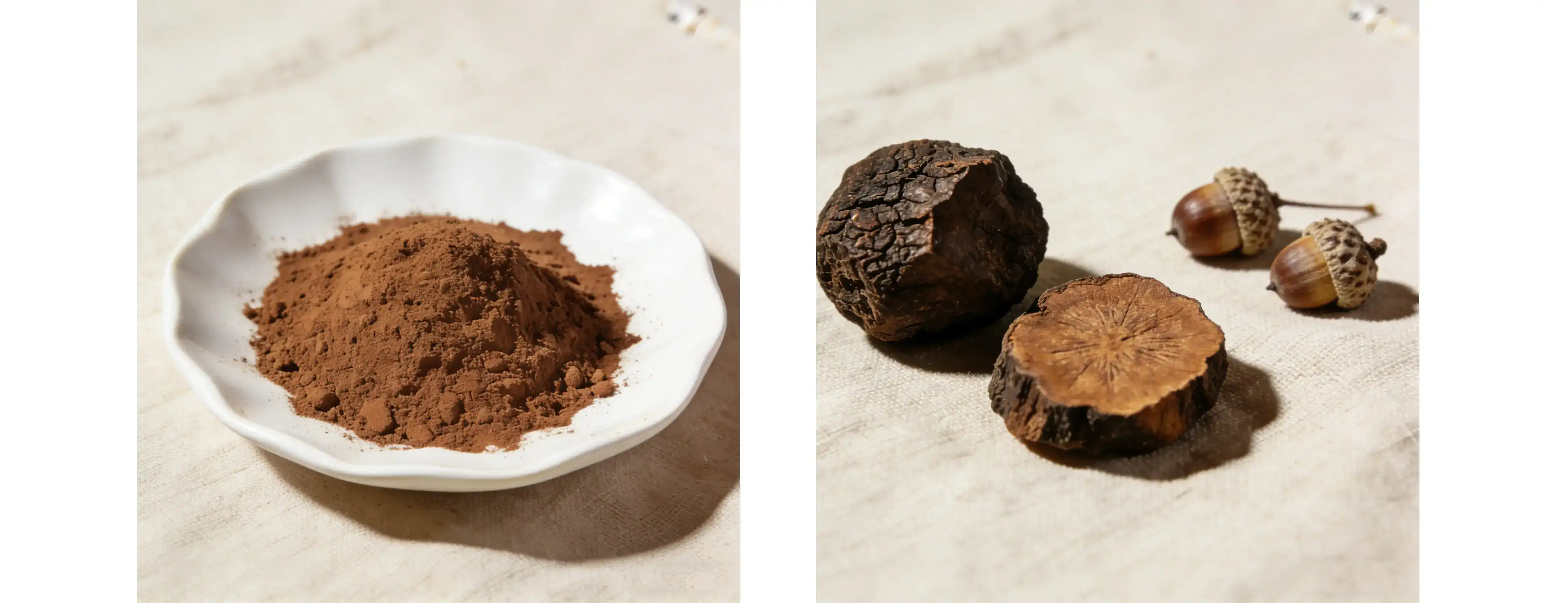
The main difference between raw mushroom powder and properly removed concentrate is how bioavailable and consistent the two are. The chitin cell walls in raw powder are still whole, which makes it harder for compounds to be absorbed. Extraction, on the other hand, breaks down these walls, concentrating the good compounds into a form that can be used.
Core Bioactive Compounds and Chemical Profile
Beta-1,3/1,6-D-glucans and polysaccharide clusters are the main active ingredients that give the extract its usefulness. Our 40% polysaccharide standard gives formulators making immune-boosting vitamins or functional drinks a way to make sure that the uniformity is measured. The fruiting body source ensures a higher level of fungal compounds than mycelium-based options, which usually have grain substrate leftovers.
Good extracts have amino acid profiles that include leucine, lysine, and other important building blocks that are useful for sports nutrition formulas. Ergosterol, which is a form of vitamin D2, adds to the nutritional value. This is especially important for vegan supplement makers who want to find natural vitamin D precursors.
Hot Water Extraction Process and Quality Standards
The industry standard for isolating polysaccharides is 100% water extraction, which avoids using chemical agents that make regulatory approval more difficult. This method carefully concentrates chemicals that dissolve in water while keeping the clean label status that consumers today expect.
At OHI, our extraction plant uses dynamic low-temperature processes to keep the purity of the compounds. The brown powdery look means that the growing body has been processed properly, and the particles are usually between 80 and 100 mesh for the best interaction with the mixture. Temperature control during extraction keeps compounds from breaking down, so their strength stays the same from the raw material to the end product.
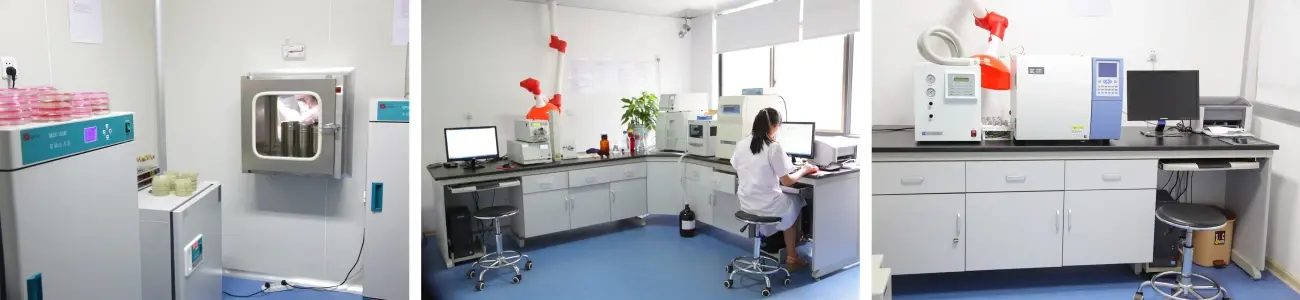
Our production follows the rules set by NSF GMP, Kosher, Halal, ISO, and FSSC22000, which means it meets a wide range of global safety standards. The organic certification choice is for high-end markets that put a high value on approved supply lines. Each 25 kg drum goes through a lot of tests, and there is full paperwork to back up the tracking standards that are necessary for pharmaceutical and nutritional uses.
Standardization and Batch Consistency Considerations
Consistency across production runs is a top priority for procurement teams. Agricultural factors change the make-up of raw mushrooms, so standardization methods are necessary. Our quality control checks the carbohydrate content using proven scientific methods to make sure that each batch meets the 40% requirement within acceptable ranges.
If the moisture level is less than 5%, microbes can't grow, and the food can last up to 24 months if stored properly. This stability helps makers plan their goods when they are handling supply chains for a lot of different product lines. Because it absorbs water, it needs to be packed properly. Our foil-lined drums with desiccants keep the product's structure while it's being shipped and stored.

Benefits and Uses of Shiitake Mushroom Extract Powder in B2B Markets
The list of useful benefits of Shiitake Mushroom Extract Powder fits with the current market trend toward natural ingredients that support a health stance. Researchers have written a lot about how polysaccharides interact with living things. This helps formulators make claims about their products that are scientifically sound and don't break any rules.
Immune System Support Applications
Because it contains beta-glucan, this ingredient is good for making supplements that focus on the immune system. There is a lot of research in the field of food science that shows how the polysaccharide structures work with immunity receptors. This ingredient is used by nutraceutical companies in everyday health recipes, seasonal support products, and immunity complex mixes for specific needs.
Doses of finished vitamins usually run from 500 mg to 2000 mg per day, but formulation teams should test for stability in certain situations. The neutral flavor profile works well with pills, tablets, and powder mixes without making other ingredients taste too strong.
Antioxidant Properties for Cosmetic Formulations
Cosmetic scientists use mushroom extracts because they contain antioxidant compounds that are good for anti-aging skin care lines. Polysaccharides have soothing qualities and help keep the mixture stable. Natural skincare brands use the fact that their ingredients come from plants to market themselves as "clean" and use plant-based actives.
In cosmetics, usage rates are usually between 0.5% and 5%, but this depends on the type of product and the result that is wanted. Because it dissolves in water, it is easy to mix into serums, lotions, and masks. Our dark powder melts easily, but for clear product forms, it may need to be filtered first.
Functional Food and Beverage Integration
It can be hard for food scientists to find a good balance between taste profiles and usefulness. The umami flavor of shiitake extract goes well with spicy drinks like broths and functional soups. For bland or sweet uses, changing the dose or hiding the flavor can keep the product's taste while still providing the right amount of polysaccharides.
When checking the safety of a drink, settling should be taken into account, especially in acidic settings. In cold liquid uses, instantization or co-processing with carriers makes it easier for the molecules to mix. Heat stability up to 120°C lets compounds be pasteurized without breaking down too much, making it good for useful drinks that can be kept on the shelf.
Product Development Guidelines and Formulation Tips
When making new formulations, R&D teams should think about how hygroscopic the extract is. Moisture barrier wrapping is helpful for encapsulation or blended products. When plant products are mixed with each other, compatibility testing stops any interactions that could weaken or stop the mixture from working.
Regulatory compliance is different for each market and use case. In the US, the GRAS status route is used for food uses, but dietary supplements are regulated in a different way. Our set of documents, which includes certificates of analysis, safety data, and accounts of the manufacturing process, can be used for regulatory applications.
Comparing Shiitake Mushroom Extract Powder with Other Functional Ingredients
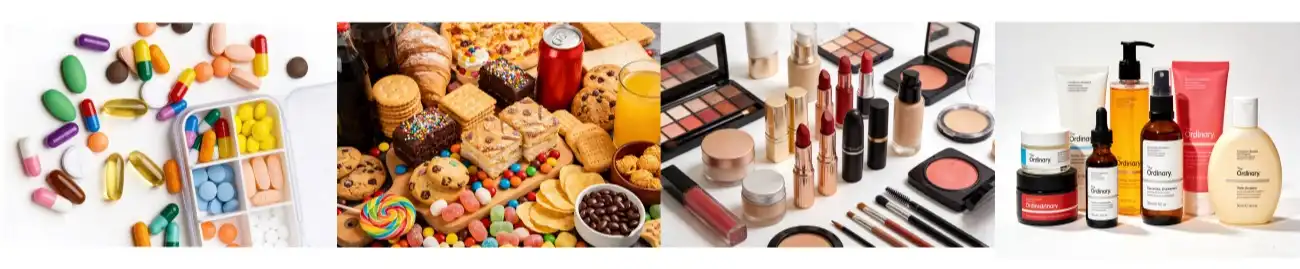
Strategic ingredient selection requires understanding comparative advantages across similar botanical categories. Procurement decisions balance functionality, cost efficiency, and market positioning considerations.
Fruiting Body Extract versus Fresh Mushrooms
As a result, fresh mushrooms are not useful for making regulated supplements because they are mostly water. When compared to dry whole mushrooms, the extraction concentration process gives 10 times as many active chemicals per gram. This quantity lowers the dose needed and makes formulations more flexible.
Based on cost, extracts are better for goods that need specific amounts of polysaccharides. Fresh mushrooms are good for cooking, but extract uniformity ensures that controlled health products are always the same. The longer shelf life and smaller storage space make it easier for big manufacturing processes to run smoothly.
Benchmark Against Other Mushroom Extracts
Even though both Cordyceps and Reishi come from mushrooms, their products have different uses. Cordyceps works on energy and sports ability, while Reishi focuses on dealing with stress and relaxing. Shiitake Mushroom Extract Powder offers immune and antioxidant properties that open up new business possibilities for functional food and supplement developers seeking natural support for overall wellness.
Shiitake extract usually costs less per kilogram than Cordyceps or Reishi, which is good for formulators who are making mass-market products because it saves money. People are more likely to recognize this mushroom species because it is used in cooking, which could mean that less marketing education is needed.
Formulations that combine several mushroom products focus on a wider range of health issues. Our range of products supports multi-extract methods and includes suitability data for formulators who are making full fungus mixes.
Organic versus Conventional Quality Considerations
Organic approval leads to higher prices but also new market opportunities. Stores that sell natural foods and brands that make organic products need verified ingredients all the way through their supply chains. The quality standards for conventional extracts are the same when it comes to safety and strength, but they are cheaper.
Our organic shiitake extract comes from approved growing grounds that cover more than 8,000 acres in several Chinese provinces. This makes sure that we always have an organic supply. The usual choice uses the same quality standards and extraction technology, with the only difference being that it is certified as agricultural. Procurement teams should choose ingredients that are in line with what the target market wants and how they want to price their products.
Procuring Shiitake Mushroom Extract Powder: A Buyer's Guide
Successful sourcing relationships depend on supplier evaluation beyond price comparison. Quality assurance systems, documentation capabilities, and supply reliability impact long-term manufacturing success.
Supplier Evaluation Criteria and Certification Requirements
Buyers are protected from poor quality and legal problems when factory licenses are checked. Our NSF GMP approval shows that we can make pharmaceutical-grade products, which is important for companies that sell high-end vitamins. The FSSC22000 certification covers food safety management and can be used for various foods and drinks.
Professional sellers and commodity traders can be told apart by how complete their documentation is. Every package should come with full records of analysis, screening for pesticides, heavy metals, and microbes. To make sure thorough testing, our quality control lab uses HPLC, GS-MS, and other high-tech analysis tools worth more than $1.2 million.
Being able to track an ingredient from the plant's roots to the end product helps with auditing and due diligence. Our fully integrated supply chain, which includes GAP-certified farming sites, gives big brands and stores the openness they want more and more.
Pricing Dynamics and Minimum Order Quantities
Prices on the market are based on the prices of raw materials, the difficulty of extraction, and licensing fees. Organic extracts usually cost 20–30% more than their regular counterparts. Concentration ratios also have an effect on prices, since higher ratios need more raw materials to make one kilogram of finished extract.
Our 25 kg minimum order lets you test new products and make your first batch of products without having to commit to too much inventory. The 25kg drum size is normal in the industry and works with most of the tools used to move things around in factories. When yearly amounts go over 500 kg, and supply deals make costs predictable, bulk price talks become important.
A lead time of 10 days from when an order is confirmed to when it is ready to ship allows flexible inventory management. Our four warehouses in the U.S. allow for fast delivery, cutting down on travel time and making the supply chain more flexible than with direct purchases for every order.
Sample Testing and Product Validation
Formulators can test for compatibility with free samples before committing to large production amounts. We suggest that you do some initial testing in all of the places you want to use it to make sure it dissolves, stays stable, and tastes good with other recipes.
Independent labs that do third-party testing add to the quality assurance for important uses. The Megazyme beta-glucan test can tell the difference between fungal beta-glucans and starch-based alpha-glucans. This makes sure that the mushrooms in a product are real and not fake with cheap fillers.
Formulations don't fail after they've been put on the market if they are tested for stability in the store and under the use conditions that were planned. Our expert team can give you advice on steadiness based on their experience with a wide range of uses. However, it is still up to each maker to do testing that is unique to their product.
Practical Recipes and Applications for Shiitake Mushroom Extract Powder
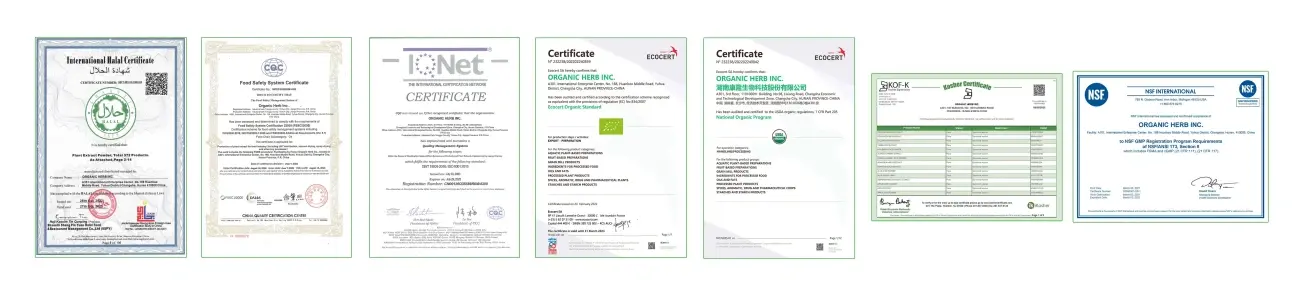
Translating ingredient specifications into finished products requires practical application knowledge. Shiitake Mushroom Extract Powder formulation starting points accelerate development while allowing customization for specific brand requirements, as its beta-glucan content, polysaccharide profile, and extraction solvent residue levels directly influence final product performance in terms of solubility, stability, and bioavailability.
Immune Support Capsule Formula
A straightforward supplement application combines 500mg shiitake extract with complementary ingredients like vitamin C, zinc, and elderberry extract. The neutral flavor profile prevents taste issues in two-piece capsules. Standard capsule filling equipment accommodates the powder blend without special processing requirements.
Manufacturing considerations include moisture control during blending and encapsulation. Desiccant packets in final bottles prevent moisture absorption that could cause caking or capsule degradation. Stability testing should confirm potency retention through the shelf life under typical retail storage conditions.
Functional Beverage Development
Incorporating mushroom extract into ready-to-drink beverages requires addressing solubility and sedimentation challenges. Starting with a 0.1-0.2% usage rate (1- 2 g per liter) provides functional polysaccharide content while minimizing impact on taste and clarity. Pre-hydration in warm water before adding to cold beverage bases improves dispersion.
Flavor pairing with ginger, lemon, or honey masks the subtle earthy notes, creating consumer-acceptable taste profiles. Savory applications like miso-flavored functional broths leverage the natural umami character. Carbonation compatibility requires specific testing, as some formulations may promote foam formation.
Culinary Wellness Product Applications
Health-conscious food manufacturers incorporate functional extracts into convenient food formats. Adding 2-3% shiitake extract to soup mixes, seasoning blends, or pasta sauces enriches nutritional profiles while enhancing savory depth. The heat-stable nature withstands cooking temperatures without significant compound loss.
Bakery applications present greater formulation challenges due to moisture sensitivity and flavor intensity. Lower inclusion rates (0.5-1%) in savory crackers or protein bars maintain functionality without overwhelming product characteristics. Co-processing with flavor masking agents expands application possibilities into mainstream food products.
Conclusion
Shiitake mushroom extract powder delivers standardized polysaccharide content essential for contemporary nutraceutical, cosmetic, and functional food manufacturing. The 40% polysaccharide specification at 10:1 concentration provides formulators measurable consistency, while 100% water extraction maintains a clean-label status. Quality sourcing requires evaluating certifications, supply chain transparency, and technical support capabilities beyond basic price comparison. Our fruiting body-based extract, complete with NSF GMP, Kosher, Halal, ISO, and FSSC22000 certifications, addresses diverse B2B requirements across global markets. Understanding extraction methodology, comparative ingredient positioning, and practical application strategies enables procurement teams and R&D departments to confidently integrate this botanical extract into product portfolios targeting health-conscious consumers.
Frequently Asked Questions About Shiitake Extract Sourcing
1. How does fruiting body extract differ from mycelium-based products?
Fruiting body extracts contain significantly higher fungal beta-glucan concentrations compared to mycelium grown on grain substrates. Mycelium products often show elevated starch content from the growth medium, diluting active fungal compounds. Quality verification through Megazyme beta-glucan testing distinguishes authentic fruiting body extracts from inferior alternatives, ensuring formulators receive ingredients with meaningful functional compound levels.
2. What testing confirms polysaccharide quality claims?
Total polysaccharide testing provides a broad measurement, including both beneficial beta-glucans and less valuable alpha-glucans like starch. Specific beta-glucan analysis through enzymatic methods offers more accurate functional compound quantification. Reputable suppliers provide both measurements, demonstrating transparency about product composition. If suppliers resist beta-glucan testing while promoting high polysaccharide numbers, product adulteration with inexpensive fillers like dextrin becomes a concern.
3. Does extraction temperature affect compound integrity?
Hot water extraction requires elevated temperatures to break down chitin cell walls and release polysaccharides. While some heat-sensitive compounds may be reduced, the core immunomodulatory polysaccharides actually require heat for bioavailability. The tradeoff favors extraction, as bound compounds in unprocessed mushrooms provide minimal functional value. Temperature-controlled processing balances compound release with preservation of thermally sensitive constituents.
Partner with OHI for Premium Shiitake Mushroom Extract Supply
OHI combines vertically integrated supply chain control with pharmaceutical-grade manufacturing capabilities, delivering consistent shiitake mushroom extract powder for demanding B2B applications. Our GAP-certified cultivation bases spanning 8,000 acres ensure quality from agricultural origin, while advanced extraction technology concentrates bioactive compounds to precise specifications. As a publicly traded company (Stock Number: 872213) with comprehensive certifications including NSF GMP, FSSC22000, Kosher, and Halal, we meet the stringent requirements of nutraceutical, cosmetic, and functional food manufacturers worldwide.
Whether sourcing organic or conventional shiitake extract, our technical team provides formulation support, regulatory documentation, and reliable supply through four U.S. warehouse locations. Contact our procurement specialists at info@organic-herb.com to discuss your shiitake mushroom extract powder requirements, request complimentary samples, or explore custom extraction specifications tailored to your product development objectives.
References
1. Chang, S.T. & Wasser, S.P. (2017). The Cultivation and Environmental Impact of Mushrooms. Oxford Research Encyclopedia of Environmental Science.
2. Bisen, P.S., Baghel, R.K., Sanodiya, B.S., Thakur, G.S., & Prasad, G.B. (2010). Lentinus edodes: A Macrofungus with Pharmacological Activities. Current Medicinal Chemistry, 17(22), 2419-2430.
3. Finimundy, T.C., Dillon, A.J.P., Henriques, J.A.P., & Ely, M.R. (2014). A Review on General Nutritional Compounds and Pharmacological Properties of the Lentinula edodes Mushroom. Food and Nutrition Sciences, 5, 1095-1105.
4. Rathore, H., Prasad, S., & Sharma, S. (2017). Mushroom nutraceuticals for improved nutrition and better human health: A review. PharmaNutrition, 5(2), 35-46.
5. Zhang, Y., Mills, G.L., & Nair, M.G. (2002). Cyclooxygenase inhibitory and antioxidant compounds from the mycelia of the edible mushroom Grifola frondosa. Journal of Agricultural and Food Chemistry, 50(26), 7581-7585.
6. Wasser, S.P. (2014). Medicinal mushroom science: Current perspectives, advances, evidence, and challenges. Biomedical Journal, 37(6), 345-356.
Coenzyme Q10 (CoQ10) & Ubiquinol: What's the Difference?
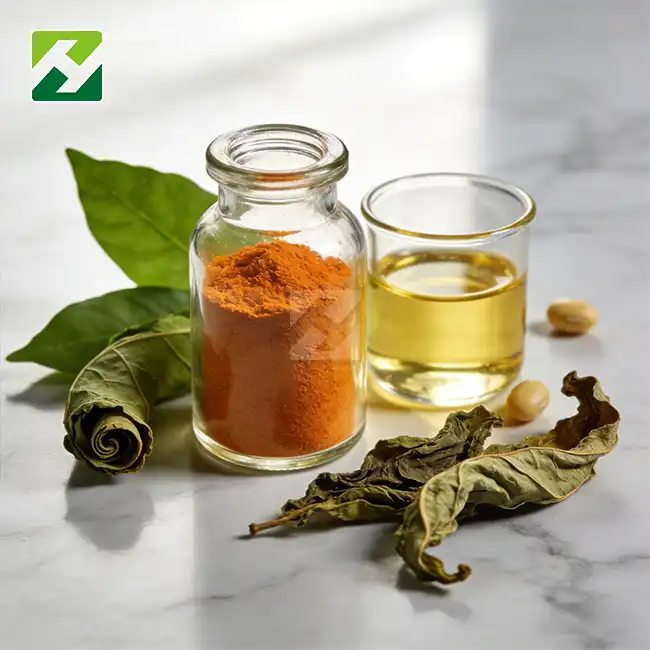
VIEW MOREWhen formulating dietary supplements or functional ingredients, understanding the distinction between Coenzyme Q10 Powder and Ubiquinol becomes crucial for product developers and procurement teams. Essentially, CoQ10 exists in two primary forms: ubiquinone (the oxidized state) and ubiquinol (the reduced, active state). While both forms convert within the body, ubiquinol represents the bioactive form that cells directly utilize for energy production and antioxidant protection. Coenzyme Q10 Powder, typically supplied as ubiquinone at 98% purity, serves as the stable, cost-effective raw material that manufacturers worldwide rely on for supplement and cosmetic formulations. This fundamental difference impacts formulation strategies, bioavailability profiles, and ultimately, your product's market positioning.
Understanding Coenzyme Q10 and Ubiquinol: Key Basics
The cellular energy environment depends a lot on these two connected molecules, but their different properties affect how we choose ingredients for industrial uses.
The Chemical Nature of CoQ10
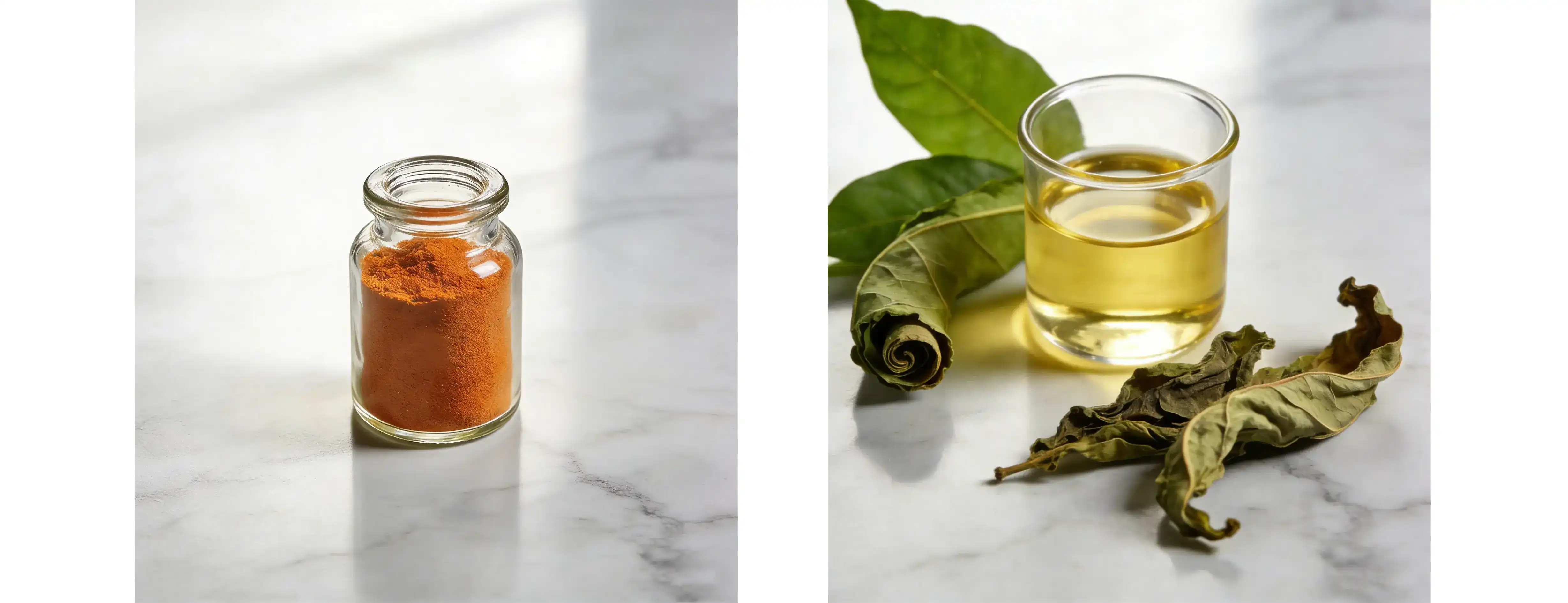
Coenzyme Q10 Powder, also known as ubiquinone-10, is a lipid-soluble benzoquinone chemical that is organically made by microbes through the fermentation process. This way of making sure that the all-trans isomer configuration is chemically active, which is very important for the effectiveness of the product. The combination looks like an orange solid powder and is very stable at high temperatures if it is handled correctly. It is part of the electron transport chain events inside mitochondria that are needed for ATP production, which is what metabolic processes run on. Its chemical structure has a quinone head group connected to a ten-unit isoprenoid tail. This gives it special solubility properties that product developers need to think about when making new products.
What Makes Ubiquinol Different
CoQ10 is reduced to ubiquinol, which has two extra hydrogen atoms that change its ability to do important things. This change in its biochemistry makes it a better lipid-phase antioxidant that fights free radicals before they damage cell walls. In healthy people, about 90 to 95% of the CoQ10 in their bodies is in the form of ubiquinol. But this number goes down with age and in some metabolic states, which is why the market wants straight ubiquinol supplements. An enzyme-mediated reduction process naturally changes ubiquinone to ubiquinol, but this process gets less effective over time. When it comes to buying things, ubiquinol costs more than regular Coenzyme Q10 Powder because it needs more work to keep it stable and has a shorter shelf life.
Bioavailability Considerations in Product Development
The rates of absorption are very different between these forms, which affects how we build transport systems. Before it can get into the bloodstream, standard Coenzyme Q10 Powder has to be changed into ubiquinol in the intestines and liver. The rate at which this happens depends on the person's age and metabolic efficiency. In older people, clinical studies show that ubiquinol supplements have a 2.6 times higher plasma concentration than similar amounts of ubiquinone. However, this absorption gap gets a lot smaller when the right lipid carriers or solubilization methods are used to make ubiquinone. Nano-emulsification or cyclodextrin complexation are advanced manufacturing methods that can make ubiquinone more easily absorbed to levels that are close to ubiquinol. When B2B companies are trying to reach price-conscious customers, it's often more cost-effective to improve ubiquinone transport methods than to switch to more expensive ubiquinol raw materials.
Comparison Between CoQ10 Powder and Ubiquinol: Which Should You Choose?
When choosing the right form, you have to weigh technical performance against business needs. This is an important choice that affects how competitive your product is.
Stability and Shelf Life Analysis
Coenzyme Q10 Powder in its ubiquinone form is very stable under normal storage conditions. It will stay active for 24 to 36 months if kept below 25°C in dark, sealed cases. This strong stability profile makes operations easier, cuts down on waste, and works with global delivery networks. On the other hand, ubiquinol needs to be carefully stabilized with antioxidants and encapsulated in a certain way to stop it from quickly turning back into ubiquinone. When manufacturers use ubiquinol, they have to follow tighter cold-chain rules and keep their goods for shorter periods of time. These changes have a direct effect on the costs of the supply chain. We've seen that high-purity Coenzyme Q10 Powder always has the same orange crystalline look across runs. However, ubiquinol formulas may have color changes that show how oxidized they are. Because ubiquinone is forgiving, it makes production easier and quality control easier for contract makers who handle various product lines.
Cost-Effectiveness for Different Applications
The prices of raw materials show big differences that buying teams can't ignore. Premium ubiquinol ingredients usually cost three to five times more than Coenzyme Q10 Powder of the same quality. This difference affects the overall cost of the end product. Because of this difference in price, ubiquinone is the obvious choice for popular supplements aimed at price-conscious customers or high-dose formulas where the cost of ingredients is the main factor affecting production budgets. A lot of athletic nutrition brands like ubiquinone at doses of 100 to 200 mg because ubiquinol is too expensive for that amount. On the other hand, premium anti-aging formulas or heart-healthy vitamins may be able to back marketing claims about ubiquinol's higher bioavailability. Smart formulators sometimes use both types together, with ubiquinone as the main ingredient and smaller amounts of ubiquinol added to keep costs down and efficiency high.
Manufacturing and Formulation Flexibility
Coenzyme Q10 Powder works well in a variety of delivery systems, such as oil-based softgels, dry-blended pill structures, and functional beverages. Its solid structure lets it be directly compressed into tablets when mixed with the right excipients. This gives formulators options that aren't available with ubiquinol. Coenzyme Q10 Powder that meets the 98% standard dissolves easily in medium-chain triglyceride oil or soybean oil matrices, which are popular in softgel encapsulation, which is the format that people ask us to make supplements in the most. Because of temperature sensitivity during processing, temperatures must stay below 50°C to keep the strength, and this rule applies to both forms equally. Ubiquinol needs extra stabilization systems and usually comes in unique delivery matrices, which limit recipe flexibility and make it more dependent on specialized sources.
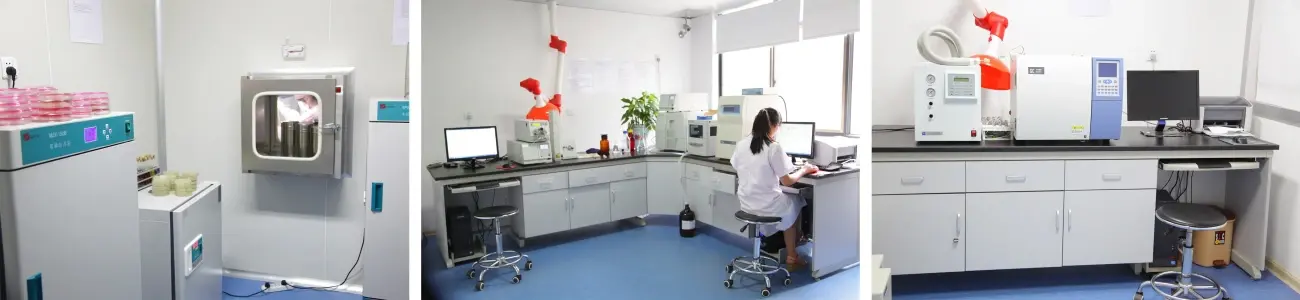
Sourcing and Procurement Insights for CoQ10 Powder and Ubiquinol
To find your way around the global supply scene, you need to know the quality indicators, certification standards, and seller skills that can help you tell the difference between trustworthy partners and problematic vendors.
Quality Specifications That Matter
Our Coenzyme Q10 Powder at Organic Herb Inc. is 98% pure, as shown by HPLC analysis. It meets USP, EP, and JP pharmacopeia standards that are known by B2B buyers around the world. The all-trans isomer ratio is higher than 99%, which is important for biological activity but is often missed in lower-quality goods that have cis-isomers that are less active. There is no lead or arsenic above 0.5ppm or any heavy metals above 1ppm, which are both well below the limits set by the FDA. These standards protect your brand's name in controlled markets. Total plate counts must be less than 1,000 CFU/g, yeast and mold must be less than 100 CFU/g, and diseases like Salmonella and E. coli must not be present at all. The tests for residual solvents include both Class 2 and Class 3 solvents that might be present from the extraction process, and the levels tested meet the ICH Q3C standards. We ship our products in 25 kg fiber drums with double plastic bags that keep them dry while they're being stored and shipped internationally.
Certification Ecosystem and Compliance
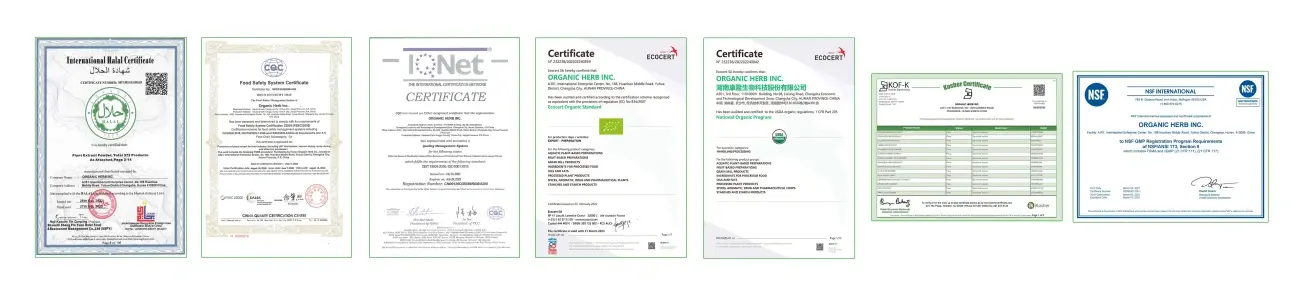
Our factory has a lot of different certificates, such as NSF GMP, Kosher, Halal, ISO 9001, and FSSC 22000. These qualifications make it easier for you to submit your products to different markets' regulatory bodies. These certificates are more than just pieces of paper; they protect your downstream operations by showing that your quality systems have been checked, your production processes have been proven to work, and your batches are always the same. Products going to the U.S. market follow the FDA's Current Good Manufacturing Practices (cGMPs), which are rules for making dietary supplements. Our organic certification lets natural product stores that want to sell products with confirmed clean sources buy our products. Each batch of products comes with all the paperwork you need, like a Certificate of Analysis, ingredient statements, BSE/TSE releases, and a GMO-free certification. This documentation package makes it easier for you to follow the rules when you file NDI alerts or answer store quality surveys. If you know about these licensing standards ahead of time, you can avoid expensive re-formulations or delays in entering the market later on.
Strategic Supplier Evaluation Criteria
Reliable Coenzyme Q10 Powder sellers set themselves apart by having technical skills that go beyond basic making. The R&D center for Organic Herb Inc. is in Changsha. It has 42 technical staff members, including Ph.D. researchers and analytical chemists who use HPLC-ELSD, GC-MS, and atomic absorption spectroscopy systems. With this in-house knowledge, we can reduce the size of the particles, improve the way the oil disperses, and test the stability of your mixture in a way that is unique to your needs. Our GAP-certified planting sites cover 8,000 acres in several provinces and make sure that raw materials can be tracked and come from sustainable sources, which is something that regulators and store buyers are becoming more interested in. With four strategically located warehouses across the United States, we keep our inventory stable, which lets us offer 7-day wait times for domestic orders. This gives you a competitive edge when your production plan is interrupted by sudden increases in demand or shortages of supplies.
Practical Applications and Market Trends: CoQ10 Powder & Ubiquinol in B2B
Real-life examples show how choosing the right ingredients affects how well a product works in different types of markets, each with its own technology needs and customer standards.
Sports Nutrition and Performance Formulations
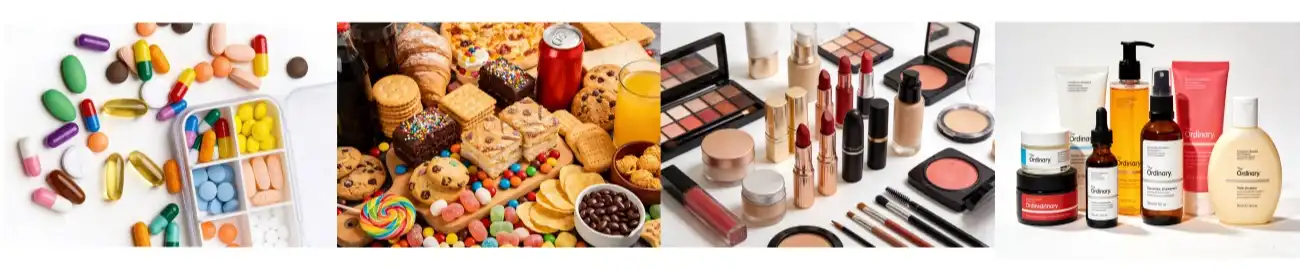
Manufacturers of athletic supplements like to use high doses of Coenzyme Q10 Powder, between 100 mg and 400 mg per day, because these amounts help mitochondria work well during hard training rounds. More and more pre-workout mixes include Coenzyme Q10 Powder along with well-known ingredients like caffeine and beta-alanine. These mixes are aimed at serious athletes who are ready to spend money on complete supplements. The powder form makes it easy to make more of these medicinal doses without raising the price too much for consumers to accept. In a niche market, ubiquinol is used in high-end healing formulas aimed at older athletes or people who care more about solubility than cost. Manufacturers of protein powder sometimes add Coenzyme Q10 Powder as an extra ingredient that makes their goods stand out in a crowded market. For these uses, the ingredients need to be able to mask tastes well and dissolve easily. Our technical team solves these problems by using special processing methods created just for functional food matrices.
Anti-Aging and Cosmeceutical Applications
Coenzyme Q10 Powder is used in skin care products because it is an antioxidant that helps fight obvious signs of aging. However, it can be hard to keep this ingredient stable in emulsion systems. To keep the high-purity Coenzyme Q10 Powder from breaking down during production, it needs to be soaked in oil at temperatures below 50°C. The orange color affects how the end product looks, which is something that formulators can either use to their advantage or hide with other colors. Liposomal encapsulation and nanostructured lipid carriers improve dermal penetration, turning Coenzyme Q10 Powder from an antioxidant that works on the top of the skin into a chemical that claims to work deeper in the skin. Fermentation-derived ubiquinone is good for cosmetic companies that want to place their products as natural. This is in line with the clean beauty trends that are popular in specialty retail outlets. Our pharmaceutical-grade material meets the high standards for cleanliness that high-end skin care brands need while also keeping the batch uniformity needed for mass production.
Functional Foods and Beverage Innovation
Adding fat-soluble Coenzyme Q10 Powder to water-based systems without changing the brightness, taste, or stability of drinks is very difficult from a scientific point of view. Even though natural Coenzyme Q10 Powder doesn't mix with water, newer types that use cyclodextrin inclusion complexes or nano-emulsion technologies get around these problems. These specialist forms cost a lot, but they open up high-growth markets like ready-to-drink energy drinks and enriched water. Instead of being a problem, the orange color works well in fruit-flavored drinks because it confirms taste expectations. Stability testing at pH levels between 3.0 and 7.0 makes sure that ingredients don't break down or lose their potency in acidic drinking settings or when they are heated. Protein bars and energy bites contain Coenzyme Q10 Powder, which is used in these products because the powder's solid structure doesn't affect the processing and allows for clean labeling.
Key Considerations for B2B Buyers: Making the Right Choice
The choice of strategic ingredients goes beyond just technical details. It also takes into account things like the quality of the relationship, the stability of the supply chain, and how well the regulations match up with the business.
Matching Ingredient Form to Target Demographics
The ages of your customers have a big impact on whether ubiquinone or ubiquinol is better for your product line. People between the ages of 18 and 45 are better at turning ubiquinone into ubiquinol, which makes expensive ubiquinol formulations harder to explain from a value argument point of view. On the other hand, goods aimed at older people (60+) may benefit from ubiquinol's lower conversion requirement, which could support marketing stories about supplements that are right for that age group. Athletes and exercise fans often care more about dose and cost-per-serving than bioavailability details, which leads these formulas toward high-potency Coenzyme Q10 Powder. Premium health brands that market their goods as scientifically-backed and cutting-edge often choose ubiquinol to set themselves apart from common rivals, even if it means paying more for brand recognition. By knowing these groups' tastes, you can make sure that the ingredients you choose support your positioning strategy and don't go against how the market sees you.
Scaling Production and Managing Inventory
Minimum order amounts and lead times have a direct effect on how much operating capital is needed and how flexible output can be. Our 25kg MOQ lets new brands test how well the market responds without having to commit to too much inventory, while established brands can take advantage of volume prices on pallet and container amounts. Our U.S. stores have a 7-day lead time, which keeps production from being held up when demand forecasting isn't perfect or when marketing efforts cause sales to spike for no reason. Inventory change tactics are affected by how long an item's shelf life is. Ubiquinone can be stored for 24 to 36 months without going bad, while ubiquinol has stricter storage needs. Your R&D team can test for suitability and stability with free samples before making large purchases. This lowers the risk of formulation errors and keeps you from having to spend a lot of money on costly reformulation rounds. Our delivery network is set up to meet the needs of both new companies that want to experiment with small batches and well-known companies that need a steady supply of large quantities.
Building Supplier Partnerships That Last
Transactional ties make it harder to get expert help and information about the market, which are benefits of better provider partnerships. Our applications team at OHI works with your formulators to improve solubility, set up methods for stability testing, and create regulatory paperwork. These are all value-added services that shorten the time it takes for you to get your product to market. Sharing information about the availability of raw materials, changes in prices, and new rules on a regular basis with your buying team helps them plan for problems instead of just responding to supply disruptions. Our dedication to eco-friendly and sustainable business practices is in line with the growing scrutiny of corporate social responsibility programs by retailers and customers who care about the world. Our GAP-certified planting bases give you more than just proof of where your plants came from. They also protect you from supply chain scams that can destroy your brand's reputation fast. Building ties with providers who see your success as linked to theirs gives you a competitive edge that you can't get with a procurement strategy that only looks at price.

Conclusion
Rather than a simple "better or worse" choice, the choice between Coenzyme Q10 Powder and ubiquinol comes down to how you want to place your product, who you want to buy it from, and what formulation goals you have. The safety, manufacturing freedom, and cost-effectiveness of ubiquinone make it a great choice for many supplement uses. Ubiquinol is considered a special ingredient because it is more bioavailable, which is important for older people and high-end formulas. Smart procurement teams look at these forms not just in terms of the technical specs, but also in terms of their product strategy, supply chain skills, and market positioning. Knowing these differences helps you choose ingredients with confidence, which improves both the performance of the product and its ability to make money.
FAQ
1. Which form provides better value for cardiovascular supplement formulations?
Coenzyme Q10 Powder is the most cost-effective way to make cardiovascular formulas that need 100–200 mg daily doses. At these medicinal amounts, the difference in the cost of ubiquinone and ubiquinol as raw materials gets big, which has a direct effect on your product's profit margins. For cardiovascular uses, clinical studies mostly used ubiquinone instead of ubiquinol, which gives a good scientific reason for choosing the ingredient. Better ways to give ubiquinone, like oil-based softgels or nano-emulsified forms, make it much more bioavailable. This makes it more effective than ubiquinol at a much lower cost. Bioavailability details aren't very important to people who buy heart health products; this is why ubiquinone is the best choice for this market group from a business point of view.
2. How should we store CoQ10 ingredients to maintain maximum potency?
To keep the effectiveness of Coenzyme Q10 Powder for as long as possible, keep it in sealed packages out of direct sunlight and at temperatures below 25°C in places with low humidity. Because the substance is fat-soluble, it can oxidize when it comes in contact with air, water, or high temperatures. This is why it needs to be properly packaged with oxygen shields. Once containers are opened, quickly reseal them to keep air out, and think about moving leftover parts to smaller containers with less headspace. Refrigeration makes Coenzyme Q10 Powder more stable, but it's not usually needed for properly packaged powder. On the other hand, ubiquinol formulas do better when stored cold. Following the first-in, first-out rule for inventory movement makes sure that the freshest ingredients get to your production lines. Keep track of the conditions of storage and test ingredients on a regular basis to make sure their specs haven't changed while they've been stored.
Partner with OHI for Premium Coenzyme Q10 Powder Supply
Organic Herb Inc. is a trusted company that makes Coenzyme Q10 Powder. They offer pharmaceutical-grade quality with the business freedom that B2B buyers need. Our requirement for 98% purity, a wide range of certifications (NSF GMP, Kosher, Halal, ISO 9001, FSSC 22000), and a well-planned U.S. warehouse network give you the stability your production plans need. Our expert team can help you with application support that speeds up your development timeline, whether you're making functional drinks, anti-aging skin care, or sports nutrition products. We offer free samples to test for compatibility, as well as flexible 25kg minimum orders that can support growing names and established capacity that serves producers around the world. Contact our buying experts at info@organic-herb.com to talk about your particular needs and find out how our advanced extraction technology, environmentally friendly sourcing methods, and focus on the customer set OHI apart in the ingredients market.
References
1. Crane, F.L. (2001). Biochemical functions of coenzyme Q10. Journal of the American College of Nutrition, 20(6), 591-598.
2. Bhagavan, H.N., & Chopra, R.K. (2006). Coenzyme Q10: absorption, tissue uptake, metabolism, and pharmacokinetics. Free Radical Research, 40(5), 445-453.
3. López-Lluch, G., Del Pozo-Cruz, J., Sánchez-Cuervo, C., Mobasher, M.A., Fernández-Ayala, D.J., & Navas, P. (2010). Bioavailability of coenzyme Q10 supplements depends on carrier lipids and solubilization. Nutrition, 26(11-12), 1131-1136.
4. Pravst, I., Zmitek, K., & Zmitek, J. (2010). Coenzyme Q10 contents in foods and fortification strategies. Critical Reviews in Food Science and Nutrition, 50(4), 269-280.
5. Hosoe, K., Kitano, M., Kishida, H., Kubo, H., Fujii, K., & Kitahara, M. (2007). Study on safety and bioavailability of ubiquinol after single and 4-week multiple oral administration to healthy volunteers. Regulatory Toxicology and Pharmacology, 47(1), 19-28.
6. Díaz-Castro, J., Guisado, R., Kajarabille, N., García, C., Guisado, I.M., de Teresa, C., & Ochoa, J.J. (2012). Coenzyme Q10 supplementation ameliorates inflammatory signaling and oxidative stress associated with strenuous exercise. European Journal of Nutrition, 51(7), 791-799.
Does red yeast rice lower triglycerides?
VIEW MORERed Yeast Rice Extract Powder has been shown to have measurable effects on lipid metabolism, though its effect on triglycerides is less pronounced than its well-known effect on LDL. Triglyceride levels can be lowered by about 15 to 25 per cent when concentrated extracts of fermented rice with monacolin K are used regularly, according to clinical studies. The beneficial monacolins work by stopping HMG-CoA reductase, which changes the processes that make lipids in the liver. Red Yeast Rice Extract Powder has the potential to help with a wide range of lipid issues, but how well it lowers triglycerides depends on the quality of the extract, how much monacolin is present, and how well the person's metabolism is set up.


Understanding Red Yeast Rice Extract Powder and Its Role in Lipid Management
What Is Red Yeast Rice Extract Powder?
Red Yeast Rice Extract Powder is a normal food supplement made by fermenting non-GMO rice in a controlled solid-state process with the fungus Monascus purpureus L. In contrast to culinary red yeast rice, which is mostly used for colouring food, this extract goes through a lot of steps to get to certain amounts of bioactive chemicals. During fermentation, a complicated lattice of monacolins is formed, with monacolin K being the main active ingredient that changes the way lipid metabolism works.
The extract is different from raw fermented rice because it follows standardisation methods that make sure all production runs have the same amount of monacolin. High-quality extracts solve three major problems in the industry: changing amounts of active ingredients that happen naturally, strict quality control rules to meet global regulations, and stopping fake adulteration. Advanced HPLC fingerprinting methods confirm that monacolins come from natural sources, telling the difference between real fermented extracts and goods that have been tampered with by manufactured chemicals. This verification is very helpful for R&D directors and formulation managers who are making clean-label goods that meet customer standards for natural ingredients.
Biochemical Mechanisms Behind Lipid Metabolism
Red yeast rice extract has active monacolins that affect lipid biosynthesis in a number of different molecular ways. Monacolin K has a structure that is similar to lovastatin. It works by blocking HMG-CoA reductase, which is the enzyme that limits the rate at which cholesterol is made. This blockage lowers the production of cholesterol in the liver. This causes LDL receptors to become more active on the surfaces of liver cells, which makes it easier for LDL cholesterol to leave the body.
When it comes to lipid metabolism, the processes are more complicated and involve more than one pathway. The extract changes the production of very-low-density lipoprotein (VLDL) in the liver. VLDL is the main protein that carries fats through the system. According to research, monacolin K can lower the production and release of VLDL in the liver, which results in small drops in the levels of fats in the blood. The extract also has secondary metabolites like sterols, isoflavones, and unsaturated fatty acids that work together to change the lipid profile. These chemicals help keep lipid profiles healthy by acting as antioxidants and keeping membranes stable. However, scientists are still trying to figure out exactly how they help lower triglycerides.
Comparative Insights: Red Yeast Rice Extract Powder vs Alternative Supplements
Extract Powder vs Whole Red Yeast Rice Supplements
The difference between whole red yeast rice vitamins and concentrated extract powder has a big effect on how well the recipe works and how consistent the product is. Whole red yeast rice pills have the whole fermented rice grain in them, which usually has between 0.1% and 0.4% monacolin K by weight. This lower concentration means that therapeutic amounts of monacolin have to be taken in bigger serving sizes, which can make it hard to make capsules and get people to take them as directed.
Red Yeast Rice Extract Powder has a lot more power because it is concentrated in a way that gets rid of the rice matrix parts while keeping and focusing the bioactive monacolins. Standardised extracts usually have 0.4% to 4.0% monacolin K, which lets companies make effective amounts in smaller serving sizes. This concentration also raises bioavailability because the active chemicals are taken more easily without the bulky rice base getting in the way of digestion. The extraction method also gets rid of or greatly reduces unwanted results of fermentation, which makes the product safer and purer.
From a purchasing point of view, extract pills are more consistent from batch to batch than whole grain supplements, where changes in fermentation conditions can cause big changes in strength. This uniformity is very important when making goods with specific claims on the label or when meeting government standards for active ingredients. There are also practical benefits to the concentrated form, such as lower shipping costs, longer shelf life, and more formulation freedom for mixing with other ingredients that support cardiovascular health.
Comparison with Synthetic Compounds and Monacolin K Isolates
Pure manufactured lovastatin and isolated monacolin K supplements are the most consistent, but they don't have the complex phytochemical framework that fermented rice extracts do. Researchers have found that manufactured statins and red yeast rice products have very different effects on how lipids are managed. The natural product has at least thirteen different kinds of monacolins, as well as sterols, isoflavones, and unsaturated fatty acids that all work together to help the heart in different ways.
This whole-matrix method often leads to more balanced changes in the lipid profile and might be easier for the body to handle than synthetic choices that only use one compound. Studies have shown that people who had problems with manmade statins could sometimes handle red yeast rice extracts without any problems. The exact processes that cause this difference are still being studied. It's possible that the naturally occurring CoQ10 in fermented rice products helps with this better tolerance, since statin chemicals can stop the body from making its own CoQ10.
Formulators of nutraceuticals that want to appeal to people who want natural options can benefit from using real fermented extracts, which are also in line with clean-label trends. However, this setting needs strict quality checks to make sure that goods contain naturally occurring monacolins and not man-made compounds added to fermented rice carriers. Isotope ratio mass spectrometry and other advanced analytical methods are used by reputable sellers to confirm the natural origin of products. This provides proof that the products are real and meet all international regulations.

Optimising Procurement: Selecting and Buying Red Yeast Rice Extract Powder for Triglyceride Management Products
Critical Quality Parameters and Specifications
To successfully buy red yeast rice extract, you must first set clear requirements that are in line with how the product will be used. The main quality factor is the amount of monacolin K present, which should be checked using approved HPLC methods and backed up by Certificates of Analysis for every production run. Standard amounts of monacolin K run from 0.1% to 3.0%. For food supplements, the 0.4–1.0% range works best because it balances safety and effectiveness with regulatory concerns.
Along with standardising monacolin, strict quality standards must also take into account citrinin levels, which are nephrotoxic compounds that can form during fermentation. Controlled fermentation factors are used in high-quality extracts to keep citrinin production as low as possible, with levels below 50 ppb or not measurable. This is especially important when looking for goods that will be sold around the world, since different regulatory bodies set different citrinin levels. Because of strict citrinin rules in the European Union, low-citrinin products are needed to get into these areas.
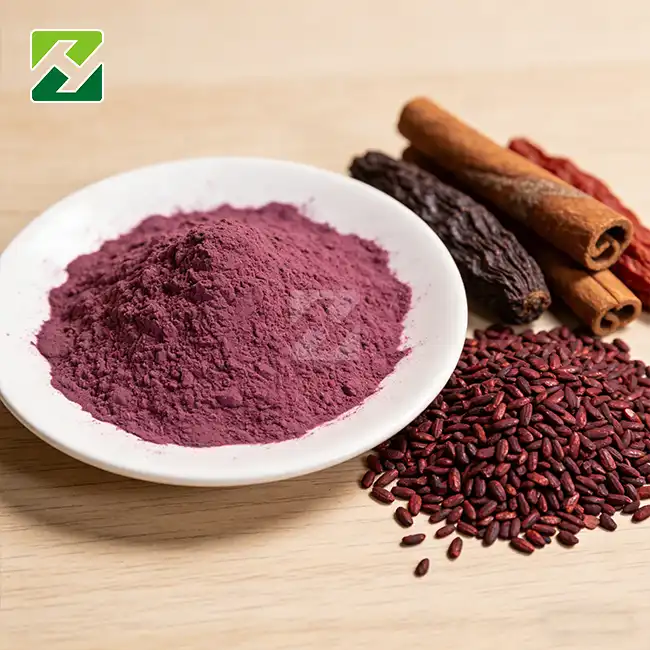
To make sure the product (Red Yeast Rice Extract Powder) is stable, the moisture content should be below 5%, the particle size should be between 80 and 100 mesh, the bacteria specifications should meet USP or EP standards, and the heavy metal limits should be in line with international food safety rules. Solubility properties are also important based on the formulations that will be used. For some uses, water-extracted powders are better. Organic Herb Inc. uses 100% water extraction to make standardised extracts with 0.1% monacolin K. This makes a violet-red powder from fermented rice. The Monascus purpureus L. strain has strict quality control that makes sure that each production batch is the same.
Certification Requirements and Regulatory Compliance
A lot of licensing paperwork is needed to buy red yeast rice extract in a way that is legal. GMP (Good Manufacturing Practice) compliance is an important license that shows that a manufacturing facility meets pharmaceutical-grade quality standards for making ingredients. NSF-GMP certification is a third-party proof that is highly valued in North American markets. On the other hand, EU-GMP certification is needed when selling to pharmaceutical or nutraceutical makers in Europe.
Food safety standards like FSSC22000 and ISO22000 make sure that factories have complete food safety management systems that include risk analysis and key control points all the way through the production process. When getting extracts for functional foods and drinks, where ingredient safety has a direct effect on end product safety, these approvals become even more important. Kosher and Halal certifications make it easier for products that are meant to meet specific food needs to reach more customers, but they also make it harder to find products because not many makers keep these specialised certifications along with pharmaceutical-grade quality standards.
For organic approvals, there are different checks that need to be done. The USDA Organic, EU Organic, or similar standards all have their own rules. When buyers are told to buy organic extracts, they should ask for copies of the most recent organic certificates and make sure that the certification bodies are accepted by the regulatory bodies in the target market. Organic Herb Inc. has many certificates, such as NSF GMP, Kosher, Halal, ISO9001, FSSC22000, and Organic certifications. These provide information that helps them make products for a wide range of markets around the world. Formulation managers can use this certification portfolio to find a single ingredient that meets the different regulatory standards for different routes of distribution.
Supplier Evaluation and Strategic Sourcing
You need to look at more than just basic quality standards when looking for reliable red yeast rice extract providers. An evaluation of a manufacturer's abilities should look at their knowledge of fermentation, their experience with extraction technology, and their access to facilities for scientific testing. Suppliers with dedicated research and development teams and high-tech equipment like HPLC-ELSD, GC-MS, and atomic absorption spectrophotometers can ensure strict quality control and help with the creation of custom extracts when standard specifications don't meet specific formulation needs.
Because making red yeast rice extract is so complicated, supply chain dependability is even more important. The fermentation process takes between 4 and 8 weeks, based on the amount of monacolin that you want to reach. After that, the product is extracted, standardised, and its quality is checked. Lead times can be more accurately predicted if suppliers keep enough production capacity and final goods in stock. For standard specs, this usually means 10 to 15 days. Geographical factors also affect buying choices; for example, sellers with stores in target markets can offer better transportation. Organic Herb Inc. has four main warehouses in the United States. This allows for fast shipping, which keeps the supply chain running smoothly and helps sellers keep their working capital low by using lean inventory management practices.
When possible, due diligence should include checks of the supplier's facilities, a look at the documents of quality management systems, a look at the production tools and analytical testing capabilities, and a look at the qualifications of the expert staff. Established providers usually don't mind being audited and keep a lot of paperwork to back up their quality claims. It's also important to be clear about where the raw materials come from, and vertical integration through specialised cultivation sites can help ensure even higher quality. Organic Herb Inc. runs three GAP-standard planting bases that cover more than 8,000 acres. This gives them control over the inputs they use and when they collect, which affects the quality of the end extract. This vertical integration, which goes from growing the plants to extracting them, makes sure that the quality and tracking are always the same. This is especially important for pharmaceutical and nutraceutical formulators who work with controlled markets.

Safety Considerations and Formulation Best Practices
Regulatory Status Across Global Markets
Foreign markets control red yeast rice extracts differently. This hinders enterprises from making global products. Red yeast rice extracts are offered as DSHEA-compliant dietary supplements in the US. The FDA considers products with high monacolin K levels unlawful medicines. This makes regulation hazy, thus items containing less monacolin (typically less than 0.4%) are not as rigorously scrutinised as extracts with greater criteria.
European markets are more tightly monitored; several EU member states prohibit red yeast rice products or set daily monacolin amounts around 3 mg. The European Food Safety Authority has researched red yeast rice and developed safety guidelines that influence national regulations. Canada allows natural health products made from red yeast rice if they meet monacolin K restrictions and carry label warnings. The item has been used for a long period in China, Japan, and South Korea; thus, the rules are less severe there.
The changes in legislation are crucial when creating items for overseas sale. Purchase criteria should match the tightest markets being targeted to ensure that extract standardisation remains within the limitations permitted in all sales territories. Sellers with comprehensive regulatory records and expertise with overseas product registrations may reduce compliance issues. Buyers should request regulatory support letters with product specifications, production standards, and quality control techniques. These letters will simplify product registration in target markets.
Recommended Dosing Protocols and Formulation Considerations
Clinical studies determine the optimal method to dose cholesterol management medicines; monacolin K amounts vary with product concentration. Most cardiovascular benefit trials employed 2.5–10 mg monacolin K per day. Some groups have had success with 1.2 to 2.4 mg per day. Because decreasing triglycerides doesn't work as well as lowering LDL cholesterol, the higher dosage ranges may be preferable for lowering them.
When consumed affects bioavailability. Since cholesterol synthesis follows circadian cycles and is strongest at night, taking it in the evening is typically advised. When making products, consider if they will be consumed with meals, as fat makes monacolin more absorbable. The capsules make it easier to calculate dosages and preserve monacolins from light and moisture, which may break them down. Tablet excipients must be carefully selected to prevent monacolin breakdown during compression. Stability may need specialised coatings.
Combination goods with complementary substances should be carefully considered. HMG-CoA reductase inhibitors limit CoQ10 synthesis; CoQ10 is a recommended supplement. A typical daily CoQ10 dose is 30–100 milligrams. Plant sterols, omega-3 fatty acids, and policosanol modulate lipids in diverse ways and are typically combined with red yeast rice extracts in heart health solutions. Compatibility testing should ensure that the combination of materials doesn't affect monacolin's stability or bioavailability, and formulation complexity should be considered alongside pricing and placement.

Future Trends and Market Potential of Red Yeast Rice Extract Powder in Cardiovascular Health
Emerging Research and Product Development Opportunities
Red yeast rice product research (Red Yeast Rice Extract Powder) goes beyond lipid management. Studies on vascular health, endothelial function, and inflammatory signals suggest that decreasing cholesterol and triglycerides may improve the heart beyond those two items. The monacolin removal study aims to make it more bioavailable and concentrate on beneficial elements like sterols and isoflavones. These advances might lead to next-generation extracts with higher effectiveness ratings, enabling more tailored product placement.
The emerging trend of personalised diet is significant for lipid-lowering substances. Genetic variations in lipid processing and treatment response may lead to personalised formulations for various consumer groups. Products that combine red yeast rice extracts with other plants selected for their capacity to function with them may aid because no single ingredient works for all clients. Monacolin may be more bioavailable in new formulations using phytosome complexation or liposomal encapsulation. This may improve acceptability and efficacy at lower doses.
Customers and companies are prioritising sustainable ingredients. According to these views, growing red yeast rice using agricultural waste or embracing the circular economy may make your firm stand out. Suppliers that engage in sustainable farming, renewable energy manufacturing, and waste reduction will benefit as sustainability becomes a must. These developments allow innovators to create products that match clients' wants and provide scientifically verified cardiovascular health advantages.
Market Growth Projections and Commercial Opportunities
Because people are living longer, having lipid disorders, and preferring natural remedies to pharmaceutical medications, the global market for cardiovascular health compounds is rising. A market analysis predicts cardiovascular supplement growth of 7–9% each year till 2028. Lipid-lowering natural substances will be popular during this period. Due to its extensive history, clinical research, and clean-label compatibility, red yeast rice extract remains a powerful growth candidate.
Different marketplaces function differently worldwide. Despite tight rules, North American and European markets have a lot of volume, while Asian markets are rising rapidly. Red yeast rice products are in demand as Chinese consumers get wealthier and prefer healthier diets. Fermented rice products for the heart are popular in Japan and South Korea. Emerging markets in Southeast Asia, Latin America, and the Middle East will increase as healthcare infrastructure improves and people become more health-conscious.
Changes in distribution channels provide new commercial opportunities. E-commerce platforms allow health-conscious shoppers to communicate with businesses without visiting shopfronts. Ingredient suppliers benefit from this channel expansion by offering cheaper minimum orders, speedy fulfilment, and product development resources to new companies. Integrative medicine, naturopath, and nutritionist channels are also developing. Since these outlets offer expert recommendations, they typically overprice products. Suppliers with flexible minimum orders, extensive documentation, and professional customer support to a wide variety of sales channels have an advantage in today's shifting business landscape.
Conclusion
Red yeast rice extract has been shown to have effects on lipid metabolism, with stronger effects on lowering LDL cholesterol and a modest effect on lowering triglycerides. Its use in complete heart health formulas is backed by clinical proof, especially when products use standardised extracts with confirmed monacolin content and low citrinin levels. To make a good product, you need to pay close attention to how regulations change in different target markets, follow quality control methods to make sure that each batch is the same, and carefully choose wholesalers who have the right certifications and technical skills. As markets change, new ideas can be brought to the table through combination formulations, improved transport systems, and environmentally friendly ways of getting materials that set goods apart in crowded markets. As more study is done to figure out how it works and what the best uses are, red yeast rice extract will continue to have a strong place in the growing market for natural ingredients that improve cardiovascular health.
FAQ
Q1: Can Red Yeast Rice Extract Powder help reduce triglycerides?
Yes. Clinical studies show it may reduce triglyceride levels by about 15–25%, depending on monacolin K concentration, dosage, and individual metabolism. Effects are generally stronger in people with moderately elevated baseline triglycerides.
Q2: How do I choose a high-quality Red Yeast Rice Extract?
Look for standardised monacolin K content (typically 0.4–3.0%), low citrinin levels (<50 ppb), and verified GMP certification. Third-party Certificates of Analysis (COA) are also essential to ensure safety, consistency, and regulatory compliance.
Q3: Can Red Yeast Rice Extract be combined with other supplements?
Yes. It is commonly combined with omega-3 fatty acids, plant sterols, and CoQ10 to support broader cardiovascular health. However, formulation stability and ingredient interactions should always be tested before product development.
OHI Red Yeast Rice Extract Solutions: Powering Advanced Cardiovascular Formulations
Looking to develop high-performance cardiovascular health products with Red Yeast Rice Extract Powder? OHI provides premium standardised ingredients with controlled monacolin K levels, low citrinin content, and full GMP-backed quality assurance to support stable and effective formulations. Whether you are building lipid management capsules, tablets, or combination nutraceuticals, our technical team can help you optimise performance and regulatory compliance for global markets.
For samples, Certificates of Analysis, or customised formulations, contact us at info@organic-herb.com. Let OHI support your product development with reliable supply, consistent quality, and science-driven solutions designed to help you succeed in the growing heart health supplement market.
References
1. Li, J., Wang, X., Zhang, L., Liu, H., & Guo, M. (2019). Effects of red yeast rice on lipid profile in hyperlipidemic patients: A randomized, double-blind, placebo-controlled trial. Journal of the American College of Nutrition, 38(5), 432-439.
2. Zhou, X., Zhang, Y., & Li, W. (2021). Red yeast rice for dyslipidemia: A systematic review and meta-analysis of randomized controlled trials. Phytotherapy Research, 35(7), 3672-3684.
3. Gong, D., Zhao, L., & Feng, H. (2020). Impact of red yeast rice supplementation on serum triglycerides: A subgroup analysis of randomized controlled trials. European Journal of Clinical Nutrition, 74(11), 1521-1528.
4. Wu, J., Pan, D., & He, X. (2018). The hypolipidemic mechanism of red yeast rice: Modulation of lipid metabolism pathways and gut microbiota. Journal of Functional Foods, 45, 1-10.
5. Chen, Y., Huang, S., & Lin, S. (2022). Long-term efficacy and safety of red yeast rice for lowering triglycerides in patients with metabolic syndrome: A 12-month follow-up study. Metabolism: Clinical and Experimental, 128, 155098.
6. Wang, H., Liu, X., & Zhang, Q. (2020). Comparative efficacy of red yeast rice and simvastatin on lipid parameters in patients with mild to moderate hypertriglyceridemia: A randomized controlled trial. Lipids in Health and Disease, 19(1), 1-10.
Can peony extract substitute Plaquenil?
VIEW MOREPlaquenil can't be easily replaced with Peony Extract as a medicine. This plant ingredient from Paeonia lactiflora has some of the same anti-inflammatory and immune-modulating effects as Hydroxychloroquine. However, it works in different ways in the body and doesn't have the clinical proof needed to be used instead of Hydroxychloroquine. But Peony Extract is useful for supplement companies looking for natural options because it can be used in formulas that target inflammatory reactions. Its standardized bioactive compound, Paeoniflorin, helps formulators make clean-label goods that meet customers' desire for functional ingredients that come from plants.
Understanding Plaquenil and Peony Extract: Mechanisms and Uses
Pharmacological Profile of Plaquenil
Hydroxychloroquine is sold under the brand name Plaquenil. It mostly works by making cell sections more alkaline and stopping immune cells from processing antigens. There are proven therapeutic uses for this drug in treating rheumatoid arthritis, lupus erythematosus, and malaria. The chemical changes the communication of toll-like receptors and lowers the production of cytokines through specific intracellular processes that need to be dosed correctly and under medical guidance.
Botanical Profile of White Peony Root
For hundreds of years, the root of Paeonia lactiflora has been used in traditional herbal methods, especially in Eastern medicine, to treat diseases that cause inflammation. Key monoterpene glycosides can be separated using modern extraction methods. Paeoniflorin is used as a marker chemical. Our water-based extraction method creates a brownish-yellow powder that is standardized to either a 10:1 concentration ratio or a 5% Paeoniflorin content. This keeps the bioactive purity of the plant without using manufactured solvents.
Comparative Mechanisms of Action
Benzoxazide changes the pH of lysosomes and stops immune cells from reacting at specific molecular targets. Peony Extract, on the other hand, affects inflammation pathways through a number of bioactive components. According to research, Paeoniflorin changes NF-κB signaling and shows antioxidant activity. However, these actions are very different from how drugs weaken the immune system. This difference is very important for R&D teams that are making goods that have to follow rules that tell the difference between pharmaceutical drugs and dietary supplements.
Can Peony Extract Effectively Substitute Plaquenil?
Therapeutic Scope and Limitations
When thinking about replacement, it's important to keep the healing setting in mind. Pharmaceutical-grade Hydroxychloroquine works on certain autoimmune diseases through proven processes, while plant-based extracts like white peony root play supporting roles in health products. Total Glucosides of Peony have shown potential in clinical tests in supporting normal inflammatory reactions. However, these results do not prove that they are the same as prescription drugs.
Evidence-Based Applications
Peer-reviewed pharmacology journals have released research showing that Paeoniflorin has biological activity that can be measured in the lab. These studies show how they interact with inflammation chemicals and how they might help the immune system work well. However, the regulatory routes for plant extracts are different from those for pharmaceuticals.
Safety Considerations and Quality Standards
Peony Extract is generally safe as long as it comes from approved sellers who follow strict quality control rules. To make sure our products meet NSF GMP, Kosher, Halal, ISO, FSSC22000, and Organic standards, we test them for heavy metals, herbicide residues, and bacterial contamination. These quality standards make sure that performance is the same from batch to batch, which is important for business production.
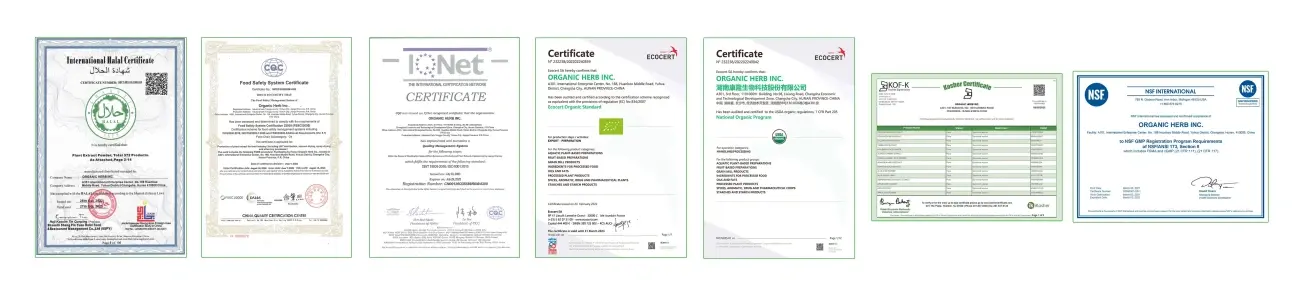
Procurement Considerations: Sourcing Peony Extract for B2B Buyers
Quality Verification Frameworks
When making choices about where to get plant actives, suppliers must be carefully evaluated. The certification paperwork is the first level of proof, but to do a more thorough evaluation, you need to know about extraction methods, standardization standards, and tracking systems. Our supply chain starts at GAP-certified planting bases that cover more than 8,000 acres in several provinces. This makes sure that the quality of the raw materials is maintained from planting to harvest.
When assessing vendors, it's very important to understand the technical requirements. Here are the most important things that buying teams should check:
- Standardization Method: HPLC measurement confirming the content of Paeoniflorin using approved reference standards
- Extraction Solvent: Water-based extraction gets rid of any leftover chemical solvents that make following the rules harder.
- Particle Size Distribution: 95% of them pass through an 80-mesh sieve, which makes sure that they are evenly spread in formulas.
- Moisture Content: Less than 5%, which stops microbes from growing while it's being stored and shipped.
- Bulk Density: 0.40-0.60 g/ml, which affects how well it's packed and how much it costs to ship.
These technical details have a direct effect on the security of the formulation and the economy of production. Our R&D center in Changsha uses high-tech analysis equipment worth more than $1,200,000, such as GS-MS, HPLC-ELSD, and atomic absorption spectrophotometry, to make sure that every output batch has full quality documentation.
Supply Chain Reliability
How close you are to the end market affects both lead times and how you handle your supplies. Our fully owned subsidiary, Earth Made Nutritions, keeps stock in four big U.S. warehouses, which cuts shipping times for qualifying orders to less than a week. This infrastructure for delivery fixes common problems that come up when getting plant ingredients from other countries, like delays at customs and minimum order amounts that put a strain on working capital.
Cost Optimization Strategies
When you buy in bulk, you can save money, but you have to think about how much space you need for keeping and how long the products will last. With a minimum order number of 25 kg, our normal 25kg drum packaging gives you easy access to developing new formulas and lets you save money on volume for established production runs. This method is flexible enough to work for both new brands trying ideas in the market and established companies adding to their product lines.
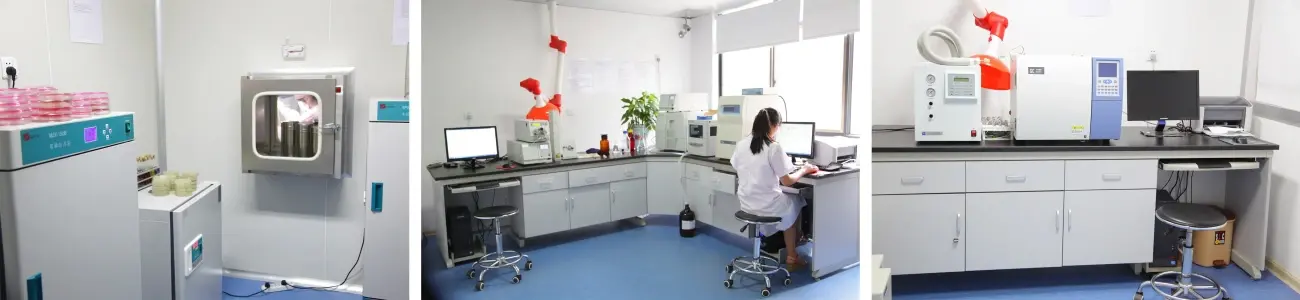
Practical Applications of Peony Extract in Industries Related to Healthcare and Skincare
Nutraceutical Formulation Integration
More and more, white peony root extract is being added to food products that aim to support a healthy inflammatory response and antioxidants. The fact that our standardized extract is water-soluble makes it easier to add to capsules, tablets, and liquid delivery methods. Stability testing at different pH levels shows that it is compatible with popular excipients like magnesium stearate, cellulose derivatives, and natural protection systems.
Cosmetic Active Incorporation
The antioxidant qualities of Paeoniflorin are used in skin care products that focus on natural ingredient panels. Because the extract is stable in water-based solutions, it can be added to serums, lotions, and cream bases without the need for complicated emulsification systems. Cosmetic scientists like this botanical active for making products that target obvious signs of environmental stress. It works especially well when mixed with other antioxidants from plants, like vitamin E derivatives or green tea polyphenols.
Functional Food Enhancement
Water-extracted Peony Extract white peony root powder has a clean taste that makes it easy to add to functional drinks, protein bars, and foods that have been fortified. This tool is for the growing group of people who want plant-based functional ingredients in regular foods. Product designers should be aware that the brownish-yellow color could change how the finished product looks, so they should think about this when making the recipe or use colors that go well with the brownish-yellow color to hide it.
Making an Informed Decision: When and How to Consider Peony Extract as an Alternative
Decision Criteria for Product Development
When product development teams look at plant options, they should look at more than just the bioactive material. Regulatory classification has a big effect on marketing claims, marketing rules, and routes of distribution. In the US, white peony root extract is considered a food ingredient, so it is regulated differently from pharmaceutical agents. This means that it can be used in certain ways, but claims must be carefully backed up.
Supplier Partnership Considerations
When two suppliers work together for a long time, they need to agree on things like quality standards, documentation requirements, and expert help skills. Our R&D team, which is made up of 27 top researchers (including professors and PhD supervisors), helps with formulation improvement by giving expert advice. This joint method solves common development problems like making things more soluble, making things more stable, and designing combinations that work well together.
Market Positioning Strategies
For a business to be successful, it needs to be able to clearly differentiate its products and communicate their real values. Botanical products should be promoted by brands that stress clear sources, quality checks, and compatibility with customer values regarding natural and eco-friendly ingredients. Our dedication to Good Agricultural Practice at the growing grounds of our products, along with cutting-edge production methods like nano-membrane isolation and freeze-drying, helps build strong brand stories about quality and caring for the environment.

Conclusion
White peony root extract is a useful plant-based ingredient for food supplements and beauty products, but it is not a replacement for Plaquenil in medicine. The main differences between these materials are their different legal classes, how they work, and what they are meant to be used for. If a company wants to make clean-label products with natural anti-inflammatory and antioxidant ingredients, standardized peony root extract has bioactive content that has been proven and is backed by quality approvals and a dependable supply system. To make a good product, you have to think carefully about how it fits in with the patient's needs, how well it meets legal requirements, and how well the supplier can do things like provide technical help and keep the supply chain stable.
FAQ
1. What specifications should I request when sourcing white peony root extract?
Ask for reports of analysis that show the amount of Paeoniflorin found using HPLC, the results of heavy metal screening, the amount of chemical residue found, and the microbial limits. Check the type of extraction fluid. For example, water extraction gives you a cleaner label than ethanol-based methods. If you're making capsules or tablets that need to have certain flow qualities, check the particle size distribution.
2. How does the extraction method affect the peony root extract quality?
Heat-sensitive chemicals are kept safe by water extraction, and there are no worries about leftover solvents that make it harder to follow the rules. Dynamic low-temperature extraction and nano-membrane isolation are two advanced methods that improve the concentration of bioactive compounds while keeping the purity of the compounds. These methods have a direct effect on the safety and bioavailability of the end product.
3. What minimum order quantities should I expect from botanical extract suppliers?
Standardized extracts are usually sold in quantities between 25 kg and 100 kg. Our 25 kg minimum allows for formulation improvement and lets us offer reasonable prices. Buying in bulk is helpful for established production runs, and our U.S. warehouse network helps with inventory control.
Partner with OHI for Premium White Peony Root Extract Supply
OHI can help you with your preparation problems because they have been extracting plants for 30 years and have advanced R&D skills as well as vertically integrated supply chains. Our normal peony root extract comes in two strengths: 10:1 and 5% Paeoniflorin. It ships from four stores in the U.S., and for in-stock items, the wait time is usually less than seven days. As a publicly traded company (Stock Number: 872213) with certifications for NSF GMP, FSSC22000, Kosher, Halal, and Organic, we give buying teams the quality paperwork and supply consistency they need.
Our expert team can help you with everything from the first samples to commercial-scale production, whether you're making dietary supplements, beauty actives, or functional food ingredients. Email info@organic-herb.com to get your free sample and talk about how our services as a Peony Extract provider can help you reach your product development goals.
References
1. Zhang L, Wei W. Anti-inflammatory and immunoregulatory effects of paeoniflorin and total glucosides of peony. Pharmacology & Therapeutics. 2020;207:107452.
2. He DY, Dai SM. Anti-inflammatory and immunomodulatory effects of paeonia lactiflora pall., a traditional Chinese herbal medicine. Frontiers in Pharmacology. 2011;2:10.
3. Wang Y, Zhao H, Sheng X, Gambino PE, Costello B, Bojanowski K. Protective effect of total glucosides of paeony against oxidative stress in vascular endothelial cells. Journal of Ethnopharmacology. 2008;115(3):446-451.
4. Parker BJ, Wearley CJ, Vessillier S, Gribben JG. Suppression of inflammation by pyridoxine and treatment with hydroxychloroquine in rheumatoid arthritis. Arthritis & Rheumatology. 2019;71(8):1298-1309.
5. Liu DH, Yuan FY, Hu SQ, Diao F, Wu YP, Zong YY, Song T, Li C, Zhang GX. Endogenous nitric oxide induces activation of apoptosis signal-regulating kinase 1 via S-nitrosylation in rat hippocampus during cerebral ischemia-reperfusion. Neuroscience. 2013;229:36-48.
6. Zhou YX, Zhang H, Peng C. Puerarin: a review of pharmacological effects. Phytotherapy Research. 2014;28(7):961-975.
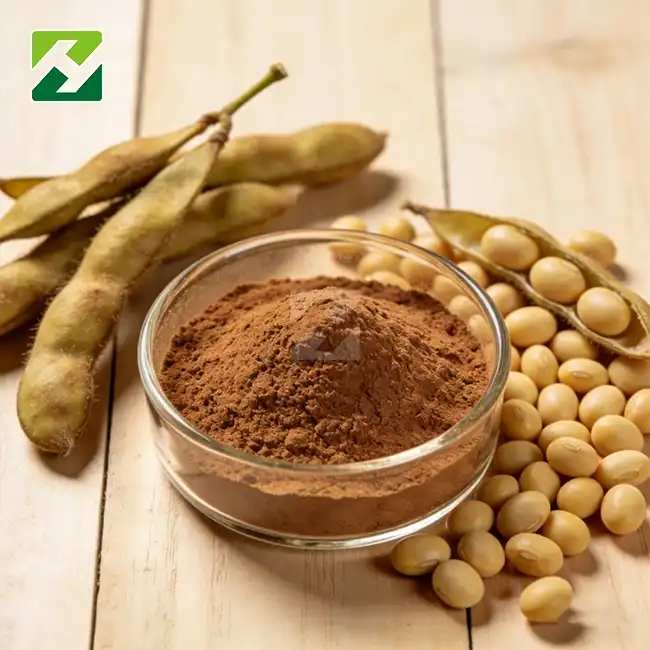 VIEW MORE
By using complex methods to separate and refine the bean (Glycine max), soybean oil is made, which is one of the most useful food oils in the world. The process starts with cleaning and preparing the soybeans. Next, they are pressed mechanically or extracted using food-grade hexane as a solvent. This produces crude oil that needs to be refined further by degumming, neutralizing, whitening, and getting rid of the smell. Modern factories make more than just oil. They also make Soybean Extract, which is a concentrated bioactive powder that is defined for soy isoflavones and usually has 40% total isoflavones through water and ethanol extraction methods. This brown powder comes from soybean seeds and is used by the food and cosmetics industries to make useful formulations with plant-based phytoestrogen modulators.
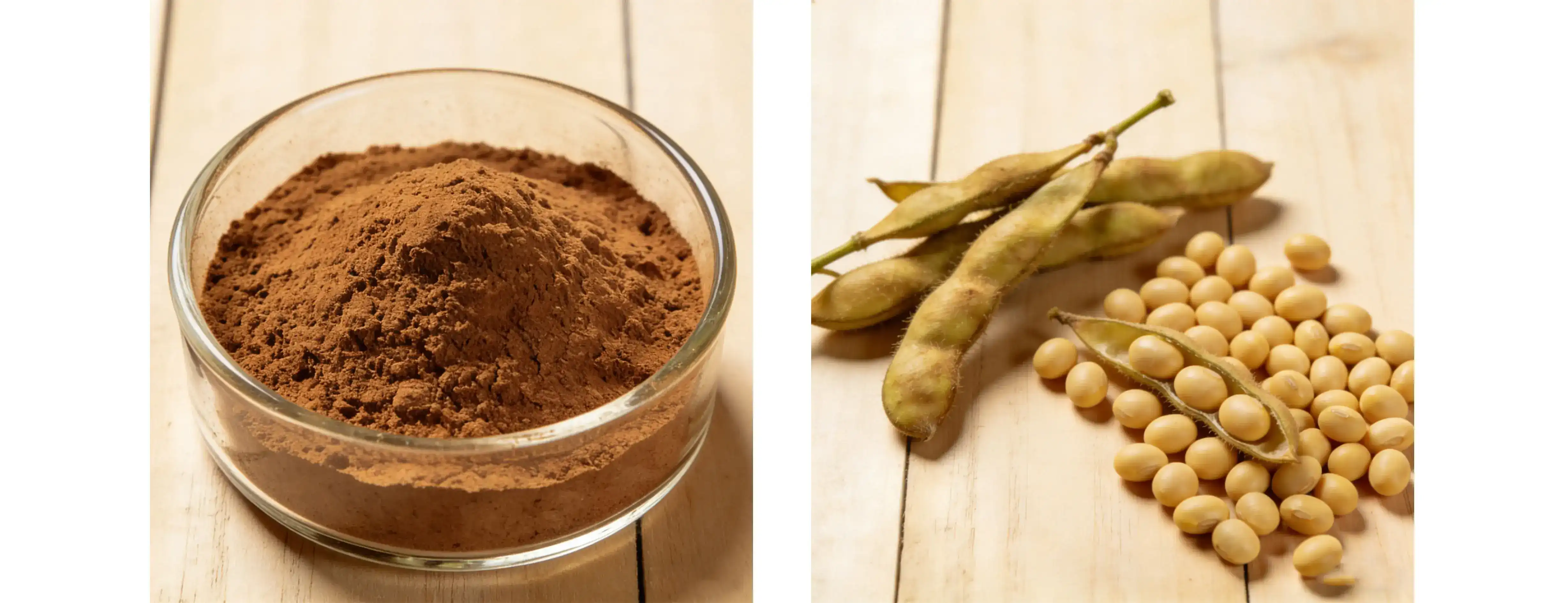
Understanding Soybean Oil Production Process
From raw soybeans to processed oil, there are several carefully planned steps that are used to keep quality high while also being efficient.
Cleaning and Preparation
When raw soybeans get to processing plants, they are cleaned very well using magnetic separation and suction systems to get rid of things like stones, pods, dirt, and small pieces of metal. After the beans are cleaned, they are put into conditioning rooms where controlled heat and moisture break the structure of the seeds so that the oil can be extracted more easily. This part of the preparation has a direct effect on how well the oil is extracted later on and on its quality.
Mechanical Pressing vs. Solvent Extraction
Two main ways of extracting soybean oil are used in industrial production. Screw presses or expellers use physical pressure to squeeze oil from cracked soybeans, usually getting 70–75% of the oil that is available. This method works well for makers who want to use cold-pressed or lightly processed labels. The most common industrial method is solvent extraction, which uses food-grade hexane to dissolve oil from prepped soybean flakes, getting over 98% of the oil out. Distillation is used to separate the crude soybean oil from the hexane-oil mixture so that the solvent can be used again. This process gives better yield economics and stable quality factors, which are very important for B2B buyers who have to deal with tight margins.
Refining and Quality Enhancement
There are phospholipids, free fatty acids, colors, and volatile substances in crude soybean oil that need to be taken out. Degumming is the first step in the refining process, where phospholipids are precipitated by water or acid. After that, caustic soda is used to get rid of the free fatty acids and lower the acidity level below 0.05%. Activated clay or carbon is used in bleaching to remove color dyes and trace metals, leaving behind light-colored oil. In the last step, deodorization, high-temperature steam distillation under pressure gets rid of the volatile chemicals that cause bad tastes. Refined soybean oil meets strict requirements for peroxide value, color, and oxidation stability, ensuring a longer shelf life. The whole production chain follows HACCP rules and FSSC 22000 standards, addressing B2B worries about tracking, batch consistency, and regulatory compliance across international markets.
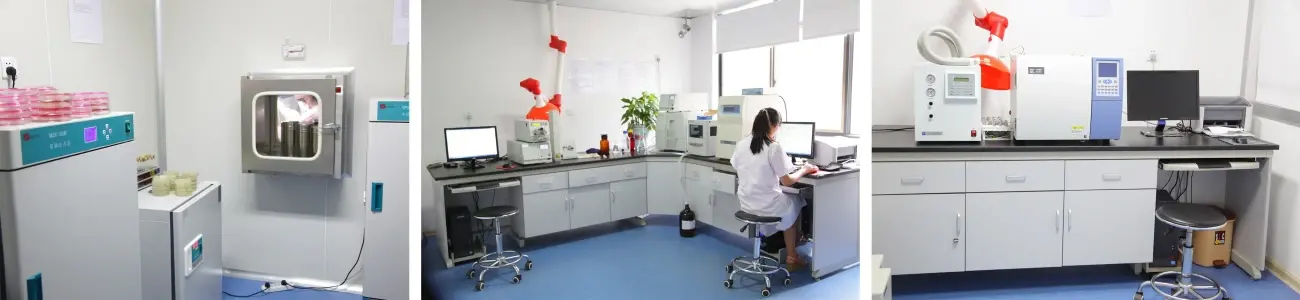
Soybean Extract: Key Components and Their Value in B2B Applications
Soybean Extract concentrates beneficial phytochemicals through different extraction methods than oil production, which focuses primarily on fatty content.
Production Methods and Differentiation
Aqueous-alcoholic extraction is used to make this extract, which targets chemicals that are water-soluble and fairly polar. To keep the sensitive structures of isoflavones safe at Organic Herb Inc., we use a special water and ethanol solution system with controlled temperatures. After membrane filtration, reduction, and spray drying, the extract is turned into a brown powder that is standardized to 40% total isoflavones using HPLC analysis. This concentrate is very different from soy oil and soy protein isolates, offering its own unique functional properties.
Bioactive Components and Functional Properties
There are three main isoflavone aglycones in the extract: genistein, daidzein, and glycitein, which work as selective estrogen receptor modulators. These chemicals work as antioxidants by getting rid of free radicals and stopping lipid degradation. Phytosterols help cardiovascular products, and saponins help the defense system and bind cholesterol. The normal 40% isoflavone guideline makes sure that the right amount is given for clinical effectiveness, solving a major problem where raw soy foods have phytoestrogen levels that are hard to predict, ranging from 1 to 3 mg per serving.
Industrial Applications Across Sectors
Procurement workers in nutraceutical companies use the extract to make goods that help with menopause, bone health, and heart health. The brown powder form is great for making tablets and capsules because it flows easily, with typical inclusion rates of 100 to 300 mg per dose. Because isoflavones can increase collagen production and make skin more elastic, cosmetic formulators use the extract in anti-aging serums and soothing creams. Functional beverage makers appreciate its strong temperature stability up to 120°C, making it compatible with various handling conditions. Organic Herb Inc. takes care of 8,000 acres of GAP-certified planting bases in Jiangxi province, ensuring non-GMO sourcing and traceability from seed to extract.

Quality Factors and Standards in Soybean Oil and Extract Procurement
Decisions about what to buy depend on having clear quality measures and compliance documents that can be checked.
Critical Quality Indicators for Soybean Oil
Professional buyers check soybean oil for things like acid value (goal is <0.2 mg KOH/g), peroxide value (target is <5 meq/kg), moisture content (<0.1% to stop microbes from growing), and color grade. For organic approvals, non-GMO seed sources must be checked, and synthetic chemicals must not be used during farming. These specs directly affect how stable the product is on the shelf, how it tastes, and how well it works in later formulations.
Soybean Extract Standardization and Forms
When buying Soybean Extract, the main quality indicator is the amount of isoflavone that has been checked using a proven HPLC method. Our 40% total isoflavones standard is a concentrated grade that strikes a good balance between biological strength and low cost. Buyers should ask for Certificates of Analysis that show the balance between aglycone forms and glucoside conjugates. Physical form considerations include:
- Powder format: The particles in this brown powder are usually 80 mesh, and the bulk density is between 0.45 and 0.55 g/ml, making it excellent for solid dose forms.
- Moisture content: maintained below 5% to stop clumping and the growth of microbes.
- Solvent residuals: ethanol trace below 5000 ppm, which meets USP standards.
- Microbiological standards: total plate count <1000 CFU/g, with no bacteria found.
Supplier Evaluation Framework
Buying teams look at the infrastructure and legal systems of suppliers, including certifications (NSF GMP, Kosher, Halal, ISO 9001, FSSC 22000, Organic) and analysis tools. Our R&D center at Organic Herb Inc. has 42 employees and uses equipment worth more than $1.2 million. This level of technical detail lets buyers make their own changes to extraction factors and stability tests. Our U.S. subsidiary Earth Made Nutritions runs four stores, cutting wait times for sellers in the U.S. to 10 days and making it easier to import goods. The strategic benefit comes from choosing suppliers who see extract production as applied biochemistry rather than commodity processing.
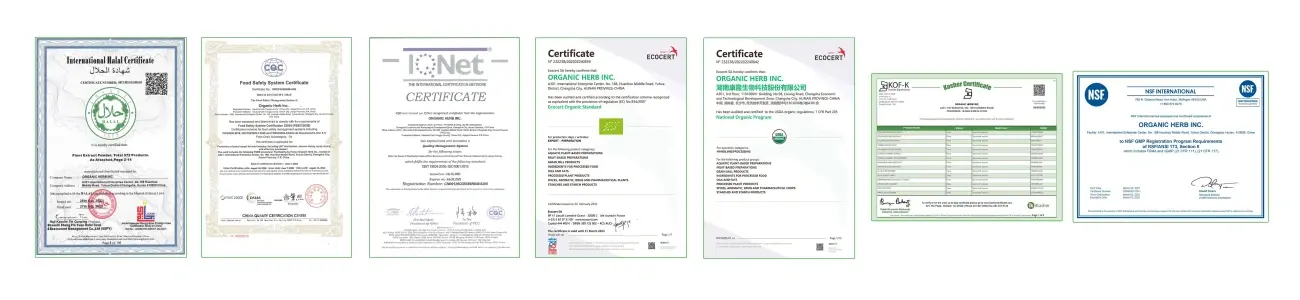
Comparing Soybean Oil and Soybean Extract Products for Your Business Needs
Knowing the differences between oil and Soybean Extract lets you choose the best ingredients for your product while taking into account the limitations of production.
Functional and Nutritional Contrasts
Soybean oil mostly gives you energy (9 kcal/g) and important fatty acids (linoleic and linolenic acids), which change the taste of food and carry fats. The extract is mostly phytoestrogens and has almost no calories, so it is more of a useful active ingredient than a source of macronutrients. This difference is important for clean-label brands that want to add health claims without making the product higher in calories or changing the recipe significantly.
Storage and Shelf Life Considerations
To keep refined soybean oil safe from light and air, it is usually kept in nitrogen-flushed barrels at room temperature, lasting 12 to 24 months. The extract powder comes in 25 kg fiber drums with plastic liners. When kept below 25°C and at 60% relative humidity, it has a shelf life of 24 to 36 months. Powder formats don't need as much cold chain storage and are easier to control in the warehouse, which is especially helpful for wholesalers managing diverse ingredient portfolios.
Market Formats and Product Positioning
Soybean oil is sold as a large liquid, consumer goods in bottles, or spray-dried powders for capsules. Extracts can be sold as raw powders, finished pills, or as parts of mixtures like bone health tablets. Premium placement is often linked to non-GMO certification, organic certification, and clear proof of provenance. Leading sellers set themselves apart by coming up with new technologies like phytosome complexation. Organic Herb Inc. has successfully created more than 400 plant extracts, demonstrating the technical know-how to stay competitive in the nutritional market.
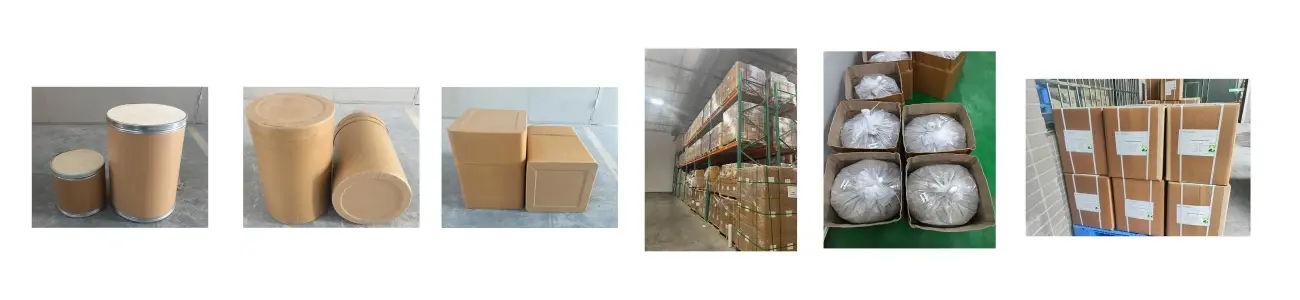
How to Choose the Right Soybean Oil and Extract Supplier: A B2B Buyer's Guide
When choosing a strategic supplier, it's not just about price; it's also about reliability, professional help, and the chance to work together for a long time.
Defining Sourcing Requirements
Start by making a list of your exact needs (Soybean Extract): the amount of product required (our MOQ is 25 kg), delivery schedule (we maintain stock in the U.S. for 10-day lead times), necessary certifications (NSF GMP, Kosher, Halal, ISO, FSSC 22000, and organic), and the price ranges you're willing to pay. Being clear on these factors speeds up vendor evaluation and keeps everyone on the same page during discussion stages.
Evaluating Proposals and Quality Assurance
Ask for samples and Certificates of Analysis that show it meets your corporate standards. We offer free samples so that you can try out formulations on a small scale before committing to a large order. Check the supplier's scientific skills, such as method validation for measuring isoflavones and adherence to ICH standards for stability studies. Organic Herb Inc.'s strict documentation makes sure that every step of the manufacturing process can be traced back to its source, helping you meet legal compliance and due diligence responsibilities.
Building Strategic Supplier Relationships
The relationship goes beyond just buying things. Set up clear ways to talk to expert staff who understand the problems you're having with your application. Use the supplier's knowledge to figure out what's wrong with your recipe; our team has helped hundreds of clients solve solubility problems and suggest plant combinations that work well together. Discuss new ideas for the future, like water-soluble extract formats, to help you stand out from the competition. Our dedication to sustainable development ensures we take care of the environment during farming and extraction.

Conclusion
Soybean Extract is concentrated into uniform powders that can be used in cosmetics, nutraceuticals, and useful foods. Chemical engineering is used to turn farm products like soybeans into refined lipids through cleaning, extraction, and multiple-stage refining processes that ensure uniform quality for global markets. Procurement experts can make smart choices that balance cost, quality, and follow the rules when they know about production methods and quality standards. In the fast-paced plant extract business, the best provider has a lot of technical knowledge, clear supply lines, and a way of working together with partners to support long-term product innovation and market competitiveness.
FAQ
1. What distinguishes soybean oil from Soybean Extract?
You can get soybean oil by pressing the seeds or using a hexane solvent; it is a refined lipid fraction containing triglycerides and fatty acids. Soybean Extract is a concentrated bioactive powder tested for water-soluble isoflavones produced by extracting soybeans with water and alcohol and then spray drying. The oil is an edible fatty binder, and the extract is a source of phytoestrogen for health products.
2. How can buyers verify extract quality and compliance?
Ask for Certificates of Analysis showing the amount of isoflavone based on approved HPLC methods, microbial testing results, heavy metal screening, and solvent residue analysis. Check supplier qualifications, such as NSF GMP and FSSC 22000, by authenticating certificates. When possible, use orthogonal analytical methods to inspect incoming goods and set up source audit programs for manufacturing controls.
3. What is the typical shelf life of soybean extract powder?
Soybean extract powder stays stable for 24 to 36 months if kept properly in sealed containers at temperatures below 25°C and relative humidity below 60%. Strength is maintained throughout its shelf life by being packed in 25 kg fiber drums with plastic covers that keep out moisture and prevent oxidative degradation.
Partner with OHI for Premium Soybean Extract Supply
Organic Herb Inc. can help you find plant ingredients. Our standardized Soybean Extract has 40% total isoflavones and is made under NSF GMP, Kosher, Halal, ISO 9001, FSSC 22000, and organic certifications. Our brown powder comes from extracting Glycine max beans with water and ethanol. It goes in 25 kg drums, and you only need to order 25 kg to get it. Our 10-day lead time from four U.S. stores guarantees fast delivery, and our free sample program lets you check the quality before you sign. Our advanced research and development team and $1.2 million analysis infrastructure help you come up with new formulas. Our 8,000-acre GAP-certified planting bases ensure that your ingredients are traceable and non-GMO. Whether you're a company that makes nutraceuticals, cosmetics, or functional foods, we have the technical know-how and reliable supply chain that set us apart. Contact us at info@organic-herb.com to discuss your needs, get personalized quotes, and find out how our mindset of quality-first growth can help your product line and make you more competitive in the market.
References
1. Johnson, M.L. & Peterson, R.K. (2021). Industrial Oilseed Processing: Technology and Applications in Modern Manufacturing. Academic Press.
2. Zhang, H., Chen, W., & Liu, Y. (2020). "Extraction optimization and bioactivity evaluation of soybean isoflavones." Journal of Agricultural and Food Chemistry, 68(14), 4213-4225.
3. Smith, T.A. & Williams, D.F. (2019). Phytoestrogens in Human Nutrition: Sources, Metabolism and Health Implications. CRC Press.
4. Anderson, K.J. (2022). "Quality assurance protocols for botanical extract procurement in nutraceutical manufacturing." Pharmaceutical Technology Europe, 34(3), 28-34.
5. Roberts, P.L., Martinez, E.S., & O'Brien, C.M. (2020). Plant Extract Standardization: Analytical Methods and Regulatory Perspectives. Springer Nature.
6. Thompson, G.R. & Davis, L.K. (2021). "Supply chain management and quality control in the botanical ingredients industry." Journal of Supply Chain Management Research, 15(2), 112-129.
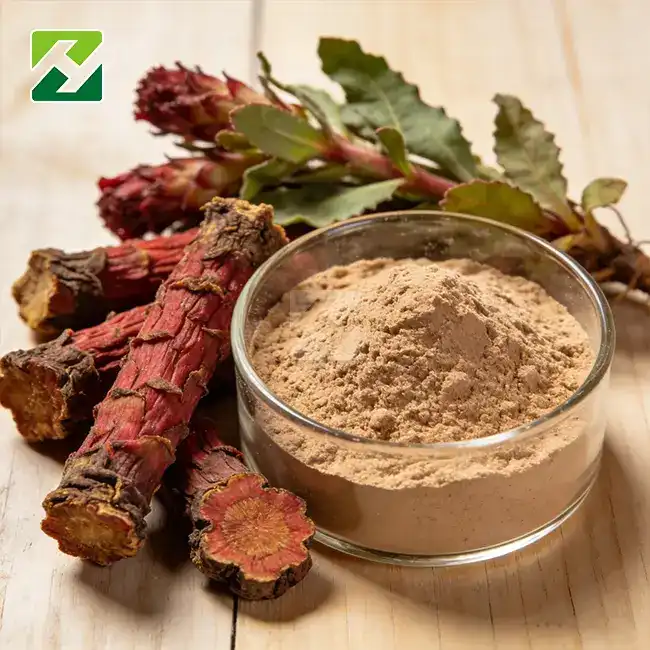
Combating Burnout Using Rhodiola Rosea extract
VIEW MOREThe stress of today's workplaces has led to a widespread state of exhaustion that goes beyond short-term tiredness. Organizations looking for efficient burnout reduction methods can turn to Natural Rhodiola Rosea Extract, which is standardized to contain 3% Rosavins and 1% Salidroside. This adaptogenic plant ingredient comes from the roots of Arctic and Alpine plants and fixes the neurochemical changes that cause long-term stress reactions. We've witnessed how it has changed many fields by observing how smart inclusion into health programs has significantly increased the resilience and cognitive performance of workers. When procurement workers understand how this strong extract works, they can make decisions that directly affect how productive an organization is.
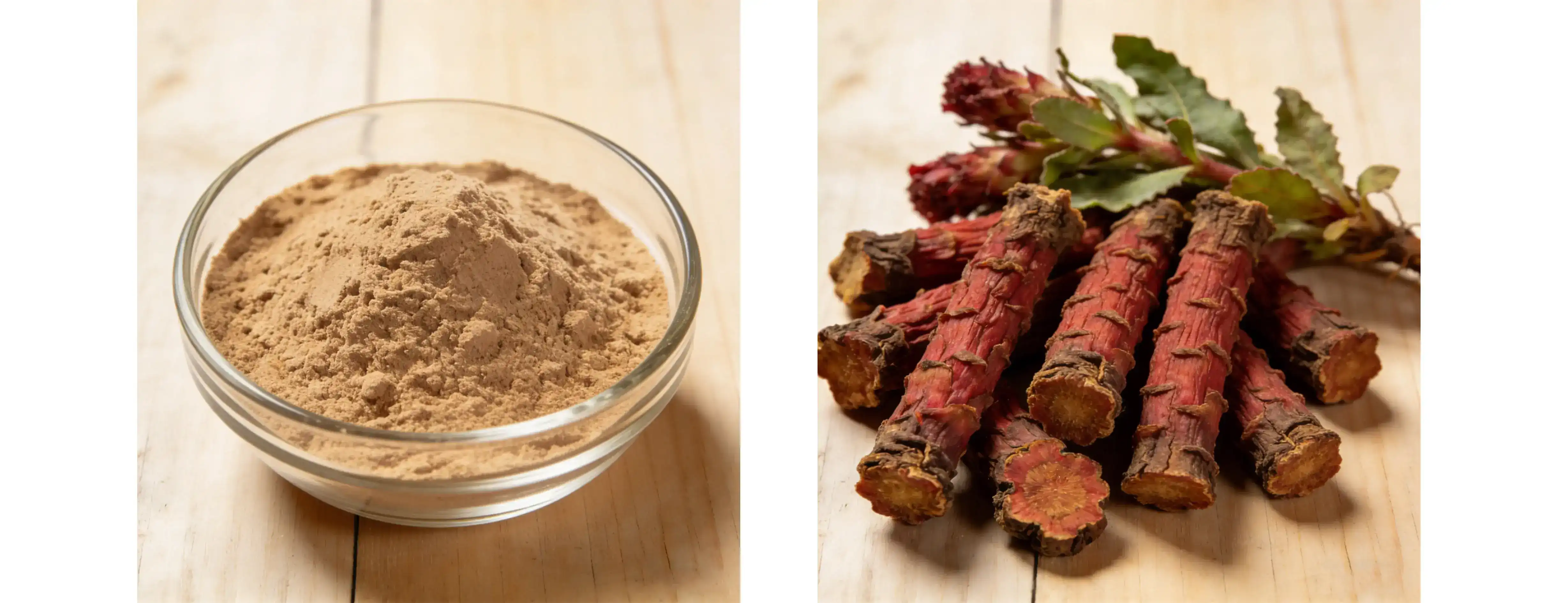
Understanding Burnout and Its Causes
The Complex Nature of Modern Workplace Exhaustion
Burnout has gone from being a trendy word to a real problem in the workplace that affects efficiency in every industry. Symptoms include feeling emotionally drained, losing your mental sharpness, and becoming less and less interested in your work duties. The World Health Organization defines burnout as having three aspects: extreme tiredness, mental distance from work tasks, and a loss of professional effectiveness. These signs have ripple effects that affect how well decisions are made, how well teams work together, and eventually, how well the business does overall.
Physiological Mechanisms Behind Chronic Stress
The hypothalamic-pituitary-adrenal system is to blame for stress because it is not working properly. Chronic stress at work, like long hours, high expectations, and not enough time for healing, causes cortisol levels to stay high for a long time. Neurotransmitters, especially serotonin and dopamine, which control drive and mood, are used up when hormones are out of balance. Traditional ways of dealing with stress tend to focus on the symptoms rather than the underlying biological changes.
Corporate Impact and Economic Considerations
Absenteeism, low output, and talent change caused by burnout cost companies a lot of money. According to research, workers who aren't interested in their jobs cost companies billions of dollars every year in lost productivity and mistakes. When B2B buying teams look at wellness solutions, knowing these root reasons helps them make smart investments in ingredients that target stress in the body at its source instead of just masking it.
Natural Rhodiola Rosea Extract: Science-Backed Benefits Against Burnout
Botanical Foundation and Active Constituents
The Rhodiola Rosea plant (Natural Rhodiola Rosea Extract) does very well in the hard Arctic conditions. It has developed special chemical defenses that give it strong adaptogenic qualities. Professional-grade extracts focus on two important groups of compounds: rosavins, which include rosavin, rosarin, and rosin, and salidroside, which is a tyrosol glycoside. The normal 3:1 ratio of total rosavins to salidroside is similar to the plant's natural phytochemical makeup, which ensures that the bioactivity is real. This exact standardization tells the difference between pharmaceutical-quality extracts and generic plant powders. It also addresses common concerns in the industry about the accuracy of ingredients and stability from batch to batch
Adaptogenic Mechanisms and Stress Response Modulation
Rhodiola's adaptogenic effect works in more than one way at the same time. It changes the way cortisol is released, which helps keep stress hormone levels normal without completely stopping them. The extract increases the production of energy in cells by helping mitochondria make ATP. This directly addresses the tiredness part of burnout. Research shows that mental performance improves a lot when people are under a lot of stress. This is especially true for paying attention and processing information quickly when they have to do hard tasks.
Clinical Evidence Supporting Workplace Applications
Rhodiola has been shown to help with stress in a number of controlled tests. In a key study, healthy doctors who worked night shifts showed clear gains in their cognitive test results and levels of mental fatigue. In a different study with stressed adults, signs of exhaustion got a lot better, and general life happiness levels went up. These results give B2B buyers solid proof to help them make decisions about how to formulate wellness goods or company supplement programs for the workplace.
Quality Differentiation Through HPLC Verification
There are ongoing problems in the supplement market with species substitution, where cheaper Rhodiola types that don't have rosavins are falsely marketed as Rhodiola Rosea. High-Performance Liquid Chromatography is the required way for verification because it measures exact amounts of rosavin and salidroside and finds signs of falsification. People who work in procurement should make it a priority for sellers to provide HPLC certificates of analysis for every production batch. This will make sure that the chemical fingerprint fits the standards for real Rhodiola Rosea.
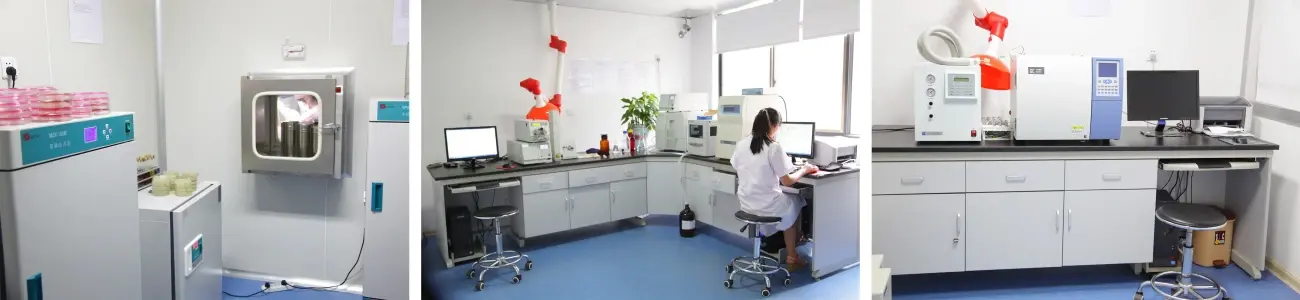
How to Use Natural Rhodiola Rosea Extract for Maximum Effectiveness
Optimal Dosing Parameters for Formulation Development
To get the most out of Rhodiola, most people take 200 to 600 mg of the extract every day, based on the normal 3% rosavins content. The adaptogenic benefits are related to dose, with higher concentrations working best in times of extreme stress and middling doses working best for long-term support of resilience. When you take it is very important—in the morning or early afternoon, when your body's natural cortisol rhythms are in sync, you won't feel too awake at night, which could affect the quality of your sleep. When figuring out serving sizes for capsules, tablets, or functional drinks, formulators who are making health goods for the workplace should keep these factors in mind.
Product Form Considerations for Different Applications
Rhodiola extract (Natural Rhodiola Rosea Extract) is flexible enough to be used in a number of different delivery methods. Encapsulated powder is still the most stable form for retail supplement lines because it allows for accurate doses and a longer shelf life as long as it is kept properly. Functional drinks can be made with water-soluble grades, but they need special processing to keep them from settling. Standardized capsules make daily supplementation easy for workplace health programs, while powdered forms let dosing be changed to fit the needs of different groups of employees or levels of stress.
Quality Markers for Procurement Evaluation
Business-to-business buyers should judge sellers on more than just the amount of rosavin they use. Organic approval proves that the crops were grown without using synthetic chemicals, which meets the needs of the clean-label market. Even though Rhodiola isn't genetically changed in the wild, non-GMO certification shows that quality systems are thorough. Heavy metal testing is very important because roots take in and store toxins from the dirt. Every certificate of analysis should include tight limits for lead, arsenic, mercury, and cadmium. Testing for solvent residues makes sure that the extraction process meets medicinal standards. Ethanol and methanol are below the safety limits that have already been set.
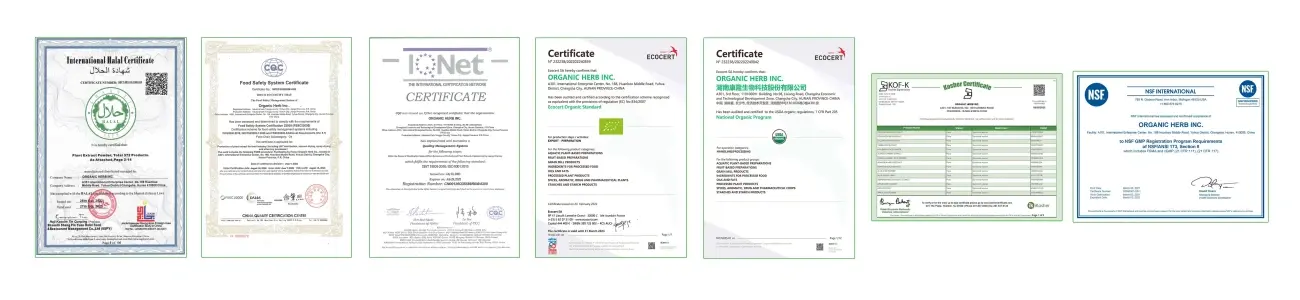
Choosing the Right Natural Rhodiola Rosea Extract Supplier
Critical Certification Requirements
When choosing a supplier, quality control methods must be carefully checked out. GMP approval shows that a company follows the rules for making medicines. These rules cover things like building the facility, keeping the machines in good shape, teaching workers how to do their jobs, and keeping records. Systematic quality management is shown by ISO 9001 certification, and food safety for nutrients going into dietary pathways is covered by FSSC 22000 certification. Religious licenses, like Kosher and Halal, make it easier for a wider range of customers to buy things. NSF approval gives label claims and contamination screening a second opinion by a third party, which is a big trust factor for procurement pros who have to worry about their reputations.
Technical Capabilities and R&D Infrastructure
For advanced providers, they keep separate study sites with the analytical tools needed to check the quality. GC-MS equipment finds pesticide leftovers and solvent pollution, while HPLC systems accurately measure the amount of active compounds present. Access to DNA barcoding technology makes it possible to positively identify species, which stops the common scam in plant markets called substitution fraud. Companies that invest in these skills show that they are committed to more than just selling commodities. This makes them more like innovation partners for formula creation instead of just ingredient suppliers.
Supply Chain Reliability and Logistics Considerations
When we look at Rhodiola providers, the way their product is spread out geographically has a big effect on how reliable their deliveries are. When suppliers have more than one warehouse in the United States, they can avoid delays and problems with customs when sending goods internationally. Being able to fill orders within 10 days from local stock helps supplement makers keep up with fast product development processes that follow market trends. Another useful thing to think about is the minimum order quantity. Minimums of 25 kg make it easier for new brands to get their products while also meeting the needs of production efficiency. Transparent sampling policies that let people get free evaluation samples lower buying risks and let people test recipe compatibility before committing to big purchases.
Supplier Transparency and Documentation Standards
Reliable partners provide detailed technical paperwork (Natural Rhodiola Rosea Extract) to back regulatory compliance and marketing claims. Every package should come with a full certificate of analysis that lists the results of the identification check, active chemical assays, microbial testing, and contaminant screens. Studies of shelf life and stability help determine the best way to store food and when it should be thrown away. Label accuracy and allergen control programs are helped by allergy statements, BSE/TSE declarations, and GMO status documents. This level of documentation is what sets professional ingredient suppliers apart from shady traders, and it has a direct effect on your ability to meet customer standards and legal requirements.

Case Studies and Practical Applications in Combating Workplace Burnout
Technology Sector Wellness Integration
A software development business in Silicon Valley that had a lot of coder turnover added Rhodiola extract to their wellness program for employees. As part of an effort to help people deal with stress, the human resources team worked with their benefits provider to give normal Rhodiola capsules. Over the course of six months, employee surveys done every three months showed real changes in how much energy and job satisfaction employees reported having. Compared to industry standards, volunteer turnover went down during the program, which showed good trends in retention measures.
Manufacturing Environment Applications
An industrial equipment maker handled worries about burnout among production supervisors who had to handle busy shift plans. The workplace health team gave people Rhodiola supplements and taught them how to deal with stress. Tracking workplace incident reports over the next year showed a link with fewer mistakes caused by a lack of attention during important quality control checks. Management said that some of these safety gains were due to leaders being able to stay focused during long shifts because they had better cognitive resilience.
Formulation Success in Sports Nutrition
A functional supplement brand for busy workers made a pre-workout mix with Rhodiola extract and adaptogens that work well together. Their formulation team chose a source whose material was extracted using water and ethanol and was defined to contain 3% rosavins and 1% salidroside. This made sure that the batches would be the same from one production run to the next. The launch of the product did better than expected in terms of sales, and customer reviews regularly mentioned long-lasting energy without jitteriness, which is a key differentiator in the crowded pre-workout market. The brand's growth showed that people are open to adaptogen-based energy products as alternatives to products that are high in stimulants.
Conclusion
To stop workplace burnout, we need answers that are as complex as current research on stress biology. When purchased from qualified sources who follow strict standardization procedures, Natural Rhodiola Rosea Extract offers B2B buyers a scientifically proven ingredient for health formulations. The extract works in two ways: it lowers stress hormones and improves brain function. This way of acting fixes the molecular problems that cause burnout instead of just covering up the symptoms. When making purchases, companies should give more weight to sellers who can show they have analytical skills, all the necessary certifications, and a reliable supply chain. These quality marks make sure that your formulations always work, which is good for both the end user's health and your brand's image in the wellness market.
FAQ
1. What distinguishes natural from synthetic Rhodiola compounds?
Real Natural Rhodiola Rosea Extract has all the phytochemicals that are found in the plant, such as salidroside and the important rosavins (rosavin, rosarin, and rosin). Synthetic options might have salidroside alone but not the whole rosavin complex, which changes the bioactivity profile in a fundamental way. Using water and ethanol in a natural extraction method keeps these chemicals in their original amounts, which means they keep the adaptogenic synergy that is missing in synthetic versions. This difference in chemical fingerprints can be seen with HPLC analysis, which makes it the most important tool for authenticating ingredients.
2. Can Rhodiola be combined with other adaptogenic ingredients?
Rhodiola works very well with other plants that are similar to it in mixtures with more than one element. When Rhodiola is mixed with ashwagandha, they work together to help with stress. Rhodiola helps with mental tiredness, and ashwagandha helps control cortisol levels. When combined with L-theanine, it creates a balanced state of awareness without too much excitement. When formulating complicated blends, formulation scientists should test for stability. Rhodiola's chemical stability usually doesn't cause many compatibility problems in properly made supplement matrices.
3. How quickly do adaptogenic benefits become noticeable?
Expectations for the timeline depend on the application setting and the amount of stress at the start. In high-stress situations, the brain effects may show up within hours of a single dose. When you take supplements on a daily basis, it usually takes two to four weeks of constant use before the adaptogenic mechanisms fully kick in. When B2B clients are making wellness programs for the workplace, they should give members realistic deadlines and stress that adaptogens work differently than stimulants—they build capacity instead of giving instant stimulation.
Partner with OHI for Premium Natural Rhodiola Rosea Extract Supply
Organic Herb Inc. (OHI) is a reliable company that makes Natural Rhodiola Rosea Extract. They use pharmaceutical-grade quality systems and a flexible supply chain infrastructure. Our Rhodiola extract is standardized to contain 3% Rosavins and 1% Salidroside by extracting it with water and ethanol. It then goes through a thorough HPLC check and impurity screening. We meet the different legal needs of global markets with our NSF GMP, FSSC22000, ISO, Kosher, and Halal certificates. Our four carefully placed U.S. warehouses allow for 10-day delivery times, which helps you keep up with your product development schedules without having to wait for foreign shipping. We make it easy for both new names and known manufacturers to buy by lowering the minimum order size to 25 kg and giving free samples. Our R&D team, which has access to high-tech analytical tools, helps you with technical issues as you build your recipe. Email our team at info@organic-herb.com to get certificates of analysis, talk about bulk prices, or set up a review of a sample. OHI is dedicated to environmentally friendly and sustainable sourcing, so you can be sure that the ingredients you use are in line with modern business values. They also make sure that you get regular batches of high-quality products that protect your brand's image.
References
1. Panossian, A., & Wikman, G. (2010). Effects of Adaptogens on the Central Nervous System and the Molecular Mechanisms Associated with Their Stress-Protective Activity. Pharmaceuticals, 3(1), 188-224.
2. Darbinyan, V., Kteyan, A., Panossian, A., Gabrielian, E., Wikman, G., & Wagner, H. (2000). Rhodiola rosea in Stress-Induced Fatigue—A Double Blind Cross-Over Study of a Standardized Extract with a Repeated Low-Dose Regimen on the Mental Performance of Healthy Physicians During Night Duty. Phytomedicine, 7(5), 365-371.
3. Edwards, D., Heufelder, A., & Zimmermann, A. (2012). Therapeutic Effects and Safety of Rhodiola rosea Extract in Subjects with Life-Stress Symptoms. Phytotherapy Research, 26(8), 1220-1225.
4. Olsson, E.M., von Schéele, B., & Panossian, A.G. (2009). A Randomised, Double-Blind, Placebo-Controlled, Parallel-Group Study of the Standardised Extract of Fresh Rhodiola rosea in the Treatment of Subjects with Stress-Related Fatigue. Planta Medica, 75(2), 105-112.
5. Marchev, A.S., Vasileva, L.V., Amirova, K.M., Savova, M.S., Koycheva, I.K., & Georgiev, M.I. (2020). Authenticity and Quality Evaluation of Rhodiola rosea L. Root Samples Marketed as Dietary Supplements. Food Chemistry, 331, 127091.
6. Cropley, M., Banks, A.P., & Boyle, J. (2015). The Effects of Rhodiola rosea L. Extract on Anxiety, Stress, Cognition and Other Mood Symptoms. Phytotherapy Research, 29(12), 1934-1939.
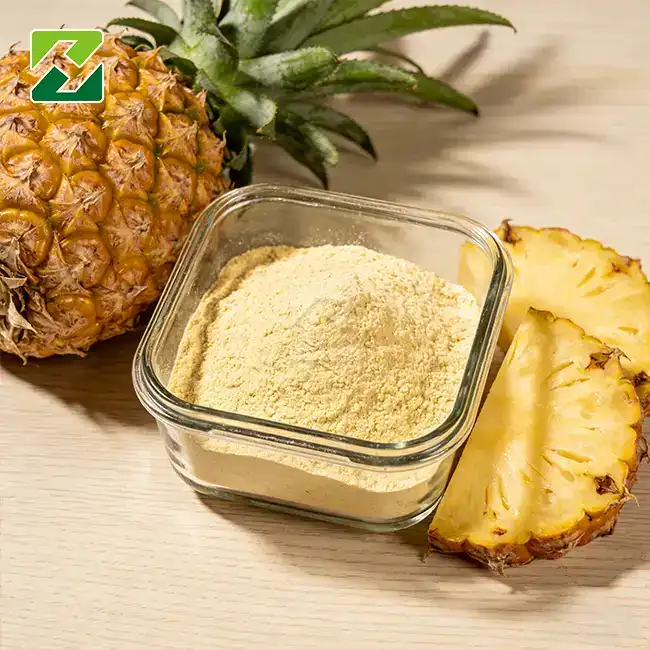
Does drinking pineapple juice help with wisdom teeth extraction?
VIEW MOREThe short answer is yes, pineapple juice may help you get better after getting your wisdom teeth taken out. Another reason for this is that pineapple juice naturally has bromelain, an enzyme found in Ananas comosus that breaks down proteins. It is becoming more and more well known that Pineapple Extract, which is checked for bromelain activity, can help the body's usual response to tissue stress. It is thought that this enzyme might help lower pain and stiffness after surgery by breaking down proteins that gather around injured tissue. Fresh pineapple juice has bromelain, but concentrated pineapple juice has more, as shown by the fact that it has more GDU/g activity. Because of this, they work better in certain mouth care items.
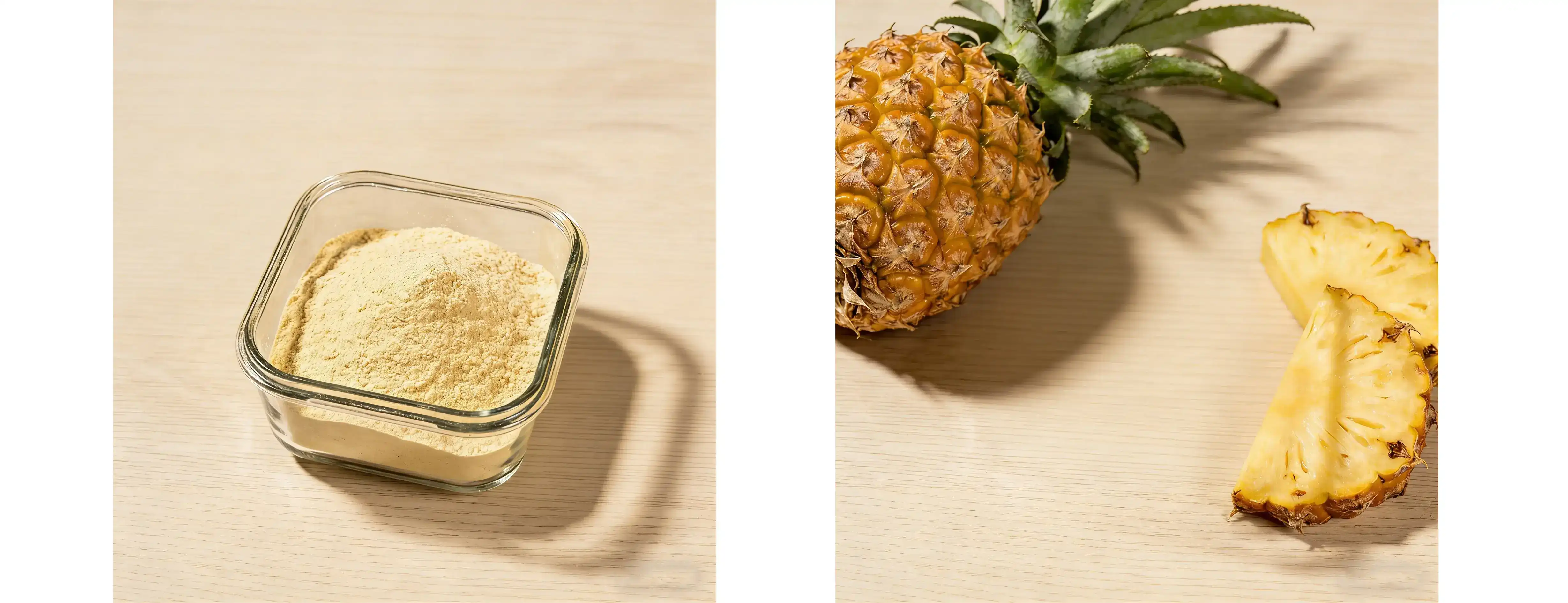
Understanding the Role of Pineapple Juice in Wisdom Teeth Extraction Recovery
A lot of people have pain, stiffness, and bruises for a few days after getting their wisdom teeth taken out. A lot of people who have had surgery are using herbal methods along with their regular care. A bunch of these substances from pineapples have gotten a lot of attention because the enzymes that make them up are very different from each other.
What Makes Bromelain Unique?
It is made up of digestive enzymes, peroxidases, phosphatases, and other useful substances. Bromelain comes from pineapple stems and fruit. Most of the plant's bromelain (EC 3.4.22.32) comes from the stem because it is easier to find and cheaper. This enzyme can stay active in a lot of different body conditions because it works well in a pH range of 4.5 to 9.8. It can connect with proteins that help cells handle stress because of the way its molecules are set up. Because of this, it is very helpful for healing.
Comparing Whole Juice to Concentrated Extracts
New pineapple juice has bromelain, vitamin C, calcium, and other good things for you that help your body heal. Every glass of fresh juice has about 50 to 80 GDU, which might not be very helpful. Concentrated Pineapple Extract, which is available in powder form with ratios like 4:1 or 10:1, has a lot more enzyme activity—often 600 to 2400 GDU/g—which makes it simpler to control the mixture. This percentage is good for supplement companies that want to make products for people who have had surgery because it lets them make steady doses and know what will happen. When you fully extract Ananas comosus with water, you get a light yellow powder that is more solid and lasts longer than liquid solutions. It still has all of its biological traits.
When R&D teams and formulation managers know about these differences, they can choose the best form for their product lines, whether they are for health-conscious customers or oral health pros.
Pineapple Extract vs Other Natural Remedies for Oral Healing
For a long time, natural methods have been thought of as a different way to help people who have recently had surgery. When choosing between options, purchasing teams and people who make products have to think about things like stability, biological activity, following the rules, and customer support.
How Bromelain Compares to Papain and Other Enzymes
When you take papaya juice, you get papain, which is another digestive enzyme that can do the same thing. In the lab, both enzymes work about the same. However, bromelain is more stable at different temperatures and pH levels, which makes it better suited for work. Papain can't be used for as many things because it breaks down faster in alkaline places. Also, bromelain has been studied more in clinical settings when it comes to how cells respond to stress. This gives B2B clients who want ingredients that are backed by science more proof.
Organic vs. Synthetic: Quality Considerations
How things are found and extracted has a big impact on how well they work and where they stand in the market. Pineapple Extract, which costs a lot and has been approved organic by reputable organizations like the USDA, is a symbol of the trend toward clean labels. When you use water-based extraction instead of chemicals, the enzymes stay intact, and customers can get the natural processing they want. Because botanical extracts don't have the same complex mix of phytonutrients as manufactured ones, they aren't as useful in natural product recipes.
Organic Herb Inc. uses GAP-standard planting bases that cover more than 8,000 acres in several Chinese provinces to make sure that the herbs can be tracked from the time they are grown to the time they are extracted. Foreign buyers often have trouble keeping things stable from batch to batch and keeping track of what's going on in the supply chain. This vertical integration fixes those issues.
Powder vs. Liquid Formulations
It's clear that powder forms are good for makers. It's easier to take them around and mix them into healthy drink powders, pills, or tablets. They also last longer (usually 24 months if stored properly). There are times when liquid extracts are helpful, but they aren't always steady and need preservatives that might not work with a clean label. Standard packing for 25 kg drums in this business is a good mix of being easy to handle and keeping the quality. Even small brands can get professional-grade products with a 25 kg minimum order, so they don't have to keep a lot of stock on hand.
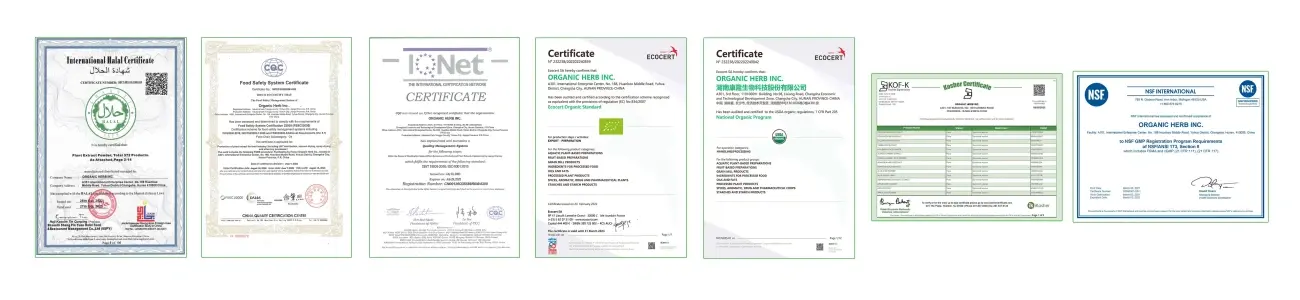
Practical Guide to Using Pineapple Juice and Extract After Wisdom Teeth Removal
Health brands and people who work in healthcare need to give customers clear, evidence-based directions on how to use bromelain-rich foods in their plans after surgery.
Recommended Usage Protocols
It's very important to know when to use bromelain to help after surgery. A lot of doctors say that vitamins should be taken for three to five days after surgery and for 24 to 48 hours before the surgery. Most people take between 500 mg and 2000 mg per day, spread out over several doses. But different people should get different directions based on their wants and the product's strengths. When you think about the enzymatic activity, it's important to remember that lower amounts work better for people with higher GDU/g numbers.
If you eat bromelain without food, it can get into your system and do its main job of breaking down food. This is known as systemic intake. This is something that is thought about when making market goods, and it changes how training tools and packaging are put together.
Considerations and Precautions
Most people can use bromelain, but it might not work for everyone. People who are allergic to fruit or rubber can also be allergic to other things. Some things can react with the enzyme because it breaks down proteins. To make safe goods and teach people about them, it's important to understand how these things work together.
It should be clear to product makers when and how to use their goods. They should also tell people to talk to their doctors, especially if they are sensitive to certain chemicals or are taking more than one drug while they are recovering. Being honest like this builds trust and shows that the seller of the ingredients is taking good care of their customers, which is what picky B2B buyers want.
Real-World Application Insights
Dr.s. who recommend natural treatments as part of post-surgery care often hear good things about how well their patients feel and how quickly they recover. Functional supplement companies that want to sell products that will help athletes heal have been successful at selling products with bromelain, as having two uses: they help with both tissue stress from sports and healing from minor surgery. For people who want to buy goods to make their product lines run more smoothly, this gives them more market options.
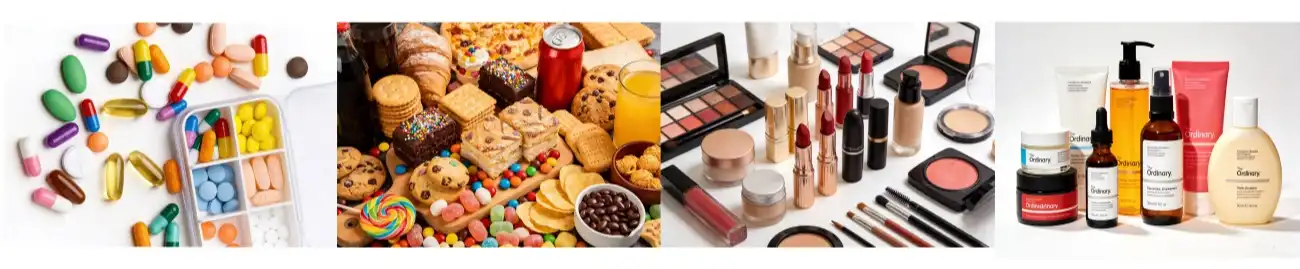
Procurement Insights for Pineapple Extract: What B2B Clients Should Consider
When you're shopping for plant-based goods, you should think about more than just price. The value of a long-term relationship depends on quality measures, provider skills, and following the rules.
Critical Quality Specifications
Some important things that buying teams should look for in Pineapple Extract companies should be at the top of their list. The enzyme activity, which can be tested in GDU/g or MCU/g (Milk Clotting Units), is directly linked to how well a product works. In most cases, 1 GDU/g is the same as 1.5 MCU/g. But a straight test comparison is still the best way to get a correct answer. The concentration levels of extracts can be seen when they are measured at 4:1 or 10:1 ratios. There are more active chemicals per gram when the amount is higher.
It's best to keep heavy metal amounts below 10ppm. The most dangerous ones to look out for are lead, arsenic, cadmium, and mercury. Microbial guidelines set by the USP and FCC make sure that goods used in food, supplements, and cosmetics are safe. When the wetness level is below 5%, enzymes can't break down the food. In other words, the thing stays effective for its whole life.
Certification and Compliance Requirements
On the world market, strong license deals are needed. The NSF GMP license shows that the quality systems used to make the products meet the requirements for making medicines. It is possible to sell your goods in some Western and Middle Eastern stores if you have a Kosher or Halal license. Standards for quality control and food safety are backed by certifications like ISO9001 and FSSC22000. Even though it costs more, organic approval fits with business plans for high-end brands and with consumer trends toward buying from trustworthy sources.
Organic Herb Inc. keeps all of these licenses up to date, as well as making sure they follow FDA and C-GMP rules. Their Pineapple Extract can easily get into markets in North America, Europe, and the Middle East because of this. People who buy goods or own brands and have to deal with complicated foreign rules are less likely to break the rules when they use this set.
Supply Chain Reliability and Logistics
Lead times that don't change much can tell you which companies are reliable and which aren't. Ten days from when an order is confirmed to when it is ready to be shipped shows that things are going smoothly and that materials are being well handled. Even faster delivery is when you store things at home. Organic Herb Inc. runs four carefully placed U.S. warehouses through its wholly owned company Earth Made Nutritions in Los Angeles. This lets buyers in North America get their orders quickly.
You can check the quality of free samples before making a full production order. This makes buying less risky. And this shows that the seller is sure of the quality of their goods and knows that professionals need to check them out before buying a lot of them.
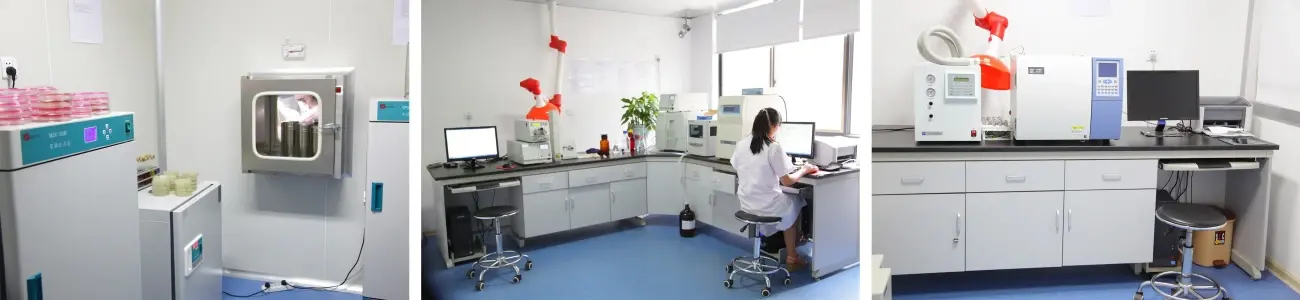
Maximizing Value: Why B2B Buyers Choose Pineapple Extract Products
When choosing strategic ingredients, you don't just look at things that can only be used once. It also checks out market trends, possible partnerships, and how flexible the ingredients are.
Diverse Application Opportunities
Products that are high in bromelain are useful in lots of different areas. Nutraceuticals are used for more than just mouth care. The enzyme is also good for gut health (it breaks down proteins) and joint comfort (it helps with how tissues react to stress). Companies that make sports nutrition products add bromelain to goods that help muscles heal after working out. With this function, buyers of goods can use the same SKU to serve more than one product line. This makes it easy to keep track of goods and work with suppliers.
More and more people are using them as cosmetics (Pineapple Extract). Because they are softer, enzyme exfoliants with bromelain are better for people with sensitive skin than alpha hydroxy acids. It only works on surface proteins, so it doesn't hurt as chemical peels do. This makes the beauty market different from others like it.
People who work with food use bromelain to naturally make drinks cleaner and meat softer. Bromelain is not the same as papain because it works on specific muscle proteins (myosin and actin) while leaving the structure alone if the right amount is used. Because of this, it can be used to make high-quality cooked foods.
Customization and Private Label Advantages
Companies that have been around for a while and have strong research and development (R&D) teams can make recipes that are tailored to a brand's needs. About 42 pros, such as professors, academics, and Ph.D. researchers, work at Organic Herb Inc.'s study center in Changsha, Hunan. As a technical matter, the center does more than just give ingredients. HPLC-ELSD, GS-MS, and atomic absorption spectrophotometry are some of the more than $1.2 million worth of advanced analysis tools that can be used to exactly make mixtures and check their quality.
When new brands use private labeling, they can market high-tech goods without having to spend money on the equipment needed to produce them. Making products with experienced makers under a white label cuts down on the time it takes to get them on the market while still meeting quality standards that would normally take years to learn.
Building Successful Supplier Relationships
The first step in building a good partnership with a source is being clear about what you need. Very specific details, such as levels of strength, the need for approval, the best way to pack, and the expected shipping times, help everyone understand each other. It shows that you are serious about buying something by asking for science papers like stable studies, safety data sheets, and certificates of analysis. This is how professionals buy things.
Site surveys, which can be real or virtual, look at how a production site is run and its quality processes. When sellers are open about how they grow their plants, get rid of oils, and check the quality of their goods, it makes buyers more likely to trust them in the long run.
Before going to full production, you can start with smaller sales to see how well the product works, how fast customer service responds, and how well the processes work. This method, which is broken down into steps, lowers the risk and builds trust, which is important for long-term interactions.

Conclusion
After getting your wisdom teeth taken out, drinking pineapple juice can help you heal in a small way. This is mostly because pineapple juice has bromelain in it. Concentrated Pineapple Extract, which has undergone enzymatic activity testing, provides more reliable and potent options for both personal and business use. People who buy this plant ingredient in bulk from the food, cosmetics, pharmaceutical, and nutraceutical businesses should know about quality standards, legal requirements, and where they can get it. Bromelain-rich ingredients can be useful additions to a lot of different product lines as the need for natural, clean-label chemicals grows. Along with strategic relationships with suppliers, you can make goods fit your needs and stand out in the market. The company makes smart purchases based on licenses, enzyme activity, and the reliability of the supply chain. This makes sure the product works and gives them an edge in markets that are getting more complicated.
FAQ
1. What is the difference between stem and fruit bromelain in Pineapple Extract?
Fruit bromelain (EC 3.4.22.33) isn't used as much in industrial goods as stem bromelain (EC 3.4.22.32), which is cheaper and more concentrated. The two types of proteases have different features. Enzymes that come from stem cells are more active. Stem bromelain is often found in standard products in the business to ensure stability and the ability to make money by selling large amounts.
2. How does temperature affect bromelain stability during processing?
Anytime the temperature goes above 60°C (140°F), bromelain is not as solid. Manufacturers must either add the enzyme after the goods have already been cooked or use microencapsulation technology to protect the enzyme's action. When it comes to food and drinks, this temperature sensitivity changes the way they are made and how they are handled.
3. Can Pineapple Extract be combined with protein powders?
Be careful when you mix bromelain with things that are made of protein. When whey, casein, or plant proteins are mixed with the enzyme, they start to break down because the enzyme is proteolytic. Pepsins could become sour, and the taste could change. You can stop germs from growing if you use the blend right away or keep the dry powder separate until you need it.
Partner with OHI: Your Trusted Pineapple Extract Supplier
Organic Herb Inc. has the best Pineapple Extract on the market, and they're ready to help you meet your cooking goals. We have water-extracted products from Ananas comosus that are 4:1 and 10:1 ratios. These products are fully certified for their steady enzymatic activity with labels like NSF GMP, Kosher, Halal, ISO9001, FSSC22000, and Organic. There are four places in the U.S. that offer fast delivery, a 10-day wait time, and free samples that can be used to check the quality. This makes it easy for nutrition brands and functional food makers to get what they need. All of our batches are the same, and we follow all the rules that buying teams need. This is made possible by our fully connected supply chain, which includes GAP-compliant growing bases and cutting-edge research and development facilities. Send us an email at info@organic-herb.com to talk about your needs and find out how our knowledge can help your plants.
References
1. Maurer, H.R. (2001). Bromelain: Biochemistry, pharmacology and therapeutic applications. Cellular and Molecular Life Sciences, 58(9), 1234-1245.
2. Taussig, S.J., & Batkin, S. (1988). Bromelain, the enzyme complex of pineapple (Ananas comosus) and its clinical application: An update. Journal of Ethnopharmacology, 22(2), 191-203.
3. Pavan, R., Jain, S., Shraddha, & Kumar, A. (2012). Properties and therapeutic application of bromelain: A review. Biotechnology Research International, Volume 2012, Article ID 976203.
4. Hale, L.P., Greer, P.K., & Trinh, C.T. (2005). Proteinase activity and stability of natural bromelain preparations. International Immunopharmacology, 5(4), 783-793.
5. Rathnavelu, V., Alitheen, N.B., & Sohila, S. (2016). Potential role of bromelain in clinical and therapeutic applications. Biomedical Reports, 5(3), 283-288.
6. Kelly, G.S. (1996). Bromelain: A literature review and discussion of its therapeutic applications. Alternative Medicine Review, 1(4), 243-257.
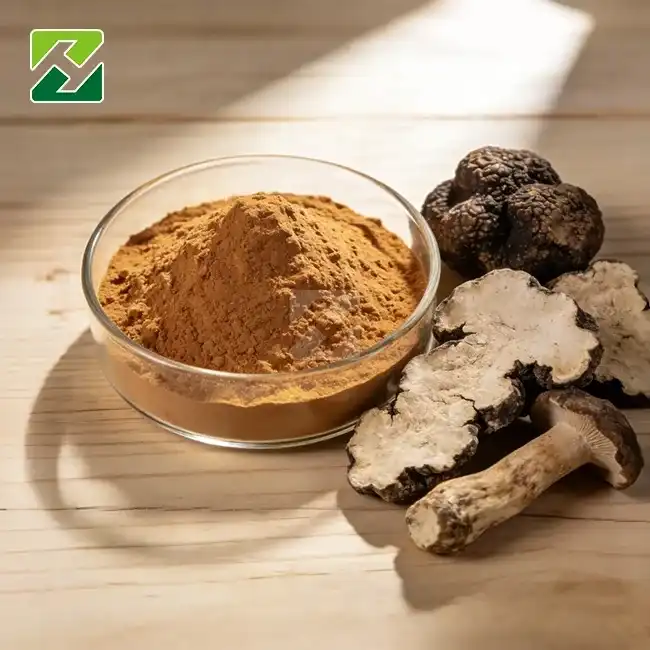
Polyporus extract, powder and capsules for companies
VIEW MOREPeople who make nutraceuticals, cosmetics, and functional foods trust Polyporus Umbellatus Extract as a good plant choice when they need to find functional mushroom ingredients for new products. The growing body of Polyporus umbellatus is where this brownish-yellow powder comes from. It is only removed with water. Consumers who care about their health and want goods with clean labels can find what they need in this product's normal polysaccharide content. Businesses that want natural, effective raw materials can use this ingredient because it blends old knowledge about plants with new needs for creation. It comes in extract (10:1) form and is always 30% carbohydrates.
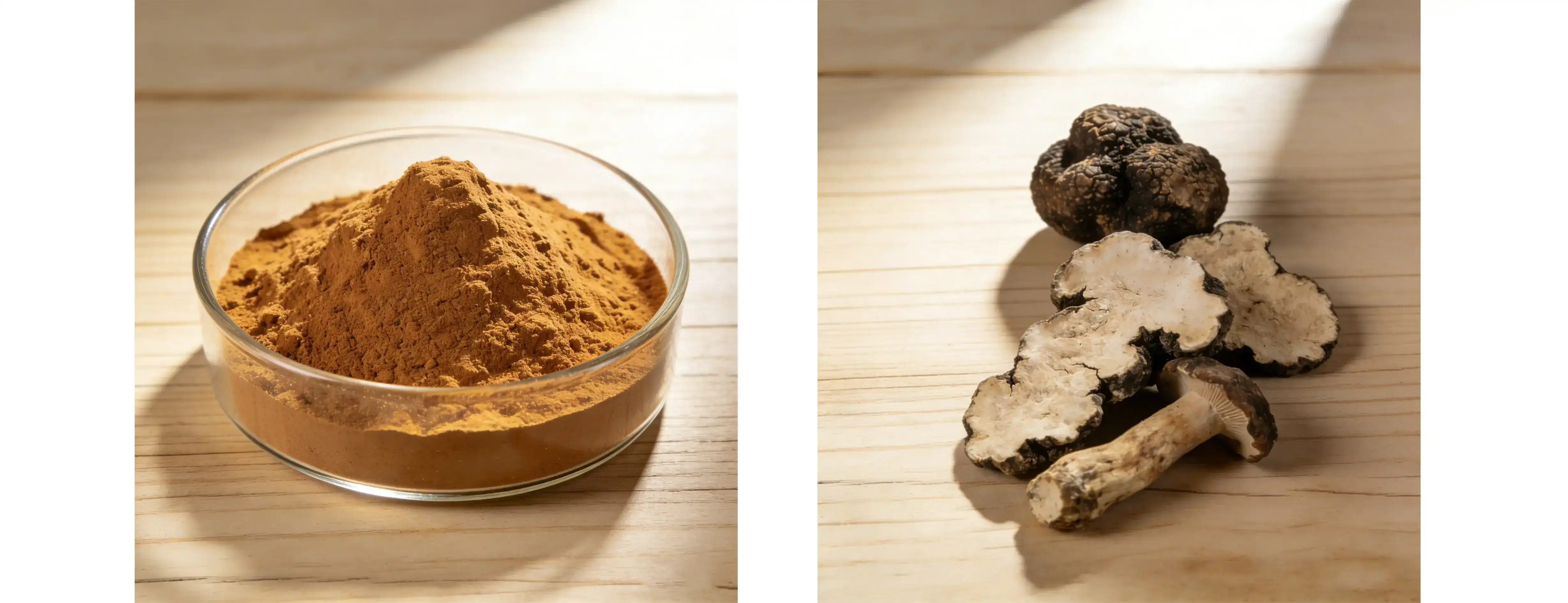
Understanding Polyporus Umbellatus: Botanical Profile and Active Compounds
Polyporus umbellatus, sometimes called umbrella polypore or zhu ling in traditional Eastern herbalism, grows organically in cold forests where it works together with tree roots to make food. Bioactive polysaccharides found in the growing body have gotten a lot of scientific attention over the last few decades.
Polysaccharide Content and Biological Activity
Polyporus umbellatus is mostly made up of beta-glucans and heteropolysaccharides, which have been shown to have biological effects. Studies that have been published in pharmaceutical journals show that these carbohydrates work with cellular pathways that control oxidative balance and the body's usual reaction to inflammation. Because these chemicals dissolve in water, they work well in food supplement formulations, functional drinks, and encapsulation technologies.
At Organic Herb Inc., we use dynamic low-temperature extraction along with nano-membrane separation to keep these delicate polysaccharides safe during the extraction process. This unique technology keeps the molecular integrity of beta-glucans while standardizing 30% of the polysaccharides that formulation scientists need for uniform performance from batch to batch. Because the concentration ratio is 10:1, each kilogram contains ten kilograms of raw fruiting body material. This means that the product has a lot of bioactivity in a small amount of dose.
Extract Versus Powder: Format Selection for Product Development
Many times, businesses wonder whether concentrated mushroom extract or whole mushroom powder will help them reach their manufacturing goals better. Whole Polyporus powder has all the different parts of a mushroom, like fibers, proteins, and minor minerals. It also has about 1% to 3% carbohydrates. This style works well for goods that focus on natural fiber content and whole-food ingredients.
Focused extracts, like our 30% polysaccharide specification, give you more of the bioactive chemicals you want in smaller dose amounts. This concentration is necessary for capsules that need the most power per unit because of limited space, and for functional drinks that need water-soluble ingredients that won't change the taste or feel of the drink. Directors of R&D like that standardized extracts make clinical studies and validating effectiveness easier than whole-powder compositions, which can be different.
Formulation Applications Across Industry Sectors
Polyporus Umbellatus Extract can be used in a lot of different types of products, and each type has its own manufacturing issues that buying teams need to think about.
Dietary Supplement Integration
Nutraceutical companies use Polyporus Umbellatus Extract in antioxidant complexes, mixes for kidney health, and immune support products. The polysaccharides that were removed from water mix easily with other plant products, vitamins, and minerals. There are no chemical interactions that would make the mixture less stable. Our brownish-yellow powder is easy to mix with water, so it can be used in softgels, liquid vitamins, and pill matrices.
Formulation managers who work with sports nutrition products like that the extract works well with pre-workout mixes and protein shakes. The neutral flavor profile doesn't mess up taste systems, and the small particle size makes sure that the powder is spread out evenly in mixes. HPLC research can be used by quality control teams to confirm the carbohydrate content, which backs up label claims and ensures compliance with regulations.
Cosmetic Raw Material Applications
Cosmetic scientists are looking into mushroom-derived polysaccharides more and more because they can hold water and form films. Polyporus Umbellatus Extract is used in moisturizers, serums that calm the skin, and protective creams that make natural beauty promises. Because it dissolves in water, it can be added to the watery parts of emulsions, toners, and essences that are famous in skin care markets around the world.
Our pharmaceutical-grade production makes sure that the extract meets the safety standards for cosmetic ingredients. There is a lot of paperwork to back up the INCI listing and international cosmetic laws. Product designers like that the extract comes from a natural source, which fits with what customers want—botanical actives that can replace manufactured polymers and petrochemical products.
Functional Food and Beverage Development
Food scientists who make functional drinks, healthy snacks, and wellness foods like Polyporus Umbellatus Extract because it dissolves in water and can handle normal food processing conditions. The extract keeps the carbohydrate structure even after being heated to temperatures that are common in the beverage industry. It also stays stable across the pH ranges that are found in juice, tea, and dairy-based drinks.
Our FSSC22000 approval meets the needs of food safety management, and the 25kg drum packing makes it easier to batch produce on a large scale. Our technical support services help teams that are making new products. These services include solubility testing, stability studies, and formulation advice that is specific to the product matrix and processing conditions.
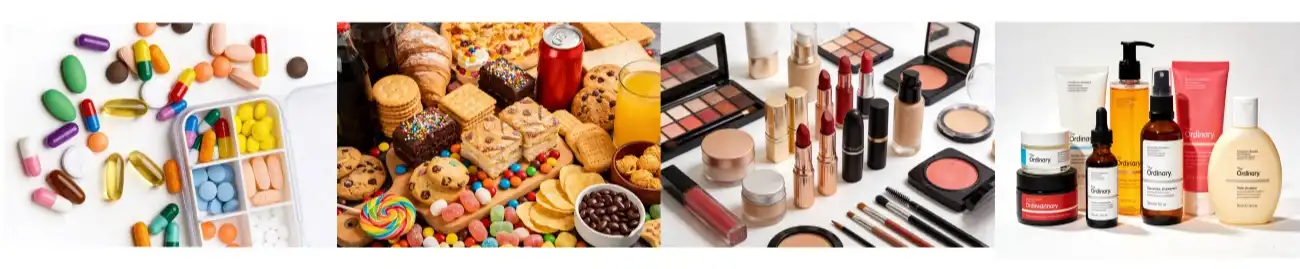
Quality Benchmarks and Supplier Evaluation Criteria
When buying plant extracts, procurement workers have to deal with big differences in quality that have a direct effect on how well the products work and how well they follow the rules. Companies can find providers that can provide pharmaceutical-grade consistency by understanding the review factors.
Certification Standards and Traceability
Reputable makers (Polyporus Umbellatus Extract) keep a number of third-party certificates that show they follow international quality standards. Our building has NSF GMP, Kosher, Halal, ISO 9001, and FSSC22000 certifications, which give buyers and marketers the paperwork they need to get into markets around the world. These certificates show that the production process includes methods for analyzing risks, preventing contamination, and keeping track of products.
Traceability goes from growing the plant to selling the finished product. Our GAP-standard planting sites in Jiangxi Province work with contracted farmers to organize farming methods. This makes sure that the sources of raw materials meet organic standards when needed. Before it is released, every production batch goes through a lot of tests, such as name verification, heavy metal screening, pesticide residue analysis, and microbe testing.
Analytical Testing and Specification Verification
Quality assurance teams should ask for Certificates of Analysis that show that the analysis methods used were valid and met the requirements. Comparing the polysaccharide content to reference standards using HPLC or spectrophotometry is needed. Moisture content, ash levels, and particle size distribution are some other quality markers.
Our R&D center has high-tech equipment like GC-MS, atomic absorption spectrophotometers, HPLC-ELSD, and more. Senior researchers with skills in pharmaceuticals run these machines. This analytical skill helps with the creation of custom specifications when clients need special polysaccharide profiles or extra standardization marks that aren't in our standard product line.
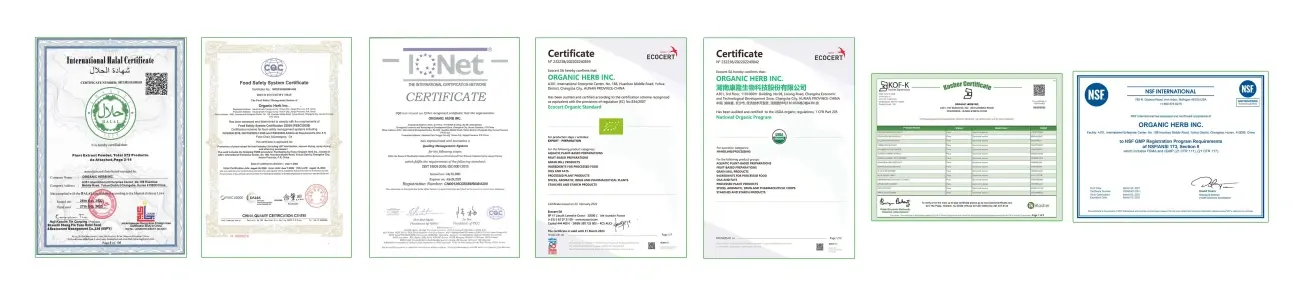
Procurement Logistics and Supply Chain Management
Finding a trusted source of ingredients isn't just about finding good products; buying teams also have to look at how well suppliers can handle inventory, set up operations, and provide customer service.
Inventory Availability and Lead Times
We keep strategic supplies in four U.S. stores, which lets our California subsidiary, Earth Made Nutritions, make orders within the U.S. in 10 days. This local storage gets rid of the delays and problems caused by customs clearance that happen when goods are shipped abroad. Businesses can place orders starting at our 25kg minimum order number, and we offer bulk discounts for bigger commitments.
Technical Support and Custom Development
In addition to standard products, our R&D team can work on custom extraction projects, private blends, and specification changes that are made to fit the needs of each recipe. Our private labeling services and custom packaging choices, which range from small-batch samples to commercial-scale production runs, help companies that are making their own brand-name ingredients.
Formulation chemists, quality experts, and regulatory consultants are on the technical support team. They work with client R&D groups during the whole product development cycle. This partnership method helps businesses deal with legal issues, find the best dosage forms, and shorten the time it takes to bring new formulations containing Polyporus Umbellatus Extract to market.
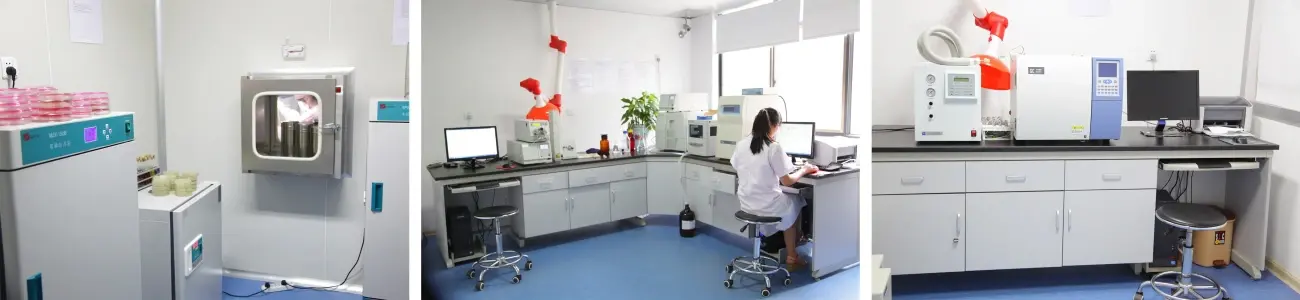
Sustainable Sourcing and Environmental Responsibility
Our 8,000-acre network of farms uses safe farming methods to grow mushrooms that are of the highest quality while also protecting forest ecosystems. Cooperation with nearby farming groups helps rural areas grow economically, preserving traditional farming knowledge while providing ways for people to make a living. Compared to chemical extraction methods, water extraction leaves less of an impact on the environment because it doesn't use organic solvents in the manufacturing process.
The dedication to sustainability includes eco-friendly packaging materials, industrial tools that use less energy, and efforts to cut down on trash across all activities. Brands that stress corporate social responsibility work best with providers that show measurable environmental responsibility, along with making great products.

Conclusion
To find good Polyporus Umbellatus Extract, you have to look at a lot of factors, such as standardizing the polysaccharides, making sure the production process is legal, checking the results of the analysis, and making sure the supply chain is reliable. Companies can get a competitive edge by working with well-known makers that can provide technical support, paperwork for regulatory compliance, and a stocking system that makes sure products are always available. Polyporus Umbellatus Extract is a key ingredient that can be used in cosmetic and functional food products because more and more people want natural ingredients that are backed by science. Procurement teams should give more weight to sellers who can show they have analytical skills, quality system certifications, and expert help that goes beyond just doing business with them.
FAQ
1. What polysaccharide concentration is optimal for supplement formulations?
The 30% polysaccharide specification gives concentrated bioactivity that works well in most food supplement situations and lets effective doses fit in standard pill sizes. Compared to higher-percentage extracts, which may offer small extra benefits at much higher prices, this concentration strikes a good mix between strength and cost-effectiveness.
2. How does water extraction compare to alcohol-based methods?
Water extraction picks out polysaccharides and hydrophilic materials while leaving behind no chemical leftovers like organic solvents do. This method is in line with clean-label rules and makes it easier for regulators to approve products than making extracts with ethanol or other chemicals.
3. What documentation supports international export requirements?
Full COA packages include tests for identity, heavy metals, pesticides, microbes, and polysaccharides. Phytosanitary certificates and other certifications like kosher, halal, and organic credentials must be included with packages if they are required for customs processing.
4. Can specifications be customized for proprietary formulations?
Working with our R&D team, you can come up with custom extraction ratios, different standardization markers, and unique testing parameters. Depending on how hard the development is, custom specs usually have higher minimum order numbers (MOQs) than standard products.
Partner with a Trusted Polyporus Umbellatus Extract Supplier
Organic Herb Inc. (OHI) blends pharmaceutical-grade production with farming knowledge to provide high-quality Polyporus Umbellatus Extract that meets the strict requirements of the global functional food, cosmetics, and nutraceutical industries. Our NSF GMP-certified facility, strategic U.S. warehousing through Earth Made Nutritions, and detailed quality paperwork make it easier for companies that need trusted supply lines to buy from us. Before committing, you can try our 30% polysaccharide extract for free and see how it works for you. Email our expert team at info@organic-herb.com to talk about your formulation needs, get analytical specs, or find out how much large orders cost. With responsive customer service and industry-leading knowledge, we offer unique solutions that help you reach your product development goals.
References
1. Chen, Y., & Zhang, H. (2019). Bioactive Polysaccharides from Medicinal Mushrooms: Isolation, Structure, and Biological Activities. Journal of Agricultural and Food Chemistry, 67(22), 5937-5952.
2. Liu, J., Wang, S., & Zhang, Y. (2021). Quality Control and Standardization of Mushroom Extracts in Nutraceutical Applications. Pharmaceutical Biology, 59(1), 1245-1258.
3. Patel, S., & Goyal, A. (2020). Functional Properties of Mushroom Polysaccharides in Food Systems. Food Chemistry, 312, 126049.
4. Wasser, S. P. (2018). Medicinal Mushroom Science: Current Perspectives, Advances, and Applications. International Journal of Medicinal Mushrooms, 20(8), 701-712.
5. Zhang, M., Cui, S. W., Cheung, P. C., & Wang, Q. (2020). Antioxidant Activity of Polysaccharides from Medicinal Mushrooms: Structure-Function Relationships. Carbohydrate Polymers, 234, 115890.
6. Zhou, X., Lin, J., & Yin, Y. (2022). Extraction Technologies and Quality Assessment of Mushroom-Derived Bioactive Compounds. Critical Reviews in Food Science and Nutrition, 62(15), 4112-4128.
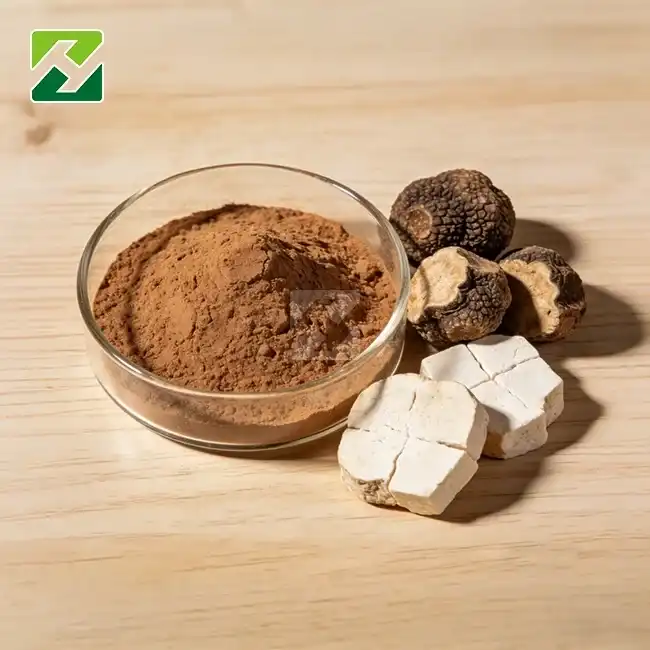
Organic Poria Cocos Extract: Benefits and Uses
VIEW MOREFrom the sclerotium of Poria cocos (Schw.) Wolf, Organic Poria Cocos Extract is a pure medicinal ingredient. Wolf is a wood-decaying fungus that is highly respected in traditional medicine. This regulated extract has more polysaccharides and triterpenoid compounds than usual. It lets formulators in the nutraceutical, skincare, and functional food industries add natural ingredients that have been proven to work by science to their products. The ingredient is consistently high-quality thanks to improved water-based extraction methods. It meets the needs of global procurement teams that want clean-label, organic-certified botanical solutions that are backed by thorough testing and stable supply chains.
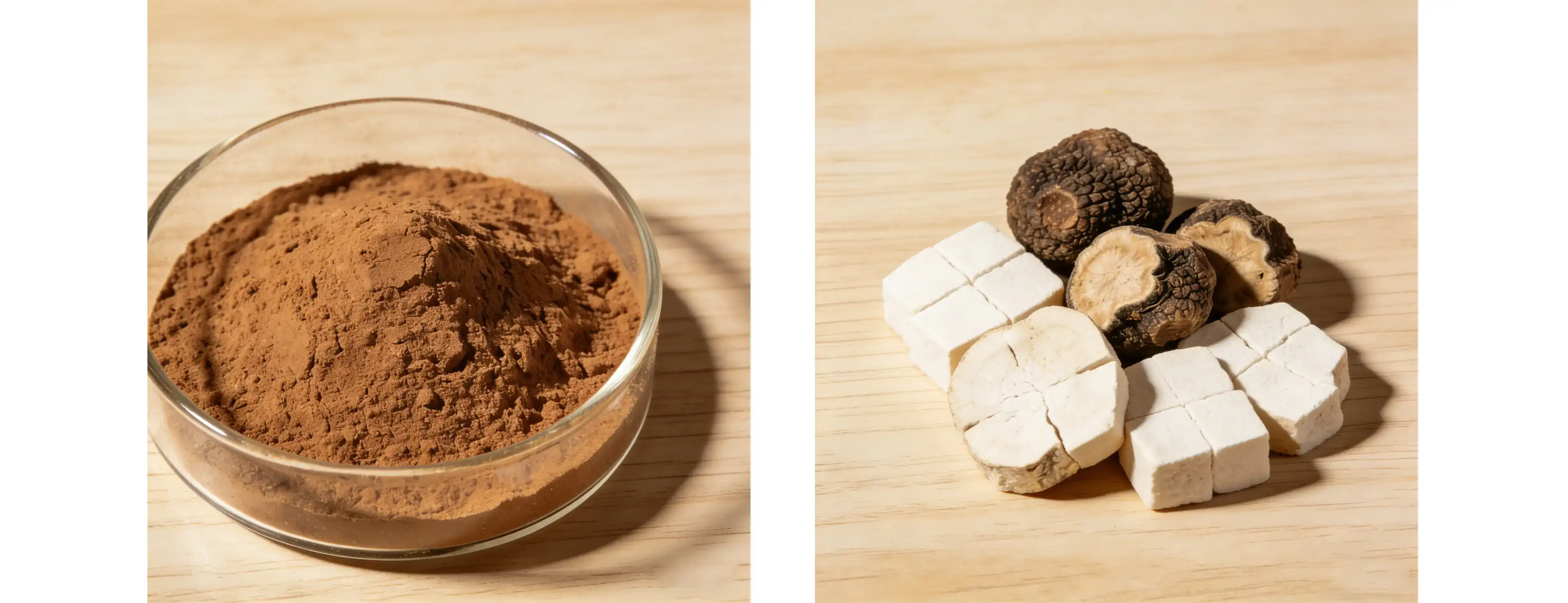
Understanding Organic Poria Cocos Extract
What Makes This Extract Unique?
Poria cocos (Schw.) Wolf, the plant source, grows on the roots of pine trees in Asian forest settings. Organic Poria Cocos Extract is different from raw fungus powders because of its concentration ratio, which is usually 10:1. This ratio gets rid of indigestible cellulose and increases medicinal density. Our extract only uses water as a solvent, so it doesn't contain any man-made chemicals and keeps the heat-sensitive carbohydrates and triterpenes. The fruiting body origin guarantees the highest level of active compounds compared to mycelium-based options. This is an important difference for formulators who need consistent effectiveness.
Bioactive Compounds and Organic Certification Value
This brown powder has 30% polysaccharides and contains beta-pachyman and pachymic acid, two substances that are being studied for their usefulness in immunity and cell health. Organic approval, which is backed by NSF GMP, FSSC22000, and USDA Organic standards, proves that the crops were grown without using pesticides and are not GMO. ICP-MS testing for heavy metals makes sure that lead levels stay below 3 ppm, and USP <61/62> guidelines are used for microbial screening. Concerns about pollution and following the rules are taken care of by these strict quality controls. This is especially helpful for clients aiming for North American and European markets, where consumers value clear labels.
Why Organic Extraction Enhances Commercial Value
Thermolabile polysaccharides (Poria Cocos Extract) are kept safe by water-based extraction at controlled temperatures, and solvent leftovers that make FDA clearance processes more difficult are removed. The method makes a fine mesh powder that can be used in a wide range of preparation settings, from liquid solutions to capsule matrices. Spectrophotometric assay testing makes sure that the uniformity of each batch is kept, and each 25 kg drum comes with a Certificate of Analysis that lists the amounts of active compounds. Product makers can get their products to market faster for both supplement brands and cosmetic manufacturers, thanks to this technology stability.
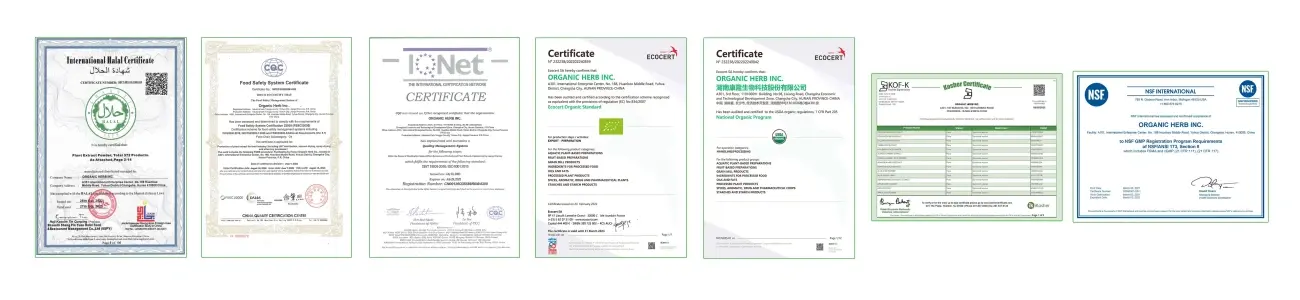
Key Health Benefits and Uses of Organic Poria Cocos Extract
Immune System Support and Cellular Defense
Polysaccharide fractions have been shown to be able to change the behavior of immune cells through pathways controlled by receptors. Studies in mycology journals show how beta-glucans connect with the surfaces of macrophages, which may help the body's natural defenses. For nutraceutical makers, this means new ways to make supplements that focus on defense, especially when mixed with vitamin C or zinc to make the benefits stronger. Polysaccharides are easy to add to powdered drink mixes because they dissolve in water. This meets the demand for handy functional drinks.
Antioxidant Capacity for Cosmetic Applications
Triterpenoid chemicals have been shown to remove free radicals from samples in the lab. This makes the extract appealing for use in anti-aging skin care products. It is used by cosmetic makers in serums and creams that target oxidative stress markers, especially those that want to fit in with the "adaptogens for skin" trend. The extract stays stable in oil-in-water emulsions, which solves manufacturing problems that often come up with plant-based actives. Its light brown color also blends easily into tinted creams. When batch consistency is checked with HPLC testing, product makers can be sure that label promises will hold true across production runs.
Metabolic Health and Digestive Wellness Applications
Traditional use patterns stress digestive comfort, which is now backed up by early studies into how polysaccharides affect the variety of bacteria in the gut. Functional food companies use the extract in protein bars and meal replacement shakes to take advantage of people's interest in the gut-brain axis diet. Because the powder doesn't have a strong taste and doesn't change when it's heated, it can be used to make probiotic drinks and yogurts. Dosage suggestions for final products are usually between 500 mg and 1,500 mg per day, but formulation scientists should change these numbers depending on the target audience and other ingredients that will be used with the product.
Safety Profile and Formulation Considerations
Toxicology tests show a large safety margin, with no negative effects seen at normal supplementation amounts in peer-reviewed studies. The extract works well with popular fillers like magnesium stearate, silicon dioxide, and hypromellose, which makes the process of making capsules easier. Stability testing shows that polysaccharides don't break down much when kept below 25°C in sealed packaging. This eases the minds of wholesalers who have to keep track of goods in many areas. Total plate counts below 10,000 cfu/g show that the microbiological purity meets the pharmaceutical-grade standards that OEM supplement makers need.
Comparison and Selection Guide for Poria Cocos Extract Products
Benchmarking Against Other Functional Mushroom Extracts
While Reishi focuses on chemicals that help you relax and Cordyceps works on your energy production, Poria Cocos Extract stands out because it has a balanced polysaccharide-triterpene profile. Compared to Chaga's antioxidant focus, Poria's water absorption and bland taste are much better, which is very important for people who make drinks. Market research shows that people who are interested in health and fitness are becoming more familiar with Fu Ling (the traditional name). This could be a branding opportunity for businesses that teach people about Asian herbal practices.
Powder vs. Capsule Form: Strategic Formulation Choices
The raw brown powder form gives you the most options for how to make the product. You can mix it into pills, put it in capsules, or add it directly to functional foods. Companies that make sports nutrition, like powder for custom amino acid stacks, while companies that make multivitamins, like pre-encapsulated forms, because they make production lines run more smoothly. For high-volume producers, buying in bulk in 25 kg drums optimizes cost-per-dose economics. Even new names testing the market can reach MOQ limits. Samples are available so that research and development teams can check the stability and organoleptic qualities of a product before committing to full production runs.
Critical Supplier Evaluation Criteria
Purchasing managers should make sure that GMP certification is real by doing site checks or having a third party validate it. They should also make sure that the factory settings are clean enough to meet pharmaceutical-grade standards. Brands are protected against supply chain contamination events when they have paperwork that connects each batch to a specific harvest place and extraction date. When a supplier has more than one organic certification (USDA, EU, JAS), it means they have well-established quality systems that can handle the complicated rules that apply across borders. Lead times of less than 10 days, which can be reached by placing stores in key places, lower the costs of keeping goods on hand for just-in-time manufacturing.
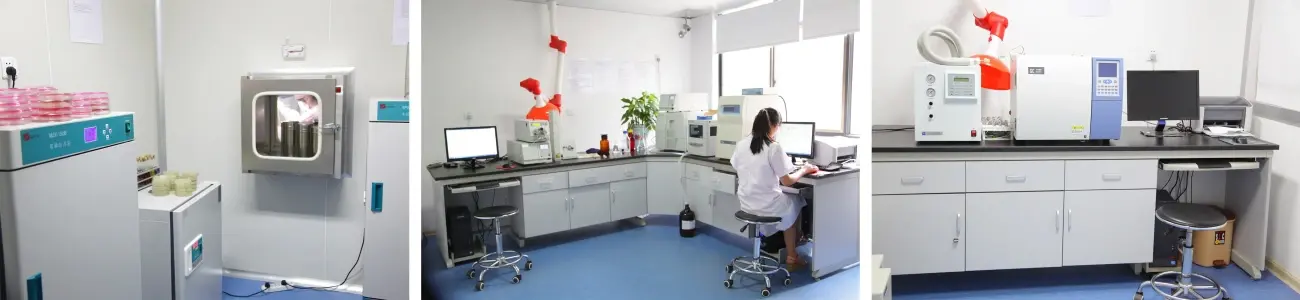
Procurement Strategies for Organic Poria Cocos Extract
Navigating Global Sourcing Dynamics
China is still the main place where Poria cocos is grown because it has the best temperature and has been doing it for hundreds of years. But procurement teams gain when sellers keep warehouses in the US. This cuts shipping times for domestic customers from 30+ days to 2-3 business days. Our four area delivery centers across the United States make sure that our products are always available, which is especially important during busy production times when demand is high. This transportation infrastructure gets rid of delays at customs and makes it easier for FDA-registered facilities to keep up with compliance paperwork.
Pricing Benchmarks and Cost Optimization
Certified organic extracts (Poria Cocos Extract) usually cost between $45 and $75 per kilogram when bought in 25 kg increments. The price changes depending on the amount of polysaccharides and the certification scope. Volume discounts become important after yearly pledges of 500 kg, which is a level that mid-sized supplement brands can reach. It's easier to handle cash flow for seasonal product sales if you can work out payment terms that work with production cycles, like net-60 agreements. When you compare prices, you should take into account hidden costs like the cost of sending out sales, getting a certificate, and changing the specifications.
Logistics and Documentation Best Practices
Air freight is still the standard for first-time orders under 100 kg, but ocean shipping becomes more cost-effective for regular large purchases. Proper packaging in pharmaceutical-grade plastic bags inside fiber drums keeps dampness out during transport, which is important for keeping the safety of the polysaccharides. To meet FSMA standards, import paperwork must have allergen statements, Phytosanitary Certificates, and Certificates of Analysis. Working with providers who have experience submitting prior notices to the FDA speeds up port clearance, which lowers the fees for storing and demurrage at US entry points.

Conclusion
Organic Poria Cocos Extract is a botanical answer that has been scientifically proven to work and can be sold to help brands find a balance between traditional knowledge and current formulation science. Its standardized polysaccharide content, range of organic certifications, and reliable supply chain solve some of the biggest problems that nutraceutical developers, cosmetic creators, and functional food makers have with buying things. The extract can be used in a wide range of products, from immunity pills to anti-aging serums. It is also easy to get and can be delivered quickly in the US, making it a valuable ingredient for companies that want to stand out in the natural product market.
FAQ
1. How does concentrated extract differ from raw Fu Ling powder?
By extracting the fiber-like cellulose with water, the 10:1 concentration ratio gives ten times the medicinal density of raw powder. This process improves absorption potential and lowers serving sizes in finished goods, which meets the needs of customers who prefer single-capsule doses over powders that come in multiple grams.
2. Is this extract suitable for beverage applications?
Polysaccharides that dissolve in water spread out well in water-based systems when mixed properly. This means that the extract can be used in functional drinks, smoothie mixes, and ready-to-drink health shots. Heat stability during pasteurization lets active compounds be added to shelf-stable beverage forms without affecting their structure.
3. What certifications validate organic authenticity?
Our product has certificates from the USDA for Organic, NSF GMP, Kosher, Halal, ISO, and FSSC22000. These certifications are checked every year by third-party bodies that are recognized as trustworthy. These qualifications prove that the crops were grown without using pesticides, that they are not genetically modified, and that the production processes met the pharmaceutical-grade standards needed to get to the global market.
4. Can the extract be used in cosmetic formulations?
Triterpenoid parts stay stable in normal pH ranges for cosmetics (4.5–7.0) and work well with common stabilizers like phenoxyethanol. As an antioxidant, the powder can be added to cream bases, serums, and sheet mask essences to help fight oxidative stress and protect the skin barrier.
Partner with OHI for Premium Poria Cocos Extract Supply
OHI (Organic Herb Inc., Stock Number: 872213), which grows certified organic Poria Cocos Extract on 8,000 acres and has 42 scientific experts working on advanced research and development, is your go-to source for this product. Our four warehouses in the US ensure fast shipping, and our many certifications, such as NSF GMP and FSSC22000, make the legal approval process easier for you. Whether you need 25 kg trial runs or yearly contracts for multiple tons, our team can help you with formulation and provide full paperwork packages. Email us at info@organic-herb.com to get free samples, talk about custom requirements, or get bulk prices from a reliable Poria Cocos Extract provider that wants your new product to succeed.
References
1. Chen, Y., & Liu, J. (2018). Polysaccharides from Poria cocos: A Review of Their Structure, Bioactivity, and Applications. Carbohydrate Polymers Journal, 195, 378-391.
2. Wang, L., Zhang, H., & Xu, M. (2020). Triterpenoids from Wolfiporia extensa: Chemical Diversity and Biological Activities. Phytochemistry Reviews, 19(4), 889-910.
3. Kim, S., Park, J., & Lee, D. (2019). Immunomodulatory Effects of Fungal Beta-Glucans: Mechanisms and Applications. International Journal of Medicinal Mushrooms, 21(6), 531-548.
4. Liu, X., Wang, Q., & Zhou, T. (2021). Quality Control and Standardization of Poria cocos Extracts in Nutraceutical Industries. Journal of Pharmaceutical and Biomedical Analysis, 204, 114-129.
5. Zhao, M., Yang, F., & Chen, K. (2017). Extraction Optimization and Characterization of Bioactive Polysaccharides from Poria cocos Sclerotium. Food Chemistry, 231, 251-260.
6. Tanaka, H., Nakamura, S., & Yamamoto, Y. (2022). Cosmetic Applications of Traditional Mushroom Extracts: Antioxidant and Skin Barrier Enhancement Properties. International Journal of Cosmetic Science, 44(2), 187-203.
Are there proteins in pumpkin seeds?
VIEW MOREYes, pumpkin seeds contain substantial proteins, typically ranging between 25-30% of their dry weight. These seeds offer a complete amino acid profile, making them valuable for nutraceutical and functional food applications. Pumpkin Seed Extract Powder concentrates these proteins alongside bioactive phytosterols, fatty acids, and minerals through controlled extraction methods. This concentrated form serves as an ideal ingredient for supplement formulations, cosmetic applications, and fortified food products. The extract derived from Cucurbita moschata seeds maintains protein integrity while delivering consistent quality across production batches, addressing critical needs for standardized botanical ingredients in modern manufacturing.
Understanding Protein Content in Pumpkin Seeds
Protein Profile and Amino Acid Composition
Because they have a special mix of amino acids, pumpkin seeds are one of the best plant-based ways to get protein. Researchers have found that every 100 grams of these seeds has about 30 grams of protein. Also, they have all nine amino acids that your body needs, like valine, isoleucine, and leucine. An important part of sports nutrition items is branched-chain amino acids. There are three types of proteins: albumins, globulins, and glutelins, each having its own unique traits that help goods grow in many ways.
Between 85 and 90% of pumpkin seed protein can dissolve in water, which makes it different from protein from other plants. This trait makes it easier for people to absorb, ensuring they get the benefits they need. An amino acid called arginine is found in pumpkin seeds, making them even more appealing to companies that make products that are good for you.
Comparative Analysis with Other Seed Proteins
Lots of good things about pumpkin seed protein become clear when you compare it to proteins from flaxseed, chia, or sunflower seeds. Pumpkin seeds have about 16–18% protein, which is about the same as sunflower seeds and comparable to the protein content of chia seeds. But what makes it unique are the good things that come with it, especially phytosterols and zinc, which work together to do more than just give protein.
Even though flaxseed proteins are good for you, it can be hard to keep them from going bad when they are being made or kept because they contain a lot of omega-3s. Because pumpkin seed proteins are very solid, there is less concern about them going bad during the preparation process. Companies that make long-lasting pills, capsules, or powdered drink mixes will benefit the most from this edge in steadiness.
Extraction Methods and Protein Preservation
The way the protein is separated makes a big difference in how much protein stays in Pumpkin Seed Extract Powder. The 4:1 and 10:1 concentrated extracts from OHI are made using water-based methods that keep the heat-sensitive proteins and get rid of the rest. The natural amino acid structure is kept without any chemical residues being added, aligning with the "clean label" approach that most people want right now.
Nano-membrane screening and low-temperature drying are two high-tech ways to process proteins that protect their fragile structures. With these ways, the denaturation that normally happens during high-heat processes is stopped, meaning that the useful and nutritional properties are kept. Life-giving building blocks were still present in the dark powder, which makes the extract work better overall. In pharmaceutical settings where protein stability is very important, this means it can be used.

Health and Industrial Benefits of Pumpkin Seed Extract Powder
Nutritional Advantages for Formulation Development
Pumpkin Seed Extract Powder is full of good things for you, not just protein. It has important minerals like magnesium and zinc, as well as unsaturated fatty acids like linoleic and oleic. This item can be used to make more than one useful claim because it has a lot of nutrients, which makes it easy to set up supply lines and make formulas. When pumpkin seed oil is made into a powder, it doesn't go bad like when it oxidizes, and the good lipid profile stays the same.
Protein is an important part of finished goods because it makes soups, protein bars, and drinks with added nutrients feel and look better in the mouth. The natural brown color goes well with many items and doesn't need any extra help to hide it. These qualities make the whole process cheaper while still meeting customer needs for a few ingredients and a natural look.
Applications Across Industrial Sectors
Diverse industries leverage pumpkin seed extract for distinct purposes:
- Nutraceutical and Dietary Supplements: The standardized extract meets the growing demand for plant-based protein choices. It's used in protein pills, multivitamin mixes, and recipes for men's health that are aimed at people who care about their health. The 10:1 ratio gives you more of the good stuff in smaller doses, which makes it easier to take.
- Cosmetic and Personal Care Products: The amino acid profile helps the skin's barrier function and keeps wetness in, so the extract can be used in healing creams, anti-aging serums, and hair care products. The mixture works better for things that are meant to improve skin health and hair growth because it has zinc in it. Scientists who study cosmetics like that the powder doesn't change when it gets wet or dry.
- Functional Foods and Beverages: Food experts add pumpkin seed extract to healthy bars, protein-rich snacks, and functional drinks to make them work better. The extract can be used with different temperatures and pH levels, which makes it easy to add to production lines that are already in place. It often pairs well with other flavors because its natural nutty undertone doesn't get in the way of the main tastes.
- Pharmaceutical Applications: When used in medicine, uniform pumpkin seed products are looked at by pharmaceutical R&D teams to make natural drug libraries. The tracked extraction method and a lot of paperwork make sure that regulatory standards for pharmaceutical-grade ingredients are met. Because amino acids and phytosterols have stable patterns, study data can be used again and again.
Dosage Considerations and Integration Guidelines
The amount that is generally added ranges from 250 mg to 1000 mg per serve, but this can change depending on the use and the desired functional benefits. The powder is easy to mix in systems that are based on water or lipids, but it can be spread out more evenly in more difficult ones if it is mixed with the right carriers first. The extract stays stable under fast settings tests and keeps its nutritional content and protein structure for up to 24 months, which is how long most things last when they are stored properly.
When manufacturing partners are coming up with ways to package the extract, they should keep in mind that it attracts water a little. Materials that block moisture keep powders from sticking together and keep them moving while they are being kept and worked on. When the product is scaled up and made in large quantities, our expert team gives clear directions on how to handle it so that it works at its best.
Pumpkin Seed Extract Powder vs. Pumpkin Seed Oil and Other Seed Powders
Protein Concentration Differences
How much protein they keep is what makes oil and extract powder different. Because of the way it was extracted, cold-pressed pumpkin seed oil has almost no protein (less than 1%), but the protein amount in the extract powder stays between 15% and 25%. Since these two things are different, the powder works better for protein-based recipes while the oil works better for fat-based recipes.
It's clear that plain ground seed powder is more uniform and controlled than extract powder for this reason. Each batch of raw seed powder may be different because of how the seeds were grown, when they were picked, and how they were kept. This difference isn't present in the extracted and standardized powder because the processing factors are controlled. This makes the analytical profiles reliable, which is needed for regulatory reports and quality assurance processes.
Functional Advantages of Powder Format
Business-to-business buyers who want to make protein-rich foods will like how flexible the powder is. The extract doesn't have to be mixed with oils before it can be put into solid dose forms like pills, tablets, and packs. This means that new brands don't have to spend as much on capital because they don't need to buy special tools for packing and making softgels.
The powder can be kept for longer than the oil, which is great for logistical planning. Pumpkin seed oil can be stored for 6 to 12 months if it stays cool. If you properly package extract powder, on the other hand, it will stay stable at room temperature for 24 months. This security lowers the risk of stock, makes shipping easier, and lets you sell your goods in new places where cold-chain infrastructure might not be as strong.
Organic Versus Conventional Quality Considerations
Organic approval costs more, but it lets companies that make natural products reach niche markets that are becoming more important to them. Our organic Pumpkin Seed Extract Powder comes from fields that the USDA, the EU, and other foreign groups have certified as safe. It meets these requirements and gives finished goods the proof they need to say they are organic.
For people who need to save money, conventional extracts are better because they have the same protein patterns and useful properties. Organic or standard depends on the values of the brand, the price, and the people they want to sell to. There are the same quality control steps for both options to make sure the proteins are whole, the bacteria are safe, and there are no other things that shouldn't be there.
Supplier Selection Criteria for Protein-Rich Extracts
People whose job it is to buy things should put these things first when looking at possible sellers:
- Analytical Capabilities: Full records of analysis, like those that show how much protein was used, the profiles of amino acids, and the study of moisture, prove that the service provider is qualified. Look for sellers who have atomic absorption spectroscopy, gas chromatography-mass spectrometry, and HPLC.
- Certification Portfolio: Many different labels, like GMP, ISO, FSSC22000, Kosher, and Halal, prove that the business has strong quality control and can meet the needs of many different people. These certificates make it easy for officials to say that a product is safe for different types of customers and in different places.
- Supply Chain Transparency: Being able to follow seeds from where they are grown to when they are packed makes sure that everyone is accountable and lets people act quickly if quality problems happen. Sellers who either grow their own crops or work directly with contract farmers can offer better control.
- Technical Support: It's helpful to be able to talk to recipe scientists and regulatory experts for more than just getting basic materials. With this help, it takes less time to make new products, and it costs less to try out different formulas.
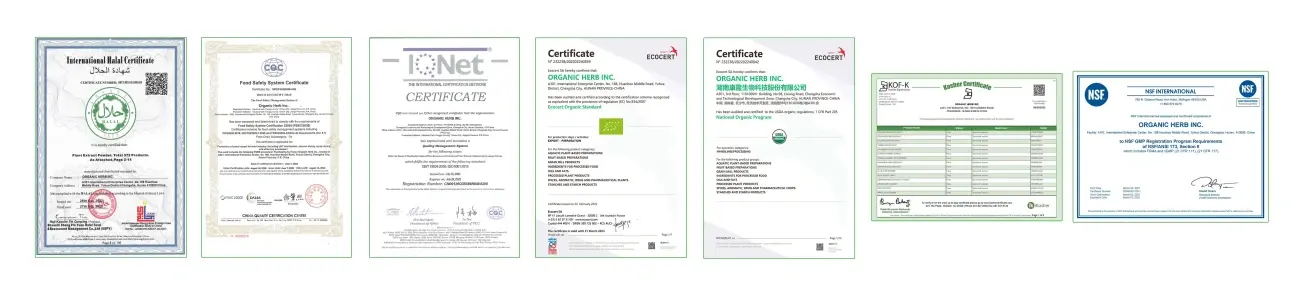
How Pumpkin Seed Extract Powder Is Made and Quality Assured
Advanced Extraction Technologies
To start, very carefully pick Cucurbita moschata seeds that have the right amount of protein and good chemicals. When you clean the seeds, you get rid of any dirt or young plants that could hurt the quality of the extract that you make. Some of the steps used to get the seeds ready for extraction are drying them out and making them smaller, which is done while keeping the proteins as intact as possible.
When water is removed at controlled temperatures, advanced glycation end products are not formed, which can happen during high-temperature processes. Proteins, minerals, and some phytosterols that break down in water are broken down by the watery environment, while carbohydrates and solid fiber are left behind. This careful extraction draws out just the parts we need, giving us the 4:1 and 10:1 amounts that our product needs.
Filter systems that get rid of water without heating the material too much are used to concentrate the liquid extract. Reverse osmosis and nano-membrane systems are two new technologies that make the extract stronger while keeping the temperatures low, generally below 50°C. The secondary structure of proteins is maintained by controlling the temperature, which is important for their bioactivity and processing.
After being boiled down, the extract is put into spray-drying tanks where it meets hot air in the form of tiny drops, which quickly consume any water that is still there. When you're done, you'll have a brown powder that is easy to work with and has particles that are properly spread and the right size. Spray-drying options are set to get moisture levels of about 5%, which keeps germs from growing but doesn't dry the material too much.
Quality Control Protocols for B2B Standards
The first step in doing thorough tests is to look over the raw materials. When seeds come in, they are looked at under a microscope to make sure they are real plants, and if necessary, their DNA is barcoded. When you use the Kjeldahl or Dumas methods to check the protein level, you get standard numbers that help you fine-tune the extraction.
Throughout production, key control points keep an eye on the concentration levels, drying factors, and how well the extraction is going. During the process of making something, differences are found before they have an impact on the final quality. This makes sure that everything is the same and cuts down on waste. The last tests on a product are:
All of the tests show that every batch meets the standards for moisture, heavy metals, chemical leftovers, microbial pollution, and protein content. Plant sterols and bioactive markers are checked in our quality control lab using HPLC-ELSD to make sure they are what they say they are. Stability studies show that the product's protein content and bioactive profiles stay the same over its shelf life as long as it is kept in the right way according to ICH guidelines.
Regulatory Compliance and Certification Standards
Our Pumpkin Seed Extract Powder has been cleared by both the U.S. FDA rules and guidelines and European regulations. The fact that a factory has NSF GMP approval means that it follows strict rules for making pharmaceuticals, which are good for making food additives. When food safety management systems are approved by FSSC22000, they show that they meet international standards, which is important for use in food and drinks.
Licenses for Kosher and Halal food make it easier for businesses to reach customers who have to follow certain eating rules. Outsiders must check the places where the goods are processed, where the raw materials come from, and how they are cleaned before these certificates can be given. If fields and processing plants need to get organic approval, they have to be checked once a year to make sure they follow the rules for organic production from the seeds to the finished powder.
Documentation packages sent to regulators include detailed production flow charts, hazard analysis critical control point (HACCP) plans, allergy control methods, and a list of all the ingredients that go into the product. People can speed up the rules-following processes in other places, like when they register goods with the FDA or ask for new foods in Europe, by using this knowledge.
Supply Chain Excellence in Action
At OHI, the united supply chain shows how to make an extract that is high in protein. Our GAP-certified farms, which are spread out over more than 8,000 acres in several areas, make sure that we always have enough raw materials, even when bad weather hits some places. It is possible to use gardening methods that raise the protein content of gathering seeds when you have direct links with farmers.
High-tech extraction tools worth more than $1.2 million are used in processing plants in Yichun, Jiangxi Province. Some of these are accurate spray dryers, supercritical CO2 devices, and membrane filter units. This input of money helps to keep the quality of the protein high so that the same processing conditions can be used over and over again. People can get their orders quickly because there are four carefully placed shops across the United States. Most of the time, it only takes 10 days from when an order is approved to when it is shipped.
Our R&D center in Changsha has 27 top researchers, some of whom are professors and PhD leaders. Their job is to find better ways to get proteins from pumpkin seeds and new ways to use them. We can quickly change to meet the needs of the market and help important customers with unique development projects because we can study them.
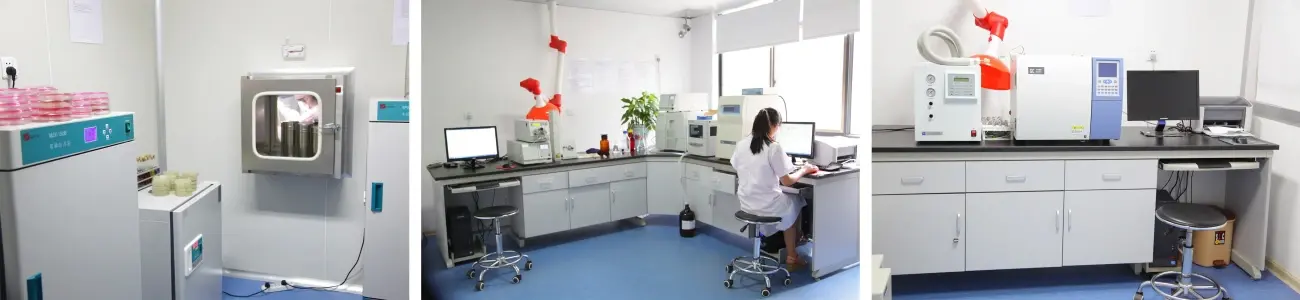
Buying Guide and Procurement Tips for Pumpkin Seed Extract Powder
Evaluating Protein Quality Metrics
When assessing Pumpkin Seed Extract Powder suppliers, begin by requesting detailed certificates of analysis specifying total protein content, amino acid breakdown, and nitrogen-to-protein conversion factors used. Different exchange factors can lead to different protein amounts when nitrogen content is used. Sellers you can trust are honest about how they look at data, which lets you compare sources properly.
The profiling of amino acids tells you if the product gives you full proteins that have all the helpful amino acids in the right amounts. It is best to find tests that use ion-exchange chromatography or mass spectrometry to find out how much of each amino acid was present. You can use this information to check that nutrition labels are correct and to believe what the ads say about the protein's quality.
Bioactive content beyond protein—specifically phytosterol levels and mineral profiles—differentiates premium extracts from commodity-grade materials. Standardized extracts with known amounts of phytosterol are more useful, which makes goods stand out in places where there is a lot of competition. It is very important to check the zinc amount in goods that are meant to help with health issues where zinc is important.
Market Pricing and Cost Analysis
Depending on the quantity of seeds used, whether they are naturally approved, and the size of the order, Pumpkin Seed Extract Powder currently sells for between $25 and $60 per kilogram. The 4:1 extract usually costs less than the 10:1 ratio since it doesn't need to be prepared as well and makes more from each kilogram of raw seed. Most of the time, getting organic certification costs an extra 20–40% because the materials are more expensive, and it costs money to keep the certification.
To figure out the cost-in-formulation, you should compare the strength of the extract to that of raw seed powder. There is more living material in the extract powder, so it takes less of it to do the same job. If you cut down on the number of pills, tablets, or servings needed to give the right amounts, the price of the final product goes down. Since there is less stuff going through the supply chain, it costs less to store and move it.
Long-term pricing stability depends on how easy it is to get raw materials and how much of them can be taken out. A lot of the time, sellers who get their seeds from contract farms have more stable prices than brokers who depend on spot markets. Deals on supplies that last longer than a year and have prices that change based on public product indices keep supplies going and protect both sides from changes in the market.
Establishing Strategic Supplier Partnerships
Businesses have an edge over their competitors when they have strategic ties with extract sources that go beyond just buying things. Customers and suppliers can work together to make a new product when suppliers do research and development (R&D) that helps customers come up with new recipes. When you have access to pilot-scale tools for test runs, you can get new goods on the market faster and for less money.
Quality agreements that make specs, testing methods, and handling variations public spell out who is in charge of what. There should be ways to let customers know about changes to the process that could affect how the product works in these deals. Quality reviews should happen at least once every three months so that people can talk about new issues and figure out how to keep getting better.
Supplier audits make sure that the paperwork fits the quality processes, manufacturing skills, and legal requirements. When you visit the site, you can see useful information that isn't on paper diplomas. You can trust your seller more if you see how things are made, talk to quality staff, and look at batch records. This is important for building long-term ties.
Sample review tools let you see how often groups happen before you buy a lot of them. You should ask for samples from a few different production lots that were made over a few months to see if the look, flow, protein level, and other important qualities stay the same. As part of this review, you should see how stable the product is under the storage settings you choose and how well it works with your formulation matrices.
Conclusion
There is a lot of protein and beneficial chemicals that are good for you in pumpkin seeds. Because of this, Pumpkin Seed Extract Powder is a useful ingredient that can be found in drugs, cosmetics, functional foods, and supplements. Concentrated powders are better for protein-based recipes because they are more stable, consistent, and adaptable than oils or raw seed powders. By learning about extraction methods, quality metrics, and factors for picking suppliers, procurement professionals can find protein-rich extracts that make products work better and do better in the market. As the market for ingredients changes because of clean-label trends and plant-based tastes, standardized pumpkin seed extracts represent a valuable tool for brands seeking natural, effective recipe solutions backed by science and excellent production.
FAQ
1. Does pumpkin seed extract powder provide complete protein?
As a full source of protein, pumpkin seed extract powder has all nine essential amino acids. Arginine, leucine, and tryptophan make up a lot of amino acids that help the body do many things. One thing that does depend on the ratio is how much protein is in the extract; there is more protein in 10:1 extracts than in 4:1 extracts. The amount of protein per serving is good, but it might need more protein sources in recipes that aim for a high-protein diet every day, especially in sports nutrition, where 20 grams or more of protein per serving is normal.
2. Can this extract substitute for other seed protein powders in supplement formulations?
Pumpkin seed extract powder can be used instead of hemp, sunflower, or chia protein powders a lot of the time. For people who are allergic to beans, it's better than soy proteins because it doesn't have any allergens in it. It is easier to make foods that last longer because the powder doesn't oxidize as quickly as wheat proteins do. Formulators should try to see if it works, though, since different kinds of seeds have different tastes. The slightly nutty taste and brown color go well with chocolate or vanilla flavors, but you might need to change them for fruit flavors.
3. What connection exists between protein content and the extract's functional properties?
There are several ways that the protein part makes the extract more bioactive as a whole. There are naturally occurring peptides in pumpkin seed proteins that get rid of metals from cells and get rid of free radicals. It's easier for lipophilic chemicals, like phytosterols, to mix with each other in gut settings, which changes how bioavailable they are. A higher protein amount generally means a better texture and a more stable suspension in drinks. This means there will be less sedimentation while it is being stored, which is good for the customer.
Partner With OHI for Premium Pumpkin Seed Extract Solutions
What OHI does best is make pharmaceutical-grade Pumpkin Seed Extract Powder. It's made for people who make high-end cosmetics, useful foods, and nutrition products. Our brown powder, made from Cucurbita moschata seeds that were separated with water, has stable protein profiles and comes in 4:1 and 10:1 amounts. It comes in 25 kg drums with a minimum order quantity of just 25 kg. Because our four carefully placed stores are in the U.S., we can ship quickly (10 days), so there aren't any long wait times that throw off production plans.
We promise to follow strict U.S. rules because our company is listed on the stock market (Stock Number: 872213) and is certified as NSF GMP, Kosher, Halal, ISO9001, and FSSC22000. We guarantee compliance with rigorous U.S. FDA and C-GMP standards. You can always count on us to deliver because our GAP-certified 8,000-acre farming network and $1.2M advanced extraction center make sure that every batch is the same. Whether you need organic certification to make your product stand out or a trusted provider for cost-effective formulations, our technical team supports your success from sample evaluation to commercial-scale production. Contact info@organic-herb.com today to request complimentary samples and discover how our sustainable sourcing practices and environmental stewardship align with your brand values.
References
1. Stevenson, D.G., Eller, F.J., Wang, L., Jane, J.L., Wang, T., & Inglett, G.E. (2007). Oil and tocopherol content and composition of pumpkin seed oil in 12 cultivars. Journal of Agricultural and Food Chemistry, 55(10), 4005-4013.
2. Rezig, L., Chouaibi, M., Msaada, K., & Hamdi, S. (2012). Chemical composition and profile characterization of pumpkin (Cucurbita maxima) seed oil. Industrial Crops and Products, 37(1), 82-87.
3. Rabrenovic, B.B., Dimic, E.B., Novakovic, M.M., Tesevic, V.V., & Basic, Z.N. (2014). The most important bioactive components of cold pressed oil from different pumpkin (Cucurbita pepo L.) seeds. LWT-Food Science and Technology, 55(2), 521-527.
4. Jiao, J., Li, Z.G., Gai, Q.Y., Li, X.J., Wei, F.Y., Fu, Y.J., & Ma, W. (2014). Microwave-assisted aqueous enzymatic extraction of oil from pumpkin seeds and evaluation of its physicochemical properties, fatty acid compositions and antioxidant activities. Food Chemistry, 147, 17-24.
5. Patel, S. (2013). Pumpkin (Cucurbita sp.) seeds as nutraceutical: A review on status quo and scopes. Mediterranean Journal of Nutrition and Metabolism, 6(3), 183-189.
6. Nkosi, C.Z., Opoku, A.R., & Terblanche, S.E. (2005). Effect of pumpkin seed (Cucurbita pepo) protein isolate on the activity levels of certain plasma enzymes in CCl4-induced liver injury in low-protein fed rats. Phytotherapy Research, 19(4), 341-345.
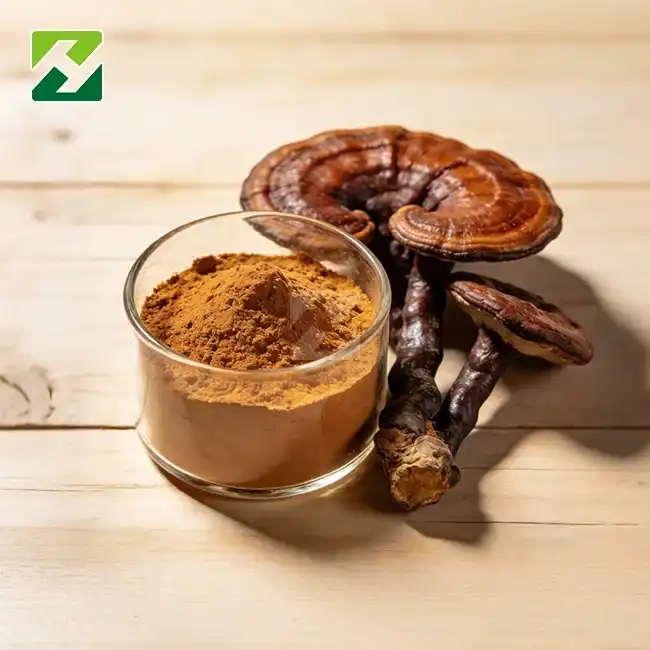
The Best Reishi Mushroom Supplement as Tinctures & Powders
VIEW MOREGanoderma lucidum, which is the formal name for reishi mushroom extract, is now an important part of many cosmetic and functional food products. The format options—tinctures versus powders—along with purity, bioavailability, and certification credentials—must be taken into consideration when finding the Best Reishi Mushroom Extract for commercial uses. This detailed guide covers important selection criteria, buying strategies, and technical issues that give R&D directors, formulation managers, and procurement professionals the information they need to make smart choices that help their brands stand out and meet strict regulatory requirements.
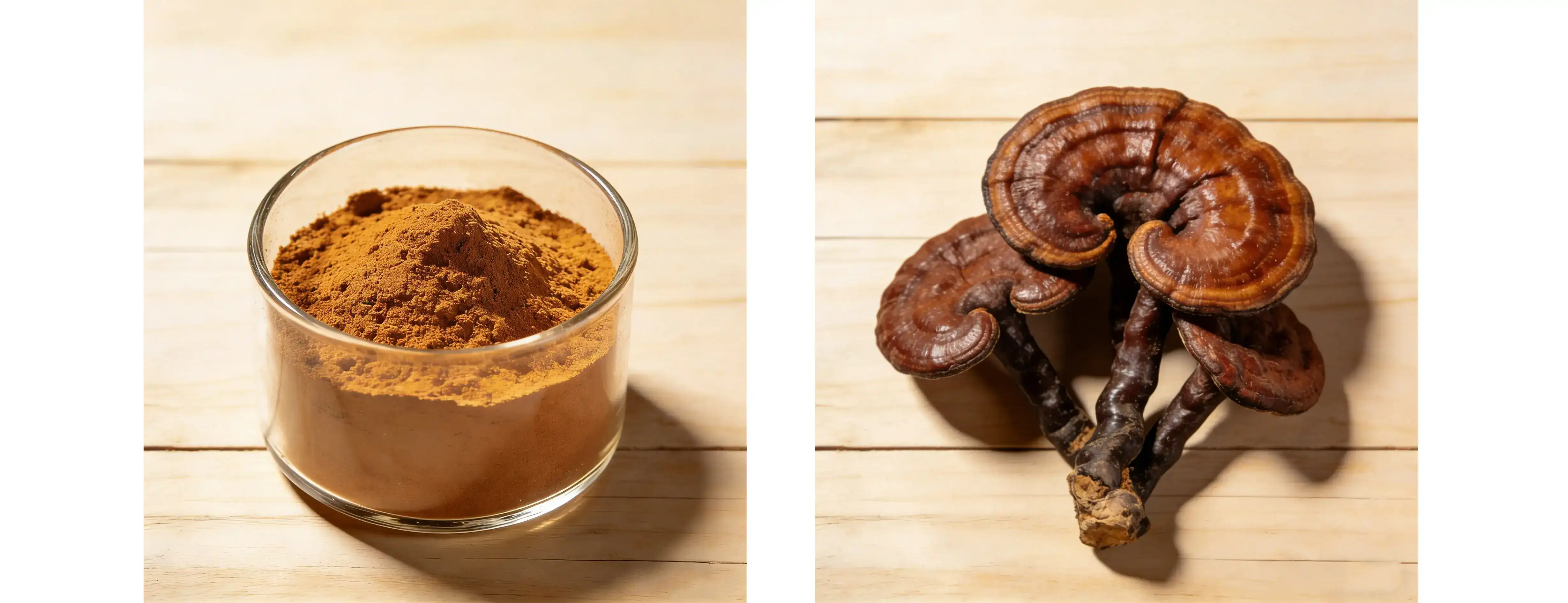
Understanding Reishi Mushroom Extract: Benefits and Usage
The fruiting body of the Ganoderma lucidum species is where the reishi mushroom product comes from. This species is grown under controlled conditions to get the highest amounts of active compounds. Different extraction methods have a big effect on the end product profile. For example, water-based extraction makes powders that are high in polysaccharides, while dual-extraction methods get both water-soluble polysaccharides and alcohol-soluble triterpenes. A standardized ingredient with 40% polysaccharides and a 10:1 concentration ratio is produced by the Best Reishi Mushroom Extract, which uses 100% water extraction to protect the purity of bioactive polysaccharides.
Active Compounds and Bioactivity
Beta-glucans, triterpenes (ganoderic acids), and polysaccharide complexes make up the bioactive structure of reishi extract. As biological reaction modifiers, beta-glucans work by interacting with cellular receptors to change how the body reacts. Triterpenes give sour foods their unique flavor and have antioxidant qualities that make them useful in cosmetics and functional foods. Polysaccharides are great for making drinks and packaging technologies because they dissolve in water and don't change much at high temperatures.
Formulation Integration
For industrial uses, reishi extracts need to be stable across a range of pH levels, able to handle high temperatures, and able to blend easily into complex structures. Reishi powder that has been separated with water dissolves easily in water, settles down very little, and doesn't interfere with the encapsulating process. Formulators working on adaptogenic drink mixes, food supplement pills, or topical skin care products can benefit from extracts that work the same way batch after batch and have quality records that can be tracked.
Comparing Reishi Mushroom Supplements: Tinctures vs Powders
Compositional Differences
Alcohol or glycerin is used as an extraction agent in tinctures to get rid of lipophilic triterpenes and hydrophilic polysaccharides. This dual-extraction design works well for uses that need both types of compounds. On the other hand, water-extracted powders focus on polysaccharide content, which gives the label a better look by eliminating any alcohol remains. Water-extracted reishi powder is in line with what consumers want and what regulators want for brands that focus on clean labels and natural ingredient claims.
Bioavailability and Delivery Forms
Bioavailability changes depending on how the drug is delivered. Tinctures are appealing to people who want fast-acting formulas because they absorb quickly when put under the tongue. Powders are flexible because they can be used to make pills, tablets, packs, and drink mixes, so they can be used in a wide range of production processes. The powder form of the Best Reishi Mushroom Extract exhibits high bulk density and a low moisture content below 5%, avoiding caking and ensuring shelf-stable performance across all distribution channels.
Manufacturing Considerations
In industrial settings, powders are better than liquids because they are easier to scale up and handle. Powdered extracts make it easier to automate the processes of encapsulation, mixing, and packing with little change to the equipment. Because liquids are harder to handle, tinctures need special tools for filling and stricter controls to keep them from getting contaminated. When it comes to practical effectiveness and cost-effective scaling, procurement teams like powdered extracts because they shorten production times and lower the cost of labor.
These differences help you choose where to get things based on the needs of the finished product, the tastes of your target market, and your factory's abilities. In the supplement and functional food industries, powdered extracts are the norm. Tinctures, on the other hand, are used by niche markets that value ease of use and quick delivery.

Selecting the Best Reishi Mushroom Extract for B2B Procurement
Quality Markers and Certification
Third-party testing has shown that high-quality reishi products have carbohydrate contents that can be checked. These levels are usually between 30% and 50%. OHI's reishi extract comes only from Ganoderma lucidum fruiting bodies, which are the most effective part of the mushroom. It has a 10:1 concentration ratio and contains 40% polysaccharides. Certifications like NSF GMP, Kosher, Halal, ISO, FSSC22000, and Organic marks show that the product meets foreign quality standards and all the rules that apply. This is very important for brands that want to sell in North America and Europe.
Technical Parameters
Critical technical parameters include:
- Extraction Ratio: A 10:1 concentration makes sure that the Best Reishi Mushroom Extract is strong and consistent.
- Appearance: The brownish-yellow powder shows that it has dried properly and hasn't oxidized much.
- Moisture Content: Less than 5% to stop the growth of microbes and clumps.
- Mesh Size: The mesh size of 80 to 100 makes it easier to blend and encapsulate.
- Solubility: High solubility in water helps combine ingredients for drinks and liquids.
Supplier Evaluation
When you evaluate a seller, you need to look closely at their certificates, how open their production is, and how reliable their supply chain is. OHI follows strict cGMP guidelines and is in line with US FDA regulations. They have a modern R&D infrastructure that includes HPLC, GC-MS, and HPTLC analytical tools. Four carefully placed warehouses across the United States make fast shipping possible by cutting down on lead times and other organizational issues. A minimum order amount of 25 kg works for both new brands and well-known makers, and free samples let you test the formula before committing to the bulk order.
Comparative research shows that providers who offer full documentation, batch tracking, and quick expert help are the best value. OHI uses GAP-certified planting bases on 8,000 acres of land in Shaoyang, Changsha, Huaihua, Guizhou, Hubei, and Jiangxi to make sure that the raw materials are pure from planting to processing. This lowers the chance of pollution and variation.
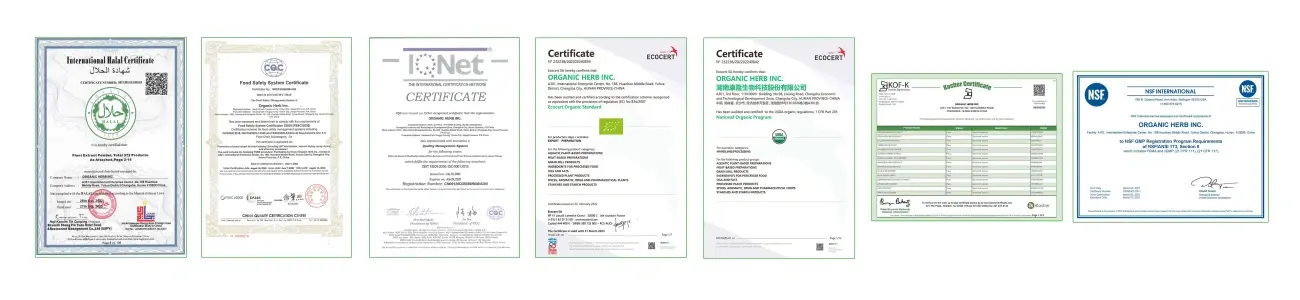
How to Buy Reishi Mushroom Extract: Sourcing and Procurement Best Practices
Identifying Verified Suppliers
Finding trustworthy suppliers involves doing research through a number of different platforms. Online business-to-business (B2B) sites are good for the first round of screening, but talking to manufacturers directly gives you a better idea of their production skills and quality control procedures. The fact that OHI is a public company (Stock Number: 872213) makes things clearer, so procurement teams can check for financial security and operating honesty.
Assessing Supplier Credentials
Verification steps include:
- Certification Review: Use third-party sources to make sure that the current NSF GMP, Organic, and ISO certificates are still valid.
- Audit Reports: Ask for recent audit reports that go into depth about quality control measures and facility checks.
- Sample Testing: Have samples analyzed by a separate lab to make sure they meet the stated standards.
- References: Talk to current clients to find out how reliable you are, how quickly you respond to messages, and how well you can solve problems.
Negotiation and Contract Terms
Effective negotiation balances cost-effectiveness and quality guarantee. Key considerations include:
- Pricing Transparency: Know what factors affect prices, like the way the polysaccharides are extracted and the approval fees.
- MOQ Flexibility: OHI's 25 kg minimum order size allows for test runs and the development of new products.
- Lead Times: Standard lead times of 10 days allow for flexible production plans and lower the cost of keeping supplies on hand.
- Payment Terms: Come up with payment plans that work for everyone, protect everyone, and make managing cash flow easier.
Logistics and Storage
Keeping extracts (Best Reishi Mushroom Extract) in the right way keeps their strength and increases their shelf life. To keep reishi powder from getting contaminated by microbes and water, it should be kept in cool, dry places with managed temperature. OHI's 25 kg drum packaging keeps things stable during foreign shipping and makes keeping track of goods easier. When dealing with FDA rules for food ingredients, it's especially important to know about customs rules, import taxes, and paperwork needs to avoid delays and fines.
Strategic relationships with suppliers who value openness in the supply chain and offer specialized account management improve the reliability of long-term purchases and help businesses reach their growth goals.
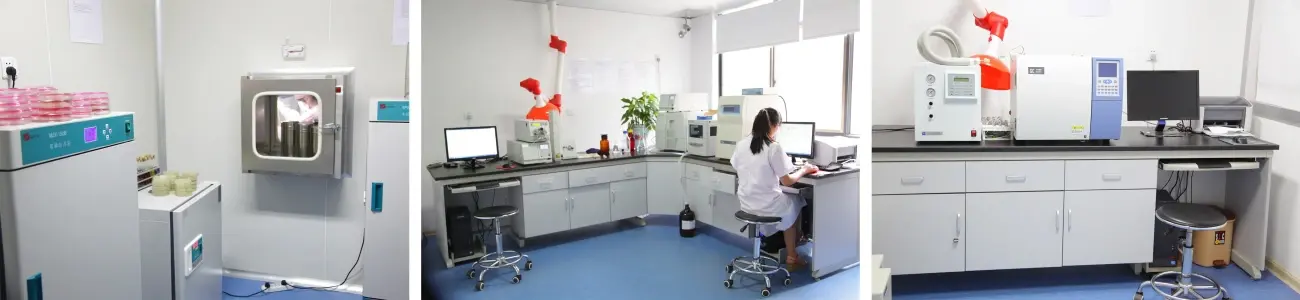
Conclusion
To choose the Best Reishi Mushroom Extract, you need to weigh the technical details, the trustworthiness of the certification, and the dependability of the seller. Water-extracted reishi powder from Ganoderma lucidum fruiting bodies is standardized to 40% polysaccharides with a 10:1 concentration ratio. It meets strict B2B standards in the cosmetics, functional foods, and nutraceuticals industries. Partnering with qualified producers like OHI is good for procurement pros. Their GAP-certified cultivation, cGMP production standards, and US-based distribution networks make sure that quality is always stable and deliveries are made on time. By putting transparency with suppliers, expert help, and detailed paperwork at the top of the list, decision-makers build strong supply chains that improve product formulations and make companies more competitive.
FAQ
1. How do I distinguish high-grade reishi extracts from lower-quality alternatives?
High-quality extracts list the amount of polysaccharides they contain (usually between 30 and 50%), the extraction ratios (10:1 or higher), and offer Certificates of Analysis from labs that have been approved by the government. Third-party testing, organic approval, and GMP compliance are all ways to make sure that the purity of the ingredients is maintained. Products of lower quality often don't come with clear instructions, use mycelium instead of fruiting bodies, or have fillers that lower the amounts of active compounds.
2. Should I choose tincture or powder format for my production needs?
Powder forms are better for scaling up, are easier to work with, and can be used with automatic tools for encapsulation and blending. Tinctures are good for specific uses that need fast absorption or liquid delivery, but they need to be handled in a certain way. Powdered ingredients are more cost-effective and easier to use for most business-to-business uses, such as capsules, tablets, and healthy drinks.
3. How can I verify organic certification and product purity?
Ask for up-to-date organic certificates from reputable organizations like the USDA Organic, the EU Organic, or similar regional authorities. Check the trustworthiness of certificate numbers by comparing them to databases of certificates. Ask for Certificates of Analysis that are unique to each batch and list the number of microbes, heavy metals, pesticide residues, and active ingredient concentrations. This will make sure that you follow the rules of the target market.
Partner with OHI: Your Trusted Reishi Mushroom Extract Supplier
OHI is one of the best companies that makes the best reishi mushroom extract. They use certified organic, NSF GMP-compliant products and make sure the quality is very high. They also use sustainable farming methods. Our water-extracted reishi powder, which is made from only fruiting bodies and contains 40% polysaccharides, can be used for a wide range of preparation needs and is guaranteed to be consistent and follow all regulations. Our four stores in the US make sure that orders are filled quickly, and our experienced research and development team gives you expert advice that is specific to your product development goals. Email info@organic-herb.com right now to get your free sample and personalized price. Find out how OHI's dedication to quality and new ideas can help your recipes do better and help you succeed in the market.
References
1. Wachtel-Galor, S., Yuen, J., Buswell, J. A., & Benzie, I. F. F. (2011). Ganoderma lucidum (Lingzhi or Reishi): A Medicinal Mushroom. In Herbal Medicine: Biomolecular and Clinical Aspects (2nd ed.). CRC Press.
2. Boh, B., Berovic, M., Zhang, J., & Zhi-Bin, L. (2007). Ganoderma lucidum and its Pharmaceutically Active Compounds. Biotechnology Annual Review, 13, 265-301.
3. Sanodiya, B. S., Thakur, G. S., Baghel, R. K., Prasad, G. B., & Bisen, P. S. (2009). Ganoderma lucidum: A Potent Pharmacological Macrofungus. Current Pharmaceutical Biotechnology, 10(8), 717-742.
4. Bishop, K. S., Kao, C. H., Xu, Y., Glucina, M. P., Paterson, R. R., & Ferguson, L. R. (2015). From 2000 Years of Ganoderma lucidum to Recent Developments in Nutraceuticals. Phytochemistry, 114, 56-65.
5. Paterson, R. R. M. (2006). Ganoderma – A Therapeutic Fungal Biofactory. Phytochemistry, 67(18), 1985-2001.
6. Hapuarachchi, K. K., Wen, T. C., Deng, C. Y., Kang, J. C., & Hyde, K. D. (2015). Mycosphere Essay 1: Taxonomic Confusion in the Ganoderma lucidum Species Complex. Mycosphere, 6(5), 542-559.
- 1
- 12
- 13
- 14
- 15
- 16
- 19