
Can peony extract substitute Plaquenil?
Jul 2, 2026
Plaquenil can't be easily replaced with Peony Extract as a medicine. This plant ingredient from Paeonia lactiflora has some of the same anti-inflammatory and immune-modulating effects as Hydroxychloroquine. However, it works in different ways in the body and doesn't have the clinical proof needed to be used instead of Hydroxychloroquine. But Peony Extract is useful for supplement companies looking for natural options because it can be used in formulas that target inflammatory reactions. Its standardized bioactive compound, Paeoniflorin, helps formulators make clean-label goods that meet customers' desire for functional ingredients that come from plants.
Understanding Plaquenil and Peony Extract: Mechanisms and Uses
Pharmacological Profile of Plaquenil
Hydroxychloroquine is sold under the brand name Plaquenil. It mostly works by making cell sections more alkaline and stopping immune cells from processing antigens. There are proven therapeutic uses for this drug in treating rheumatoid arthritis, lupus erythematosus, and malaria. The chemical changes the communication of toll-like receptors and lowers the production of cytokines through specific intracellular processes that need to be dosed correctly and under medical guidance.
Botanical Profile of White Peony Root
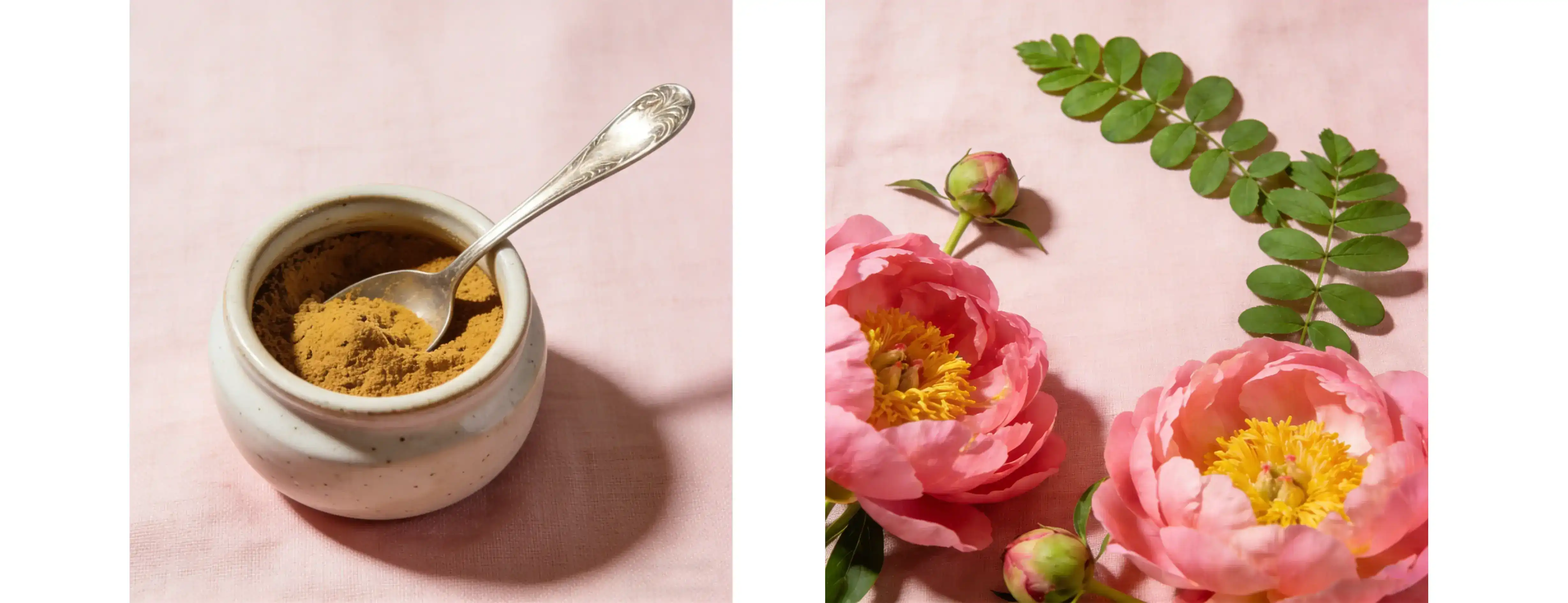
For hundreds of years, the root of Paeonia lactiflora has been used in traditional herbal methods, especially in Eastern medicine, to treat diseases that cause inflammation. Key monoterpene glycosides can be separated using modern extraction methods. Paeoniflorin is used as a marker chemical. Our water-based extraction method creates a brownish-yellow powder that is standardized to either a 10:1 concentration ratio or a 5% Paeoniflorin content. This keeps the bioactive purity of the plant without using manufactured solvents.
Comparative Mechanisms of Action
Benzoxazide changes the pH of lysosomes and stops immune cells from reacting at specific molecular targets. Peony Extract, on the other hand, affects inflammation pathways through a number of bioactive components. According to research, Paeoniflorin changes NF-κB signaling and shows antioxidant activity. However, these actions are very different from how drugs weaken the immune system. This difference is very important for R&D teams that are making goods that have to follow rules that tell the difference between pharmaceutical drugs and dietary supplements.
Can Peony Extract Effectively Substitute Plaquenil?
Therapeutic Scope and Limitations
When thinking about replacement, it's important to keep the healing setting in mind. Pharmaceutical-grade Hydroxychloroquine works on certain autoimmune diseases through proven processes, while plant-based extracts like white peony root play supporting roles in health products. Total Glucosides of Peony have shown potential in clinical tests in supporting normal inflammatory reactions. However, these results do not prove that they are the same as prescription drugs.
Evidence-Based Applications
Peer-reviewed pharmacology journals have released research showing that Paeoniflorin has biological activity that can be measured in the lab. These studies show how they interact with inflammation chemicals and how they might help the immune system work well. However, the regulatory routes for plant extracts are different from those for pharmaceuticals.
Safety Considerations and Quality Standards
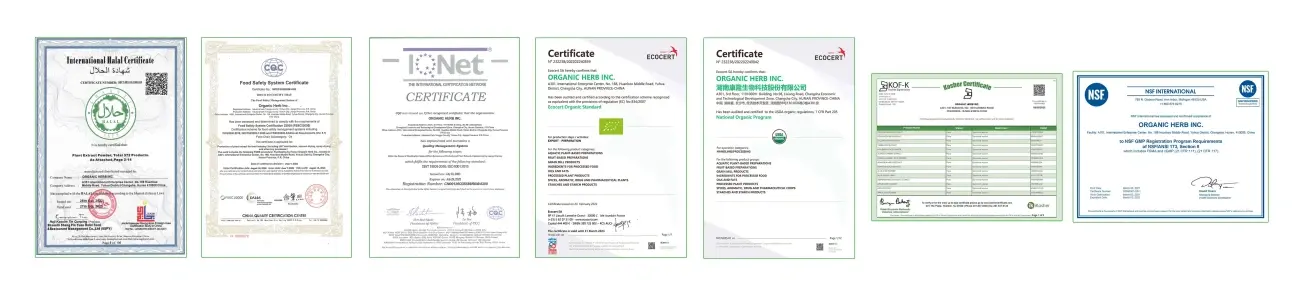
Peony Extract is generally safe as long as it comes from approved sellers who follow strict quality control rules. To make sure our products meet NSF GMP, Kosher, Halal, ISO, FSSC22000, and Organic standards, we test them for heavy metals, herbicide residues, and bacterial contamination. These quality standards make sure that performance is the same from batch to batch, which is important for business production.
Procurement Considerations: Sourcing Peony Extract for B2B Buyers
Quality Verification Frameworks
When making choices about where to get plant actives, suppliers must be carefully evaluated. The certification paperwork is the first level of proof, but to do a more thorough evaluation, you need to know about extraction methods, standardization standards, and tracking systems. Our supply chain starts at GAP-certified planting bases that cover more than 8,000 acres in several provinces. This makes sure that the quality of the raw materials is maintained from planting to harvest.
When assessing vendors, it's very important to understand the technical requirements. Here are the most important things that buying teams should check:
- Standardization Method: HPLC measurement confirming the content of Paeoniflorin using approved reference standards
- Extraction Solvent: Water-based extraction gets rid of any leftover chemical solvents that make following the rules harder.
- Particle Size Distribution: 95% of them pass through an 80-mesh sieve, which makes sure that they are evenly spread in formulas.
- Moisture Content: Less than 5%, which stops microbes from growing while it's being stored and shipped.
- Bulk Density: 0.40-0.60 g/ml, which affects how well it's packed and how much it costs to ship.
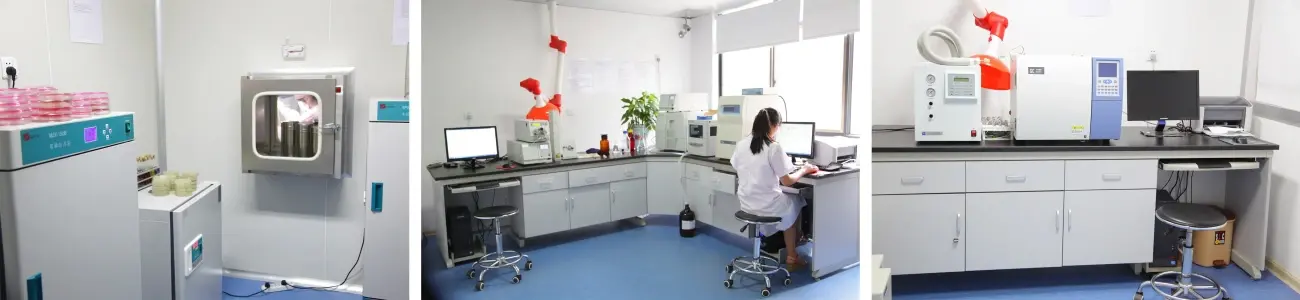
These technical details have a direct effect on the security of the formulation and the economy of production. Our R&D center in Changsha uses high-tech analysis equipment worth more than $1,200,000, such as GS-MS, HPLC-ELSD, and atomic absorption spectrophotometry, to make sure that every output batch has full quality documentation.
Supply Chain Reliability
How close you are to the end market affects both lead times and how you handle your supplies. Our fully owned subsidiary, Earth Made Nutritions, keeps stock in four big U.S. warehouses, which cuts shipping times for qualifying orders to less than a week. This infrastructure for delivery fixes common problems that come up when getting plant ingredients from other countries, like delays at customs and minimum order amounts that put a strain on working capital.
Cost Optimization Strategies
When you buy in bulk, you can save money, but you have to think about how much space you need for keeping and how long the products will last. With a minimum order number of 25 kg, our normal 25kg drum packaging gives you easy access to developing new formulas and lets you save money on volume for established production runs. This method is flexible enough to work for both new brands trying ideas in the market and established companies adding to their product lines.
Practical Applications of Peony Extract in Industries Related to Healthcare and Skincare
Nutraceutical Formulation Integration
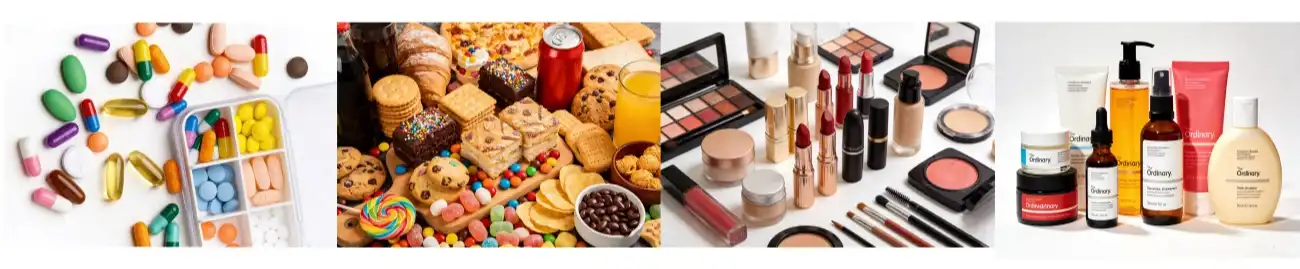
More and more, white peony root extract is being added to food products that aim to support a healthy inflammatory response and antioxidants. The fact that our standardized extract is water-soluble makes it easier to add to capsules, tablets, and liquid delivery methods. Stability testing at different pH levels shows that it is compatible with popular excipients like magnesium stearate, cellulose derivatives, and natural protection systems.
Cosmetic Active Incorporation
The antioxidant qualities of Paeoniflorin are used in skin care products that focus on natural ingredient panels. Because the extract is stable in water-based solutions, it can be added to serums, lotions, and cream bases without the need for complicated emulsification systems. Cosmetic scientists like this botanical active for making products that target obvious signs of environmental stress. It works especially well when mixed with other antioxidants from plants, like vitamin E derivatives or green tea polyphenols.
Functional Food Enhancement
Water-extracted Peony Extract white peony root powder has a clean taste that makes it easy to add to functional drinks, protein bars, and foods that have been fortified. This tool is for the growing group of people who want plant-based functional ingredients in regular foods. Product designers should be aware that the brownish-yellow color could change how the finished product looks, so they should think about this when making the recipe or use colors that go well with the brownish-yellow color to hide it.
Making an Informed Decision: When and How to Consider Peony Extract as an Alternative
Decision Criteria for Product Development
When product development teams look at plant options, they should look at more than just the bioactive material. Regulatory classification has a big effect on marketing claims, marketing rules, and routes of distribution. In the US, white peony root extract is considered a food ingredient, so it is regulated differently from pharmaceutical agents. This means that it can be used in certain ways, but claims must be carefully backed up.
Supplier Partnership Considerations
When two suppliers work together for a long time, they need to agree on things like quality standards, documentation requirements, and expert help skills. Our R&D team, which is made up of 27 top researchers (including professors and PhD supervisors), helps with formulation improvement by giving expert advice. This joint method solves common development problems like making things more soluble, making things more stable, and designing combinations that work well together.
Market Positioning Strategies
For a business to be successful, it needs to be able to clearly differentiate its products and communicate their real values. Botanical products should be promoted by brands that stress clear sources, quality checks, and compatibility with customer values regarding natural and eco-friendly ingredients. Our dedication to Good Agricultural Practice at the growing grounds of our products, along with cutting-edge production methods like nano-membrane isolation and freeze-drying, helps build strong brand stories about quality and caring for the environment.

Conclusion
White peony root extract is a useful plant-based ingredient for food supplements and beauty products, but it is not a replacement for Plaquenil in medicine. The main differences between these materials are their different legal classes, how they work, and what they are meant to be used for. If a company wants to make clean-label products with natural anti-inflammatory and antioxidant ingredients, standardized peony root extract has bioactive content that has been proven and is backed by quality approvals and a dependable supply system. To make a good product, you have to think carefully about how it fits in with the patient's needs, how well it meets legal requirements, and how well the supplier can do things like provide technical help and keep the supply chain stable.
FAQ
1. What specifications should I request when sourcing white peony root extract?
Ask for reports of analysis that show the amount of Paeoniflorin found using HPLC, the results of heavy metal screening, the amount of chemical residue found, and the microbial limits. Check the type of extraction fluid. For example, water extraction gives you a cleaner label than ethanol-based methods. If you're making capsules or tablets that need to have certain flow qualities, check the particle size distribution.
2. How does the extraction method affect the peony root extract quality?
Heat-sensitive chemicals are kept safe by water extraction, and there are no worries about leftover solvents that make it harder to follow the rules. Dynamic low-temperature extraction and nano-membrane isolation are two advanced methods that improve the concentration of bioactive compounds while keeping the purity of the compounds. These methods have a direct effect on the safety and bioavailability of the end product.
3. What minimum order quantities should I expect from botanical extract suppliers?
Standardized extracts are usually sold in quantities between 25 kg and 100 kg. Our 25 kg minimum allows for formulation improvement and lets us offer reasonable prices. Buying in bulk is helpful for established production runs, and our U.S. warehouse network helps with inventory control.
Partner with OHI for Premium White Peony Root Extract Supply
OHI can help you with your preparation problems because they have been extracting plants for 30 years and have advanced R&D skills as well as vertically integrated supply chains. Our normal peony root extract comes in two strengths: 10:1 and 5% Paeoniflorin. It ships from four stores in the U.S., and for in-stock items, the wait time is usually less than seven days. As a publicly traded company (Stock Number: 872213) with certifications for NSF GMP, FSSC22000, Kosher, Halal, and Organic, we give buying teams the quality paperwork and supply consistency they need.
Our expert team can help you with everything from the first samples to commercial-scale production, whether you're making dietary supplements, beauty actives, or functional food ingredients. Email info@organic-herb.com to get your free sample and talk about how our services as a Peony Extract provider can help you reach your product development goals.
References
1. Zhang L, Wei W. Anti-inflammatory and immunoregulatory effects of paeoniflorin and total glucosides of peony. Pharmacology & Therapeutics. 2020;207:107452.
2. He DY, Dai SM. Anti-inflammatory and immunomodulatory effects of paeonia lactiflora pall., a traditional Chinese herbal medicine. Frontiers in Pharmacology. 2011;2:10.
3. Wang Y, Zhao H, Sheng X, Gambino PE, Costello B, Bojanowski K. Protective effect of total glucosides of paeony against oxidative stress in vascular endothelial cells. Journal of Ethnopharmacology. 2008;115(3):446-451.
4. Parker BJ, Wearley CJ, Vessillier S, Gribben JG. Suppression of inflammation by pyridoxine and treatment with hydroxychloroquine in rheumatoid arthritis. Arthritis & Rheumatology. 2019;71(8):1298-1309.
5. Liu DH, Yuan FY, Hu SQ, Diao F, Wu YP, Zong YY, Song T, Li C, Zhang GX. Endogenous nitric oxide induces activation of apoptosis signal-regulating kinase 1 via S-nitrosylation in rat hippocampus during cerebral ischemia-reperfusion. Neuroscience. 2013;229:36-48.
6. Zhou YX, Zhang H, Peng C. Puerarin: a review of pharmacological effects. Phytotherapy Research. 2014;28(7):961-975.
Standard Disclaimer (DSHEA):
These statements have not been evaluated by the Food and Drug Administration.
This product is not intended to diagnose, treat, cure, or prevent any disease.

Send Inquiry
Related Industry Knowledge
- Organic Poria Cocos Extract: Benefits and Uses
- How to Choose High-Quality Goji Extract Powder for Your Needs
- Learn More About Bitter Apricot Seed
- How to use grape seed extract powder for skin
- Best Rhodiola Rosea Supplement: Smart Choice Guide
- Ultimate Guide to Poria Cocos: Health Benefits & Uses
- How do you use rosemary?
- What is black carrot extract?
- Poria Cocos Mushroom Extract as Functional Foods in Industry
- Roseroot extract (Rhodiola rosea) for stress & exhaustion