
Exploring the Unique Properties of Maitake Mushroom Extract Powder
Jul 6, 2026
Maitake Mushroom Extract Powder is a complex functional ingredient made from Grifola frondosa using precision water extraction to concentrate bioactive polysaccharides, notably beta-glucans, to prescribed amounts. This extract solves commercial issues such as unpredictable active ingredient concentrations, limited bioavailability owing to indigestible chitinous cell walls, and poor formulation solubility, unlike raw mushroom biomass. Understanding these unique qualities helps R&D directors and formulation managers strategically obtain high-purity botanical ingredients that promote product distinctiveness and fulfill clean-label requirements.
Understanding Maitake Mushroom Extract Powder
What Sets This Extract Apart from Raw Mushroom Forms
Multi-stage water extraction breaks down complex chitinous structures to turn Grifola frondosa fruiting bodies into pure extract powder. It releases and concentrates bioactive chemicals from cellular matrices, which grinding and drying cannot do. Organic Herb Inc. uses dynamic low-temperature extraction and nano-membrane isolation to preserve heat-sensitive polysaccharides' structural integrity while achieving 10:1 concentration ratios or 30% standardized polysaccharide content.
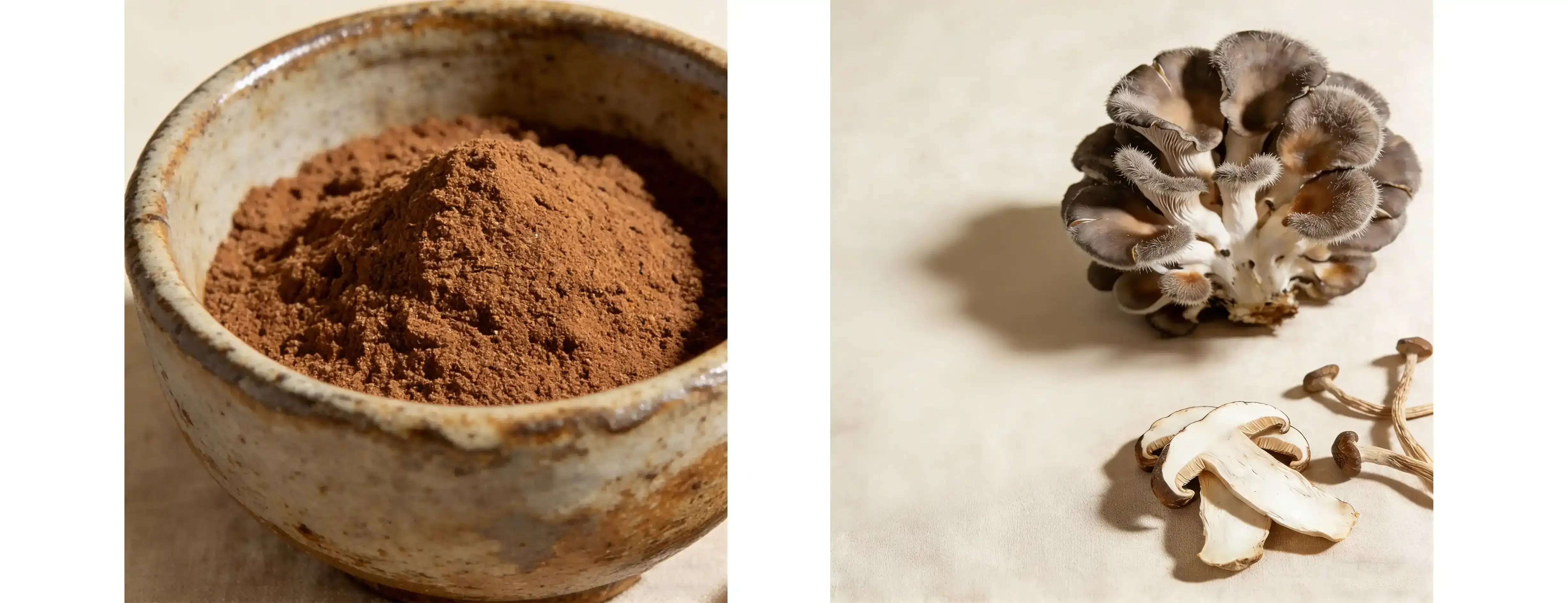
The brown powder's homogenous particle distribution and steady solubility solve a major problem for functional beverage and encapsulated supplement formulators. Our extract provides bioavailable actives that integrate effortlessly into manufacturing processes without sacrificing formulation stability, unlike whole mushroom powder, which includes 60-70% indigestible fiber.
Core Bioactive Components and Their Industrial Relevance
Beta-1,3/1,6-D-glucans, especially Grifola frondosa's D-fraction, with molecular weights between 1,000 and 2,000 kDa, are the main active ingredients. A peer-reviewed study shows immune-modulating characteristics in proteoglycan complexes, bound polysaccharides, and proteins. HPLC-ELSD analysis at OHI's CGMP-certified facility verifies beta-glucan content for batch-to-batch consistency required by procurement teams for regulatory compliance.
The extract includes concentrated ergosterol, phenolic chemicals, and glycoproteins that contribute to ORAC-measured antioxidant activity beyond polysaccharides. Secondary metabolites improve the ingredient's usefulness in sports nutrition formulas that regulate oxidative stress and cosmetic actives that mend cells. The water-based extraction solvent profile avoids residual organic solvents that complicate ingredient declarations and consumer concerns to support clean labelling.
Scientifically Documented Functional Properties
D-fraction polysaccharides modulate immune system-balancing cytokine production via interacting with macrophage receptors, according to immunopharmacology studies. These results may help nutraceutical firms differentiate in the immune support area, which is growing in the U.S., according to SPINS retail statistics.
In controlled studies, polysaccharides interact with glucose metabolism pathways and lipid profiles in weight management applications. This study helps functional food makers build metabolic wellness products. Multiple analytical approaches, including DPPH radical scavenging tests, verify the antioxidant capability, which supports anti-aging cosmetic applications where oxidative damage mitigation drives consumer purchases.
Beta-glucan fractions have been studied as adjuvant dietary treatments in oncology. We avoid therapeutic claims, yet this literature creates scientific credibility that boosts brand authority when presented via educational marketing materials.
How to Use Maitake Mushroom Extract Powder in B2B Applications
Dosage Guidelines and Formulation Standards
Based on application category and polysaccharide administration, industry formulations include 300-1,500 mg per serving. Research procedures support 500 mg standardized to 30% polysaccharides in nutraceutical capsules, delivering 150 mg of active beta-glucans per dosage. Optimising solubility in functional beverages frequently involves adding dispersion agents or using our nano-particle processing options in bespoke production.
Food technologists manufacturing fortified goods must consider heat stability. Our study shows polysaccharide retention over 92% at 85°C for 30 minutes, allowing integration into pasteurized drinks or baked items without potency loss. This stability profile helps product developers balance functionality and processing, and similar thermal characteristics apply to Grifola Frondosa Extract when used in heat-treated applications, ensuring consistent beta-glucan delivery across different production methods.
To ensure quality, methods should include minimum polysaccharide content, heavy metal limitations (≤10 ppm total, ≤2 ppm lead), microbiological parameters, and pesticide residue testing to USP or Ph.Eur standards. standards. Our FSSC22000 accreditation embeds these controls in production processes rather than in completed product testing, reducing supply chain risk for procurement managers.
Product Format Considerations for Production Integration
Flexibility and convenience are traded off when comparing powder and pre-encapsulated solutions. Bulk powder purchase allows bespoke mix ratios, customized delivery system creation, and vertical integration to optimize cost. This method works for producers with encapsulation lines or those creating special functional food matrices that need precision dosage.
Contract manufacturers with strong particle control requirements choose pre-encapsulated forms because they eliminate handling and dust exposure. Labor savings and decreased validation load must be considered against the 15-25% cost premium over bulk powder. Our private label services fill semi-finished capsules to your brand requirements at reasonable per-unit costs.
Cross-Industry Application Examples
Standardized extracts are added to therapeutic immune support meal formulations by pharmaceutical nutrition departments. The combination of pharmacopeia-grade quality requirements and verified bioactivity makes nutrition-medical intervention products compliant.
Beta-glucans' moisturizing capabilities complement active ingredient delivery mechanisms in anti-aging serums, where cosmetic chemists use the extract's antioxidant and polysaccharide properties. Without solubilizers, our water-extracted powder dissolves well in glycerin-based vehicles and is stable in cosmetic preservation systems.
Sports nutrition firms use the extract with adaptogens or other botanical actives in pre-workout or recovery formulas for metabolic assistance. Our balanced flavor profile from low-temperature processing minimizes earthy or bitter flavors that degrade ready-to-drink taste.
Comparing Maitake Mushroom Extract Powder with Other Market Options
Distinguishing Characteristics Versus Alternative Medicinal Mushrooms
Grifola frondosa's beta-glucan structure and metabolic and immunological studies distinguish it from Reishi (Ganoderma lucidum) extracts, which concentrate triterpenes and stress adaptation. Purchase choices should match extract selection with desired product positioning: Reishi matches relaxation and longevity formulations, while Maitake supports active immune support and metabolic wellbeing.
Lion's Mane (Hericium erinaceus) targets cognitive function with erinacine and hericenone chemicals, a niche market. Betulinic acid and melanin complexes provide chaga (Inonotus obliquus) antioxidant activity. Understanding these differential points helps formulators create synergistic mushroom blends or choose evidence-based single-ingredient solutions.
Organic Versus Conventional Sourcing Implications
Organic Maitake powder costs 20–35% more than conventional grades due to cultivation expenses, certification maintenance, and market demand. Consumer research repeatedly shows a willingness to pay more for organic supplements, and USDA Organic certification protects label claims.
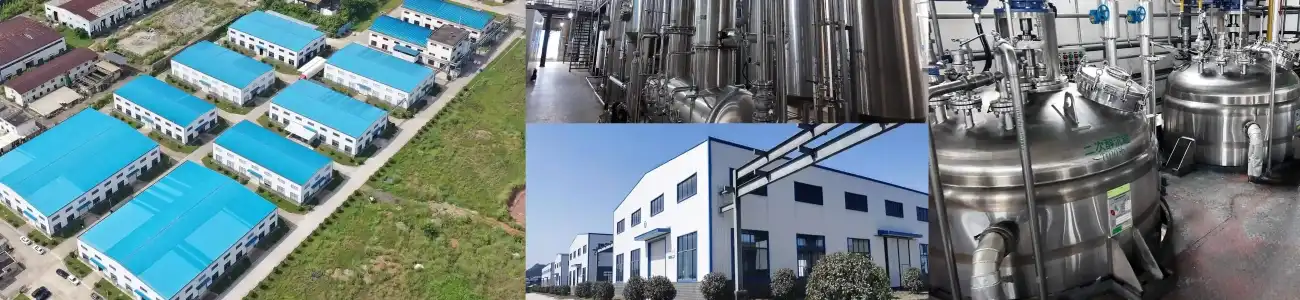
Our GAP-standard agricultural bases in Jiangxi Province provide organic and conventional production streams, allowing customers to choose grade levels that match brand positioning and pricing ranges. Active ingredient content quality standards are the same; agricultural input limits and certification paperwork differ. Procurement managers for natural channel merchants typically want organic certification for distribution acceptability, making this a strategic rather than technical choice.
Extract Concentration Versus Whole Mushroom Economics
Standardised extracts cost $80-180/kg, depending on concentration ratio and polysaccharide specification, whereas whole mushroom powder costs $15-30/kg. This apparent cost difference is deceptive when active ingredient delivery is considered. Processing expenses increase the base material investment for a 10:1 extract, which takes 10 kg of raw material to make 1 kilogram of powder.
To provide 150 mg of beta-glucans, 500 mg of 30% standardized extract is needed, against 2,000-2,500 mg of whole mushroom powder with varied bioavailability. The extract allows smaller capsules, lower per-serving material costs, and constant potency, improving production efficiency and user pleasure. These factors show why R&D executives request standardized extracts despite greater per-kilogram costs.
Procurement Guide: How to Source Maitake Mushroom Extract Powder for Your Business
Critical Supplier Evaluation Criteria
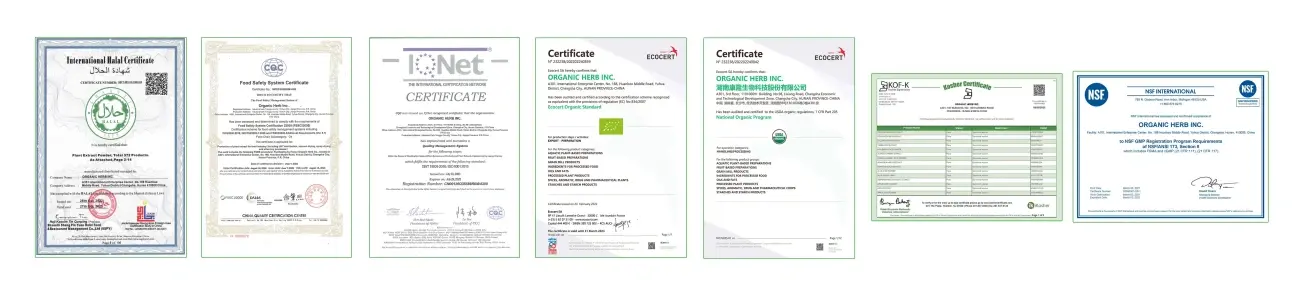
Certification verification underpins supplier due diligence for Maitake Mushroom Extract procurement. Pharmaceutical-grade manufacturing process controls are ensured by GMP certification (ideally NSF-certified for U.S. markets). We have NSF GMP, ISO 9001, FSSC22000, Kosher, and Halal certifications, which simplify client audits and regulatory filings in many regions. Requesting updated certificate copies with scope descriptions clarifies recognized product categories.
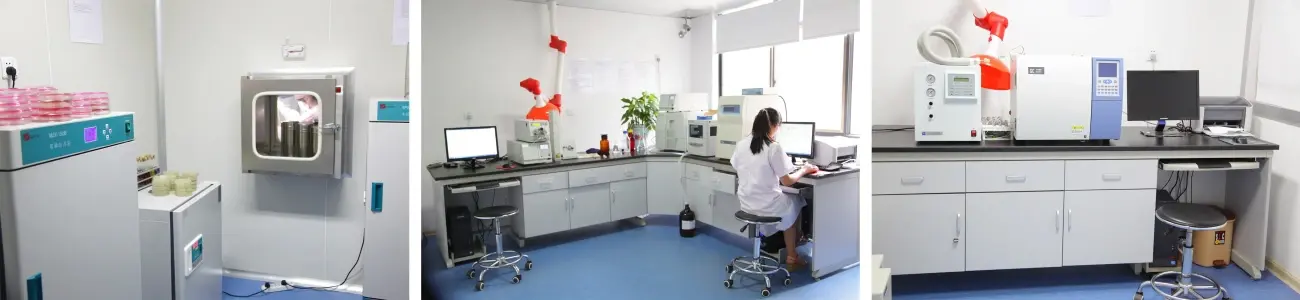
Every production lot should include third-party testing for identity verification (microscopic analysis, DNA barcoding), potency assays (HPLC quantification of polysaccharides), contaminant screening (ICP-MS, GC-MS/LC-MS, microbial limits), and allergen declarations. Suppliers that cannot produce Certificates of Analysis with comprehensive method references have poor quality systems. Our 27 experienced researchers run HPLC-ELSD, GC-MS, and atomic absorption spectroscopy, which ensures data dependability.
Track record evaluation includes supplier longevity, customer references, and regulatory history. Organic Herb Inc.'s public company status (Stock Number: 872213) enables financial reporting and governance frameworks not available to privately owned companies. This organizational structure represents long-term stability for key ingredient agreements.
Optimizing Bulk Purchase Dynamics
We balance production efficiency with accessible entry points for developing companies by starting minimum order quantities at 25 kg for specialty extracts like Maitake powder. Volume discounting often applies at 100-kilogram, 500 kg, and 1,000 kg thresholds, with 5-8% per tier price reductions. Negotiating yearly supply agreements instead of spot purchases may save 3–5% and secure inventory allocation during peak demand.
Our Earth Made Nutritions subsidiary stocks products in four U.S. regional warehouses, delivering them in 2-3 business days vs 4-6 weeks for direct imports. This domestic distribution system solves a major procurement issue: inventory carrying costs against supply continuity risk. Our storage and just-in-time delivery schedules help procurement managers maximize working capital.
Logistics and Regulatory Navigation
Certificates of Analysis, allergy declarations, non-GMO statements, BSE/TSE compliance letters, and country-specific import permissions must be coordinated for international delivery. We regularly provide paperwork packages for FDA Prior Notice filing, EU Novel Food compliance, and other jurisdiction-specific processes in our export department.
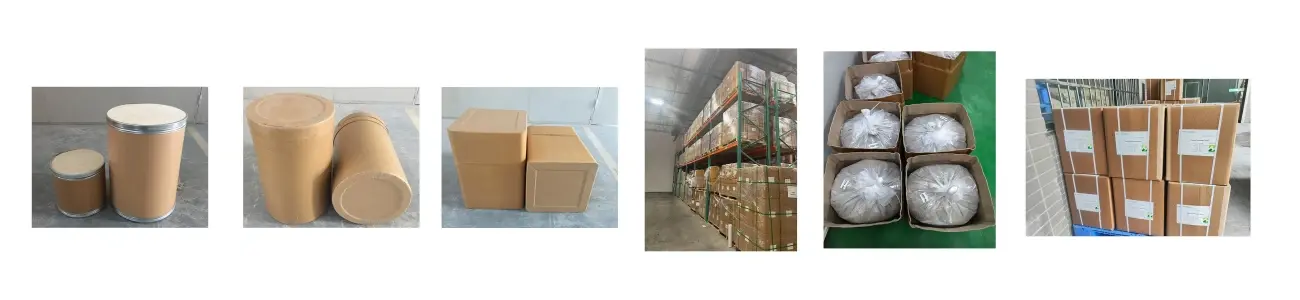
Packaging affects delivery costs and quality. Our 25-kilogram fiber drums with twin polyethylene liners meet ocean freight dimensions and offer a superior moisture barrier. Custom packaging eliminates intermediate repackaging and contamination hazards for private label or unique storage conditions.
Private Label and OEM Partnership Opportunities
Unique formulations and positioning are increasingly important for brand differentiation. Our OEM services include stock extract, private labeling, and bespoke blend formulation using our 400+ ingredient library. Academics and PhDs work with customers to transform market insights into formulation plans supported by stability testing and regulatory compliance.
Distributors and fledgling brands without technical resources benefit from this relationship. From idea to production-ready formula, development takes 6-12 weeks with incremental funding structures that match project milestones. Ingredient suppliers become important partners for brand advancement via such cooperation.
Addressing Product Specifications and Quality Assurance
Standardized Product Parameters
Our Maitake Mushroom Extract Powder, derived from Grifola frondosa fruiting bodies, meets the following specifications:
- Concentration Ratios: Available in 10:1 extract or standardized to 30% polysaccharides measured by UV-spectrophotometry
- Extraction Method: Water-based process preserving beta-glucan integrity while eliminating organic solvent residues
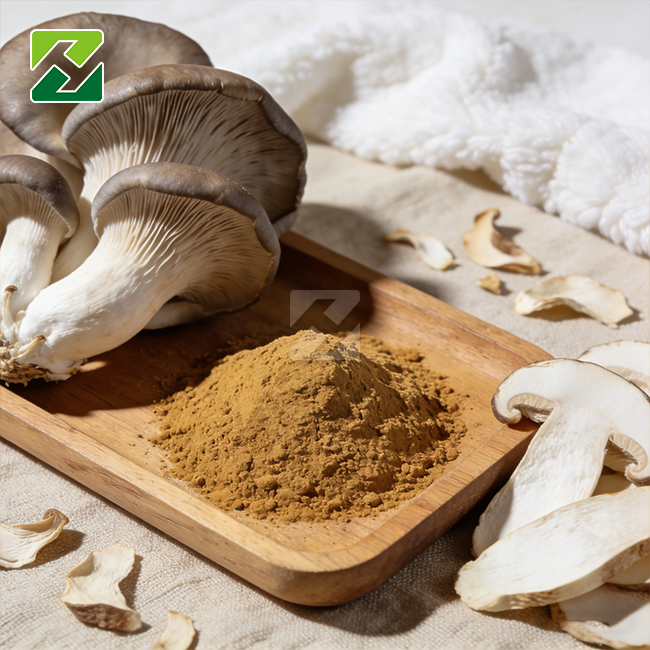
- Physical Characteristics: Fine brown powder with particle size ≤80 mesh, ensuring uniform dispersion in formulations
- Plant Material Source: 100% fruiting body utilization, excluding mycelium or grain substrate materials that dilute active constituent concentrations
These parameters directly address formulator requirements for consistent ingredient performance across production runs. The specification clarity eliminates ambiguity that complicates quality disputes or regulatory documentation.
Practical Procurement Information
Logistics planning benefits from understanding our operational parameters. Standard packaging utilizes 25 kg fiber drums meeting international shipping regulations, though custom packaging configurations accommodate specific handling requirements. The 25 kg minimum order quantity provides accessible trial opportunities for new product development while maintaining production efficiency.
Sample availability removes procurement risk by enabling formulation compatibility testing before commitment. We provide complimentary samples with full analytical documentation, typically shipped within 48 hours of request. Lead times for production orders average seven days for stock specifications, expanding to 14-21 days for custom concentration ratios or specialized testing requirements.
Our comprehensive certification portfolio—spanning NSF GMP, Kosher, Halal, ISO 9001, FSSC22000, and USDA Organic—addresses diverse market access requirements without necessitating supplier multiplication. This consolidated credential set simplifies vendor management while ensuring compliance with religious dietary laws, food safety management systems, and quality management standards.
Storage and Handling Recommendations
Maintaining extract potency throughout shelf life requires attention to environmental factors. Recommended storage conditions specify cool (below 25°C), dry environments (below 60% relative humidity) with protection from direct light exposure. Under these conditions, polysaccharide content remains stable for 24 months from the manufacturing date—a shelf life that supports inventory optimization without excessive turnover pressure.
Hygroscopic properties necessitate resealing opened containers promptly and using moisture barrier packaging for any repackaging operations. Manufacturing environments should maintain particulate control and implement allergen prevention protocols despite the non-allergenic nature of mushroom extracts, as cross-contamination during handling could introduce undeclared allergens.
Conclusion
The unique properties of Maitake Mushroom Extract Powder—concentrated beta-glucan content, documented bioactivity, and versatile formulation characteristics—position this ingredient as a strategic asset for brands competing in immunity support, metabolic wellness, and functional food categories. Procurement success demands attention to supplier credentials, specification clarity, and quality assurance systems that ensure consistency across global supply chains. Organic Herb Inc.'s integrated approach combines GAP-standard cultivation, advanced extraction technology, comprehensive analytical capabilities, and domestic U.S. distribution infrastructure to address the critical pain points facing R&D directors and procurement managers. As consumer demand for evidence-based botanical ingredients continues expanding, partnering with suppliers offering both technical expertise and operational reliability becomes essential to capturing market opportunities while managing regulatory and reputational risks.
Frequently Asked Questions
1. What lead times should we expect for bulk orders?
Stock specifications ship within seven days from our U.S. warehouses, providing rapid fulfillment for urgent production needs. Custom concentration ratios or specialized testing protocols extend lead times to 14-21 days, depending on analytical requirements. Annual supply agreements enable production scheduling aligned with your demand forecasting, ensuring inventory availability during peak seasons. Our four regional U.S. warehouse locations support delivery within 2-3 business days to most destinations, eliminating the extended timelines associated with direct international shipping.
2. How does the extract support immune function in finished products?
The beta-1,3/1,6-D-glucan structures interact with specific immune cell receptors, modulating cytokine production patterns documented in immunopharmacology research. This mechanism enables product positioning around immune system balance—particularly relevant for seasonal wellness formulations or products targeting populations with elevated immune support interest. Formulation at clinically relevant dosages (typically 300-500 mg standardized extract per serving) allows substantiation of structure-function claims compliant with FDA regulations.
3. What regulatory considerations affect imports for U.S. markets?
Grifola frondosa extract qualifies as a dietary ingredient under DSHEA, provided manufacturing follows GMP requirements and product labeling complies with FDA structure-function claim regulations. Our NSF GMP certification and comprehensive documentation packages—including Certificates of Analysis, allergen statements, and non-GMO declarations—streamline FDA Prior Notice filing and customs clearance. Products avoid Novel Food designation complications affecting EU markets, though specific member states may impose additional notification requirements.
Partner with OHI for Premium Maitake Mushroom Extract Powder Supply
Organic Herb Inc. delivers pharmaceutical-grade Grifola frondosa extract meeting the exacting standards of nutraceutical formulators and functional food developers. Our vertical integration—from GAP-certified cultivation bases exceeding 8,000 acres through CGMP manufacturing and U.S. domestic distribution—ensures supply chain reliability unavailable from broker-dependent suppliers. As a Maitake Mushroom Extract Powder manufacturer with public company transparency and multi-jurisdictional certifications, we eliminate the documentation burden and quality uncertainty that complicate global ingredient procurement. Contact our technical team at info@organic-herb.com to discuss custom specifications, request analytical documentation, or arrange complimentary samples. Whether developing proprietary immune support formulations or expanding existing product lines, our R&D collaboration and flexible private labeling services accelerate your time-to-market while maintaining competitive positioning.
References
1. Mayell, M. (2001). "Maitake extracts and their therapeutic potential: A review." Alternative Medicine Review, 6(1), 48-60.
2. Kodama, N., Komuta, K., & Nanba, H. (2002). "Can maitake MD-fraction aid cancer patients?" Alternative Medicine Review, 7(3), 236-239.
3. Konno, S. (2004). "Potential growth inhibitory effect of maitake D-fraction on canine cancer cells." Veterinary Therapeutics, 5(4), 263-271.
4. Wasser, S. P. (2017). "Medicinal mushroom science: Current perspectives, advances, evidence, and challenges." Biomedical Journal, 40(6), 345-353.
5. Zhang, Y., Mills, G. L., & Nair, M. G. (2002). "Cyclooxygenase inhibitory and antioxidant compounds from the mycelia of the edible mushroom Grifola frondosa." Journal of Agricultural and Food Chemistry, 50(26), 7581-7585.
6. Preuss, H. G., Echard, B., Bagchi, D., & Perricone, N. V. (2007). "Maitake mushroom extracts ameliorate progressive hypertension and other chronic metabolic perturbations in aging female rats." International Journal of Medical Sciences, 4(1), 47-52.
Standard Disclaimer (DSHEA):
These statements have not been evaluated by the Food and Drug Administration.
This product is not intended to diagnose, treat, cure, or prevent any disease.

Send Inquiry
Related Industry Knowledge
- Shiitake Mushroom Extract Powder: Properties, Uses, and Recipes
- How is raspberry flavoring made?
- Top 5 Uses of Poria Cocos Extract in 2026
- Reishi Mushroom Skin Benefits: The Ultimate Guide
- Are kidney beans good for weight loss?
- Reishi Extract Guide: Stress Relief & Immunity
- Poria cocos extract in skincare, What is?
- Polyporus Umbellatus Extract Explained: From Raw Material to Final Product
- What is sage used for?
- Which is better, CoQ10 or Omega-3?