
Polyporus extract, powder and capsules for companies
Jun 30, 2026
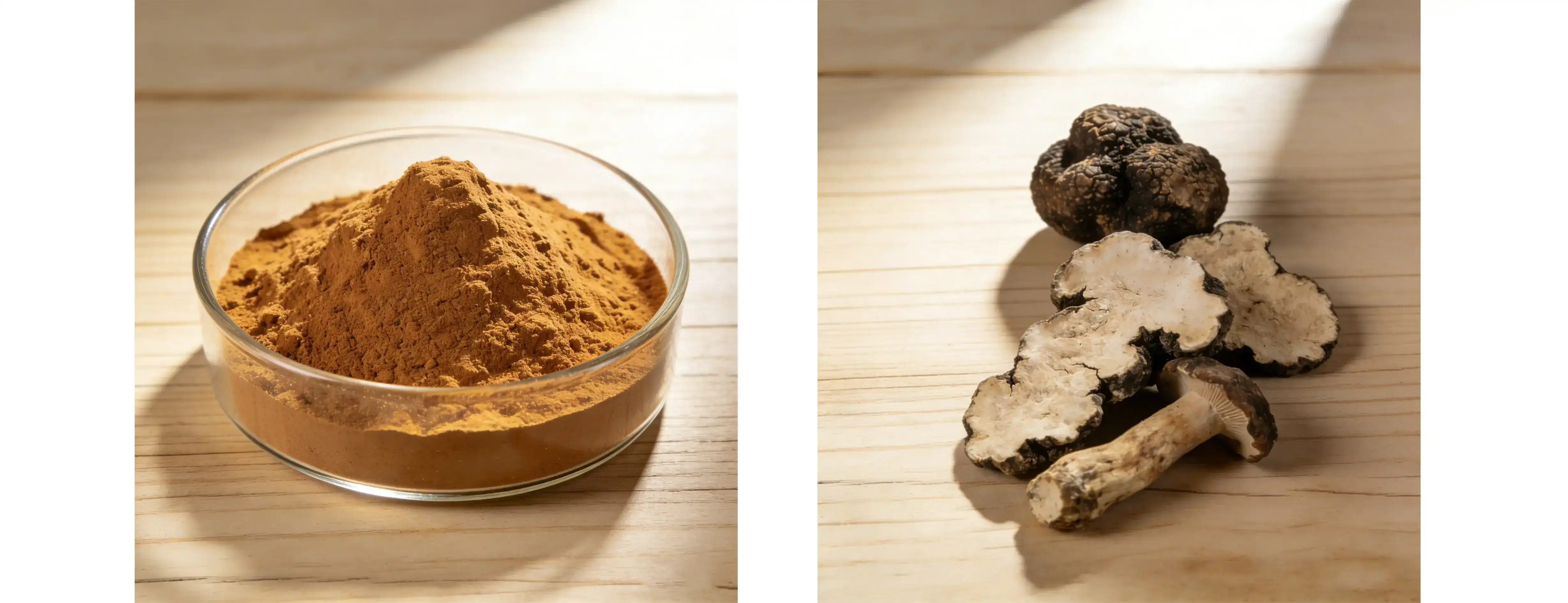
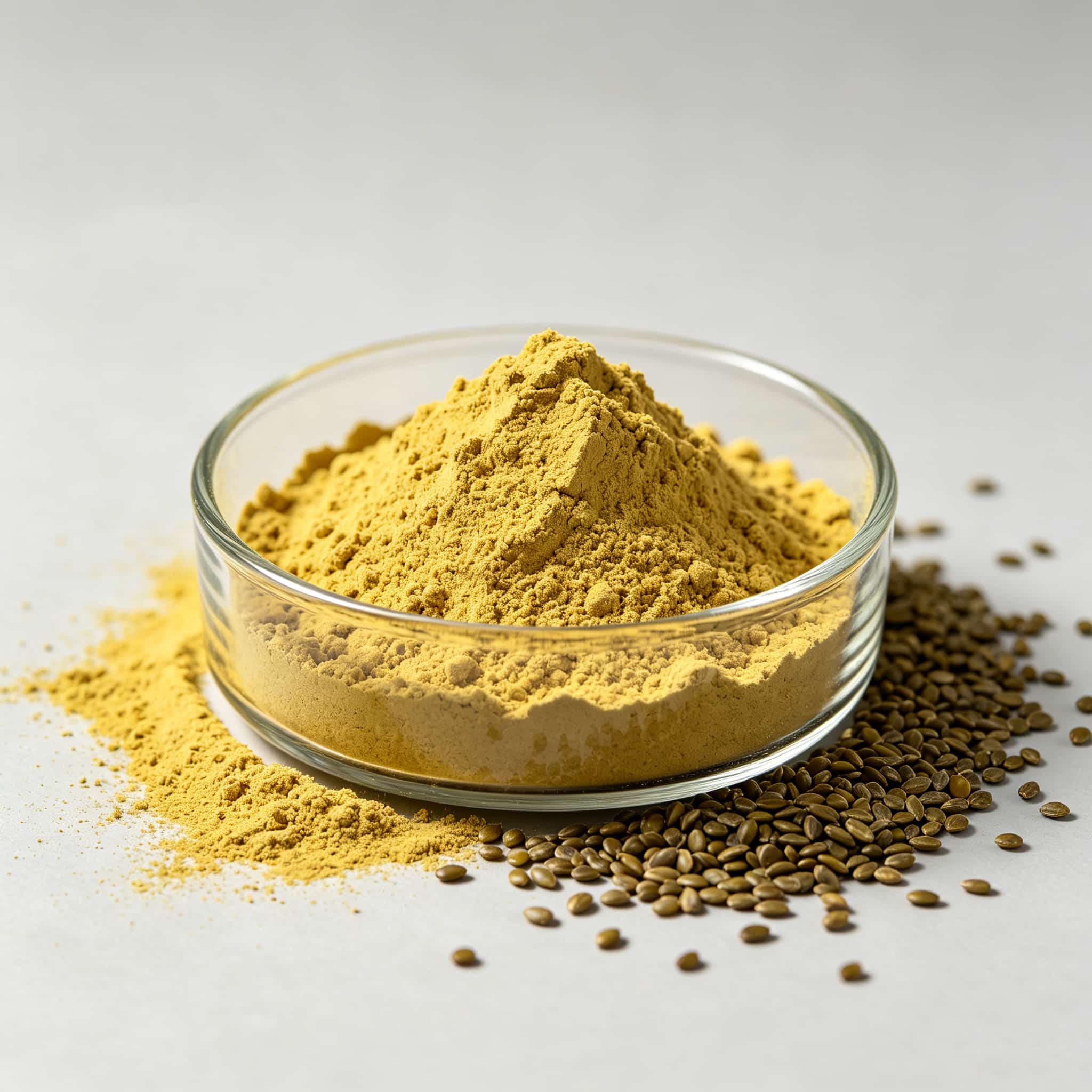
People who make nutraceuticals, cosmetics, and functional foods trust Polyporus Umbellatus Extract as a good plant choice when they need to find functional mushroom ingredients for new products. The growing body of Polyporus umbellatus is where this brownish-yellow powder comes from. It is only removed with water. Consumers who care about their health and want goods with clean labels can find what they need in this product's normal polysaccharide content. Businesses that want natural, effective raw materials can use this ingredient because it blends old knowledge about plants with new needs for creation. It comes in extract (10:1) form and is always 30% carbohydrates.
Understanding Polyporus Umbellatus: Botanical Profile and Active Compounds
Polyporus umbellatus, sometimes called umbrella polypore or zhu ling in traditional Eastern herbalism, grows organically in cold forests where it works together with tree roots to make food. Bioactive polysaccharides found in the growing body have gotten a lot of scientific attention over the last few decades.
Polysaccharide Content and Biological Activity
Polyporus umbellatus is mostly made up of beta-glucans and heteropolysaccharides, which have been shown to have biological effects. Studies that have been published in pharmaceutical journals show that these carbohydrates work with cellular pathways that control oxidative balance and the body's usual reaction to inflammation. Because these chemicals dissolve in water, they work well in food supplement formulations, functional drinks, and encapsulation technologies.
At Organic Herb Inc., we use dynamic low-temperature extraction along with nano-membrane separation to keep these delicate polysaccharides safe during the extraction process. This unique technology keeps the molecular integrity of beta-glucans while standardizing 30% of the polysaccharides that formulation scientists need for uniform performance from batch to batch. Because the concentration ratio is 10:1, each kilogram contains ten kilograms of raw fruiting body material. This means that the product has a lot of bioactivity in a small amount of dose.
Extract Versus Powder: Format Selection for Product Development
Many times, businesses wonder whether concentrated mushroom extract or whole mushroom powder will help them reach their manufacturing goals better. Whole Polyporus powder has all the different parts of a mushroom, like fibers, proteins, and minor minerals. It also has about 1% to 3% carbohydrates. This style works well for goods that focus on natural fiber content and whole-food ingredients.
Focused extracts, like our 30% polysaccharide specification, give you more of the bioactive chemicals you want in smaller dose amounts. This concentration is necessary for capsules that need the most power per unit because of limited space, and for functional drinks that need water-soluble ingredients that won't change the taste or feel of the drink. Directors of R&D like that standardized extracts make clinical studies and validating effectiveness easier than whole-powder compositions, which can be different.
Formulation Applications Across Industry Sectors
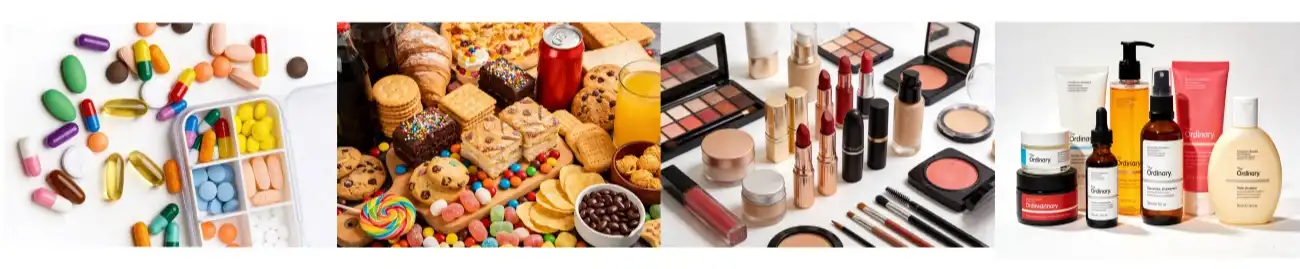
Polyporus Umbellatus Extract can be used in a lot of different types of products, and each type has its own manufacturing issues that buying teams need to think about.
Dietary Supplement Integration
Nutraceutical companies use Polyporus Umbellatus Extract in antioxidant complexes, mixes for kidney health, and immune support products. The polysaccharides that were removed from water mix easily with other plant products, vitamins, and minerals. There are no chemical interactions that would make the mixture less stable. Our brownish-yellow powder is easy to mix with water, so it can be used in softgels, liquid vitamins, and pill matrices.
Formulation managers who work with sports nutrition products like that the extract works well with pre-workout mixes and protein shakes. The neutral flavor profile doesn't mess up taste systems, and the small particle size makes sure that the powder is spread out evenly in mixes. HPLC research can be used by quality control teams to confirm the carbohydrate content, which backs up label claims and ensures compliance with regulations.
Cosmetic Raw Material Applications
Cosmetic scientists are looking into mushroom-derived polysaccharides more and more because they can hold water and form films. Polyporus Umbellatus Extract is used in moisturizers, serums that calm the skin, and protective creams that make natural beauty promises. Because it dissolves in water, it can be added to the watery parts of emulsions, toners, and essences that are famous in skin care markets around the world.
Our pharmaceutical-grade production makes sure that the extract meets the safety standards for cosmetic ingredients. There is a lot of paperwork to back up the INCI listing and international cosmetic laws. Product designers like that the extract comes from a natural source, which fits with what customers want—botanical actives that can replace manufactured polymers and petrochemical products.
Functional Food and Beverage Development
Food scientists who make functional drinks, healthy snacks, and wellness foods like Polyporus Umbellatus Extract because it dissolves in water and can handle normal food processing conditions. The extract keeps the carbohydrate structure even after being heated to temperatures that are common in the beverage industry. It also stays stable across the pH ranges that are found in juice, tea, and dairy-based drinks.
Our FSSC22000 approval meets the needs of food safety management, and the 25kg drum packing makes it easier to batch produce on a large scale. Our technical support services help teams that are making new products. These services include solubility testing, stability studies, and formulation advice that is specific to the product matrix and processing conditions.
Quality Benchmarks and Supplier Evaluation Criteria
When buying plant extracts, procurement workers have to deal with big differences in quality that have a direct effect on how well the products work and how well they follow the rules. Companies can find providers that can provide pharmaceutical-grade consistency by understanding the review factors.
Certification Standards and Traceability
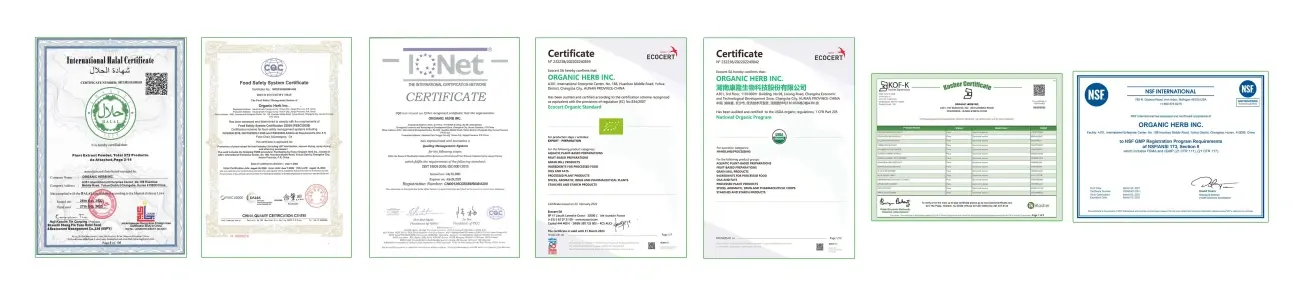
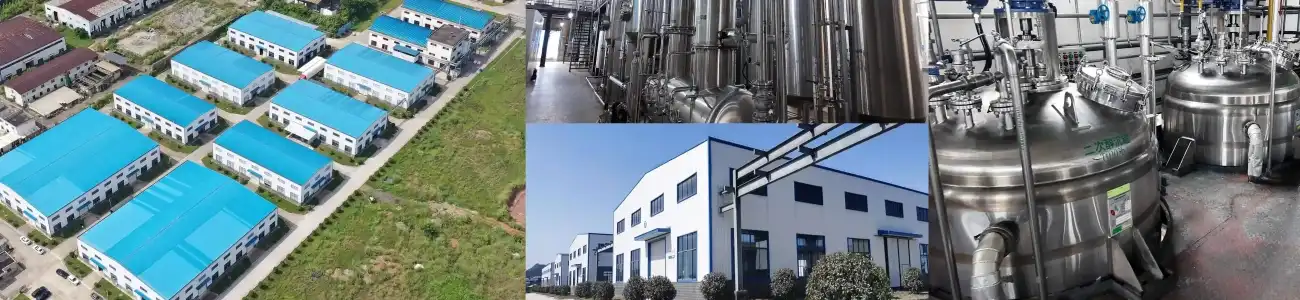
Reputable makers (Polyporus Umbellatus Extract) keep a number of third-party certificates that show they follow international quality standards. Our building has NSF GMP, Kosher, Halal, ISO 9001, and FSSC22000 certifications, which give buyers and marketers the paperwork they need to get into markets around the world. These certificates show that the production process includes methods for analyzing risks, preventing contamination, and keeping track of products.
Traceability goes from growing the plant to selling the finished product. Our GAP-standard planting sites in Jiangxi Province work with contracted farmers to organize farming methods. This makes sure that the sources of raw materials meet organic standards when needed. Before it is released, every production batch goes through a lot of tests, such as name verification, heavy metal screening, pesticide residue analysis, and microbe testing.
Analytical Testing and Specification Verification
Quality assurance teams should ask for Certificates of Analysis that show that the analysis methods used were valid and met the requirements. Comparing the polysaccharide content to reference standards using HPLC or spectrophotometry is needed. Moisture content, ash levels, and particle size distribution are some other quality markers.
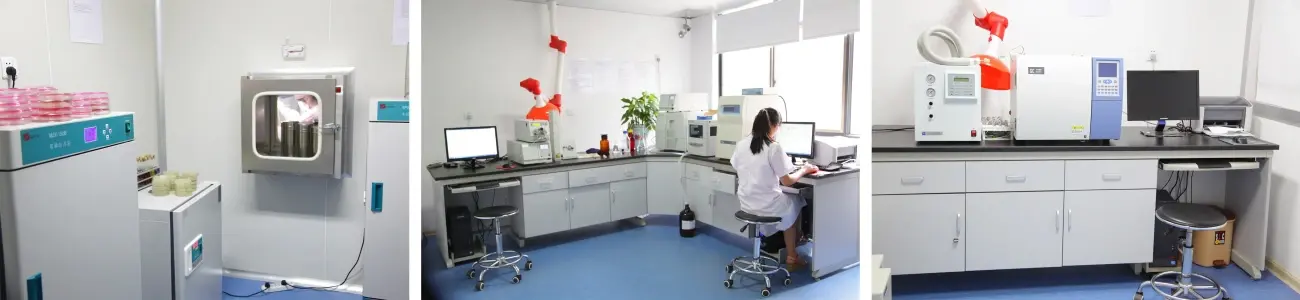
Our R&D center has high-tech equipment like GC-MS, atomic absorption spectrophotometers, HPLC-ELSD, and more. Senior researchers with skills in pharmaceuticals run these machines. This analytical skill helps with the creation of custom specifications when clients need special polysaccharide profiles or extra standardization marks that aren't in our standard product line.
Procurement Logistics and Supply Chain Management
Finding a trusted source of ingredients isn't just about finding good products; buying teams also have to look at how well suppliers can handle inventory, set up operations, and provide customer service.
Inventory Availability and Lead Times
We keep strategic supplies in four U.S. stores, which lets our California subsidiary, Earth Made Nutritions, make orders within the U.S. in 10 days. This local storage gets rid of the delays and problems caused by customs clearance that happen when goods are shipped abroad. Businesses can place orders starting at our 25kg minimum order number, and we offer bulk discounts for bigger commitments.
Technical Support and Custom Development
In addition to standard products, our R&D team can work on custom extraction projects, private blends, and specification changes that are made to fit the needs of each recipe. Our private labeling services and custom packaging choices, which range from small-batch samples to commercial-scale production runs, help companies that are making their own brand-name ingredients.
Formulation chemists, quality experts, and regulatory consultants are on the technical support team. They work with client R&D groups during the whole product development cycle. This partnership method helps businesses deal with legal issues, find the best dosage forms, and shorten the time it takes to bring new formulations containing Polyporus Umbellatus Extract to market.
Sustainable Sourcing and Environmental Responsibility
Our 8,000-acre network of farms uses safe farming methods to grow mushrooms that are of the highest quality while also protecting forest ecosystems. Cooperation with nearby farming groups helps rural areas grow economically, preserving traditional farming knowledge while providing ways for people to make a living. Compared to chemical extraction methods, water extraction leaves less of an impact on the environment because it doesn't use organic solvents in the manufacturing process.
The dedication to sustainability includes eco-friendly packaging materials, industrial tools that use less energy, and efforts to cut down on trash across all activities. Brands that stress corporate social responsibility work best with providers that show measurable environmental responsibility, along with making great products.
Conclusion
To find good Polyporus Umbellatus Extract, you have to look at a lot of factors, such as standardizing the polysaccharides, making sure the production process is legal, checking the results of the analysis, and making sure the supply chain is reliable. Companies can get a competitive edge by working with well-known makers that can provide technical support, paperwork for regulatory compliance, and a stocking system that makes sure products are always available. Polyporus Umbellatus Extract is a key ingredient that can be used in cosmetic and functional food products because more and more people want natural ingredients that are backed by science. Procurement teams should give more weight to sellers who can show they have analytical skills, quality system certifications, and expert help that goes beyond just doing business with them.
FAQ
1. What polysaccharide concentration is optimal for supplement formulations?
The 30% polysaccharide specification gives concentrated bioactivity that works well in most food supplement situations and lets effective doses fit in standard pill sizes. Compared to higher-percentage extracts, which may offer small extra benefits at much higher prices, this concentration strikes a good mix between strength and cost-effectiveness.
2. How does water extraction compare to alcohol-based methods?
Water extraction picks out polysaccharides and hydrophilic materials while leaving behind no chemical leftovers like organic solvents do. This method is in line with clean-label rules and makes it easier for regulators to approve products than making extracts with ethanol or other chemicals.
3. What documentation supports international export requirements?
Full COA packages include tests for identity, heavy metals, pesticides, microbes, and polysaccharides. Phytosanitary certificates and other certifications like kosher, halal, and organic credentials must be included with packages if they are required for customs processing.
4. Can specifications be customized for proprietary formulations?
Working with our R&D team, you can come up with custom extraction ratios, different standardization markers, and unique testing parameters. Depending on how hard the development is, custom specs usually have higher minimum order numbers (MOQs) than standard products.
Partner with a Trusted Polyporus Umbellatus Extract Supplier
Organic Herb Inc. (OHI) blends pharmaceutical-grade production with farming knowledge to provide high-quality Polyporus Umbellatus Extract that meets the strict requirements of the global functional food, cosmetics, and nutraceutical industries. Our NSF GMP-certified facility, strategic U.S. warehousing through Earth Made Nutritions, and detailed quality paperwork make it easier for companies that need trusted supply lines to buy from us. Before committing, you can try our 30% polysaccharide extract for free and see how it works for you. Email our expert team at info@organic-herb.com to talk about your formulation needs, get analytical specs, or find out how much large orders cost. With responsive customer service and industry-leading knowledge, we offer unique solutions that help you reach your product development goals.
References
1. Chen, Y., & Zhang, H. (2019). Bioactive Polysaccharides from Medicinal Mushrooms: Isolation, Structure, and Biological Activities. Journal of Agricultural and Food Chemistry, 67(22), 5937-5952.
2. Liu, J., Wang, S., & Zhang, Y. (2021). Quality Control and Standardization of Mushroom Extracts in Nutraceutical Applications. Pharmaceutical Biology, 59(1), 1245-1258.
3. Patel, S., & Goyal, A. (2020). Functional Properties of Mushroom Polysaccharides in Food Systems. Food Chemistry, 312, 126049.
4. Wasser, S. P. (2018). Medicinal Mushroom Science: Current Perspectives, Advances, and Applications. International Journal of Medicinal Mushrooms, 20(8), 701-712.
5. Zhang, M., Cui, S. W., Cheung, P. C., & Wang, Q. (2020). Antioxidant Activity of Polysaccharides from Medicinal Mushrooms: Structure-Function Relationships. Carbohydrate Polymers, 234, 115890.
6. Zhou, X., Lin, J., & Yin, Y. (2022). Extraction Technologies and Quality Assessment of Mushroom-Derived Bioactive Compounds. Critical Reviews in Food Science and Nutrition, 62(15), 4112-4128.
Standard Disclaimer (DSHEA):
These statements have not been evaluated by the Food and Drug Administration.
This product is not intended to diagnose, treat, cure, or prevent any disease.

Send Inquiry
Related Industry Knowledge
- The Best Reishi Mushroom Supplement as Tinctures & Powders
- What Is Grape Powder? Benefits, Uses, How It’s Made & Top Tips
- What is a sage?
- Bitter Apricot Extract: How It’s Made and What Sets It Apart
- What is red yeast rice good for?
- The rejuvenating power of Rosehip extract in skin care
- The Marvels of Maitake Mushroom Extract Powder
- Polyporus Umbellatus Extract Explained: From Raw Material to Final Product
- Best Rhodiola Rosea Supplement: Smart Choice Guide
- The Health Benefits and Uses of Polyporus Umbellatus Fries