
How is soybean oil made?
Jul 2, 2026
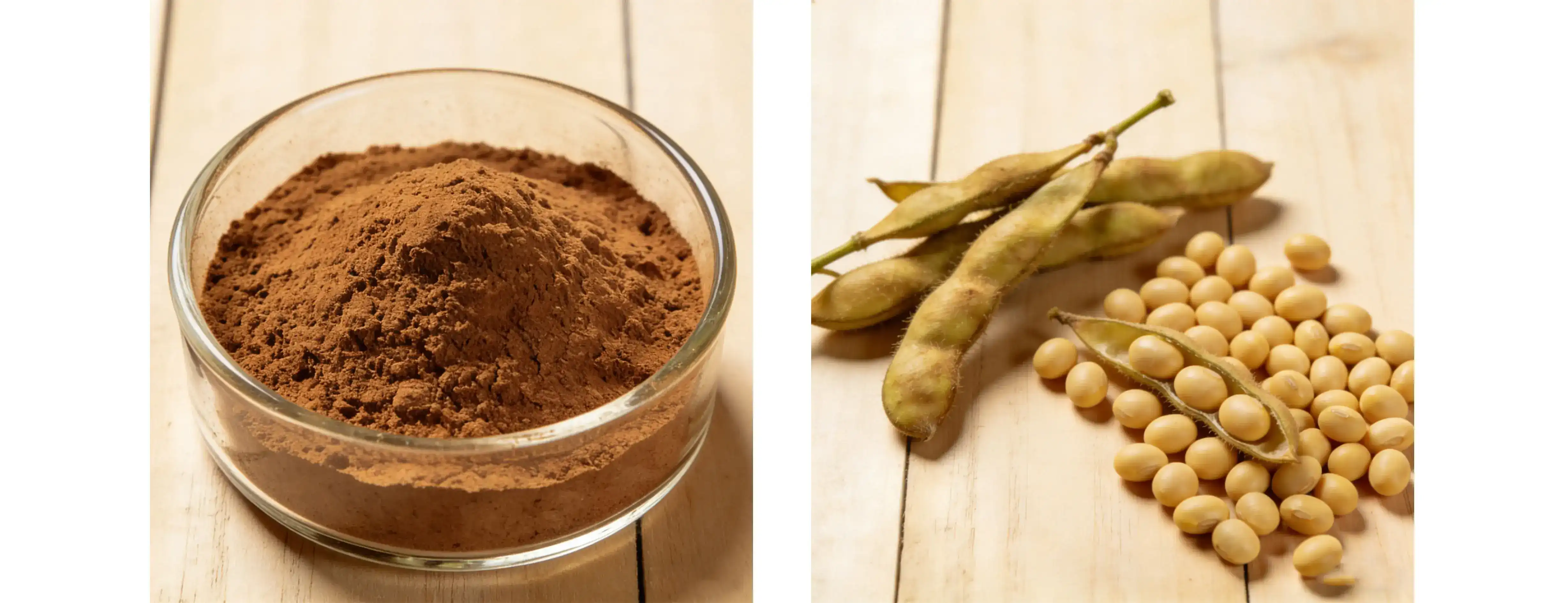
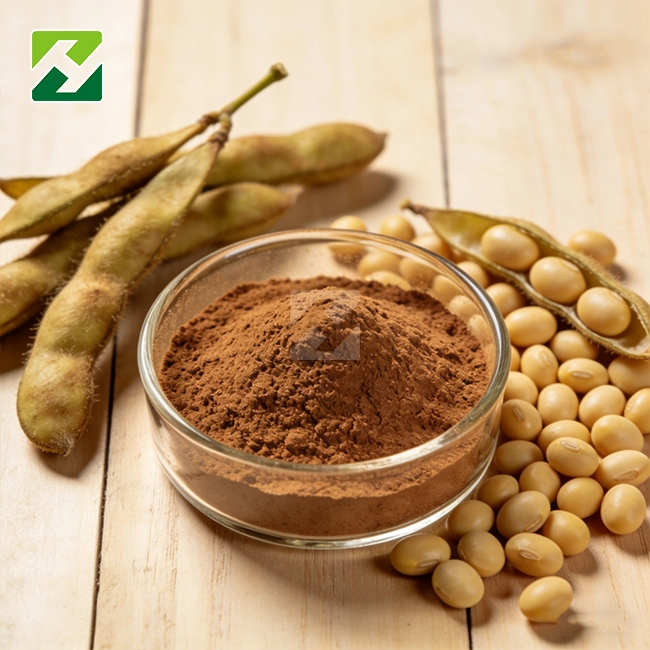
By using complex methods to separate and refine the bean (Glycine max), soybean oil is made, which is one of the most useful food oils in the world. The process starts with cleaning and preparing the soybeans. Next, they are pressed mechanically or extracted using food-grade hexane as a solvent. This produces crude oil that needs to be refined further by degumming, neutralizing, whitening, and getting rid of the smell. Modern factories make more than just oil. They also make Soybean Extract, which is a concentrated bioactive powder that is defined for soy isoflavones and usually has 40% total isoflavones through water and ethanol extraction methods. This brown powder comes from soybean seeds and is used by the food and cosmetics industries to make useful formulations with plant-based phytoestrogen modulators.

Understanding Soybean Oil Production Process
From raw soybeans to processed oil, there are several carefully planned steps that are used to keep quality high while also being efficient.
Cleaning and Preparation
When raw soybeans get to processing plants, they are cleaned very well using magnetic separation and suction systems to get rid of things like stones, pods, dirt, and small pieces of metal. After the beans are cleaned, they are put into conditioning rooms where controlled heat and moisture break the structure of the seeds so that the oil can be extracted more easily. This part of the preparation has a direct effect on how well the oil is extracted later on and on its quality.
Mechanical Pressing vs. Solvent Extraction
Two main ways of extracting soybean oil are used in industrial production. Screw presses or expellers use physical pressure to squeeze oil from cracked soybeans, usually getting 70–75% of the oil that is available. This method works well for makers who want to use cold-pressed or lightly processed labels. The most common industrial method is solvent extraction, which uses food-grade hexane to dissolve oil from prepped soybean flakes, getting over 98% of the oil out. Distillation is used to separate the crude soybean oil from the hexane-oil mixture so that the solvent can be used again. This process gives better yield economics and stable quality factors, which are very important for B2B buyers who have to deal with tight margins.
Refining and Quality Enhancement
There are phospholipids, free fatty acids, colors, and volatile substances in crude soybean oil that need to be taken out. Degumming is the first step in the refining process, where phospholipids are precipitated by water or acid. After that, caustic soda is used to get rid of the free fatty acids and lower the acidity level below 0.05%. Activated clay or carbon is used in bleaching to remove color dyes and trace metals, leaving behind light-colored oil. In the last step, deodorization, high-temperature steam distillation under pressure gets rid of the volatile chemicals that cause bad tastes. Refined soybean oil meets strict requirements for peroxide value, color, and oxidation stability, ensuring a longer shelf life. The whole production chain follows HACCP rules and FSSC 22000 standards, addressing B2B worries about tracking, batch consistency, and regulatory compliance across international markets.
Soybean Extract: Key Components and Their Value in B2B Applications
Soybean Extract concentrates beneficial phytochemicals through different extraction methods than oil production, which focuses primarily on fatty content.
Production Methods and Differentiation
Aqueous-alcoholic extraction is used to make this extract, which targets chemicals that are water-soluble and fairly polar. To keep the sensitive structures of isoflavones safe at Organic Herb Inc., we use a special water and ethanol solution system with controlled temperatures. After membrane filtration, reduction, and spray drying, the extract is turned into a brown powder that is standardized to 40% total isoflavones using HPLC analysis. This concentrate is very different from soy oil and soy protein isolates, offering its own unique functional properties.
Bioactive Components and Functional Properties
There are three main isoflavone aglycones in the extract: genistein, daidzein, and glycitein, which work as selective estrogen receptor modulators. These chemicals work as antioxidants by getting rid of free radicals and stopping lipid degradation. Phytosterols help cardiovascular products, and saponins help the defense system and bind cholesterol. The normal 40% isoflavone guideline makes sure that the right amount is given for clinical effectiveness, solving a major problem where raw soy foods have phytoestrogen levels that are hard to predict, ranging from 1 to 3 mg per serving.
Industrial Applications Across Sectors
Procurement workers in nutraceutical companies use the extract to make goods that help with menopause, bone health, and heart health. The brown powder form is great for making tablets and capsules because it flows easily, with typical inclusion rates of 100 to 300 mg per dose. Because isoflavones can increase collagen production and make skin more elastic, cosmetic formulators use the extract in anti-aging serums and soothing creams. Functional beverage makers appreciate its strong temperature stability up to 120°C, making it compatible with various handling conditions. Organic Herb Inc. takes care of 8,000 acres of GAP-certified planting bases in Jiangxi province, ensuring non-GMO sourcing and traceability from seed to extract.

Quality Factors and Standards in Soybean Oil and Extract Procurement
Decisions about what to buy depend on having clear quality measures and compliance documents that can be checked.
Critical Quality Indicators for Soybean Oil
Professional buyers check soybean oil for things like acid value (goal is <0.2 mg KOH/g), peroxide value (target is <5 meq/kg), moisture content (<0.1% to stop microbes from growing), and color grade. For organic approvals, non-GMO seed sources must be checked, and synthetic chemicals must not be used during farming. These specs directly affect how stable the product is on the shelf, how it tastes, and how well it works in later formulations.
Soybean Extract Standardization and Forms
When buying Soybean Extract, the main quality indicator is the amount of isoflavone that has been checked using a proven HPLC method. Our 40% total isoflavones standard is a concentrated grade that strikes a good balance between biological strength and low cost. Buyers should ask for Certificates of Analysis that show the balance between aglycone forms and glucoside conjugates. Physical form considerations include:
- Powder format: The particles in this brown powder are usually 80 mesh, and the bulk density is between 0.45 and 0.55 g/ml, making it excellent for solid dose forms.
- Moisture content: maintained below 5% to stop clumping and the growth of microbes.
- Solvent residuals: ethanol trace below 5000 ppm, which meets USP standards.
- Microbiological standards: total plate count <1000 CFU/g, with no bacteria found.
Supplier Evaluation Framework
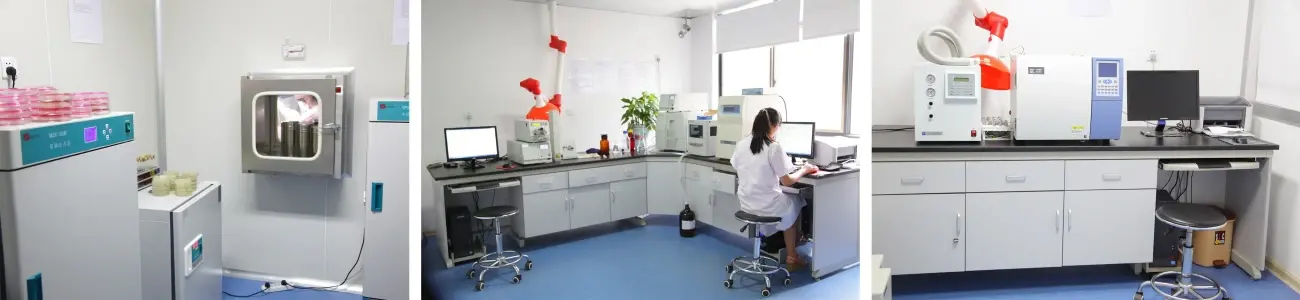
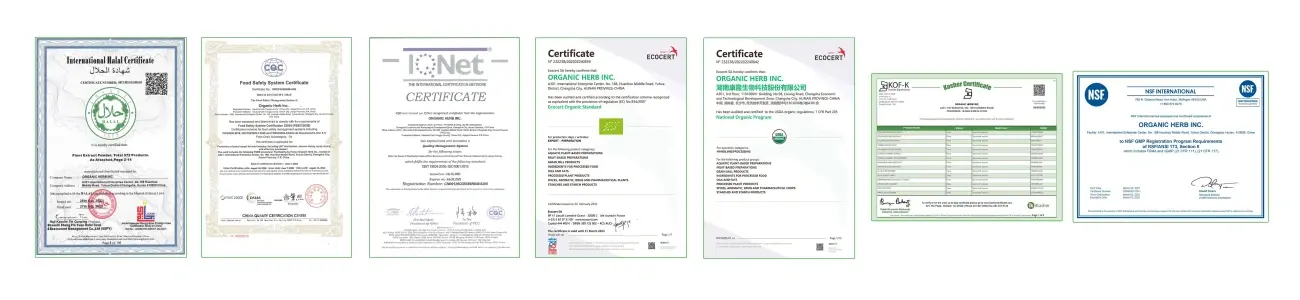
Buying teams look at the infrastructure and legal systems of suppliers, including certifications (NSF GMP, Kosher, Halal, ISO 9001, FSSC 22000, Organic) and analysis tools. Our R&D center at Organic Herb Inc. has 42 employees and uses equipment worth more than $1.2 million. This level of technical detail lets buyers make their own changes to extraction factors and stability tests. Our U.S. subsidiary Earth Made Nutritions runs four stores, cutting wait times for sellers in the U.S. to 10 days and making it easier to import goods. The strategic benefit comes from choosing suppliers who see extract production as applied biochemistry rather than commodity processing.
Comparing Soybean Oil and Soybean Extract Products for Your Business Needs
Knowing the differences between oil and Soybean Extract lets you choose the best ingredients for your product while taking into account the limitations of production.
Functional and Nutritional Contrasts
Soybean oil mostly gives you energy (9 kcal/g) and important fatty acids (linoleic and linolenic acids), which change the taste of food and carry fats. The extract is mostly phytoestrogens and has almost no calories, so it is more of a useful active ingredient than a source of macronutrients. This difference is important for clean-label brands that want to add health claims without making the product higher in calories or changing the recipe significantly.
Storage and Shelf Life Considerations
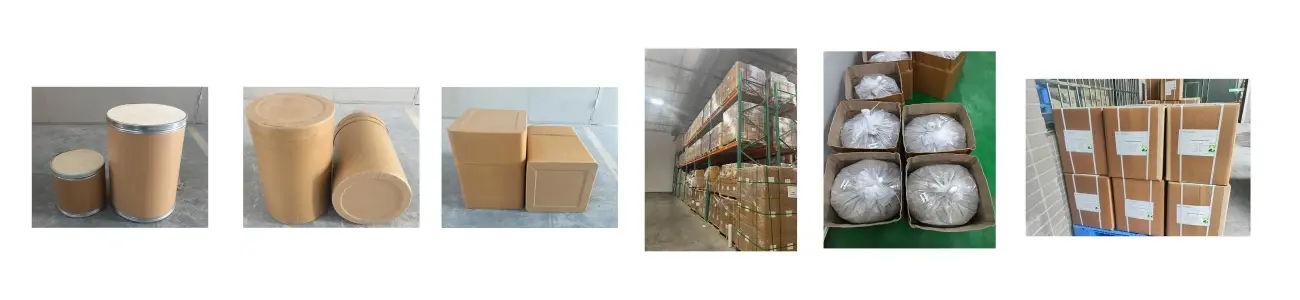
To keep refined soybean oil safe from light and air, it is usually kept in nitrogen-flushed barrels at room temperature, lasting 12 to 24 months. The extract powder comes in 25 kg fiber drums with plastic liners. When kept below 25°C and at 60% relative humidity, it has a shelf life of 24 to 36 months. Powder formats don't need as much cold chain storage and are easier to control in the warehouse, which is especially helpful for wholesalers managing diverse ingredient portfolios.
Market Formats and Product Positioning
Soybean oil is sold as a large liquid, consumer goods in bottles, or spray-dried powders for capsules. Extracts can be sold as raw powders, finished pills, or as parts of mixtures like bone health tablets. Premium placement is often linked to non-GMO certification, organic certification, and clear proof of provenance. Leading sellers set themselves apart by coming up with new technologies like phytosome complexation. Organic Herb Inc. has successfully created more than 400 plant extracts, demonstrating the technical know-how to stay competitive in the nutritional market.
How to Choose the Right Soybean Oil and Extract Supplier: A B2B Buyer's Guide
When choosing a strategic supplier, it's not just about price; it's also about reliability, professional help, and the chance to work together for a long time.
Defining Sourcing Requirements
Start by making a list of your exact needs (Soybean Extract): the amount of product required (our MOQ is 25 kg), delivery schedule (we maintain stock in the U.S. for 10-day lead times), necessary certifications (NSF GMP, Kosher, Halal, ISO, FSSC 22000, and organic), and the price ranges you're willing to pay. Being clear on these factors speeds up vendor evaluation and keeps everyone on the same page during discussion stages.
Evaluating Proposals and Quality Assurance
Ask for samples and Certificates of Analysis that show it meets your corporate standards. We offer free samples so that you can try out formulations on a small scale before committing to a large order. Check the supplier's scientific skills, such as method validation for measuring isoflavones and adherence to ICH standards for stability studies. Organic Herb Inc.'s strict documentation makes sure that every step of the manufacturing process can be traced back to its source, helping you meet legal compliance and due diligence responsibilities.
Building Strategic Supplier Relationships
The relationship goes beyond just buying things. Set up clear ways to talk to expert staff who understand the problems you're having with your application. Use the supplier's knowledge to figure out what's wrong with your recipe; our team has helped hundreds of clients solve solubility problems and suggest plant combinations that work well together. Discuss new ideas for the future, like water-soluble extract formats, to help you stand out from the competition. Our dedication to sustainable development ensures we take care of the environment during farming and extraction.

Conclusion
Soybean Extract is concentrated into uniform powders that can be used in cosmetics, nutraceuticals, and useful foods. Chemical engineering is used to turn farm products like soybeans into refined lipids through cleaning, extraction, and multiple-stage refining processes that ensure uniform quality for global markets. Procurement experts can make smart choices that balance cost, quality, and follow the rules when they know about production methods and quality standards. In the fast-paced plant extract business, the best provider has a lot of technical knowledge, clear supply lines, and a way of working together with partners to support long-term product innovation and market competitiveness.
FAQ
1. What distinguishes soybean oil from Soybean Extract?
You can get soybean oil by pressing the seeds or using a hexane solvent; it is a refined lipid fraction containing triglycerides and fatty acids. Soybean Extract is a concentrated bioactive powder tested for water-soluble isoflavones produced by extracting soybeans with water and alcohol and then spray drying. The oil is an edible fatty binder, and the extract is a source of phytoestrogen for health products.
2. How can buyers verify extract quality and compliance?
Ask for Certificates of Analysis showing the amount of isoflavone based on approved HPLC methods, microbial testing results, heavy metal screening, and solvent residue analysis. Check supplier qualifications, such as NSF GMP and FSSC 22000, by authenticating certificates. When possible, use orthogonal analytical methods to inspect incoming goods and set up source audit programs for manufacturing controls.
3. What is the typical shelf life of soybean extract powder?
Soybean extract powder stays stable for 24 to 36 months if kept properly in sealed containers at temperatures below 25°C and relative humidity below 60%. Strength is maintained throughout its shelf life by being packed in 25 kg fiber drums with plastic covers that keep out moisture and prevent oxidative degradation.
Partner with OHI for Premium Soybean Extract Supply
Organic Herb Inc. can help you find plant ingredients. Our standardized Soybean Extract has 40% total isoflavones and is made under NSF GMP, Kosher, Halal, ISO 9001, FSSC 22000, and organic certifications. Our brown powder comes from extracting Glycine max beans with water and ethanol. It goes in 25 kg drums, and you only need to order 25 kg to get it. Our 10-day lead time from four U.S. stores guarantees fast delivery, and our free sample program lets you check the quality before you sign. Our advanced research and development team and $1.2 million analysis infrastructure help you come up with new formulas. Our 8,000-acre GAP-certified planting bases ensure that your ingredients are traceable and non-GMO. Whether you're a company that makes nutraceuticals, cosmetics, or functional foods, we have the technical know-how and reliable supply chain that set us apart. Contact us at info@organic-herb.com to discuss your needs, get personalized quotes, and find out how our mindset of quality-first growth can help your product line and make you more competitive in the market.
References
1. Johnson, M.L. & Peterson, R.K. (2021). Industrial Oilseed Processing: Technology and Applications in Modern Manufacturing. Academic Press.
2. Zhang, H., Chen, W., & Liu, Y. (2020). "Extraction optimization and bioactivity evaluation of soybean isoflavones." Journal of Agricultural and Food Chemistry, 68(14), 4213-4225.
3. Smith, T.A. & Williams, D.F. (2019). Phytoestrogens in Human Nutrition: Sources, Metabolism and Health Implications. CRC Press.
4. Anderson, K.J. (2022). "Quality assurance protocols for botanical extract procurement in nutraceutical manufacturing." Pharmaceutical Technology Europe, 34(3), 28-34.
5. Roberts, P.L., Martinez, E.S., & O'Brien, C.M. (2020). Plant Extract Standardization: Analytical Methods and Regulatory Perspectives. Springer Nature.
6. Thompson, G.R. & Davis, L.K. (2021). "Supply chain management and quality control in the botanical ingredients industry." Journal of Supply Chain Management Research, 15(2), 112-129.
Standard Disclaimer (DSHEA):
These statements have not been evaluated by the Food and Drug Administration.
This product is not intended to diagnose, treat, cure, or prevent any disease.

Send Inquiry
Related Industry Knowledge
- What Is Grape Powder? Benefits, Uses, How It’s Made & Top Tips
- Market Insights: The Rising Demand for Rosehip Fruit Extract
- Bitter Apricot Extract: How It’s Made and What Sets It Apart
- What is peony extract?
- Are kidney beans good for weight loss?
- How to use rosemary oil for skin
- The Marvels of Maitake Mushroom Extract Powder
- How Dose Poria Cocos Extract Improve Your Health?
- The Health Benefits and Uses of Polyporus Umbellatus Fries
- USA Import Standards and Poria Cocos Extract: A Supplier’s Perspective