
The Best Reishi Mushroom Supplement as Tinctures & Powders
Jun 29, 2026
Ganoderma lucidum, which is the formal name for reishi mushroom extract, is now an important part of many cosmetic and functional food products. The format options—tinctures versus powders—along with purity, bioavailability, and certification credentials—must be taken into consideration when finding the Best Reishi Mushroom Extract for commercial uses. This detailed guide covers important selection criteria, buying strategies, and technical issues that give R&D directors, formulation managers, and procurement professionals the information they need to make smart choices that help their brands stand out and meet strict regulatory requirements.
Understanding Reishi Mushroom Extract: Benefits and Usage
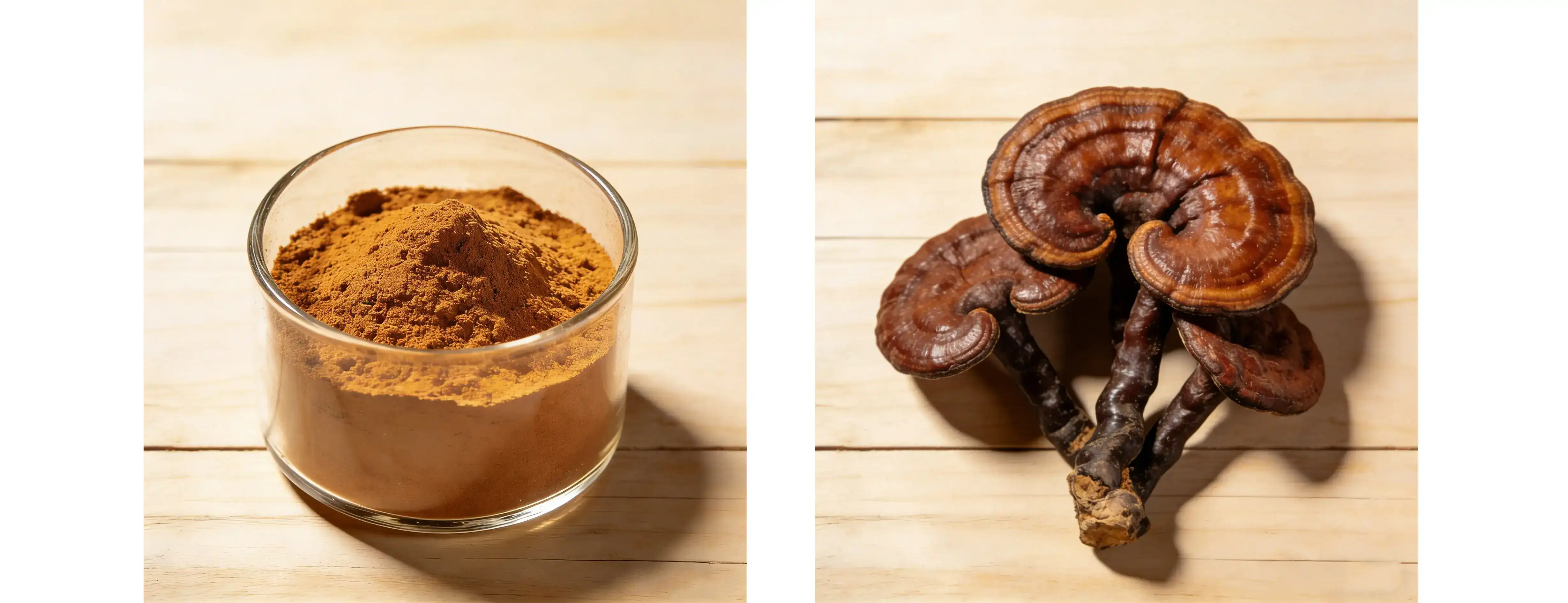
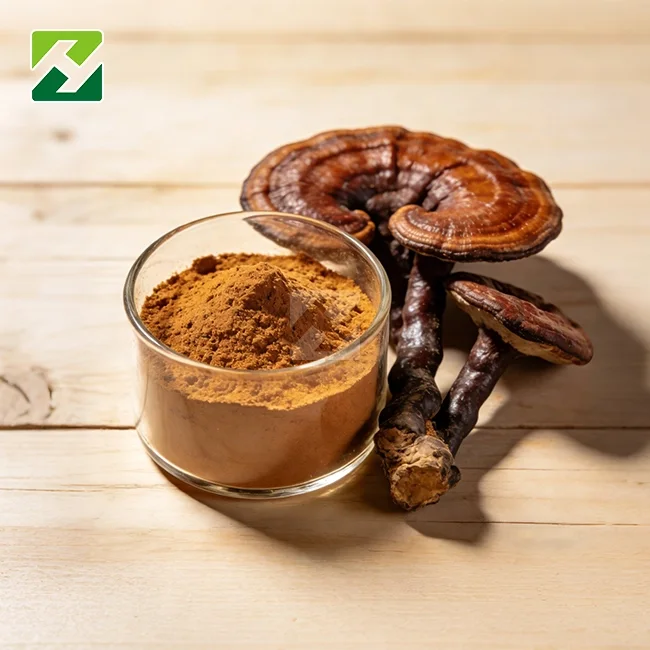
The fruiting body of the Ganoderma lucidum species is where the reishi mushroom product comes from. This species is grown under controlled conditions to get the highest amounts of active compounds. Different extraction methods have a big effect on the end product profile. For example, water-based extraction makes powders that are high in polysaccharides, while dual-extraction methods get both water-soluble polysaccharides and alcohol-soluble triterpenes. A standardized ingredient with 40% polysaccharides and a 10:1 concentration ratio is produced by the Best Reishi Mushroom Extract, which uses 100% water extraction to protect the purity of bioactive polysaccharides.
Active Compounds and Bioactivity
Beta-glucans, triterpenes (ganoderic acids), and polysaccharide complexes make up the bioactive structure of reishi extract. As biological reaction modifiers, beta-glucans work by interacting with cellular receptors to change how the body reacts. Triterpenes give sour foods their unique flavor and have antioxidant qualities that make them useful in cosmetics and functional foods. Polysaccharides are great for making drinks and packaging technologies because they dissolve in water and don't change much at high temperatures.
Formulation Integration
For industrial uses, reishi extracts need to be stable across a range of pH levels, able to handle high temperatures, and able to blend easily into complex structures. Reishi powder that has been separated with water dissolves easily in water, settles down very little, and doesn't interfere with the encapsulating process. Formulators working on adaptogenic drink mixes, food supplement pills, or topical skin care products can benefit from extracts that work the same way batch after batch and have quality records that can be tracked.
Comparing Reishi Mushroom Supplements: Tinctures vs Powders
Compositional Differences
Alcohol or glycerin is used as an extraction agent in tinctures to get rid of lipophilic triterpenes and hydrophilic polysaccharides. This dual-extraction design works well for uses that need both types of compounds. On the other hand, water-extracted powders focus on polysaccharide content, which gives the label a better look by eliminating any alcohol remains. Water-extracted reishi powder is in line with what consumers want and what regulators want for brands that focus on clean labels and natural ingredient claims.
Bioavailability and Delivery Forms
Bioavailability changes depending on how the drug is delivered. Tinctures are appealing to people who want fast-acting formulas because they absorb quickly when put under the tongue. Powders are flexible because they can be used to make pills, tablets, packs, and drink mixes, so they can be used in a wide range of production processes. The powder form of the Best Reishi Mushroom Extract exhibits high bulk density and a low moisture content below 5%, avoiding caking and ensuring shelf-stable performance across all distribution channels.
Manufacturing Considerations
In industrial settings, powders are better than liquids because they are easier to scale up and handle. Powdered extracts make it easier to automate the processes of encapsulation, mixing, and packing with little change to the equipment. Because liquids are harder to handle, tinctures need special tools for filling and stricter controls to keep them from getting contaminated. When it comes to practical effectiveness and cost-effective scaling, procurement teams like powdered extracts because they shorten production times and lower the cost of labor.
These differences help you choose where to get things based on the needs of the finished product, the tastes of your target market, and your factory's abilities. In the supplement and functional food industries, powdered extracts are the norm. Tinctures, on the other hand, are used by niche markets that value ease of use and quick delivery.
Selecting the Best Reishi Mushroom Extract for B2B Procurement
Quality Markers and Certification
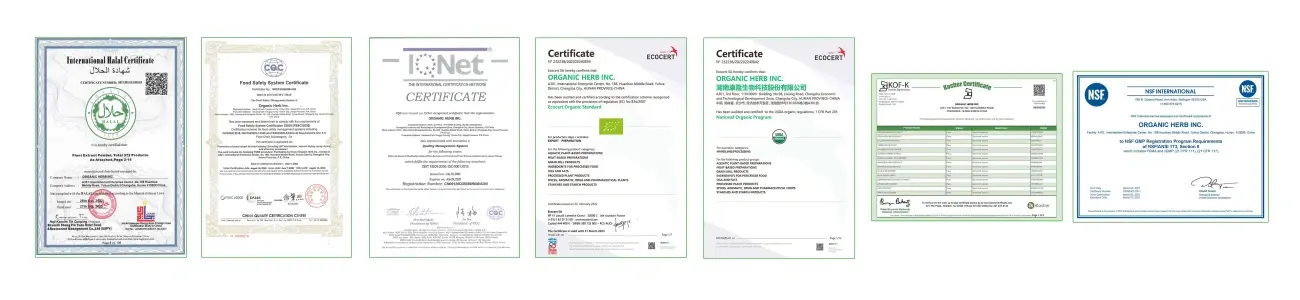
Third-party testing has shown that high-quality reishi products have carbohydrate contents that can be checked. These levels are usually between 30% and 50%. OHI's reishi extract comes only from Ganoderma lucidum fruiting bodies, which are the most effective part of the mushroom. It has a 10:1 concentration ratio and contains 40% polysaccharides. Certifications like NSF GMP, Kosher, Halal, ISO, FSSC22000, and Organic marks show that the product meets foreign quality standards and all the rules that apply. This is very important for brands that want to sell in North America and Europe.
Technical Parameters
Critical technical parameters include:
- Extraction Ratio: A 10:1 concentration makes sure that the Best Reishi Mushroom Extract is strong and consistent.
- Appearance: The brownish-yellow powder shows that it has dried properly and hasn't oxidized much.
- Moisture Content: Less than 5% to stop the growth of microbes and clumps.
- Mesh Size: The mesh size of 80 to 100 makes it easier to blend and encapsulate.
- Solubility: High solubility in water helps combine ingredients for drinks and liquids.
Supplier Evaluation
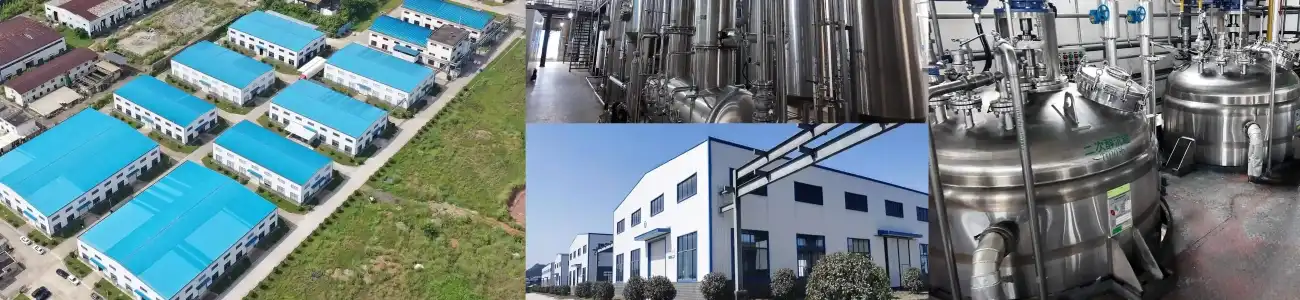
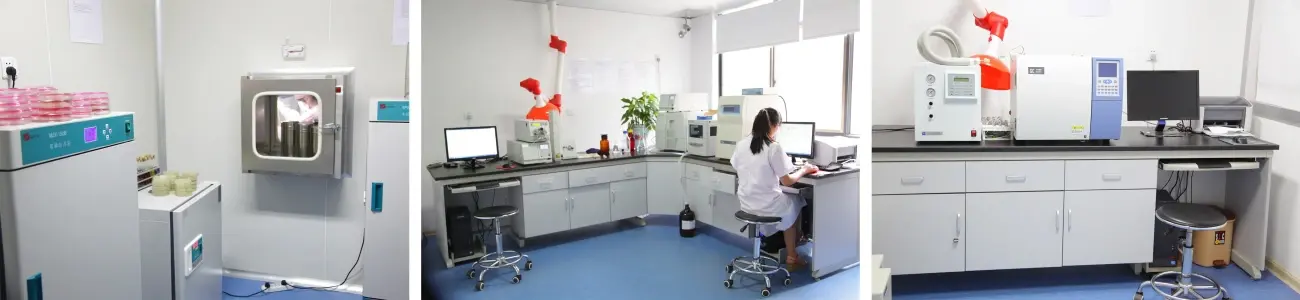
When you evaluate a seller, you need to look closely at their certificates, how open their production is, and how reliable their supply chain is. OHI follows strict cGMP guidelines and is in line with US FDA regulations. They have a modern R&D infrastructure that includes HPLC, GC-MS, and HPTLC analytical tools. Four carefully placed warehouses across the United States make fast shipping possible by cutting down on lead times and other organizational issues. A minimum order amount of 25 kg works for both new brands and well-known makers, and free samples let you test the formula before committing to the bulk order.
Comparative research shows that providers who offer full documentation, batch tracking, and quick expert help are the best value. OHI uses GAP-certified planting bases on 8,000 acres of land in Shaoyang, Changsha, Huaihua, Guizhou, Hubei, and Jiangxi to make sure that the raw materials are pure from planting to processing. This lowers the chance of pollution and variation.
How to Buy Reishi Mushroom Extract: Sourcing and Procurement Best Practices
Identifying Verified Suppliers
Finding trustworthy suppliers involves doing research through a number of different platforms. Online business-to-business (B2B) sites are good for the first round of screening, but talking to manufacturers directly gives you a better idea of their production skills and quality control procedures. The fact that OHI is a public company (Stock Number: 872213) makes things clearer, so procurement teams can check for financial security and operating honesty.
Assessing Supplier Credentials
Verification steps include:
- Certification Review: Use third-party sources to make sure that the current NSF GMP, Organic, and ISO certificates are still valid.
- Audit Reports: Ask for recent audit reports that go into depth about quality control measures and facility checks.
- Sample Testing: Have samples analyzed by a separate lab to make sure they meet the stated standards.
- References: Talk to current clients to find out how reliable you are, how quickly you respond to messages, and how well you can solve problems.
Negotiation and Contract Terms
Effective negotiation balances cost-effectiveness and quality guarantee. Key considerations include:
- Pricing Transparency: Know what factors affect prices, like the way the polysaccharides are extracted and the approval fees.
- MOQ Flexibility: OHI's 25 kg minimum order size allows for test runs and the development of new products.
- Lead Times: Standard lead times of 10 days allow for flexible production plans and lower the cost of keeping supplies on hand.
- Payment Terms: Come up with payment plans that work for everyone, protect everyone, and make managing cash flow easier.
Logistics and Storage
Keeping extracts (Best Reishi Mushroom Extract) in the right way keeps their strength and increases their shelf life. To keep reishi powder from getting contaminated by microbes and water, it should be kept in cool, dry places with managed temperature. OHI's 25 kg drum packaging keeps things stable during foreign shipping and makes keeping track of goods easier. When dealing with FDA rules for food ingredients, it's especially important to know about customs rules, import taxes, and paperwork needs to avoid delays and fines.
Strategic relationships with suppliers who value openness in the supply chain and offer specialized account management improve the reliability of long-term purchases and help businesses reach their growth goals.
Conclusion
To choose the Best Reishi Mushroom Extract, you need to weigh the technical details, the trustworthiness of the certification, and the dependability of the seller. Water-extracted reishi powder from Ganoderma lucidum fruiting bodies is standardized to 40% polysaccharides with a 10:1 concentration ratio. It meets strict B2B standards in the cosmetics, functional foods, and nutraceuticals industries. Partnering with qualified producers like OHI is good for procurement pros. Their GAP-certified cultivation, cGMP production standards, and US-based distribution networks make sure that quality is always stable and deliveries are made on time. By putting transparency with suppliers, expert help, and detailed paperwork at the top of the list, decision-makers build strong supply chains that improve product formulations and make companies more competitive.
FAQ
1. How do I distinguish high-grade reishi extracts from lower-quality alternatives?
High-quality extracts list the amount of polysaccharides they contain (usually between 30 and 50%), the extraction ratios (10:1 or higher), and offer Certificates of Analysis from labs that have been approved by the government. Third-party testing, organic approval, and GMP compliance are all ways to make sure that the purity of the ingredients is maintained. Products of lower quality often don't come with clear instructions, use mycelium instead of fruiting bodies, or have fillers that lower the amounts of active compounds.
2. Should I choose tincture or powder format for my production needs?
Powder forms are better for scaling up, are easier to work with, and can be used with automatic tools for encapsulation and blending. Tinctures are good for specific uses that need fast absorption or liquid delivery, but they need to be handled in a certain way. Powdered ingredients are more cost-effective and easier to use for most business-to-business uses, such as capsules, tablets, and healthy drinks.
3. How can I verify organic certification and product purity?
Ask for up-to-date organic certificates from reputable organizations like the USDA Organic, the EU Organic, or similar regional authorities. Check the trustworthiness of certificate numbers by comparing them to databases of certificates. Ask for Certificates of Analysis that are unique to each batch and list the number of microbes, heavy metals, pesticide residues, and active ingredient concentrations. This will make sure that you follow the rules of the target market.
Partner with OHI: Your Trusted Reishi Mushroom Extract Supplier
OHI is one of the best companies that makes the best reishi mushroom extract. They use certified organic, NSF GMP-compliant products and make sure the quality is very high. They also use sustainable farming methods. Our water-extracted reishi powder, which is made from only fruiting bodies and contains 40% polysaccharides, can be used for a wide range of preparation needs and is guaranteed to be consistent and follow all regulations. Our four stores in the US make sure that orders are filled quickly, and our experienced research and development team gives you expert advice that is specific to your product development goals. Email info@organic-herb.com right now to get your free sample and personalized price. Find out how OHI's dedication to quality and new ideas can help your recipes do better and help you succeed in the market.
References
1. Wachtel-Galor, S., Yuen, J., Buswell, J. A., & Benzie, I. F. F. (2011). Ganoderma lucidum (Lingzhi or Reishi): A Medicinal Mushroom. In Herbal Medicine: Biomolecular and Clinical Aspects (2nd ed.). CRC Press.
2. Boh, B., Berovic, M., Zhang, J., & Zhi-Bin, L. (2007). Ganoderma lucidum and its Pharmaceutically Active Compounds. Biotechnology Annual Review, 13, 265-301.
3. Sanodiya, B. S., Thakur, G. S., Baghel, R. K., Prasad, G. B., & Bisen, P. S. (2009). Ganoderma lucidum: A Potent Pharmacological Macrofungus. Current Pharmaceutical Biotechnology, 10(8), 717-742.
4. Bishop, K. S., Kao, C. H., Xu, Y., Glucina, M. P., Paterson, R. R., & Ferguson, L. R. (2015). From 2000 Years of Ganoderma lucidum to Recent Developments in Nutraceuticals. Phytochemistry, 114, 56-65.
5. Paterson, R. R. M. (2006). Ganoderma – A Therapeutic Fungal Biofactory. Phytochemistry, 67(18), 1985-2001.
6. Hapuarachchi, K. K., Wen, T. C., Deng, C. Y., Kang, J. C., & Hyde, K. D. (2015). Mycosphere Essay 1: Taxonomic Confusion in the Ganoderma lucidum Species Complex. Mycosphere, 6(5), 542-559.
Standard Disclaimer (DSHEA):
These statements have not been evaluated by the Food and Drug Administration.
This product is not intended to diagnose, treat, cure, or prevent any disease.

Send Inquiry
Related Industry Knowledge
- Are there proteins in pumpkin seeds?
- What Is Grape Powder? Benefits, Uses, How It’s Made & Top Tips
- Where to buy saw palmetto?
- How is raspberry flavoring made?
- Coenzyme Q10 (CoQ10): Biohacking Mitochondria for Energy, Longevity, and Anti-Ageing
- 2026 Best Goji Berry Extract Benefits and Uses Explained?
- Learn More About Bitter Apricot Seed
- Coenzyme Q10 (CoQ10): The Basics and Its Health Benefits
- Understanding Polyporus Umbellatus Extract: Source, Composition, and Characteristics
- Reishi Extract Guide: Stress Relief & Immunity