
Natural Rhodiola Rosea Extract: Origin, Composition, and Key Features
May 14, 2026
Rhodiola rosea L. is used to make Natural Rhodiola Rosea Extract, which is a standardised botanical ingredient obtained from the roots of a tough adaptogenic plant that grows well in Siberia, Northern Europe, and Central Asia's hilly and icy areas. This extract is known for its bioactive profile, which is usually standardised to 3% rosavins and 1% salidroside. Its strength and purity are always the same because it is extracted using controlled water-ethanol methods. The golden-yellow to brown powder is an important part of nutraceutical recipes, functional foods, cosmetics, and sports nutrition products. It meets the need for real, high-performance plant actives in these areas.
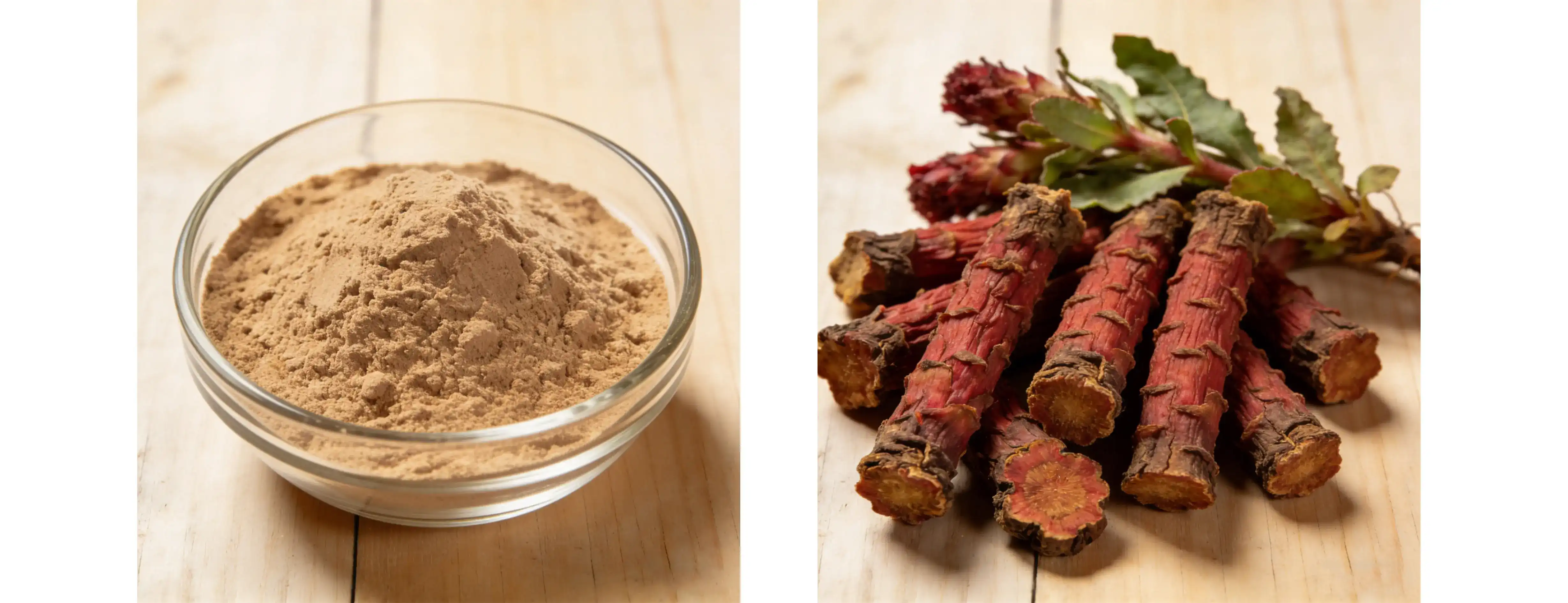
Understanding Natural Rhodiola Rosea Extract: Origin and Composition
Botanical Origins and Traditional Cultivation Practices
Rhodiola rosea L. belongs to the Crassulaceae family and has been collected for hundreds of years in hard, high-altitude places where it gets below freezing. Native people in Scandinavia, Russia, and Tibet have long valued this "Golden Root" for its ability to make people strong. Modern farming has spread to controlled environments in North America and some parts of Europe. These environments have the same temperature, soil type, and elevation as the plant's natural home to keep the phytochemical integrity.
The raw materials that Organic Herb Inc. uses come from GAP-certified growing bases that cover more than 8,000 acres in different parts of China, such as Shaoyang, Changsha, Huaihua, Guizhou, Hubei, and Jiangxi. These bases follow strict farming methods, starting with giving local farmers expert advice and continuing with providing seedlings, keeping an eye on their growth, and following standard harvesting procedures. This vertical integration makes sure that the product can be tracked from the soil to the extraction process. This lowers the risk of contamination and makes sure that each batch is the same, which is very important for R&D directors and procurement managers who are looking for long-term source partnerships.
Natural Extraction vs. Synthetic Alternatives
Actually, real rhodiola extracts use water-ethanol solvents to concentrate phenylpropanoid chemicals, like rosavin, rosarin, and rosin (together called "rosavins"), along with tyrosol glycoside salidroside. These chemicals make the product beneficial and set it apart from less effective alternatives. In the market, Rhodiola crenulata is often mixed in with real Rhodiola, which is a similar species that has Salidroside but no Rosavins. Such changes hurt the effectiveness of the recipe and make it harder to follow the rules.
Organic Herb Inc. uses HPLC-ELSD verification and DNA barcoding methods to make sure the species is real, which makes sure that buying teams get real natural Rhodiola Rosea extract. CGMP, ISO9001, FSSC22000, Halal, and Kosher certifications show that the company meets international quality standards. These certifications help with purity control and meeting certification requirements, which are important to cosmetic scientists, food engineers, and pharmaceutical R&D teams.
Key Chemical Constituents and Their Functional Significance
The usual formulation of 3% rosavins and 1% salidroside is based on bioactive ratios that have been proven to work in both clinical and preclinical tests. Rosavins change the activity of the hypothalamic-pituitary-adrenal axis, which affects the cortisol response pathways. Salidroside, on the other hand, helps mitochondria make ATP and manages cellular energy. Other parts include flavonoids, proanthocyanidins, and organic acids, which help protect cells and maintain membrane stability.
For beauty formulators looking for active ingredients, rhodiola extract can be used as an anti-ageing and skin-supporting ingredient because Salidroside has been shown to affect collagen production routes and oxidative stress markers. Stability tests at Organic Herb Inc.'s R&D centre, which has tools worth more than $1.2 million, show that extracts that are stored correctly keep their bioactive power for 24 months when the temperature and humidity are kept under control.
Organic vs. Non-Organic Sourcing: Impact on Quality and Market Positioning
Organic approval meets the needs of consumers who want foods with clean labels and sustainable ways to get them. Synthetic pesticides, herbicides, and fertilisers are not allowed in organic rhodiola farming. This lowers worries about residues that make regulatory decisions harder in the EU and US markets. Organic Herb Inc. keeps both organic and conventional certifications on hand, which gives customers the freedom to choose how to buy based on how they want to place their business and what their target market needs.
Non-organic sources might be cheaper, but they need to be tested for heavy metals and chemical residues very carefully to make sure they meet FDA and European Pharmacopoeia standards. Our advanced testing methods look for over 200 pesticide compounds, lead, cadmium, arsenic, mercury, and more. This makes sure that both organic and regular amounts meet strict safety standards. This dual-sourcing feature helps wholesalers and OEM/ODM companies meet the needs of a wide range of clients without lowering the quality of the products they make.
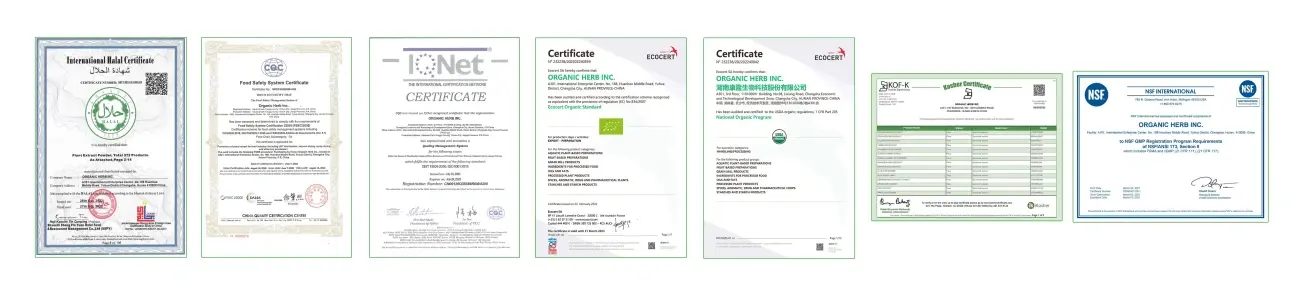
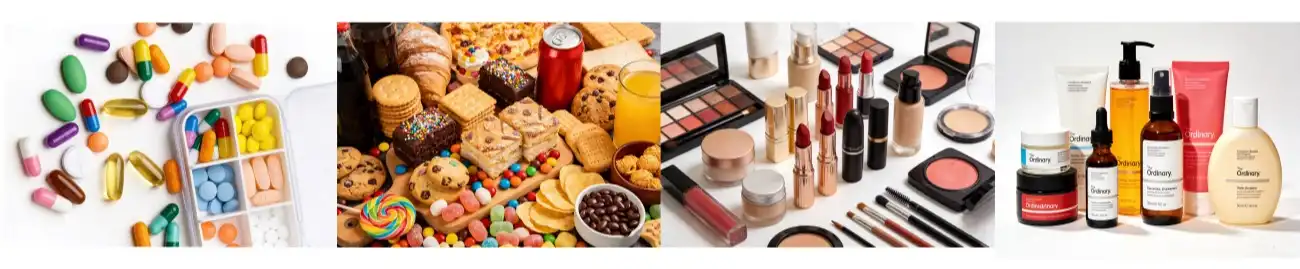
Core Benefits and Applications in B2B Contexts
Clinically Supported Functional Properties
Phytochemicals called 'adaptogens', like Natural Rhodiola Rosea Extract, change how our bodies react to mental and physical stresses in many ways. A published study shows that rhodiola extracts affect neurotransmitter systems, mainly the serotonin, dopamine, and norepinephrine pathways. This helps the brain work better when it needs to under tough circumstances.
Rhodiola is added to pre-workout and recovery products by sports nutrition companies to help the body's energy production without the side effects that come with stimulants. Natural Rhodiola Rosea extract affects mitochondrial function and oxygen utilisation efficiency, which is different from caffeine's main effect on adenosine receptors. This makes it a good supplement for endurance sports and exercise fans. Formulation managers like that it works with mixes of branched-chain amino acids, creatine, and electrolytes.
Versatility Across Functional Foods and Cosmetics
Rhodiola extract can be dissolved in water, which makes it easy to use in a variety of delivery systems. The most common form of nutritional use is hard-shell pills and tablets, which need carefully chosen excipients to keep them from absorbing water and to keep them stable on the shelf. Lipid-based delivery methods make softgel encapsulation more bioavailable, but temperature-sensitive processing needs careful production controls.
Spray-dried rhodiola extract is being used more and more in ready-to-mix mixes, energy drinks, and adaptogenic tonics by people who make functional drinks. The yellow-brown colour blends easily into fruit-flavoured matrices, but formulation scientists need to think about how the tannins might react in high-pH environments. The technical support team at Organic Herb Inc. works with beverage producers to find the best dosing, particle size distribution, and taste masking techniques. This speeds up the time it takes for new products to hit the market.
In cosmetics, rhodiola extract is a versatile ingredient in makeup that helps with oxidative stress, environmental damage, and the obvious signs of ageing. Its phenolic ingredients get rid of free radicals that are caused by smog and UV light, and salidroside strengthens the skin barrier, which makes it useful for use in moisturisers and serums for skin maintenance. Companies that make natural cosmetics stress that their products come from plants and have been used for a long time. This is because people prefer active ingredients that come from plants to manufactured ones.
Strategic Value for OEMs, Distributors, and Private Label Brands
In the crowded supplement market, differentiating ingredients gives companies an edge. Rhodiola extract helps brands stand out by being marketed as a high-end adaptogen that has been used for a long time and is supported by modern research. When private label brands buy from certified sources like Organic Herb Inc., they get full COA paperwork, stability data, and regulatory dossiers that make NDI reports and GRAS determinations easier.
Importers and sellers from other countries need supply lines that they can rely on to meet their volume promises without sacrificing quality. Our four warehouses in the US are carefully placed near major shipping hubs to make sure of fast delivery within 10 days of order confirmation. Starting at 25 kg, the minimum order quantity can be used for both trial runs for new brands and big purchases by established makers. Free samples let formulation teams test for compatibility and effectiveness before committing to large-scale purchases.
Comparison and Selection Criteria for Procurement
Rhodiola vs. Other Adaptogens: Positioning and Performance
When purchasing adaptogenic ingredients, natural Rhodiola Rosea extract is often compared to Panax ginseng and Ashwagandha (Withania somnifera). Ginseng's ginsenoside profile makes you feel more energised, but sensitive people may get too excited from it, so it's not good for use in evening preparations. The withanolide in ashwagandha is very good at calming people down, but it doesn't have the effects on physical endurance and brain function that rhodiola does.
Rhodiola is one of a kind because it is a "balanced" herb that can be used from morning to night and helps keep your mind clear without making you sleepy or overstimulated. Formulation managers like this because it lets them make goods that help with stress all day, combinations of vitamins and adaptogens, and wellness packages that meet a wide range of market needs. Cost is another reason to like rhodiola; standardised extracts usually cost about the same as high-ginsenoside ginseng but have the same or better chemical profiles.
Powder vs. Capsule Forms: Manufacturing and Logistics Considerations
Bulk powder extracts give you the most freedom in formulating because you can mix them in any way you want, encapsulate them in-house, and add them to food or skin treatments. Powder has a longer shelf life when kept in sealed, desiccant-protected cases below 25°C. This is helpful for manufacturing processes. However, controlled-humidity conditions are needed to keep hygroscopic powders from sticking and breaking down.
Pre-encapsulated rhodiola makes it easier for brands that outsource production to keep track of their goods, but it makes it harder to customise the recipe. When choosing between gelatine and vegetarian capsules, marketing claims and target market compatibility are also affected. Organic Herb Inc. sells both forms and can help quality control managers set inspection standards for accepting them by giving them technical advice on the best ways to store, handle, and test for compatibility.
Certification and Standardisation: Ensuring Consistency and Compliance
Without changing the meaning of my original paragraph, add "Natural Rhodiola Rosea Extract" to the following: Standardisation to set amounts of rosavin and salidroside takes into account the differences between batches that come with farming raw materials. HPLC fingerprinting checks for both numeric and qualitative consistency, making sure that each production lot of natural Rhodiola Rosea extract lives up to what it says on the label within acceptable ranges of error. Third-party certifications, such as NSF GMP, Kosher, Halal, ISO9001, and FSSC22000, make sure that manufacturing methods, building cleanliness, and the strength of the quality system are checked by a third party.
Regulatory systems are very different between countries. The FDA's CGMP rules, which can be found in 21 CFR Part 111, say that US companies that make dietary supplements have to test the identity of the ingredients, make sure the supplements are strong, and check for contamination. Directive 2002/46/EC rules for the European Union set maximum amounts for certain ingredients and require notification processes for new foods. Organic Herb Inc.'s paperwork packages include regulatory dossiers, COA templates, and allergen statements that are special to each area. This speeds up compliance reviews and import clearances.
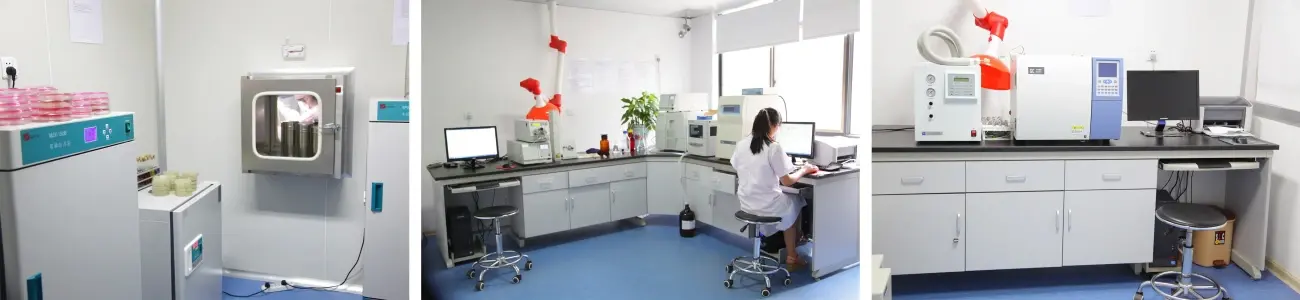
Procurement Guide: How to Buy and Source Natural Rhodiola Rosea Extract?
Identifying Reputable Bulk Suppliers and Quality Markers
Checking out possible rhodiola providers means looking at them across a number of quality factors. Vertically merged operations include growing, extracting, testing, and packing. This keeps the supply chain as safe as possible and reduces the chance of fraud. Ask for factory audit reports, GAP approval for the sources of raw materials, and proof that the testing laboratory is accredited (ISO/IEC 17025).
Organic Herb Inc. is a public company (Stock Number: 872213), which makes its finances and operations more open and accountable than most plant extract providers. Our 42-person R&D and QC team is made up of professors, PhD supervisors, and top researchers who work with research universities and multinational companies. This level of academic knowledge helps with projects that go beyond just buying standard ingredients, like custom formulation creation, method validation, and bioavailability improvement.
Market Pricing Trends and Cost Influencers
Natural Rhodiola Rosea extract prices change depending on harvest rates, premiums for organic certification, standardisation ratios, and changes in world demand. Standardised conventional extracts of 3% rosavins and 1% salidroside usually cost between $40 and $80 per kilogram in large quantities (500 kg or more), while organic-certified versions cost 20 to 30 per cent more. Higher standard ratios, like 5% rosavins, make production more difficult and expensive because they require more steps for chromatographic processing.
Procurement managers negotiating annual supply agreements should consider currency exchange rate fluctuations, especially when sourcing from Asian makers that bill in USD or Euro versions. Organic Herb Inc. has clear price structures with discounts for buying in bulk, rates that don't change for multi-shipment contracts, and a variety of payment options, including LC, TT, and set credit terms for qualified buyers.
Reliable Purchasing Channels and Supplier Relationship Management
Dealing directly with manufacturers cuts out markups for distributors and makes sure that customers get what they need when supplies are low. Setting up ways to talk to technical contacts instead of just transactional sales reps makes it easier to solve problems quickly when formulation problems or changes to specifications come up. Our technical support team answers questions about improving solubility, worries about stability, or the need for regulatory paperwork within 24 hours.
Online business-to-business (B2B) sites help people find suppliers of natural Rhodiola Rosea extract, but before placing big orders, credentials must be carefully checked, and samples must be confirmed. We suggest asking for authenticated certificates, having samples checked by a third-party lab, and placing trial orders (25–100 kg) to check the quality of the package, the trustworthiness of the shipping, and the speed of customer service.
Conclusion
Natural Rhodiola Rosea extract is a plant ingredient that has been scientifically proven to work and can be used in a wide range of industries, including functional foods, skincare, and sports nutrition. Its normal bioactive profile, which includes 3% rosavins and 1% salidroside, gives consistent results that are backed by clinical studies and a long history of use. Partnering with fully integrated providers that offer GAP-certified cultivation, advanced analytical proof, full certifications, and quick technical support is good for procurement pros. Because Organic Herb Inc. is dedicated to quality, honesty, and following the rules, we are a trustworthy company that can make rhodiola extract. We can help both new brands and well-known global companies create unique, high-performance formulas that appeal to picky customers.
FAQ
1. What distinguishes natural rhodiola extract from synthetic alternatives?
Real botanical extracts keep the plant's complicated phytochemical matrix, which includes chemicals that work together like flavonoids and organic acids that aren't found in synthetic isolates. Using water-ethanol methods to extract bioactive compounds naturally keeps this variety of bioactives, which supports the adaptogenic properties that have been demonstrated through traditional use and clinical study.
2. How do I verify rhodiola extract purity in bulk orders?
Ask for a certificate of analysis (COA) that includes heavy metal test results (ICP-MS), microbial screening records, pesticide residue analyses, and HPLC chromatograms that show the amount of Rosavin and Salidroside. Independent labs that do third-party verification add another layer of security to high-value procurement agreements.
3. Is rhodiola extract safe across different product categories?
Natural Rhodiola Rosea extract is suitable for use in food, supplements, and beauty products as long as it comes from approved sources that meet pharmaceutical-grade standards. Appropriate dosage, quality testing, and label statements are all important for making sure that products are suitable for consumers and follow the rules.
4. Can rhodiola extract integrate into temperature-sensitive formulations?
Standardised extracts remain stable when they are exposed to mild heat, like when capsules are filled, or drinks are pasteurised. However, processing at high temperatures for a long time (>80°C) may break down heat-sensitive phenolic chemicals. Talk to technical experts to get specific temperature stability data that fits the way your product is made.
Partner with a Trusted Natural Rhodiola Rosea Extract Supplier
Our premium Natural Rhodiola Rosea Extract is standardised to 3% Rosavins and 1% Salidroside. We invite buying workers, formulation experts, and brand owners to learn more about it. Our fully integrated operations, which include more than 8,000 acres of GAP-certified farming, cutting-edge research and development centres, and a wide range of certifications (including NSF GMP, Kosher, Halal, ISO, FSSC22000, and Organic), guarantee the highest quality and strict compliance with all regulations. With four warehouses in the US, 10-day shipping, a 25 kg minimum order size, and free samples, we can meet the needs of both small-scale production and trial reviews. Email our team at info@organic-herb.com to talk about bulk prices, get technical information, or look into making your own extraction specs that fit your formulation goals.
References
1. Brown RP, Gerbarg PL, Ramazanov Z. Rhodiola rosea: A Phytomedicinal Overview. HerbalGram, American Botanical Council, 2002; 56:40-52.
2. Panossian A, Wikman G. Evidence-Based Efficacy of Adaptogens in Fatigue, and Molecular Mechanisms Related to their Stress-Protective Activity. Current Clinical Pharmacology, 2009; 4(3):198-219.
3. Saratikov AS, Krasnov EA. Rhodiola rosea is a Valuable Medicinal Plant (Golden Root). Tomsk State University Press, 2004.
4. Darbinyan V, Kteyan A, Panossian A, et al. Rhodiola rosea in stress induced fatigue—a double blind cross-over study of a standardized extract SHR-5 with a repeated low-dose regimen. Phytomedicine, 2000; 7(5):365-371.
5. European Medicines Agency. Assessment report on Rhodiola rosea L., rhizoma et radix. Committee on Herbal Medicinal Products (HMPC), 2012.
6. Khanum F, Bawa AS, Singh B. Rhodiola rosea: A Versatile Adaptogen. Comprehensive Reviews in Food Science and Food Safety, 2005; 4(3):55-62.
Standard Disclaimer (DSHEA):
These statements have not been evaluated by the Food and Drug Administration.
This product is not intended to diagnose, treat, cure, or prevent any disease.

Send Inquiry
Related Industry Knowledge
- Natural Rhodiola Rosea Extract: Origin, Composition, and Key Features
- Poria Cocos Mushroom Extract as Functional Foods in Industry
- How Dose Poria Cocos Extract Improve Your Health?
- Polyporus Discover its nutrients and properties
- The Health Benefits and Uses of Polyporus Umbellatus Fries
- Roseroot extract (Rhodiola rosea) for stress & exhaustion
- USA Market Insights on Sourcing High-Quality Polyporus Umbellatus Extract
- Natural Rhodiola Rosea Extract for Endurance and Metabolic Efficiency
- USA Import Standards and Poria Cocos Extract: A Supplier’s Perspective