
What is sodium copper chlorophyllin?
May 22, 2026
Sodium copper chlorophyllin represents a sophisticated semi-synthetic derivative Sodium Copper Chlorophyllin Powder of natural chlorophyll, engineered to overcome the inherent instability challenges of its parent compound. This Sodium Copper Chlorophyllin Powder emerges through a controlled chemical process where the central magnesium atom in chlorophyll's porphyrin ring structure gets replaced with copper, simultaneously forming sodium salts to enhance water solubility. Unlike natural chlorophyll extracted from sources like Morus alba leaves, this modified compound exhibits remarkable stability under heat, light, and oxidative conditions, making it invaluable for industrial applications requiring consistent performance and extended shelf life.
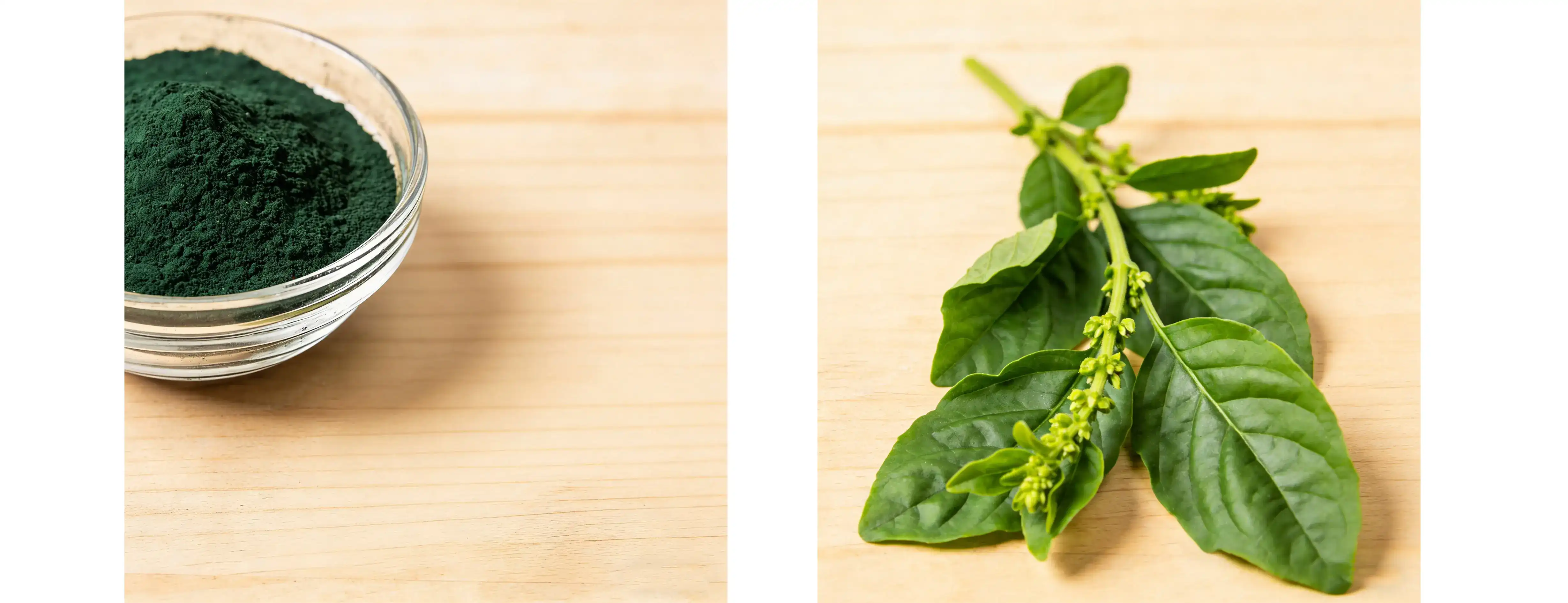
Understanding Sodium Copper Chlorophyllin
Understanding the basic science of sodium copper chlorophyllin helps us understand why this substance is so important in many fields. When natural chlorophyll goes through alkaline breakdown and then copper replacement, the molecule that's left keeps its bright green color while becoming much more stable. The copper ion's stronger coordination bonds than magnesium's make the molecular structure stronger and less likely to break down under processing conditions that would quickly destroy natural chlorophyll.
Chemical Structure and Enhanced Stability
It takes a lot of careful chemical engineering to change molecules from natural chlorophyll to sodium copper chlorophyllin. The creation of the copper complex gets rid of the photosensitive qualities that make natural chlorophyll turn brown quickly when it comes in contact with light. Because the structure has been changed, makers can use chlorophyll's useful qualities without having to deal with the formulation problems that come with using real plant extracts. The sodium salts that dissolve in water make the molecule even more useful because they make it possible for it to work in water-based systems, where real chlorophyll would not work because it is lipophilic.
Differentiation from Natural Chlorophyll
Manufacturers know that sodium copper chlorophyllin is the best way to get around the problems that come with using real chlorophyll. Natural chlorophyll taken from mulberry leaves (Morus alba) has natural properties, but it breaks down quickly in normal processing conditions, which means it can't be used in many commercial settings. The copper derivative keeps the important properties that make chlorophyll useful while getting rid of the instability that makes it unsuitable for use in heat-processed goods, formulations with long shelf lives, Sodium Copper Chlorophyllin Powder, and uses that are exposed to light.
Key Benefits and Applications of Sodium Copper Chlorophyllin Powder
Sodium copper chlorophyllin powder can be used in a lot of different high-value situations in a lot of different businesses. There is a growing need for clean-label options to synthetic chemicals, and research shows that this ingredient works well as both a functional ingredient and a natural colorant. The compound's antioxidant properties help keep the product stable, and its bright green color makes it look better without changing the way it works.
Industrial Applications and Market Segments
Sodium copper chlorophyllin powder is used in many different types of manufacturing, and each one makes use of different parts of its unique qualities. The chemical is a high-quality natural colorant used in the production of food and drinks. Because it is stable at high temperatures, it can be used in processed goods, baked goods, and sweets. Unlike manmade green dyes, this chlorophyll derivative stays the same color throughout the product's shelf life, which is what consumers want: natural chemicals. Industrial and nutritional uses take advantage of the compound's functional qualities that go beyond coloration. The structure of the molecule allows for certain biological reactions that support a number of wellness-focused formulas. The coloring and functional benefits are both used in personal care and beauty products. The ingredient is added to toothpaste, skin care products, and color cosmetics that promote natural options to synthetic dyes.
Performance Advantages in Manufacturing
Quality control experts like how constant the performance of sodium copper chlorophyllin powder is. The normal 98% purity requirement makes sure that the results will be the same across production runs, getting rid of the variation that comes with using natural plant extracts. Processing stability means that the ingredient can handle normal production conditions like high temperatures, changes in pH, and long mixing processes without losing its color or forming crystals.

Comparative Insights: Choosing the Right Chlorophyllin Form
When deciding what chlorophyllin forms to buy, it's important to carefully consider the needs of the product and the limitations of the manufacturing process. Sodium copper chlorophyllin powder has clear benefits over liquid concentrates and capsule forms, particularly in terms of handling convenience, dosing precision, and formulation flexibility. The powder form makes it easier to measure and mix accurately, and you don't have to worry about how stable the liquid will be in storage or whether the containers will work with it.
Purity Standards and Quality Considerations
When workers in the supply chain compare chlorophyllin sources, they need to look at the quality requirements. The 98% purity standard is the best quality for most commercial uses because it gives the best color strength and functional benefits with the fewest impurities that could hurt the product's performance. The high-grade sodium copper chlorophyllin powder is made using both water and ethanol extraction methods. These make sure that there are no harsh chemical residues and that the compound's useful qualities are kept.
Form Selection for Specific Applications
The best chlorophyllin form is chosen based on the needs of the product. Powder types work best for dry-mixing, making tablets, Sodium Copper Chlorophyllin Powder, and other tasks that need precise dose control. Powder that is kept properly has a long shelf life, so there is no need to worry about it going bad during long inventory times. Powder forms are more efficient for manufacturing because they are easier to handle and have a lower chance of contamination than liquid forms.
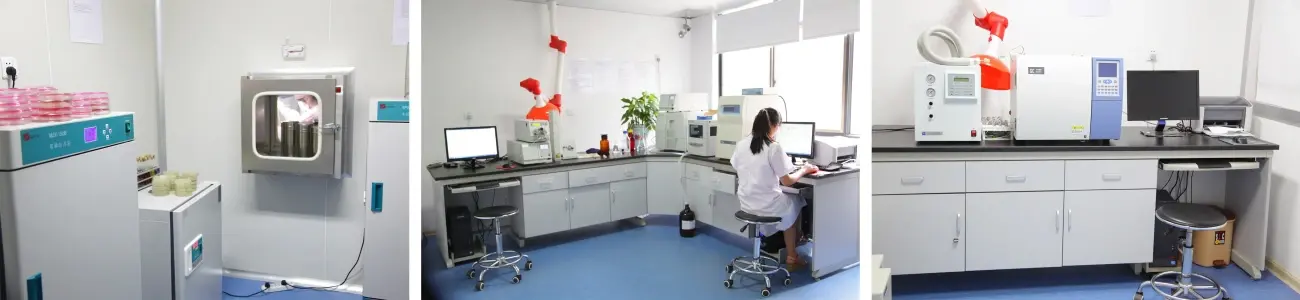
Procurement Considerations for Sodium Copper Chlorophyllin Powder
To buy sodium copper chlorophyllin powder strategically, you need to know how the market works, what your suppliers can do, and how to make sure the quality of the powder. The global market has many choices for sourcing, but to be good at procurement, you need to find suppliers who can regularly produce high-grade quality at competitive prices and on time.
Supplier Evaluation and Selection Criteria
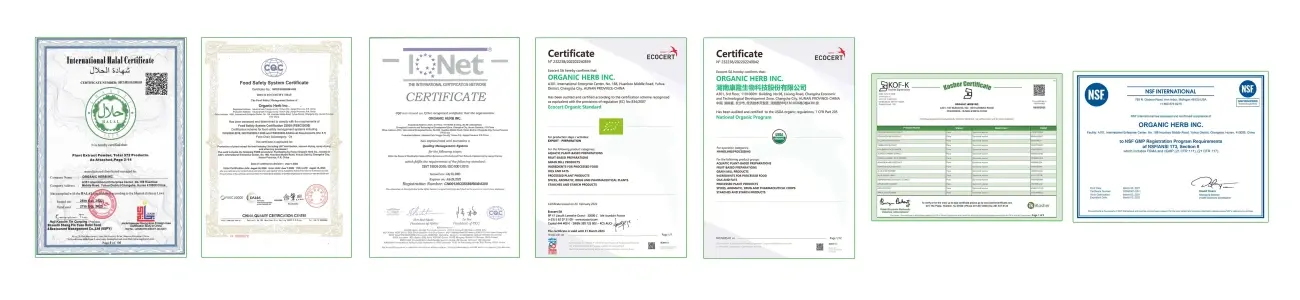
To evaluate a provider effectively, you need to look at more than just unit price. Long-term buying success depends a lot on the ability to manufacture, quality standards, and the dependability of the supply chain. Suppliers with NSF GMP, ISO 9001, FSSC22000, Kosher, or Halal certifications show they are committed to quality standards that are important for businesses that are controlled. Advanced extraction tools and research and development (R&D) skills show that a seller can keep product standards consistent and adapt to changing market needs.
Logistics and Supply Chain Management
When you buy things from other countries, you need to think carefully about how to ship them, deal with taxes, and keep track of your goods. Because this element is so specialized and because of economies of scale in production, the minimum order quantity is usually 25 kg. Standard specs have lead times of 10 days or less, which makes it easy to plan production and use just-in-time inventory tactics. North American makers benefit greatly from suppliers who keep warehouses in the US because they can send goods more quickly and keep the supply chain going.
Cost Optimization Strategies
When you buy in bulk, you can usually get better prices and be sure that you'll always have a supply. Long-term contracts with reliable providers keep prices stable and give sellers more power during times of high demand. Sample evaluation programs let purchasing teams check quality specs before placing big orders. This lowers the chance of specs not matching or quality problems.
Ensuring Quality and Trust: Selecting Reliable Sodium Copper Chlorophyllin Suppliers
Getting sodium copper chlorophyllin successfully depends on making sure the quality of the product. Reliable providers use thorough testing methods that include heavy metals screening, microbiological safety, residue solvent testing, and purity analysis. These quality measures make sure that legal requirements are met while keeping the consistent performance traits that are needed for business manufacturing.
Certification Requirements and Regulatory Compliance
Leading sellers in their fields keep a number of certifications that cover a wide range of market groups and government rules. NSF GMP approval makes sure that manufacturing methods are safe for industrial use, and FSSC22000 compliance makes sure that food safety rules are followed. Kosher and Halal approvals make it easier for goods that are aimed at certain groups of people to reach more customers. When it's available, organic approval helps with clean-label marketing and making high-end products.
Technical Support and Custom Solutions
Suppliers who offer full expert help with Sodium Copper Chlorophyllin Powder are more valuable than just sending goods. Working together in research and development (R&D) lets people come up with new formulas, change requirements, and make apps better. Meeting with an expert can help people who are making things figure out how to use sodium copper chlorophyllin powder best for their individual needs. Some of the best providers have skilled research and development (R&D) teams that can help with making new products and solving problems that are unique to each application. If you want to make new recipes or change existing products to include natural alternatives to fake ones, this information is very helpful.
Conclusion
Businesses have trouble when they try to use real chlorophyll. Sodium copper chlorophyllin powder is a high-tech solution to these issues. Producers who want natural alternatives to man-made colourants and useful ingredients can't do without it because it is more stable, dissolves easily in water, and always does what it's supposed to do. This substance is useful for makers who want to make things that will work in the future because it can be used in cosmetics, industrial products, and food. It also fits with the trend toward clean labels. If you want to do good procurement, you need to work with qualified providers who can show that they always meet high standards, follow the rules, and have the technical know-how to help your manufacturing business.
FAQ
1. What distinguishes sodium copper chlorophyllin powder from natural chlorophyll extracts?
Because its chemical structure has been changed, sodium copper chlorophyllin powder is more stable than pure chlorophyll extracts. The copper replacement stops the photosensitive breakdown that turns natural chlorophyll brown quickly, and the formation of sodium salts ensures that the chlorophyll can dissolve in water. This engineering makes it possible for natural products to work consistently in factory settings where they would fail because of how they are processed or how long they need to stay fresh.
2. How should manufacturers verify the purity and authenticity of sodium copper chlorophyllin powder?
To be sure that sodium copper chlorophyllin powder is real, it needs to be tested for purity using HPLC, its color value using spectrophotometry, and it needs to come with certificates of analysis from approved labs. Suppliers should give thorough information, such as the methods used for extraction, the solvents they use, and the results of third-party tests. The quality assurance method is finished with heavy metals analysis, residual solvent screening, and microbiological tests.
3. What are the recommended storage conditions for maintaining powder stability?
To store powder properly, you should keep it in covered cases that are away from light, moisture, and high temperatures. For best results, store below 25°C in places with low humidity and little exposure to air. This 25kg drum packaging is strong enough to cover large amounts of goods while also making them easy to handle and keep track of. When powder is stored correctly, its security and color strength are kept for long periods of time.
4. Which applications benefit most from using powder versus liquid chlorophyllin forms?
Powder types work best for dry-mixing, making tablets, and other tasks that need precise dose control. Powder's concentrated nature lets you use higher loading levels in recipes with limited room, and you don't have to worry about how stable the liquid will be or how well it will work with the container. Powder forms are more efficient for manufacturing because they are easier to handle, less likely to get contaminated, and last longer than liquid forms.
Partner with OHI for Premium Sodium Copper Chlorophyllin Powder Supply
OHI is a reliable company that Sodium Copper Chlorophyllin Powder makes sodium copper chlorophyllin powder. They have state-of-the-art production facilities and decades of experience in extracting plants. Our 98% pure standard, which comes from carefully choosing Morus alba leaves and extracting them with water and ethanol, makes sure that the quality is always the same for your most demanding uses. With certificates in NSF GMP, ISO, FSSC22000, Kosher, and Halal, we promise to follow the tightest industry standards. Our efficient supply chain management also helps us keep our prices low. Get a free taste by emailing info@organic-herb.com and learn how our advanced research and development (R&D) and four US warehouse locations can help you improve your purchasing strategy and speed up the development of your product.
References
1. Ferruzzi, M.G., & Blakeslee, J. (2007). Digestion, absorption, and cancer-preventative activity of dietary chlorophyll derivatives. Nutrition Research, 27(1), 1-12.
2. Kumar, S.S., Devasagayam, T.P., Bhushan, B., & Verma, N.C. (2001). Scavenging of reactive oxygen species by chlorophyllin: An ESR study. Free Radical Research, 35(5), 563-574.
3. Mortensen, A., & Geppel, A. (2007). HPLC-MS analysis of the green food colorant sodium copper chlorophyllin. Innovative Food Science & Emerging Technologies, 8(3), 356-360.
4. Kephart, J.C. (1955). Chlorophyll derivatives—their chemistry, commercial preparation and uses. Economic Botany, 9(1), 3-38.
5. Tumolo, T., & Lanfer-Marquez, U.M. (2012). Copper chlorophyllin: A food colorant with bioactive properties? Food Research International, 46(2), 451-459.
6. Dashwood, R.H. (1997). Chlorophylls as anticarcinogens: A review of the evidence. Food and Chemical Toxicology, 35(10-11), 953-965.
Standard Disclaimer (DSHEA):
These statements have not been evaluated by the Food and Drug Administration.
This product is not intended to diagnose, treat, cure, or prevent any disease.

Send Inquiry
Related Industry Knowledge
- What is the best reishi mushroom extract?
- When to take saw palmetto morning or night?
- Does red yeast rice lower cholesterol?
- What is sage used for?
- Natural Rhodiola Rosea Extract: Origin, Composition, and Key Features
- Poria Cocos Mushroom Extract as Functional Foods in Industry
- How Dose Poria Cocos Extract Improve Your Health?
- Polyporus Discover its nutrients and properties
- USA Market Insights on Sourcing High-Quality Polyporus Umbellatus Extract
- USA Import Standards and Poria Cocos Extract: A Supplier’s Perspective