
What is black carrot extract?
May 18, 2026
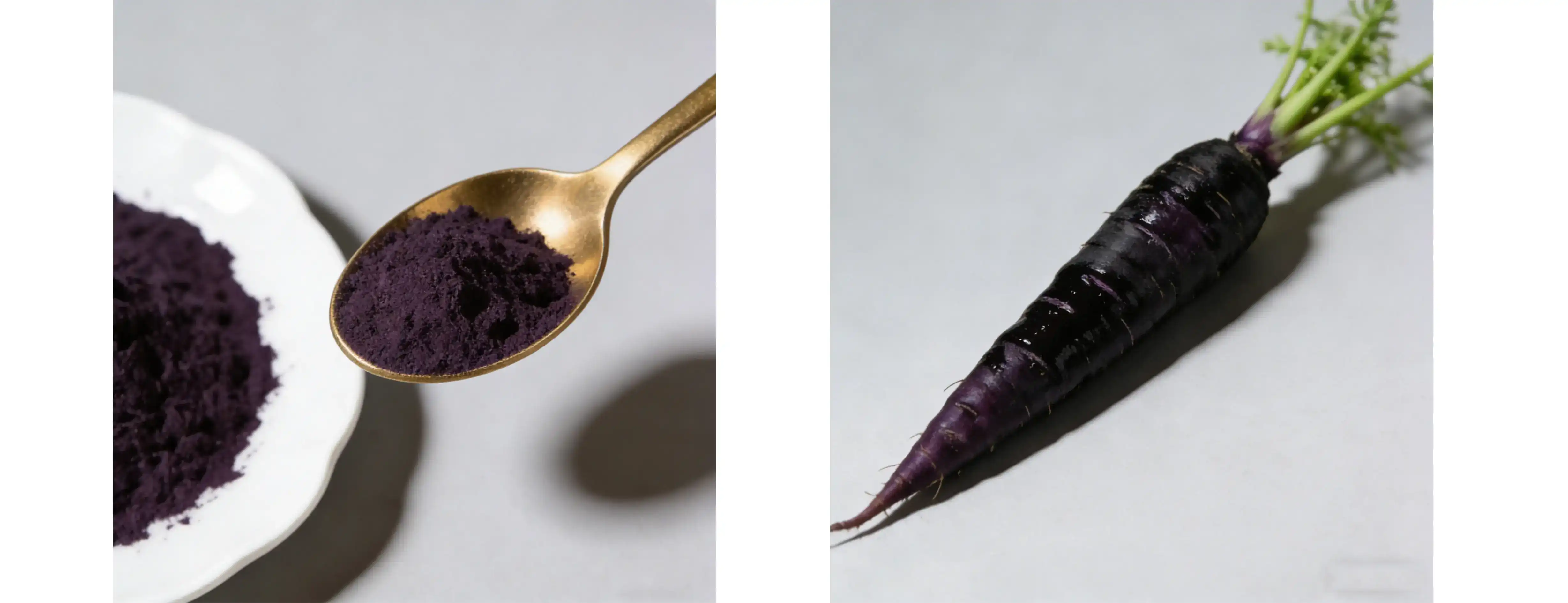
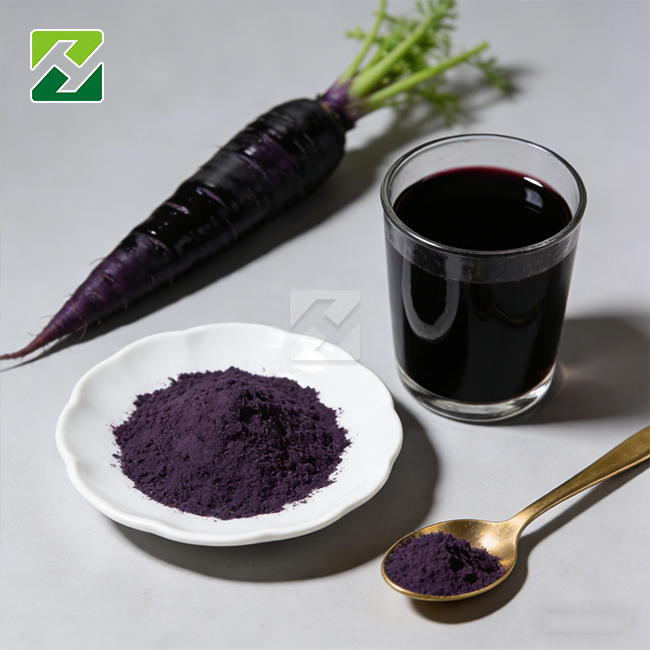
Black Carrot Extract is a natural, water-soluble pigment derived from the deeply pigmented roots of Daucus carota ssp. sativus. Unlike standard orange carrots rich in beta-carotene, this specialized extract contains concentrated anthocyanins—specifically acylated cyanidin derivatives—which provide vibrant purple-red coloration and strong molecular stability. The extract serves as a premium clean-label alternative to synthetic dyes in food, beverage, and cosmetic applications, offering superior stability against heat, light, and pH variations during industrial processing.
Introduction
As people around the world use more natural goods, black carrot extract has become a popular choice for businesses that want to use clean labels. This ingredient is becoming more famous as a high-performance natural colourant in the food, beverage, supplement, and personal care industries. It comes from a dark-pigmented type of Daucus carota. This full guide tells buying managers, formulation scientists, R&D leaders, and OEM clients everything they need to know about black carrot extract. It talks about a lot of different things, from quality standards and strategic sourcing methods to the unique biochemical composition and wide range of application areas. By understanding these important factors, you can make better decisions and feel more confident when choosing dependable sources to meet your business's needs. The market for purple carrot anthocyanins keeps growing because companies are realising that this ingredient is better for technology than fake ones. Figuring out how black carrot extract works is important for making sure that functional drinks, food supplements, and cosmetics always have the same effects.
Understanding Black Carrot Extract: Definition and Composition
Purple carrot extract is obtained from specific varieties of black carrots using extraction processes designed to preserve high levels of bioactive compounds. Water-based or hydroalcoholic methods are typically used, which help maintain the stability of heat-sensitive anthocyanins while achieving target concentration levels.
Biochemical Profile and Active Compounds
Anthocyanins, especially cyanidin-3-glucoside and cyanidin-3-xylosylglucoside, are the main ingredients that give the product its colour and make it work. Depending on how it was made and the quality of the raw materials, these chemicals usually make up between 70 and 85% of the total phenolic content. The ORAC (Oxygen Radical Absorbance Capacity) test shows how the chemical reactivity profile of black carrot extract differs from that of regular carrot extracts, which are mostly made up of carotenoids. The amount of anthocyanin in good products is usually between 2 and 25 percent. The E50 and E60 standards show how bright the colour is in a 1% solution. Because they are chemically related to hydroxycinnamic acids, these anthocyanins are much more stable than non-acylated anthocyanins from other berries.
Standardization and Quality Metrics
Professional-grade extracts undergo strict testing procedures to ensure batch-to-batch consistency. Key quality parameters include total anthocyanin content, color value, moisture content, microbiological safety, and heavy metal compliance. These indicators directly influence formulation consistency and regulatory Black Carrot Extract compliance across various market applications.
Applications and Performance of Black Carrot Extract in Various Industries
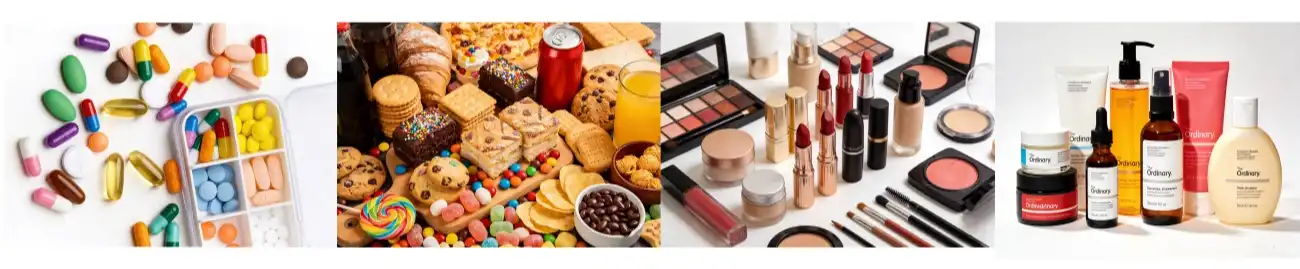
Natural purple colorants are used across many industries, each with distinct manufacturing challenges and performance requirements. Understanding these diverse applications helps procurement teams evaluate whether the extract is suitable for specific product types and production processes.
Food and Beverage Manufacturing
The beverage industry represents the largest application segment for anthocyanin-rich products. Functional drinks, fortified beverages, and enhanced water products can use the extract due to its stability in acidic environments (pH 2.5–4.0) and long-lasting color performance. Unlike synthetic colorants, natural carrot pigments offer a clean-label appeal without compromising visual impact. Technically, candy applications present unique challenges, particularly regarding thermal stability during processing. High-quality extracts maintain color stability even at temperatures above 100°C, enabling use in gummies, hard candies, and confectionery products. Black carrot extract is suitable for delicate flavor profiles as it does not introduce off-notes commonly associated with beetroot alternatives.
Cosmetic and Personal Care Applications
Anthocyanin ingredients are used in skin care products as natural colorants and molecular stabilizers. These ingredients appear in serums, lotions, and specialized treatments to support product performance claims while maintaining a clean-label status. The extract’s water solubility allows easy integration into various cosmetic bases. Color cosmetics represent an emerging area for natural color replacement of synthetic options. Lip products, makeup items, and eye cosmetics can benefit from the extract’s color range and stability when combined with appropriate pH buffers and stabilizing systems.
Comparing Black Carrot Extract with Alternative Extracts and Products
Comparing different natural colorants requires evaluation of performance, cost, and ingredient compatibility. This analysis helps procurement teams make informed decisions based on application requirements and corporate objectives.
Performance Comparison with Synthetic Alternatives
Traditional synthetic dyes, such as FD&C Red No. 40 and Carmoisine, offer uniform coloration but lack the clean-label appeal increasingly demanded by consumers. Black carrot extract provides comparable color strength and additional natural-origin characteristics. Its stability profile is often superior to other natural alternatives, especially Black Carrot Extract under challenging processing conditions. In terms of raw material costs, synthetic options tend to be less expensive, but the premium positioning enabled by natural ingredients often justifies higher ingredient costs through improved market positioning and consumer acceptance.
Natural Colorant Alternatives Analysis
Beetroot extract is a popular natural red colorant option, but it has certain application limitations. Its earthy taste restricts use in highly delicate formulations, while thermal instability creates challenges during high-temperature processing. Acylated anthocyanins demonstrate better light stability than betanin-based colorants. Anthocyanins can also be obtained from grape skin extract and elderberry concentrate, but these typically require higher usage rates to achieve equivalent color strength. The absence of acylated anthocyanins in these sources reduces stability and may result in color changes during storage.
Format Considerations: Powder versus Liquid Forms
Powder forms offer advantages in shelf life, shipping efficiency, and formulation flexibility. Their concentrated nature reduces packaging requirements and supports extended storage stability under proper conditions. Liquid concentrates facilitate easier integration in beverages but require more careful handling and storage conditions. Organic certification adds another dimension to procurement decisions; certified organic products typically command premium pricing and support specific market positioning strategies. The choice between organic and conventional sources depends on target market requirements and cost-benefit analysis for the application.
Procurement Considerations for Black Carrot Extract
Effective procurement strategies require careful evaluation of supplier capabilities, quality assurance systems, and supply chain reliability. Understanding these key factors helps secure optimal ingredient sourcing and reduces risks related to supply disruptions and quality variations.
Supplier Evaluation and Quality Assurance
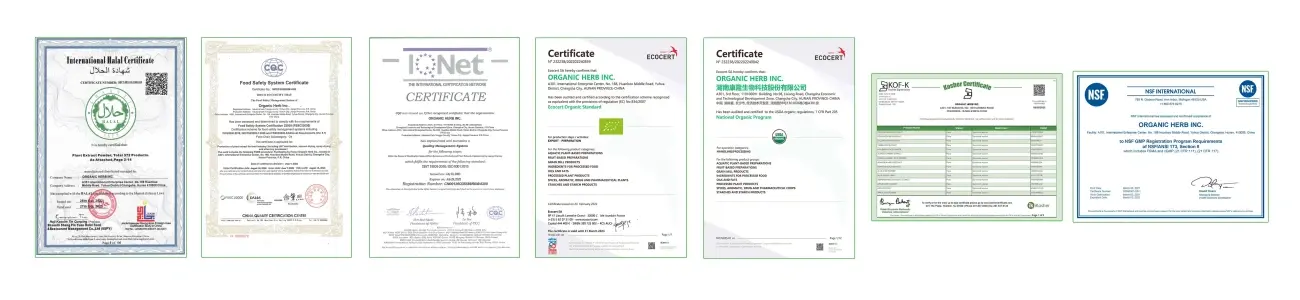
Reputable suppliers maintain comprehensive quality management systems, including ISO 9001, HACCP, and GMP certifications. These certifications demonstrate commitment to quality delivery and regulatory compliance across international markets. Certificates of analysis should include complete test results for critical quality parameters, including heavy metal limits, microbiological safety, and anthocyanin content. Manufacturing facility audits provide additional confidence in production capacity and quality control methods. Suppliers with dedicated extraction equipment and controlled processing environments typically deliver more consistent product quality than facilities handling a wide range of ingredient types.
Regulatory Compliance and Documentation
To be successful in foreign markets, you need to know a lot about the rules that apply in that area. FDA rules for US markets, EU rules for European uses, and country-specific rules for other areas all affect how suppliers are chosen and what paperwork is needed. Suppliers who give full regulatory support make it easier for Black Carrot Extract for new products to get into the market and lower the risks of not complying. As regulators become stricter, traceability tools become more important. Full records from getting the raw materials to delivering the finished product help make sure that new standards are followed and help with quality reviews when they're needed.
Supply Chain Optimization Strategies
Geographically distributing your supply sources lowers the risks of regional outages and could lead to lower costs. Supply security is higher when suppliers have more than one production facility or strong backup plans for buying things. Cost reduction and stock availability should be balanced in inventory management strategies, which should take into account how fast things are used up and how demand changes with the seasons. When you build long-term relationships, you usually get better pricing terms and more attention when supply is limited. Strategic relationships with key suppliers help keep the business going and open up the possibility of working together to create new products for specific uses.
Why Choose OHI's Premium Black Carrot Extract Solution
Organic Herb Inc. provides high-performance purple carrot anthocyanin solutions using advanced extraction technology and strict quality control standards. Our comprehensive approach ensures consistent product performance and helps you achieve business objectives across a wide range of applications.
Advanced Manufacturing Capabilities and Quality Systems
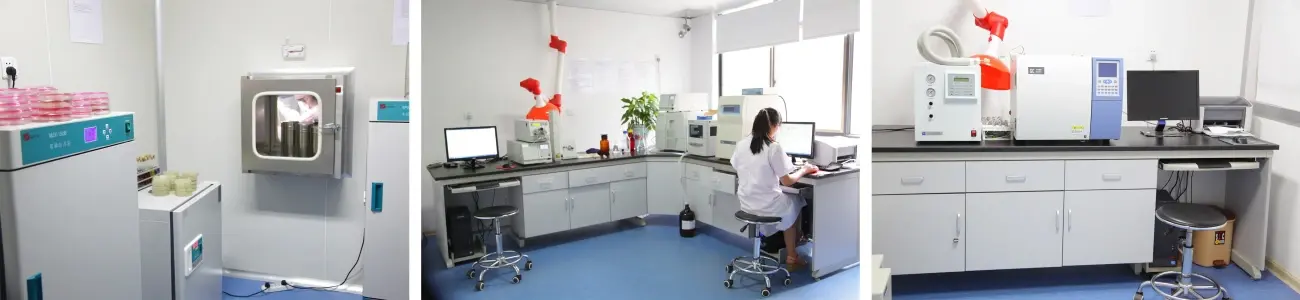
Methods are used at our state-of-the-art plant in Jiangxi province to keep the high anthocyanin content and purity levels. The dynamic extraction system keeps the best processing conditions all the way through the production cycle. This makes sure that the accuracy of each batch meets the strict needs of industrial uses. As part of quality assurance processes, a lot of tests are done, such as HPLC analysis for measuring anthocyanin levels, microbiological safety tests, and heavy metal screening. Our lab has advanced analytical tools worth more than $1.2 million, which let us fully characterise every batch of output. Our NSF GMP, Kosher, Halal, ISO, FSSC2200, and Organic certifications show that we follow world quality standards.42 professional staff members are working at the Changsha R&D center, including 27 top researchers with advanced degrees. This technical knowledge helps make customised products and ensures that the right conditions are used for extraction to keep important functional chemicals.
Supply Chain Excellence and Market Support
Four carefully placed warehouses across the United States allow for quick delivery to meet urgent needs, Black Carrot Extract, while also lowering the cost of service for customers in North America. Our company, Earth Made Nutritions, keeps a lot of stock in Los Angeles. This way, we can make sure that customers can still get our products even when production schedules change or the seasons change. A 10-day lead time from order confirmation to shipment shows that the processes for planning production and managing supplies are working well. Minimum order amounts can be changed from 25 kg to meet the needs of a wide range of customers, from those working on new products to those making a lot of them. Being able to get free samples helps people make better decisions before they commit to bigger purchases. Our philosophy for sustainable growth includes taking care of the earth and running a responsible business all the way through the supply chain. The 8,000-acre approved GAP planting base makes sure that the quality of the raw materials stays the same and helps local farming groups through programs that bring them together and give them technical help.
Conclusion
Black carrot extract is a flexible, high-performance substance that meets important needs in the business world for stable natural colourants. The high amount of anthocyanins gives the colour great qualities and makes the molecules stable, so they stay the same even when processing is hard. Knowing the special features of the extract, how it can be used, and where to get it helps you make smart purchasing choices that help you reach your goals for product differentiation and market positioning. As the need for natural products grows, black carrot extract remains a reliable option for businesses that want to meet performance standards while keeping their clean-label status in cosmetics, supplements, food, and drinks.
1. What dosage levels are recommended for supplement formulations?
Usage rates usually fall between 50 and 500 mg per serve, but this depends on the product's purpose and how it is marketed. For antioxidant support uses, 100–200 mg gives you a good amount of anthocyanins without breaking the bank. For specialized formulations that are aimed at specific practical effects, higher concentrations may be right.
2. How does black carrot extract compare to regular carrot juice in terms of benefits?
Because it has more concentrated anthocyanins, black carrot extract is a much stronger antioxidant than normal carrot juice, which mostly contains beta-carotene. Bioactive chemicals are concentrated during the extraction process, which usually leads to 20–50 times higher anthocyanin amounts than in fresh juice. The standard extract style also makes sure that all production runs have the same amount of potency.
3. Are there any potential allergenic concerns or side effects?
There are no known allergic qualities of black carrot extract, so it is very safe. According to the Food and Drug Administration, the nutrient is generally recognized as safe for use in food. A lot of toxicology studies show that the suggested dosage levels are safe, and clinical studies haven't found any major side effects.
Partner with OHI for Premium Black Carrot Extract Supply
OHI is ready to help you reach your product development goals with the best black carrot extract options on the market. Our wide range of production capabilities, strict quality control systems, and quick customer service make sure that all of our clients around the world have a smooth purchasing experience. Our method is flexible enough to meet the needs of a wide range of businesses, whether they need small amounts for testing or a lot of goods for mass production.
Contact our technical team at info@organic-herb.com to talk about your unique needs and get personalized advice on how to formulate. Before placing a full order, you can ask for free samples of our premium-grade anthocyanin extracts to try out. Read on to learn why top manufacturers trust OHI as their Black Carrot Extract provider for steady quality and on-time delivery.
References
1. Rodriguez-Saona, Luis E., and Ronald E. Wrolstad. "Extraction, isolation, and purification of anthocyanins." Current Protocols in Food Analytical Chemistry 6.1 (2001): F1-1.
2. Kamiloglu, Senem, et al. "Anthocyanin stability in black carrot extracts: effects of pH, temperature, and storage." Food Chemistry 221 (2017): 1425-1435.
3. Montilla, Esperanza Celia, et al. "Anthocyanin composition of black carrot (Daucus carota ssp. sativus var. atrorubens Alef.) cultivars Antonina, Beta Sweet, Deep Purple, and Purple Haze." Journal of Agricultural and Food Chemistry 59.7 (2011): 3385-3390.
4. Kirca, Ahmet, et al. "Stability of black carrot anthocyanins in various fruit juices and nectars." Food Chemistry 97.4 (2006): 598-605.
5. Algarra, Manuel, et al. "Anthocyanins in red coloured vegetable extracts: Structural elucidation of natural colorants." Food Chemistry 113.3 (2009): 859-871.
6. Kammerer, Dietmar, et al. "Polyphenol screening of pomace from red and white grape varieties (Vitis vinifera L.) by HPLC-DAD-MS/MS." Journal of Agricultural and Food Chemistry 52.14 (2004): 4360-4367.
Standard Disclaimer (DSHEA):
These statements have not been evaluated by the Food and Drug Administration.
This product is not intended to diagnose, treat, cure, or prevent any disease.

Send Inquiry
Related Industry Knowledge
- What is black carrot extract?
- Which is better, CoQ10 or Omega-3?
- Natural Rhodiola Rosea Extract: Origin, Composition, and Key Features
- Poria Cocos Mushroom Extract as Functional Foods in Industry
- How Dose Poria Cocos Extract Improve Your Health?
- Polyporus Discover its nutrients and properties
- The Health Benefits and Uses of Polyporus Umbellatus Fries
- Roseroot extract (Rhodiola rosea) for stress & exhaustion
- Natural Rhodiola Rosea Extract for Endurance and Metabolic Efficiency
- USA Import Standards and Poria Cocos Extract: A Supplier’s Perspective