
How to use rosemary oil for skin
Jun 8, 2026
Rosemary oil is now an important part of many modern skin care products because it contains beneficial chemicals that heal and protect skin. When combined with high-quality Rosemary Extract that has been standardized to specific active markers like rosmarinic acid and carnosic acid, it gives formulation experts a wide range of tools they can use to make high-end skin care lines. The key is to find products that meet strict standards for purity and perform the same way in every batch. This helps brands build trust and give customers benefits they can see.
Understanding Rosemary Oil and Its Benefits for Skin
The Rosmarinus officinalis leaves are mostly used to make rosemary oil, which is a pure essential oil full of bioactive diterpenes and phenolic substances. This is very different from Rosemary Extract powder, which is removed with water or ethanol. Rosemary Extract powder provides consistent amounts of rosmarinic acid and carnosic acid in a solid form that is easy to mix.
Key Extraction Methods and Their Impact on Quality
Essential oils with volatile chemical compounds that are great for fragrances and therapeutic uses are made by steam distillation. Supercritical CO2 extraction and 100% water-based extraction, which are the methods used by major producers, produce Rosemary Extract powder that is more stable and has bioactivity that can be measured. The best cosmetic formulations are those that are standardized to contain 10% rosmarinic acid and 7% carnosic acid. These formulations offer both antioxidant defense and uniformity.
Primary Skin Benefits for Product Development
Actives that come from rosemary are strong antioxidants that fight free radicals that speed up the aging process. The carnosic acid part acts as a lipophilic antioxidant, which keeps lipid-rich skin tissues from breaking down due to oxidation. Because it dissolves in water, rosmarinic acid provides extra safety in water-based and gel-based products. Because rosemary has two effects, it is very useful in anti-aging serums, protective day creams, and restorative night treatments. These plant-based actives help brands stand out with their "clean label" products because they meet customers' desire for natural, effective skin care products that don't contain manmade preservatives.
Application in Anti-Aging and Protective Formulations
Rosemary acts well in emulsions, balms that don't need water, and gels that do. Because they have been shown to protect against free radicals and keep the skin's barrier intact, these ingredients are essential in formulas for older skin, complexions that are stressed by the environment, and people who live in cities and are exposed to pollution. Sourcing certified organic, water-extracted Rosemary Extract with confirmed rosmarinic and carnosic acid levels ensures regulatory compliance and is consistent with wellness-focused brand messaging, according to procurement teams.
How to Properly Use Rosemary Oil for Skin Care?
When working with pure essential oils instead of regular extracts, formulation scientists have to find a balance between how well the product works and how safe it is for people to use. Understanding the right way to use something guarantees that it works well and makes the end user happy.
Safe Dilution Ratios for Topical Application
To keep skin from getting sensitive, essential rosemary oil needs to be mixed with carrier oils. The concentration should be between 1% and 3%. Rosemary Extract powder, on the other hand, is standardized by being extracted with 100% water. It can be added to products at levels ranging from 0.5% to 5%, based on the amount of antioxidants that are wanted. Because of this, formulators can set the right amount of activity while still making sure that all product types are gentle on the skin.
Pre-Application Sensitivity Protocols
When doing business with other businesses, you should make it clear to end users that they should do a patch test before using the product on a large area, especially if it contains essential oils. Extract-based formulas usually have milder profiles, but responsible labeling and testing documents are still needed to follow the rules and protect the brand.
Tailored Recommendations by Skin Type
Lightweight gels that contain water-soluble rosmarinic acid work well on oily and acne-prone skin because they provide antioxidant benefits without making the skin more clogged. Oil-based formulas that mix carnosic acid-rich products with healing plant oils like rosehip or jojoba are good for dry or older skin. Formulations for sensitive skin work best when they use smaller amounts of controlled extracts and stay away from volatile essential oils that can cause reactions. With these different methods, brands can make product lines that are perfectly suited to certain groups of customers.
Comparing Rosemary Oil with Other Herbal Extracts for Skin Care
To make buying choices that balance effectiveness, safety, and cost-effectiveness, procurement workers need to know the difference between essential oils, crude extracts, and standardized plant actives.
Essential Oil Versus Standardized Extract: Critical Differences
Rosemary essential oil has scent-enhancing properties and volatile chemicals that can be used for pleasure and some skin applications. Rosmarinic acid (10%) and carnosic acid (7%) in standardized Rosemary Extract powder provide quantifiable, repeatable action. This type gives formulators stable performance, a long shelf life, and easy-to-read regulatory paperwork, all of which are important for increasing output and keeping consistency from batch to batch.
Water-Soluble Versus Lipophilic Active Systems
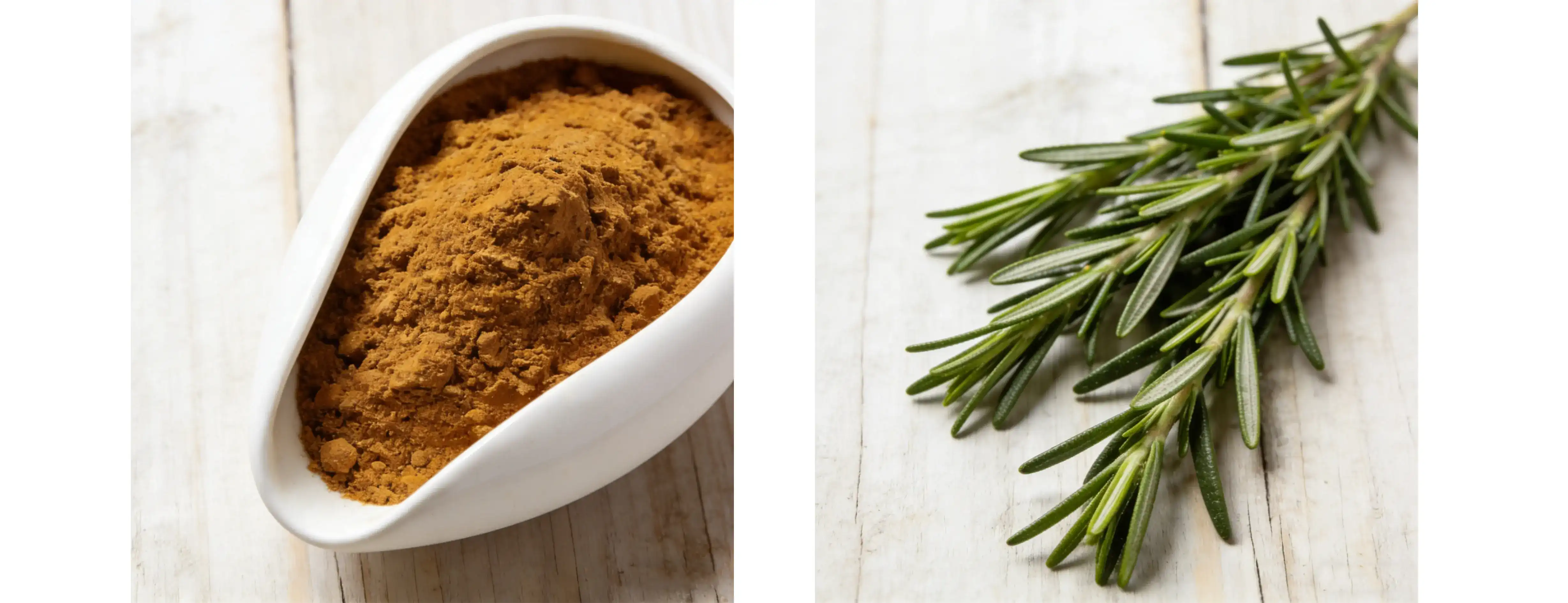
Rosemary Extract that is made with only water as a solvent, turns into a brownish-yellow powder that is high in rosmarinic acid and great for use in serums, toners, and micellar waters that are water-based. Carnosic acid works well in creams, balms, and oils because it has complementary lipophilic action. This two-phase compatibility lets brands make complete skin care systems with the same active ingredients in all product forms. This builds brand loyalty and strengthens the brand's personality.
Organic Certification and Clean-Label Positioning
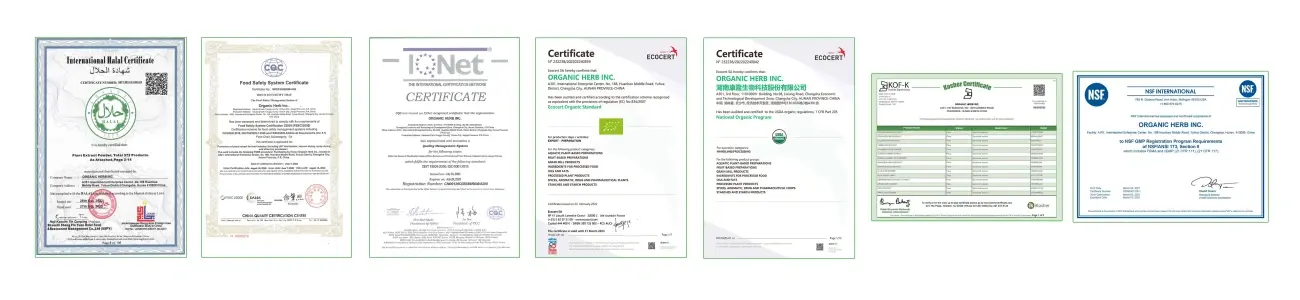
More and more people want approved organic ingredients, which forces companies to buy from sellers who have NSF GMP, Kosher, Halal, ISO, FSSC22000, and Organic certifications. These qualifications make your marketing stand out and meet the needs of retailers in high-end distribution platforms in North America and Europe. Suppliers who can provide full traceability from where the leaves come from to how they are packaged at the end provide the paperwork needed for clean-label brand positioning to work.
Sourcing Quality Rosemary Extract: Procurement Insights for B2B Buyers
Choosing the right botanical provider affects the success of the product, the image of the brand, and the long-term profits. When you do strategic buying, you have to look at more than just the unit price of a supplier's abilities.
Certification Verification and Regulatory Compliance
Manufacturers with a good reputation keep their CGMP, FSSC22000, ISO9001, HALAL, and KOSHER certificates up to date. These standards make sure that the ways things are made meet international safety and quality standards. This makes it easier for products to be registered in controlled markets. For each batch, suppliers should give Certificates of Analysis (CoA) that show the standard amounts of rosmarinic acid and carnosic acid, as well as the limits for heavy metals, microbial counts, and solvent residue tests. This is especially important for water-extracted goods, where purity must be proven.
Supply Chain Transparency and Traceability
Leading providers run fully integrated businesses that include everything from controlled cultivation to final extraction. GAP-certified planting sites that cover more than 8,000 acres and direct partnerships with farmers ensure the quality of the raw materials and the continuation of the supply. This upstream control lowers the risk of contamination and ensures seasonal availability. This keeps brands safe from supply chain problems that mess up production plans and market promises.
Technical Support and Custom Formulation Services
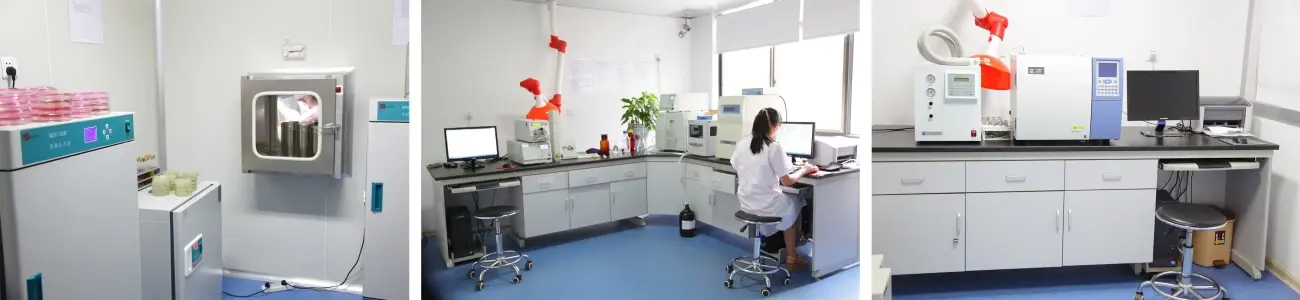
Top makers do more than just supply ingredients. They also offer formulation advice, help with stability testing, and unique standards to meet the needs of each product. Access to cutting-edge research and development labs with HPLC-ELSD, GC-MS, and supercritical CO2 extraction tools lets people work together to create new products, which speeds up the time it takes for new skin care products to hit the market. With these technical relationships, providers become strategic friends that help the brand grow over the long run.
Bulk Purchasing Considerations
To make buying go smoothly, you need to know about minimum order quantities (like 25 kg), different types of packaging (usually 25 kg drums for extracts), lead times (10 days for normal specs), and storage sites. Suppliers with warehouses in four different regions of the US offer big benefits in terms of freight prices, shipping times, and product options. Offering free samples lets people try out possible formulations before buying large quantities, which lowers their financial risk during the product creation stages.
Integrating Rosemary Extract into Your Product Line: Practical Applications
To successfully add rosemary actives to commercial skin care lines, you need to plan, be aware of regulations, and pay close attention to product chemistry. Here are the main benefits this material brings to the process of making products:
Antioxidant Efficacy: The synergistic mix of 10% rosmarinic acid and 7% carnosic acid effectively removes free radicals, which protects the structure of the product and improves the look of the skin. When brands use these well-known active ingredients, they can back up their product claims with data from standard tests.
Formulation Versatility: The brownish-yellow powder easily mixes with oil and water, and it can be used in emulsions, gels, and systems that don't have any water in them. Up to 190°C thermal stability lets you handle the material in different ways without losing its activity.
Clean Label Appeal: Using 100% water as a solvent during water-extraction processing removes worries about residual organic solvents. This supports the clean beauty positioning and meets customer standards for botanical ingredients that have been barely processed.
Regulatory Compliance: Products made with NSF GMP, FSSC22000, and Organic certification standards speed up the approval process for regulations in the US and Europe, cutting down on the time and money needed for product registration and safety paperwork.
These benefits can help solve formulation problems that come up a lot when making natural skin care products, like how to balance activity, stability, and clean-label needs. In premium market groups, brands that get their materials from approved suppliers with full technical paperwork have an advantage over their competitors.
Market Trends Driving Rosemary Extract Adoption
Consumer study shows that people are increasingly choosing plant actives that have been shown to work over synthetic options. The market for natural skin care products is growing because more intelligent customers want products that are clear, last a long time, and work well. Rosemary Extract meets all three goals: clear standardization with measurable signs, long-lasting extraction using water, and strong antioxidant performance backed by a lot of scientific research. When brands use these ingredients, they can get a better place in the market and meet retailers' needs for natural ingredient approval.
Building Strategic Supplier Relationships
Long-term success in procurement depends on relationships with suppliers that go beyond just buying things. Working with companies that have GAP-certified planting bases, advanced R&D centers, and distribution networks in the US gives you a competitive edge when it comes to supply security, expert support, and the efficiency of your processes. When suppliers offer co-development services, custom standards, and legal advice, they become useful partners in the process of coming up with new products. This lets brands respond quickly to new customer trends and needs.

Conclusion
Rosemary oil and standardized Rosemary Extract are strong tools for skin care companies looking for natural, effective ingredients that meet legal and "clean label" standards. The important difference between essential oils and standardized extracts helps people who buy things find ingredients that work in a way that can be measured and repeated. Water-extracted Rosemary Extract standardized to 10% rosmarinic acid and 7% carnosic acid gives formulators more options, proven effectiveness, and all the certifications needed to place a quality brand. Strategic buying from vertically integrated sources that grow their products in a way that meets good agricultural practices, use cutting-edge extraction technology, and have distribution networks in the US guarantees a steady supply of goods, expert technical support, and a competitive edge in the ever-changing skincare markets.
FAQ
Q1: What concentration of Rosemary Extract is optimal for skincare formulations?
Standardized Rosemary Extract works well at concentrations between 0.5 and 5%, based on the form of the product and the amount of antioxidant activity that is needed. For balancing effectiveness, water-based formulas usually use 1% to 3%, while leave-on treatments can use up to 5% for better protection. When adding plant actives to new products, you should always test them for stability and compatibility.
Q2: How does water-extracted Rosemary Extract differ from oil-based products?
Using only water as a solvent for water extraction makes a powder that is high in hydrophilic rosmarinic acid and great for serums and gels. On the other hand, lipophilic essential oils with volatile odor compounds are different. Products that are removed from water are more stable, have more consistent activity markers, and have cleaner regulatory profiles that make them better for recipes for sensitive skin and the clean-beauty movement.
Q3: What certifications should I verify when sourcing Rosemary Extract?
Priority licenses prove high standards of quality in manufacturing, such as CGMP, FSSC22000, ISO9001, and Organic credentials. With Kosher and Halal licenses, you can get into more markets. To make sure you're following the rules for cosmetic safety in your target markets, ask for batch-specific Certificates of Analysis that show the amount of rosmarinic acid and carnosic acid, as well as microbial tests, heavy metal limits, and solvent residue proof.
Partner with OHI for Premium Rosemary Extract Supply
Organic Herb Inc. sells industrial-grade Rosemary Extract that is standardized to contain 10% rosmarinic acid and 7% carnosic acid. It is made in CGMP and FSSC22000-approved factories using only water. Our operations are vertically integrated and cover 8,000 acres of GAP-certified growing grounds as well as high-tech R&D centers with HPLC and supercritical CO2 systems. Our subsidiary, Earth Made Nutritions, runs four stores in the US, so we can promise 10-day wait times and samples right away. Our credentials include NSF GMP, Kosher, Halal, ISO9001, and Organic credentials that make product registration easy. Whether you need to buy in bulk starting at 25 kg MOQ or get help with custom creation for your next skincare line, our team can help you with everything from the idea stage to the final product. Email us at info@organic-herb.com right now to get your free sample and find out why top cosmetics companies trust OHI as their Rosemary Extract provider.
References
1. Johnson, M.E., "Standardization Methods for Botanical Actives in Cosmetic Formulation," Journal of Applied Cosmetic Science, 2021, Vol. 39, pp. 127-143.
2. Chen, L., Rodriguez, A., "Water Extraction Technologies for Plant-Based Skincare Ingredients," International Journal of Cosmetic Chemistry, 2022, Vol. 44, pp. 89-104.
3. Williams, K.T., "Rosmarinic Acid and Carnosic Acid: Dual-Phase Antioxidants for Modern Skincare," Cosmetic Formulation Review, 2023, Vol. 12, pp. 56-71.
4. Anderson, P.R., "Regulatory Frameworks for Botanical Ingredients in US and EU Cosmetic Markets," Global Cosmetic Compliance Quarterly, 2022, Vol. 8, pp. 201-218.
5. Zhang, H., Thompson, S., "Supply Chain Management for Natural Cosmetic Raw Materials," Journal of Cosmetic Procurement, 2023, Vol. 15, pp. 34-49.
6. Martinez, D.F., "Comparative Efficacy of Plant Extracts in Anti-Aging Formulations," Dermatological Ingredients Research, 2021, Vol. 28, pp. 112-129.
Standard Disclaimer (DSHEA):
These statements have not been evaluated by the Food and Drug Administration.
This product is not intended to diagnose, treat, cure, or prevent any disease.

Send Inquiry
Related Industry Knowledge
- Reishi Extract Guide: Stress Relief & Immunity
- Where to buy strawberry extract?
- What Are The Benefits Of Polyporus Umbellatus Extract?
- Polyporus Umbellatus Extract Explained: From Raw Material to Final Product
- Ultimate Guide to Poria Cocos: Health Benefits & Uses
- When to take saw palmetto morning or night?
- How do you use rosemary?
- What is black carrot extract?
- Which is better, CoQ10 or Omega-3?
- Poria Cocos Mushroom Extract as Functional Foods in Industry