
Does rosemary oil repel mosquitoes?
Jun 5, 2026
Rosemary oil can keep bugs away, but how well it works depends on how much you use, how it's mixed, and how you apply it. Mosquitoes have a harder time finding human hosts because the volatile terpenes in rosemary oil, especially cineole, camphor, and α-pinene, mess with their smell sensors. In addition to the essential oil, Rosemary Extract made from water or ethanol extraction has concentrated phenolic acids like rosmarinic acid and diterpenes like carnosic acid. These acids make formulations more resistant to oxidation and work with volatile compounds to make them more effective. This makes it a valuable ingredient for natural insect-repellent products that also want to last longer.
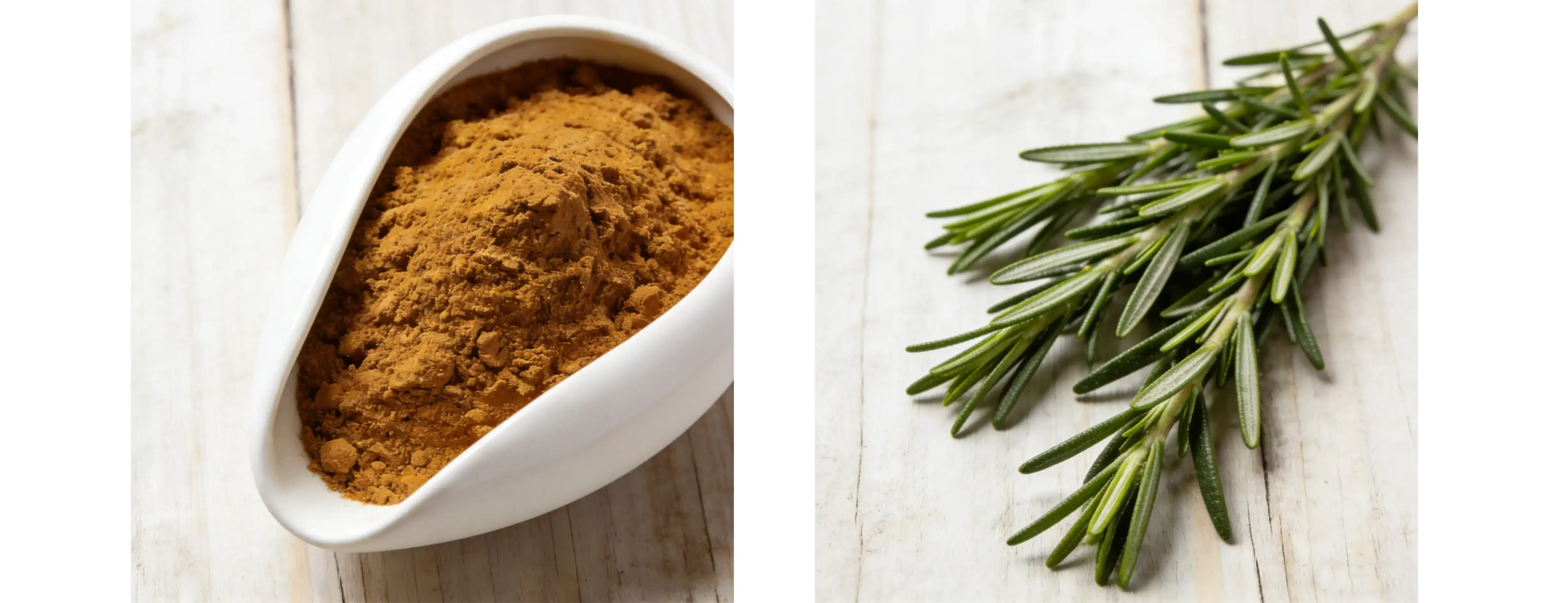
Understanding Rosemary Oil and Rosemary Extract
Rosemary oil and extract come from Rosmarinus officinalis leaves, but the ways they are made produce different chemical profiles that are better for different uses. It is very important to know about these changes when looking for ingredients for mosquito repellents.
Steam Distillation Produces Volatile-Rich Rosemary Oil
The essential oil of the plant is collected by steam distillation, which concentrates volatile monoterpenes such as cineole, camphor, borneol, and α-pinene. This pungent fraction is what gives the scent its uniqueness and its instant ability to keep insects away. The oil's low molecular weight lets it evaporate quickly, making a barrier in the air that confuses mosquitoes' senses. This instability, on the other hand, means that protection lasts less long unless it is mixed with fixatives or other stabilizing agents in finished goods.
Solvent Extraction Yields Antioxidant-Rich Rosemary Extract
Rosemary Extract is made by extracting non-volatile chemicals like carnosic acid, carnosol, and rosmarinic acid using water or ethanol as a solvent. Unlike the essential oil, this product doesn't work very well as a straight repellent. However, it's great at keeping mixtures stable by stopping oxidative breakdown. At Organic Herb Inc., we only use water as the solvent for extraction. This makes a brownish-yellow powder that is defined to contain 10% rosmarinic acid and 7% carnosic acid. This method of clean extraction fits with the trend toward clean labels and makes sure that products are safe for food, cosmetics, and medicine. It meets the buying needs of companies that make functional and cosmetic products.
Functional Applications Across Industries
Both of these rosemary products do more than just keep mosquitoes away. In makeup, rosmarinic acid helps reduce inflammation and protect cells from damage, which backs up claims that it repairs skin. Carnosic acid is a natural preservative that keeps lipid-rich foods and drinks from going bad. Fragrance companies can use essential oils instead of manufactured aroma chemicals because it is more environmentally friendly. Understanding these versatile qualities helps procurement teams that are looking to come up with new natural products because it lets them make ingredients that work better across all product lines.

Does Rosemary Oil Repel Mosquitoes? Scientific Evidence and Mechanisms
People are buying more plant-based bug repellents because they are worried about synthetic chemicals and the Earth. Scientific study backs up rosemary oil's role in this growing area, but you need to know a lot about composition to get the most out of it.
Laboratory and Field Studies Demonstrate Moderate Efficacy
Several studies have looked at how well rosemary oil keeps mosquitoes away. According to research released in journals about pest management, rosemary oil at concentrations between 10 and 25 percent can protect you from two popular types of mosquitoes, Aedes aegypti and Culex pipiens. Protection lasts between 30 and 90 minutes, but this depends on how it was applied and the weather outside. Even though it doesn't last as long as DEET, rosemary oil works about as well as citronella and has a nice smell that many people like.
Mechanism of Action: Olfactory Interference
Rosemary oil keeps mosquitoes away by covering up or confusing the chemical signals they use to find hosts. Mosquitoes use body heat, carbon dioxide, and lactic acid to find their food. The monoterpenes in rosemary oil fill the area, making it harder for mosquitoes to smell people. In contrast to synthetic repellents that stop certain neural receptors, this method is non-toxic and better for goods for children and people with sensitive skin.
Synergy with Other Botanical Repellents
Adding similar essential oils to rosemary oil makes the protection work better. Eucalyptus oil (which is high in eucalyptol), lemongrass oil (which is high in citral), and oils that contain geraniol all work together to make multiple layers of smell shields. Formulation experts can use Rosemary Extract to make these mixes more stable, which stops volatile loss and makes the product last longer. This method works together to solve a big problem for brands: how to balance effectiveness with natural ingredient purity.
Rosemary Extract vs. Rosemary Oil: Which is Better for Mosquito Repellent Products?
Which rosemary oil or extract to use relies on the format of your product, the claims you want to make, and the goals of your supply chain. Each has its own benefits that work best with a different preparation strategy.
Chemical Composition Drives Functional Differences
The high percentage of volatile terpenes in rosemary oil makes it immediately repellent, but it disappears quickly, so you have to keep applying it. Rosemary Extract, which is reduced to phenolic acids and diterpenes, doesn't directly resist anything, but it does make the product last a lot longer. Because of this, formulators can use the oil to actively prevent pests and the extract to preserve and help with antioxidants, making a well-balanced product that can do more than one thing.
Formulation Flexibility and Stability Considerations
Rosemary oil is easy to mix into lotions, candles, and sprays, and it has a quick effect on the senses. However, its volatility makes it hard to store and move, so it needs to be packed in opaque, sealed containers. Rosemary Extract in powder form, like the 25 kg drum we sell, is more stable, doesn't oxidize, and can handle changes in temperature while being shipped. This makes it perfect for buying in bulk and keeping track of long-term inventory, especially for foreign distributors who have to deal with complicated supply lines.
Because it is water-soluble and made from 100% water extraction, our Rosemary Extract is easy to mix into water-based products like gels, emulsions, and functional drinks. Carnosic acid, one of its lipid-soluble parts, helps oil-based goods like creams and ointments work. This flexibility solves the formulation problems that cosmetic chemists and food scientists have when they want to get uniform performance from batch to batch.
Supply Chain and Sourcing Strategy
When it comes to buying, the price of rosemary oil changes depending on how much is harvested and how much can be distilled. The price of extract, on the other hand, stays more stable because of standard manufacturing methods. Our factory in Yichun, Jiangxi Province, uses GAP-standard planting bases that cover more than 8,000 acres and are spread out across several areas. This makes sure that the raw materials are consistent and can be tracked. This kind of vertical merging lowers the risks in the supply chain and helps brands that care about the environment keep their promises to use sustainable materials.
Procurement Guide: Buying Rosemary Extract for Mosquito Repellent Products
To find a reputable provider of rosemary derivatives, you need to carefully look at their certifications, product specs, and ability to handle logistics. The following factors help people make smart choices about procurement.
Certifications and Quality Assurance
Premium providers keep up-to-date approvals that ensure purity, safety, and follow all the rules. Our products at Organic Herb Inc. have NSF GMP, Kosher, Halal, ISO, FSSC22000, and Organic certifications, which means they meet the strict needs of pharmaceutical R&D teams, QA/QC departments, and cosmetic formulation scientists. These qualifications make it possible to track ingredients from the farm to the finished product, which helps brands deal with the tricky legal landscapes in the US and Europe.
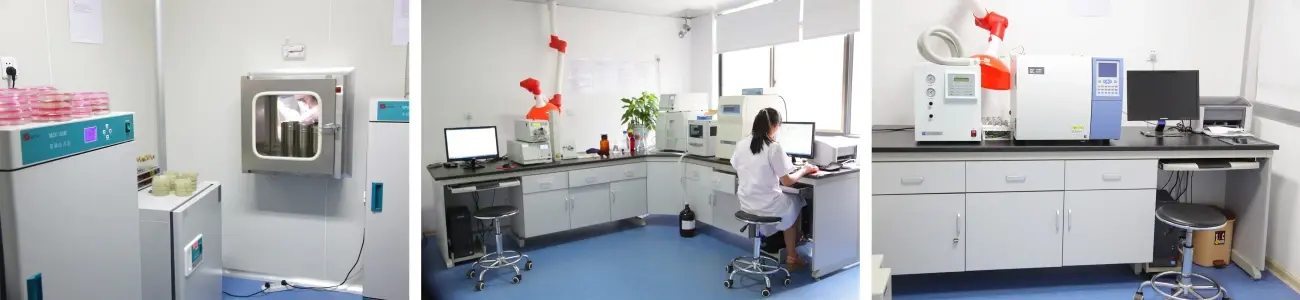
Our advanced research and development center in Changsha, Hunan, has over $1.2 million worth of testing equipment and 42 specialized staff, including 27 top researchers with degrees ranging from PhDs to professorships. Our Rosemary Extract always has 10% rosmarinic acid and 7% carnosic acid, as shown by HPLC, HPLC-ELSD, and GC-MS tests. This is possible because of the system we have in place. This level of detail helps formulation scientists make sure that all production batches work the same way.
Minimum Order Quantities and Lead Times
To make sure that buying and production plans are in sync, you need to know about MOQs and lead times. You can order our Rosemary Extract in drums that are made to be safe to move and store for a long time. The minimum order size is 25 kg. With a 10-day lead time and four major centers spread out across the US, we can guarantee fast delivery that keeps inventory costs low and supports just-in-time production strategies that are valued by cosmetic OEM/ODM facilities.
Buying in bulk can save you money, especially for foreign importers and distributors who are in charge of handling supply lines in more than one area. Our prices show how competitive we are in the global market for ingredients while still upholding the highest quality standards. Free samples are available so that formulation teams can test for stability and compatibility before placing big orders.
Sustainable Sourcing and Environmental Responsibility
Chemical profiles and environmental standards are both affected by where plants are grown and how they are grown. Our GAP-standard planting sites in Shaoyang, Changsha, Huaihua, Guizhou, Hubei, and Jiangxi work together with local farmers to provide expert support, seedlings, and tracking services during planting, harvesting, and packing. This model supports community growth, biodiversity, and soil health, which is in line with the environmental, social, and governance (ESG) promises that brand owners and buying managers are asking for more and more.
Organic Herb Inc. is a publicly traded company (Stock Number: 872213). It supports open sustainability reporting and environmental duty. This helps procurement workers who want to build strong, moral supply chains.
Best Practices for Integrating Rosemary Extract into Mosquito Repellent Products
For product creation to go well, it needs to be planned out, tested for safety, and follow all the rules. The tips below can help B2B clients get the most out of bug repellents that are made with rosemary.
Optimal Dosage and Complementary Ingredients
Mosquito repellents that work usually have between 10 and 25 percent rosemary oil, along with skin-conditioning and stabilizing agents. Adding 0.5 to 2% Rosemary Extract makes the product more resistant to oxidation without changing how it tastes. When you mix rosemary oil with eucalyptus oil, lemongrass oil, and cedarwood oil, the repellent benefits work better together, protecting against more bug species for longer.
Formulators should test for compatibility to make sure that interactions between ingredients don't change the density, pH, or stability for microbes. Our research and development team can help you improve your formulations by using their knowledge of methods like dynamic low-temperature extraction, nano-membrane separation, and column chromatography that keep the bioactive integrity.
Stability Testing and Shelf-Life Extension
Stability testing makes sure that active ingredients keep working throughout the whole span of a product. Rosemary Extract has a lot of antioxidants that stop oxidative breakdown. This keeps the color from changing, the smell from getting bad, and the protective power from going away. Accelerated stability tests done at high temperatures and humidity levels give information that can be used to predict shelf life, back up claims on the label, and meet the requirements for regulatory submissions.
Our high-tech production methods, such as freeze-drying, anti-osmotic concentration, and low-temperature extraction, protect heat-sensitive compounds, making sure that the end ingredient has the most bioactivity possible. This technology edge solves a problem that brands with high-end, long-lasting natural repellents have with their formulations.
Regulatory Compliance Across Markets
Different places have different rules about what bug repellents can and can't do. In the US, the EPA is in charge of goods that are sold as repellents and needs to see proof that they work and make sure they are safe. The Biocidal Products Regulation (BPR) sets the rules for how things can be approved in Europe. Rosemary oil and extract can often get waivers or easier ways to get things done when they are used below certain limits or as parts of fragrances.
Our detailed paperwork, which includes Certificates of Analysis, Safety Data Sheets, and allergen statements, helps with regulatory filings and getting foreign packages through customs. Following FDA and C-GMP rules ensures that ingredients can be used in both beauty and food-grade products. This meets the needs of sourcing teams that are in charge of a wide range of products.
Conclusion
Rosemary oil has some mosquito-repelling qualities that have been proven to work by science. These properties are caused by volatile terpenes that block insects' smell receptors. In addition, Rosemary Extract is stable against oxidation and has many other uses that make products last longer and look better on clean labels. For people who buy things for businesses, choosing high-quality rosemary derivatives means looking at things like certifications, chemical standards, the stability of the supply chain, and environmentally friendly ways to get the materials. Organic Herb Inc. sells high-quality Rosemary Extract that is regulated to contain 10% rosmarinic acid and 7% carnosic acid. Their products are backed by GAP-certified plant bases, advanced research and development, and a wide range of certifications. By strategically mixing rosemary oil and extract, companies can make natural mosquito repellents that work well and meet government standards and customer expectations.
FAQ
Q1: What is the shelf life of Rosemary Extract in mosquito repellent formulations?
Rosemary Extract stays effective for 24 to 36 months if it is kept in a cool, dry place out of direct sunlight. Its high antioxidant content guards against oxidative decay, which means that products that use it last longer than those that only use volatile oils.
Q2: Can Rosemary Extract be used in children's insect repellent products?
Rosemary Extract can be used in children's goods as long as it is mixed in at the right concentration. Its clean label and non-toxic background make it a good choice for parents who want natural, gentle ingredients. Safety tests and following the rules are still very important, especially for goods meant for babies younger than six months.
Q3: How does Rosemary Extract compare to synthetic preservatives in mosquito repellent products?
In place of artificial stabilizers like BHA and BHT, Rosemary Extract offers natural antioxidant and antibacterial action. It backs up clean-label claims without affecting stability, meeting customer demand for clear chemical lists. Performance testing makes sure that the product works with certain design patterns.
Partner with OHI for Premium Rosemary Extract Supply
Organic Herb Inc. can help you make a mosquito repellent product by providing you with fine Rosemary Extract that comes from GAP-certified plant sources and is made in a way that meets NSF GMP, Kosher, Halal, ISO, and FSSC22000 standards. Our brownish-yellow powder, which is standardized to 10% rosmarinic acid and 7% carnosic acid through 100% water extraction, gives your brand the clean-label credentials it needs and is stable against oxidation. We make it easy to get what you need and make sure it gets to you on time by having four main stores across the United States, a 10-day lead time, and a 25 kg minimum order. As a reputable Rosemary Extract supplier, we offer free trials, technical support, and custom solutions that give your formulation scientists the tools they need to make unique, effective natural repellents. Email us at info@organic-herb.com to talk about prices for large quantities, certification paperwork, and supply chain methods that are specifically designed for your production needs.
References
1. Nerio LS, Verbel JO, Stashenko E. "Repellent activity of essential oils: A review." Bioresource Technology 2010; 101(1): 372-378.
2. Müller GC, Junnila A, Kravchenko VD, Revay EE, Butler J, Schlein Y. "Ability of essential oil candles to repel biting insects in high and low biting pressure environments." Journal of the American Mosquito Control Association 2008; 24(1): 154-160.
3. Prajapati V, Tripathi AK, Aggarwal KK, Khanuja SPS. "Insecticidal, repellent and oviposition-deterrent activity of selected essential oils against Anopheles stephensi, Aedes aegypti and Culex quinquefasciatus." Bioresource Technology 2005; 96(16): 1749-1757.
4. Barnard DR. "Repellency of essential oils to mosquitoes (Diptera: Culicidae)." Journal of Medical Entomology 1999; 36(5): 625-629.
5. Andrade-Ochoa S, Nevárez-Moorillón GV, Sánchez-Torres LE, Villanueva-García M, Sánchez-Ramírez BE, Rodríguez-Valdez LM, Rivera-Chavira BE. "Quantitative structure-activity relationship of molecules constituent of different essential oils with antimycobacterial activity against Mycobacterium tuberculosis and Mycobacterium bovis." BMC Complementary and Alternative Medicine 2015; 15: 332.
6. Pavela R. "Essential oils for the development of eco-friendly mosquito larvicides: A review." Industrial Crops and Products 2015; 76: 174-187.
Standard Disclaimer (DSHEA):
These statements have not been evaluated by the Food and Drug Administration.
This product is not intended to diagnose, treat, cure, or prevent any disease.

Send Inquiry
Related Industry Knowledge
- Where to buy strawberry extract?
- What Are The Benefits Of Polyporus Umbellatus Extract?
- Poria cocos extract in skincare, What is?
- Polyporus Umbellatus Extract Explained: From Raw Material to Final Product
- When to take saw palmetto morning or night?
- How do you use rosemary?
- What is black carrot extract?
- Natural Rhodiola Rosea Extract: Origin, Composition, and Key Features
- Poria Cocos Mushroom Extract as Functional Foods in Industry
- How Dose Poria Cocos Extract Improve Your Health?