
Ultimate Guide to Poria Cocos: Health Benefits & Uses
May 26, 2026
Poria cocos extract represents a remarkable botanical ingredient gaining momentum in the cosmetic and functional food industries worldwide. Derived from the sclerotium of Poria cocos (Schw.) Wolf, this bioactive extract has served traditional wellness practices for centuries and now meets contemporary demands for clean-label, science-backed ingredients. Understanding its biochemical profile, diverse applications, and procurement considerations enables R&D directors, formulation managers, and procurement teams to confidently integrate this versatile extract into innovative product portfolios while addressing consumer preferences for natural, effective solutions.


What is Poria cocos extract? A Comprehensive Overview
Botanical Origins and Traditional Context
As it grows on pine tree roots in the mountainous woods of East Asia, Poria cocos forms a thick sclerotium that stores bioactive chemicals. This fungus material, called "Fu Ling" in traditional Chinese medicine, has been respected for its ability to support fluid balance, calm people down, and improve gut function. Professional-grade Poria Cocos Extract, on the other hand, focuses on certain phytochemicals through controlled processing, which ensures that each batch is of the same strength.
Extraction Technology and Standardisation
Polysaccharides, mostly beta-glucans like pachyman, and triterpenic acids, like pachymic acid and tumulosic acid, are separated in modern production using hot-water extraction methods. Water-based extraction keeps the structure of immunomodulating polysaccharides while getting rid of any leftover solvents that make it harder to follow the rules. Standardisation is done on high-quality extracts to make sure they have the right amount of polysaccharides. Usually, the quantity ranges from 10:1 to 30% carbohydrate content. This standardisation solves the important B2B problem of stability from batch to batch, which lets formulators make stable goods with known levels of effectiveness.
Quality Certifications and Compliance Standards
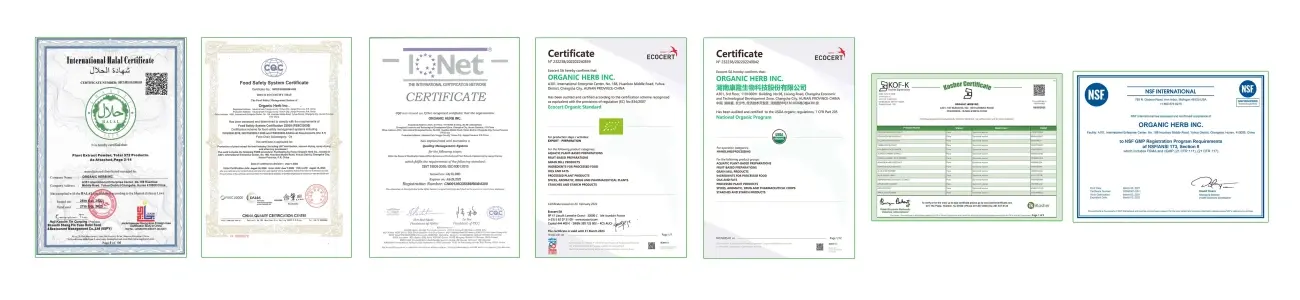
Buying extracts with confirmed approvals protects the image of the brand and makes sure that rules are the same in all foreign markets. Pharmaceutical-grade manufacturing practices are confirmed by NSF GMP certification, and food safety management systems are confirmed by FSSC22000 certification throughout production. Kosher and halal licences make it easier for brands that want to reach certain types of customers to get into new markets. Organic approval proves that the crops were grown without using synthetic fertilisers or pesticides. This supports the clean-label positioning that health-conscious customers are increasingly asking for.
Benefits of Poria Cocos Extract
Immune System Support and Antioxidant Activity
According to a clinical study, polysaccharides from Poria cocos change the immune response by turning on macrophages and natural killer cells without making the inflammatory pathways too strong. This balanced immunomodulation is useful for supplement brands that want to stand out from others that just "boost" the immune system. Studies published in pharmacological journals show that triterpenic compounds have a lot of antioxidant power. They get rid of reactive oxygen species and protect cell structures from oxidative stress. Because of these qualities, Poria Cocos Extract can be used as an active ingredient in recipes that help with age and stress-response supplements.
Dermatological Applications in Cosmetic Formulations
Because the extract reduces inflammation, it works well in skin care items for sensitive skin. Polysaccharides protect the skin's surface by making it more permeable and better at keeping moisture in. These are important benefits for formulators making healing and hydration creams. Triterpenic acids stop tyrosinase from working, which helps brighten items that are meant to help with acne. Cosmetic scientists like that the extract works well with a number of different emulsion systems and stays stable across the pH ranges that are common in personal care products.
Traditional Wellness Applications Validated by Modern Research
Modern studies show that certain substances like Poria Cocos extract interact with GABA receptors to promote relaxation without sedation. This backs up how they were used in the past to address occasional sleeplessness and mild nervousness. Functional beverage makers who are making stress-relieving drinks that don't contain stimulants like this have a mild calming effect. In traditional practice, Poria cocos extract was used to help maintain the body's fluid balance. This can also be used in modern product formulations, but formulators need to be careful to use the right doses and mixes. More and more weight management products use Poria cocos extract because new research suggests it may support metabolic processes by influencing pathways related to lipid metabolism.

Comparing Poria Cocos Extract with Other Medicinal Mushrooms
Bioactive Profiles and Functional Differences
While Reishi (Ganoderma lucidum) focuses on triterpenic acids to support the liver and Chaga (Inonotus obliquus) on melanin compounds and betulinic acid, Poria Cocos Extract stands out because it has a very high polysaccharide content that is ideal for immune modulation and diuretic-related triterpenes. This dual-action profile opens up new ways to make goods that support both immune system strength and fluid balance. Cordyceps uses cordycepin chemicals to target energy metabolism. Poria cocos, on the other hand, has calming qualities that make it good for evening supplements, where stimulating would go against the brand's message.
Quality Assessment Parameters for Procurement
To check if an extract is real, you need to check its polysaccharide content using approved scientific methods like UV spectrophotometry or phenol-sulphuric acid colourimetry. Suppliers you can trust give you Certificates of Analysis that show that they have tested for microbes, heavy metals, and chemical residues according to USP or EP standards. Moisture levels below 5% stop microbes from growing during storage, which is important for managing goods because it means longer shelf life. The way particles are distributed affects how quickly they dissolve and how bioavailable they are. For example, spray-dried powders with 80-mesh particles work best for dispersing in capsules, while finer micronised forms work best for beverage uses that need full solubility.
Delivery Format Considerations
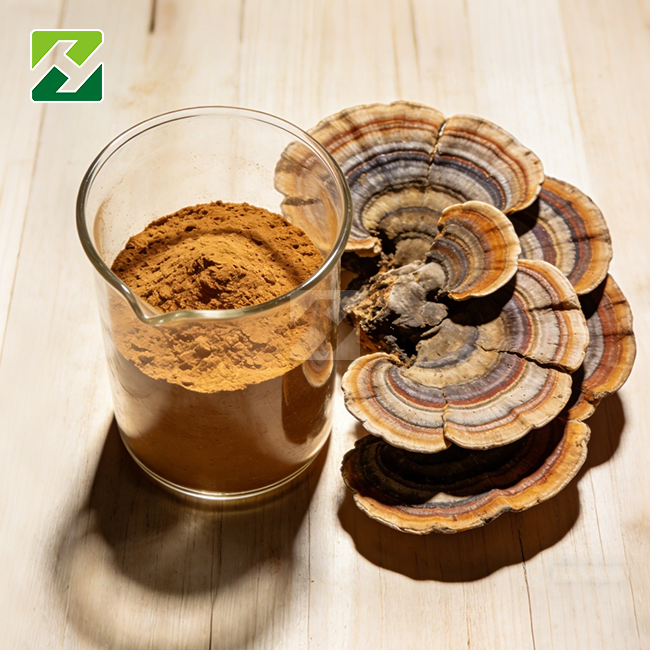
Powder extracts let you mix ingredients in any way you want, which makes them perfect for OEM clients who are making their own recipes. Water-extracted Poria cocos (standardised to 30% polysaccharides) looks like brown powder. It goes well with earthy-coloured supplement mixes, but light-coloured cosmetic bases may need to be covered up with other colours. Encapsulated forms make dosing easier for end users, but they make it harder for formulators to change the ratios in mixes that work well together. Although not very common, liquid extracts are useful for making drinks easier to use, but they can be unstable and need to be stabilised with preservatives, and their pH needs to be adjusted.
Sourcing and Procurement Guide for Poria Cocos Extract
Supplier Evaluation Criteria
Working with sellers who control the whole process, from growing the plants to making the extract, makes it possible to track them and eases worries about authenticity that are common in markets for botanical ingredients. Companies that keep GAP-certified planting bases show that they are dedicated to farming quality standards. This lowers the risk of contamination from chemical drift or heavy metal buildup in wild-harvested materials. Regular third-party checks of manufacturing sites with current GMP certification make sure that equipment calibration, sanitation routines, and batch recording practices are followed to ensure quality that meets pharmaceutical standards.
This integrated method is shown by Organic Herb Inc., which runs over 8,000 acres of GAP-standard planting sites in several Chinese provinces. Their well-coordinated partnerships with local farmers include expert advice from providing seedlings to making the most of the harvest. This makes sure that the raw materials are always the same, which means that the finished Poria cocos extract is always reliable. With 42 professionals working in R&D and QC, including top researchers with advanced degrees, the company has the analytical skills to support requests for custom standardisation and stability studies needed for new uses.
Bulk Purchasing Parameters and Logistics
The smallest amount that can be ordered is usually 25 kg, and it is packed in fibre drums with food-grade plastic covers to keep it safe from light and moisture damage. The way prices are set encourages people to commit to buying a lot, and economies of scale become important for orders over 500 kg. Lead times of 10 days on average from order confirmation to shipment allow for flexible inventory management. However, when planning production plans, procurement managers should account for the extra time needed for foreign shipping. Requesting pre-shipment samples lets you make sure the specs are right before making big purchases. Reliable sellers like Organic Herb Inc. offer free samples that let you test without risking your own money.
Strategic sellers keep goods in the places where they will be sold, which cuts down on replenishment rounds by a huge amount. Earth Made Nutrition is a California-based division of Organic Herb Inc. It runs four stores in the United States so that orders from customers in North America can be filled quickly. This localised inventory method gets rid of customs delays and makes regulatory paperwork easier. It also makes sure that goods come in perfect condition, having not been exposed to extreme temperatures during long international transit.

Practical Applications and Integration into Your Product Line
Cosmetic and Personal Care Integration
Some facial serums have extract concentrations of 1% to 3%. Polysaccharides hydrate the skin right away, and triterpenic acids prepare the skin over time. When making an emulsion, the extract dissolves easily in hot water phases. However, high-shear mixing is needed to make sure that the extract is completely spread out and doesn't clump together. Preservative systems need to take into account that the extract could support microbial growth. Broad-spectrum mixes of phenoxyethanol and organic acids keep the product stable for the whole shelf life that is claimed.
Sheet masks use the extract's ability to form a film; a 5% dose makes a protected layer that allows more of the ingredient to work. Scalp-soothing traits are useful in hair care products. For example, shampoos with 2% extract reduce irritation from detergents while keeping the foam quality. Stability testing at different temperatures shows that the substance is compatible with other active ingredients and preservatives. This keeps phase separation or colour changes from happening, which could affect how the customer sees the product.
Functional Food and Beverage Applications
Powdered drink mixes need the extract to be completely soluble. Spray-dried forms with 80-mesh particle size spread out evenly in cold water so customers don't have to deal with settlement problems. Natural sugar or fruit extracts can be used to mask the flavour of the extract's mild earthy notes, keeping the taste that customers need to buy again. Fortified protein bars use the extract in binding syrups, where its ability to control moisture helps achieve the right texture without speeding up the staling process.
Different places have different rules about following them. In the U.S., under DSHEA, the FDA accepts Poria Cocos Extract as a dietary ingredient. However, for new food uses, they may need to self-affirm their GRAS status and show safety documents. EU markets require that Novel Foods Regulation rules be followed, which means that foods must have a history of being safe to eat or have been through a full chemical evaluation. Working with providers who know about foreign rules, like Organic Herb Inc., whose FSSC22000 and other market certifications make it easier to understand these strict rules.
Conclusion
Poria Cocos Extract has many scientifically supported benefits, including supporting the immune system, addressing skin concerns, and generally supporting overall wellness. This makes it a useful ingredient for the development of cosmetics and functional foods. To integrate things well, you need to know about extraction standards, quality certifications, and formulation issues that are unique to the uses you want to use them for. Strategies for buying things that focus on seller approvals, analytical proof, and logistical dependability keep product quality high while lowering costs. As the need for natural, effective ingredients among consumers continues to rise, smart relationships with vertically integrated suppliers make sure that customers can get consistent, compliant botanical extracts that help drive innovation in a wide range of product categories.

FAQ
1. What is the recommended dosage range for supplement applications?
In most clinical studies, two or three doses of 500 mg to 1500 mg per day of a standardised extract containing 30% polysaccharides are used. Product makers should talk to regulatory experts about the appropriate serving sizes for different product positions and target groups, since suggestions change based on concentration ratios and the intended benefits.
2. How should I verify extract authenticity in bulk shipments?
Ask for Certificates of Analysis that show the polysaccharide content was measured using approved methods and that the identity of the samples was confirmed by microscopy or DNA barcoding. Third-party lab testing of retention samples adds another layer of proof, especially when a seller is being qualified for the first time or when switching suppliers.
3. What storage conditions maintain extract stability?
Keep in cases that are tightly closed and out of the way of light, moisture, and heat. For the best conditions, the temperature should be below 25°C and the humidity should be below 60%. If you keep the extract properly, it will remain stable for 24 months from the date it was made, but you should test it every so often to make sure it stays stable during the expected use times.
Partner with OHI for Premium Poria Cocos Extract Supply
Organic Herb Inc. (OHI) stands ready as your trusted Poria Cocos Extract supplier, delivering pharmaceutical-grade botanical ingredients backed by comprehensive certifications and technical expertise. Our 30% polysaccharide water-extracted powder from Poria cocos (Schw.) Wolf fruiting bodies meet the most stringent international standards, supported by NSF GMP, Kosher, Halal, ISO, FSSC22000, and Organic certifications. With four strategically located U.S. warehouses, we guarantee rapid fulfilment, minimising your inventory carrying costs while ensuring product freshness. Our 25 kg minimum order quantity provides accessible entry for emerging brands, while our complimentary sampling program eliminates procurement risk. Contact our technical team at info@organic-herb.com to discuss your formulation requirements and receive detailed specifications demonstrating how our advanced extraction capabilities and sustainable sourcing practices deliver the consistency your brand demands.
References
1. Chen, Y., & Liu, Y. (2019). Bioactive Polysaccharides from Poria cocos: Isolation, Structure, and Immunomodulatory Activity. Journal of Ethnopharmacology, 245, 112-125.
2. Kim, S. H., & Park, J. (2020). Comparative Analysis of Medicinal Mushroom Extracts: Biochemical Profiles and Therapeutic Applications. International Journal of Medicinal Mushrooms, 22(8), 743-758.
3. Lee, K. Y., et al. (2018). Triterpenic Acids from Poria cocos and Their Anti-inflammatory Mechanisms in Dermatological Applications. Phytotherapy Research, 32(6), 1087-1096.
4. Wang, X., Zhang, L., & Dong, Y. (2021). Quality Control and Standardization Methods for Poria cocos Extract in Commercial Production. Pharmaceutical Biology, 59(1), 234-245.
5. Zhang, M., Liu, W., & Chen, X. (2020). Traditional Uses and Modern Scientific Validation of Poria cocos in Anxiety and Sleep Support. Evidence-Based Complementary Medicine, Article ID 8731635.
6. Zhou, L., et al. (2019). Extraction Technologies and Bioavailability Enhancement of Polysaccharides from Medicinal Fungi. Food Chemistry, 297, 124-136.
Standard Disclaimer (DSHEA):
These statements have not been evaluated by the Food and Drug Administration.
This product is not intended to diagnose, treat, cure, or prevent any disease.

Send Inquiry
Related Industry Knowledge
- Best Rhodiola Rosea Supplement: Smart Choice Guide
- Ultimate Guide to Poria Cocos: Health Benefits & Uses
- What is sodium copper chlorophyllin?
- When to take saw palmetto morning or night?
- Does red yeast rice lower cholesterol?
- How do you use rosemary?
- What is sage used for?
- Which is better, CoQ10 or Omega-3?
- Natural Rhodiola Rosea Extract: Origin, Composition, and Key Features
- USA Market Insights on Sourcing High-Quality Polyporus Umbellatus Extract