Roseroot extract (Rhodiola rosea) for stress & exhaustion
May 12, 2026
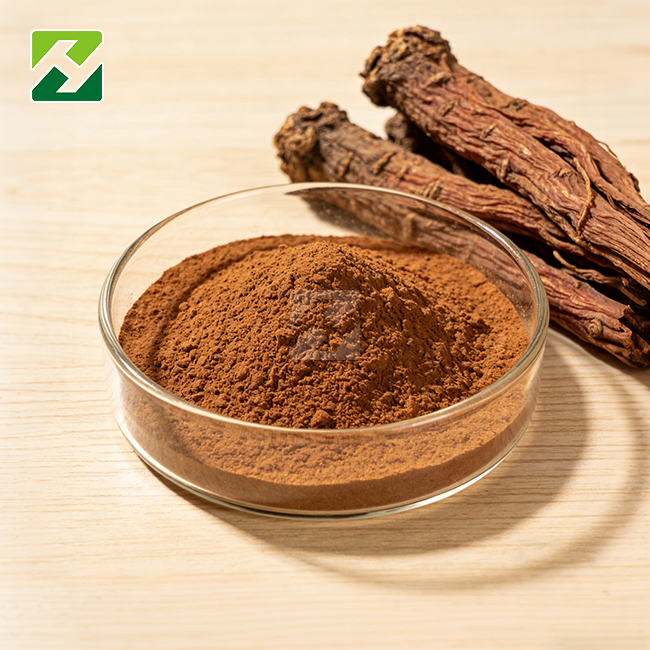
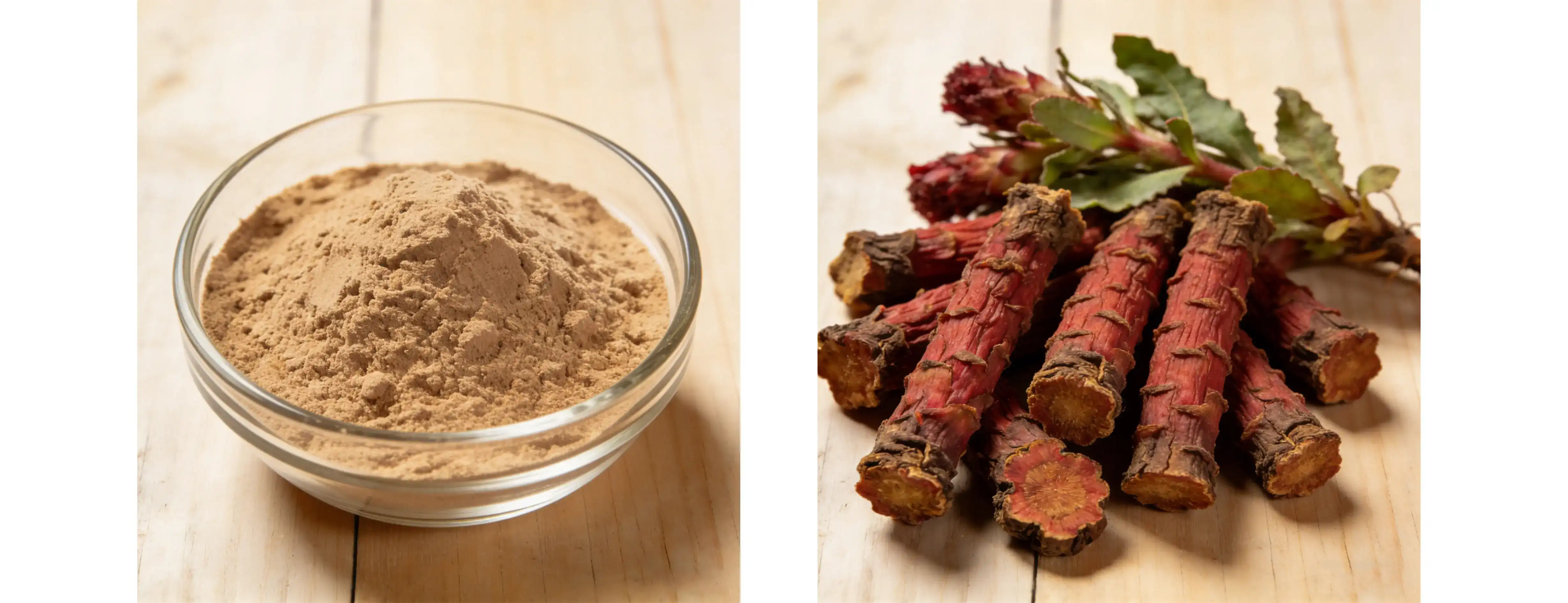
Natural Rhodiola rosea extract is a strong adaptogenic ingredient that comes from the root of Rhodiola rosea. This plant is known for helping the body deal with stress and tiredness. This extract comes from arctic and alpine areas and is guaranteed to have 3% rosavins and 1% salidroside. It provides stable bioactive amounts that are important for formulation effectiveness. Manufacturers in the nutraceutical, functional food, and sports nutrition industries are using this golden root extract more and more to meet customer demand for clean-label, science-backed plant solutions that support mental and physical endurance without adding any synthetic ingredients.
Understanding Natural Rhodiola Rosea Extract and Its Benefits
The Science Behind Adaptogenic Potency
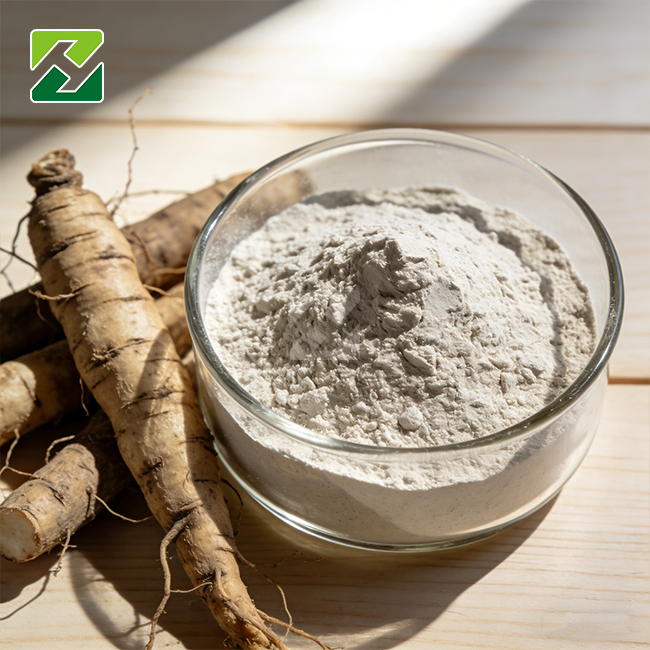
Natural Rhodiola Rosea extract is a plant ingredient that is carefully controlled. It is made by extracting Rhodiola rosea roots with water and ethanol. This way of extraction keeps the whole range of phytochemicals in the plant, such as tyrosol derivatives (salidroside) and phenylpropanoids (rosavins). These chemicals work together to influence how the body reacts to stress. Published clinical studies in peer-reviewed journals show that these bioactive substances affect the control of cortisol and help mitochondria make ATP. This leads to better energy metabolism during times of mental and physical stress.
Key Bioactive Markers and Quality Assurance
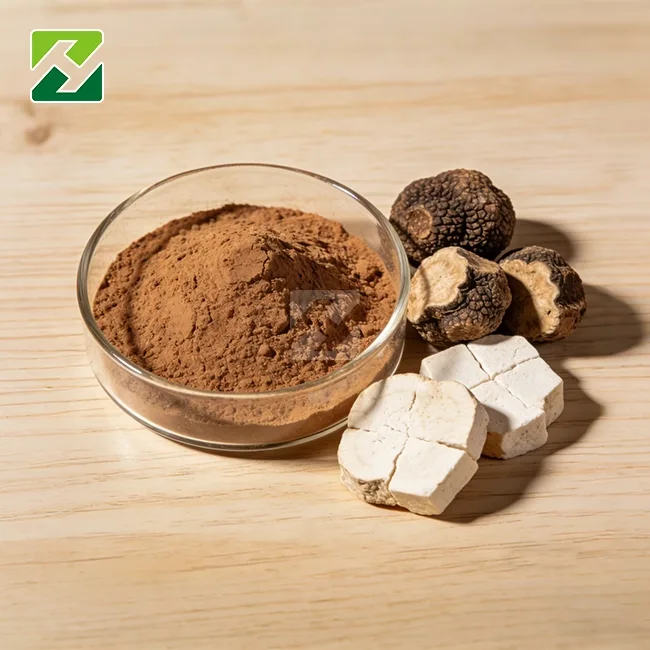
In the business world, the standards ratio for high-quality products is 3% Rosavins and 1% Salidroside. Rosavins, which are made up of Rosavin, Rosarin, and Rosin, are only found in Rhodiola rosea. They are like fingerprints for plants, telling the difference between real Rhodiola rosea and cheaper varieties like Rhodiola crenulata. HPLC verification proves these concentration levels, making sure stability from batch to batch, which is very important for R&D directors and formulation managers who need to know how an ingredient will work across production cycles. The yellow-to-brown colour of the extract shows how many phytochemicals are in it. The colour can change depending on how it was processed and how mature the roots are.
Functional Benefits Across Industrial Applications
Multiple controlled studies have shown that standardised Rhodiola extract supports a number of physiological processes that are important for current health formulations. The ingredient has protective qualities by getting rid of free radicals, and its adaptogenic profile helps the body stay in balance when it is exposed to stress for a long time. Experts in sports nutrition like how it helps the body use oxygen more efficiently during long-term activities, and experts in brain health like how it can help the mind stay clear during difficult tasks. Because Rhodiola has so many benefits, it can be used in a wide range of products, from health programmes for executives to supplements for athletes to support recovery.
Comparing Rhodiola Rosea Extract Options: What Buyers Need to Know
Natural vs. Synthetic: Material Authenticity Matters
The plant extract market always has trouble with making sure that the materials are real and that the species are correct. Natural Rhodiola Rosea extract grown in nature has the whole rosavin complex, but other species or man-made products may only have salidroside. When reviewing supplier offers, procurement teams need to be aware of this difference. DNA barcoding and chromatographic profiles are the only ways to be sure of a botanical's identity. This keeps brands safe from recipe errors that could affect the effectiveness of their products and lose customers' trust. Premium providers give out Certificates of Analysis that show the amounts of rosavin and salidroside that were found using approved chemical methods.
Understanding Dosage Forms and Applications
Rhodiola extract is flexible enough to be used in a number of different delivery methods, depending on the needs and interests of the end user:
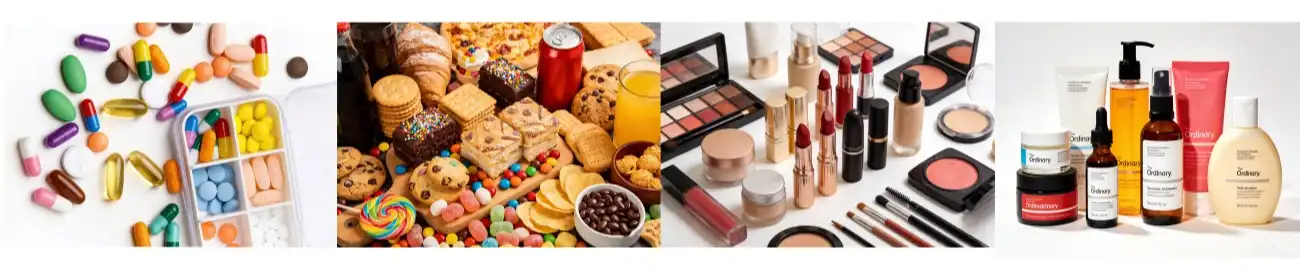
- Powder blends: Ideal for filling capsules and making unique stack recipes where exact dosing and stability in dry environments are important. Fine particles make sure that mixtures of many ingredients are evenly distributed, which is especially helpful for contract makers who work with private-label customers.
- Tablet compression: Suitable for long-lasting mixtures and set dosage plans. This is especially useful for workplace health programmes that need regular daily supplementation. Testing the suitability of excipients ensures that the hardness and dissolving features of tablets meet the requirements.
- Beverage applications: To keep the clarity and stop sedimentation, water-soluble grades made for healthy drink formulas need special processing. This style is for the growing group of ready-to-drink adaptogenic drinks, which must look good and stay stable on the shelf.
- Critical Quality Markers: Rosavins and Salidroside Ratios
In the case of natural Rhodiola Rosea extract, the ratio of 3:1 between rosavins and salidroside is the most widely researched norm in the medical literature. This proportional relationship is the same as the natural phytochemical profile of Rhodiola stems that have been picked from the wild. This makes sure that the performance of the extract matches the results of the study. Gradient HPLC methods with UV detection at 254 nm for Rosavins and 220 nm for Salidroside are used in quality control labs to check the amounts of substances against approved standards. Purchasing managers should ask for multi-batch COA data with fluctuation factors below 5%. This shows that there are strong controls in place during production and that the raw materials are always the same.
Sourcing the Best Natural Rhodiola Rosea Extract for B2B Procurement
Essential Certifications and Compliance Standards
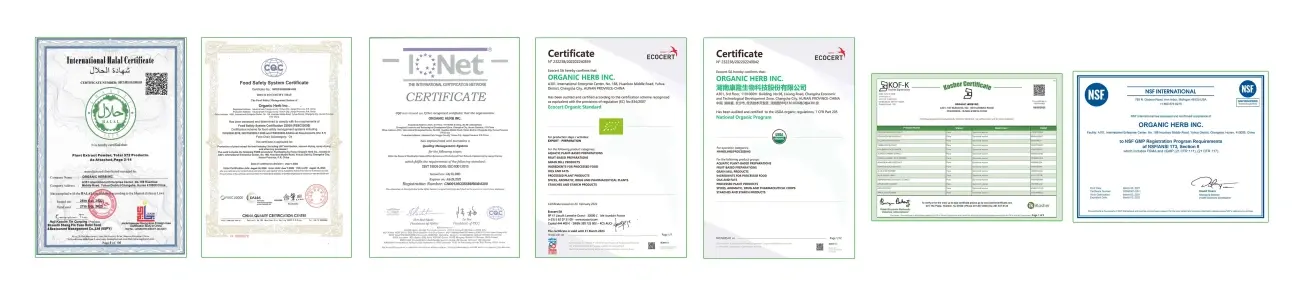
Defensible source choices are based on following the rules set by regulators. Some of the best Rhodiola suppliers keep a full set of certificates, such as NSF GMP, ISO 9001, FSSC22000, and organic certifications, which prove that their production quality systems work. These checks by a third party make sure that sanitation rules, tracking standards, and steps to stop contamination are being followed. These are important for food-grade and dietary supplement uses. Kosher and Halal certifications make it easier for products aimed at certain groups of people to reach more customers. Organic certification, on the other hand, addresses the "clean label" trend that is influencing buying choices across all natural product categories.
Evaluating Supplier Capabilities and Infrastructure
Organic Herb Inc. is a great example of the integrated supply chain approach that strategic procurement teams are coming to respect more and more. Their vertically integrated operations cover over 8,000 acres of GAP-certified planting sites in several Chinese provinces. Controlled farming ensures uniform quality of raw materials while reducing environmental impact. This agricultural base is directly linked to cGMP manufacturing sites that use cutting-edge extraction technology, such as low-temperature processing systems that keep phytochemicals that are sensitive to heat safe. The company has a 42-person research and development team that includes professors and experts with doctoral degrees. They help with unique formulation development and stability testing.
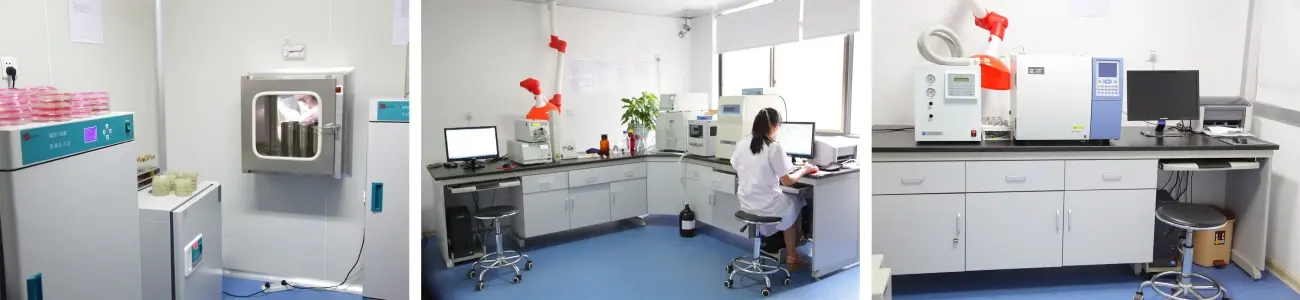
Their lab has HPLC-ELSD, GC-MS, and atomic absorption spectrophotometry equipment, which lets them check the quality in more ways than just checking for strength. Heavy metal screening, herbicide residue analysis, and microbial pollution assessment protect against risks in the supply chain that could lead to product recalls or fines from the government.
Application of Rhodiola Rosea Extract in Stress and Exhaustion Management
Sports Nutrition and Recovery Applications
Rhodiola is used in athletic performance formulas because it helps cells work well and use oxygen efficiently during long periods of physical activity. Unlike pre-workout ingredients that are high in stimulants, which can put stress on the heart, adaptogenic products support endurance in a more gentle way. Recovery-focused goods use natural Rhodiola Rosea extract along with branched-chain amino acids and electrolyte mixes to target the time after exercise when adaptogenic support is most helpful for body repair processes. Powder delivery systems let you precisely change the dose based on your body weight and how hard you train, and colouring systems hide the naturally bitter taste of the extract.
Functional Beverage Innovation
The field of adaptogenic beverages is growing, which brings new challenges and opportunities for formulators. To make sure that RTD products look good and don't settle during storage, the ingredients need to be processed in a certain way. Nano-emulsion technology and specialised filter systems get around these technical problems, letting companies say on their labels that their products are clean, which appeals to health-conscious consumers. Rhodiola is being used more and more as a main ingredient in coffee alternatives, plant tonics, and sparkling adaptogenic waters. This is because it is said to support stress resistance and long-lasting energy without the crash that comes with high-caffeine products.
Best Practices and Future Trends in Rhodiola Rosea Extract Procurement
Regulatory Landscape and Compliance Requirements
Understanding the rules that apply to different countries can help you avoid expensive problems in the supply chain and in getting into new markets. Natural Rhodiola Rosea extract is generally thought to be safe (GRAS) for certain uses. However, companies that make food supplements must follow FDA labelling rules and Good Manufacturing Practices. In Europe, novel food regulations and standards for traditional use documents may mean that suppliers need to provide more paperwork. Proactive procurement teams set up regulatory roadmaps while qualifying suppliers. This makes sure that material specs match the needs of the target market in multiple countries.
Emerging Market Trends and Innovation Drivers
The natural goods business keeps moving towards being open and environmentally friendly. As more consumers become sceptical about where products come from, the need for tracking tools that keep track of plants from their growth to their extraction grows. By using blockchain technology and QR codes on labels, end users can check where goods come from and how they were processed, telling the difference between high-end names and cheaper ones. New developments in extraction technology try to get the highest output while having the least effect on the environment. They do this by using solvent recovery systems and processing that uses less energy.
Organic farming methods are growing in popularity because people want foods that don't contain pesticides, even though they cost more. The effects of climate change on Rhodiola groups in the wild show how important it is to have farmed sources that guarantee a steady supply over time. Forward-thinking procurement strategies combine cost concerns with supply chain resilience, knowing that problems with getting ingredients are more likely to cost more than small price increases for dependable providers.
Building Strategic Supplier Partnerships
Buying relationships based on transactions is giving way to partnerships where people work together to get competitive benefits that go beyond unit price, such as incorporating natural Rhodiola Rosea extract. Strategic sources help speed up the development of new products by providing formulation knowledge, legal advice, and market data. Technical service teams help with things like studying security, testing compatibility, and fixing production problems that come up during scale-up. Exclusive supply deals or favourite vendor status arrangements make sure that attention is given when capacity is limited, and could lead to price cuts based on volume. These partnerships need funding from both sides, but they pay off by cutting down on time to market and improving recipe performance.
Conclusion
In the world of botanical ingredients, natural Rhodiola Rosea extract stands out because it provides formulators with a scientifically proven, clean-label way to address modern health concerns like stress resistance and long-lasting energy. The extract has a standard bioactive profile that is backed by clinical research and strong quality systems. This lets formulators make confident choices for vitamins, sports nutrition, and functional beverage uses. For strategic procurement to work, relationships with suppliers must offer more than just low prices. They must also provide full technical support, proof of regulatory compliance, and a reliable supply chain. As people learn more about adaptogenic plants, brands that put an emphasis on using real ingredients and making great formulations will be able to lead the market in this growing area.
FAQ
1. What makes 3% rosavins and 1% salidroside the preferred standardisation?
This ratio is the same as the natural phytochemical makeup of authentic Rhodiola rosea roots, and it matches the concentration amounts used in most published clinical studies. The mix has all the bioactive compounds that are needed for adaptogenic effects, which makes it different from extracts of just one substance, which might not repeat study results.
2. How can procurement teams verify authentic Rhodiola rosea versus substitute species?
To prove that a substance is real, an HPLC test must show that it contains both rosavin (which is only found in R. rosea) and the right amount of salidroside. DNA barcoding gives us proof for sure that we are the same species. Ask suppliers for COAs that list these factors along with third-party testing records from approved labs to make sure the materials are real, and the formulation stays true.
3. What lead times should buyers expect for international bulk orders?
Getting foreign plant extracts usually takes 30 to 45 days, which includes production and shipping across borders. But suppliers with local warehouse networks in the US can fill orders within 10 days, which greatly speeds up production plans and makes it possible to use flexible inventory management strategies.
Partner with a Trusted Natural Rhodiola Rosea Extract Supplier
To get reliable access to plant ingredients that are safe for use in medicine, you need to work with makers who are skilled in both farming and advanced extraction. Organic Herb Inc. (OHI) offers complete buying options supported by vertical integration, spanning from GAP-certified farming to cGMP production and storage in the United States. Our natural Rhodiola Rosea extract is always standardised at 3% rosavins and 1% salidroside. This is proven by a tested HPLC method and is backed by certifications from NSF GMP, Kosher, Halal, ISO, and FSSC22000.
Beyond ingredient supply, our expert team also helps with formulation, stability, and regulatory paperwork, all of which shorten the time it takes to develop a new product. Our dedication to quality, openness, and quick service will ensure the success of your formulation, whether you need free samples for a first look or want to work with us on a long-term basis to get regular big supplies. Get in touch with our buyers at info@organic-herb.com to talk about your Natural Rhodiola Rosea Extract needs and find out how our bundled services can help you stay competitive in the growing adaptogenic health market.
References
1. Panossian, A., & Wikman, G. (2010). Effects of adaptogens on the central nervous system and the molecular mechanisms associated with their stress-protective activity. Pharmaceuticals, 3(1), 188-224.
2. Darbinyan, V., Aslanyan, G., Amroyan, E., Gabrielyan, E., Malmström, C., & Panossian, A. (2007). Clinical trial of Rhodiola rosea L. extract SHR-5 in the treatment of mild to moderate depression. Nordic Journal of Psychiatry, 61(5), 343-348.
3. Spasov, A. A., Wikman, G. K., Mandrikov, V. B., Mironova, I. A., & Neumoin, V. V. (2000). A double-blind, placebo-controlled pilot study of the stimulating and adaptogenic effect of Rhodiola rosea SHR-5 extract on the fatigue of students caused by stress during an examination period with a repeated low-dose regimen. Phytomedicine, 7(2), 85-89.
4. De Bock, K., Eijnde, B. O., Ramaekers, M., & Hespel, P. (2004). Acute Rhodiola rosea intake can improve endurance exercise performance. International Journal of Sport Nutrition and Exercise Metabolism, 14(3), 298-307.
5. Hung, S. K., Perry, R., & Ernst, E. (2011). The effectiveness and efficacy of Rhodiola rosea L.: A systematic review of randomized clinical trials. Phytomedicine, 18(4), 235-244.
6. Perfumi, M., & Mattioli, L. (2007). Adaptogenic and central nervous system effects of single doses of 3% rosavin and 1% salidroside Rhodiola rosea L. extract in mice. Phytotherapy Research, 21(1), 37-43.
Standard Disclaimer (DSHEA):
These statements have not been evaluated by the Food and Drug Administration.
This product is not intended to diagnose, treat, cure, or prevent any disease.

Send Inquiry