
Does red yeast rice lower cholesterol?
May 21, 2026
Red yeast rice contains monacolin K, a naturally occurring substance that Red Yeast Rice Extract Powder inhibits HMG-CoA reductase. Statin drugs also target this enzyme. Red Yeast Rice Extract Powder, which has a consistent monacolin K content, gives producers a natural ingredient they can trust for functional food products. It has been shown in tests to reduce LDL cholesterol levels by 15 to 25 percent when used regularly. This makes it a useful ingredient for functional food applications.
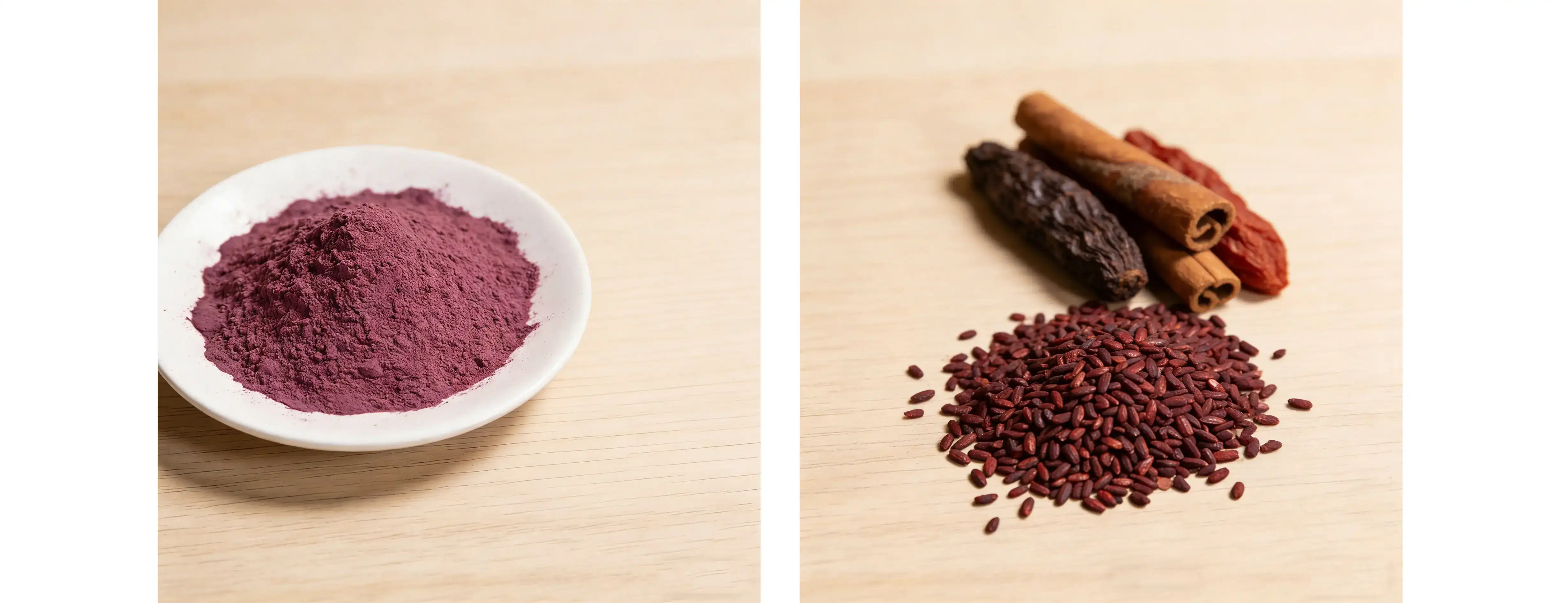
Understanding Red Yeast Rice Extract Powder and Cholesterol Support
Compared to other fermented rice goods, Red Yeast Rice Extract Powder is an advanced step forward. This concentrated extract comes from fermented rice (Oryza sativa) with Monascus purpureus. It goes through testing steps to make sure that the amounts of bioactive compounds, especially monacolin K, are always the same.
The Science Behind Cholesterol Reduction
The way that monacolin K affects cholesterol works because its structure is similar to that of lovastatin. This naturally produced chemical inhibits HMG-CoA reductase, which is the enzyme that facilitates the process of cholesterol synthesis. Unlike manufactured statins, Red Yeast Rice Extract has many monacolins and other bioactive substances that may support overall wellness while possibly minimizing potential adverse effects. According to research, monacolin K levels between 0.1% and 3% are functionally effective. The extract works because it can reduce the production of cholesterol in the liver, which in turn lowers the amount of LDL cholesterol in the blood. After 6 to 8 weeks of regular use, studies show that total cholesterol drops by 15 to 30 percent and LDL cholesterol drops by 20 to 35 percent.
Distinguishing Extract Quality and Potency
Controlled extraction and processing methods make premium Red Yeast Rice Extract Powder very different from raw fermented rice. Heat-sensitive chemicals are kept safe by water-based extraction methods, which also get rid of possible contaminants like citrinin, a mycotoxin that can form during fermentation. Standards for extracts make sure that each batch is the same, which is very important for business products.
Key Benefits and Safe Usage Guidelines for B2B Clients
When Red Yeast Rice Extract is added to products, it has benefits that go beyond cholesterol modulation. Because of these benefits, producers can meet the rising demand from customers for natural Red Yeast Rice Extract Powder ingredients that align with wellness-focused product lines.
Cardiovascular Health Applications
With many different ways to work, Red Yeast Rice Extract supports cardiovascular wellness in multiple ways. In addition to modulating cholesterol levels, the study shows that it may also improve vascular function, lower inflammation markers, and boost antioxidant activity. It is useful for overall cardiovascular wellness formulations because it has many benefits. Dosage amounts are different depending on the quantity of monacolin K and the purpose of the product. For functional formulations, amounts that work best are usually between 600mg and 1200mg per day of a standardized extract that has 2 to 10mg of monacolin K. In functional food uses, smaller concentrations may be used to maintain bioactive levels that are still useful.
Safety Considerations and Regulatory Compliance
For B2B procurement choices, it's still important to know about possible interactions and situations where something shouldn't be used. Statin drugs and Red Yeast Rice Extract target the same enzyme, so they may have similar side effects in people who are sensitive. Muscle-related side effects can happen with higher doses or longer use, but they happen less often than with manmade statins. Different parts of the world have different rules about what products can and can't contain. In some places, high-monacolin goods are classified differently from standard supplements. The Food and Drug Administration (FDA) has strict rules about how much lovastatin can be in food supplements. In Europe, rules about Red Yeast Rice goods are different. As part of quality assurance procedures, citrinin tests should be done because this nephrotoxic chemical can form when fermentation conditions aren't right. Suppliers with a good reputation put citrinin amounts through strict testing to make sure they stay below detection limits or within regulatory thresholds that are okay.
Comparison of Red Yeast Rice Extract Powder with Alternative Solutions
When purchasing, professionals look at cholesterol-modulating ingredients; it's helpful to know how Red Yeast Rice Extract stacks up against other options. This research helps improve how a product is positioned and how much it costs.
Natural Alternatives Assessment
Instead of inhibiting the production of cholesterol, plant sterols and stanols work to block its absorption. Even though they work to stop the absorption of cholesterol from food, they usually need higher amounts and might not improve the whole lipid profile as much as monacolin K-containing products do. Niacin affects lipids in many ways, but it often causes flushing, which can impact consumer acceptance. Bergamot extract and artichoke leaf extract are new natural options that are being studied in ways that look hopeful. However, these ingredients don't have as much industry support or Red Yeast Rice Extract Powder consumer recognition as Red Yeast Rice does in the cardiovascular wellness market.
Cost-Benefit Analysis for Manufacturers
Red Yeast Rice Extract usually costs more than basic plant sterols, but it's still about the same price as high-potency specialty extracts. Because the ingredient is known to be effective, it is possible to use smaller dose amounts than with options that need gram-quantity dosing. This could lower the total cost of the formulation. When manufacturing, things like the extract's stability profile and how well it works with different delivery methods are taken into account. When stored properly, water-extracted powders stay stable for a long time and work well in capsules, tablets, and functional foods.
Product Format Considerations
Standardized powder forms give formulators the most freedom, as they make it easy to control doses precisely and add new products to current production lines. Smaller makers may find encapsulated forms useful, but they may limit their ability to customize and raise the cost per unit.
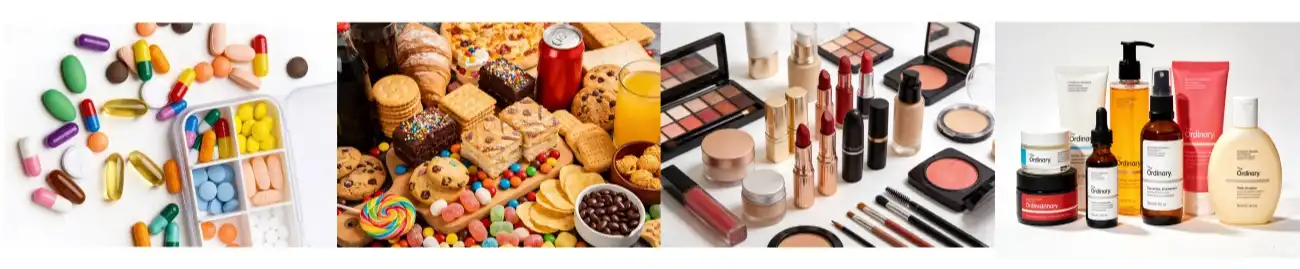
Procurement Guide for Red Yeast Rice Extract Powder in B2B Markets
To successfully find high-quality Red Yeast Rice Extract, you need to know the important quality factors and standards for evaluating suppliers. This useful method helps procurement teams find their way through complicated supply lines while keeping the quality of the products they buy.
Supplier Qualification Criteria
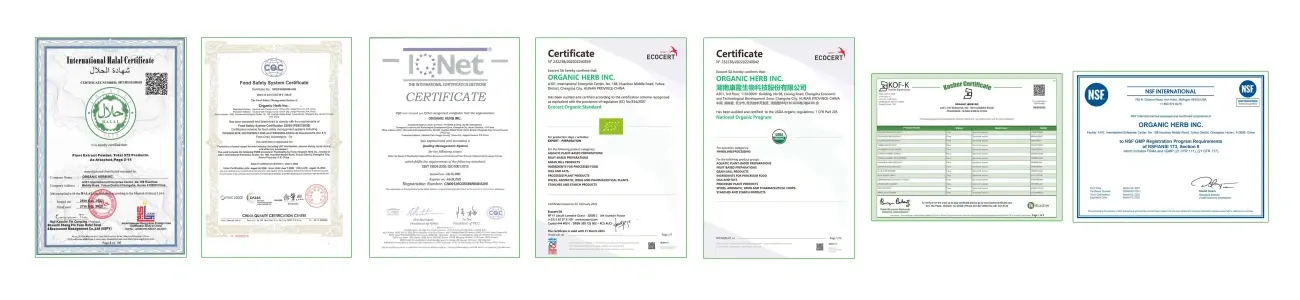
Important certifications include NSF GMP, ISO standards, and, if needed, organic certificates. Suppliers should show complete quality control systems that test new raw materials, keep an eye on the process while it's going on, and check the final product. Keeping records of the methods and outcomes of citrinin tests is a very important safety measure. Production capacity and the ability to scale are very important for brands that want to grow. Suppliers should make sure they have enough product on hand and show they can handle rising demand without lowering quality standards. Logistics costs and delivery times can be greatly affected by geographical distribution capabilities, such as strategically placed warehouses.
Technical Specifications and Verification
Some important requirements are the amount of monacolin K (usually between 0.1% and 3%), the amount of moisture, the microbiological factors, and the heavy metals tests. The way particles are distributed affects how they flow and dissolve, which is especially important for making capsules and tablets.HPLC testing for Red Yeast Rice Extract Powder monacolin levels, LC-MS/MS testing for citrinin levels, and normal pharmacopoeial testing for contaminants should all be used for analytical verification. Suppliers who include full Certificates of Analysis (COA) with every batch show that they care about quality control and transparency.
Pricing Factors and Market Dynamics
The price of an extract is strongly linked to the amount of monacolin K it contains, how complex the extraction method is, and the level of certification it has. Products that are extracted with water usually cost more than those that are extracted with ethanol because the labels are cleaner and the safety profiles are better. Seasonal changes in supply lines and changes in regulations are examples of market dynamics. Long-term supply agreements can keep prices stable and make sure that products are still available when the market is volatile.
Case Studies and Application Scenarios in B2B Procurement
Real-life uses show that Red Yeast Rice Extract is flexible and can be sold in a number of different market segments. These examples show buying teams how to think about integration possibilities in the real world.
Functional Food Applications
Innovative food companies are looking into adding Red Yeast Rice Extract to functional drinks and protein bars. For these uses, it's important to think about how to mask tastes and keep things stable under different processing conditions. Water-soluble extract forms make it easy to add to beverage systems without any problems with sedimentation. Red Yeast Rice Extract is used as a natural preservative and colorant in the meat processing industry. It replaces manmade additives and aligns with clean-label trends. This two-in-one use shows that the ingredient can be used in more than just supplement markets.
Market Trend Analysis
The demand for plant ingredients based on evidence is still being driven by people's desire for natural alternatives to synthetic solutions. Red Yeast Rice Extract is better than younger, less-studied alternatives because it has been through a lot of testing and has been shown to be safe. Increasing demand for clean labels and closer scrutiny by regulators of manmade additives opens up possibilities for natural ingredients that have been shown to be effective.
Conclusion
Red Yeast Rice Extract Powder is a versatile ingredient for cardiovascular wellness that has been proven to work by science. Because it has natural monacolin K, which has been shown to modulate cholesterol levels, makers have an edge in the growing natural wellness market. To do a good job of procuring things, you need to carefully evaluate suppliers, check that they meet quality standards, and know what the rules are in each target market. Because the ingredient can be used in nutraceuticals, functional foods, and regular foods, forward-thinking companies that want to make clean, useful wellness products can make a lot of money.
FAQ
1. Does Red Yeast Rice Extract Powder need to be kept in a certain way?
Red Yeast Rice Extract Powder should be kept away from direct light, in a cool, dry place. Controlling moisture is very important to keep monacolin K from breaking down and microbes from growing. Most providers say that storage should be kept below 25°C and the relative humidity should be less than 60%.
2. Which certifications should B2B buyers look for when they're sourcing?
Some of the most important licenses are ISO standards for quality management systems, NSF GMP for quality in production, and FSSC22000 for food safety. Kosher and Halal licenses make markets easier to get into, while organic certification drives up prices in markets for natural products.
3. How does the amount of monacolin K affect how well a product works?
The amount of monacolin K found is directly related to its ability to lower cholesterol. Concentrations as low as 0.1% have mild effects that are good for functional foods, while concentrations as high as 1-3% have medicinal benefits similar to low-dose statin drugs. Labels for higher amounts need to be more careful, and the government may look at them more closely.
4. In general, how long does it take to get large orders?
Lead times for stock items from well-known sources are usually between 10 and 15 days. Custom orders or goods that are certified organic may take 3–4 weeks. Customers in North America can get their orders much faster if their suppliers keep their stock in US warehouses.
Partner with OHI for Premium Red Yeast Rice Extract Powder Supply
OHI delivers pharmaceutical-grade Red Yeast Rice Extract Powder manufactured to the highest industry standards. Our water-extracted, 0.1% monacolin K standardized extract meets stringent FDA and cGMP requirements while maintaining exceptional batch-to-batch consistency. With four strategically located US warehouses, we ensure rapid delivery to meet your production schedules.
Our comprehensive certification portfolio, including NSF GMP, Kosher, Halal, ISO, and FSSC22000 standards, demonstrates our commitment to quality excellence. As a leading Red Yeast Rice Extract Powder manufacturer, we offer competitive pricing, free sampling, and flexible MOQs starting at 25kg to support businesses of all sizes.
Contact info@organic-herb.com to discuss your specific requirements and discover how our advanced R&D capabilities and sustainable practices can enhance your product formulations.
References
1. Liu, J., Zhang, J., Shi, Y., Grimsgaard, S., Alraek, T., & Fønnebø, V. (2006). Chinese red yeast rice (Monascus purpureus) for primary hyperlipidemia: A meta-analysis of randomized controlled trials. Chinese Medicine, 1(1), 4.
2. Halbert, S. C., French, B., Gordon, R. Y., Farrar, J. T., Schmitz, K., Morris, P. B., & Rader, D. J. (2010). Tolerability of red yeast rice (2,400 mg twice daily) versus pravastatin (20 mg twice daily) in patients with previous statin intolerance. The American Journal of Cardiology, 105(2), 198-204.
3. Becker, D. J., Gordon, R. Y., Halbert, S. C., French, B., Morris, P. B., & Rader, D. J. (2009). Red yeast rice for dyslipidemia in statin-intolerant patients: A randomized trial. Annals of Internal Medicine, 150(12), 830-839.
4. Gordon, R. Y., Cooperman, T., Obermeyer, W., & Becker, D. J. (2010). Marked variability of monacolin levels in commercial red yeast rice products: Buyer beware! Archives of Internal Medicine, 170(19), 1722-1727.
5. Klimek, M., Wang, S., & Ogunkanmi, A. (2009). Safety and efficacy of red yeast rice (Monascus purpureus) as an alternative therapy for hyperlipidemia. Pharmacy and Therapeutics, 34(6), 313-327.
6. nVenero, C. V., Venero, J. V., Wortham, D. C., & Thompson, P. D. (2010). Lipid-lowering efficacy of red yeast rice in a population intolerant to statins. The American Journal of Cardiology, 105(5), 664-666.
Standard Disclaimer (DSHEA):
These statements have not been evaluated by the Food and Drug Administration.
This product is not intended to diagnose, treat, cure, or prevent any disease.

Send Inquiry
Related Industry Knowledge
- When to take saw palmetto morning or night?
- Does red yeast rice lower cholesterol?
- How do you use rosemary?
- What is sage used for?
- What is black carrot extract?
- Natural Rhodiola Rosea Extract: Origin, Composition, and Key Features
- Poria Cocos Mushroom Extract as Functional Foods in Industry
- The Health Benefits and Uses of Polyporus Umbellatus Fries
- USA Market Insights on Sourcing High-Quality Polyporus Umbellatus Extract
- Natural Rhodiola Rosea Extract for Endurance and Metabolic Efficiency