
A Complete Guide to Sophora Japonica Extract
Jul 8, 2026
Sophora Japonica Extract is a valuable plant-based ingredient that changes the way nutraceuticals, cosmetics, and useful foods are made. This yellow powder concentrate comes from the flower buds of Sophora japonica L. and contains standardized medicinal flavonoids, mostly 95% rutin and 95% quercetin. The flavonoids were extracted using water-ethanol methods. As the need for clean-label, plant-based actives grows around the world, buying pros are becoming more aware of this extract's two benefits: it has been shown to work, and it is accepted by regulators in all major foreign markets. This guide gives buying teams, formulation scientists, and R&D leaders useful information about quality standards, application strategies, and how to choose a seller.


Understanding Sophora Japonica Extract
Botanical Origin and Extraction Technology
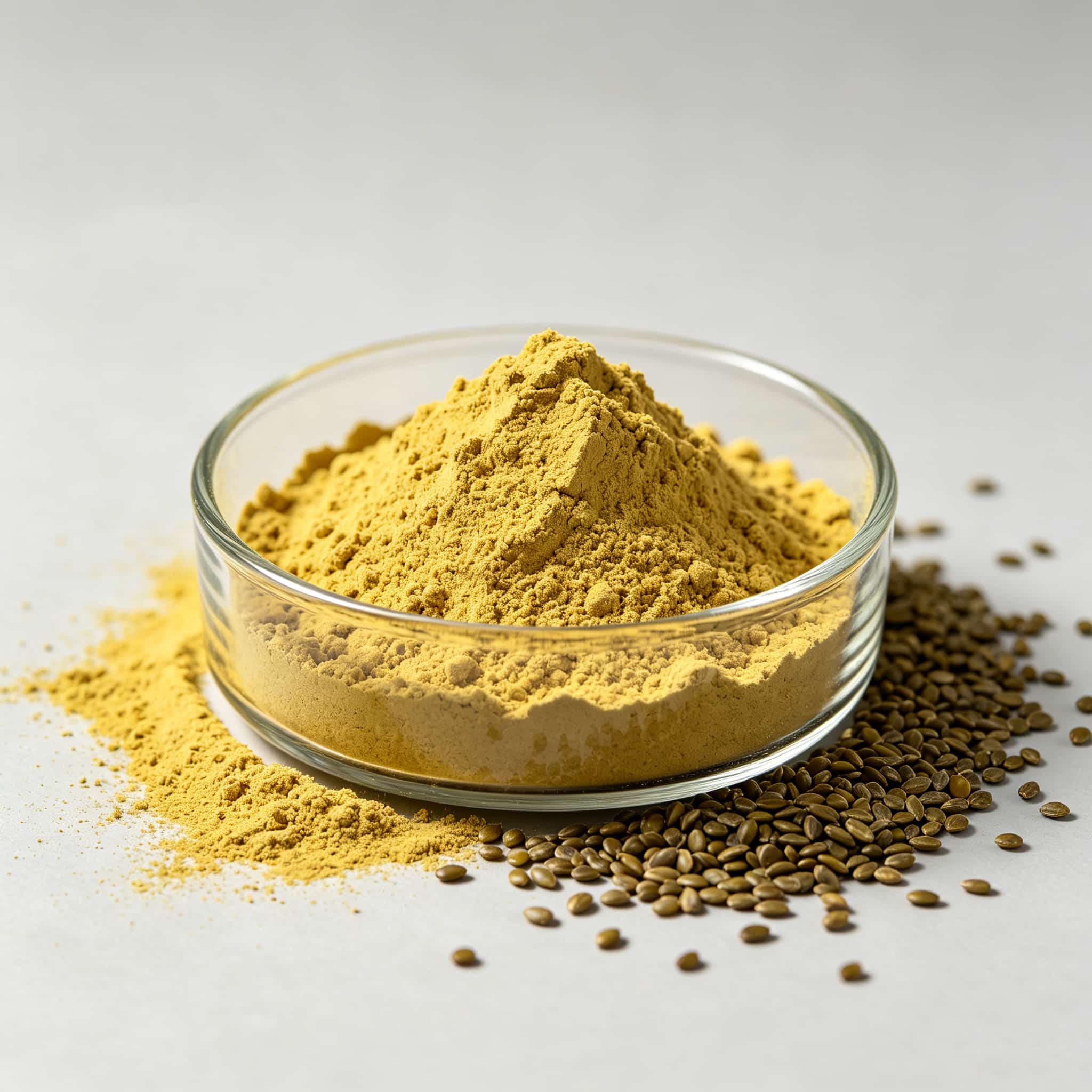
The Japanese pagoda tree, Sophora japonica L., grows best in cold areas and has been used in traditional ways for hundreds of years. Flavonoid glycosides that are highly concentrated in the flower buds are carefully extracted using food-grade water and ethanol. This two-solvent method increases output while keeping the purity of the chemical. It makes a bright yellow powder that is safe for use in both medicine and food applications.
Our method for separation uses both nano-membrane isolation technology and processes at lower temperatures. This method keeps heat-sensitive flavonoids and gets rid of liquid leftovers below the levels allowed by USP <467>. Dynamic low-temperature extraction followed by anti-osmotic concentration keeps molecules stable, which is a problem that formulators often have when they have to work with plants that change shape when heated.
Key Bioactive Components
The extract works because of two main flavonoids: rutin (quercetin-3-O-rutinoside) and quercetin, which is its aglycone form. It is rutin that is the main glycoside, which makes the formation materials more stable. Manufacturers can change the amount of rutin to quercetin to fit the needs of a certain product by controlling the acid breakdown during processing. Oxygen Radical Absorbance Capacity (ORAC) tests show that both substances are strong antioxidants, and studies on cells have shown that they protect cells.
The normal amounts—95% rutin or 95% quercetin—allow for accurate estimates of the mixture. High-Performance Liquid Chromatography (HPLC) fingerprinting checks the identity and purity of an extract, telling the difference between real extracts and fakes or lower-quality copies. This level of analytical rigor answers concerns about quality consistency raised by QA teams in charge of managing complicated supply lines.
Physical and Chemical Characteristics
Specifications for technology determine how well different production systems can be used. The extract comes out as a fine yellow powder with particles that are bigger than 80 mesh (95% minimum), which makes it easier for tablets, pills, and drinking systems to spread the extract evenly. The bulk density is between 0.4 and 0.6 g/mL, which makes the flow qualities ideal for fast sealing lines.
When formulating something, you need to give solubility patterns a lot of thought. Native rutin doesn't dissolve well in water (<0.05 mg/mL at 25°C), so for liquid uses, you need to use pH helpers, cyclodextrin complexation, or micronization. In contrast, the substance dissolves well in systems based on ethanol and glycerin. Even though quercetin is more bioavailable, it needs the same kinds of solubilization methods. Formulation mistakes can be avoided during the scale-up steps if you understand these physical factors.

Comparing Sophora Japonica Extract with Alternatives
Sophora Japonica Extract vs. Isolated Rutin
Isolated rutin that is made or crystallized from different plant sources is cheaper at lower purity levels (NF11 standard, ≥95%). The full-spectrum Sophora Japonica Extract has more polyphenolic chemicals, such as isoquercetin and genistein derivatives, which may work together to make the antioxidant benefits stronger. Comparative phytochemistry research shows that whole-plant matrices are more stable during storage than separate molecules because they stop reactive breakdown.
For skincare uses that need broad-spectrum protection, the full flavonoid profile gives formulators more options when it comes to marketing claims about "whole botanical extracts" versus claims about a single ingredient. Nutraceutical companies that market their goods as all-around health options also gain from the wide range of polyphenols found in full-spectrum extracts.
Ginkgo Biloba vs. Sophora Japonica: Mechanism Differentiation
Even though both plants have flavonoid glycosides, their chemical makeup is very different. Ginkgo biloba is mostly made up of ginkgo flavone glycosides (24% of the plant) and terpene lactones (6% of the plant), which work on different molecular paths. Sophora-derived rutin and quercetin change specific enzyme activities that protect capillaries by stopping hyaluronidase, which has been studied in vascular research.
When buying ingredients for products that support the heart, procurement teams should think about these molecular differences. Ginkgo is great for supporting memory, while Sophora products are good for blood flow and protecting against free radicals. Regulatory dossiers for these plants are very different, which affects how long it takes to register a product in different foreign markets.
Organic vs. Conventional Sourcing Considerations
Sophora products that are certified organic cost more (20–35%) than regular grades, but they reach new customers in certain groups. For USDA and EU Organic approvals, crops must be grown without manmade herbicides and be able to be tracked. This must be proven through multi-residue LC-MS/MS screening for more than 500 chemicals. When conventional products come from GMP-certified facilities, they are tested for pesticides in the same way that FDA and EFSA maximum residue standards are met.
The choice grid finds a balance between how the labels are placed and how much they cost. Organic ingredients are needed for natural skincare brands that want to get COSMOS or NATRUE approval. Supplement companies that sell to the public may get the same quality results from commonly found materials that meet strict pollution limits.

Strategic Procurement of Sophora Japonica Extract for B2B Clients
Supplier Evaluation Framework
To find trusted manufacturing partners, you need to carefully look at a lot of different factors. Certification files are the first step in the screening process. Credentials like NSF GMP, FSSC22000, ISO 9001, Kosher, and Halal show that quality management systems are in place. These certificates show that the production meets foreign standards, which makes audits easier for buyers further down the line.
Check the technical abilities of the facility by using facility surveys that ask about the complexity of the extraction tools, the analysis instruments (HPLC-ELSD, GC-MS skills), and the facility's ability to do tests in-house. Suppliers with dedicated research and development (R&D) teams can help with formulation, provide stable data, and make special specs, all of which are useful during the product creation stages.
Navigating China's Supply Chain Advantages
China makes most of the world's plant extracts because it has the largest farming networks and processing facilities. Suppliers who run GAP-certified planting sites that cover thousands of acres in provinces like Jiangxi, Hunan, and Guizhou are in charge of the quality of the raw materials, from choosing which seedlings to use to when the crops are harvested. This vertical merger lowers the risk of adulteration and ensures that all production batches have the same phytochemical profiles.
Total landing costs are affected by logistics in a big way. Leading sellers have stores in key areas in the US. This cuts wait times for filled items from 6 to 8 weeks (ocean freight) to the same week. These delivery networks allow for just-in-time stocking plans and keep the cold chain intact for materials that need to be stable.
Pricing Structures and MOQ Considerations
When it comes to production costs, the bulk price for Sophora Japonica Extract is based on a tiered system. The smallest amount that can be ordered is 25 kg (single drum), which is enough for small-batch producers and product development tests. When you commit to buying more than 500 kg, you can get better prices, which usually lower the cost per kilogram by 15 to 25 percent. Long-term supply deals with promises every three months or once a year make budgeting easier and make sure that resources are allocated fairly during times of high demand.
Payment terms depend on how long a supplier has been a partner. Initial sales usually need to be paid for in advance or with a letter of credit. Partnerships that have been around for a while can negotiate net-30 or net-60 terms, which makes managing working capital easier. Asking for pro forma bills with unit prices, package details, and Incoterms makes it clear what the total cost of the purchase will be before making a promise.
Verification Protocols and Documentation
Quality problems can't happen when products are rigorously checked. The production lots should have Certificates of Analysis (CoAs) that show the HPLC test results, microbial limits (Total Plate Count <1000 cfu/g, absence of Salmonella/E. coli), heavy metal screening (<10 ppm total), and solvent residue testing. Testing by a third-party lab at an independent facility verifies what a seller says, especially during the initial approval stages.
Traceability records, such as growth records, extraction batch logs, and stability studies, are needed for regulatory reports and customer checks. For controlled businesses, it's easier to stay in compliance when suppliers provide full dossiers with safety statements, GMO declarations, and BSE/TSE certificates.

Practical Applications and Industry Use Cases
Nutraceutical Formulations
Sophora flower bud extract works well with heart health products because it uses rutin's known effects on capillary strength and venous permeability. The usual daily dose is between 200 mg and 500 mg, which can be taken as pills, hard-shell capsules, or softgels with powder or oil-suspended forms. The neutral flavor of the extract means that less taste covering is needed in edible or sublingual delivery methods.
Sports nutrition companies use quercetin-rich versions of their products in healing formulas because a flavonoid-rich diet has been linked to managing oxidative stress caused by exercise. Because quercetin is a known antioxidant, it can be used in pre-workout mixes and endurance support products, which appeal to performance-oriented consumers looking for natural ingredient options.
Cosmetic and Personal Care Applications
Using the extract in anti-aging skin care products helps protect against UV damage by removing reactive oxygen species, stops matrix metalloproteinase-1 (MMP-1) from breaking down collagen networks, and evens out skin tone by modulating tyrosinase. Concentrations used most of the time are between 0.5% and 3.0% in serums, creams, and sun care items.
Formulators deal with problems with solubility in a number of ways. Pre-dispersion with glycerin or propylene glycol makes solid solutions for emulsion systems. Liposomal, cyclodextrin complexes, or nanoparticle carriers are encapsulation technologies that help products get deeper into the skin while keeping them active and stable for a longer time. For natural makeup brands that want to promote clean beauty, the botanical's plant-based origin story and flexible image make formulas simpler.
Functional Food and Beverage Integration
For antioxidant claims, Sophora ingredients are added to fortified juice mixes, ready-to-drink health shots, and functional water products. It can withstand heat during scalding (72°C for 15 seconds) and UHT processing, which lets it be added to drinks that can last for a long time without losing much of its activity. Inclusion rates usually fall between 50 and 200 mg per serve, taking into account regulatory limits and how the food tastes.
Product designers who work with plant-based protein shakes or meal replacements use the extract's matching antioxidant profile to boost total ORAC values and support the idea of health as a whole. In the right situations, the yellow tinting adds natural color, which cuts down on the need for manufactured colors.

How to Choose the Right Sophora Japonica Extract Supplier
Quality Assurance Capabilities
Some of the best providers have full quality control labs with the most up-to-date testing tools. With UV and ELSD detection in HPLC methods, it is possible to precisely measure rutin and quercetin levels while also profiling impurities. GC-MS can check that solvent residues are in line with ICH Q3C standards, which meet the needs for tracking the extraction process. Heavy metal screening must meet pharmacopoeial standards, and atomic absorption spectrophotometry makes sure of that.
Total Plate Count, yeast and mold counting, and pathogen screens (Salmonella, E. coli, Staphylococcus aureus) should all be part of microbial testing methods. Suppliers who test pharmaceutical-grade products for endotoxin regularly (LAL assay) show they are committed to high-quality standards. Ask about the frequency of bacteria testing—batch-by-batch testing gives you the most confidence compared to sampling methods that are done on a regular basis.
Production Scalability and Customization
Check the production ability to make sure it fits with the expected growth for Sophora Japonica Extract procurement. Suppliers with more than one production line can handle higher volumes without affecting shipping times. Find out how much of a certain extract can be made each year, how long the wait time is during busy times, and if there is any room for last-minute orders.
Customization options go beyond what is required by law. Advanced sellers offer changing the particle size (micronization to less than 10 μm), spray-dried versions that dissolve instantly, or mixed formulas that contain more than one plant. Co-manufacturing services, such as sealing, tableting, and packing, help brands that want complete solutions to streamline their supply lines.
Service Excellence and Technical Support
Having samples available speeds up the process of making a product. Reliable sellers offer free samples (usually 50–100g) with full scientific paperwork, which lets you try out different formulations without having to commit to a purchase. Check how quickly you respond to sample requests as a sign of how good your general customer service is.
The level of technical help is what sets strategic partners apart from transactional providers. Having access to formulation scientists, legal affairs experts, and application engineers is very helpful when making a new product. When suppliers provide collaboration on stable studies, bioavailability data, and formulation fixing, they turn buying relationships into partnerships where everyone works together.
Sustainable Sourcing and Ethical Practices
Environmental duty is becoming a bigger factor in choosing a seller. Look at farming methods that focus on protecting wildlife, keeping the earth healthy, and saving water. Suppliers who keep records of sustainable gathering methods, such as rotating growing and protecting ecosystems, are in line with CSR goals.
Ethical buying includes fair pay for farmers and good relationships with them. Suppliers who work directly with farming groups make sure that value is shared fairly and that raw materials are always the same. Marketing claims about ingredient tracking are backed up by clear supply chain paperwork that shows where the ingredients came from, when they were harvested, and where they were processed.
Conclusion
Sophora Japonica Extract is a plant ingredient that has been scientifically proven to work and is in high demand in the market. It is backed by strong analysis standards and has a wide range of possible uses. To integrate something well, you need to know about the basic features of the extract, the rules that apply, and how capable the seller is. Manufacturers who care about quality offer uniform rutin and quercetin specs, thorough testing methods, and helpful technical support. This lets brands safely make goods that meet customers' needs for natural, effective ingredients. The strategy described here, which focuses on verifying certifications, knowing how to use the botanical, and building partnerships with suppliers, puts procurement teams in a good position to take advantage of the market's growing pace while keeping the supply chain simple.
Frequently Asked Questions
1. What are typical inclusion rates for supplement formulations?
Daily dosages commonly range from 200 to 500 mg, depending on formulation objectives and target demographics. Capsule and tablet formats accommodate these levels efficiently, with bioavailability considerations guiding decisions between rutin and quercetin specifications. Formulators should consult existing research literature when establishing dosage parameters for specific wellness positioning claims.
2. How can I verify the extract's authenticity?
HPLC fingerprinting provides definitive identity confirmation by comparing sample chromatograms against reference standards. Request Certificates of Analysis documenting retention times, peak purity, and spectral matching. Third-party laboratory verification through independent testing facilities offers additional assurance, particularly during initial supplier qualification. Reviewing supplier certifications (GMP, ISO, organic credentials) and conducting facility audits further validates authenticity.
3. What distinguishes powder specifications?
Particle size distribution significantly impacts flowability and dissolution characteristics. Standard mesh sizes (80 mesh, 95% passing) suit most applications, while micronized variants (<10 μm) enhance bioavailability and surface area for specialized delivery systems. Moisture content specifications (typically <5%) affect stability and microbial control. Bulk density influences packaging efficiency and dosing accuracy in automated manufacturing environments.
Partner with OHI for Premium Sophora Japonica Extract Supply
OHI (Organic Herb Inc., Stock Number: 872213) delivers pharmaceutical-grade Sophora Japonica Extract backed by comprehensive certifications including NSF GMP, FSSC22000, ISO 9001, Kosher, Halal, and USDA Organic credentials. Our vertically integrated supply chain—encompassing 8,000+ acres of GAP-certified planting bases across multiple provinces and advanced extraction facilities in Jiangxi—ensures consistent quality from cultivation through final packaging. With four strategically located US warehouses operated through our California-based subsidiary, Earth Made Nutritions, we provide rapid delivery (10-day lead times) and maintain stable inventory for immediate fulfillment. Our 42-member R&D team, equipped with over $1.2 million in analytical instrumentation, supports your formulation development with technical expertise and customized solutions. We offer complimentary samples, minimum 25 kg orders, and competitive pricing for Sophora Japonica Extract manufacturers seeking reliable partnerships. Contact our team at info@organic-herb.com to discuss your specific requirements and access detailed product specifications, stability data, and regulatory support documentation.
References
1. Chen, Y., & Wang, M. (2021). Flavonoids from Sophora japonica: Extraction, Purification and Biological Activities. Journal of Functional Foods, 78, 104-118.
2. Liu, J., Zhang, H., & Li, P. (2020). Quality Control and Standardization of Rutin in Botanical Extracts. Phytochemical Analysis, 31(4), 445-456.
3. Rodríguez-García, C., & Sánchez-Quesada, C. (2019). Quercetin and Cardiovascular Health: Mechanisms and Clinical Applications. Nutrition Reviews, 77(8), 567-579.
4. Zhang, L., Wang, Y., & Yang, B. (2022). Comparative Analysis of Flavonoid Extracts from Different Sophora Species. Industrial Crops and Products, 176, 114-125.
5. Kim, S.H., & Park, H.J. (2020). Cosmetic Applications of Plant Flavonoids: Stability and Efficacy Studies. International Journal of Cosmetic Science, 42(3), 289-301.
6. Thompson, R.D., & Williams, K.A. (2021). Procurement Strategies for Botanical Ingredients in Global Supply Chains. Journal of Supply Chain Management, 57(2), 78-94.
Standard Disclaimer (DSHEA):
These statements have not been evaluated by the Food and Drug Administration.
This product is not intended to diagnose, treat, cure, or prevent any disease.

Send Inquiry
Related Industry Knowledge
- A Complete Guide to Sophora Japonica Extract
- How is soybean oil made?
- How is raspberry flavoring made?
- Grape Extract: Nature's Power for Skin Health
- How goji berries may benefit your skin
- How to use grape seed extract powder for skin
- How to use rosemary oil for skin
- Polyporus Umbellatus Extract Explained: From Raw Material to Final Product
- Does red yeast rice lower cholesterol?
- Natural Rhodiola Rosea Extract: Origin, Composition, and Key Features