
Grape Extract: Nature's Power for Skin Health
Jun 17, 2026
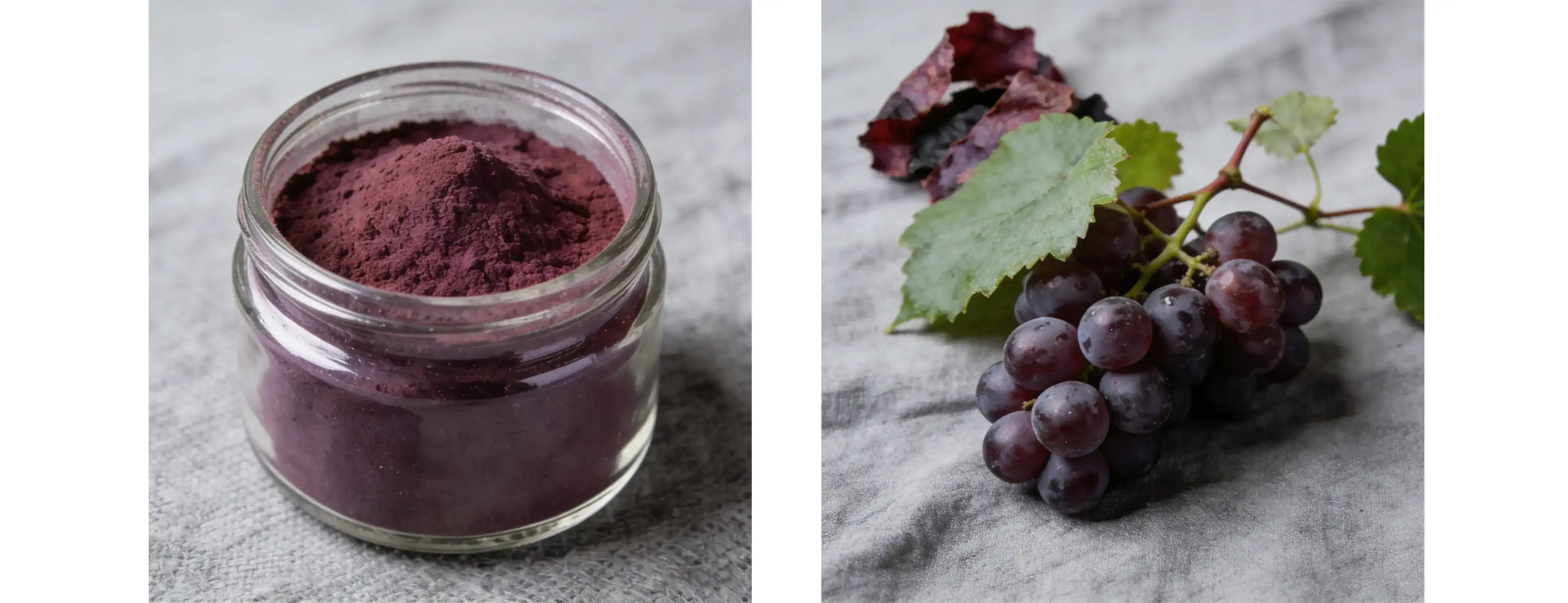
Grape Skin Extract Powder stands out as a great option for formulation teams looking for natural actives that they can trust to improve skin health without affecting the security of the product. This violet-red powder comes from Vitis vinifera L. and turns the polyphenolic chemicals found in grape skins—mainly anthocyanins, flavonoids, and resveratrol—into a stable, useful ingredient. According to our study with cosmetic pharmacists and supplement makers, this extract solves the problem of providing strong antioxidant protection while also keeping stability from batch to batch, which is something that synthetic alternatives often fail to do well.
Understanding Grape Skin Extract Powder and Its Skin Health Properties
What Makes Grape Skin Extract Unique Among Botanical Actives
Grapes are covered in beneficial polyphenols, which plants produce to protect themselves from environmental stress. We remove these chemicals from plants utilizing regulated water-ethanol methods to preserve their biological activity and structure. The Grape Skin Extract Powder, fixed at 30% polyphenols, contains many anthocyanins and flavonoids that work synergistically.
Grape skin polyphenols counteract oxidative stress in various ways, but synthetic antioxidants only function in a few. UV rays, pollution, and metabolism create free radicals. These drugs remove them, slowing aging and damaging the skin's barrier. Anthocyanins are stable in acidic pH, making them valuable in cosmetics.
Core Bioactive Mechanisms for Skin Applications
Grape skin polyphenols regulate collagen and matrix metalloproteinase synthesis via cell signaling pathways. In stability testing, formulation experts see increased skin elasticity with the proper dosage of this extract. Resveratrol activates defense cells, and flavonoids increase cutaneous blood flow.
When prepared properly, standardized Grape Skin Extract Powders retain their antioxidant activity for a long time, according to a study. These plant extracts are more stable than less refined ones, thus procurement teams hunt for vendors who can establish polyphenol content using HPLC instead of spectrophotometry.
Distinguishing Grape Skin from Seed Extracts
Procurement managers often confuse grape skin and seed oils. OPCs are concentrated in grape seed extract, a tan powder with minimal color. But skin extract has anthocyanins that are functional and violet-red. This helps make clean-label cosmetics.
Resveratrol is also higher in skin extract than in seed products. This difference matters when developing products with label claims or pursuing formulators who need natural colorants and beneficial actives. Research and development teams can choose the correct extract type after learning about these modifications.
Quality Parameters and Procurement Considerations for B2B Buyers
Extraction Methods and Quality Indicators
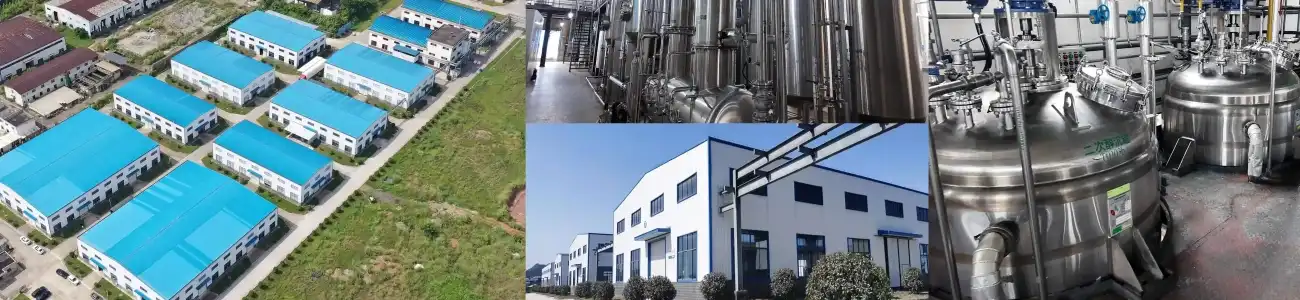
Water-based or water-ethanol extraction makes a substantial difference in product quality. Water-ethanol systems can extract more polyphenols from plants, including less polar ones like resveratrol, while protecting anthocyanins. Other technologies can break down heat-sensitive bioactives, but our manufacturing combines dynamic low-temperature extraction and nano-membrane separation.
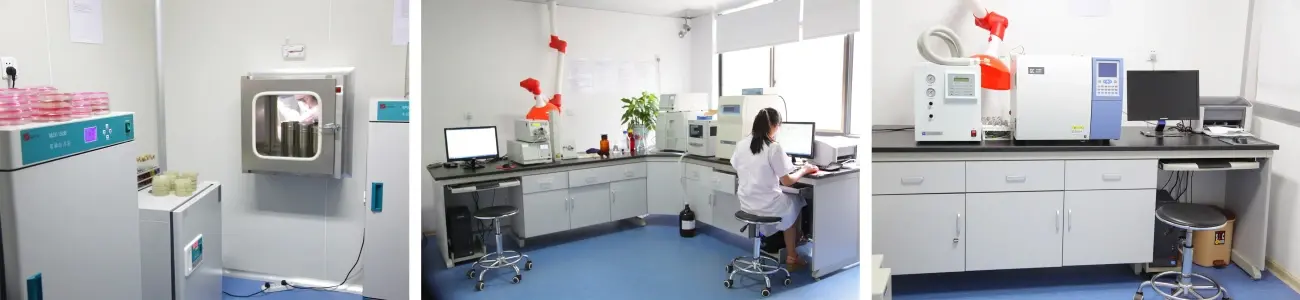
Quality evaluation begins with polyphenol standardization. Ratio extracts (4:1, 10:1) lack recipe consistency; HPLC-standardized Grape Skin Extract Powder products with 30% polyphenols do. Ratio standards measure concentrations but not active substances. Considering this variation when calculating supplement doses or cosmetic claim active levels is crucial.
Certified sources test for and document heavy metals (lead, cadmium, arsenic, and mercury), microbial limits, pesticide residues, and solvent residues. The violet-red color is a quality indicator; fading or brownish tints indicate oxidation or overheating during manufacture.
Certification Standards That Matter
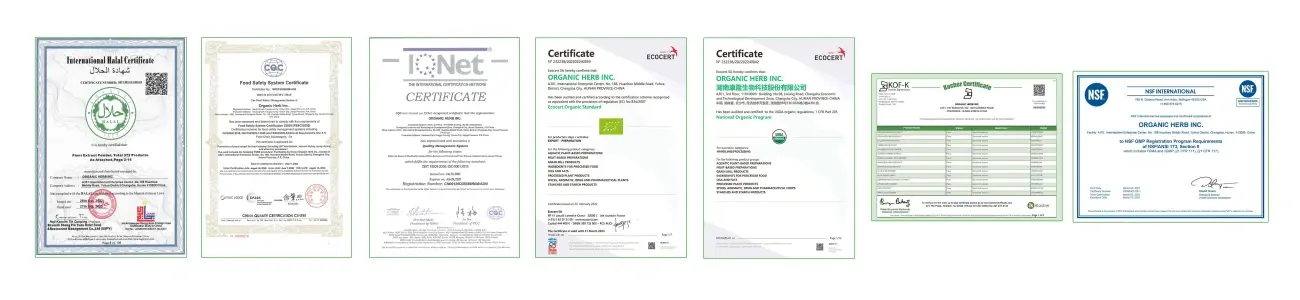
Procurement teams dealing with foreign supply lines must recognize which certificates guarantee quality and which are primarily marketing. NSF GMP accreditation shows factories follow strict process and record-keeping regulations. If the extract is utilized in functional meals or nutrition supplements, FSSC22000 accreditation ensures food safety.
Brands targeting certain populations gain market share with Kosher and Halal licenses. Organic certification verifies that the source grapes were grown without synthetic chemicals. Clean labeling is driving market expansion, which fits demand. All certificates are checked annually by a third party. This ensures clients receive document compliance in various places.
ISO accreditation establishes quality management system standards, but it's not the highest level of training. Multiple certifications, especially from well-known groups, give buying teams peace of mind when exploring new suppliers or reviewing existing partnerships.
Supplier Evaluation and Logistics Efficiency
Building reliable source partnerships requires more than price per kilogram. Lead time consistency impacts production planning. Seven-day lead periods and four U.S. warehouses reduce supply costs and risk of running out. The 25 kg minimum order works for test recipes and frequent production runs without requiring too much inventory.
Samples allow formulation teams to evaluate compatibility before bulk purchases. Offering free samples shows that the supplier trusts the goods and enables customers to compare the specs to their own testing. This method reduces buying risk and speeds qualifying.
Packing the hygroscopic powder in 25 kg drums with double-lined plastic bags prevents moisture absorption from sticking it together and making it less fluid. Proper packing preserves the powder's physical qualities and shelf life. These actual issues slow productivity and reduce waste.
Selecting the Right Specification for Your Application
Matching Extract Grades to Product Categories
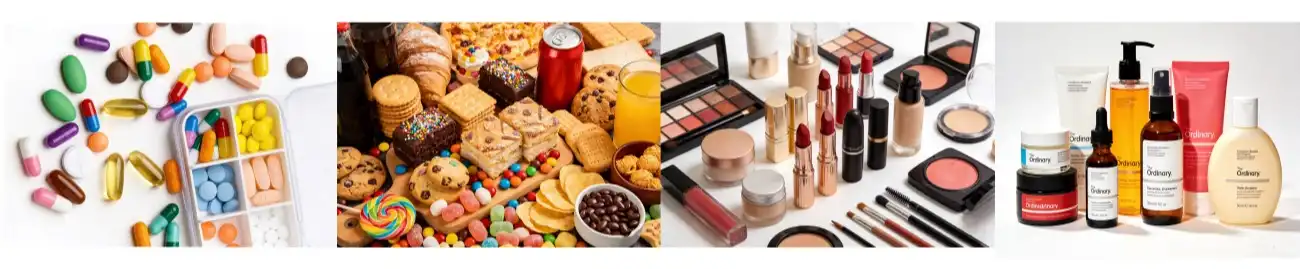
Cosmetic formulators request polyphenol-adjusted extracts for serums, creams, and washes. The 30% polyphenol standard provides enough active density for cosmetics while permitting formulation interaction. When the hue matches the brand, the natural violet-red Grape Skin Extract Powder can improve a product.
To acquire the levels they require in small capsules or tablets, supplement companies use greater concentration ratios (10:1). Formulas should take into account that a 10:1 extract uses 10 kg of raw material to generate 1 kilogram of extract. Without scientific proof, this does not directly relate to polyphenol proportion.
Functional drink makers face specific color stability and solubility issues. Water-soluble extract can be combined with water. For color and anthocyanin stability, a pH below 3.5 is optimal. Formulators may need to use microencapsulation or accept color alterations to make neutral pH products.
Regulatory Compliance Across Markets
Grape Skin Extract Powder is a color ingredient that doesn't need certification under 21 CFR 73.170. This aids US formulae. European markets call it E163 (anthocyanins) for coloring, but supplement uses are regulated differently. Purchasing teams must verify that supplier paperwork fits the market and use.
Cosmetic-grade and food-grade requirements affect tests and processing aids. Cosmetic uses of extraction solvents are more flexible, while food and supplement usage require larger solvent residues. Customers may provide a wide range of customers since our manufacturing method is always food-grade.
Markets have distinct documentation demands. Certified Analysis (COA), MSDS/SDS, Allergen Statements, BSE/TSE, and Non-GMO documents are standard. Complete supplier paperwork systems simplify procurement and speed up overseas shipment customs clearance.
Practical Procurement Strategy
You must balance the benefits of a single source with the dangers of supply disruptions to stabilize supply lines. Great procurement teams create relationships with large suppliers and maintain qualified secondary sources on hand to mitigate risk. This dual-source method gives you more buying power and ensures production even if your supply chain breaks down.
Negotiating bulk purchase deals for Vitis vinifera L. Skin Extract frequently yields lower prices, but purchasers should also consider total cost of ownership. Freight, payment, documentation, and technical support affect value. OEM and private label suppliers with flexible services are worth more than inexpensive pricing.
Quality agreements cover requirements, testing schedules, and variances, protecting both parties. These transactions should outline acceptance, reference, sample keeping, and change notification rules. Detailed quality agreements during seller qualification prevent conflicts and ensure business partnership alignment.
Formulation Applications and Technical Integration
Incorporating Extract into Cosmetic Formulations
Cosmetic experts usually add Grape Skin Extract Powder during the water phase. The amount they use depends on how active they want the product to be and how much it costs. The extract's ability to dissolve in water makes it easier to spread out, but high-shear mixing makes sure that the mixture is spread out evenly and stops any areas of high concentration that could lead to color differences.
When something is tested for stability, its color retention, pH stability, and antioxidant activity should be checked over a number of fast aging cycles. Formulations that stay between pH 4.5 and 5.5 are the most stable for both the extract and skin compatibility. When you combine antioxidants like vitamin E or ferulic acid with the extract, they work together to protect the product and make the skin effects last longer.
The naturally occurring violet-red color gives you creative ways to set your goods apart. Companies that market their goods with "visible actives" use color as a quality signal. However, formulators should let marketing teams know that color strength doesn't directly link to effectiveness; standardized polyphenol content is what determines functional performance.
Supplement Formulation Considerations
Bioavailability and shelf stability are affected by the choice of encapsulation technology. The Grape Skin Extract Powder can be put straight into vegetarian capsules, but formulations that are sensitive to moisture do better with a desiccant added to the bottle packing. Flow agents and binders are needed to make tablets. The 80-mesh grain size of our powder makes it easy to mix with other ingredients and keep the weight of the tablets constant.
serve sizes are usually between 100 mg and 500 mg per capsule, which gives you useful amounts of polyphenols while keeping the capsule count per serve sensible. When making label claims and comparing formulas, formulators should figure out total polyphenol release based on standardized content instead of total extract weight.
Combining vitamin C, hyaluronic acid, or collagen peptides in a way that works well together makes skin health products that work on many levels. When compared to single-ingredient goods, these combos often make customers happier, which helps brands stand out in competitive markets and place themselves as premium.
Quality Control Integration in Manufacturing
Before letting products go into production, receiving inspection procedures should check their identification, appearance, polyphenol content, moisture levels, and microbial quality. Keeping certificates of analysis in quality management systems helps make sure that things can be tracked and helps facilities get ready for audits.
Samples kept in controlled environments for a long time can be used as a guide when looking into customer issues or changes in quality. We suggest keeping samples for at least two years after the product's expiration date, in a way that is similar to how the finished product should be kept.
Change control methods should be used to handle changes to the source, the specifications, or the formulation. Even small changes, like harvesting during different years, can have a big effect on the color strength or antioxidant profiles, so they need to be tested first before they can be used in industrial production.
Market Dynamics and Strategic Sourcing Outlook
Consumer Trends Driving Ingredient Demand
The clean-label movement keeps changing how products are made in many different areas. More and more, people are looking very closely at ingredient lists and prefer simple plant names to complicated chemical names. This desire is met by Grape Skin Extract Powder, which also works well enough to justify its high price.
Sustainability factors affect buying choices at both the customer and the supplier levels. The extract made from waste products from making wine is an example of the cycle economy in action; it turns farming waste into high-value ingredients. Brands that tell this story of sustainability connect with customers who care about the environment and set themselves apart from competitors who use new raw materials.
As the beauty and health industries come together, chemicals that work in more than one way can be used. Because the extract can be used on the skin or eaten, it is useful for brands that are making unified product ecosystems that look at skin health from different points.
Innovation in Extraction and Formulation Technologies
Using micronization to make particles smaller than 80 mesh makes them easier to mix in water and oil, which opens up more recipe options. These advanced processing methods keep the bioactivity while improving the technical performance traits that formulators want.
Standardization methods are still changing, going beyond simple polyphenol measurement to include specific marker chemical profiling. Advanced providers that offer anthocyanin race profiles or resveratrol content specifications for Grape Skin Extract Powder make it possible to create more complex formulations and back up claims on the label.
Using encapsulation technologies, such as liposomal transport and complexation with cyclodextrins, makes the drug more stable and bioavailable. Even though these technologies are more expensive, they make it possible for high-end goods to stand out, since better performance supports higher prices.
Building Adaptive Supply Relationships
Changes in the weather can affect wine crops, which could cause supply changes for products like Natural Grape Skin Extract. When suppliers manage more than one buying area, they provide a buffer against changes in crop yields across regions. Our GAP-certified planting bases cover more than 8,000 acres in a variety of climate zones, so we always have access to raw materials like Grape Skin Extract Powder, no matter what the growing conditions are like in your area.
Vertical integration, which includes everything from growing the plants to extracting the oil, helps keep quality high and makes the supply line clear. When sellers control the farming of source materials, they can change farming methods that affect the quality of the end product, which isn't possible with commodity trade models.
Suppliers and users both gain from long-term partnerships. Volume agreements make it easier to plan production, and working together technically on formulation problems creates value for both sides that goes beyond transactions. The best procurement plans see suppliers as partners in growth instead of just vendors that can be switched out.
Conclusion
Grape Skin Extract Powder is a foundational ingredient for companies making natural skin health goods because it meets the needs of consumers, works well technically, and comes from a sustainable source. The standard 30% polyphenol guideline makes formulations more reliable, and certificates like NSF GMP, FSSC22000, and Organic credentials help make sure that products are legal in all global markets. Besides price, procurement teams can get a better idea of quality by judging providers on the level of certification, the completeness of the paperwork, their ability to handle shipping, and their expert support. As the market for clean-label actives grows, strategic buying partnerships with vertically integrated suppliers give businesses a competitive edge by ensuring a steady supply of goods, consistent quality, and support for joint innovation.
FAQ
Q1: What distinguishes grape skin extract from grape seed extract in formulation?
Anthocyanins and resveratrol are concentrated in Grape Skin Extract Powder, which gives it its violet-red color and protective properties. The main focus of seed extract is on proanthocyanidins that don't have much to do with color. Skin extract works best in situations where natural coloring makes the product look better, while seed extract is better for formulas that need clear actives.
Q2: How does pH affect stability in cosmetic formulations?
Anthocyanins have chromatic qualities and stable patterns that change depending on the pH level. Keeping recipes below pH 5.5 keeps the antioxidant activity and color strength. Higher pH levels make colors change toward blue-purple and speed up degradation, which makes the product less stable on the shelf and less useful.
Q3: What certifications should procurement teams prioritize?
The NSF GMP and FSSC22000 standards show that manufacturing quality systems and food safety management are up to par. These are important for supplement and functional food uses. Organic certification meets the standards for a clean name, and Kosher and Halal certifications let you sell your products in more places. When it comes to quality control, ISO approval sets the bar. Full certification portfolios cut down on the time it takes to get qualified and help with multi-market plans.
Partner with OHI for Premium Grape Skin Extract Powder Supply
Organic Herb Inc. (OHI) sells Vitis vinifera L. that is safe for use in medicine. There are certificates for NSF GMP, FSSC22000, ISO, Kosher, Halal, and Organic skin extracts that say they contain at least 30% polyphenols. Our fully connected supply chain, which starts with GAP-certified farming based on 8,000 acres and ends with cutting-edge nano-membrane extraction technology, makes sure that each batch is the same, which is what formulation teams need. We make it easier to source goods from other countries by having four warehouses in the U.S. with seven-day wait times and a 25kg minimum order size that can be used for both research and production. Before committing, your R&D team can use the free samples to make sure that our specs meet your quality standards. Whether you're a company that makes Grape Skin Extract Powder, looking for a trusted ingredient provider, or you're working on your own formulas, our technical team is here to help you with all of your application needs. Email our procurement experts at info@organic-herb.com to talk about your unique needs and get access to full technical documentation.
References
1. Flamini R, Mattivi F, De Rosso M, Arapitsas P, Bavaresco L. Advanced Knowledge of Three Important Classes of Grape Phenolics: Anthocyanins, Stilbenes and Flavonols. International Journal of Molecular Sciences. 2013;14(10):19651-19669.
2. Xia EQ, Deng GF, Guo YJ, Li HB. Biological Activities of Polyphenols from Grapes. International Journal of Molecular Sciences. 2010;11(2):622-646.
3. Katalinic V, Modun D, Music I, Boban M. Gender differences in antioxidant capacity of rat tissues determined by FRAP method. Comparative Biochemistry and Physiology Part A: Molecular & Integrative Physiology. 2005;140(1):47-52.
4. Lachman J, Šulc M, Sus J, Pavlíková O. Polyphenol content and antiradical activity in different grape varieties. Czech Journal of Food Sciences. 2009;27:S316-S318.
5. Nassiri-Asl M, Hosseinzadeh H. Review of the Pharmacological Effects of Vitis vinifera (Grape) and its Bioactive Constituents: An Update. Phytotherapy Research. 2016;30(9):1392-1403.
6. Schwarz M, Hillebrand S, Habben S, Degenhardt A, Winterhalter P. Application of high-speed countercurrent chromatography to the large-scale isolation of anthocyanins. Biochemical Engineering Journal. 2003;14(3):179-189.
Standard Disclaimer (DSHEA):
These statements have not been evaluated by the Food and Drug Administration.
This product is not intended to diagnose, treat, cure, or prevent any disease.

Send Inquiry
Related Industry Knowledge
- Grape Extract: Nature's Power for Skin Health
- Exploring the Wonders of Rhodiola Rosea
- Coenzyme Q10 (CoQ10): Biohacking Mitochondria for Energy, Longevity, and Anti-Ageing
- 2026 Best Goji Berry Extract Benefits and Uses Explained?
- Are kidney beans good for weight loss?
- Understanding Polyporus Umbellatus Extract: Source, Composition, and Characteristics
- What Are The Benefits Of Polyporus Umbellatus Extract?
- When to take saw palmetto morning or night?
- Does red yeast rice lower cholesterol?
- What is sage used for?