
How is raspberry flavoring made?
Jun 24, 2026
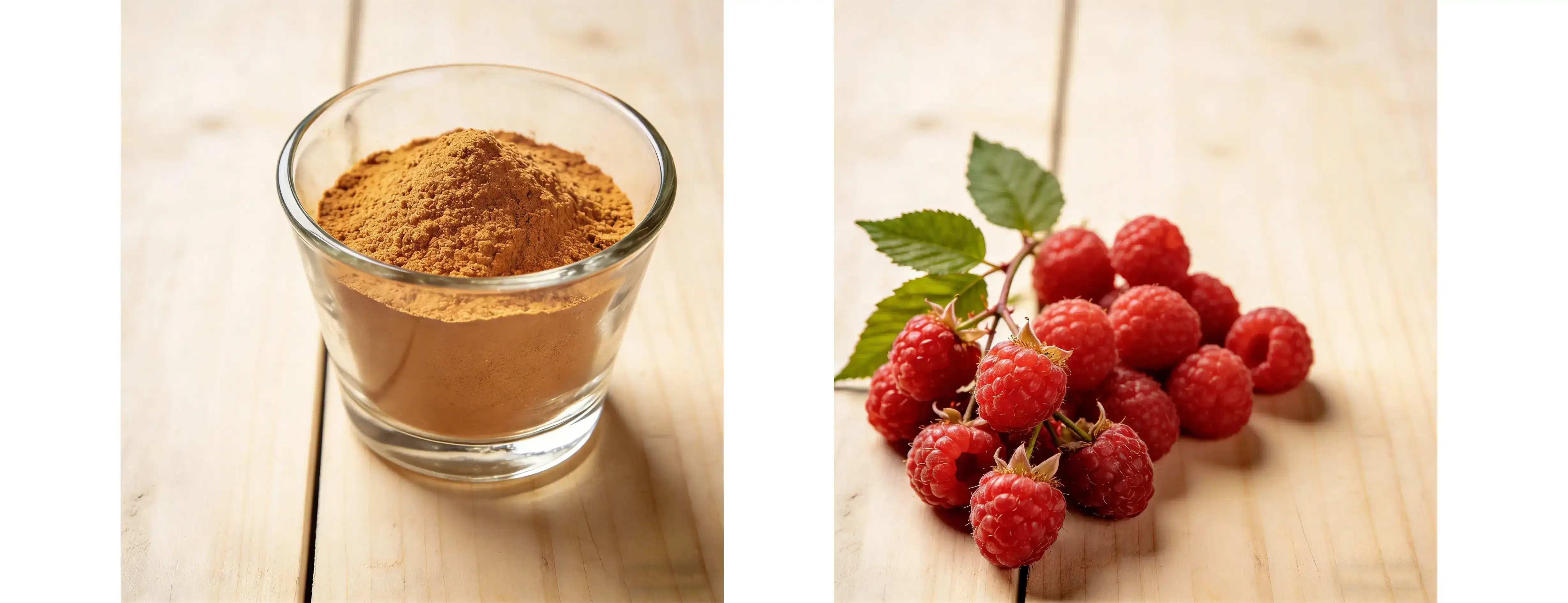
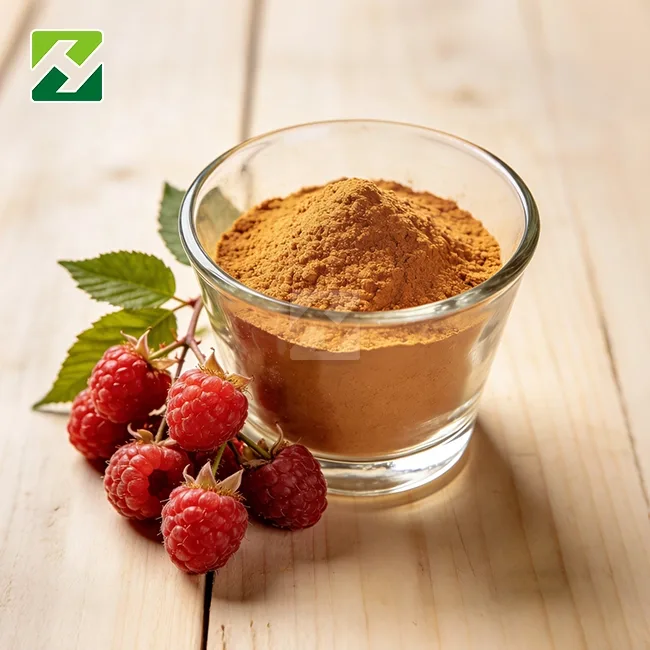
The process of making raspberry taste starts with collecting high-quality plant material from the red raspberry plant, Rubus idaeus L. The process includes using controlled methods to get bioactive substances from certain parts of plants, mostly leaves and fruit. Extractions with water are used by modern companies to make pure Raspberry Extract, which is defined in ratios like 4:1 or 10:1. The brownish-yellow powder that is left over has natural tannins, anthocyanins, and aromatic chemicals that make the powder unique. During this process, controlling the temperature and making sure the solvent is pure determines the end taste, stability, and useful qualities of Raspberry Extracts that make them useful in many fields.
Understanding Raspberry Extract and Its Industrial Applications
Raspberry-derived ingredients have changed from simple flavorings to complex functional parts that are in high demand across many industries. Today's extract technology gets all of the raspberry's beneficial compounds while also solving certain problems in the business.
What Makes Raspberry Extract Valuable Across Industries?
The global market for plant extracts has grown incredibly fast. Materials made from raspberries are becoming more popular among procurement teams looking for clean-label options. Raspberry leaves and fruit are high in ellagitannins, quercetin derivatives, and vitamin C, according to a study published in the Journal of Agricultural and Food Chemistry. These are molecules that give final goods both taste and function.
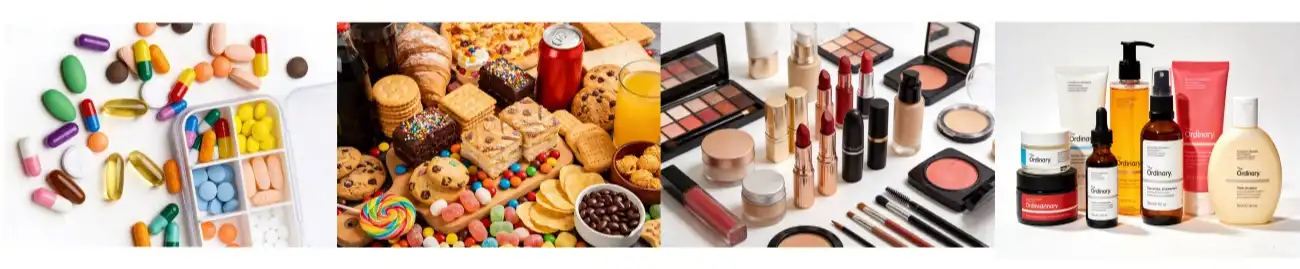
From working with more than 200 nutritional formulators, we've learned that there are three main types of applications. Raspberry Extracts are used by food and drink companies to make functional drinks, protein supplements, and fortified snacks. The natural taste hides the bitter active ingredients and adds antioxidant qualities. The polyphenol content of these products is used to back up claims made by cosmetic formulators in anti-aging serums and creams. Supplement brands put standardized ingredients in pills and tablets and market them to people who are interested in their health.
The standardization ratios (4:1) and (10:1) show how strong the concentration is. Four kilograms of raw material make one kilogram of finished extract, which is called a 4:1 extract. A 10:1 extract has a higher content. This clarity in the specifications helps buying teams figure out the dosage needs and correctly compare what suppliers have to offer.
Primary Forms and Their Distinct Characteristics
Raspberry plants come in a number of different types, each of which is designed to work best in a certain industrial setting. Powders that are removed with water, like those that use 100% water as the solvent, are very stable when mixed dry and keep their natural makeup without leaving behind any manufactured chemicals. It is easy for these powders to mix in water, which makes them perfect for use in drinks and liquid supplements.
Even though they cost more, spray-dried liquid extracts keep volatile scent chemicals better than drum-dried ones. Freeze-dried raspberry powders keep their color and taste the most true to life, but they need to be stored carefully to keep the moisture level low.
Nutraceutical brands that are putting out consumer goods can use encapsulated forms that give doses that have already been measured out. In lipophilic products, oil-based extracts are used for specific tasks, like making natural fragrances and fat-soluble supplement structures.
Each form has its own benefits: powders are the most stable and cost-effective for bulk uses; liquids work well with current wet formulations; and oils meet specific solubility needs. When procurement teams know about these differences, they can match the extract form with the production skills and needs of the end product.
How Raspberry Flavoring and Extract Are Made: From Farm to Finished Product
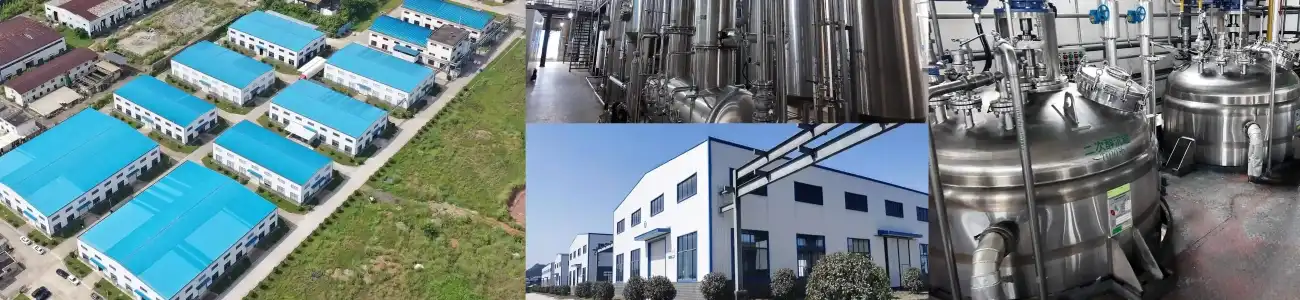
From the raspberry plant to pure extract, there are several steps where quality controls decide if the end product can be sold. Our production sites in Yichun, Jiangxi Province, show how ancient knowledge and new technology can work together in modern botanical extraction.
Raw Material Sourcing and Preparation Standards
Growing raspberries is the first step in making quality Raspberry Extract. Our GAP-certified planting bases cover more than 8,000 acres in Shaoyang, Changsha, Huaihua, Guizhou, Hubei, and Jiangxi provinces, making sure that we always have Rubus idaeus L. leaves picked when they have the most medicinal compounds. We work together with local farmers and give them expert advice on everything from where to get seedlings to how to gather them.
When leaf material gets to processing centers, it is inspected right away. Trained experts look at the color, the amount of moisture, and any foreign matter that might be there. Batches that fail the first screening are sent to secondary uses or are rejected. Accepted materials are sent to cleaning stations where field residue is removed without using chemical cleansers and food-grade water.
After being washed, the cloth goes into special drying rooms where the temperature stays below 50°C to protect heat-sensitive polyphenols. When dried leaves go through mechanical sizing tools, the particles are spread out evenly, which makes the next step of extraction more effective.
Modern Extraction Technologies and Process Control
Because of changes in regulations and customer tastes, older solvent extraction methods that used ethanol or methanol are being replaced by better ones. Even though it takes longer to process, water-only extraction gets rid of worries about residual solvents and meets the standards for organic certification.
We use dynamic low-temperature extraction technology in our extraction process, which keeps the working temperatures between 60°C and 80°C. This temperature range lets the most polyphenols move while keeping temperature-sensitive molecules from breaking down. The ready-made leaf material is put into extraction vessels. For two to four hours, based on the concentration ratio goal, water flows through the vessels in a controlled way.
Nano-membrane separation devices then separate the plant material that is solid from the liquid extract. Cross-flow filtration is used in this step to get rid of particles as small as 0.1 microns while keeping beneficial chemicals that have dissolved. The extract that has been cleared goes into the anti-osmotic concentration equipment. This lowers the amount of water by controlled evaporation in a vacuum, which keeps the extract from getting damaged by heat.
Our state-of-the-art facilities freeze-dry the concentrated liquid, which turns the extract into a safe powder. At -40°C and high pressure, this last change takes place, sublimating water straight from a frozen state to a vapor state without going through the liquid phase first. The brownish-yellow powder that is made keeps the taste and cellular activity.
Quality Verification and Standardization Protocols
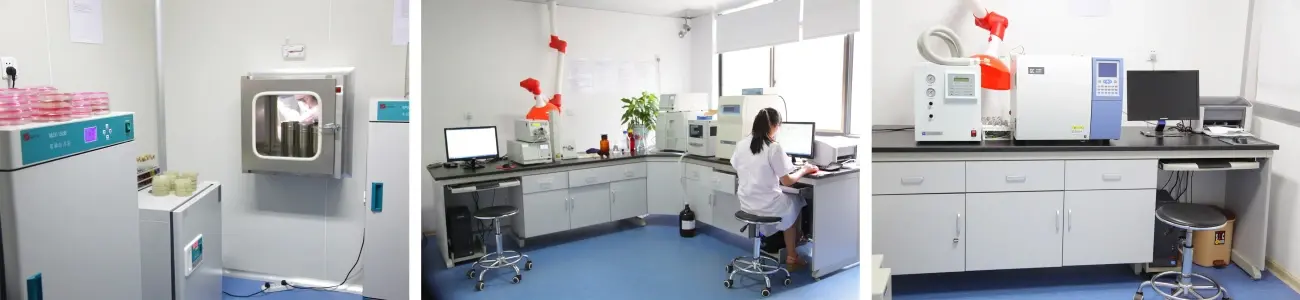
Our lab, which costs $1.2 million, does a full study of every output batch. Our 42 R&D workers, including 27 top researchers, use HPLC, HPLC-ELSD, GS-MS, and HPTLC instruments to do tests. These analysis methods measure marker chemicals, check extract ratios, and look for possible contaminants.
In order to standardize to 4:1 or 10:1 ratios, exact calculations and mixing methods are needed. Laboratories do gravimetric analysis by comparing the weight of the starting material to the weight of the end extract and changing the concentration factors until the desired results are reached. This mathematical method guarantees uniformity from batch to batch, which is very important for business formulators.
USP guidelines say that microbiological testing shows that there are no yeast, mold, pathogens, or total plate count. Heavy metal screening checks for amounts of lead, arsenic, cadmium, and mercury, making sure that FDA rules and export rules are followed. Gas chromatography-mass spectrometry is used for pesticide residue research to make sure that farming chemicals have not gotten into the water.
Our FSSC22000-certified quality control system keeps records on every batch, so you can follow it all the way from the field to the final packing. This strict method gives B2B buyers the peace of mind they need when choosing ingredient sources for businesses that are regulated.
Comparing Different Forms and Types of Raspberry Extract for Procurement
When making a procurement choice, you have to look at more than just price. Knowing how extraction methods, source materials, and processing affect the end product's qualities lets you choose a provider wisely.
Leaf Extract vs. Fruit Extract: Compositional Differences
Raspberry leaf extracts, like our 4:1 and 10:1 water-extracted powders, have more ellagitannins and fragarine than materials that come from fruit. The best polyphenol profiles are found in leaves that are picked before the flowers bloom, which makes time very important for managing the crop. These leaf extracts have light flavor notes that work well in nutrition uses where strong fruit flavors would clash with other ingredients.
Fruit products focus on the anthocyanin content, which gives the fruit its bright color and sweet-sour raspberry taste. In drinking and food uses where a real fruit taste is important, these materials are used. Fruit extracts usually cost more because they are harder to get during certain times of the year and produce less when they are processed.
Organic Certification and Its Commercial Implications
Raspberry Extracts that are approved organic meet the standards of the USDA National Organic Program, which says that the plants must not be grown with manmade fertilizers, herbicides, or pesticides. Processing must happen in licensed buildings and follow accepted methods. For example, water extraction is acceptable, but some manufactured solvents are not. With our Organic certification, clients can put "certified organic" on finished goods, which lets them reach high-end markets.
As part of the certification process, there are yearly checks, careful record-keeping, and strict rules about keeping organic materials away from conventional foods. When compared to regular extracts, these standards make production costs about 15–25% higher. However, market studies show that people are willing to pay more for products that say they are organic.
Evaluating Supplier Reliability and Quality Consistency
Supplier rating goes beyond looking at the Certificate of Analysis. We suggest that procurement teams look at a number of practical factors that show how reliable something will be in the long run. Your providers' manufacturing capacity tells you if they can keep up with your growing demand. Our 400+ standardized extract portfolio and continuous production capabilities support both new brands and well-known makers.
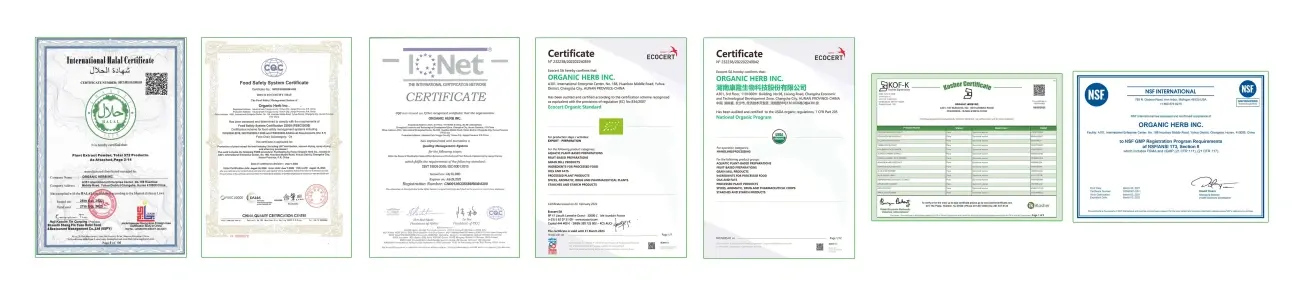
A wide range of certifications shows that you are committed to quality processes. Our NSF GMP, Kosher, Halal, ISO9001, and FSSC22000 certificates show that we follow a number of different rules. This makes it easier for you to meet the paperwork needs of foreign markets. Companies with more than one certification usually have stronger quality systems than companies with only one certification.
Research and development skills show how likely something is to be innovative and how much expert help is available. Our R&D center works with top colleges, and 10 national research projects on botanical isolation have been completed. These projects show a high level of scientific knowledge that can help with formulation, custom development, and problem-solving in a way that goes beyond just providing ingredients.
How to Buy Raspberry Extract: Procurement Considerations for B2B Clients
Getting the right ingredients means finding a mix between high standards, cost, and logistics. From working with Fortune 500 companies and new brands, we've learned that there are similar ways to make decisions that lead to better buying results.
Defining Your Technical Requirements and Volume Needs
When making specifications, you should start by figuring out what you need for the end product and then work your way backwards to the guidelines for the ingredients. When making drinks, formulators might focus on how well the ingredients dissolve and how strong the flavors are, while when making supplements, they might pay more attention to marker chemical ratios and how well the capsules fill.
Production growth assumptions should be taken into account when figuring out the volume. Our 25 kg minimum order amount is big enough for sample production runs and first tests of new formulations. Drum packaging is efficient for people who buy in bulk—25 kg fiber drums are better for storage density and handling ease compared to smaller cases.
Planning for lead times is very important for making production schedules. Our usual 10-day lead time from order confirmation to shipment lets us keep track of our goods well without keeping too much on hand as a safety net. This schedule is based on standard specs; for unique formulations, extra development time will need to be discussed during technical discussions.
Critical Selection Criteria Beyond Price Comparison
To make formulations work better and follow the rules, the quality of the extract has a direct effect. Because our extraction method only uses water, there are no worries about leftover solvent contamination that could lead to labeling requirements or regulatory attention. This way of processing gives you clean ingredient lists that are in line with market trends toward clean labels.
Logistics, Storage, and Supply Chain Optimization
Raspberry Extract powder needs to be kept in a climate-controlled space where the temperature stays below 25°C, and the relative humidity stays below 60%. When we package your items in sealed fiber drums with plastic covers, they are safe during transport and storage, and they will stay stable for 24 months if the conditions are right.
Earth Made Nutritions, our fully owned U.S. company, runs four regional stores across the country so that we can quickly send to customers in the U.S. With just-in-time delivery, this distribution system lowers the cost of keeping inventory on hand and lowers the chance of running out of stock. International exports are set up through reputable freight forwarders who know how to properly record plant materials and deal with customs procedures.
Changes in temperature during shipping can lower the quality of the product. For important shipments, we use thermal tracking devices and plan transport times so that warehouses don't close on the weekends, which would make trailer dwell times longer. These seemingly small details keep quality problems from happening that would otherwise cause expensive production delays.
Ensuring Product Effectiveness and Safety: Key Considerations
Quality assurance goes beyond checking the specifications for the first time. Strong ingredient programs include continuing testing and testing for specific uses, which protects the brand's image and ensures that customers always have the same experience.
Common Quality Challenges and Verification Methods
The claimed and real specs often don't match up when it comes to extract concentration accuracy. It can be hard to compare potencies because some sellers figure out concentration ratios by using the weight of dried raw materials, while others use the weight of fresh materials. All of our extraction ratios are calculated using dried plant matter as a starting point. This gives us measures that are constant and can be checked.
Adding cheaper plant materials or man-made chemicals to food offers risks that can be found through scientific testing. For full identification checks, we use HPTLC fingerprint analysis to check sample data against real reference standards. This chromatographic method can find attempts at substitution or dilution that simple marker chemical testing might miss.
When ingredient profiles change a lot from one purchase to the next, batch-to-batch stability can be hard to achieve. Our process controls and blending methods keep the coefficient of variation below 5% for key specs. This gives industrial production the repeatability it needs.
Regulatory Compliance Across Different Applications
FDA food additive rules or generally recognized as safe (GRAS) rating standards must be met by food applications. Raspberry leaf extract has been used in food for a long time, which supports its self-affirmed GRAS status for many uses. However, for some uses, more research may be needed.
The FDA's Dietary Supplement Health and Education Act (DSHEA) covers applications for dietary supplements. These products must follow current good manufacturing practices (cGMPs). Our NSF GMP approval shows that our manufacturing methods meet these government standards. This makes it easier for you to find suppliers that meet your needs.
When used in cosmetics, they have to follow FDA rules and maybe even the International Nomenclature of Cosmetic Ingredients (INCI) name rules. Raspberry Extract ingredients can be added to formulations without needing to be approved before they go on sale, but it is still the manufacturer's duty to make sure the safety of the final product.
There are more rules to follow when selling goods in export markets. Our Halal and Kosher licenses meet the food needs of Muslim and Jewish customers who follow religious rules. Novel Foods regulations must be followed, and based on the case, REACH registration may also be needed for sales in the European Union.
Conclusion
The process of making raspberry taste is a complex mix of farming science, extraction engineering, and quality control standards. Modern technologies that use water to separate plant ingredients give a wide range of businesses, from nutraceuticals to cosmetics, concentrated botanical ingredients. When procurement pros know about the whole production chain, from GAP-certified farming to advanced processing to final quality checks, they can make smart buying choices that balance quality, compliance, and business goals. Standardized standards, thorough certifications, and open production practices are what set trusted suppliers apart in the global ingredient market, which is getting more complicated all the time. As clean-label trends and demand for natural products continue to grow, it is important to form relationships with sellers who are technically savvy in order to stay ahead of the competition and ensure the long-term success of your products.
FAQ
1. What distinguishes raspberry leaf extract from raspberry fruit extract in commercial applications?
The plant Rubus idaeus L. gives raspberry leaf extract, which has higher levels of polyphenols and ellagitannins and milder flavors. These traits work well for nutraceutical pills, where a strong fruit taste might throw off the balance of the recipe. Fruit extracts focus on the anthocyanin content, bright color, and real raspberry taste, and they can be used in both food and drinks. When compared to seasonal fruit sources, leaf extracts usually show better stability and lower costs because they can be made on a larger scale.
2. How can buyers verify extract quality and concentration ratios during bulk purchasing?
Ask for detailed Certificates of Analysis that show how the tests were done, the amounts of marker compounds, and the formulas used to find the extraction ratios. When figuring out ratios, reliable providers use the weight of dried plant material instead of fresh material. Third-party lab verification through HPLC fingerprint analysis verifies identity and looks for signs of possible fraud. Check to see if the seller has quality standards like FSSC22000 and ISO9001, which show that they have strong quality management systems. By testing samples before agreeing to large orders, claimed standards can be directly checked.
3. Which raspberry extract form works best for cosmetic formulations requiring water solubility?
Raspberry powder that has been removed with water mixes very well with water-based makeup bases like lotions, serums, and toners. The 4:1 or 10:1 concentration ratios give you a lot of dose choices, and the brownish-yellow color works with a lot of different formulation color profiles. Encapsulated or oil-based extracts are useful for certain tasks, but water-soluble powders can be used in most types of cosmetics. Make sure the extract comes from a facility that meets the standards for making cosmetics and has the right paperwork for the ingredient statement.
Partner with OHI for Premium Raspberry Extract Supply
Organic Herb Inc. (OHI) can help you with your product creation projects because they have been working with plant extracts for more than twenty years. We offer Raspberry Extract that meets the highest international quality standards because our company is publicly traded (Stock Number: 872213) and has CGMP, FSSC22000, ISO9001, Halal, Kosher, and organic certifications. Our water-extracted raspberry leaf powder looks brownish-yellow and is set at 4:1 and 10:1 ratios. It ships from four U.S. stores, so it gets to all of North America quickly. Whether you need 25 kg for a test run or multiple tons for production, our team can help with expert advice, free samples, and detailed paperwork to make sure your formulation works. Get in touch with our expert team at info@organic-herb.com to talk about your unique needs with a reliable Raspberry Extract maker that wants to help you stay ahead of the competition.
References
1. Gudej, J., & Tomczyk, M. (2004). "Determination of flavonoids, tannins and ellagic acid in leaves from Rubus L. species." Archives of Pharmacal Research, 27(11), 1114-1119.
2. Patel, A. V., Rojas-Vera, J., & Dacke, C. G. (2004). "Therapeutic constituents and actions of Rubus species." Current Medicinal Chemistry, 11(11), 1501-1512.
3. Beekwilder, J., Jonker, H., Meesters, P., Hall, R. D., van der Meer, I. M., & de Vos, C. H. R. (2005). "Antioxidants in raspberry: online analysis links antioxidant activity to a diversity of individual metabolites." Journal of Agricultural and Food Chemistry, 53(9), 3313-3320.
4. Tanaka, T., Tanaka, T., & Tanaka, M. (2011). "Cancer chemoprevention by natural products." Oncology Reports, 25(5), 1177-1187.
5. Wang, S. Y., & Lin, H. S. (2000). "Antioxidant activity in fruits and leaves of blackberry, raspberry, and strawberry varies with cultivar and developmental stage." Journal of Agricultural and Food Chemistry, 48(2), 140-146.
6. Krauze-Baranowska, M., Cisowski, W., Wiwart, M., & Urbaniak, M. (2001). "Flavonoids from Rubus idaeus L. leaves." Zeitschrift für Naturforschung C, 56(7-8), 684-687.
Standard Disclaimer (DSHEA):
These statements have not been evaluated by the Food and Drug Administration.
This product is not intended to diagnose, treat, cure, or prevent any disease.

Send Inquiry

Related Industry Knowledge
- Market Insights: The Rising Demand for Rosehip Fruit Extract
- Bitter Apricot Extract: How It’s Made and What Sets It Apart
- 2026 Best Goji Berry Extract Benefits and Uses Explained?
- How to use grape seed extract powder for skin
- How to use rosemary oil for skin
- Reishi Extract Guide: Stress Relief & Immunity
- Polyporus Umbellatus Extract Explained: From Raw Material to Final Product
- When to take saw palmetto morning or night?
- How do you use rosemary?
- USA Import Standards and Poria Cocos Extract: A Supplier’s Perspective