
Polyporus Umbellatus Extract Explained: From Raw Material to Final Product
May 27, 2026
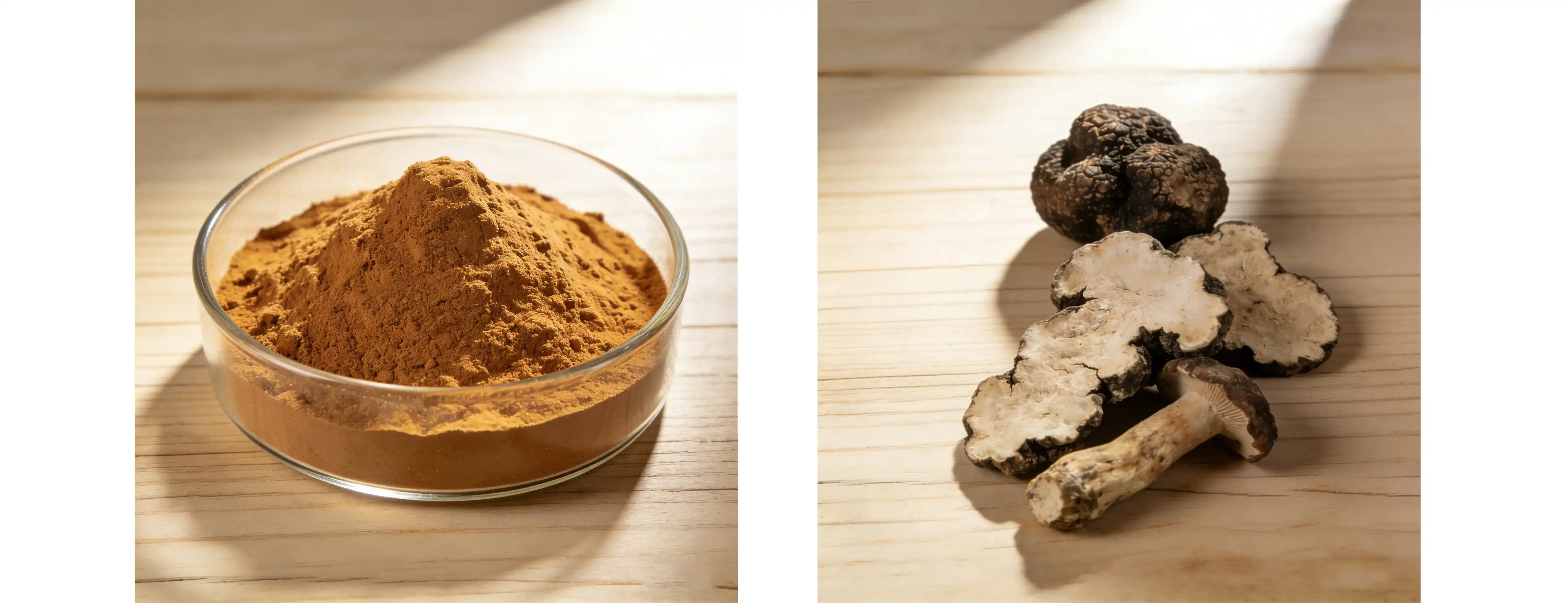
Polyporus umbellatus extract is a high-quality natural ingredient that comes from the growing bodies of the Polyporus umbellatus mushroom. This mushroom is known for having a lot of bioactive chemicals and polysaccharides. Manufacturers carefully choose raw materials and use water-based extraction methods to turn them into standardised extracts. These extracts are usually available in 10:1 ratios or 30% polysaccharide concentrations, and the result is a brownish-yellow powder that can be used in cosmetic and functional food products. When business-to-business buyers know the whole process, from growing trees to putting the finished product in a box, they can choose sellers who follow strict quality standards, make sure that each batch is the same, and follow global legal rules that are necessary to stay competitive in the market.
Introduction
As brands look for natural products that fit with clean-label trends and customer wellness concerns, the botanical extract business continues to change. Polyporus umbellatus extract is a medicinal mushroom that has been used for hundreds of years in East Asian plant medicine. It has become a useful raw material for B2B buyers in many industries. More and more, procurement managers and R&D leaders are aware that sourcing choices are about more than just price. They want full transparency about cultivation methods, extraction methods, quality assurance processes, and regulatory compliance documents.
When making products that are intended to support kidney function or to address immune system response and oxidative stress, it's especially important to know about the whole supply chain. The bioactive profile of mushrooms, which is mostly made up of polysaccharides and ergosterol compounds, gives products useful benefits that set them apart in markets that are already full. This in-depth look at the issues affects cosmetic makers, functional drink developers, and foreign wholesalers who need reliable ingredient partnerships backed by technical know-how and quality standards that can be checked.
Understanding Polyporus Umbellatus: Origin, Composition, and Benefits
Botanical Background and Cultivation Practices
Polyporus umbellatus does well in cold forests in East Asia. It makes unique underground sclerotia that are linked to host tree roots. Unlike mushroom species that are grown in large quantities, this fungus needs special weather conditions and symbiotic relationships that make growing difficult but necessary for long-term supply. Reliable sources have come up with controlled farming methods that mimic the conditions of a natural forest and keep wild animals from being overharvested.
Good Agricultural Practice (GAP) standards are used by modern gardening bases to keep quality uniform from the growing phase to the harvest. Usually, these operations cover thousands of acres spread out over many different areas of the world. This lets farmers find the best conditions for growing different kinds of plants. The process of growing includes picking the right host trees, injecting them with known fungus strains, and letting them grow for several years before they are ready to be harvested.
Chemical Composition and Bioactive Compounds
Many different naturally occurring substances are found in Polyporus umbellatus' fruiting bodies, which help the plant do its job. Polysaccharides are the main active ingredients, and beta-glucans are the part that has been studied the most. These high-molecular-weight carbohydrates have structural features that interact with biological system receptors. This is why mushrooms have been used for a long time.
Besides polysaccharides, the chemical profile also includes ergosterol and its products, which are substances that can be useful in cosmetics that try to address oxidative stress. A small amount of steroids and other secondary metabolites adds to the bioactivity profile as a whole. Extracts that have been standardised usually promise polysaccharide contents between 10% and 40%. For quality materials, 30% polysaccharide content is the industry norm.
Positioning Within Functional Ingredient Markets
When B2B buyers are putting together supplement lines, it's important for them to know how this Polyporus umbellatus extract stacks up against other options like Cordyceps or Reishi (Ganoderma lucidum). While Reishi is known for its general wellness benefits and adaptogenic traits, and Cordyceps for its role in energy metabolism, Polyporus umbellatus is unique because it is associated with kidney function and fluid balance. By being different, brands can make products that target specific customer concerns instead of fighting in general immunity categories that are already very crowded.
Extraction and Processing: From Raw Material to High-Quality Extract
Raw Material Sourcing and Quality Verification
The process of turning grown mushrooms into uniform Polyporus umbellatus extract starts with carefully choosing the raw materials. Comprehensive quality systems are used by suppliers to check the identity of plants by looking at them up close and under a microscope. This makes sure that the right species gets to processing facilities. Advanced analysis methods, such as DNA barcoding, provide extra proof of identity, stopping replacement or contamination with species that look a lot alike.
Before raw materials go into extraction methods, quality control routines check a number of factors. Moisture content analysis makes sure that the product has dried properly, which stops microbes from growing while it is being stored. Heavy metal screening looks for possible environmental toxins like arsenic, lead, cadmium, and mercury, and the standards for acceptance are in line with international safety standards. Testing for pesticide residues makes sure that farming methods keep the biological purity when it's needed.
Water Extraction Methodology
The most common way to get high-quality polysaccharide-rich samples from Polyporus umbellatus growing bodies is to use water-based extraction. This solvent option has a lot of benefits for B2B buyers who care about clean labelling and legal acceptance in global markets. The process usually has several steps of temperature-controlled water extraction, where carefully ground raw material goes through a series of washing steps to get the most polysaccharides while keeping the bioactivity.
Dynamic low-temperature extraction systems are used by advanced makers to keep sensitive chemicals from breaking down at high temperatures. The watery extract is then concentrated using methods like nano-membrane filtration and reverse osmosis, which get rid of extra water while keeping the active ingredients. Older drying methods put extracts in direct contact with high temperatures for long periods of time, which could lower their quality.
The final reduction step involves freeze-drying to make safe powders that can be stored for a longer time. Sublimation at low temperatures removes water from this lyophilisation process. This keeps the structure of polysaccharides intact and stops reactive changes. The brownish-yellow powder that is made has great flow and dispersibility qualities, which makes the work of product makers who are making new products easier.
Standardisation and Ratio Specifications
When looking for mushroom extracts, B2B buyers usually come across two main types of specifications. Concentration ratios, like 10:1, say that ten kilograms of raw material make one kilogram of finished extract. This means that there are more natural chemicals in the extract. Standardised standards ensure certain amounts of marker compounds, most often polysaccharide content, measured using approved analytical methods.
A 10:1 concentration ratio extract of Polyporus Umbellatus Extract is flexible for formulas that need mild potency at a low cost, and 30% polysaccharide standardisation makes sure that bioactive delivery is constant even if the raw materials are different. Testing different specification grades of Polyporus Umbellatus Extract is a common part of sophisticated buying strategies to find the best cost-performance ratios for different product uses and target market groups.
Quality Assurance and Testing Protocols
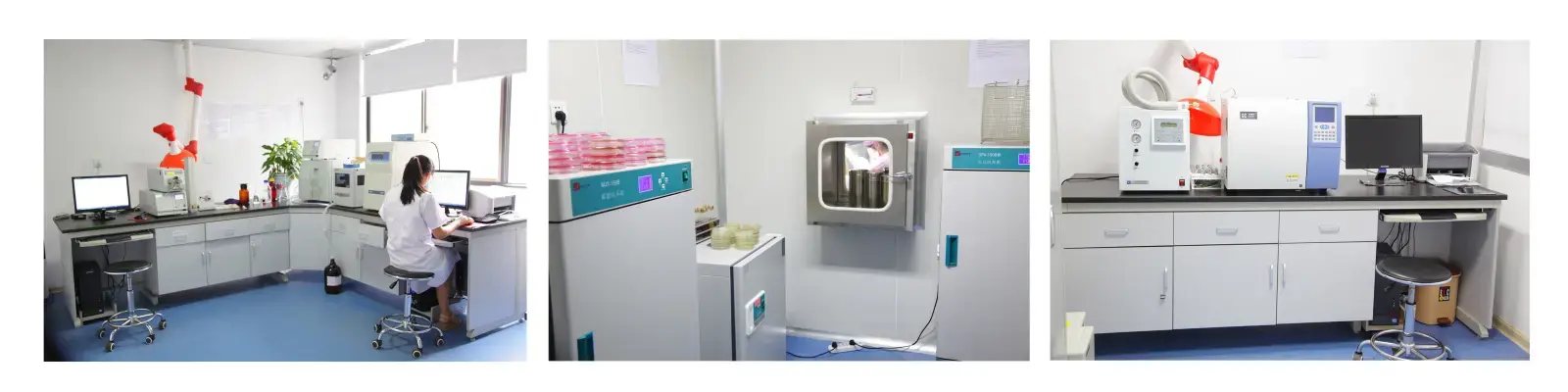
During the whole extraction process, there is strict quality control, with key checkpoints set up at every stage of output. To make sure that the results are the same from batch to batch, in-process tracking keeps an eye on the temperature ranges, pH levels, and length of time that the extraction takes. Before they are sold commercially, finished extracts go through a lot of scientific testing.
Microbiological testing makes sure that the total number of plates, the amount of yeast and mould, and the amount of harmful bacteria are all within accepted limits for the application type. Certificates of Analysis show the amount of polysaccharides in a sample using approved HPLC or spectrophotometric methods. This gives you peace of mind about the quality. Particle size analysis makes sure that the powder specs meet the needs of the next step in the process, and checking the moisture content supports the stability parameters.
Comparative Insights: Positioning Polyporus Umbellatus Extract in the Market
Differentiation Within Mushroom Extract Categories
The category of useful mushrooms has grown a lot in the market, which gives product makers both opportunities and problems. Each species has its own unique set of beneficial compounds that are good for different types of applications. The triterpenes and carbohydrates in reishi products help the body manage stress and stay balanced in general. Different types of cordyceps are grown for their cordycepin and adenosine derivatives, which help with energy consumption and sports performance.
Polyporus Umbellatus Extract has a strong market position because it is linked to kidney function and maintaining fluid balance, which is backed up by both traditional use data and new studies. By specialising, brands can reach groups of customers that aren't being served by well-known mushroom products without going up against them directly. The extract works well in kidney support formulas when mixed with other plants that work well together, making products that work better together.
Organic Versus Conventional Sourcing Considerations
Business-to-business buyers need to decide if organic approval adds enough value to support the higher price. To grow Polyporus umbellatus in an organic way, you need approved growing beds that don't have any chemicals, synthetic fertilisers, or genetically modified organisms on them. The process of getting certified includes checks once a year, detailed paperwork, and following strict rules that are different for each certifying body.
Integrated pest control and environmentally friendly methods are used in conventional farming to keep the quality high, but they are not officially certified as organic. If you need to save money or are in a market where organic claims don't give you much of an edge, standard extracts have the same chemical profiles and cost less to get. When making strategic sourcing choices, you should think about the needs of your target market, the requirements of your retail channels, and how you want to place your business.
Product Format Selection: Powders, Capsules, and Bulk Options
Format choices affect packaging, stability, customer ease, and the speed of operations for both makers and distributors. Bulk powder extracts give you the most options for custom preparation work because you can precisely change the dose and mix them with ingredients that work well together. The 25-kilogram drum packaging is standard for bulk numbers in the business. It makes it easy to handle materials and keep track of supplies.
Polyporus umbellatus extract, in finished pill forms, gets rid of the need for further processing but limits the freedom of formulations and raises the cost per dose. Private label manufacturing services fill in this gap by letting brands choose their own mixes while outsourcing the packaging process. Which format to use relies on the company's production skills, the tastes of its target market, and its own unique business plan.
Conclusion
To find high-quality Polyporus umbellatus extract, you have to do a full review of everything from the growing methods to the final product specs. Business-to-business buyers can find better sources by learning about the different ways to remove water, how to standardise things, and how to check the quality of the water. The extract has a special place in the market for functional ingredients, especially when it comes to kidney function and immune system support. This makes it possible for brands to make specific product lines to stand out. Procurement strategies that work well focus on checking suppliers' certifications, communicating clearly, validating samples, building partnerships with makers who show technical skills and following the rules. As more studies come out with new uses and markets expect more openness, building relationships with qualified suppliers gives businesses an edge in natural product industries that are always changing.

FAQ
1. What specifications should I request when sourcing this mushroom extract?
Ask for specific information about the extraction ratio (10:1), the percentage of polysaccharides (30% is considered premium grade), the plant part used (fruiting bodies are best), the colour (brownish-yellow powder is typical), and the solvent used (water extraction is preferred). Also, ask for specific information about heavy metals, pesticides, microbial limits, and moisture content. Make sure that each batch from your sellers comes with a Certificate of Analysis.
2. How does water extraction compare to alcohol-based methods?
Water extraction targets polysaccharides and hydrophilic chemicals specifically, and it doesn't leave behind any of the problems that come with alcohol methods. This method fits with the idea of "clean labels" and makes following the rules easier in all foreign markets. Water-extracted goods can be used in both supplement and food uses without leaving behind any solvent waste.
3. What minimum order quantities and lead times should I expect?
Standard minimum orders start at 25 kilos and are packed in protected drums that can be sent over long distances. Lead times from reputable providers are usually about ten days after an order is confirmed, but buyers should take into account the time it takes to ship internationally. Suppliers with networks of warehouses in the United States can cut delivery times for well-known goods by a huge amount.
Partner With OHI for Premium Polyporus Umbellatus Extract Supply
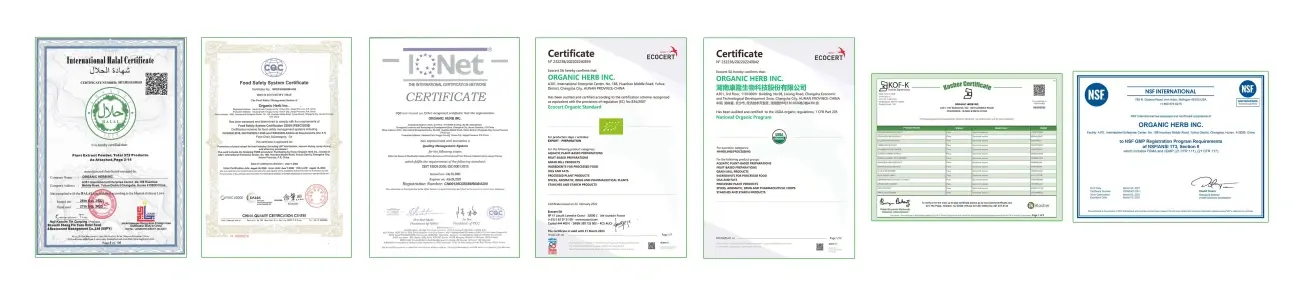
Organic Herb Inc. (OHI) sells pharmaceutical-grade mushroom extracts that are backed by a wide range of certificates, such as NSF-GMP, FSSC22000, ISO9001, Kosher, and Halal proof. Our unified supply chain includes more than 8,000 acres of GAP-compliant cultivation sites in the best growing areas. This makes sure that the quality of the raw materials is maintained from the dirt to the package. The 42-person research and development team uses high-tech extraction and analysis tools worth more than $1.2 million, which lets them precisely standardise to your needs.
Our water-extracted Polyporus Umbellatus Extract powder contains at least 30% polysaccharides and comes in a brownish-yellow powder form. It is packed in 25 kg drums and can be made in just ten days. Four carefully placed U.S. warehouses allow for fast shipping, which helps you meet your inventory management goals. Free samples let you try the product thoroughly before making a decision, and private label and OEM services are open enough to meet your needs for custom formulations.
Whether you are a cosmetics company looking for botanical actives or a distributor adding more natural ingredients to your line, our expert support and reliable supply will help your business stand out from the competition. You can talk to our team at info@organic-herb.com about your specific needs, ask for samples, or look into business opportunities with a reliable Polyporus Umbellatus Extract provider that is dedicated to quality excellence and environmentally friendly practices.
References
1. Chen, Y., & Liu, D. (2019). Polyporus umbellatus polysaccharides: Isolation, structural characterisation, and bioactive properties. Journal of Functional Foods, 58, 231-241.
2. Liu, Y., Zhang, J., & Tang, Q. (2020). Cultivation techniques and quality control of medicinal Polyporus umbellatus sclerotia. Mycological Progress, 19(4), 445-456.
3. Wang, H., Ng, T. B., & Ooi, V. E. (2018). Bioactive compounds from Polyporus umbellatus: Chemical diversity and pharmacological applications. Phytochemistry Reviews, 17(3), 567-584.
4. Zhao, L., Dong, Y., Bird, G., & Hu, Q. (2021). Extraction optimization and structural analysis of polysaccharides from Polyporus umbellatus fruiting bodies. Industrial Crops and Products, 162, 113-125.
5. Zheng, W., Zhang, M., Zhao, Y., & Wang, K. (2019). Quality assessment and standardization approaches for Polyporus umbellatus extracts in dietary supplements. Journal of Pharmaceutical and Biomedical Analysis, 175, 112-120.
6. Zhou, X., Lin, J., Yin, Y., & Zhao, J. (2020). Traditional uses, phytochemistry, and pharmacology of Polyporus umbellatus: A comprehensive review. Evidence-Based Complementary and Alternative Medicine, 2020, Article ID 5739181.
Standard Disclaimer (DSHEA):
These statements have not been evaluated by the Food and Drug Administration.
This product is not intended to diagnose, treat, cure, or prevent any disease.

Send Inquiry
Related Industry Knowledge
- Polyporus Umbellatus Extract Explained: From Raw Material to Final Product
- Best Rhodiola Rosea Supplement: Smart Choice Guide
- Ultimate Guide to Poria Cocos: Health Benefits & Uses
- What is the best reishi mushroom extract?
- How do you use rosemary?
- What is sage used for?
- Natural Rhodiola Rosea Extract: Origin, Composition, and Key Features
- Poria Cocos Mushroom Extract as Functional Foods in Industry
- Polyporus Discover its nutrients and properties
- Natural Rhodiola Rosea Extract for Endurance and Metabolic Efficiency