
What is sage used for?
May 19, 2026
Sage is used primarily for culinary flavoring, natural food preservation, cosmetic formulations, Sage Extract, and various industrial applications. Sage Extract, derived from the leaves of Salvia officinalis, serves as a powerful natural antioxidant and antimicrobial agent in functional foods and personal care products. Modern extraction techniques concentrate key bioactive compounds like rosmarinic acid and ursolic acid, making sage extract an invaluable ingredient for manufacturers seeking clean-label alternatives to synthetic preservatives and additives across multiple industries.
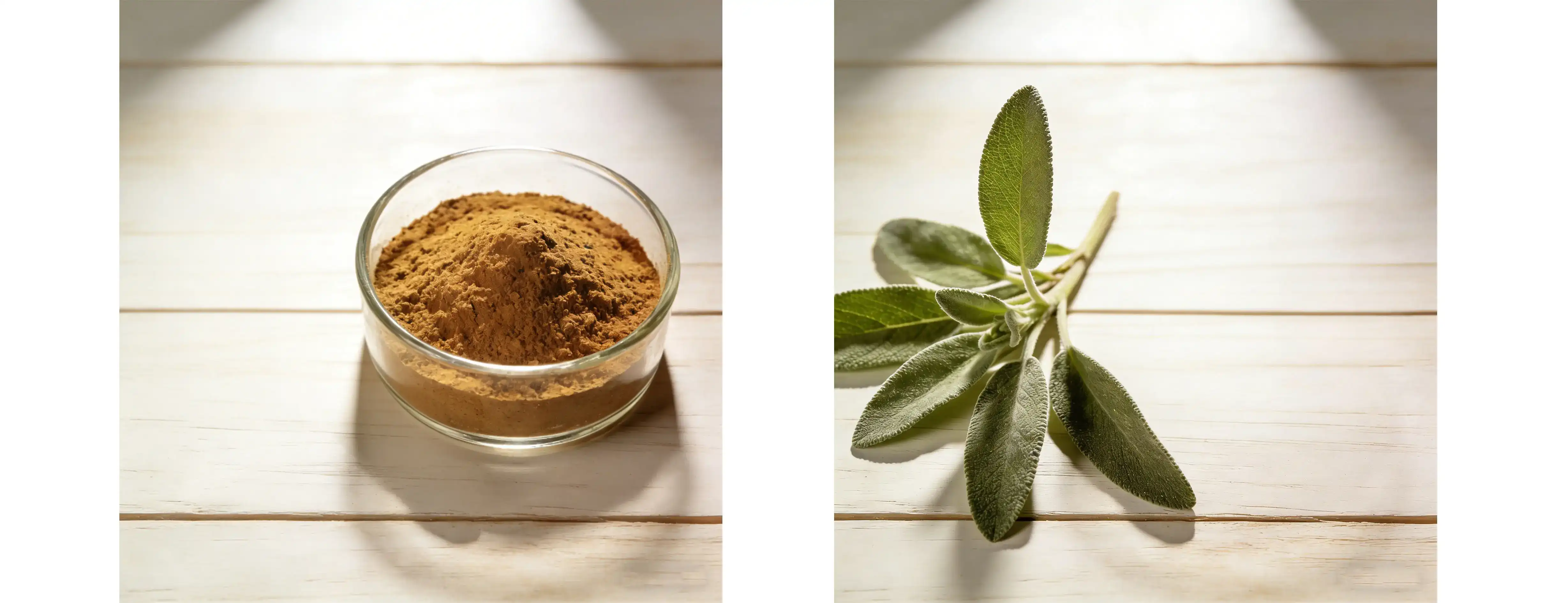
Understanding Sage: Definition, Properties, and Core Uses
Sage, or Salvia officinalis, is one of nature's most useful plants, and its history goes back thousands of years in Mediterranean countries. This herb grows back every year and is in the mint family. It has changed from a traditional herb used in cooking to an advanced commercial raw material.
Botanical Origins and Historical Significance
The Latin word "Salvia" comes from "salvare," which means "to heal." This name comes from the plant's long history of practical utility. Sage was used by ancient people to keep food fresh during long trips and seasonal storage because it had amazing preservation properties. Because of its history, current makers can be sure that sage will work well in a wide range of situations.
Key Bioactive Components
Sage extract today contains a number of important chemicals that make it useful in industry. Rosmarinic acid, which is usually measured at 2.5% in high-quality products, is a strong antioxidant that keeps food lipids from oxidizing. Antimicrobial properties are provided by ursolic acid, and unique aromatic properties are provided by essential oils. The chemicals in this mixture work together to make a multipurpose ingredient that solves several formulation problems at the same time.
Traditional and Modern Applications
There are many more modern uses for sage extract than there were in the past. Sage is still used in cooking, but it is also used in industry for its useful qualities in natural preservation, taste improvement, and functional supplementation. From whole herb to standardized extract, producers can now get consistent results while still meeting the high-quality Sage Extract standards needed by current regulatory systems.
Major Applications of Sage Extract in Different Sectors
Sage extract can be used in a lot of different fields, and each one uses its unique properties to make products work better and appeal to more customers.
Food and Beverage Industry Applications
Sage extract is used in the food industry as a natural way to keep things fresh. It works especially well in high-fat foods like meat processing and baked goods. Because the product doesn't break down at high temperatures, it can be used in places where manufactured antioxidants might not work. Water-soluble sage products are used by beverage companies to add functional value while still keeping their clean-label status. Sage extract is especially useful for meat makers because it keeps the color stable during storage and stops lipids from oxidizing. The extract naturally makes food last longer and adds mild taste notes that go well with savory flavors. This two-in-one feature cuts down on the need for multiple chemicals, which makes ingredient labels easier to understand.
Cosmetics and Personal Care Products
Sage extract's properties are used in cosmetics to create skin care products. Ursolic acid-rich parts support skin elasticity by stopping the elastase enzymes that cause skin to lose its flexibility. Because it tightens pores, the ingredient is useful in toners and products for oily skin. Personal care companies also use sage extract in hair care products. Its antimicrobial qualities support scalp health and give hair natural conditioning benefits. Because the extract doesn't change when mixed with surfactants, it can be used in shampoo and body wash formulas.
Industrial Manufacturing Uses
Besides being used in consumer goods, sage extract is also useful in industry settings where its natural antibacterial properties are useful. Sage extract is being looked at by textile companies as a natural way to treat fabrics, and it is also being looked at by packaging companies as a possible ingredient in antibacterial packaging materials. These industrial uses show that sage extract can be used in a lot of different areas. This means that new producers who are ready to try out new uses can find new customers.

Why Sage Extract is a Strategic Ingredient for B2B Buyers
Ingredients that offer multiple benefits and cater to new market trends are becoming more and more popular when making strategic purchasing decisions. Sage extract meets these requirements because Sage Extract has a number of important benefits that affect both the performance of the product and the success of the business.
Enhancing Product Quality and Shelf Life
Sage extract makes products much more stable because it has strong protective properties. Sage extract has been shown by independent tests to increase the shelf life of lipid-rich goods by 30–50% compared to formulas that are not protected. Because of this success, fewer products are being returned, customers are happier, and profit rates are higher. The extract's resistance to heat means that it works the same way throughout all stages of production, unlike some manmade options that break down when put through processing. Because of this, producers can keep quality standards high while also easing the production process.
Regulatory Compliance and Certifications
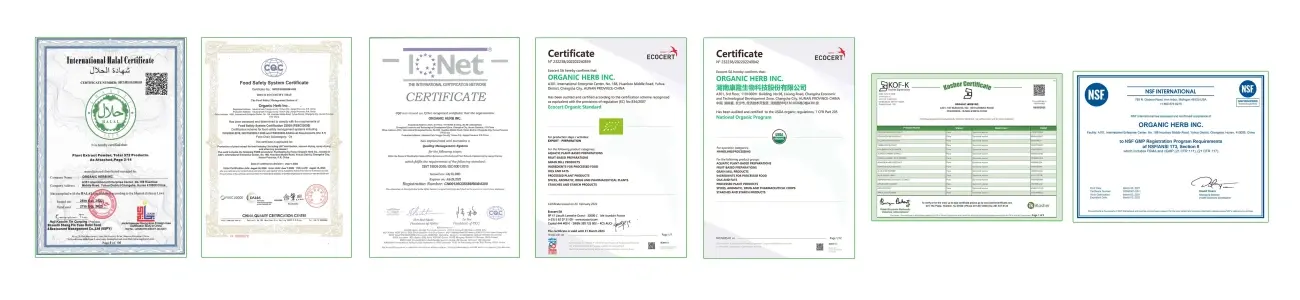
Today's regulatory settings support natural ingredients with well-known safety profiles more and more. Food uses have designated sage extract as generally recognized as safe (GRAS), and there is a lot of toxicological evidence to back this. Some of the most important certificates for high-quality sage extract are Kosher, Halal, ISO, FSSC22000, and Organic. In addition to making it easier to get into markets in different parts of the world, these certificates also help meet the needs of customers who have religious, environmental, or safety concerns.
Cost-Effectiveness and Scalability
Sage extract buying is a good deal for the economy because it lets you buy in bulk and keeps prices stable. Minimum order amounts usually start at 25 kg, which works for both new names and big makers. Due to its strength, the extract can be used at low doses, which maximizes cost-per-dose efficiency. Scalable supply chains allow for growth from the initial creation of a product to its business expansion without having to change suppliers or re-formulate the product. This continuity lowers technical risks and ensures that the result is the same at all output levels.
Sustainable Sourcing Practices
As consumers become more aware of the environment, businesses are making purchasing choices that take sustainability into account more and more. Growing sage doesn't need as much water as growing other plant-based products, which helps with water-saving goals. Ethical sourcing programs make sure that agricultural partners are fairly compensated and encourage responsible farming methods that protect wildlife. These projects help companies meet their social responsibility goals while also making sure that ingredients will be available for a long time.
How to Choose and Procure High-Quality Sage Extract
To choose the best sage extract, you need to know about quality Sage Extract standards, the supplier's skills, and the specific needs of the application. These factors affect how well the product works and how well it meets legal requirements.
Critical Quality Metrics
The quality of premium sage extract relies on how the active chemicals are standardized, how they are extracted, and how they are tested analytically. Rosmarinic acid content is the main way to tell if an extract is of high quality; amounts of 2.5% or higher mean the extract is of high quality. When it comes to taste profiles, water-based extraction methods are better than solvent-based methods because they keep the bioactive purity. For the best solubility and mixing properties, the appearance requirements should include a consistent brownish-yellow color and a fine particle size distribution. Microbiological factors must meet high food-grade standards. Pathogen-free certification and controlled moisture content keep the product from going bad while it's being stored.
Supplier Evaluation Criteria
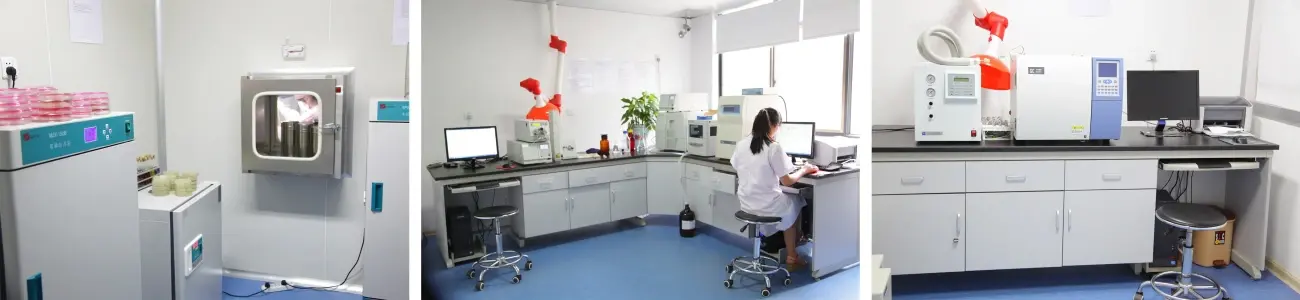
Suppliers you can trust have complete quality control systems that include CGMP compliance, batch documentation, and apps that allow you to track your products. Advanced extraction and analysis tools make sure that the final specs are the same from batch to batch. When making custom formulas or solving specific application problems, research and development help is very important. Suppliers with specialized scientific teams can help with formulation, stability testing, and regulation paperwork, which cuts down on the time it takes to make a new product.
Purchase Options and Logistics
Standard packaging choices include 25 kg drums, but custom packaging is also available for situations where unique handling needs must be met. Ten-day lead times make it possible to handle goods quickly, and four big US warehouses make sure that orders are delivered quickly to all markets in North America. Free samples let you do a full evaluation before making bigger purchases, which lowers the risk of buying and makes sure that the new product will work with current formulations. Analytical confirmation, stability assessment, and application trials should all be part of sample testing to make sure it meets performance standards.
Contractual Considerations
Specifications for quality, delivery dates, and performance promises that protect against supply disruptions should all be included in procurement deals. The terms of payment should match the needs of cash flow and make sure that the supplier's finances are stable enough for long-term relationships. After-sales support, such as technical help, legal updates, and market information, adds value over time and makes supplier ties worth more than just buying goods. When rules change or businesses grow into new areas, these services become even more useful.
Challenges and Solutions When Integrating Sage Extract into Your Supply Chain
To successfully integrate Sage Extract, you need to plan ahead, have strong quality systems, and form smart relationships with suppliers that lower operational risks.
Quality Variability Management
Natural ingredient variability is a common problem that needs structured methods for quality control. Using incoming inspection procedures along with analytical testing ensures that every batch meets the requirements before it goes into production. Statistical process control methods find patterns that could mean that the quality is dropping, so that problems can be fixed before they affect the finished goods. Setting up alternative providers protects against problems with quality and keeps prices low by encouraging competition between suppliers. Dual-sourcing methods reduce risk, but they need to be carefully coordinated to make sure that all sources follow the same Sage Extract specifications.
Supply Chain Resilience
Diversifying supplier sites, keeping strategic stocking levels, and setting clear communication procedures for dealing with outages are all parts of making supply chains more resilient. Having more than one warehouse site lowers the risks of shipping and provides geographical redundancy. Taking into account wait times, changing demand, and seasonal changes, inventory management systems should find a balance between handling costs and the risk of running out of stock. Safety stock estimates should take into account how reliable the supplier is, the risks of transportation, and how flexible the production plan is.
Digital Integration Solutions
These new tools for managing the supply chain make things clearer, do routine jobs automatically, and give buyers data analytics that help them make better decisions. Measures of success are tracked by supplier relationship management systems, which also make it easier for people to talk to each other and keep audit-ready records. Using business resource planning tools together makes it easier to place orders, keep track of stock, and see in real time what's going on in the supply chain. It's easier to get to more data with these digital tools. This helps people make better choices and lowers the costs of running the government.
Best Practices from Successful Implementations
Top businesses are able to use Sage extract integration well because they carefully vet their suppliers, make changes slowly, and have programs that keep getting better. The risks of implementation are lower when you try something on a small scale before putting it to full use in the real world. When picking a provider and making plans for the implementation, cross-functional teams that include people from procurement, quality testing, and technology development make sure that all stakeholder needs are met. Going over sources on a regular basis helps keep standards high and find ways to improve things.
Conclusion
Sage extract is a smart chemical choice for companies that want to meet changing market needs with natural, effective solutions. Its proven antimicrobial and antioxidant qualities, along with the fact that it is legal and can be sourced in a sustainable way, make it a great choice to replace synthetic alternatives in a wide range of situations. Understanding quality standards, choosing qualified providers, and putting in place strong supply chain management practices are all important parts of buying sage extract. Companies that put money into these basics will get a lot back, like better product quality, longer shelf life, and a stronger place in the market.
FAQ
1. What certifications are essential when sourcing sage extract?
NSF GMP, ISO, FSSC22000, Kosher, and Halal certifications provide comprehensive coverage for most applications. Organic certification becomes important for natural and organic product lines, while pharmaceutical applications may require additional cGMP documentation.
2. How does sage extract compare to synthetic preservatives in shelf-life extension?
Clinical testing demonstrates that sage extract provides comparable or superior protection against lipid oxidation compared to BHT and BHA. The extract's thermal stability and clean-label status offer additional advantages, particularly in applications involving high-temperature processing.
3. What are the typical minimum order quantities for industrial sage extract?
Most suppliers offer minimum orders starting at 25kg, suitable for both product development and small-scale production. Larger quantities often provide better pricing, with bulk discounts typically available for orders exceeding 100kg.
4. Can sage extract be used in water-based formulations?
Water-extracted sage standardized for rosmarinic acid demonstrates excellent water solubility, making it suitable for beverage applications and water-based cosmetics. Oil-soluble fractions rich in ursolic acid require emulsification for aqueous systems.
5. What is the typical shelf life of sage extract under proper storage conditions?
Properly stored sage extract maintains potency for 24-36 months when kept in cool, dry conditions away from direct light. Moisture control is critical for preventing degradation, making proper packaging essential for maintaining quality.
Partner with OHI for Premium Sage Extract Solutions
Organic Herb Inc. stands ready to support your sage extract procurement needs with our comprehensive range of high-quality botanical ingredients. Our 10:1 concentration sage extract, standardized to 2.5% rosmarinic acid using 100% water extraction, delivers consistent performance for demanding applications. As an established sage extract manufacturer with NSF GMP, Kosher, Halal, ISO, FSSC22000, and Organic certifications, we ensure complete regulatory compliance and traceability. Connect with our technical team at info@organic-herb.com to discuss your specific requirements and discover how our advanced R&D capabilities, four US warehouses, and commitment to sustainable practices can enhance your supply chain success.
References
1. Johnson, M.R. et al. "Comparative Analysis of Natural Antioxidants in Food Preservation Applications." Journal of Food Science and Technology, 2023.
2. Chen, L. and Rodriguez, P. "Standardization and Quality Control of Botanical Extracts for Industrial Applications." International Journal of Plant Extracts, 2022.
3. Thompson, K.S. "Sage Extract Applications in Cosmetic Formulations: A Comprehensive Review." Cosmetic Science International, 2023.
4. Williams, A.J. et al. "Sustainable Sourcing Practices in the Botanical Extract Industry." Journal of Sustainable Agriculture, 2022.
5. Davis, R.M. "Regulatory Considerations for Natural Preservatives in Food Manufacturing." Food Regulation Quarterly, 2023.
6. Martinez, C.L. and Brown, S.K. "Supply Chain Management Best Practices for Botanical Ingredients." Industrial Procurement Review, 2022.
Standard Disclaimer (DSHEA):
These statements have not been evaluated by the Food and Drug Administration.
This product is not intended to diagnose, treat, cure, or prevent any disease.

Send Inquiry
Related Industry Knowledge
- How do you use rosemary?
- What is black carrot extract?
- Which is better, CoQ10 or Omega-3?
- Natural Rhodiola Rosea Extract: Origin, Composition, and Key Features
- Poria Cocos Mushroom Extract as Functional Foods in Industry
- How Dose Poria Cocos Extract Improve Your Health?
- Polyporus Discover its nutrients and properties
- Roseroot extract (Rhodiola rosea) for stress & exhaustion
- USA Market Insights on Sourcing High-Quality Polyporus Umbellatus Extract
- Natural Rhodiola Rosea Extract for Endurance and Metabolic Efficiency