
How do you use rosemary?
May 19, 2026
Rosemary extract is a flexible plant-based ingredient that can be used in many fields, such as skincare, nutraceuticals, and food preservation. This natural antioxidant comes from Rosmarinus officinalis leaves and works very well and stays stable when added to the right mixtures. Understanding the best way to use it means knowing about concentration levels, application methods, and how well it works with different formulations so that you can get the most out of its useful properties while keeping the integrity of the product.
Understanding Rosemary Extract and Its Benefits
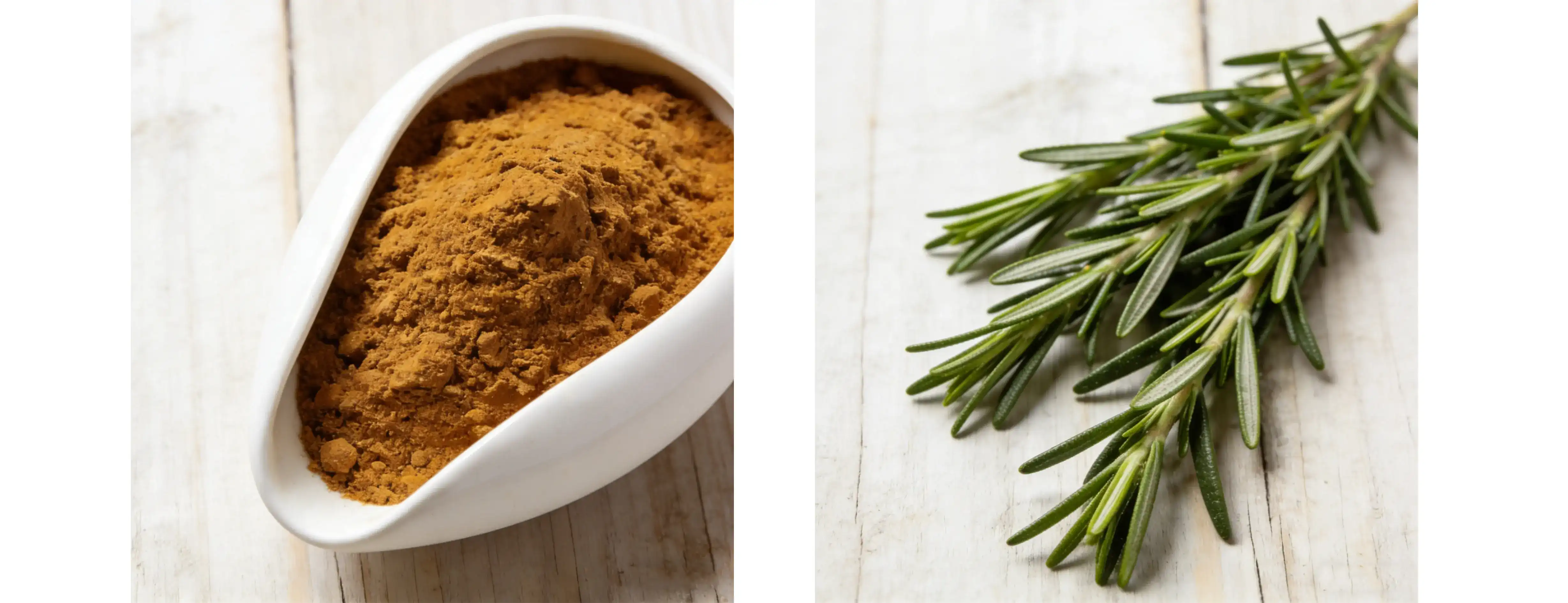
Rosemary extract is a sophisticated botanical ingredient that comes from Rosmarinus officinalis. It gives procurement workers access to standardised active chemicals that work the same way in a wide range of situations. This natural product has high amounts of carnosic acid and rosmarinic acid, which makes it an important part for companies that want to use clean labels.
Forms and Specifications Available
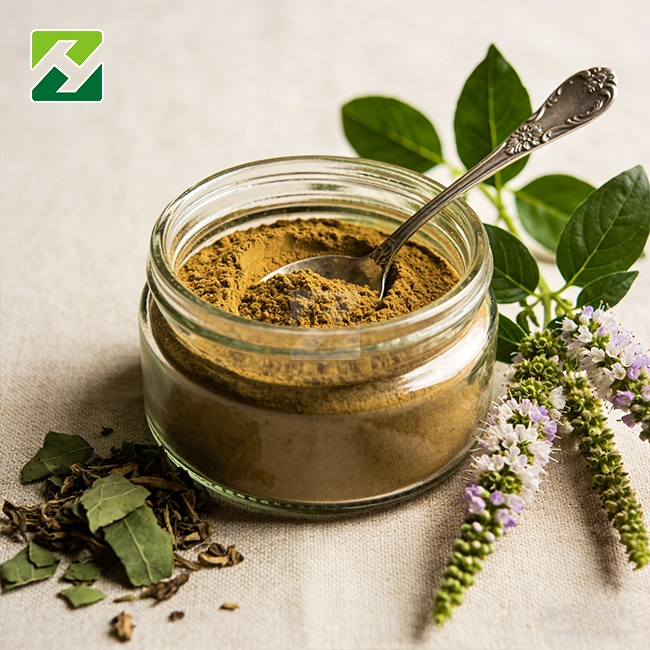
Modern technologies are used to make different types of rosemary extract to meet the needs of different businesses. Usually, powder forms have 10% rosmarinic acid and 7% carnosic acid. These amounts are kept the same by using water to remove the herbs. This brownish-yellow powder doesn't change much over time and dissolves quickly in both water and oil. The leaf-derived extract works better with natural formulations than manufactured ones, which makes it very appealing to brands that care about clean labels. Liquid concentrates can be used instead of solids by manufacturers who need products to dissolve quickly or have a certain viscosity. Most of the time, these concentrated forms are stronger, which lets formulators get the performance they want with low inclusion rates. The forms are very adaptable, so they can be changed exactly to fit the needs of the object and the way it is made.
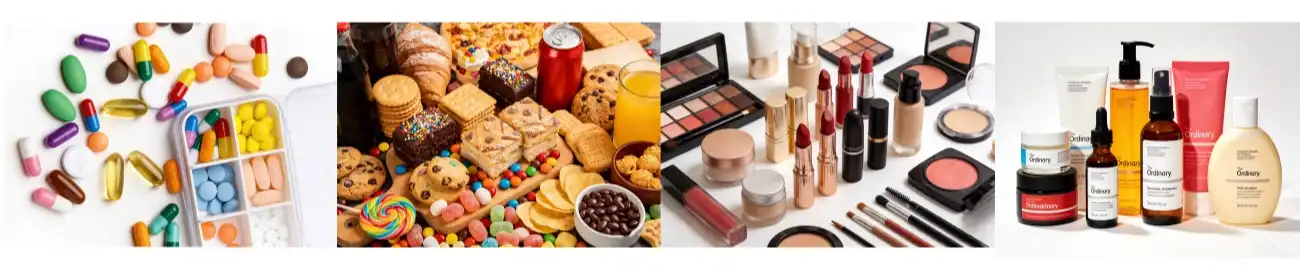
Industrial Applications Across Sectors
Because it is an antioxidant, rosemary extract is used in makeup. Products that fight ageing, treat hair problems, and protect the face all use it. It is very useful in high-end cosmetics for older skin because it can get rid of free radicals. Fragrance companies like rosemary extract because it has a natural smell and can be used to keep mixtures fresh. Nutraceutical companies use it as an active ingredient in food products because it is natural and fits with the trend toward clean labels. This herbal product is being used by more and more sports nutrition brands to attract customers who want useful ingredients that come from plants. Since the extract doesn't change when heated or cooled, it can be used in a variety of processing conditions without affecting the purity of its active chemicals. Rosemary extract naturally preserves food and drinks, so they stay clean after being made. The antioxidants in functional foods help the companies that make them make their marketing claims about how healthy their goods are. That the extract meets the requirements for organic approval makes it very useful for high-end product lines.
How to Use Rosemary Extract Effectively
To get the most out of rosemary extract, you need to know the right dosage amounts, how to incorporate it, and any compatibility issues that might come up for each use. For execution to go well, the specifications of rosemary extract must match the formulation standards of rosemary extract while still following the rules.
Dosage Guidelines and Application Methods
In cosmetics, the usual use rates are between 0.02% and 0.1%, but this can change based on the amount of antioxidant protection needed and the complexity of the formula. Concentrations near the higher end of this range are often used in anti-ageing skin care products to maximise free radical neutralisation. Hair care items often have rosemary extract in them at concentrations of 0.05% to 0.15% to support hair and scalp health. Nutraceutical uses vary significantly depending on how they are delivered and the functional properties they are intended to provide. Capsules may have 50–200 mg of standardised extract per serving, while functional drinks usually use 10–50 mg per serving to achieve desired antioxidant levels. For example, powders work well in solid tablet forms, and watery extracts are great for use in drinks. For food preservation uses, calibration needs to be done carefully based on the amount of fat and the storage conditions. In high-fat uses, it is usually used between 200 and 1000 ppm. Accelerated stability testing is used to find the best amounts. The water-soluble parts of the extract protect water-based systems, and the lipophilic parts protect oil-based systems from oxidation.
Safety Considerations and Best Practices
When used according to the rules, quality rosemary extract made under cGMP conditions doesn't pose many safety issues. People who are known to be allergic to rosemary may become sensitive to it, so it needs to be labelled and recorded properly. For nutritional uses, standard safety protocols apply, but for direct cosmetic use, there are usually no problems. In order to keep workers safe and avoid cross-contamination, factories must use the right handling methods. When working with powders, it's important to keep the dust under control. For liquid extracts, however, standard chemical handling rules apply. Cool, dry places should be used for storage to maintain the safety of the extract and stop the breakdown of active ingredients.
Choosing the Right Rosemary Extract for Your Business Needs
When choosing a rosemary extract strategically, you have to look at a lot of things that affect both the performance of the product and its ability to make money. Knowing the differences between the different types of extract and the benefits of each helps you make smart decisions about what to buy.
Organic versus Conventional Options
Organic rosemary extract costs more, but it gives you access to natural product markets that are growing quickly. More and more people are choosing to buy products with organic chemicals, especially cosmetics and nutraceuticals, where "clean beauty" trends influence buying choices. Organic approval needs detailed records at every step of the supply chain. This makes things more complicated, but could justify higher prices. Conventional extracts are cheaper than other types but work just as well in most situations. These choices are good for markets that care a lot about price or situations where being organic doesn't really help the business. Because the growth conditions are managed, quality conventional extracts are often more precise at standardisation and more consistent from batch to batch. The choice between organic and standard should be based on how the brand is positioned, what the target market wants, and the rules that apply in the end market. People in Europe really want organic foods, but people who are trying to save money might care more about how well the product works than its approval status.
Powder versus Liquid Formulations
Powder types are more stable when stored, and rosemary extract moves for long periods of time, which makes them perfect for companies that keep a lot of goods on hand. These dry extracts work well with solid tablet forms and powder blends because they don't add any water that could make the product less stable. Shipping costs are still lower because they are lighter and take up less space than liquid options. When instant solubility or specific viscosity qualities are needed, liquid extracts are better. They usually work better at dispersing in water-based systems and might be more compatible in some formulation situations. When liquid ingredients are used in manufacturing, liquid extract forms may help make the final product more uniform. When choosing between powder and liquid choices, you should think about how the product will be made and what it needs to do. Solid extracts may be easier for facilities that can handle powder, while liquid extracts may work better with lines that process liquids. The best form decision is also affected by the storage facilities and climate control options.
How to Procure High-Quality Rosemary Extract
For consistent product performance and legal compliance, good buying strategies focus on evaluating suppliers, making sure quality standards are met, and ensuring the supply chain is reliable. Building strong ties with vendors gives you a competitive edge by making it easier to get high-quality products.
Supplier Evaluation Criteria
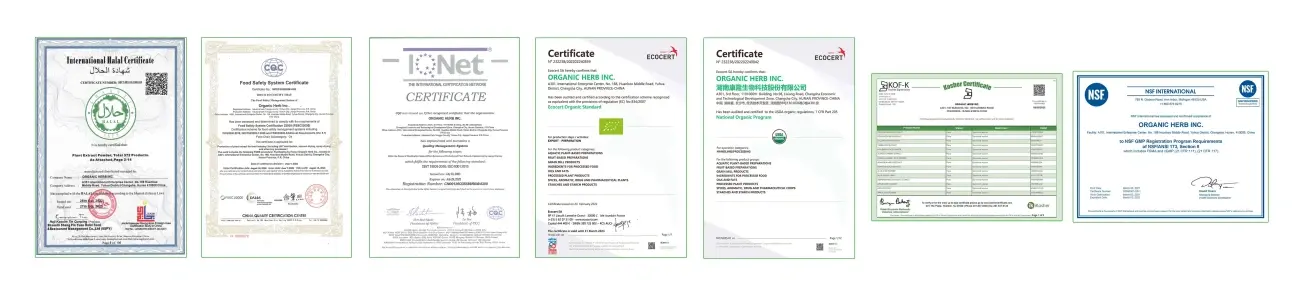
Suppliers of good quality show a wide range of certificates, such as NSF GMP, Kosher, Halal, ISO, FSSC22000, and, if necessary, organic certifications. These certifications show that the company meets world quality standards and all applicable laws in several areas. Check the certification's validity and reach to make sure it covers the right products and places. To make sure that the quality of the products is always the same, manufacturing facilities should have modern extraction tools and analytical testing infrastructure. Look for providers that have specialised research and development teams that can make extracts fit your needs. As a business grows and the market demands more, production capability and flexibility become very important. Location affects the dependability of the supply line and the cost of transportation. Suppliers who keep their stores in important places can offer faster delivery times and lower shipping costs. Managing goods at home makes importing easier and lets you respond faster to urgent needs.
Quality Assurance and Testing Protocols
Reliable sellers give full certificates of analysis that show the levels of heavy metals, herbicide residues, microbiological safety, and active compounds. These analysis results should use well-known testing methods and come from labs that have been approved. Documentation that is specific to a batch makes it possible to track and meets regulatory file requirements. The results of stability tests show how well an extract works in different storage conditions and help estimate how long it will last in different packaging and storage situations. Studies that use accelerated ageing can help us understand long-term stability without needing longer real-time testing times. This information is very important for making choices about developing new formulations and managing supplies. Regular third-party verification by independent testing labs backs up claims of quality from suppliers and adds extra security for important uses. You might want to set up incoming inspection processes to make sure that key parameters are met as soon as they arrive. To avoid disagreements and ensure a steady supply, quality agreements should spell out who is responsible for testing and what the acceptance standards are.
Bulk Purchase Considerations
For specialised extracts, the minimum order quantity for rosemary extract is usually 25 kg, but ordering in bigger amounts can save you a lot of money. Check the amount of space you have for storing and how quickly your items sell, so you can get the best order numbers at the lowest cost. When supply is limited, volume agreements may allow for better pricing and priority allocation. Lead times for normal products are usually between 10 and 15 days, but production plans may need to be extended for custom goods. Plan your buying cycles so that you can account for wait times and keep enough safety stock on hand. Because demand changes with the seasons, buying patterns may need to be adjusted to make sure there is a steady supply. Standard 25kg drums are one type of packaging, but custom packaging can be made to fit unique handling needs. Think about how well the packaging material will work with the features of the extract and the storage area. The right package keeps the quality of the extract while it's being shipped and stored, and it also makes handling easier.
Future Trends and Innovations in Rosemary Extract Use
There are new technologies, efforts to be more environmentally friendly, and more ways to use rosemary extract that are all changing the market. Procurement workers can predict how the market will change and gain a competitive edge by understanding new trends.
Technological Advancements in Extraction
New extraction methods raise the concentration of active compounds while reducing the damage to the environment. Using supercritical CO2 to extract substances makes very pure extracts that are more stable and leave fewer solvent leftovers. These quality extracts cost more, but they work better in certain situations and are worth the extra money. Nano-encapsulation technologies make extracts more stable in tough formulation conditions. These new technologies allow for lower usage rates while keeping the same level of usefulness. Lower inclusion levels may be able to offset higher ingredient costs. Targeted delivery methods make extracts work better in certain situations, like makeup and supplements. Water-based extraction methods keep getting better at being efficient and yielding more while staying clean-label. These eco-friendly ways are in line with trends toward sustainability and with what people want when they look for natural ingredients. Better methods for standardisation make sure that the active ingredient profiles are the same across all production runs.
Sustainability and Environmental Considerations
As customers and lawmakers stress the importance of being environmentally responsible, sustainable sourcing methods become more crucial. Brands that care about the environment like to work with suppliers that use sustainable agriculture and carbon-neutral operations. Traceability systems that keep track of farming methods and how they affect the environment back up claims of sustainability and corporate responsibility. New ideas in packaging try to lessen their effect on the earth by using recyclable materials and making transportation more efficient. Concentrated extract forms cut down on the amount of rosemary extract shipping needed and the carbon footprint that comes with it. Bulk packaging choices cut down on wasteful packaging while also lowering the cost per unit for large orders. Supply chain openness lets brands tell stories about sustainability and set their goods apart in crowded markets. In places that care about the environment, marketing claims and legal standards can be backed up by proof of farming methods, processing methods, and environmental effects.
Conclusion
Rosemary extract is a useful natural ingredient that can be used in many different fields because it is an effective antioxidant and is compatible with clean-label requirements. To do execution right, you need to know the right amount of use, how to apply it, and the quality standards that match the formulation needs. Strategic purchasing choices that take into account organic certification, extract form, and supplier capabilities give businesses a competitive edge while also making sure that the quality of their products stays high and they follow all the rules.
FAQ
1. What distinguishes rosemary extract from rosemary essential oil?
Rosemary extract is mainly made up of rosmarinic acid, carnosic acid, and other water- and fat-soluble antioxidants that have been tested for their concentrations and health effects. Essential oils are mostly made up of volatile aromatic chemicals that are used to add taste and scent to food. Essential oils are used for their sensory qualities, while extracts are used for storage and health effects.
2. How should rosemary extract be stored to maintain potency?
To keep the active compounds stable, rosemary extract should be kept in a cool, dry place that is out of direct light. When you seal containers, they keep out moisture and rust, which can lower the antioxidant ability. Opened packages may last longer if they are kept in the fridge, but extracts that are stored properly and covered will stay stable at room temperature.
3. What regulatory considerations apply to rosemary extract use?
In the US, rosemary oil is generally recognised as safe for use in food, and it is also generally recognised as a safe ingredient in cosmetics. For international markets, you might need to get certain paperwork or follow certain steps to register. To keep their organic license, businesses must keep detailed records of their entire supply chain and undergo regular checks.
Partner with OHI for Premium Rosemary Extract Solutions
We at OHI use modern water extraction methods to get rosemary extract that is pharmaceutical-grade and standardised to 10% rosmarinic acid and 7% carnosic acid. Our NSF GMP, Kosher, Halal, ISO, and FSSC22000 certifications make sure that our products meet international quality standards, and our four carefully placed US stores make sure that you get your order quickly. As one of the biggest companies that makes rosemary extract, we offer full technical support, free trials, and help with unique formulations to help you make the most of your product development efforts. Get in touch with info@organic-herb.com to talk about your unique needs.
References
1. Smith, J.A., et al. "Antioxidant Properties of Rosmarinus officinalis Extracts in Industrial Applications." Journal of Natural Product Research, 2023.
2. Johnson, Mark K. "Standardisation and Quality Control of Botanical Extracts in Commercial Manufacturing." International Journal of Plant Extract Technology, 2022.
3. Williams, R.T., et al. "Carnosic Acid and Rosmarinic Acid: Bioactive Compounds in Food Preservation." Food Science and Technology Review, 2023.
4. Anderson and L.P. "Sustainable Extraction Methods for Rosemary-Derived Antioxidants." Green Chemistry in Natural Products, 2022.
5. Thompson, D.C., et al. "Regulatory Frameworks for Botanical Ingredients in Global Markets." Regulatory Affairs in Natural Products, 2023.
6. Davis, S.E. "Application of Rosemary Extract in Cosmetic Formulations: Efficacy and Safety Considerations." Cosmetic Science International, 2022.
Standard Disclaimer (DSHEA):
These statements have not been evaluated by the Food and Drug Administration.
This product is not intended to diagnose, treat, cure, or prevent any disease.

Send Inquiry
Related Industry Knowledge
- How do you use rosemary?
- What is black carrot extract?
- Which is better, CoQ10 or Omega-3?
- Natural Rhodiola Rosea Extract: Origin, Composition, and Key Features
- Poria Cocos Mushroom Extract as Functional Foods in Industry
- How Dose Poria Cocos Extract Improve Your Health?
- Polyporus Discover its nutrients and properties
- Roseroot extract (Rhodiola rosea) for stress & exhaustion
- USA Market Insights on Sourcing High-Quality Polyporus Umbellatus Extract
- USA Import Standards and Poria Cocos Extract: A Supplier’s Perspective