
Reishi Mushroom Skin Benefits: The Ultimate Guide
Jun 9, 2026
Reishi mushroom has become a key ingredient in modern skincare products because it helps with aging, inflammation, and oxidative stress in a natural way. The Best Reishi Mushroom Extract, which is made from the fruiting bodies of Ganoderma lucidum, contains rich polysaccharides and triterpenes that help the skin's barrier function, keep moisture in, and keep the skin looking young. This ancient adaptogen is now at the cutting edge of clean beauty innovation. It combines old knowledge with modern formulation science to help brands find high-performance plant actives.
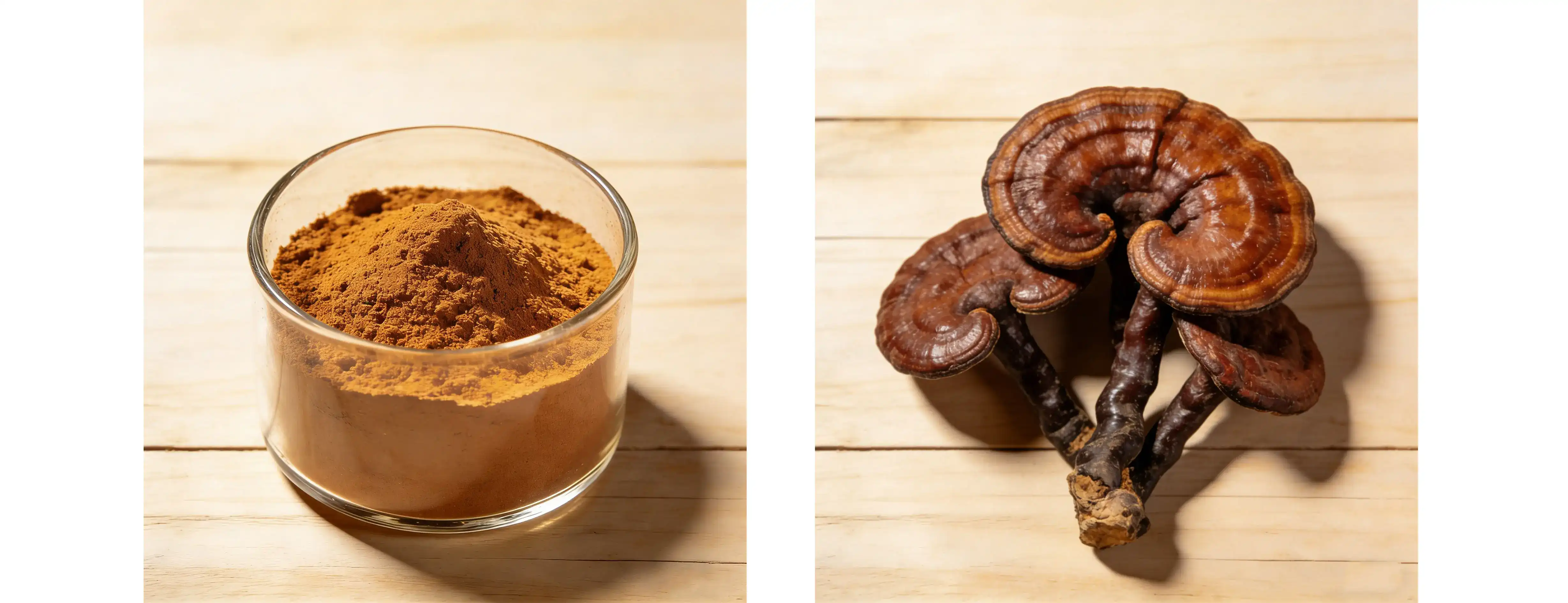
Why Skincare Formulations Are Changing Due to Reishi Mushroom Extract
There is more and more pressure on the skincare business to give real results without using chemicals. Formulators look for ingredients that meet both the needs of consumers for effectiveness and openness. Because it has a unique biochemical makeup, Ganoderma lucidum extract can help with these problems. Unlike most plants, reishi has both water-soluble polysaccharides and alcohol-soluble ganoderic acids. This gives it dual-phase action that works on different layers of skin.
Lab tests show that the polysaccharide content of top reishi extracts is between 30 and 40 percent, with molecular weights that are best for penetrating the skin. These beta-glucans work with immune receptors on the skin to change inflammation pathways without stopping the body's natural defenses. Cosmetic scientists like this complex effect—reishi doesn't just stop inflammation; it also helps cells respond in a balanced way.
Even though it is found in smaller amounts (2–5%), the triterpene fraction has a bigger effect. Ganoderic acids are very stable in emulsion systems; they keep working even when heated to sterilize, and when the pH changes, which happens a lot when cosmetics are made. This toughness solves a problem that has been around for a long time: botanical actives that work in test tubes but not in finished goods.
Texture is very important when it comes to skincare products. The best reishi extracts are extracted with two solvents and then dried with low-temperature spray drying. This makes a brownish-yellow powder with particles that are 80 to 100 mesh in size. This standard makes sure that it can be easily mixed into serums, creams, and masks without becoming gritty or losing its color. Product makers can make mixtures with concentrations between 1% and 5% without changing the way the products smell or taste.
The Science Behind Reishi's Anti-Aging Properties
UV rays, smog, and the natural aging process of cells all add up to damage that makes skin look older. Reishi mushroom extract works on many aging processes at once, which makes it useful for all-around anti-aging products. The polysaccharide part increases the production of hyaluronic acid in fibroblasts. This makes the skin more hydrated from the inside out instead of just covering the outside.
The breakdown of collagen may be the most obvious sign of getting older. Matrix metalloproteinases (MMPs) break down structural proteins over time, which causes skin to wrinkle and slump. Researchers have found that Ganoderma lucidum Extract triterpenes can stop MMP-1 and MMP-3 from working, depending on the amount. This helps keep collagen networks in place. This defense system works with peptide ingredients that help the body make new collagen.
Oxidative stress speeds up all of the signs of age in the skin. UV light and metabolic processes both make free radicals, which are harmful to DNA, proteins, and cell walls. The antioxidant power of reishi mushroom extract comes from several chemicals working together. Polysaccharides bind to metal ions that help make free radicals, and triterpenes directly get rid of reactive oxygen species.
Melanin production goes up with age and sun exposure, which makes coloring uneven and makes you look older. Ganoderic acids change the activity of tyrosinase, which is the enzyme that controls how fast melanin is made, but they don't completely stop this protective process. This balanced method helps even out skin tone while keeping the body's natural defenses against UV rays.
As people get older, their cells turn over much more slowly, which makes their appearance dull and rough. Reishi polysaccharides help keratinocytes differentiate and move, which encourages good skin peeling without irritation. This gentle renewal process is good for sensitive, aging skin that can't handle harsh chemical exfoliants.
How Does Reishi Extract Strengthen Skin Barrier Function?
How well the epidermis keeps water in and keeps out toxins is controlled by the skin barrier. Harsh cleaners, temperature control, and environmental pollutants are all parts of modern life that constantly damage this protective layer. Tightness, flaking, sensitivity, and early aging are all signs of walls that have been broken. Organic reishi powder helps the barrier in a number of ways that work together.
Ceramides make the glue that holds skin cells together, making layers that don't let water through. Even though reishi doesn't give you ceramides directly, its polysaccharides make keratinocytes make more of them. This natural production works better in the long term than applying ceramide topically, which helps temporarily but doesn't fix the underlying problems.
Tight links between epidermal cells stop water loss and pathogen entry through the epidermis. Studies on beta-glucans from different sources, like reishi, show that they increase the production of tight junction proteins. A better barrier function can be measured by lower transepidermal water loss readings. This is because stronger cell binding means better barrier function.
Skin bacteria are important for barrier health, but they're not given enough credit. Beneficial bacteria make chemicals that help keep the epidermis healthy, while dysbiosis makes the skin more sensitive and inflamed. Polysaccharides found in reishi mushrooms work as prebiotics, feeding only good microbes and not upsetting the delicate balance of the ecosystem.
Immune cells in the skin are always looking out for danger. When immune reactions are overactive, they cause redness and sensitivity. When they are not active enough, problems get worse. Beta-glucans from reishi work with Langerhans cells' pattern recognition receptors to set the right amount of immune response. This immunomodulation makes skin strong so it can handle tasks without overreacting to harmless stimuli.
Formulating Cosmetics With Premium Reishi Mushroom Extract
Cosmetic formulators always have to figure out how to turn the potential of ingredients into stable, useful finished goods. When making new products, reishi mushroom extract offers some special chances and things to think about. By knowing its chemical features, you can make the best decisions about how to formulate it so that it works best for your skin and can be made easily.
Which product forms work best with Ganoderma lucidum Extract depends on how well they dissolve. The dual-extraction method creates parts with different orientations. Water-soluble polysaccharides are great for toners, essences, and serums that moisturize because they dissolve easily in water. Triterpenes that dissolve in alcohol mix easily into oil phases, but they need to be mixed with solubilizers in water-based goods.
For keeping bioactivity, pH stability levels are very important. The best range for reishi extract's action is between pH 5.0 and 6.5, which is the same range that skin naturally has. Formulators can mix reishi with bases that are the right pH without having to worry about buffering issues that come up with other plant actives. This compatibility shortens the time it takes to create and lowers the cost of formulation.
Heat sensitivity varies between reishi constituents. Polysaccharides can be added at normal manufacturing temperatures of up to 80°C, so they can be used during the main batch preparation process. Triterpenes are more thermolabile, which means they can be added after the mixture has been cooled to 40°C or less. This two-step incorporation keeps the highest level of action while keeping the efficiency of production high.
When it comes to high-end makeup, color is very important. The brownish-yellow color of concentrated reishi extract can change the color of finished goods, so they need to be made in a certain way. Lower amounts (1% to 2%) have little effect on color and are good for light serums. Higher amounts (3–5%) work well in creams that cover up discoloration or in specialty treatments that use earthy tones to show that the product is natural.
Preservation challenges accompany any botanical ingredient. The low moisture level (<5%) of reishi extract lowers the risk of microbes, but finished products still need to be stored properly. The extract works very well with common stabilizers like phenoxyethanol and caprylyl glycol, as well as natural ones like Leuconostoc ferment filtrate.
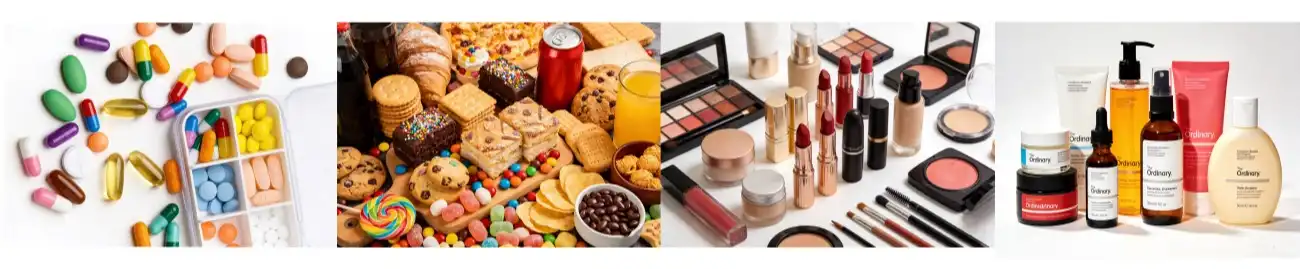
Reishi Mushroom Extract Versus Other Botanical Actives
It's important to be clear about what each plant ingredient is because there are so many of them. Brands must show that the ingredients they choose improve performance. When you look at reishi mushroom extract next to other popular options, you can see how it stands out in useful skincare products.
Green tea extract is the most talked-about antioxidant because it contains catechins, which are known to neutralize free radicals. Catechins, on the other hand, are not stable in water and lose their effectiveness very quickly. The polysaccharide-triterpene complex in reishi stays stable over the course of a product's shelf life, providing constant antioxidant protection from the time it is first used until it is thrown away.
Niacinamide is now commonly found in barrier support products because it boosts the production of ceramide and lowers inflammation. Even though niacinamide works, it can make sensitive people hot and doesn't work well with some other ingredients. Niacinamide can cause problems for people with sensitive skin, but reishi extract can be used instead because it has similar protective benefits without these problems.
Retinoids are still the best anti-aging ingredients because they speed up the change of cells and the production of collagen. Even though they work, they can cause itching and photosensitivity issues that make it hard for people to accept them. Reishi mushroom extract helps slow down aging more gently by protecting collagen instead of speeding up cells quickly. This makes it appealing to people who want results without sacrificing anything.
A lot of interest is generated by peptides because they can send specific signals. For these complex molecules to stay stable, they usually need careful pH control, specific solvent systems, and smart packing. The strong stability profile of reishi extract makes formulation development easier, and it also offers other benefits that improve the performance of peptides when they are co-formulated.
Most claims about hydrating skin are based on hyaluronic acid, which draws water into the skin through humectant action. This surface-level hydration is very different from Reishi's method of increasing the body's own production of hyaluronic acid. When you mix the two ingredients together, you get better results: the skin's surface is instantly hydrated, and its natural ability to hold moisture is improved over time.
Quality Standards That Define Premium Reishi Ingredients
There is a lot of quality variation in the reishi supply line. As "reishi extract" products go, they range from simple mycelium powder to complex dual-extracted concentrates. Understanding quality markers helps you make smart choices about where to get ingredients that will work in your formula and support the premium price point.
The quality of Best Reishi Mushroom Extract is largely determined by its source material. Real reishi extract only comes from the full fruiting bodies of Ganoderma lucidum that have been grown on wood. A lot of bad goods use mycelium that is grown on grain, which makes a lot of starch but not many bioactive compounds. The Certificate of Analysis should clearly state that the growing body comes from a source with very little alpha-glucan (<5%), which means that there is no grain filler.
How the compound is extracted has a direct effect on its concentration and function. Premium reishi is extracted using two different solvents. First, hot water is used to get the polysaccharides out, and then ethanol is used to get the triterpenes. Single-solvent extracts don't pick up on certain groups of bioactive chemicals. The technical specs should list the extraction ratio (10:1) and both solvent stages that were used.
Analytical proof tells the difference between real quality and marketing claims. Certificates of Analysis from reputable sources include tests that have been proven to work for:
- Total carbohydrates (30–40% at least)
- The amount of beta-glucan found using enzymes (more than 15%)
- Concentration of terpenes (2–5% ganoderic acids)
- Alpha-glucan level (less than 5%, showing that there isn't much starch contamination)
- Heavy metals, chemicals, and microbes that are above the legal limits
The Ganoderma lucidum Extract's particle distribution affects both how well a product works and how bioavailable it is. Premium extracts call for grinding with an 80–100 mesh screen, which makes a fine powder that mixes easily in liquid bases without settling to the bottom. Coarser particles make the texture gritty and make mixing less effective, which lowers the quality of the end product.
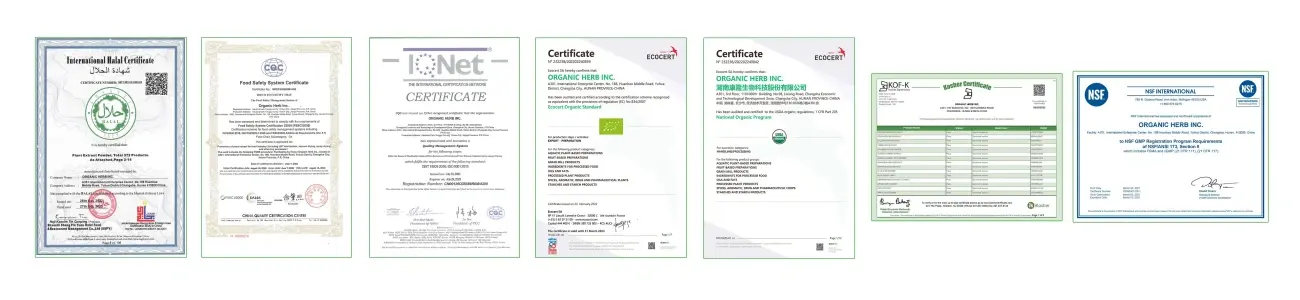
Certification files show how sophisticated a manufacturing process is and how well it follows the rules. Certifications like COSMOS organic, Ecocert, and region-specific organic guidelines are useful for cosmetic uses. For nutritional uses, you need NSF GMP, FSSC22000, and the right Halal/Kosher approval. ISO 9001 means that the quality management system is mature across all activities.
Conclusion
Reishi mushroom extract represents a convergence of traditional wisdom and modern skincare science. Its unique polysaccharide-triterpene profile addresses multiple aging pathways while supporting barrier function and immune balance. For formulators seeking differentiated natural actives, premium Ganoderma lucidum extract offers stability, efficacy, and clean-label appeal that resonate with today's conscious consumers. Quality sourcing proves essential—authentic fruiting body extracts with verified bioactive concentrations deliver the transformative results that inferior products cannot match. As the clean beauty movement continues its trajectory, reishi stands positioned as a cornerstone ingredient for brands committed to performance without compromise.
Partner With OHI for Pharmaceutical-Grade Reishi Mushroom Extract
Organic Herb Inc. serves as your trusted Best Reishi Mushroom Extract manufacturer, delivering consistent quality that meets the rigorous standards of cosmetic formulators developers worldwide. Our Ganoderma lucidum extract features 40% polysaccharides from a 10:1 water extraction of certified organic fruiting bodies, backed by NSF GMP, FSSC22000, and complete organic certification. With four U.S. warehouses ensuring rapid delivery and a 25kg minimum order, we provide the supply chain reliability your formulation projects demand. Contact info@organic-herb.com for technical specifications and complimentary samples.
References
1. Wachtel-Galor, S., Yuen, J., Buswell, J. A., & Benzie, I. F. F. (2011). Ganoderma lucidum (Lingzhi or Reishi): A Medicinal Mushroom. In Herbal Medicine: Biomolecular and Clinical Aspects (2nd ed.). CRC Press/Taylor & Francis.
2. Boh, B., Berovic, M., Zhang, J., & Zhi-Bin, L. (2007). Ganoderma lucidum and its Pharmaceutically Active Compounds. Biotechnology Annual Review, 13, 265-301.
3. Sánchez, C. (2017). Reactive Oxygen Species and Antioxidant Properties from Mushrooms. Synthetic and Systems Biotechnology, 2(1), 13-22.
4. Sliva, D. (2006). Ganoderma lucidum in Cancer Research. Leukemia Research, 30(6), 767-768.
5. Bishop, K. S., Kao, C. H., Xu, Y., Glucina, M. P., Paterson, R. R., & Ferguson, L. R. (2015). From 2000 Years of Ganoderma lucidum to Recent Developments in Nutraceuticals. Phytochemistry, 114, 56-65.
6. Noguchi, M., Kakuma, T., Tomiyasu, K., Yamada, A., Itoh, K., Konishi, F., Kumamoto, S., Shimizu, K., Kondo, R., & Matsuoka, K. (2008). Effect of an Extract of Ganoderma lucidum in Men with Lower Urinary Tract Symptoms: A Double-Blind, Placebo-Controlled Randomized and Dose-Ranging Study. Asian Journal of Andrology, 10(4), 651-658.
Standard Disclaimer (DSHEA):
These statements have not been evaluated by the Food and Drug Administration.
This product is not intended to diagnose, treat, cure, or prevent any disease.

Send Inquiry
Related Industry Knowledge
- How to use rosemary oil for skin
- Reishi Extract Guide: Stress Relief & Immunity
- What Are The Benefits Of Polyporus Umbellatus Extract?
- Ultimate Guide to Poria Cocos: Health Benefits & Uses
- What is the best reishi mushroom extract?
- What is sodium copper chlorophyllin?
- When to take saw palmetto morning or night?
- Which is better, CoQ10 or Omega-3?
- Poria Cocos Mushroom Extract as Functional Foods in Industry
- Polyporus Discover its nutrients and properties