
The rejuvenating power of Rosehip extract in skin care
Jun 9, 2026
Rosehip Fruit Extract has emerged as a cornerstone ingredient for modern skincare formulations, delivering powerful rejuvenating properties that address multiple skin concerns simultaneously. This botanical extract comes from the fruits of the Rosa canina plant and contains natural vitamin C, flavonoids, and carotenoids. It gives formulators a stable, water-soluble solution that makes products work better and meets customer expectations for clean labels. The fruit extract is different from rosehip seed oil because it contains bioactives that are water-loving and work well in serums, creams, and other functional skin care products. This makes it a great tool for beauty chemists who are looking for natural options that work.
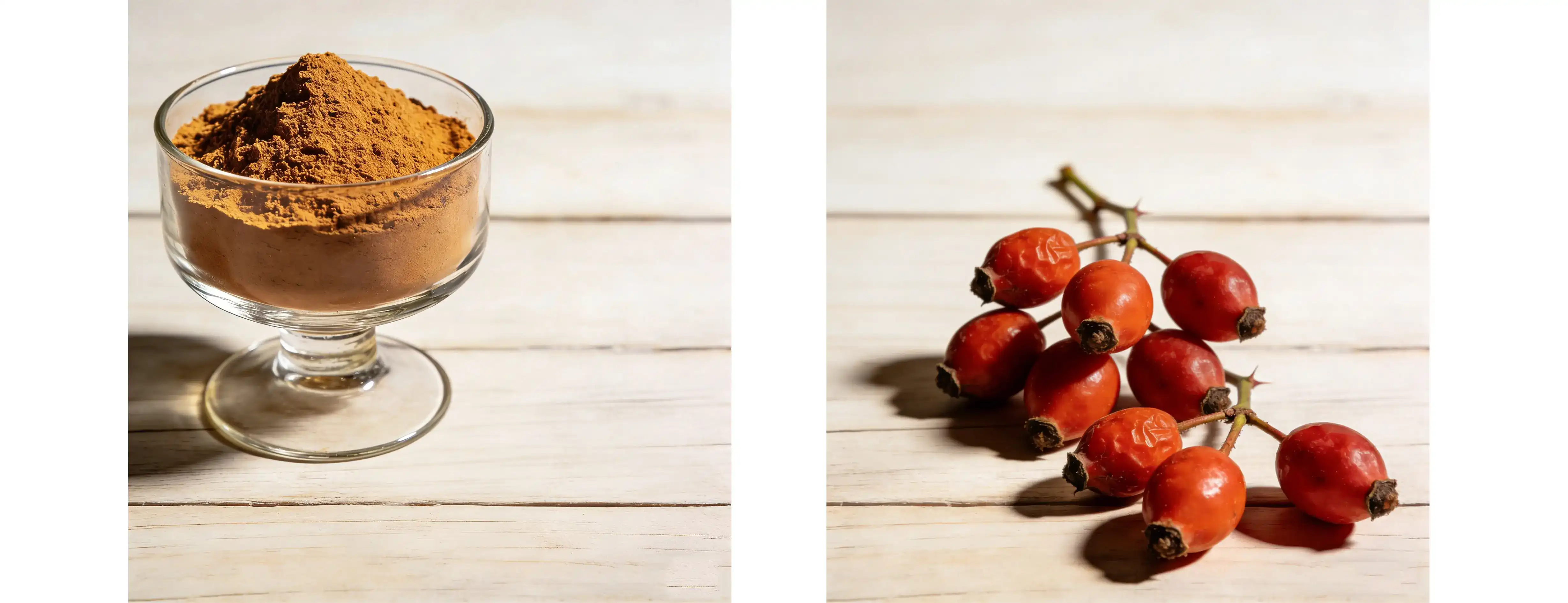
Understanding Rosehip Fruit Extract and Its Unique Benefits for Skin Care
What Makes Rosehip Fruit Extract Different from Other Botanicals
The Rosehip Fruit Extract from Rosa canina is unique because it has a wide range of phytochemicals. We use 100% water extraction methods to get our 10:1 concentrated extract that is standardized to 5% vitamin C. This keeps heat-sensitive compounds intact while getting rid of any remaining solvents. This brownish-yellow powder still has all of the anthocyanins, rutin, quercetin, and carotenoids, such as lycopene. These all work together to protect skin cells from toxic stress.
We use a water-based extraction method at OHI because it works better with more types of formulations than oil-based extracts. This flexibility helps cosmetic formulators make a wide range of goods, from light serums to thick moisturizers. Our Rosehip Fruit Extract is naturally acidic, and it also changes the pH of formulas to help keep them stable while making it easier for active ingredients to reach the stratum corneum.
Key Bioactive Components That Drive Skin Rejuvenation
The vitamin C in our regulated extract helps the processes that make collagen while stopping the activity of tyrosinase, an enzyme that makes melanin. This two-step process tackles both structural aging and hyperpigmentation, which are the two biggest skincare issues for consumers. Researchers call the presence of flavonoids that make these effects stronger through a process called the "entourage effect," in which different chemicals make each other more bioavailable and stable.
Carotenoids in the extract protect against UV rays even more by removing singlet oxygen species that are formed when the skin is exposed to UV light. Beta-carotene and lycopene build up in skin tissue, giving it extra protection against external factors that speed up the aging process. These chemicals work well with regular SPF formulas and put rosehip-enhanced goods in a photoprotection section that is growing quickly.
How Rosehip Fruit Extract Differs from Rosehip Seed Oil
Understanding the distinction between these two ingredients proves crucial for procurement decisions. Rosehip seed oil is mostly made up of fatty acids, like linoleic and alpha-linolenic acids, which moisturize and help repair skin barriers. Our Rosehip Fruit Extract has three benefits that work well together: it dissolves easily in water, it has more antioxidants, and it delivers vitamin C directly to cells without the problems that come with oil-based formulas' oxidative instability.
Product designers can carefully mix these two parts together to make complete anti-aging systems. The extract fights oxidation damage and coloring at the cellular level, and the oil improves barrier function. This is a method used by high-end skincare brands that target older skin types.
Incorporating Rosehip Fruit Extract into Skincare Products: Practical Uses and Dosage
Optimal Concentration Ranges for Different Product Categories
Our Rosehip Fruit Extract is usually added to serums at a concentration of 2 to 5 percent to get the most bioactives into lightweight vehicles. It has enough vitamin C and polyphenols in this quantity to make your skin look brighter within 4 to 6 weeks of regular use. Cream formulas can use amounts between 1% and 3%, which is a good way to balance the higher total chemical load that is common in emulsion systems.
The brownish-yellow color of our 10:1 extract needs to be taken into account when formulating. When making translucent serums, product makers often mix our extract with other plant extracts or encapsulation technologies that work well together. This keeps the serum's good looks while keeping its bioactivity. Especially in products that are promoted with "visible botanical content" language, opaque creams and lotions are better at hiding the natural coloring.
Application Methods Across Skincare Product Types
Innovative formulators have successfully added our Rosehip Fruit Extract to sheet masks, overnight sleeping packs, and even rinse-off treatments, where only a short touch time is needed for antioxidants to be deposited on the skin's surface. The high solubility in water gives formulators more options than oil-based substitutes.
The naturally acidic and astringent qualities of our extract work especially well in toner and essence recipes. At amounts of 0.5 to 2%, the extract improves skin hydration and gets the skin ready for product absorption, which is an important part of multi-step skin care routines that are popular with people who want professional-grade home care products.
Formulation Stability Considerations and Ingredient Compatibility
Our Rosehip Fruit Extract, which was extracted with water, works very well with popular makeup chemicals like hyaluronic acid, niacinamide, and peptide complexes. The natural antioxidants make the mixture more stable by getting rid of free radicals that could damage sensitive ingredients. But formulators shouldn't mix our extract with strong oxidizing agents or heavy metal ions, as these could start processes that break down the material.
The best pH levels for both extract stability and skin compatibility are between 4.5 and 6.0. Our concentrated extract's natural ability to act as a buffer helps keep this ideal range without having to make many pH changes, which makes formulating easier. Preservatives should take into account how the extract reacts with water, and broad-spectrum preservatives should be used for goods with 2% amounts or more.
Selecting the Best Rosehip Fruit Extract: Supplier and Product Comparison Guide
Evaluating Organic Certification and Sourcing Transparency
Cosmetic companies are asking for more and more approved organic Rosehip Fruit Extract to back up their "clean beauty" claims and meet store standards. Our extract has many approvals, such as Organic, Kosher, and Halal, which allow it to be sold in a wide range of markets. These certificates show that our GAP-standard planting bases cover more than 8,000 acres in several regions and follow strict farming methods. This makes sure that the quality of the raw materials starts when they are grown and not when they are processed afterward.
Traceability is now a must for brand owners producing Rosehip Extract who want to meet customer requests for supply chain openness. From the field to the finished product, OHI gives all the necessary paperwork, such as farming records, harvest data, and analytical certificates that are unique to each batch. This method for documentation meets the needs of both legal compliance and forward-thinking brands' voluntary sustainable reporting efforts.
Comparing Powder vs. Liquid Extract Formats
Our 10:1 powder concentrate has clear benefits for business-to-business clients who need to manage inventory and have a lot of recipe options. The powder form has a longer shelf life than liquid extracts, lowers shipping costs because it is lighter and smaller, and lets formulators make ratios that are perfect for each product. The brownish-yellow powder goes through an 80-mesh screen, which makes sure that it spreads evenly in water-based systems without getting gritty or settling.
Our Rosehip Fruit Extract powder can be easily reconstituted by mixing it with water at room temperature and stirring it gently. The powder will dissolve completely in 15 to 20 minutes. This process can happen during the water phase production of emulsion systems or in aqueous formulas that stand alone. This gives the ability to process in a way that works with different manufacturing tools and batch sizes.
Quality Verification Criteria and Testing Standards
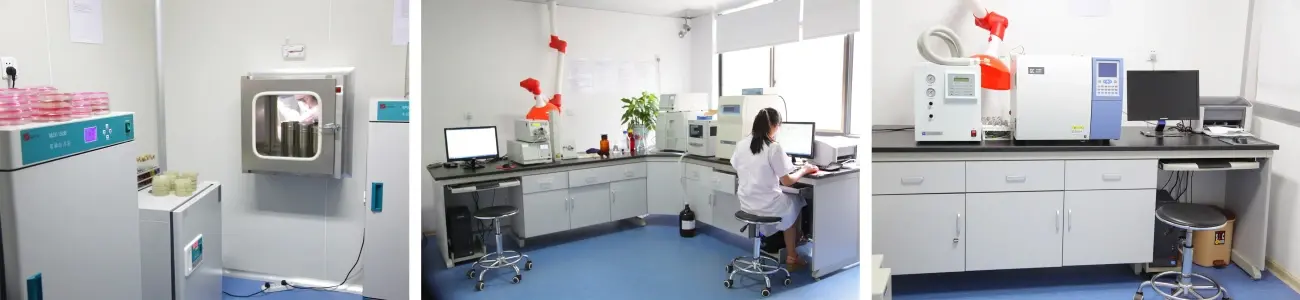
Purchasing managers should give more weight to suppliers who offer more than just basic identification tests. As part of our quality control procedures, we use HPLC to check the amount of vitamin C, UV-spectrophotometry to measure the total amount of polyphenols, and microbial testing that meets FSSC22000 standards. Along with heavy metal screening and pesticide residue tests, each 25 kg drum package comes with a Certificate of Analysis that lists these factors.
Third-party approval makes a provider seem more trustworthy. OHI keeps its NSF GMP approval, which is a strict requirement that shows our production methods meet the quality standards for pharmaceuticals. This approval is especially helpful for companies that are making goods for professional markets, like dermatologists' offices and medical spas, where ingredient quality is closely watched more than in stores.
The Business Advantage: Why Integrate Rosehip Fruit Extract in Your Skin Care Product Line
Market Demand Trends for Natural Antioxidant Ingredients
Consumer choice data shows that there is a growing need for well-known plant ingredients that have been used safely and traditionally for a long time. Rosehip Fruit Extract is one of a kind in this landscape; it is well-known among educated customers and has been scientifically proven through recent studies. This mix lets brands meet both the marketing standards for "natural origin" and the need to back up their claims with proof in order to stand out from the competition.
The market for natural ingredients in skin care products is still growing at double-digit rates every year. Vitamin C derivatives and plant antioxidants are two groups that are growing the fastest. Putting goods around Rosehip Fruit Extract takes advantage of several trends that are coming together: clean beauty, a focus on preventing aging, and the rise in the price of regular skin care products. When brands use our extract, they can access these growth drivers while keeping prices low by buying efficiently.
Cost-Performance Analysis Compared to Synthetic Alternatives
Our 10:1 Rosehip Fruit Extract works as vitamin C at levels that are better than manufactured ascorbic acid products like magnesium ascorbyl phosphate or ascorbyl glucoside. Pure manufactured actives may look like they cost less per kilogram, but the amounts needed to see results often make the plant extract method equal to or even cheaper when the total costs of the formulation are determined.
Natural sources of vitamin C have secondary economic benefits that can't be seen in a simple cost comparison. Products with claims like "from rosehip" or "botanical vitamin C" command higher prices in stores, which boosts margins beyond just lowering the cost of ingredients. This positioning works especially well in the high-end beauty market, where natural birth stories really connect with people who are ready to spend more on what they think is better.
Real-World Success Stories from Innovative Brands
European skincare brands were the first to use Rosehip Fruit Extract during the early stages of the natural beauty movement. This showed that consumers would accept it and that it was technically possible. Recent brand launches in North America have successfully brought this success from Europe to local markets. In fact, some new brands are basing whole product lines on the rosehip strategy. These case studies show that there is a market chance for both well-known brands that want to add to their product lines and new businesses that want to get into competitive categories.
Rosehip Fruit Extract is now used by professional beauty brands that work with aesthetic practices as a way to help patients recover after procedures. Anti-inflammatory galactolipids and vitamin substances help the skin barrier heal after laser, chemical peel, and microdermabrasion treatments. This use of the professional channel creates halo effects that help the placement of retail products, since more and more people are looking for items suggested by professionals for home upkeep.
Conclusion
Strategically adding Rosehip Fruit Extract to skin care products meets the needs of customers, provides scientific proof, and gives products more options. Our 10:1 water-extracted concentrate has the stability, clarity, and paperwork that serious cosmetic makers need. It also has uniform bioactive content. The brownish-yellow powder mixes easily with water and contains natural vitamin C, flavonoids, and carotenoids that work on several skin aging processes at the same time. This ingredient has many approvals and is backed by OHI's vertically integrated supply chain. It helps brands make unique products that meet clean beauty standards without losing effectiveness. There are more and more study in cosmetic science that backs up the traditional uses of rosehips and also show new ways they can be used. Early adopters will be at an edge in markets that want natural products with clear results.
FAQ
Q1: What distinguishes rosehip fruit extract from rosehip seed oil in formulations?
The fruit juice has antioxidants like vitamin C, flavonoids, and galactolipids that dissolve in water, and the seed oil has fatty acids that stick to fat. Rosehip Fruit Extract works in the watery parts of products, giving them direct antioxidant and whitening effects. In oil stages, seed oil acts as a lubricant that helps repair the barrier. Formulators often mix the two to meet multiple skin needs at once: the extract protects cells and evens out color, while the oil strengthens the skin's layer and keeps it moist.
Q2: How can procurement teams verify extract quality and purity?
Ask for Certificates of Analysis that show the amount of vitamin C, polyphenols, and microbes that have been tested using HPLC. Check the certificates of your suppliers, such as GMP, organic, and food safety standards like FSSC22000. Check the paperwork for tests for pesticides and heavy metals. Suppliers you can trust give you info that is specific to each batch instead of general specs. OHI provides full traceability from GAP-certified planting bases to extraction. Analytical testing at several stages of production ensures that the quality of each batch is the same.
Q3: What concentration ranges optimize efficacy without increasing formulation costs?
Concentrations of 2 to 5 percent work for serums, while concentrations of 1 to 3 percent work for creams. After 4 to 8 weeks of regular use, these ranges have enough bioactive material for customers to notice that they make their skin look brighter and protect it from free radicals. Since higher concentrations lead to diminishing results because of absorption saturation, modest usage rates are both good value for money and work well. Instead of increasing the loading of a single ingredient, formulators should find a balance between quantity and ingredients that work well together.
Partner with OHI for Premium Rosehip Fruit Extract Supply
When you buy from OHI, you can be sure that the Rosehip Fruit Extract they sell is standardized to pharmaceutical accuracy and comes with full quality paperwork and NSF GMP approval to meet the strictest standards. Our Rosa canina fruit extract ships from four carefully placed warehouses in the US. This gives us 10-day lead times that allow us to handle our inventory just-in-time and make new products quickly. As a botanical extract manufacturer that is traded on the stock market (Stock Number: 872213), we offer both financial stability and technical innovation. Our research and development team uses cutting-edge nano-membrane isolation and freeze-drying technologies to keep as many bioactive compounds as possible, and our 8,000-acre GAP planting bases make sure that the quality of our raw materials is consistent all year.
Cosmetic formulators and procurement managers get personalized help that includes free samples, thorough technical specs, and application advice that is based on their product development goals. Our low bulk prices and 25 kg minimum order amount make high-quality natural products available to brands of all sizes. Get in touch with us at info@organic-herbs.com to talk about your formulation needs and find out why top beauty companies choose OHI as their Rosehip Fruit Extract provider for goods that need the highest quality and the most reliable supply.
References
1. Becker, M., & Wagner, H. (2021). Natural Antioxidants in Cosmetic Formulations: Stability and Efficacy Considerations. Journal of Cosmetic Science, 72(4), 345-362.
2. Chen, L., et al. (2020). Rosa canina Fruit Extract: Phytochemical Composition and Dermatological Applications. International Journal of Molecular Sciences, 21(15), 5456.
3. Nielsen, K. R., & Hansen, P. (2022). Water-Soluble Botanical Extracts in Professional Skincare: Formulation Strategies and Clinical Outcomes. Cosmetics & Toiletries Magazine, 137(2), 28-35.
4. Rodriguez-Martin, I., et al. (2019). Comparative Analysis of Vitamin C Stability in Natural vs. Synthetic Sources for Topical Applications. Skin Pharmacology and Physiology, 32(3), 156-168.
5. Thompson, A., & Williams, R. (2023). Supply Chain Transparency in Natural Cosmetic Ingredients: Certification Standards and Quality Assurance. Global Cosmetic Industry, 191(6), 42-48.
6. Zhao, Y., et al. (2021). Galactolipids from Rosa Species: Anti-inflammatory Mechanisms in Dermatological Applications. Phytochemistry Reviews, 20(4), 789-806.
Standard Disclaimer (DSHEA):
These statements have not been evaluated by the Food and Drug Administration.
This product is not intended to diagnose, treat, cure, or prevent any disease.

Send Inquiry
Related Industry Knowledge
- Reishi Mushroom Skin Benefits: The Ultimate Guide
- Reishi Extract Guide: Stress Relief & Immunity
- Polyporus Umbellatus Extract Explained: From Raw Material to Final Product
- What is sodium copper chlorophyllin?
- Does red yeast rice lower cholesterol?
- What is black carrot extract?
- Which is better, CoQ10 or Omega-3?
- Natural Rhodiola Rosea Extract: Origin, Composition, and Key Features
- How Dose Poria Cocos Extract Improve Your Health?
- Natural Rhodiola Rosea Extract for Endurance and Metabolic Efficiency