
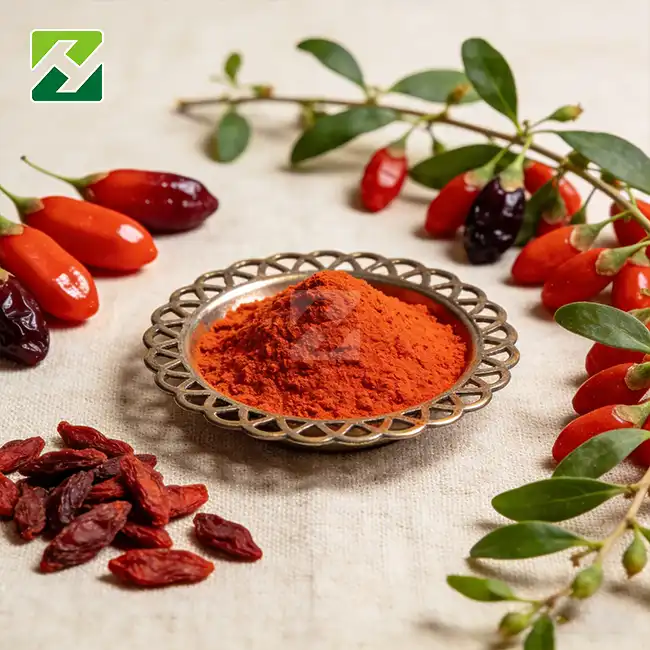
How to Choose High-Quality Goji Extract Powder for Your Needs
VIEW MORETo choose a good Goji Extract Powder, you need to carefully look at the supplier's qualifications, the level of regulation, and the extraction methods used. Choose powders that come from Lycium barbarum fruit that have been extracted with water, standardized to a clear polysaccharide content (10:1 ratio or 50% polysaccharides), and backed by certificates such as GMP, ISO, and organic proof. Our team has seen that making sure that batches are consistent, looking over third-party testing records, and checking how open a supplier is about source tracking are all important parts of successful procurement. This piece talks about the technical requirements and supplier review factors that are most important for developing functional foods, cosmetics, and nutraceuticals.
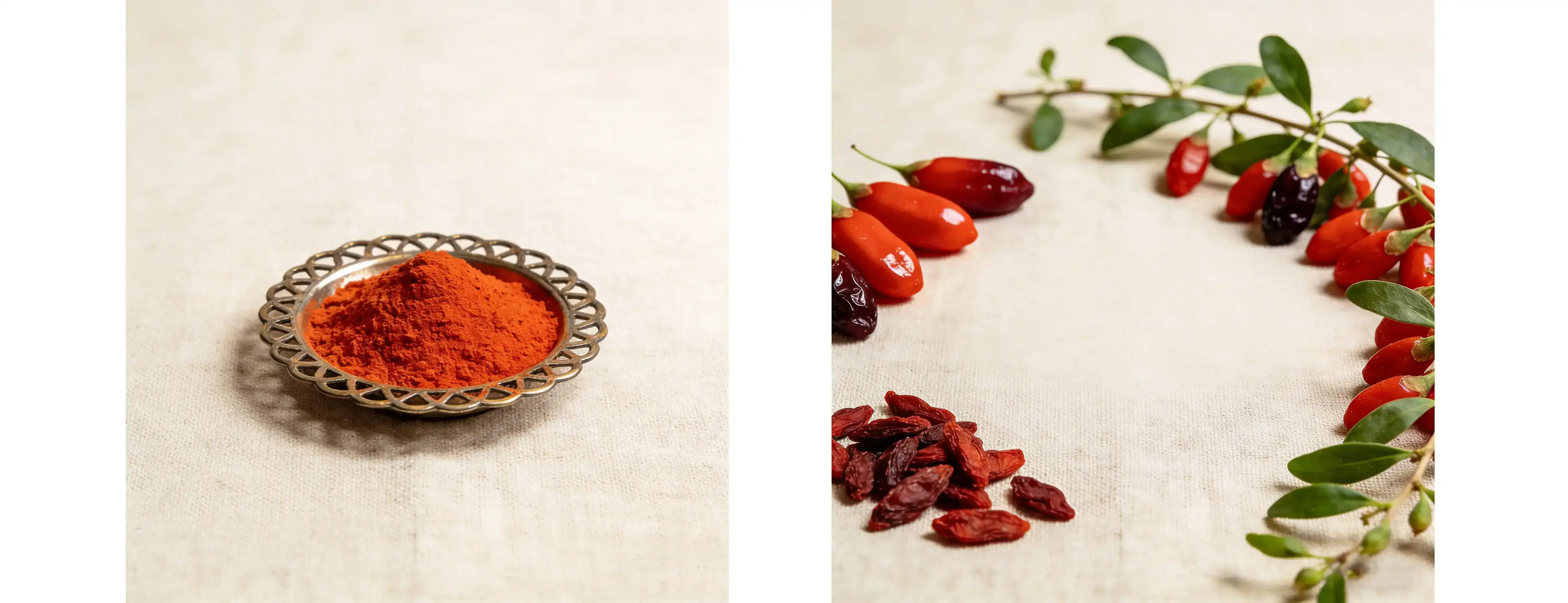
Understanding Goji Extract Powder and Its Benefits
Because it has a lot of bioactive compounds, goji berry juice has become an important nutrient in many fields. The extract comes from the fruit of the Lycium barbarum plant, which is a very healthy plant that is mostly grown in controlled farming settings. Standardized extracts offer constant amounts of Lycium Barbarum Polysaccharides (LBPs), the marker molecule responsible for the ingredient's functional properties. Whole berry powders, on the other hand, vary in fiber and moisture.
Scientific Basis of Bioactive Compounds
The extraction process focuses on polysaccharides, pigments like zeaxanthin, and betaine while getting rid of extra sugars that make raw berry powders difficult to keep dry. Through ORAC (Oxygen Radical Absorbance Capacity) tests, researchers have found that LBP content between 10% and 50% offers measurable antioxidant capacity. Formulation experts can now figure out exact doses for immune support matrices and eye health vitamins thanks to this standardization.
Heat-sensitive carotenoids are better preserved by modern extraction methods that use low-temperature water processes than by older methods that use alcohol. Spray-dried juice concentrates tend to settle to the bottom of liquids, but this powder dissolves better than spray-dried juice concentrates. Manufacturers like that standardized extracts let them make smaller capsules. For example, 400 mg of 50% polysaccharide extract has the same bioactivity as 4000 mg of fresh berries.
Industrial Application Parameters
The extract's heat safety during pasteurization (up to 85°C for 15 seconds) keeps its bioactive integrity without precipitation when it is used to make functional drinks. This feature fixes a common problem with raw fruit powders that make ready-to-drink drinks have the wrong taste. Because it dissolves in water, it can be easily added to protein shakes, greens mixes, and quick health shots without the need for emulsifiers.
Cosmetic scientists like the density of the powder because it makes anti-aging serums and repair creams more consistent from batch to batch. The small particle size (usually 80–100 mesh) makes sure that topical formulas have a smooth feel, and the standard amount of zeaxanthin backs up certain product claims. Instead of whole berry extracts that have a varying sugar content, the refined powder doesn't allow microbes to grow when the moisture level is kept below 5%. This makes the mixture last a lot longer.
Key Factors to Consider When Choosing Goji Extract Powder
When making purchasing choices in Goji Extract Powder, it's important to look at a lot of different quality factors that have an impact on how well the final product works and how well it meets regulations.
Standardization and Potency Verification
The concentration ratio is the most important way to tell how good something is. A 10:1 extract means that 10 kg of raw berries make 1 kg of finished powder, which means that the bioactives are concentrated in the same way. More important is standardizing the polysaccharides, which can be checked using UV-Vis spectrophotometry at a wavelength of 490 nm. Specifications that say "50% polysaccharides" help formulators figure out how much to use, while hazy claims of "high potency" don't have any scientific support.
Ask for Certificates of Analysis (COA) that show the LBP content by batch, moisture levels below 5%, and ash levels below 5%. These factors are related to controlling production and keeping things stable during storage. Testing for heavy metals should show that the product meets the toughest international standards for lead (<3 ppm), arsenic (< 1 ppm), and cadmium (< 1 ppm). Microbial limits (overall plate count <1000 cfu/g) make sure that all uses are safe for food.
Extraction Methodology and Solvent Considerations
Using dynamic low-temperature methods to remove water keeps the full range of polysaccharides without leaving behind solvent residues that make regulatory paperwork harder. This method fits with the trend toward clean labels and makes INCI (International Nomenclature of Cosmetic Ingredients) statements for cosmetic uses easier to understand. Compared to this, ethanol extraction may concentrate some alkaloids but leaves behind leftover solvent problems that need a lot of testing.
It's important to know the order of the extraction steps. Multistage water extraction followed by nano-membrane filtering gets rid of the proteins and tannins that change color when stored. Freeze-drying or low-temperature spray drying stops the leftover sugars from turning into caramel, which keeps the powder's orange-red to brown color. When suppliers use high-heat drum drying, the powders they make are darker and less bioactive, which can be seen in their lower ORAC values.
Certification and Proof of Compliance
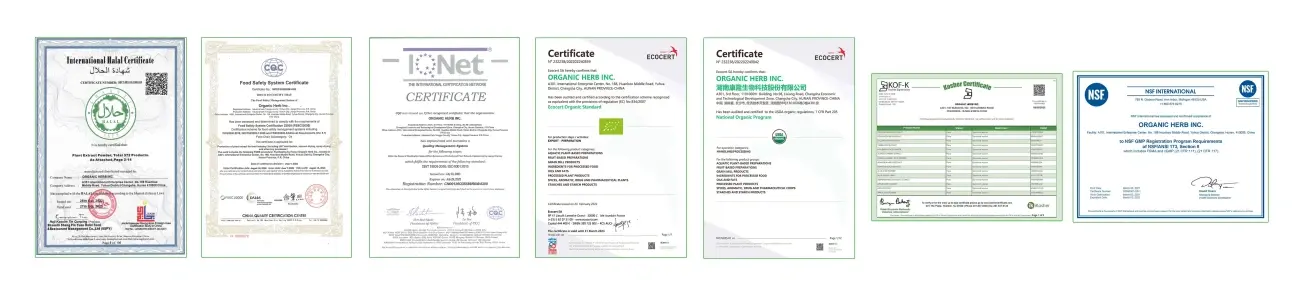
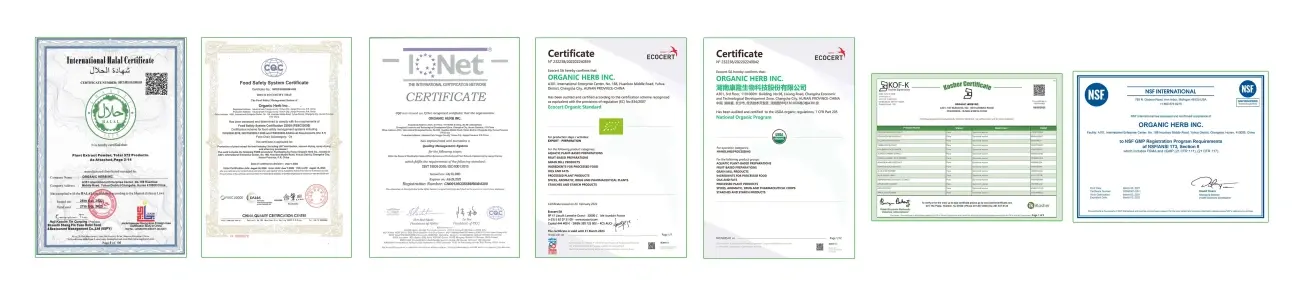
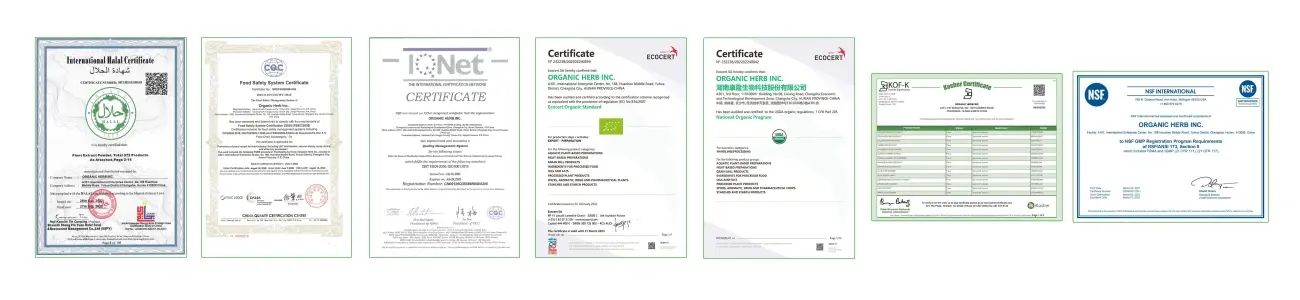
NSF GMP approval shows that a factory follows current good manufacturing practices, which include keeping equipment calibrated, teaching workers, and keeping contamination under control. Food safety management systems must be checked by ISO 22000 (or FSSC 22000) in order for ingredients to cross foreign countries. Organic approval from the USDA or the EU makes sure that crops are grown without using pesticides, which appeals to people who like natural products.
Kosher and Halal approvals make it easier for dietary products that are aimed at certain groups of people to reach more customers. These certifications need third-party checks of the processing tools and where the ingredients come from, which adds to the trustworthiness. We suggest checking the validity of certifications on the websites of the organizations that issue them, since fake or outdated certificates are common in trade markets.
Source Traceability and Agricultural Practices
Bioactive profiles are affected by where the berries come from. Berries from Ningxia and Qinghai areas have higher carbohydrate densities because they grow in mineral-rich soil and get more sunlight at high elevations. Suppliers who work with GAP (Good Agricultural Practices)-approved farms show that they have control over the inputs used in farming, the time of harvesting, and the handling of crops after they have been picked. When buyers ask for farm-to-formula evidence for marketing stories, this traceability becomes very important.
Find out how to check for pesticides during farming in Goji Extract Powder. Brands are protected from recall situations and regulatory violations by thorough residue testing that includes more than 200 substances. Suppliers who are ahead of the curve keep harvest batch records that link extract lots to specific field areas. This way, if quality problems happen, they can be quickly looked into.
Comparing Leading Goji Extract Powder Brands and Supplier Options
There are different levels of suppliers on the market, and each one offers a different set of benefits for different types of purchases.
Evaluating Manufacturer Credentials
Top producers have supply lines that are vertically linked, which means they control everything from growing the plants to packing them up. This interface lets you respond quickly to changes in specifications and the creation of custom extracts. Look for providers that put out yearly quality reports, environmental audits, and third-party lab validation studies. These are signs of openness that commodity traders don't usually give out.
When making more of a product, the manufacturing ability is important. Facilities that make more than 50 metric tons of goods every month show that their equipment is advanced and that they can reliably get their raw materials. During site checks, whether they are virtual or real, look for clean room classifications, HEPA filtration systems, and specialized production lines that keep allergen and non-allergen ingredients from getting mixed up.
OEM and Private Label Capabilities
Suppliers that offer OEM services make it easier to build a brand because they take care of testing the composition, stability, and legal paperwork. This is helpful when moving into new product areas without having your own R&D department. Private labeling includes custom package shapes, such as 25 kg fiber drums in bulk or consumer-ready pouches, that fit certain routes of distribution.
Minimum order numbers (MOQ) show how flexible a seller is. Trial batches for formulating can be made with a 25 kg MOQ, but known names can get better prices when they order 500 kg or more. Talk about sample policies right away. Reliable sellers offer free samples (usually 100–500g) with full COA paperwork, which shows that they are sure their products are consistent.
Logistics and Supply Chain Reliability
Keeping goods in storage in target markets close to home cuts down on shipping times and costs. When suppliers keep product hubs in key areas, like Los Angeles for US distribution, they can fill orders in 7 days instead of the 30 to 45 days that it usually takes for direct imports. This responsiveness is very important when handling product turns and dealing with sudden increases in demand.
Use transit testing procedures to check the integrity of the packing. Suppliers of good quality use moisture-barrier PE inner bags with heat-sealed seals to keep dampness out during ocean freight. The outer fiber drum should meet UN approval standards for sending dangerous materials, even though the ingredient itself is not dangerous. This shows that you are aware of good transportation practices.
How to Match Goji Extract Powder Products to Your Specific Procurement Needs
Different industries require tailored specifications that balance bioactivity, processing compatibility, and cost structures.
Application-Specific Selection Criteria
Dietary supplement makers focus on standardizing high amounts of polysaccharides (40–50%) so they can make claims about their effectiveness in smaller dose sizes. The extract should have a low moisture content (<3%) so that it can still flow through packaging equipment and keep tablets from getting hard when they are compressed. The consistency of capsule fill weight is affected by the size distribution of the particles. To keep automatic dosing systems from bridging, mention a minimum of 80 mesh.
Formulators of drinks need better quick dispersibility, which can be achieved by using agglomeration or spray-drying settings that make particles with pores. To see how well it dissolves, mix 5 grams in 100 milliliters of room-temperature water and stir gently. Premium extracts dissolve in 60 seconds without foaming up. Color stability in cold storage (tested at 4°C for 90 days) suggests how RTD goods will look on the shelf.
For cosmetic uses, microbe purity must be higher than food-grade standards. This usually means checking the preservative's ability to work according to USP <51>. To make sure the extract doesn't mess up emulsion stability or pH buffering systems, it should be tested to see if it works with popular cosmetic bases like glycerin, propylene glycol, and water. Particle sharpness is very important—ask for 100 mesh or smaller to keep skin serums from feeling gritty.
Sample Evaluation Protocols
Before placing a large order, try a sample thoroughly across a number of different factors. Besides looking over the COA, you should use the Karl Fischer titration to check the moisture content in-house and an independent lab to confirm the polysaccharide levels. This double check finds differences between what the seller says and what the final product is made of.
Use sample batches for formulation studies to see how well they work with current ingredient systems. Watch out for changes in color, separation, or viscosity during rapid aging (40°C/75% RH for 3 months mimics a 2-year shelf life). Write down the smell, taste, and color of the product because these affect how well people like it when it's finished.
Contract Terms and Quality Agreements
Make sure that supply deals are clear and include accepted values for key parameters like polysaccharides (±2%), moisture (<5%), and heavy metals as needed. Set up rules for testing and ways to settle disagreements when batch testing shows results that don't match what was expected. Quality agreements should require that any changes to the manufacturing process that might affect the qualities of the product be reported in advance.
Payment terms in Goji Extract Powder are usually based on how many orders you have. For established relationships, try to negotiate 30 to 60-day terms instead of reserve requirements. Include "force majeure" terms that cover shortages of raw materials caused by farming issues, but make sure that sellers keep strategic inventory buffers. Exclusivity deals may get you better prices, but they also make it harder to change where you get your supplies if quality problems arise.

Final Decision-Making Criteria for B2B Buyers
Strategic buying uses weighted decision matrices that are tailored to business goals to balance a number of factors.
Quality-Cost Optimization Framework
Even though quality extracts cost more ($25–45/kg FOB), they save money because they need less of them in the end product. When figuring out the cost-per-serving, use the bioactive content instead of the price of the raw materials. For example, a 50% polysaccharide extract at $40/kg is more cost-effective than a 20% extract at $20/kg when the bioactivity levels are the same.
Think about the total arrival costs, which include freight, customs fees, and storage. Just-in-time delivery lets suppliers with domestic inventory get rid of 10-15% of the taxes that come with importing goods, based on the HS code classification. This also lowers the costs of keeping inventory on hand. Think about the costs of quality control—ingredients that need a lot of tests before they can be used add to the costs of doing business compared to certified suppliers with good quality paperwork.
Risk Mitigation Through Supplier Diversification
Businesses that depend on a single-source seller run the risk of having their supplies interrupted by problems in production or shortages in agriculture. Find at least two providers who meet the basic requirements and test them against each other on a regular basis to keep prices and performance standards competitive. Dual sourcing makes things more complicated, but it guards against "force majeure" situations and gives you more bargaining power.
Check the creditworthiness and image of suppliers by looking at their credit records and industry reputations. Trading companies that are new may have good prices, but they may not have the right infrastructure to handle technical help or settle quality issues. Established makers who have been in business for 10 years or more have shown that they can weather changes in the prices of farm commodities.
Procurement Checklist for Confident Decision-Making
Before choosing a seller, make sure you've checked all of the following points:
- COA documentation showing batch-specific testing for polysaccharides, heavy metals, pesticides, and microbiology
- Facility certifications (GMP, ISO, organic) with current validity confirmed through issuing authorities
- Sample performance matching claimed specifications through independent laboratory verification
- Clear terms for minimum order quantities, lead times, and shipping terms documented in quotations
- Technical support that is responsive by answering design questions quickly
- Reference customers willing to discuss their experience with product consistency and service quality
- Traceability records linking extract batches to raw material harvest records
- Pricing structure showing volume discount tiers and surcharge policies
This methodical strategy lowers the risks of buying while building relationships with suppliers based on performance data rather than just marketing claims.
Conclusion
To pick a good goji extract powder, you need to carefully check the accuracy of the standards, the extraction method, and the supplier's infrastructure. We've talked about how design choices are based on polysaccharide content, water-based extraction, and full certifications. When making immune support pills, functional drinks, or cosmetic active systems, good sourcing teams find a balance between bioactive potency and application-specific needs. Using sample testing methods, traceability paperwork, and two different sources of supply can help reduce quality differences and improve cost structures. Vertically integrated suppliers, from GAP-certified farms to GMP manufacturing sites, give brands the trust they need for their products to be successful in the long run. When purchasing managers have clear expectations for suppliers and technical evaluation criteria, they can easily explore the market and find ingredients that meet both formulation performance standards and regulatory compliance demands.
FAQ
1. What certifications should quality Goji Extract Powder include?
The best plant extracts have NSF GMP certification, which verifies the production process, and either ISO 22000 or FSSC 22000 certification, which verifies the food safety management system. Organic certification (USDA or EU guidelines) proves that the crops were grown without using pesticides, and Kosher and Halal certifications make the products easier to find in stores. These validations by a third party leave audit trails that quality claims made by the company itself can't match.
2. How can I verify authenticity of polysaccharide content claims?
Ask for Certificates of Analysis that are unique to each batch and show the UV-VIS spectrophotometry data at a wavelength of 490 nm. This is the usual way to measure Lycium barbarum polysaccharides. The correctness of the supplier is confirmed by an independent test check done by ISO 17025-approved labs. Reputable makers are happy for third parties to test their products and will send you samples to keep for proof reasons.
3. What minimum order quantity should I expect for trial purchases?
Well-known makers usually accept 25 kg trial orders, which are enough for formulating new products and trying their stability. Some providers offer smaller samples (100–500g) with full paperwork for the first test of compatibility. Volume price models usually start at orders of 500 kg or more, but there is room for discussion if there is a chance of a long-term relationship.
Partner with OHI for Pharmaceutical-Grade Goji Extract Powder Supply
The company OHI (Organic Herb Inc.) sells standardized Goji Extract Powder that comes from GAP-certified farms and is made in CGMP-compliant factories. Our water-extracted powder still has 50% carbohydrates, and the uniformity of each batch has been checked by outside testing methods. We have four strategically located stores across the United States that allow us to complete orders within seven days. We also hold NSF, GMP, FSSC 22000, Kosher, Halal, and Organic certifications that make your regulatory paperwork easier.
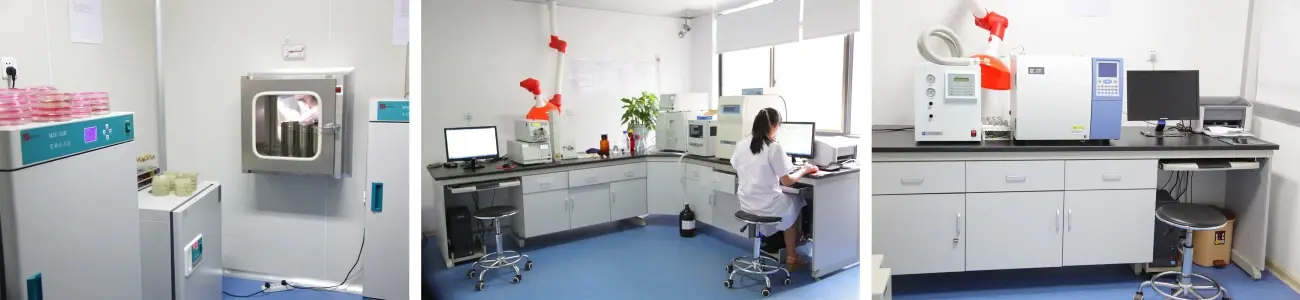
As a company that makes plant extracts and is sold on the stock market (Stock Number: 872213), we've spent over $1.2 million on testing equipment like HPLC-ELSD and GS-MS systems to make sure that every 25 kg drum meets the standards for polysaccharide content, heavy metal limits, and microbial purity. Our 42-person research and development team works with formulation scientists to find the best extract factors for each application, like making eye health supplements, immune-boosting drinks, or anti-aging makeup.
We provide free samples with full COA paperwork so that your team can check our quality claims before committing to buy. Email our technical team at info@organic-herb.com to talk about your formulation needs and get unique specs. As a dependable source of Goji Extract Powder, OHI blends knowledge of farming with precision manufacturing to help you reach your product development goals by providing you with reliable, traceable ingredient solutions.
References
1. Chang, S.K., & Alasalvar, C. (2016). Goji Berry Bioactive Compounds and Health Benefits. Journal of Agricultural and Food Chemistry, 64(9), 1987-1996.
2. Potterat, O. (2010). Goji (Lycium barbarum and L. chinense): Phytochemistry, Pharmacology and Safety in the Perspective of Traditional Uses and Recent Popularity. Planta Medica, 76(1), 7-19.
3. Amagase, H., & Farnsworth, N.R. (2011). A Review of Botanical Characteristics, Phytochemistry, Clinical Relevance in Efficacy and Safety of Lycium barbarum Fruit. Food Research International, 44(7), 1702-1717.
4. Jin, M., Huang, Q., Zhao, K., & Shang, P. (2013). Biological Activities and Potential Health Benefit Effects of Polysaccharides Isolated from Lycium barbarum L. International Journal of Biological Macromolecules, 54, 16-23.
5. Yao, X., Peng, Y., Xu, L.J., Li, L., Wu, Q.L., & Xiao, P.G. (2011). Phytochemical and Biological Studies of Lycium Medicinal Plants. Chemistry & Biodiversity, 8(6), 976-1010.
6. Tang, W.M., Chan, E., Kwok, C.Y., Lee, Y.K., Wu, J.H., Wan, C.W., & Chan, S.W. (2012). A Review of the Anticancer and Immunomodulatory Effects of Lycium barbarum Fruit. Inflammopharmacology, 20(6), 307-314.
What Is Grape Powder? Benefits, Uses, How It’s Made & Top Tips
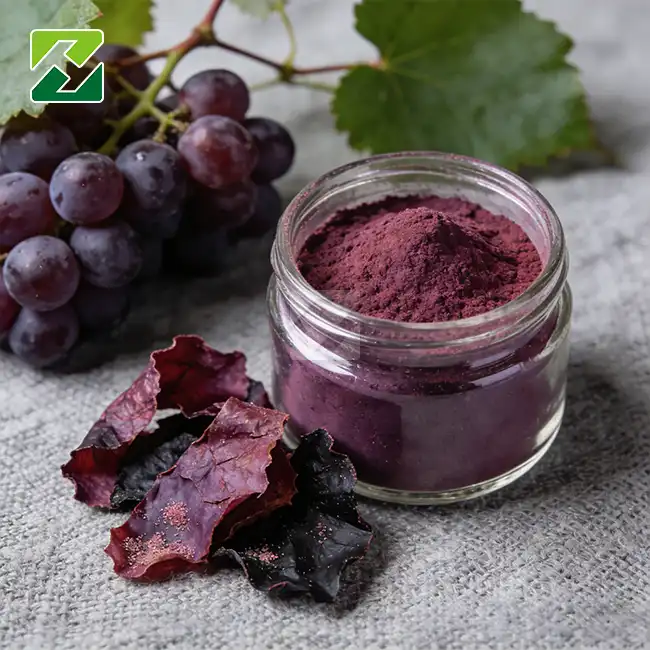
VIEW MOREThe standard wine grape's top skins are used to make Grape Skin Extract Powder, which is a pure plant ingredient. There are a lot of natural antioxidants like polyphenols, anthocyanins, and resveratrol in this bright violet-red powder. These can be found in grape skins. This one, on the other hand, is based on the vitamins that are found in the skin instead of juice or seeds. Either water or ethanol can be used to get this element out. It can be added to cosmetics, and functional foods in a number of useful ways. It meets the rising need for plant-based actives with clean labels that help goods stand out and compete in the market.
Understanding Grape Skin Extract Powder
What Makes Grape Skin Extract Powder Unique?
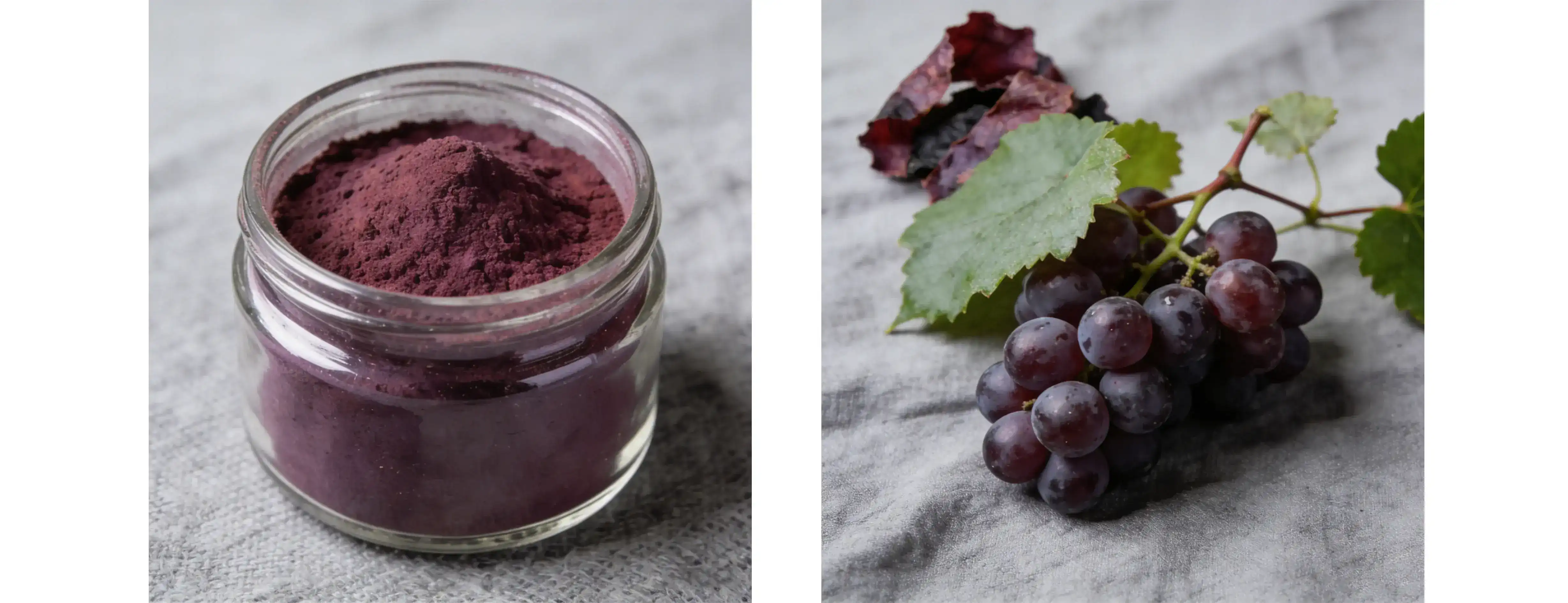
Grape Skin Extract Powder is different from other grape-based products because it has a high level of polyphenols and a bright natural color. These are the skins of the grape Vitis vinifera L. They are a deep purple-red color because they have a lot of anthocyanins in them. They also have resveratrol and flavonoids, which make them strong antioxidants. Grape Skin Extract Powder is high in these color-rich chemicals that are good for you and make you look good, and grape seed extract is high in proanthocyanidins. Formulators need to know this difference well if they want to meet customer needs for real plant-based goods, certain nutritional profiles, or natural color solutions.
Most of the time, the nutritional make-up has measured amounts of total polyphenols between 30% and more than 30%, based on extraction ratios of 4:1, 10:1, or higher. These rules make sure that every batch is the same. For R&D leaders and buying teams, this is a big help because they need to know how well each item will work in every production run.
How Grape Skin Extract Powder Is Manufactured
GAP-approved growth areas that cover more than 8,000 acres in different parts of China are where Organic Herb Inc. starts the production process. From the time we give them seeds until the time they are picked, we work with local farmers to give them professional help. We can be sure that quality starts here. As soon as the ripest grapes are picked, the skins are carefully separated and handled right away to protect the biological value.
If you want to get polyphenol patterns and use the extract, you can use either water or ethanol as a solvent. With normal high-heat methods, chemicals like resveratrol and anthocyanins can break down. But with advanced low-temperature extraction technology, they don't. Dynamic extraction methods remove more while keeping the purity, and nano-membrane separation helps concentrate the active ingredients without leaving behind any chemical leftovers.
After the extract is concentrated, it is freeze-dried, which gets rid of the water but keeps the structure and bioactivity. A fine violet-red powder is made, which is generally put through an 80-mesh screen to make sure the particles are all the same size. This powder can then be mixed into pills, tablets, drink mixes, or makeup. Different HPLC and spectrophotometric tests are done on each run to make sure it meets the requirements for heavy metals, flavonoid content, and germ safety.
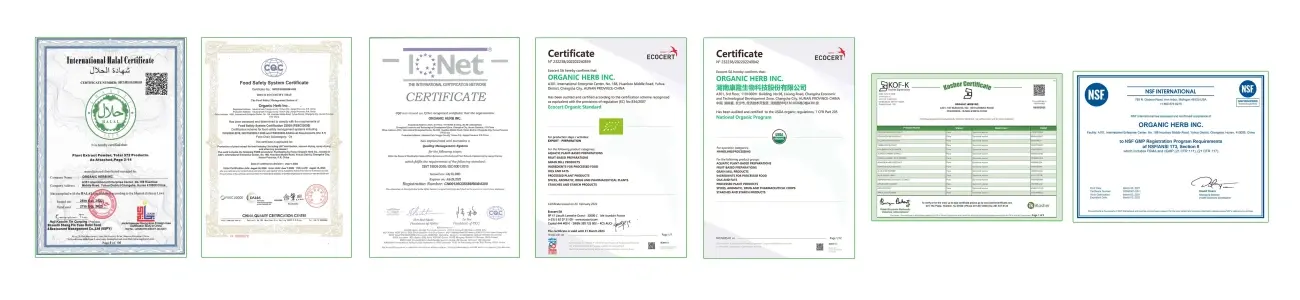
Our quality certificates, such as NSF GMP, Kosher, Halal, ISO 9001, FSSC 22000, and Organic, show that we are dedicated to following all international laws. Not only are these licenses pieces of paper, but they also show strong traceability systems, accepted production processes, and ongoing quality improvement methods that B2B buyers need to know in order to deal with the complicated foreign compliance landscapes.
Benefits and Uses of Grape Skin Extract Powder
Health-Driven Functional Benefits
Grape Skin Extract Powder is good for you in many ways because it is high in flavonoids. Anthocyanins and resveratrol work together to fight free radicals. This is good for cell health and may even be good for heart health because it improves blood flow. These chemicals are very interesting to researchers because they can protect collagen and elastic structures. This makes skin stronger and look younger.
Antioxidants in the substance may also be good for your gut health in addition to being good for your heart. Polyphenols can be used to make products that support metabolic health because they work with the processes in cells that handle glucose metabolism. Anthocyanins also help eye health by making the blood flow better in the eye. This may make it easier to see at night or in dim light.
Because phenolic acids and flavonoids in the extract make it naturally antibacterial, it can be used for even more things. Since it does this, it can be used in immune-boosting mixes and food storage systems, cutting down on the need for chemical preservatives while still giving some bioactive benefits.
Industrial Applications Across Sectors
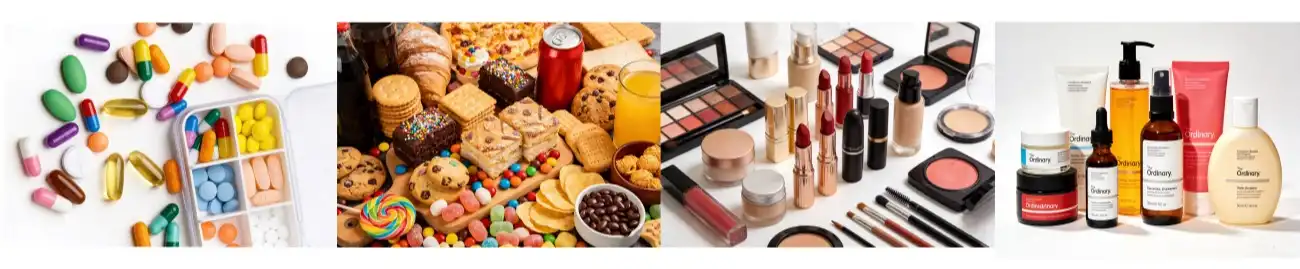
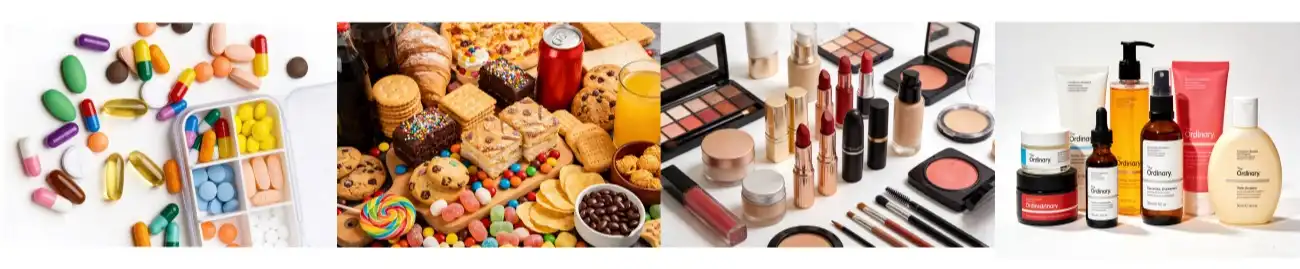
In order to help with antioxidants, heart health, and slowing down the aging process, nutraceutical companies put Grape Skin Extract Powder in vitamins that come in pills, tablets, and powder form. Easy to mix with water, it can be used in sports nutrition drinks, functional drinks, and ready-to-mix health foods. People who make medicines like it because it can be used as both an ingredient and a natural colorant, which is good for clean labels.
As an added bonus, the extract can be used on the face to protect it from the sun and make it look younger. The serums, creams, and masks get their color from the anthocyanin in the product, and the resveratrol acts as an antioxidant to protect against damage from the outside world. It's very important to keep each batch clean and consistent when making makeup, since changing the ingredients can make the product less stable and make customers angry.
In the flavor and fragrance business, Grape Skin Extract Powder is used instead of manufactured dyes like Red 40 because it has natural coloring and smell properties that can be used. This change is in line with what buyers and regulators want, which is for things to be open and last.
Usage Guidelines and Formulation Considerations
Doses are suggested based on how the drug is to be used and how bioactive it needs to be. The amount of polyphenols in a dose of nutraceutical goods is generally between 100 mg and 500 mg. Cosmetics normally use between 0.5 and 3%, which is the right amount to match the effect with the feeling.
To make sure something is stable, you need to test the pH level. Anthocyanins stay stable and bright in acidic pH levels below 3.5, but they break down in neutral or alkaline pH levels. One way to fix these issues is to use packaging techniques or acidic buffers. The people who make the recipe should also think about how light affects the color. They should use dark or brown packaging to keep the structure of the color while it is being stored and shipped.
Comparison and Selection Guide for Grape Skin Extract Powder
Grape Skin vs. Grape Seed Extract
Some people use Grape Skin Extract Powder, and some people use grape seed oil, but they are made and used in very different ways. There are a lot of proanthocyanidins in grape seed extract. These are good for your heart and have a lot of antioxidant power. Grape Skin Extract Powder, on the other hand, has more vitamins and a unique color thanks to anthocyanins and resveratrol. If someone wants to make products for their heart, they might choose seed extracts. On the other hand, if someone wants to make products for collagen, skin health, or natural colors, they might choose skin powders.
Organic vs. Conventional: Balancing Cost and Quality
Even though it costs more, organic Grape Skin Extract Powder is better in many ways. For example, it doesn't use manmade chemicals, it meets the standards for organic approval, and it's easier to sell. Regular extracts are less expensive than organic ones, but they still have the same bioactive properties. So, they're a good choice for people who are tight on cash or when organic approval is not needed. You can make the best choice by looking at your target market's goals and the laws that apply to them.
Evaluating Supplier Certifications and Purity
As you look into a provider, the first thing you should do is look at their certificates. They follow strict rules for quality and safety if they have ISO, GMP, FSSC 22000, Kosher, Halal, or Organic marks on their products. You should get a Certificate of Analysis (COA) for each run and read over the polyphenol standards, microbe limits, heavy metal tests, and solvent residue levels. They keep clear records of where the raw materials come from, how they are removed, and where quality checks are carried out.
Having a good name is important. It's safer to buy from sellers who have been around for a long time and have third-party checks and customer reviews. Organic Herb Inc. (Stock Number: 872213), a company that is owned by the people, is a great example of being honest and responsible. To back this up, they have advanced research and development (R&D) tools and GAP-certified seed sources.

How to Procure Grape Skin Extract Powder for B2B Needs
Trusted Sourcing Channels and Bulk Purchasing
Organic Herb Inc. and other certified sellers let you buy Grape Skin Extract Powder in bulk at low prices that don't compromise on quality. You can usually only buy 25 kg at a time, and it comes in fiber drums to keep out light and water. Because we have four stores in the U.S., we can ship quickly, which saves buyers in North America time and money on freight costs.
Online B2B markets and item sellers you can trust can also help you find what you need, but you should still do a lot of study first. Before you place a large order, find out how fast the seller is, how much paperwork they have, and if they are willing to send samples.
Supplier Verification and Quality Assurance
Get as much paperwork as you can, such as rights to make the product, records of site audits, and test results from a third party. As for nutraceuticals, check to see if the product follows FDA rules and cGMP guidelines. For beauty ingredients used in personal care products, see if the product follows FDA rules. Being honest with providers about testing methods, extraction solvents, and standards builds trust and makes it less likely that you won't follow the rules.
When you can get free samples, you can do simple tests to see if they work and make sure the quality is good. People who are qualified can get free samples from us. This helps them make a decision without having to pay for the samples right away.
Logistics and Product Integrity
While the product is being shipped, its quality stays high as long as the logistics work well. Grape Skin Extract Powder should be sent in cases that are tightly sealed and don't let air in. To keep the powder dry, desiccant packs should be included. Shipping with temperature control might be a good idea for long or large routes. It's easier to do business abroad and saves a lot of money when you know about customs rules, import taxes, and paperwork requirements.
Lead times range from seven days for things that are in stock to several weeks for custom orders or things that are made just for you. Keeping local inventory and building relationships with buyers makes the supply chain more stable by reducing the need for shipping plans from other countries.
Top Tips for Maximizing Value from Grape Skin Extract Powder
Matching Concentration and Potency to Application Goals
What you want your product to do and who you want to buy it will help you choose the right flavonoid standardization (30%+) and extraction ratio (4:1, 10:1, or higher). When the content is higher, the bioactivity per dose is higher. This means that smaller serving sizes and higher placement are possible. This may be enough for useful things that need to be cheap and low in energy.
Storage and Handling Best Practices
When you store things the right way, they protect you longer and for longer. Keep Grape Skin Extract Powder out of the sun and in a cool, dry place. Because packages are covered, oxygen can't get in and break down food. Always check the amount of wetness and color stability, because changes could mean the quality isn't good.
During handling, there should be as little dust and cross-contamination as possible. Use Good Manufacturing Practices and the right tools to measure and mix the ingredients, and make sure they stay pure while they're being made.
Custom Formulations and Private Labeling Opportunities
When you work with a company that offers customization services, you can stand out. When people come to Organic Herb Inc., the research and development team helps them make the best goods for their needs, whether those needs are for encapsulated vitamins, drinking powders, or makeup actives. With private labeling, owners of brands can sell their own things without having to build their own factories. This makes companies more competitive and speeds up the time it takes to get goods to market.
People who care about their health are very interested in marketing campaigns that focus on natural products, clean labels, and benefits that are backed by science. Adding eco-friendly Grape Skin Extract Powder as a high-end element makes it more valuable and supports asking more.
Conclusion
That being said, more and more people want natural vitamins, clean-label products, and products that work well. Grape Skin Extract Powder is a useful and valuable plant ingredient that meets these needs. Its unique polyphenolic makeup, which includes anthocyanins and resveratrol, has been shown to be useful in the nutraceuticals, functional foods, and skincare businesses. Buyers and people who make products can choose better places to get materials that will make the product better and help it do better in the market if they know about licenses, production methods, and formulation problems. Choose a company that you can trust, has clear quality systems, strong certifications, and quick service. This way, you can be sure of stability, compliance, and long-term relationship success.
FAQ
1. What is the primary difference between Grape Skin Extract Powder and grape seed extract?
The skins of the Vitis vinifera L. Grape Skin Extract Powder is made from plant parts. Its color and health benefits come from the anthocyanins and resveratrol that are in large amounts. It comes from seeds and has a lot of proanthocyanidins, which are good for your heart. Which one to use depends on what kind of bioactivity and use you want. Skin extracts are good for coloring and slowing down the aging process, but seed extracts are better for heart health.
2. How can I verify the quality and authenticity of a grape skin extract supplier?
Check for heavy metals, liquid leftovers, flavonoid content, and germ safety by asking for Certificates of Analysis for each batch. See if the business has ISO, GMP, FSSC 22000, Kosher, Halal, or organic certificates. Check out the provider's history, third-party reports, and reviews from past customers. You can try a free taste to see if the quality claims are true before you buy a lot of something.
3. Are there any considerations regarding stability or formulation compatibility?
There are chemicals in Grape Skin Extract Powder called anthocyanins that change with pH. They stay put best in places with a pH of less than 3.5. When the pH level is normal or high, it can change the color or make it worse. People who are sensitive to light also need dark or orange packaging. Make sure that the parts work well with each other in your grid and think about sealing or buffering methods to get the best stability and speed.
Partner with OHI for Premium Grape Skin Extract Powder
If you need high-quality materials for your Grape Skin Extract Powder, Organic Herb Inc. (OHI) can help you find them. They promise quality in every way. We are a public company with certificates for organic goods, NSF GMP, Kosher, Halal, ISO 9001, and FSSC 22000. This means we can give you legal, trustworthy ingredients that meet the highest standards around the world. We have four stores in the U.S., so we can ship quickly, and our advanced research and development (R&D) skills let us do private labeling and custom recipes.
If you're a nutraceutical company looking for ingredients that work well, a cosmetics brand that values natural ingredients, or a functional food developer looking for new ideas that are safe for the environment, OHI has the skills, infrastructure, and commitment to sustainability to help you reach your business goals. You can get free samples, talk about buying in bulk, or look into ways to work with a trustworthy Grape Skin Extract Powder provider who wants your business to succeed by emailing us at info@organic-herb.com.
References
1. Xia, E., Deng, G., Guo, Y., & Li, H. (2010). Biological activities of polyphenols from grapes. International Journal of Molecular Sciences, 11(2), 622-646.
2. Ferrars, R. M., Czank, C., Zhang, Q., Botting, N. P., Kroon, P. A., Cassidy, A., & Kay, C. D. (2014). The pharmacokinetics of anthocyanins and their metabolites in humans. British Journal of Pharmacology, 171(13), 3268-3282.
3. Nassiri-Asl, M., & Hosseinzadeh, H. (2016). Review of the pharmacological effects of Vitis vinifera (Grape) and its bioactive constituents: An update. Phytotherapy Research, 30(9), 1392-1403.
4. Lingua, M. S., Fabani, M. P., Wunderlin, D. A., & Baroni, M. V. (2016). In vivo antioxidant activity of grape, pomace and wine from three red varieties grown in Argentina: Its relationship to phenolic profile. Journal of Functional Foods, 20, 332-345.
5. Banc, R., Rusu, M. E., Filip, L., & Popa, D. S. (2020). The impact of grape processing by-products on health by modulating gut microbiota and associated metabolic syndrome features. Food & Function, 11(10), 8496-8514.
6. Deng, Q., Penner, M. H., & Zhao, Y. (2011). Chemical composition of dietary fiber and polyphenols of five different varieties of wine grape pomace skins. Food Research International, 44(9), 2712-2720.
Why Bitter Apricot Extract Is Gaining Attention in Natural Ingredients
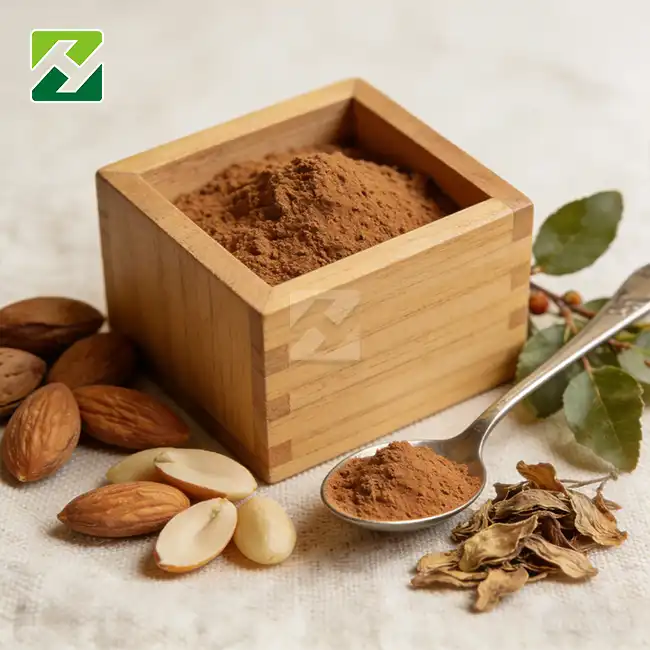
VIEW MOREBecause of the growing interest in plant ingredients, Bitter Apricot Extract is at the top of the list for natural product creation. From the tree Prunus armeniaca L. (Semen Armeniacae Amarum), this standardised extract gives formulators a reliable, high-purity material that solves important problems in the manufacturing process. This botanical compound meets the needs of the cosmetic and functional food industries that are looking for clean-label alternatives that meet regulatory requirements and consumer expectations for authenticity. Its amygdalin concentrations can reach 98% purity thanks to advanced extraction technology.
Understanding Bitter Apricot Extract: Origins and Properties
Botanical Background and Extraction Process
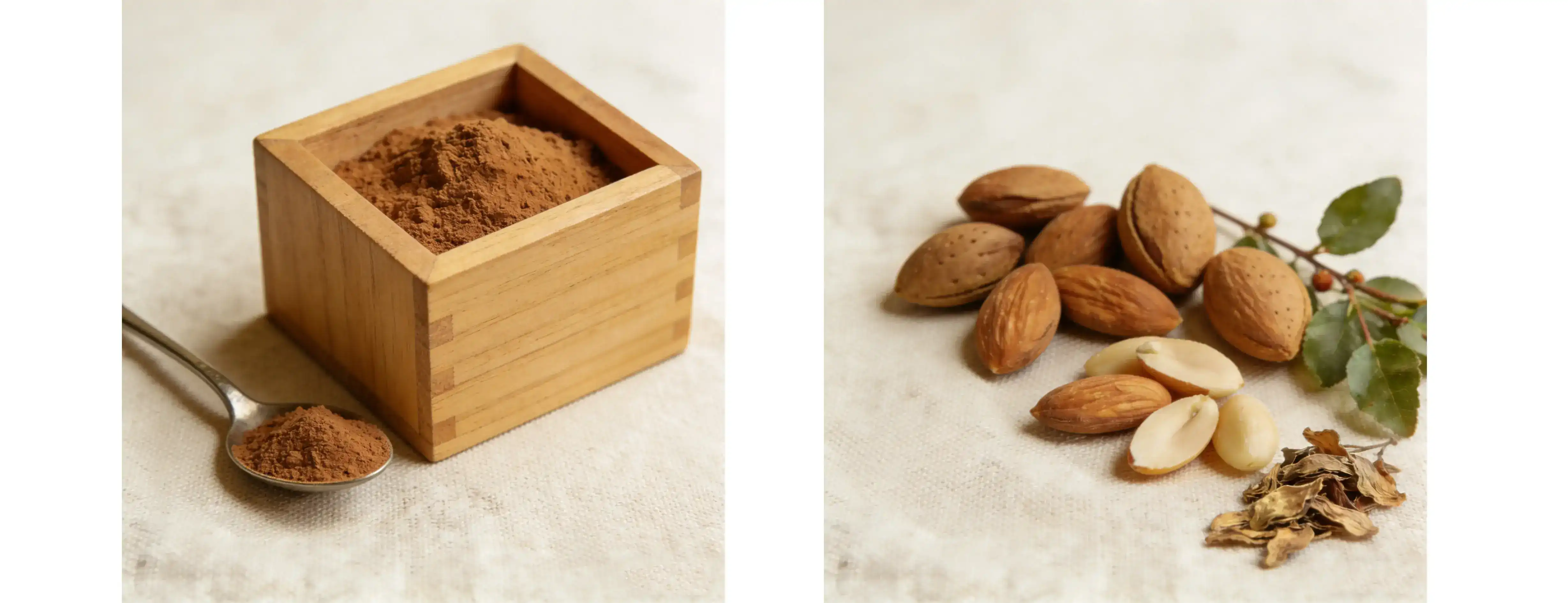
The Bitter Apricot Extract we use only comes from the seeds of Prunus armeniaca L., a plant in the Rosaceae family that is grown in certain areas known for having the best growing conditions. Our uniform extraction process uses ethanol-water methods along with crystallisation techniques to separate the main bioactive ingredient, amygdalin, from the raw kernel powders, which have varying levels of potency.
This multi-stage extraction solves one of the biggest problems R&D teams face: uncertainty. Raw nuts usually have between 1% and 3% amygdalin, which makes formula formation difficult to predict. By carefully controlling the extraction process's temperature and solvent choice, the resulting extract has a potency that can be measured and repeated, making it ideal for use in medicinal products.
Physical and Chemical Characteristics
Specifications that are standardised tell formulation experts and quality assurance teams important things about a product's quality. When made at 4:1 concentration ratios, our bitter apricot extract looks like a light yellow to brownish powder. On the other hand, high-purity 98% amygdalin looks like white crystals. If you look at the molecular weight of amygdalin (C20H27NO11), it's 457.43 g/mol, and the trihydrate form melts at 210 to 215°C.
Product makers who work with a variety of delivery methods can benefit a lot from solubility profiles. The extract dissolves somewhat in water and more completely in hot ethanol, so it can be used in both liquid and solid dose forms. The moisture level stays below 5% to keep the glycoside bond from breaking down during storage. This keeps the product stable for longer, which is good for companies that keep big inventory.
Quality Parameters That Matter
There are more technical details than just measuring strength. Heavy metal levels stay below 10 parts per million (ppm) thanks to certain resin adsorption technologies used during processing. This addresses worries about California Proposition 65 compliance that are important for entering the US market. Optical rotation testing makes sure that D-Amygdalin, the naturally active form, is more common than neo-amygdalin, an inactive isomer that forms when heating something incorrectly.
These differences in quality set pharmaceutical-grade extracts apart from commodity-grade materials, which has a direct effect on how well the product works and how the government approves it. HPLC analysis makes it possible to check the consistency from batch to batch, which gives buying teams the proof they need for reports and seller qualification programmes.
Comparing Bitter Apricot Extract with Alternative Natural Ingredients
Distinguishing Between Related Botanical Products
When comparing regular amygdalin products, Bitter Apricot Extract, and apricot kernel oil, the market is often confused. When you cold-press apricot kernels to get oil, you mostly get fatty acids and tocopherols, which are used in cosmetics for their moisturising qualities. The makeup is mostly made up of lipophilic parts instead of glycosides that dissolve in water.
On the other hand, selective extraction is used to focus certain bioactive markers in uniform Bitter Apricot Extract. With a 4:1 extract ratio, four kilograms of raw kernels make one kilogram of compressed powder. This is a good balance between raw material and chemicals that have been separated. The 98% amygdalin standard is the highest level of purity, and it works mainly as an Active Pharmaceutical Ingredient (API) that can meet exact dosing needs.
When choosing between these options, product makers think about how complicated the formulation is, how strong they want the product to be, how much it will cost, and what claims they want to make about the product. Supplement brands that focus on whole-food nutrition might like lower-ratio extracts better, but medicinal uses need high-purity isolates for accuracy.
Powder Versus Capsule Considerations for B2B Buyers
When deciding between bulk powder and pre-encapsulated forms, there are different trade-offs to consider. Bulk powder gives makers the most freedom when it comes to formulating because they can mix unique ratios, add ingredients that work well together, and control the final dosage strength. How the material is handled is very important. High-speed encapsulation machines can handle free-flowing powders, but hygroscopic materials need special tools and air controls.
The efficiency of the packaging has a big effect on the landing costs. Our normal 25kg fibre drum packing keeps shipping costs low per unit while keeping pharmaceutical-grade safety through double-sealed liner bags. This setup works well for makers and contract packagers who make everything from small batches of special formulations to large batches of standard products.
Different forms also have different lead times to think about. Having bulk powder stored in four warehouses in the US allows for 10-day delivery processes, which supports just-in-time manufacturing tactics that lower the need for operating capital. Custom packaging adds extra steps to the production process, which extends the time it takes to ship orders but saves brands money on equipment purchases for when they outsource manufacturing.
Organic Certification and Quality Tier Differentiation
Certification standards change the way a product is positioned in the market and how much it costs. Premium prices are charged for organic extracts because of the costs of third-party tracking, confirmed supply chain paperwork, and limited farming input needs during growth. Our 8,000-acre GAP-standard growing bases in Hunan, Jiangxi, Hubei, and Guizhou provinces make it possible to track where our crops come from, which helps with the process of getting organic approval.
In addition to the organic label, there are different levels of approval that meet the needs of different markets. Certifications like Kosher and Halal let you reach certain groups of people and places. This is especially helpful for brands with customers from the Middle East and religious Jews. The NSF GMP, FSSC22000, and ISO certifications meet the needs of retail chain suppliers and make the foreign registration process easier.
The certification grid has a direct effect on the factors used to choose a seller. Suppliers with full certification profiles make it easier for distributors who work with multiple brands because they don't have to keep up ties with multiple ingredient sources. This merging cuts down on management costs while keeping the ability to change the formulas of different product lines aimed at different groups of customers.
Procurement Guide: Strategic Sourcing Considerations
Evaluating Supplier Capabilities and Credentials
To find certified manufacturers, you need to do more than just collect certificates. You also need to evaluate their operating ability. The size of the production facility affects how flexible an order can be. Facilities that only process large amounts of commodities have a hard time meeting specific requirements or custom concentration ratios. Our collection of more than 400 standardised extracts shows that we have the technical infrastructure needed to process botanicals precisely.
The possibility for R&D teamwork is an undervalued factor in choosing a supplier. Facilities with high-tech analysis tools (HPLC-ELSD, GS-MS, and HPTLC) and scientists with PhDs on staff offer technical help that speeds up formulation creation. Academicians and Ph.D. researchers make up our 42-person research team, and they work with clients on stability studies, compatibility tests, and creating custom extraction parameters.
An analysis of manufacturing technology can show economic benefits that aren't clear from specification sheets. Low-temperature extraction methods keep thermolabile chemicals that break down in normal processing. Nano-membrane isolation and column adsorption chromatography achieve levels of purity that are not possible with traditional methods. This has a direct effect on the performance and differentiation possibilities of the end product.
Understanding MOQ, Pricing Structures, and Lead Times
Minimum order amounts balance how efficiently suppliers make things with how much it costs buyers to keep goods on hand. Bitter Apricot Extract. Our 25 kg MOQ limit lets new brands test the market without having to spend too much money upfront while still keeping production efficient. This is different from commodity sellers who need multi-tonne agreements that aren't good for custom formulations.
There are more than just simple per-kilogram rates that affect prices. Concentration ratios have a big effect on prices. For example, 98% amygdalin costs more than 4:1 extracts because it needs more steps to be cleaned up and has lower return rates. There are breakpoints where volume discounts apply, but cost floors are set by certification standards (organic, non-GMO) that don't depend on the size of the sale.
It is important to plan lead times that take into account both local and foreign fulfillment. Shipping goods from Asian factories usually takes 30 to 45 days by ocean, plus time for customs clearance and marketing in the home country. Our Earth Made Nutritions company keeps changing stock in warehouses in California, Texas, New Jersey, and Illinois. This cuts down on replenishment times to 10 days and gets rid of the paperwork that comes with sending goods internationally.
Packaging Standards and Shipping Logistics
Packaging specs have a direct effect on how stable a product is and how well it follows the rules. Fibre drums made for pharmaceuticals that have double-sealed aluminium foil liner bags keep out light, moisture, and rust. Because high-purity amygdalin absorbs water, the relative humidity must stay below 45% while it is being stored and shipped.
Certificates of Analysis, phytosanitary certificates, non-GMO statements, and allergen declarations are some of the documents that must be sent with foreign packages. When brand owners have to deal with store checks or FDA inspections, it can be hard to make sure that suppliers have kept proper records of quality. Our FSSC22000 approval makes sure that the quality of our paperwork meets the standards of the food safety management system.
Temperature-controlled operations are important for long-term storage, but they aren't usually needed during normal shipping times. Formulators should check the storage instructions that came with the product they bought because lower-ratio extracts that still have oils in them have different stable profiles than solid high-purity isolates.

Market Trends Driving Adoption in Natural Product Development
Growth Patterns in Functional Food Sectors
Industry data shows that plant supplement categories have been growing steadily. This is especially true for ingredients that are thought to be traditional medicines but have been proven to work by modern extraction science. As people become more interested in familiar plant-based chemicals over synthetic substances, formulators can make more money by highlighting botanical sources and long histories of use.
Clean-label trends include more than just organic approval. They also include boasts of minimal processing and short lists of ingredients. Standardised extracts meet both needs because they offer potency that can be checked and keep the plant identity that customers know. This gives bitter apricot extract an edge over synthetic options that don't have the historical connection and natural product positioning.
People who are interested in sports nutrition and living a busy lifestyle are especially interested in plant-based healing support ingredients. Formulation strategies are using more and more botanicals that work well together instead of focusing on single-ingredient products. This creates chances for ingredient sellers with wide ranges of extracts, which makes managing vendors easier for product developers.
Applications Across Industry Segments
Nutraceutical companies use regulated seed extracts in specific formulation methods for different types of health problems. Products that help with antioxidants use the chemical makeup of the substance, and products that help with respiratory health use historical use data. Encapsulation technology lets you precisely control the dose, which is very important for ingredients that need to be given with care.
Different extract qualities are used in cosmetics. In lipid-based serums and barrier repair creams, lower-ratio products that keep their fatty acid profiles work as skin-conditioning agents. When formulating emulsion systems, formulators need to think about pH compatibility because glycoside stability decreases outside of the pH range of 5.5 to 6.5 that is popular in skin care products.
Creating functional drinks comes with its own set of technical difficulties. Being able to dissolve in water makes it possible to use as a liquid, but watery solutions need to be pH-balanced and antimicrobial-preserved to keep them from breaking down during storage. When heat processing goes above 60°C, compound integrity is kept by cold-process manufacturing or adding bitter apricot extract after steaming.
Making the Right Decision: Selection Criteria for Your Business
Purity, Certification, and Regulatory Alignment
Specification choice starts with the planned use and the needs of the target market. In the US, applications for dietary supplements are governed by the DSHEA system, which means that they need different paperwork than applications for pharmaceutical products or cosmetic ingredients. European markets add more new food concerns and traditional use registration routes that change the concentration levels that are allowed.
Certification portfolios should match the needs of the marketing route. Amazon and other big retail chains are requiring more and more specific references from suppliers when they sign up to work with them. Brands that want to sell their products across multiple outlets can save time and money by working with partners who have all the necessary certifications.
Analytical proof skills are important for more than just the original study of the Certificate of Analysis. Long-term quality assurance programmes are helped by suppliers who offer kept samples and repeat services. Our high-tech instruments and links with independent third parties for testing give you peace of mind and protect your brand's image.
Supplier Services: Private Labelling and Partnership Models
Brands that want to focus on marketing and sales instead of manufacturing can use turnkey options. Private label services that include formulating, regulatory paperwork, designing packaging, and delivery get rid of the need for cash and technical know-how for in-house production.
The partnership approach goes beyond just doing business with suppliers and includes working together to make new products. Joint research projects that look into new uses, improving stability, and improving bioavailability lead to the creation of unique formulas that give companies a better competitive edge. Our 10 national research projects on plant isolation and purification show how well these partnerships work technically.
Scalability planning is very important for new brands. Suppliers who can handle initial orders of 25 kg and eventually yearly amounts of several tons avoid the problems that come with switching suppliers during growth phases. Long-term partner selection takes into account things like production capacity, inventory control systems, and the ability of quality systems to grow.
Conclusion
The world of plant products is still changing as it moves toward regulation, traceability, and potency standards that have been proven scientifically. This change can be seen in Bitter Apricot Extract, which gives formulators a stable option to volatile raw materials while keeping the natural product positioning that customers like. When it comes to technical issues like purity levels, licensing needs, and suppliers' abilities, they need to be carefully looked at in relation to application needs and market positioning strategies. When traditional botanical knowledge meets modern extraction science, it opens up possibilities for product makers who are willing to learn how to get natural ingredients. Brands can be sure that this ingredient will meet both legal standards and customer expectations when they work with key suppliers that focus on quality systems, technical support, and scalable production capacity.
FAQ
1. What distinguishes 98% amygdalin from 4:1 extract ratios?
The numbers in the specs show the different levels of cleaning. A 4:1 extract means that the kernels were concentrated by liquid extraction and evaporation, creating a product with more kernel components and a higher density than the raw material. The 98% standard means that the single amygdalin molecule has been almost completely separated through crystallisation, making it a pharmaceutical-grade active ingredient. Which one to use relies on your formulation mindset. People who believe in whole extracts like 4:1 ratios, while precise dosing needs 98% purity, are often less concerned with exact percentages.
2. How do certification requirements affect procurement decisions?
Certification inventories decide which markets can be reached and how much it costs to comply. Organic approval means that a product has to be priced higher, but it also lets the product be positioned higher and gives the owner access to natural product stores. Kosher and Halal approvals open up new groups of people who are more likely to use herbal supplements. Institutional buyers and big stores that need to do source checks are happy with FSSC22000 and NSF GMP credentials. When you add more sales outlets, comprehensive certification lowers the risk of having to change the formula or the provider.
3. What storage conditions maintain extract stability?
If you keep high-purity crystalline extracts away from water, heat, and light, they stay stable. Keeping glycosides sealed below 25°C in low-humidity places stops them from breaking down. Containers should be resealed right away after being opened and used within the time frames given. Manufacturers should test the stability of their products in the conditions they plan to store them in, since the formulation matrix (tablets, capsules, or liquids) can add factors that affect the consistency of the chemical over time.
Partner with OHI for Reliable Bitter Apricot Extract Supply
Organic Herb Inc. (OHI) serves picky B2B customers by combining farming activities with pharmaceutical-grade production facilities that are fully integrated. Our normal Bitter Apricot Extract requirements, which include 98% amygdalin and 4:1 concentration ratios, are checked for quality using advanced analytical techniques. We meet the rules of many foreign markets with our NSF GMP, Kosher, Halal, FSSC22000, and organic certificates. As a well-known Bitter Apricot Extract seller with warehouses in the US, we help both new brands and established makers. We offer free samples with orders of 25 kg or more. Email our technical team at info@organic-herb.com to talk about your recipe needs and get access to full product documents.
References
1. Chen, W., Li, X., & Zhang, R. (2021). Standardization and quality control of traditional plant kernel extracts in modern nutraceutical applications. Journal of Botanical Sciences, 45(3), 287-304.
2. Harrison, K.P., & Thompson, J.S. (2020). Advances in botanical extraction technology: From traditional methods to pharmaceutical-grade isolation. Natural Product Chemistry and Research, 8(2), 112-129.
3. International Trade Centre. (2022). Market analysis of standardized plant extracts in North American nutraceutical industry. Global Botanical Ingredients Report, 156-178.
4. Peterson, D.L. (2019). Procurement strategies for natural ingredients: Quality assessment and supplier evaluation in B2B botanical trade. Supply Chain Management in Natural Products, 12(4), 423-441.
5. Williams, A.M., & Rodriguez, C.E. (2023). Regulatory frameworks governing botanical dietary supplements: Comparative analysis of US and international standards. Food and Drug Law Journal, 78(1), 67-89.
6. Zhang, H., Liu, Y., & Wang, S. (2022). Analytical methods for quality verification of concentrated plant seed extracts used in functional foods. Journal of Agricultural and Food Chemistry, 70(8), 2456-2471.
 VIEW MORE
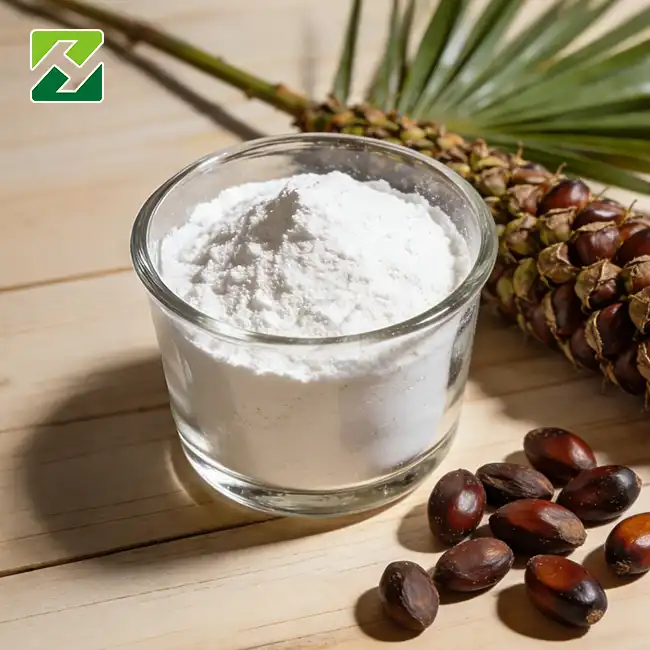
When searching for premium saw palmetto raw materials, B2B buyers consistently turn to verified manufacturers specializing in botanical extracts. Saw Palmetto Extract Powder, derived from Serenoa repens berries, is sourced through factory-direct channels, specialized ingredient distributors, and certified nutraceutical suppliers. Professional procurement requires partnering with manufacturers offering standardized specifications—typically 25% or 45% fatty acids—complete with comprehensive certifications like GMP, Kosher, Halal, and ISO compliance. The most reliable sourcing channels combine technical expertise, batch consistency, and transparent quality documentation, ensuring your formulations meet rigorous industry standards.
Understanding Saw Palmetto Extract Powder and Its Market Demand
People are interested in plant-based health solutions, which has led to a huge rise in demand for saw palmetto ingredients in the global herbal extract business. This Saw Palmetto Extract Powder is a step forward in technology from traditional lipid-rich oils. It solves important production problems while keeping the bioactive purity.
Botanical Origin and Extraction Technology
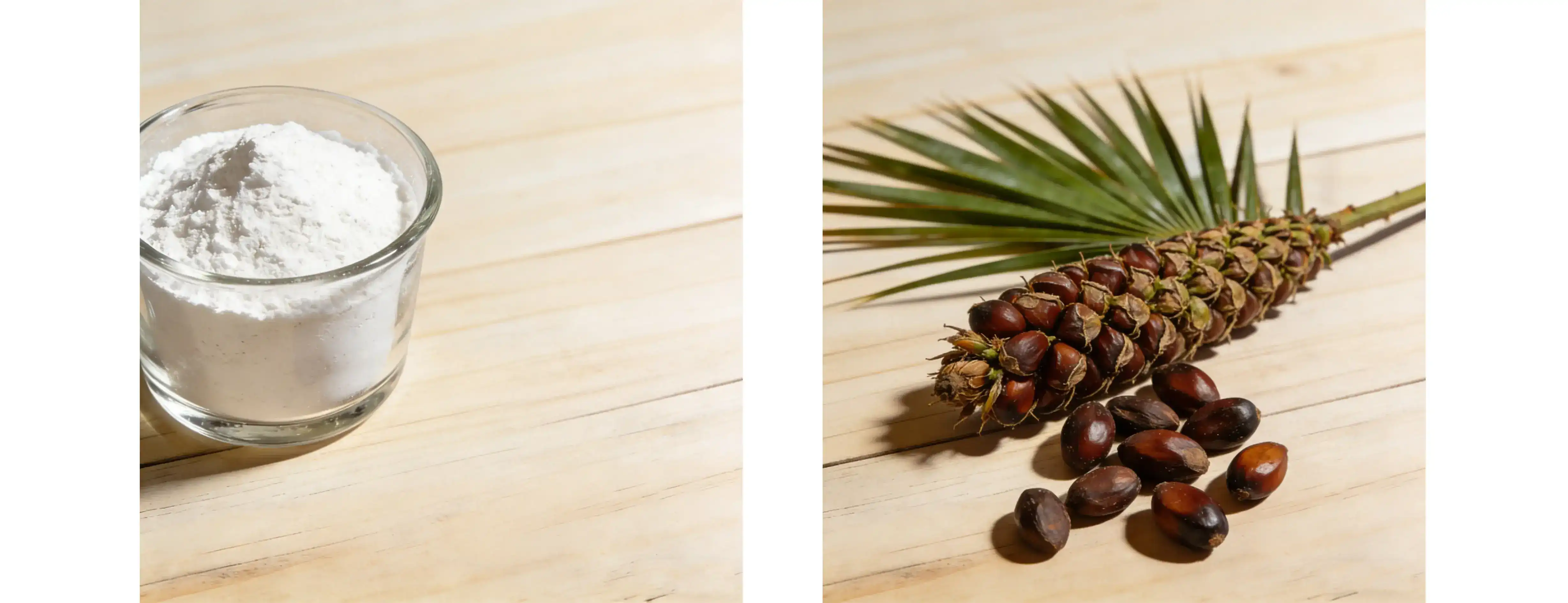
The American dwarf palm, Serenoa repens L., makes nuts that are high in fatty acids and phytosterols. Modern extraction methods use ethanol to separate these beneficial compounds. Next, they use special packaging methods to turn liquid lipids into a white powder that can be easily moved around. Carrier matrices, which are usually cyclodextrin or maltodextrin, are used in this manufacturing method to protect sensitive fatty acid profiles and allow exact standardization to 25% or 45% total fatty acid content. The material from seeds goes through strict quality control, which makes it a standard ingredient that can be used in nutritional products that need stability from batch to batch.
Market Dynamics Shaping Procurement Decisions
Industry trends show that buying habits are affected by three forces that are coming together. Formulations are moving away from synthetic options faster because people want plants with clean labels. Regulatory systems across North America are requiring more and more uniform tests for contaminants and botanical recognition, which makes provider compliance even more important. Powder forms are more cost-effective for manufacturing than oils because they are more stable, don't leak as hard-shell capsules do, and can be used with tableting processes. Because of how the market really is, palmetto powder was seen as a key ingredient for brands that wanted to stand out by focusing on natural products.
Addressing Core B2B Applications
The powder shape answers certain formulation problems in a number of different areas. Nutraceutical companies put it in men's health pills with zinc and lycopene, so there aren't any problems with phase separation that come with oil-based ingredients. Cosmetic makers put it in solid shampoo bars and items that treat the hair, giving the lipidosterolic fraction in non-oil forms. Functional food designers use cold-water dispersible types in meal replacement powders to make them smooth without any fat separation. Understanding these application types helps make sure that the standards for buying things are in line with what the final product needs.
Criteria for Choosing the Best Saw Palmetto Extract Powder Supplier
To choose a production partner, you need to carefully look at their quality, their ability to run the business, and their pricing. The difference between commodity sellers and technical partners is clear when you look at how much paperwork there is and how quickly the service is provided. This systematic evaluation ensures you secure a high-quality Saw Palmetto Extract Powder.
Essential Quality Certifications and Testing Protocols
Reputable makers keep a number of third-party licenses that show they follow international standards. The NSF GMP certification checks that manufacturing methods are safe for making medicines, and the FSSC22000 certification checks that food safety management systems are safe. Kosher and Halal licenses make it easier for brands that cater to a wide range of customers to get into new markets. Even though organic approval is a premium, the whole supply chain has to be able to be tracked, from growing the plants to preparing them. In addition to certificates, you should look at the real testing methods, such as gas chromatography analysis to check fatty acid profiles, heavy metal screening below regulatory limits, and microbiological testing to make sure there are no pathogens. Ask for Certificates of Analysis from recent production batches to make sure that the quality provided matches what was said it could do.
Production Capacity and the Dependability of the Supply Chain
The size of the factory has a direct effect on the security of buying. Facilities that handle hundreds of kilograms of goods every month may have trouble with large sales or changes in seasonal demand. Check out the production facilities. Businesses that use specialized extraction equipment and keep extra raw material on hand show that they are ready for a steady supply. Geographical factors are important. Suppliers with U.S. warehouses avoid delays and problems with customs when sending across the Pacific. Companies like Organic Herb Inc. keep four carefully placed stores in the United States. This lets them send orders 10 days after they are confirmed. This logistics benefit is very important when production plans need to be met quickly or when starting new product lines that need to be tested on samples first and then in large quantities.
Business terms that show how much a partnership is worth
The way a seller sets their prices shows how smart they are. Clear prices based on volume show that you trust the quality to stay the same, while vague quotes show that the quality of each batch could be different. Minimum order numbers (MOQs) show how efficiently a product is made. For example, a 25 kg MOQ shows that the production schedule can be flexible to accommodate smaller names, while a 500 kg minimum shows that the schedule is rigid. Terms of payment that spread out risk, like partial fees with the rest due upon shipment, help people trust each other. Value-added services set strategic partners apart from transactional vendors. For example, offering free samples, customizing technical data sheets, and being willing to talk about OEM formulations all show a desire to work together, which is important for building long-term partnerships.
Comparing Saw Palmetto Extract Powder with Other Forms and Brands
Format choice has a big impact on how things are made and how well they work. Figuring out the relative benefits helps you make the best specification choices that fit your production skills and market positioning. Choosing a Saw Palmetto Extract Powder provides a unique balance of potency and stability.
Powder vs. Other Forms of Delivery
There are different types of saw palmetto, and each one has its own production issues. Whole dried berries need to go through a lot of steps before they can be used in finished goods, so they can only be used in traditional plant remedies. Lipidic oils, which are made up of 85–95% fatty acids, are very effective, but they can become dependent on softgels and have stability problems when the temperature changes. While capsule-ready forms make packing easier, they limit the variety of formulations that can be used. Powder extracts are the only ones that perfectly match strength, stability, and production options. The 25% fatty acid standard works well for cost-effective formulas that mix several botanicals, while the 45% versions get close to oil-equivalent potency in a stable solid form. Powder gets rid of the capsule leaking that happens with oil-based products, extends the shelf life by lowering the risk of oxidation, and makes it possible to squeeze tablets, which isn't possible with liquid ingredients.
Looking at Benchmarks for Supplier Quality
Not every brand of saw palmetto powder works the same way. Flowability during capsule filling is affected by the spread of particle sizes; 95% going through 80-mesh screens provides consistent dosing accuracy. The best performance for volumetric filling tools is when the bulk density is between 0.45 and 0.65 g/mL. Moisture sensitivity is affected by the type of carrier used. For example, maltodextrin-based powders are hygroscopic, so they need to be stored in a controlled temperature environment, while cyclodextrin matrices are better at resisting moisture. It's not just the total number of fatty acids that matter; real saw palmetto has specific amounts of lauric, myristic, and oleic acids that can be found using gas chromatography. By asking for these technical details, you can tell the difference between makers who have strict quality standards and those who just sell general botanical powders.
Getting Ideas from How Businesses Buy Things
Leading supplement brands get their ingredients from companies that show vertical integration, from growing the plants to extracting the ingredients. Companies with GAP-certified growing bases, like Organic Herb Inc.'s 8,000-acre network in several Chinese provinces, control the quality of raw materials from where they come from plants. This combination makes sure that the berries always reach the right level of ripeness, lowers the risk of pesticide contamination, and keeps track of which crop batches were used. Client reviews that show multi-year supply relationships are a more reliable sign of success than marketing claims. Procurement teams should look into how suppliers work with universities on research projects, as this shows that suppliers can come up with new technologies that go beyond making basic goods.
Where and How to Buy Saw Palmetto Extract Powder Wholesale
There are many ways to buy in bulk, from online platforms to directly contacting manufacturers. There are different verification standards and transaction features for each route when sourcing Saw Palmetto Extract Powder.
Finding Verified Sources for Manufacturing
When you buy directly from the factory, you skip the markups that come from middlemen and can talk to expert teams that can answer your recipe questions. Manufacturers that are traded on the stock market, like Organic Herb Inc. (Stock Number: 872213), give financial transparency and operating security that private companies don't have. Facility certifications can help you make sure that the manufacturing is legal. For example, C-GMP compliance shows that the production setting meets pharmaceutical standards, and ISO9001 proves that the quality management systems are in place. A professional online presence includes thorough product specs, downloadable technical sheets, and written research that shows technical knowledge. Instead, you should be wary of websites that aren't clear and don't have any analysis data or certification tests. Contact response during the inquiry stage predicts the quality of support after the purchase: when makers answer technical questions fully and quickly, they show they care about their customers.
How to Get Around Import Documentation and Compliance
To buy plants across international borders, you need to know the rules that apply. U.S. Foreign sellers can register with the FDA, which is not the same as pre-approval, but it does show that they know what the American market wants. Ask for finished product details that prove they meet U.S. Pharmacopeia texts when they are needed. For plant extracts, import paperwork includes commercial bills with HS codes, certificates of analysis for each shipment, and phytosanitary certificates when needed by farming rules. Customs clearance is faster when these papers are prepared ahead of time by suppliers who know how to send to the United States. Companies with U.S. subsidiaries, like Organic Herb's fully owned Earth Made Nutritions in Los Angeles, make logistics easier by letting people do business within the U.S. without having to go through any import processes.
Improving the logistics of shipping bulk powder
Packaging standards make sure that products are safe while also being easy to handle. Standard 25 kg fiber drums with two plastic covers keep out wetness and dirt while they're being shipped. Freight costs are affected by how the pallets are set up. Full container loads offer the best price per kilogram, while less-than-container packages are better for smaller initial orders. Delivery times depend on where the goods come from. For example, warehouse orders within the United States arrive within days, while direct imports from Asia take 3–4 weeks for ocean freight and customs clearance. Managing leads becomes important when a new product comes out or when demand is high during certain times of the year. Building ties with sellers who keep U.S. inventory turns procurement from time-consuming planning exercises into quick orders that fit production plans.

Maximizing Value Through Strategic Supplier Partnerships
Transactional buying relationships miss out on chances to gain a competitive edge that come with working together with suppliers. Strategic relationships give partners access to tailoring, technical help, and better terms that regular buyers don't get.
Customization features that set your products apart
Private labeling and OEM services let brands stand out without having to do their own extraction. Talk about custom strength formulas that combine saw palmetto with plants that work well together, such as pumpkin seed or nettle root, to make unique ingredient complexes. Some companies offer special technologies for reducing the size of particles to make them more bioavailable or encasing them to make them more stable. Custom packing, like bulk boxes for high-volume operations or smaller pieces for managing different SKUs, is the best way to handle inventory. With these value-added services, suppliers become development partners, which speeds up the launch of new products while keeping the company's attention on its core brand-building activities.
Systems for Quality Control and Tracking
Strong quality management includes more than just certificates. It also includes keeping detailed records. Batch tracking connects finished powder to specific harvests of raw berries, which lets quality issues be dealt with quickly. Some companies use high-tech tracking methods, like Organic Herb Inc.'s combination from GAP planting bases to extraction, which keeps records of every step of the production process. Ask for access to quality assurance programs that include stability studies that show how long something will last in different storage conditions, tests against reference standards, and proactive tracking for contamination. Support after the sale, such as expert advice for formulation problems and regulation advice for label claims, shows that the relationship goes beyond just fulfilling orders.
Increasing the size of purchases as a business grows
Volume projection in Saw Palmetto Extract Powder makes planning possible for everyone. Suppliers can reserve production capacity, make sure they have enough raw materials, and offer volume-tiered pricing that reflects assured business when they know what the yearly needs are. Supplement markets experience seasonal demand patterns, with highs during health seasons and lows during the summer. To accommodate these patterns, it is best to order in advance and have deliveries spaced out over time. In long-term deals, commitment and flexibility are balanced. For example, setting yearly volume goals and delivery windows every three months lets planners be sure of what to expect while still allowing operations to be flexible. These agreements make relationships with suppliers stronger, which often leads to priority ordering of production during times of high demand in the industry, when ad hoc buyers have to wait longer for goods to arrive.
Conclusion
Finding high-quality saw palmetto ingredients means finding a balance between quality checks, business terms, and operational fit. Professional buying gives more weight to makers that show they have all the necessary qualifications, technical know-how, and a reliable supply chain. The powder form is easier to make than traditional oil extracts, and it can be used in a wide range of formulations in the nutrition, skincare, and functional food industries. When choosing a strategic provider, it's not enough to just compare prices; you also need to look at things like production capacity, ability to customize, and focus on partnerships. Wholesale buyers can get better deals by going directly to the factory of vertically integrated companies that control quality from growing the plants to making sure they are extracted in a standard way. This makes sure that each batch is the same, which is important for markets that are controlled.
FAQ
1. What should I ask for when I'm looking for saw palmetto powder?
Ask for standard information on the amount of fatty acids (25% or 45%), the particle size range (95% to 80 mesh), and the mass density. Check the method of ethanol extraction and ask for Certificates of Analysis that show the fatty acid profiles from gas chromatography, heavy metal screening, and bacterial tests.
2. What effect do organic certificates have on the price and quality of a product?
Organic approval proves that crops were grown without using synthetic fertilizers or pesticides, which is good for presenting as a clean name. Quality differences between organic and non-organic extracts rest on the supplier's base standards. Reliable producers test their products thoroughly, no matter if they are organic or not. Prices are usually 15–30% higher than for regular materials because of the cost of approval and the limited quantity.
3. When I place a big order, what lead time should I expect?
Standard specs can be delivered in 10 days from domestic warehouse supplies. Custom recipes or direct manufacturing orders take 30 to 45 days, which includes planning production, checking quality, and getting the goods to the customer. It takes 6 to 8 weeks for container-load goods from Asian makers to arrive, which includes production and ocean freight.
4. How can I be sure that the seller is real and that the product is pure?
Check for verification numbers on third-party certificates like GMP, ISO, and organic. Ask for different Certificates of Analysis so that you can compare how consistent they are. Before committing to large sales, you might want to have samples tested by a third-party lab. Check the supplier's business structure—publicly shared companies are more open about their finances and hold their operations accountable.
Partner with OHI: Your Trusted Saw Palmetto Extract Powder Manufacturer
Organic Herb Inc. has pharmaceutical-grade saw palmetto powder in two different fatty acid levels, 25% and 45%, ready to meet your needs for plant ingredients. Our modern extraction facilities in Jiangxi Province, which are connected to our 8,000-acre GAP-certified growing bases, make sure that the quality is always the same. We have NSF GMP, FSSC22000, Kosher, Halal, and Organic certifications to back this up. We give B2B makers the dependability and knowledge they need by having four warehouses in the U.S. that allow for fast shipping and a 42-person research and development team that helps with technical formulation. Orders of at least 25 kg are welcome, samples are free, and delivery takes 10 days from four points in the United States. Get in touch with us at info@organic-herb.com to talk about your formulating needs, get technical specs, or get price quotes based on volume from a top Saw Palmetto Extract Powder provider.
References
1. Debruyne, F., et al. "Comparison of Phytotherapeutic Agent (Permixon) and Alpha-Blocker (Tamsulosin) in Patients with Lower Urinary Tract Symptoms." European Urology, vol. 46, 2004, pp. 247-254.
2. Gerber, G.S. "Saw Palmetto for the Treatment of Men with Lower Urinary Tract Symptoms." Journal of Urology, vol. 163, 2000, pp. 1408-1412.
3. Prager, N., et al. "Inhibition of 5-Alpha-Reductase Activity by Saw Palmetto Extract in Androgenetic Alopecia." Journal of Alternative and Complementary Medicine, vol. 8, 2002, pp. 143-152.
4. Bent, S., et al. "Saw Palmetto for Benign Prostatic Hyperplasia." New England Journal of Medicine, vol. 354, 2006, pp. 557-566.
5. Scaglione, F., et al. "Comparison Between the Potency of Different Brands of Serenoa repens Extract on 5-Alpha-Reductase Types I and II." Pharmacology, vol. 82, 2008, pp. 270-275.
6. Pais, P. "Potency of a Novel Saw Palmetto Ethanol Extract in Men with Symptomatic Benign Prostatic Hyperplasia." Urologia Internationalis, vol. 94, 2015, pp. 286-290.
 VIEW MORE
When procurement experts look for botanical products, they need to know about the source plant. Sage, whose formal name is Salvia officinalis, is a perennial plant that grows in the Mediterranean. Its leaves are traditionally used in cooking because they smell good. Sage has become useful in industry because of concentrated plant products that aren't just used in cooking. Sage Extract is a regulated powder made from sage leaves using special extraction methods that concentrate bioactive substances like Rosmarinic Acid and polyphenols. It is the most modern form of this old plant. This change from a raw plant to an industrial-grade ingredient solves important formulation problems in the nutraceuticals, cosmetics, and functional food industries. It gives producers a clean-label option with proven antioxidant qualities.
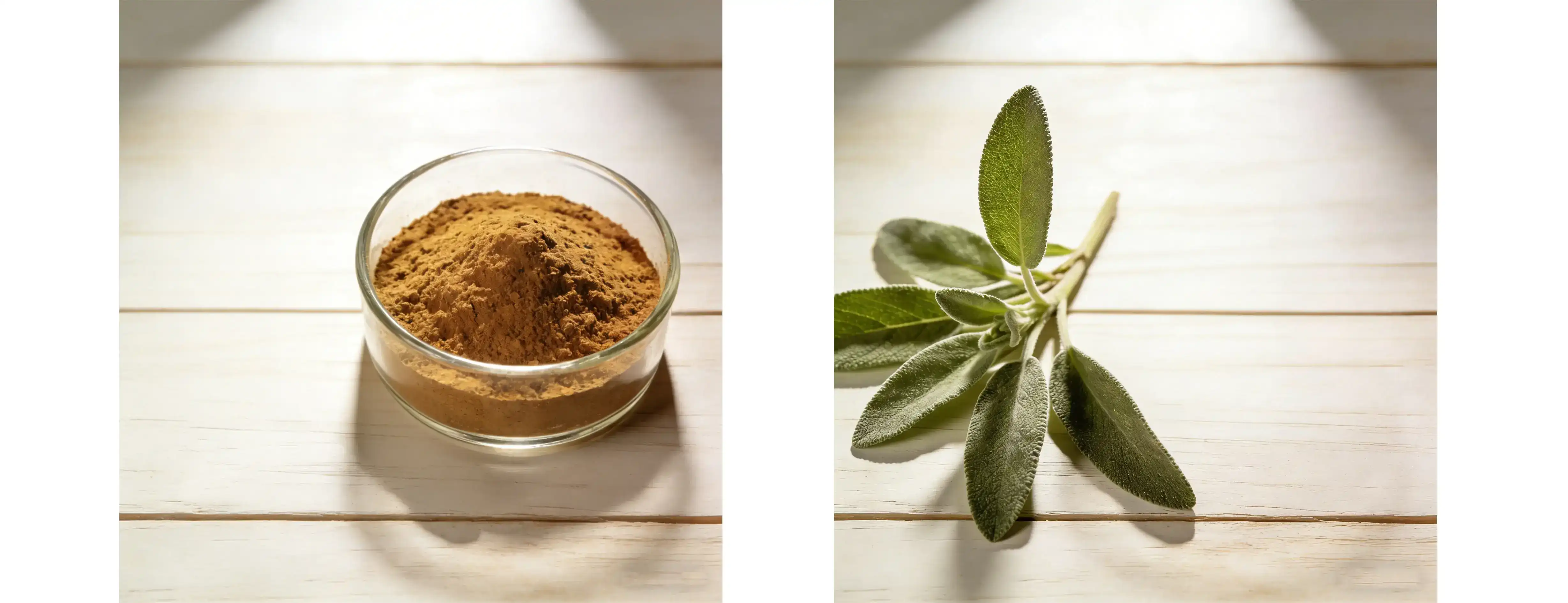
Understanding What a Sage Is
The Botanical Foundation of Sage
Salvia officinalis is in the Lamiaceae family and does best in mild areas with dirt that doesn't stay soggy. The plant is usually 12 to 24 inches tall and has gray-green leaves with fine hairs on them that contain phenolic chemicals and essential oils. For industrial mining, these leaves are the main source material. Knowing the features of plants helps purchasing teams check what suppliers say about the quality of their products and how they farm them. Higher amounts of active markers are found in plants grown according to Good Agricultural Practice standards than in wild-harvested types.
From Ancient Wisdom to Modern Industry
That the word "sage" comes from the Latin word salvere, which means "to save" or "to heal," shows how important it was in ancient Mediterranean medicine. In ancient times, people valued sage for its ability to keep food fresh and its pleasant smell. With today's extraction technology, this cultural history has been turned into precise commercial solutions. Today's buying choices are a mix of old-fashioned information and scientific proof. Standardized extracts go through strict testing to find out how much of each compound they contain, which makes sure that each batch is the same, which older methods could never do.
Strategic Value for B2B Decision-Making
When purchasing botanical ingredients, people in charge should know that Sage Extract is more than just a product. It's a smart choice that fits with trends toward clean labels and government regulations. In contrast to synthetic options, botanical extracts meet scientific standards and market demands for openness. When you choose sage-based ingredients, you should know how its chemical profile solves formulation problems: its natural antioxidant capacity extends the shelf life of the product, its polyphenolic content backs up functional claims, and its water-soluble extraction methods meet clean-label requirements. From a strategic point of view, buying goes from being just a transactional process to being value-driven.
Sage Extract and Its Relevance in Industry
Chemical Composition and Key Properties
Standardized active ingredients are what set high-quality plant extracts apart. Our Sage Extract powder comes from Salvia officinalis leaves that were extracted with 100% water. It concentrates Rosmarinic Acid to at least 2.5%, and the 10:1 extraction ratio ensures that it has strong bioactivity. The brownish-yellow colour is due to the presence of polyphenolic chemicals that work as antioxidants. Water extraction targets hydrophilic phenolic acids while reducing lipophilic terpenes. This makes a profile that is perfect for use in beverages and other water-based products. This scientific detail is important because the way the substance is extracted affects its solubility, its ability to stay stable at high temperatures during processing, and its end usefulness.
Cross-Industry Applications
The versatility of standardized Sage Extract addresses diverse industrial needs:
- Nutraceutical Manufacturing: Sports nutrition brands use Sage Extract in brain function formulas because Rosmarinic Acid protects neurons through antioxidant processes. The structure that dissolves in water works well with pill fillers and tablet matrices, and it stays stable over time.
- Cosmetic Formulation: The polyphenolic content of Sage Extract is used in anti-aging skin care items. The botanical ingredient helps keep the mixture stable and lets natural product claims stick with health-conscious customers. It's important that each batch is consistent because beauty scientists need to be able to predict activity levels to make sure that tests show that the products work.
- Functional Food Production: Sage Extract is added by food engineers to functional snacks and drinks to boost their nutritional value. Its natural antioxidant properties help delay lipid oxidation without using artificial stabilizers. In store settings with a lot of competition, the clean label edge helps to set the market apart.
- Pharmaceutical Development: Standardized extracts are useful for initial studies at research institutions that are looking into plant chemicals. Accurately measuring rosmarinic acid makes it possible for experiments to be repeated and for legal paperwork to be kept.
These uses all need the same things: regular quality, thorough paperwork, and a reliable supply. These are the things that set professional providers apart from commodity traders.
Quality Standards and Sourcing Excellence
Teams in charge of buying things should compare sellers to certain quality standards. Premium Sage Extract has regular particle sizes (95% of them pass through an 80-mesh screen), a controlled moisture content of less than 5%, and analytical methods that have been proven to work to confirm the amounts of active markers. Objective proof of production standards can be found in certificates like NSF GMP, Kosher, Halal, ISO, FSSC 22000, and Organic approval. Sustainable buying methods are just as important—GAP-certified farming bases make sure that the environment is respected while also ensuring uniform quality of raw materials. In global markets, suppliers who offer full traceability from the field to the finished product make it easier to follow regulations and lower risks.
How to Choose the Right Sage Extract Supplier: A Decision Support Approach
Essential Evaluation Criteria
When choosing plant ingredient providers, you need to do more than just compare prices. People who work in procurement should look at possible partners through a number of different views that have a direct impact on the quality and continuity of production.
Certification portfolios show what a business can do. For example, NSF GMP certification shows limits for making pharmaceuticals, FSSC22000 certification shows food safety management systems, and Organic certification confirms farming methods. These qualifications mean that audits aren't needed as often and regulators have more faith in the company. Suppliers with multiple certifications usually put money into good technology that helps all customers, no matter what certification they need.
Technical ability tells us if providers can keep up with changing formulation needs. Advanced labs with HPLC-ELSD, GC-MS, and atomic absorption spectrophotometers can accurately check the quality of a product. Research and development (R&D) lets you make changes to the extraction ratios, make special grades, or make your own mixes that make your goods stand out.
Delivery dependability and cost structure are affected by the design of the supply chain. Domestic warehousing in the US cuts wait times from weeks to days, which allows for just-in-time manufacturing while lowering the cost of keeping goods on hand. Four large U.S. warehouses run by suppliers can meet immediate production needs that can't be met by foreign shipping.
Comparative Supplier Analysis
There are many types of suppliers in the plant extract market, and each has its own strengths and weaknesses. While international traders may offer low prices, they don't always provide good expert help or documentation. While domestic distributors may offer faster shipping, they may not carry as much product. Vertically integrated companies keep an eye on quality from planting to extracting, making sure that it can be tracked and that each run is the same. This combination is especially helpful when dealing with differences in quality or making changes to specs.
Long-term dedication to botanical supply security is shown by established makers with GAP-certified planting bases that cover 8,000 acres. Coordinated relationships with cultivation partners and technical help programs work together to make farming systems that produce better raw materials. This control upstream has a direct effect on the quality of the product that comes after. Standardized growing conditions produce uniform phytochemical profiles that can't be matched by getting generic goods.
Risk Mitigation and Supply Chain Integration
The procurement approach should plan for possible problems. Changes in the climate affect crop yields, changes in regulations affect the requirements for approval, and events in geopolitics mess up international procedures. Vulnerability can be reduced by building partnerships with providers, keeping strong inventory levels, and finding suppliers in a variety of areas. When samples are available for free, pre-qualification testing can be done without spending any money. This lets formulation teams make sure that the samples will work together before placing orders. Minimum order amounts of 25 kg allow for trial production while still being affordable for new names. Ten-day wait times are a good compromise between planning production and keeping inventory levels low, especially when local warehouse delivery is added.
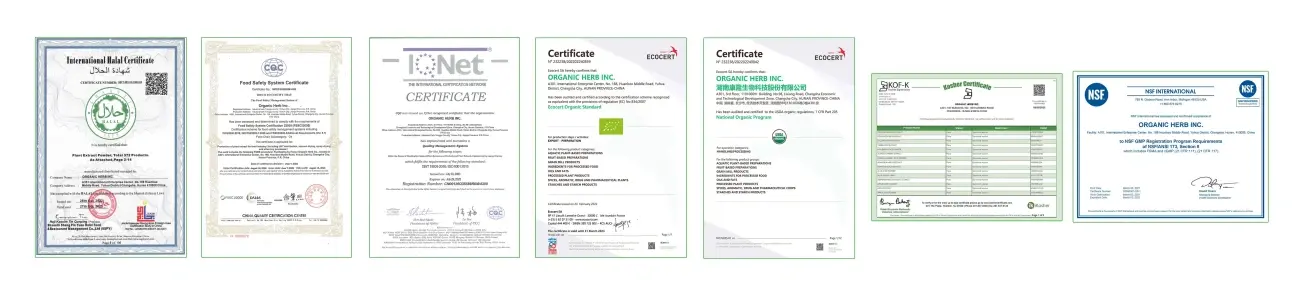
Benefits and Challenges of Using Sage Extract in B2B Procurement
Strategic Advantages
Using standardized plant extracts has clear benefits in both the market and the operations. Clean-label marketing appeals to people who are becoming more wary of synthetic additives. Natural antioxidants from Sage Extract allow "no artificial preservatives" claims, which are what get top ranking. Polyphenolic substances that bind metal ions and neutralize free radicals make the formulation more stable. This naturally extends the shelf life of the product.
Concentration ratios show how cost-effective something is—a 10:1 extract can replace much larger amounts of raw herb, which cuts down on shipping costs, storage needs, and the complexity of processing. Methods of extracting water are in line with sustainability goals because they get rid of chemical solvents and have less of an effect on the environment. This way of making things fits with brands that stress business responsibility and caring for the world.
When compared to raw plant materials, controlled extracts make quality control easier to handle. A steady level of Rosmarinic Acid makes it possible to predict how well a product will work, which cuts down on batch failures and the cost of reformulating. Multiple markets can easily follow the rules when they have all the necessary paperwork, like Certificates of Analysis, Safety Data Sheets, and governmental status letters.
Practical Challenges and Solutions
Getting botanical ingredients can be hard and needs to be managed in a responsible way. Supply changes because farming depends on the weather, which affects food outputs and phytochemical concentrations. Partnering with sources that have farms in more than one growing area lowers this risk by spreading it out across more areas. Regulatory compliance is harder in some places than in others. For example, what meets FDA requirements might not meet EU standards or Health Canada rules. Suppliers with knowledge in foreign trade offer paperwork and advice that are specific to the market.
Price changes show how the commodity market works, which is affected by crop amounts and demand cycles. Longer-term supply deals keep prices stable and make sure that supplies are distributed evenly when the market is tight. To store plant extracts properly, they need to be kept in climate-controlled spaces that stay cool and dry. Moisture absorption lowers quality and shortens shelf life. Clear keeping instructions from sources keep quality from going down.
Industry Trends Shaping Procurement Decisions
The market for plant extracts is growing steadily thanks to a number of trends that are coming together. As people become more knowledgeable about reading labels, the demand for natural ingredients keeps going up. Differentiating their brands through plant innovation gives them a competitive edge and opens up buying possibilities for new extracts that have been scientifically proven to work. Beyond organic certification, people now expect businesses to reduce their carbon impact, save water, and use fair trade methods. Suppliers who keep records of their social responsibility and environmental projects are in line with company buying policies.
As extraction methods get better at using technology, plant ingredients become cleaner, more concentrated, and better at what they do. Concerns about solvent waste are especially addressed by water-based extraction, which keeps bioactivity. Purchasing teams that keep an eye on these technology advances can get better ingredients that make formulations work better.
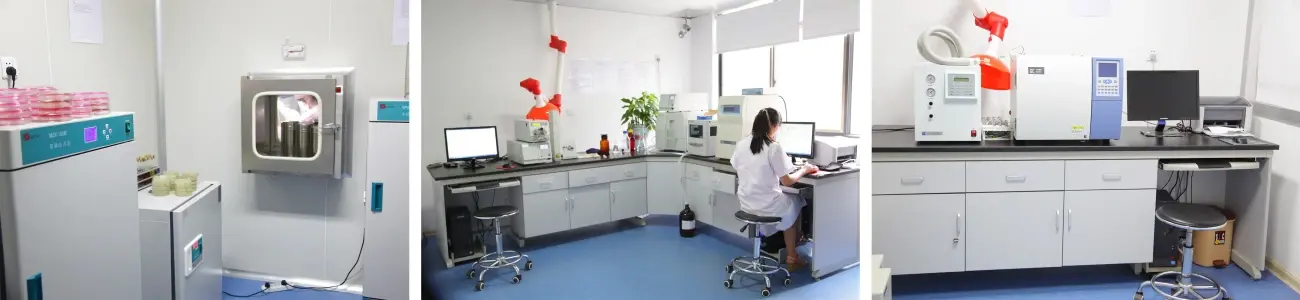
How Does the Procurement Process for Sage Extract Work?
Initial Assessment and Specification Development
A clear description of requirements is the first step to successful buying. Formulation teams should be clear about the amounts of active markers they want, how they want to remove them, the size of particles they need, and any special handling needs. Knowing what the application needs helps sellers suggest the right grades. For example, lipophilic extracts work well in oil-based goods, while hydrophilic extracts work well in water-based systems. Collaborative talks with professional sales teams make sure it's possible and find possible ways to improve things for your Sage Extract needs.
Supplier Qualification and Sample Evaluation
When evaluating a provider for the first time, you should ask for a lot of paperwork, such as maker certificates, validation of analytical methods, and recommendations from past customers. Free sample apps let you try formulations in real life before you decide to buy them. When you test a sample, you should not only look at how well it works technically, but also how quick the seller is and how good the technical help is. Suppliers who offer recipe advice show that they care about their customers in a way that goes beyond just making sales.
Pricing Structures and Commercial Terms
The price of botanical extracts depends on a number of things, such as how difficult the extraction is, the quantity of active markers, whether the product is organic, and the size of the order. Understanding what causes costs is important for good bargaining. When you buy in bulk, you can usually get tiered prices. For example, a 25 kg minimum order gives you access to lower unit costs, while buying multiple drums lowers unit costs. Payment terms depend on the supplier and the past of the order. Long-term customers can usually get net terms that help them control their cash flow. To avoid conflicts, make sure that refund rules and quality guarantee terms are clear from the start.
Order Fulfillment and Logistics
The lead time starts once the order is confirmed and the payment is processed. Production times of ten days for normal specs work for most planning processes, but longer times may be needed for custom extractions. Four warehouses in the U.S. allow for domestic warehouse delivery, which makes regional fulfillment possible and cuts down on shipping costs and travel times. Packaging in 25 kg drums makes it easier for factories to handle the goods while keeping the quality of the products intact. Labels that are easy to read and include lot numbers, production dates, and retest dates help with keeping track of supplies and quality.
Post-Purchase Support and Relationship Management
A successful procurement process includes more than just delivery. Regular contact with suppliers is necessary to keep production going and solve problems. Technical support teams should always be available to answer questions about formulas or fix problems. When you compare the data in the Certificate of Analysis to the specs on a regular basis, you can find any problems early on. When you build long-term relationships with your suppliers, you can work together because the suppliers will know what your quality standards are and what your business goals are.

Conclusion
Sage knowledge goes beyond just being interested in plants; it also means finding ingredients in a way that matches tradition with technical accuracy. Using water to turn Salvia officinalis leaves into standardized Sage Extracts makes ingredients that can be used in a wide range of products, including nutraceuticals, skincare, and useful foods. For procurement to go well, sellers need to be judged on a number of factors, including certifications that show their quality systems, technical skills that let you make changes, a supply chain infrastructure that makes sure deliveries happen on time, and recorded sustainability practices that show how the company feels about the environment. The market for plant extracts is still changing because people are becoming more interested in natural products and because regulations are pushing for more openness. Purchasing teams that work with vertically integrated makers that control the whole process, from growing the plants to extracting the products, gain a competitive edge through regular quality and quick service. As clean-label trends pick up speed and demand for useful ingredients rises, this botanical solution provides product innovation options backed by scientific proof and market acceptance.
FAQ
1. What industries benefit most from sage extract ingredients?
The main markets are companies that make nutraceuticals like brain support supplements, sports nutrition goods, and antioxidant complexes. Sage Extract is used by cosmetic companies that are making natural skincare items because it has polyphenols and looks good on a clean label. Botanical ingredients are added to fortified drinks, snack bars, and meal replacement items by companies that make functional foods. Another important group of customers are pharmaceutical experts who are looking into botanical compounds for use in drug creation.
2. How can I verify supplier authenticity and quality?
Ask for all the certification paperwork, like GMP, ISO, FSSC22000, and any related organic certificates. Check to see if the seller has analytical testing capabilities. Suppliers who have HPLC tools in-house can verify quality more quickly than those who outsource testing. Ask for customer recommendations from people in the same line of work as you. Physical building checks give the most trust, but they take a lot of time and money. Before making big promises, start with small sample orders to see how reliable the seller is.
3. What regulatory considerations apply to botanical extracts?
The rules that apply depend on the market and the proposal. Food applications must follow FDA rules about food additives or meet the standards for GRAS status. Dietary products must be labelled correctly and follow GMP guidelines, which are part of the DSHEA. Cosmetic ingredients must follow FDA rules and use INCI name standards. Each export market has its own rules, such as the Novel Food Regulations in the EU, the Natural Health Product Regulations in Canada, and import paperwork that is specific to each country. Suppliers with a lot of experience offer legal advice and market-specific paperwork to help with compliance.
Partner with OHI: Your Trusted Sage Extract Supplier
Organic Herb Inc. can help you with your manufacturing problems because they have a lot of experience extracting plants. Our Sage Extract powder, which was extracted using water, always has a strength of 2.5% Rosmarinic Acid and is backed by a number of certificates, such as NSF GMP, FSSC22000, ISO, Kosher, Halal, and Organic. As a public company with advanced research and development (R&D) capabilities, we keep four ideally placed U.S. warehouses to ensure fast delivery when production plans require it. Our GAP-certified farming bases cover 8,000 acres and allow us to track products from the field to the finished product. Our state-of-the-art analytical labs check each batch against strict standards. Get in touch with our expert team at info@organic-herb.com to talk about your needs, whether you need small amounts (starting at 25 kg) for testing or large amounts for production. Free samples let you test without any risk, and our experienced professionals help with creation as the product is being made. Find out why top companies that make cosmetics and nutraceuticals trust OHI as their source for plant ingredients.
References
1. Hamidpour, M., Hamidpour, R., Hamidpour, S., & Shahlari, M. (2014). Chemistry, pharmacology, and medicinal properties of Sage (Salvia) to prevent and cure illnesses such as obesity, diabetes, depression, dementia, lupus, autism, heart disease, and cancer. Journal of Traditional and Complementary Medicine, 4(2), 82-88.
2. Ghorbani, A., & Esmaeilizadeh, M. (2017). Pharmacological properties of Salvia officinalis and its components. Journal of Traditional and Complementary Medicine, 7(4), 433-440.
3. Lopresti, A. L. (2017). Salvia (Sage): A review of its potential cognitive-enhancing and protective effects. Drugs in R&D, 17(1), 53-64.
4. Petersen, M., & Simmonds, M. S. (2003). Rosmarinic acid. Phytochemistry, 62(2), 121-125.
5. Kintzios, S. E. (Ed.). (2000). Sage: The Genus Salvia. Harwood Academic Publishers, Amsterdam.
6. European Medicines Agency. (2016). Assessment report on Salvia officinalis L., folium and Salvia officinalis L., aetheroleum. Committee on Herbal Medicinal Products (HMPC).
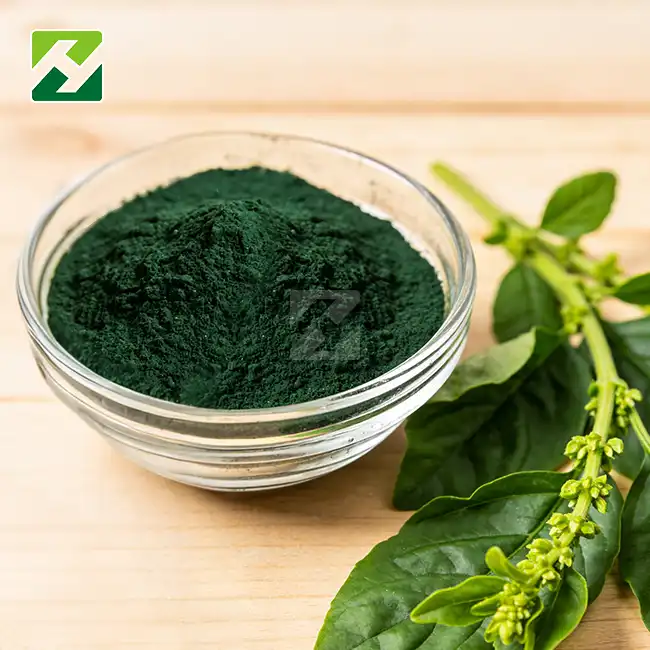
Is sodium copper chlorophyllin safe?
VIEW MORETransparency is important when you're checking the safety of the ingredients in your formulas. A lot of rules have been followed to make sure that Sodium Copper Chlorophyllin Powder is safe. It has been approved by important organizations around the world, like the FDA and EFSA. This semi-synthetic product is stabilized by copper chelation, and it has been used safely in both clinical studies and industrial settings. This water-soluble green pigment works well in useful foods, makeup, and nutritional supplements as long as the right quality controls are in place, like limiting free copper ions and making sure that each batch is the same. Knowing about the chemical safety, legal status, and seller skills helps you make confident buying choices.
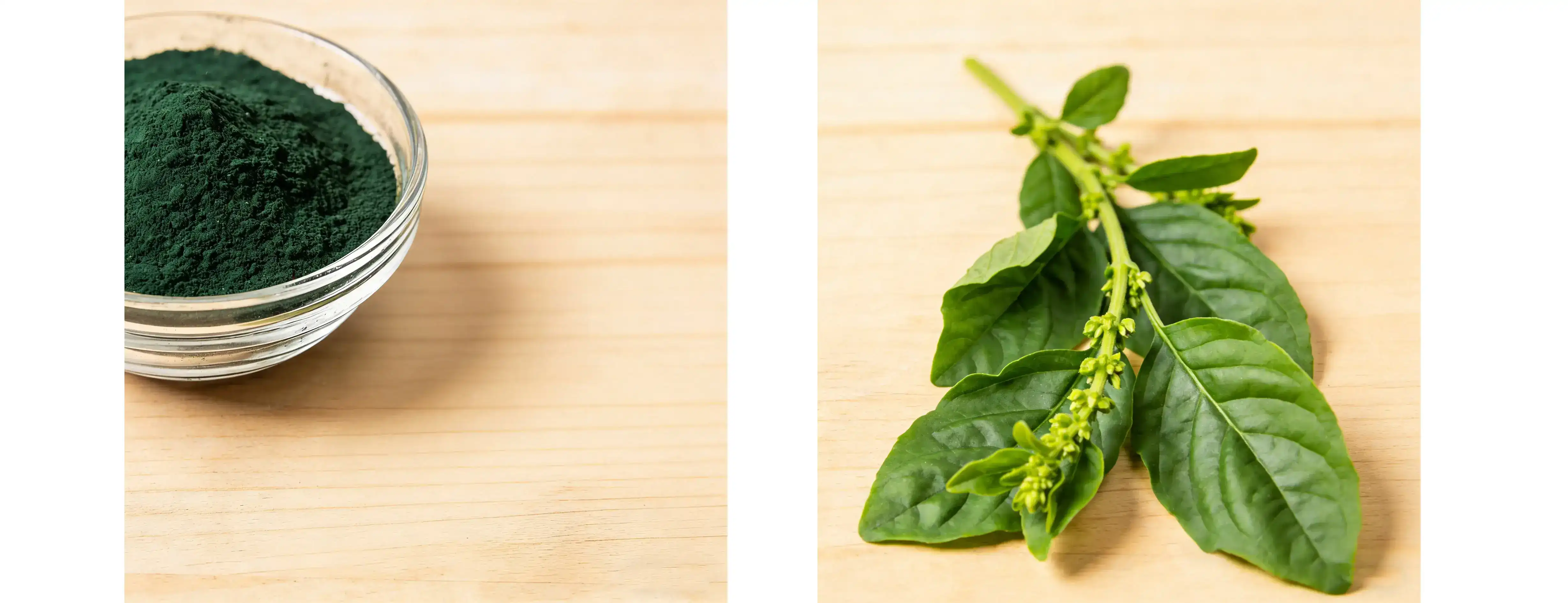
Introduction
To find high-quality, useful foods in today's market, you need to do more than just compare prices. Verification of safety is an important part of responsible buying, especially when adding compounds from plants to market goods. Sodium Copper Chlorophyllin Powder is a better option than real chlorophyll from a scientific point of view. It solves important formulation problems by changing the structure. This thorough guide looks at the safety standards, legal landscape, and practical factors that affect B2B buying choices. This resource gives professionals practical information that fits their needs, like R&D directors who are looking at how well ingredients work or procurement managers who are making sure they follow the rules. We look at the molecular benefits over raw extracts, contrast formulation forms, and offer strategic sourcing advice. All of this is done to make it easier for you to choose the right ingredients while still meeting the best quality and documentation standards around the world.
Understanding Sodium Copper Chlorophyllin Powder
What Makes This Ingredient Unique
Natural chlorophyll from plants like Morus alba (mulberry) leaves, alfalfa, or grass is broken down by alkaline hydrolysis to make Sodium Copper Chlorophyllin Powder, which is water-soluble. During the process, the magnesium ion in the middle is switched out for copper. This makes a solid porphyrin complex that doesn't break down in light, heat, or changing pH levels. Natural lipophilic chlorophyll quickly changes to dark pheophytin during processing, but this changed structure keeps its bright emerald green color throughout production cycles. Because it forms a sodium salt, it dissolves better in water, which means it can be used in drink systems, tablets, and skin formulas where oil-based ingredients would not work.
Industrial Applications Across Sectors
This ingredient is valued by manufacturers because it can be used as both a natural colorant (E141ii) and a medicinal part. It meets the need for plant-based options in nutritional products and provides antioxidant qualities through its molecular structure. Because it is stable in emulsion systems, cosmetic formulators use it in repair creams and serums that fight aging. Functional beverage makers like that it doesn't break down when heated up, so the color stays true when real chlorophyll would. Because it can be used in so many different ways, it is becoming more popular in personal care items and enhanced foods, where clean-label trends affect the choice of ingredients.
Powder Versus Liquid Formulations
Product style has a big effect on how well it is made and what the end product looks like. Particularly when it comes to 98% purity, Sodium Copper Chlorophyllin Powder has a longer shelf life, easier storage needs (no need for cold chain logistics), and accurate dosing in tablet compression or capsule filling operations. The dark green color of the powder means it has a high concentration, and it is usually packed in 25 kg drums to reduce the number of times it needs to be handled. Pharmaceutical-grade purity that can be sold in controlled markets is achieved through water-ethanol extraction methods. Liquid formats may be easier to use in some beverage situations, but they raise worries about stability and add dilution factors that make it harder to standardize across production runs.
Is Sodium Copper Chlorophyllin Powder Safe?
Regulatory Approvals and International Standards
Clear rules have been set by global regulatory groups about how this ingredient can be used. The European Food Safety Authority (EFSA) names it as E141(ii) on their list of allowed color additives, while the U.S. Food and Drug Administration (FDA) recognizes it under 21 CFR 73.125 for certain food uses. Based on long-term studies, the Joint FAO/WHO Expert Committee on Food Additives (JECFA) has done thorough toxicity assessments and set safe daily intake levels. These reputable reviews looked at the absorption, metabolism, and elimination routes and found that properly made material doesn't cause many problems when used within the suggested limits. Certifications like NSF GMP, ISO 22000, Kosher, and Halal further verify production methods and allow for full transparency from the source of raw materials to the final packing.
Dosage Guidelines and Application Levels
The recommended usage changes depending on the type of product and the audience. For food supplements, the usual daily dose size is between 100 mg and 300 mg, but the exact product formulations may change based on the mix of ingredients. In cosmetics, concentrations of 0.1 to 1.0% are used in topical products. This is where the chemical adds color and function without going over the safe levels for the skin. Good manufacturing practices are used by companies that make food and drinks to account for cumulative exposure across multiple product types. Purchasing teams should ask for detailed technical data sheets with suggested inclusion rates. Reliable providers, such as Organic Herb Inc., provide these along with proof of analysis paperwork for every production lot.
Quality Control Parameters That Ensure Safety
Ingredient safety is directly linked to how open a supplier is about how their products are made. Specifications for high-quality, like 98% Sodium Copper Chlorophyllin, reduce the number of possible flaws that could make the product less stable or less acceptable to consumers. Important quality indicators are:
- Free Copper Ion Testing: Strict limits on free copper keep metal ions from escaping during storage. Most of the time, JECFA and USP guidelines limit free copper to keep the complex chelated within the stable porphyrin structure. Atomic absorption spectroscopy and other advanced scientific methods are used to check compliance.
- Microbial Purity Verification: Facilities that are FSSC22000-certified follow proven cleaning procedures and test regularly for yeast, mold, harmful organisms, and total plate count. This is especially important for ingredients that are going to be used in products for kids or people with weak immune systems.
- Heavy Metal Screening: Full testing panels look for levels of lead, arsenic, cadmium, and mercury according to USP <2232> or EU Regulation 2015/1005 limits. Plant-based products need to be closely watched because farming can introduce environmental pollutants.
Supplier Certification Importance
When you work with makers who have current GMP certifications, you can be sure that every step of the production process is governed by written rules. Organic Herb Inc. has qualifications from NSF GMP, ISO 9001, and FSSC22000, which show that they are dedicated to quality systems that meet pharmaceutical-grade standards. To get these certifications, you need to have third-party audits, keep your tools in good shape, and keep good records of your batches. These are all very important things to have when you are making regulatory submissions or replying to customer audits. With Halal and Kosher approvals, more people can buy your products. This is especially true for brands that serve religious or cultural groups or foreign markets.
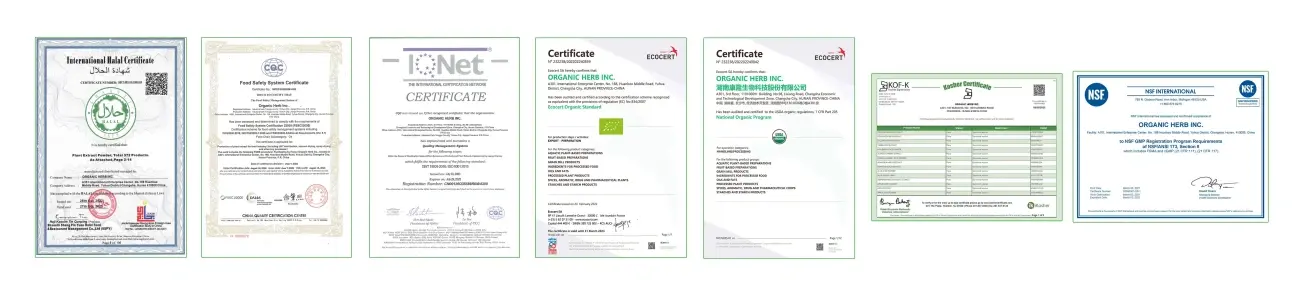
Comparing Sodium Copper Chlorophyllin Powder with Alternatives
Chemical Stability Advantages Over Natural Chlorophyll
Natural chlorophyll that is taken straight from plant cells is unstable by nature. When exposed to acidic or hot conditions, the magnesium-centered porphyrin ring easily loses its metal ion. This causes it to change into pheophytin, which gives the plant an unwanted brown-olive color. This instability makes it very hard to make goods that need to be heated, have a long shelf life, or come in clear packages. Sodium Copper Chlorophyllin Powder gets around these problems by replacing the sodium with copper. This makes the coordinate bonds stronger and less sensitive to changes in pH between 4 and 9. The process of saponification, which gets rid of the phytol tail, makes the water solubility even better. This is because native chlorophyll is oil-soluble, which limits its use in water systems.
Performance in Different pH Environments
Even though it is generally more solid than chlorophyll, formulators need to know how pH affects different substances. In neutral to slightly alkaline (pH 6–8) conditions, the substance keeps its color the best. If formulators don't use stable hydrocolloids or safe colloid systems, precipitation may happen in drinks with a pH of less than 4. This factor affects choices about how to make new products. For example, sports drinks or green tea drinks with a pH close to neutral keep their color well, while acidic citrus drinks might need changes to the recipe or different colorants. Understanding these technical factors when choosing ingredients keeps you from having to go through expensive reformulation processes.
Evaluating Supplier Specifications
When making a purchasing choice, it is helpful to compare the technical details of different possible sellers. The purity standards have a direct effect on the color strength and uniformity of the formulation. For example, 98% purity grades give consistent results with little variation from batch to batch. The extraction liquid system is important. Water-ethanol methods don't leave behind organic solvents that make following the rules harder or add bad tastes. Deciding which part of the plant to use affects the purity profile. For example, Morus alba leaves offer better extraction than processing the whole plant. Suppliers you can trust give you full specs that include:
- E-value measurements (standardization of color strength)
- Particle size distribution for powder flowability
- Moisture content affects steadiness during storage
- Microbiological limits that are in line with pharmaceutical standards
Each package from Organic Herb Inc. comes with a lot of paperwork, like certificates of analysis, allergen statements, and GMO releases. This makes it easier for you to make sure the quality of the products.
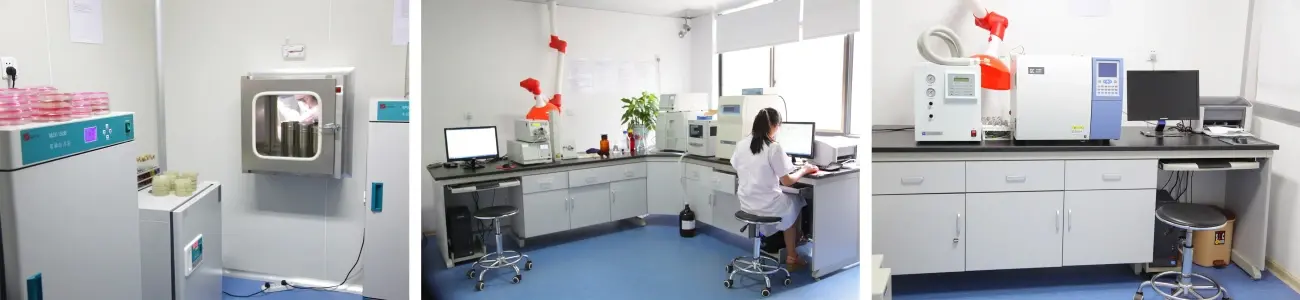
Procurement Guide for Sodium Copper Chlorophyllin Powder
Critical Quality Parameters for Bulk Sourcing
Several technical factors affect the long-term success of a relationship when looking at possible sources. In addition to the purity standards, you should also look at the supplier's analytical skills. For example, if they have HPLC, GC-MS, and spectroscopic tools in-house, you can quickly check the quality and figure out what's wrong. Scale in manufacturing is important for supply stability; facilities that process many tons of goods every year show that their infrastructure can handle delays in supply. Ask about where the raw materials come from. Suppliers that are vertically integrated and have dedicated cultivation bases, like Organic Herb Inc.'s 8,000+ acres of GAP-certified farms in Hunan, Guizhou, and Jiangxi provinces, make it easier to track and ensure quality from plant cultivation to extraction.
Understanding Pricing Structures and MOQ Requirements
Minimum order amounts help keep supplies under control and keep prices low. Standard MOQs of 25 kg (single drum) allow for small-batch production or product development, while sales for multiple drums usually qualify for bulk savings. Pricing represents several cost drivers, including raw material quality, extraction efficiency, certification upkeep, and analytical testing frequency. Buyers should look at the total landing cost instead of just the FOB price. They should think about things like help with customs paperwork, shipping operations, and storage options. Organic Herb Inc. has four warehouses in the United States. This allows for local shipping within 10 days, which saves North American customers money on inventory costs and makes imports easier.
Strategic Supplier Evaluation Criteria
Besides negotiating prices, you should also look at these aspects of the partnership:
- Regulatory Documentation Support: Suppliers should give links to the DMF (Drug Master File), allergen statements, BSE/TSE declarations, and compliance documents that are special to the area. This is especially helpful when putting goods on the market in several different foreign markets with different rules.
- Technical Service Capabilities: Having access to formulation scientists who understand application problems speeds up the process of making new products. Whether it's about pH stability or finding the best inclusion rates, quick expert help keeps projects on track and lowers the risk of having to redo the whole thing.
- Supply Chain Transparency: Knowing how the seller manages inventory, how wait times can change, and how they plan for what to do in case something goes wrong helps keep production running smoothly. Suppliers who keep a safety stock and a variety of raw material sources show that their business is operationally mature.
- Analytical Method Validation: Ask for data on method validation for important quality characteristics. When suppliers use validated, pharmacopeial methods, they give data that can be used to defend themselves during government checks or customer reports.
Free Sample Programs for Product Evaluation
Reliable sellers of Sodium Copper Chlorophyllin Powder offer free samples so that you can try them out before you decide to buy in bulk. This shows that you have faith in the quality of the product and lets your R&D team make sure that it works with current formulas. When you ask for samples, be clear about what your application needs and what kind of analytical tests your QC staff will do. Organic Herb Inc. gives away free samples with full analytical paperwork, which makes it easy to compare directly with other sources or products that are being considered. Allow enough time for stability testing under the specific storage conditions you have chosen. Accelerated studies give you basic information, but real-time aging studies under market conditions give you the most accurate predictions.
Maximizing Business Value with Sodium Copper Chlorophyllin Powder
Differentiation Opportunities in Competitive Markets
As more people buy natural, plant-based goods, brands that use botanically-derived ingredients can find new ways to place themselves. Marketing teams can use the fact that mulberry leaves come from the Morus alba plant to connect their products to traditional biological knowledge while also showing new extraction technology that makes sure the products are pure and consistent. Because it dissolves in water, it can be used in "clear beverage" uses where oil-soluble options would make the drink cloudy, which is not desired. Because of this technology advantage, consumers can get products that look good and list clean ingredients in a way that meets clean-label standards.
Applications Across Product Categories
The special qualities of this ingredient are used in different fields in specific ways. Nutraceutical companies that make gut health products like its natural green color, which clearly emphasizes that it comes from plants and gives antioxidant qualities through its molecular structure. It is used by companies that make sports nutrition in pre-workout or recovery mixes. The bright green color shows that it has natural energy and vigor. Cosmetic makers who are making anti-pollution skin care lines are concerned with how stable it is in liquid systems and how well it works with other plant actives. Each use is better when the right amount of the ingredient is used, and when it might work well with other ingredients that go well with it. Experienced sellers are happy to share this information.
Market Trends Driving Ingredient Demand
Plant-based useful ingredients are becoming more popular because of a number of related trends. Because manufactured colorants are closely watched by regulators, formulators are turning to natural options that have been shown to be safe. People are skeptical of artificial ingredients, which makes it possible for goods that focus on plant ingredients to get a premium placement. When it comes to sustainability, chemicals that come from renewable plant sources are better than those that come from gasoline. These forces in the market make it easier to add or increase the amount of Sodium Copper Chlorophyllin Powder in product lines. When market segments change quickly, brands that move quickly to change their goods or make new ones that follow these trends gain a competitive edge.

Conclusion
Sodium Copper Chlorophyllin Powder is a well-researched and well-known ingredient that can be used in many different ways in useful foods and makeup supplements. Its safety rating, which is backed up by approvals from the FDA, EFSA, and JECFA, lets formulators make decisions with confidence. Chemical changes that make natural chlorophyll more stable solve important problems in manufacturing while keeping the plant sources that consumers who like clean labels like. Paying attention to seller certifications, quality paperwork, and technical support skills is important for successful procurement. These are some of the things that set commodity deals apart from strategic relationships. The information in this article about regulations, formulation issues, and market possibilities will help procurement workers make smart choices that improve product quality, make sure they are following the rules, and take advantage of new market trends.
FAQ
1. What distinguishes chlorophyll from Sodium Copper Chlorophyllin Powder?
Natural chlorophyll is still oil-soluble and very fragile. It breaks down quickly in light or heat and turns brown during processing. Sodium Copper Chlorophyllin Powder is able to dissolve in water and stay stable in heat by replacing copper with another metal and changing its structure. Its bright green color stays the same throughout industrial production processes. This means that it can be used widely in water-based mixtures where natural chlorophyll doesn't work.
2. Can this ingredient work in devices that make sour drinks?
The chemical stays stable in a pH range from neutral to alkaline. In places with an acidity level below 6, the chance of precipitation increases. Formulation scientists often use stabilizers or protective colloid systems to keep substances suspended in acidic delivery forms. This makes it possible to use these systems in a wider range of beverage types.
3. What thermal stability can manufacturers expect during processing?
Compared to other natural colors, this material is very resistant to heat. It keeps its color when heated up, baked, or used to make high-temperature sweets. This makes it good for thermally processed foods where color stability affects brand consistency and customer acceptance.
4. How should buyers be sure that the free copper percentage is correct?
The USP and JECFA set strict limits on copper ions that are not linked to anything else in the compound. This is done to make sure that the compound stays safely chelated. Good sellers give you certificates of analysis that show they tested for free copper using approved analytical methods like atomic absorption spectroscopy. This shows that the chelation stability of the item will stay the same during its shelf life.
Partner with OHI for Premium Sodium Copper Chlorophyllin Powder
Organic Herb Inc. (OHI) sells Sodium Copper Chlorophyllin Powder that is safe for use in medicine. It is made under strict quality control measures that are approved by NSF GMP, ISO 9001, FSSC22000, Kosher, and Halal agencies. Our fully connected supply chain, which starts with more than 8,000 acres of GAP-certified farming grounds and ends with advanced extraction facilities in Jiangxi province, makes sure that every batch is traceable and consistent. We have four strategically located stores in the U.S. that allow for 10-day shipping across the country. Our minimum order quantity (MOQ) is as low as 25 kg, and we offer free samples for formulation testing. Our 98% pure standard, which comes from extracting Morus alba leaves with water and ethanol, meets the strictest government standards for vitamins, cosmetics, and functional foods. As a publicly listed company (Stock Number: 872213), we have over 400 standardized extracts that were made through relationships with top research institutions. This gives us a depth of R&D that turns finding ingredients into working together to come up with new ideas. Get in touch with our technical team at info@organic-herb.com to talk about your unique needs with a reliable Sodium Copper Chlorophyllin Powder source that cares about the success of your product.
References
1. Joint FAO/WHO Expert Committee on Food Additives. "Safety Evaluation of Certain Food Additives: Copper Complexes of Chlorophylls and Chlorophyllins." WHO Food Additives Series 62, 2010.
2. Kephart, J.C. "Chlorophyll Derivatives—Their Chemistry, Commercial Preparation and Uses." Economic Botany, vol. 9, no. 1, 1955, pp. 3-38.
3. Tumolo, T. and Lanfer-Marquez, U.M. "Copper Chlorophyllin: A Food Colorant with Bioactive Properties?" Food Research International, vol. 46, no. 2, 2012, pp. 451-459.
4. Scotter, M.J. "Methods for the Determination of European Union-Permitted Added Natural Colours in Foods: A Review." Food Additives and Contaminants Part A, vol. 28, no. 5, 2011, pp. 527-596.
5. Ferruzzi, M.G. and Blakeslee, J. "Digestion, Absorption, and Cancer Preventative Activity of Dietary Chlorophyll Derivatives." Nutrition Research, vol. 27, no. 1, 2007, pp. 1-12.
6. European Food Safety Authority Panel on Food Additives. "Scientific Opinion on the Re-evaluation of Chlorophylls (E 140(i)) and Chlorophyllins (E 140(ii)) as Food Additives." EFSA Journal, vol. 13, no. 5, 2015, article 4089.
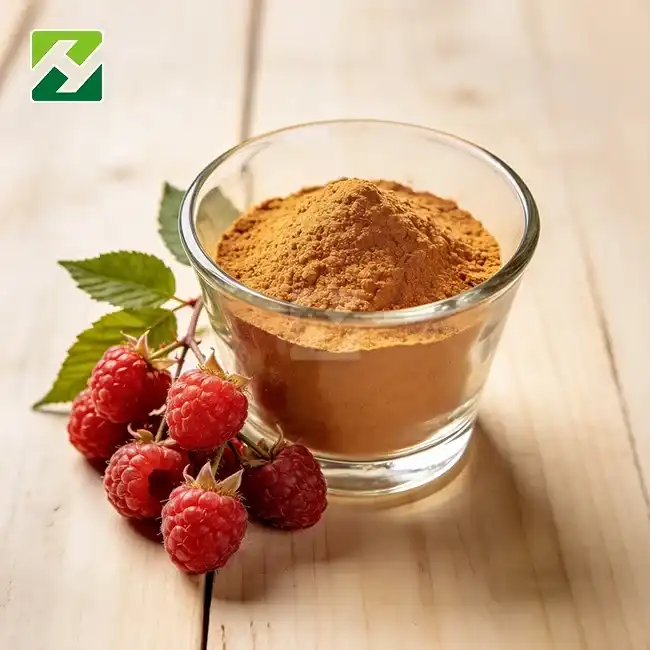
How is raspberry flavoring made?
VIEW MOREThe process of making raspberry taste starts with collecting high-quality plant material from the red raspberry plant, Rubus idaeus L. The process includes using controlled methods to get bioactive substances from certain parts of plants, mostly leaves and fruit. Extractions with water are used by modern companies to make pure Raspberry Extract, which is defined in ratios like 4:1 or 10:1. The brownish-yellow powder that is left over has natural tannins, anthocyanins, and aromatic chemicals that make the powder unique. During this process, controlling the temperature and making sure the solvent is pure determines the end taste, stability, and useful qualities of Raspberry Extracts that make them useful in many fields.
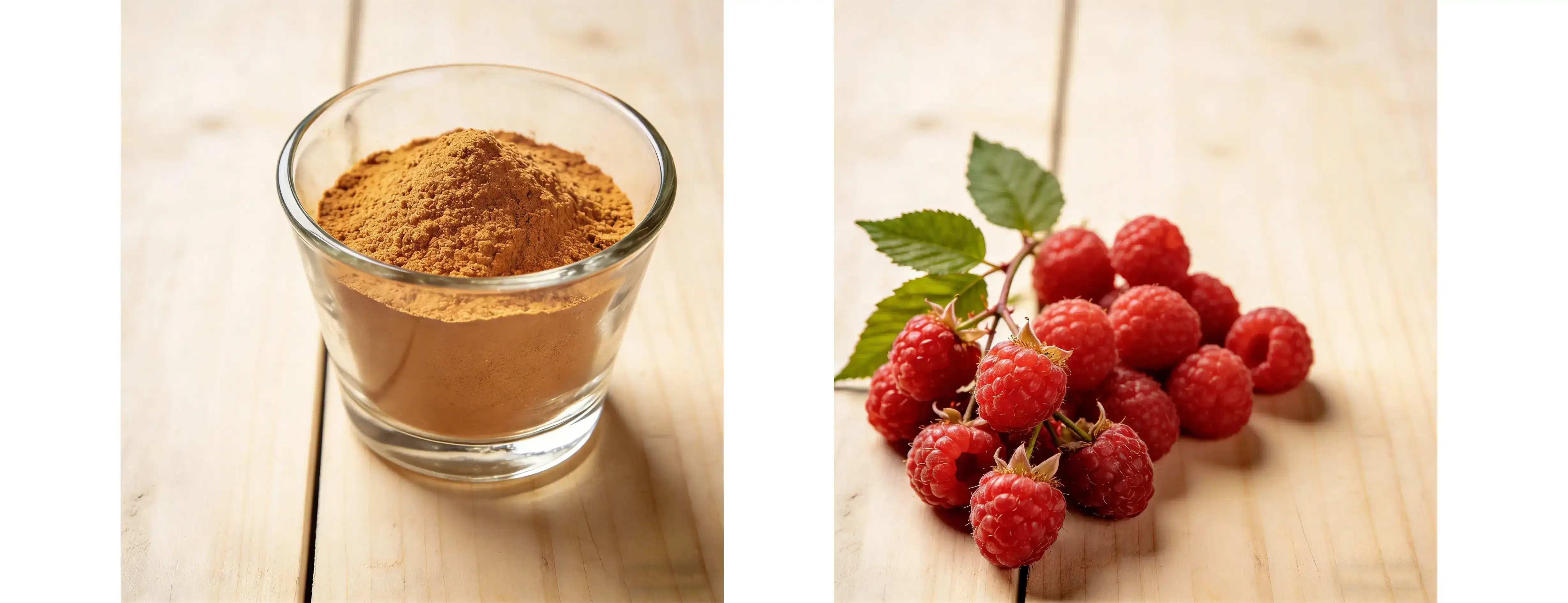
Understanding Raspberry Extract and Its Industrial Applications
Raspberry-derived ingredients have changed from simple flavorings to complex functional parts that are in high demand across many industries. Today's extract technology gets all of the raspberry's beneficial compounds while also solving certain problems in the business.
What Makes Raspberry Extract Valuable Across Industries?
The global market for plant extracts has grown incredibly fast. Materials made from raspberries are becoming more popular among procurement teams looking for clean-label options. Raspberry leaves and fruit are high in ellagitannins, quercetin derivatives, and vitamin C, according to a study published in the Journal of Agricultural and Food Chemistry. These are molecules that give final goods both taste and function.
From working with more than 200 nutritional formulators, we've learned that there are three main types of applications. Raspberry Extracts are used by food and drink companies to make functional drinks, protein supplements, and fortified snacks. The natural taste hides the bitter active ingredients and adds antioxidant qualities. The polyphenol content of these products is used to back up claims made by cosmetic formulators in anti-aging serums and creams. Supplement brands put standardized ingredients in pills and tablets and market them to people who are interested in their health.
The standardization ratios (4:1) and (10:1) show how strong the concentration is. Four kilograms of raw material make one kilogram of finished extract, which is called a 4:1 extract. A 10:1 extract has a higher content. This clarity in the specifications helps buying teams figure out the dosage needs and correctly compare what suppliers have to offer.
Primary Forms and Their Distinct Characteristics
Raspberry plants come in a number of different types, each of which is designed to work best in a certain industrial setting. Powders that are removed with water, like those that use 100% water as the solvent, are very stable when mixed dry and keep their natural makeup without leaving behind any manufactured chemicals. It is easy for these powders to mix in water, which makes them perfect for use in drinks and liquid supplements.
Even though they cost more, spray-dried liquid extracts keep volatile scent chemicals better than drum-dried ones. Freeze-dried raspberry powders keep their color and taste the most true to life, but they need to be stored carefully to keep the moisture level low.
Nutraceutical brands that are putting out consumer goods can use encapsulated forms that give doses that have already been measured out. In lipophilic products, oil-based extracts are used for specific tasks, like making natural fragrances and fat-soluble supplement structures.
Each form has its own benefits: powders are the most stable and cost-effective for bulk uses; liquids work well with current wet formulations; and oils meet specific solubility needs. When procurement teams know about these differences, they can match the extract form with the production skills and needs of the end product.
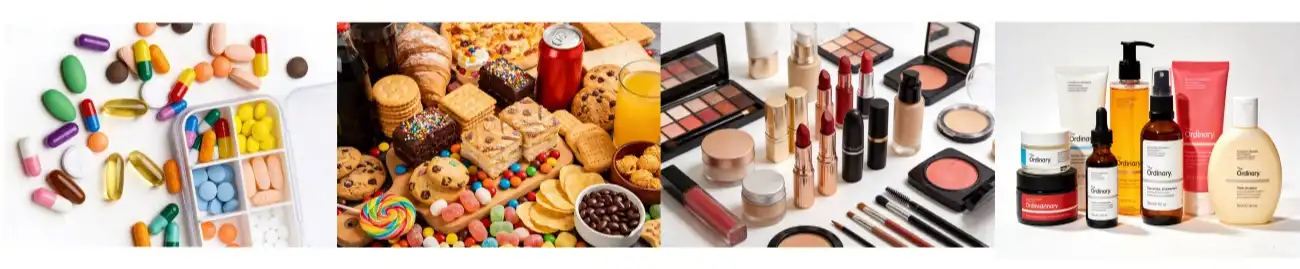
How Raspberry Flavoring and Extract Are Made: From Farm to Finished Product
From the raspberry plant to pure extract, there are several steps where quality controls decide if the end product can be sold. Our production sites in Yichun, Jiangxi Province, show how ancient knowledge and new technology can work together in modern botanical extraction.
Raw Material Sourcing and Preparation Standards
Growing raspberries is the first step in making quality Raspberry Extract. Our GAP-certified planting bases cover more than 8,000 acres in Shaoyang, Changsha, Huaihua, Guizhou, Hubei, and Jiangxi provinces, making sure that we always have Rubus idaeus L. leaves picked when they have the most medicinal compounds. We work together with local farmers and give them expert advice on everything from where to get seedlings to how to gather them.
When leaf material gets to processing centers, it is inspected right away. Trained experts look at the color, the amount of moisture, and any foreign matter that might be there. Batches that fail the first screening are sent to secondary uses or are rejected. Accepted materials are sent to cleaning stations where field residue is removed without using chemical cleansers and food-grade water.
After being washed, the cloth goes into special drying rooms where the temperature stays below 50°C to protect heat-sensitive polyphenols. When dried leaves go through mechanical sizing tools, the particles are spread out evenly, which makes the next step of extraction more effective.
Modern Extraction Technologies and Process Control
Because of changes in regulations and customer tastes, older solvent extraction methods that used ethanol or methanol are being replaced by better ones. Even though it takes longer to process, water-only extraction gets rid of worries about residual solvents and meets the standards for organic certification.
We use dynamic low-temperature extraction technology in our extraction process, which keeps the working temperatures between 60°C and 80°C. This temperature range lets the most polyphenols move while keeping temperature-sensitive molecules from breaking down. The ready-made leaf material is put into extraction vessels. For two to four hours, based on the concentration ratio goal, water flows through the vessels in a controlled way.
Nano-membrane separation devices then separate the plant material that is solid from the liquid extract. Cross-flow filtration is used in this step to get rid of particles as small as 0.1 microns while keeping beneficial chemicals that have dissolved. The extract that has been cleared goes into the anti-osmotic concentration equipment. This lowers the amount of water by controlled evaporation in a vacuum, which keeps the extract from getting damaged by heat.
Our state-of-the-art facilities freeze-dry the concentrated liquid, which turns the extract into a safe powder. At -40°C and high pressure, this last change takes place, sublimating water straight from a frozen state to a vapor state without going through the liquid phase first. The brownish-yellow powder that is made keeps the taste and cellular activity.
Quality Verification and Standardization Protocols
Our lab, which costs $1.2 million, does a full study of every output batch. Our 42 R&D workers, including 27 top researchers, use HPLC, HPLC-ELSD, GS-MS, and HPTLC instruments to do tests. These analysis methods measure marker chemicals, check extract ratios, and look for possible contaminants.
In order to standardize to 4:1 or 10:1 ratios, exact calculations and mixing methods are needed. Laboratories do gravimetric analysis by comparing the weight of the starting material to the weight of the end extract and changing the concentration factors until the desired results are reached. This mathematical method guarantees uniformity from batch to batch, which is very important for business formulators.
USP guidelines say that microbiological testing shows that there are no yeast, mold, pathogens, or total plate count. Heavy metal screening checks for amounts of lead, arsenic, cadmium, and mercury, making sure that FDA rules and export rules are followed. Gas chromatography-mass spectrometry is used for pesticide residue research to make sure that farming chemicals have not gotten into the water.
Our FSSC22000-certified quality control system keeps records on every batch, so you can follow it all the way from the field to the final packing. This strict method gives B2B buyers the peace of mind they need when choosing ingredient sources for businesses that are regulated.
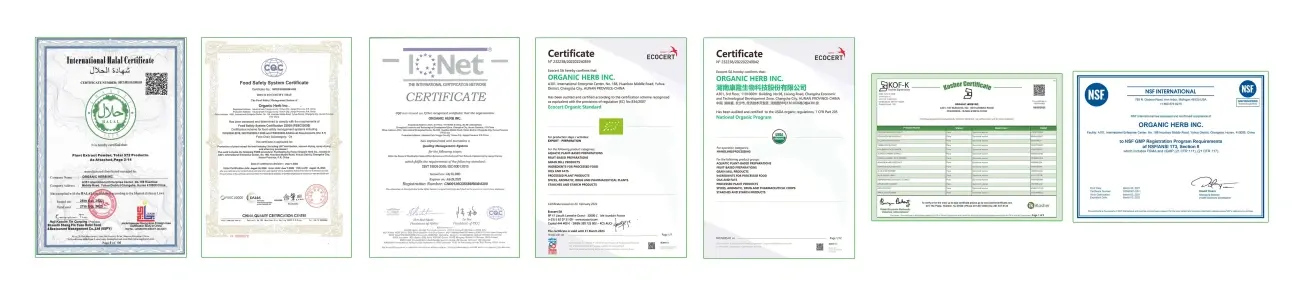
Comparing Different Forms and Types of Raspberry Extract for Procurement
When making a procurement choice, you have to look at more than just price. Knowing how extraction methods, source materials, and processing affect the end product's qualities lets you choose a provider wisely.
Leaf Extract vs. Fruit Extract: Compositional Differences
Raspberry leaf extracts, like our 4:1 and 10:1 water-extracted powders, have more ellagitannins and fragarine than materials that come from fruit. The best polyphenol profiles are found in leaves that are picked before the flowers bloom, which makes time very important for managing the crop. These leaf extracts have light flavor notes that work well in nutrition uses where strong fruit flavors would clash with other ingredients.
Fruit products focus on the anthocyanin content, which gives the fruit its bright color and sweet-sour raspberry taste. In drinking and food uses where a real fruit taste is important, these materials are used. Fruit extracts usually cost more because they are harder to get during certain times of the year and produce less when they are processed.
Organic Certification and Its Commercial Implications
Raspberry Extracts that are approved organic meet the standards of the USDA National Organic Program, which says that the plants must not be grown with manmade fertilizers, herbicides, or pesticides. Processing must happen in licensed buildings and follow accepted methods. For example, water extraction is acceptable, but some manufactured solvents are not. With our Organic certification, clients can put "certified organic" on finished goods, which lets them reach high-end markets.
As part of the certification process, there are yearly checks, careful record-keeping, and strict rules about keeping organic materials away from conventional foods. When compared to regular extracts, these standards make production costs about 15–25% higher. However, market studies show that people are willing to pay more for products that say they are organic.
Evaluating Supplier Reliability and Quality Consistency
Supplier rating goes beyond looking at the Certificate of Analysis. We suggest that procurement teams look at a number of practical factors that show how reliable something will be in the long run. Your providers' manufacturing capacity tells you if they can keep up with your growing demand. Our 400+ standardized extract portfolio and continuous production capabilities support both new brands and well-known makers.
A wide range of certifications shows that you are committed to quality processes. Our NSF GMP, Kosher, Halal, ISO9001, and FSSC22000 certificates show that we follow a number of different rules. This makes it easier for you to meet the paperwork needs of foreign markets. Companies with more than one certification usually have stronger quality systems than companies with only one certification.
Research and development skills show how likely something is to be innovative and how much expert help is available. Our R&D center works with top colleges, and 10 national research projects on botanical isolation have been completed. These projects show a high level of scientific knowledge that can help with formulation, custom development, and problem-solving in a way that goes beyond just providing ingredients.
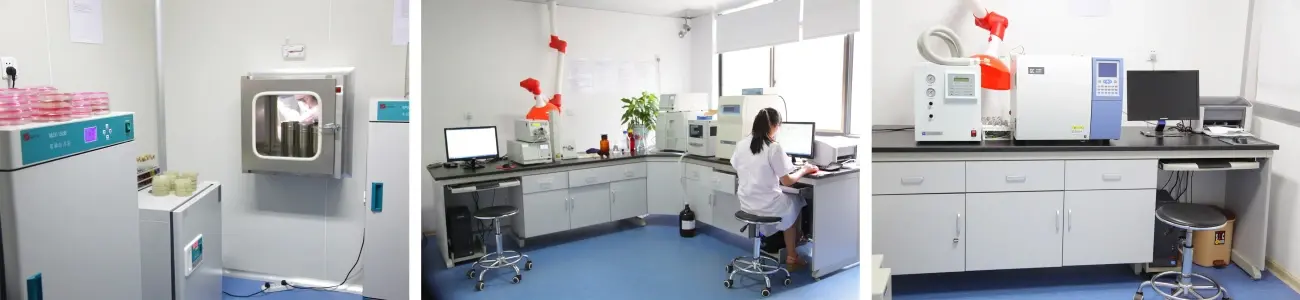
How to Buy Raspberry Extract: Procurement Considerations for B2B Clients
Getting the right ingredients means finding a mix between high standards, cost, and logistics. From working with Fortune 500 companies and new brands, we've learned that there are similar ways to make decisions that lead to better buying results.
Defining Your Technical Requirements and Volume Needs
When making specifications, you should start by figuring out what you need for the end product and then work your way backwards to the guidelines for the ingredients. When making drinks, formulators might focus on how well the ingredients dissolve and how strong the flavors are, while when making supplements, they might pay more attention to marker chemical ratios and how well the capsules fill.
Production growth assumptions should be taken into account when figuring out the volume. Our 25 kg minimum order amount is big enough for sample production runs and first tests of new formulations. Drum packaging is efficient for people who buy in bulk—25 kg fiber drums are better for storage density and handling ease compared to smaller cases.
Planning for lead times is very important for making production schedules. Our usual 10-day lead time from order confirmation to shipment lets us keep track of our goods well without keeping too much on hand as a safety net. This schedule is based on standard specs; for unique formulations, extra development time will need to be discussed during technical discussions.
Critical Selection Criteria Beyond Price Comparison
To make formulations work better and follow the rules, the quality of the extract has a direct effect. Because our extraction method only uses water, there are no worries about leftover solvent contamination that could lead to labeling requirements or regulatory attention. This way of processing gives you clean ingredient lists that are in line with market trends toward clean labels.
Logistics, Storage, and Supply Chain Optimization
Raspberry Extract powder needs to be kept in a climate-controlled space where the temperature stays below 25°C, and the relative humidity stays below 60%. When we package your items in sealed fiber drums with plastic covers, they are safe during transport and storage, and they will stay stable for 24 months if the conditions are right.
Earth Made Nutritions, our fully owned U.S. company, runs four regional stores across the country so that we can quickly send to customers in the U.S. With just-in-time delivery, this distribution system lowers the cost of keeping inventory on hand and lowers the chance of running out of stock. International exports are set up through reputable freight forwarders who know how to properly record plant materials and deal with customs procedures.
Changes in temperature during shipping can lower the quality of the product. For important shipments, we use thermal tracking devices and plan transport times so that warehouses don't close on the weekends, which would make trailer dwell times longer. These seemingly small details keep quality problems from happening that would otherwise cause expensive production delays.
Ensuring Product Effectiveness and Safety: Key Considerations
Quality assurance goes beyond checking the specifications for the first time. Strong ingredient programs include continuing testing and testing for specific uses, which protects the brand's image and ensures that customers always have the same experience.
Common Quality Challenges and Verification Methods
The claimed and real specs often don't match up when it comes to extract concentration accuracy. It can be hard to compare potencies because some sellers figure out concentration ratios by using the weight of dried raw materials, while others use the weight of fresh materials. All of our extraction ratios are calculated using dried plant matter as a starting point. This gives us measures that are constant and can be checked.
Adding cheaper plant materials or man-made chemicals to food offers risks that can be found through scientific testing. For full identification checks, we use HPTLC fingerprint analysis to check sample data against real reference standards. This chromatographic method can find attempts at substitution or dilution that simple marker chemical testing might miss.
When ingredient profiles change a lot from one purchase to the next, batch-to-batch stability can be hard to achieve. Our process controls and blending methods keep the coefficient of variation below 5% for key specs. This gives industrial production the repeatability it needs.
Regulatory Compliance Across Different Applications
FDA food additive rules or generally recognized as safe (GRAS) rating standards must be met by food applications. Raspberry leaf extract has been used in food for a long time, which supports its self-affirmed GRAS status for many uses. However, for some uses, more research may be needed.
The FDA's Dietary Supplement Health and Education Act (DSHEA) covers applications for dietary supplements. These products must follow current good manufacturing practices (cGMPs). Our NSF GMP approval shows that our manufacturing methods meet these government standards. This makes it easier for you to find suppliers that meet your needs.
When used in cosmetics, they have to follow FDA rules and maybe even the International Nomenclature of Cosmetic Ingredients (INCI) name rules. Raspberry Extract ingredients can be added to formulations without needing to be approved before they go on sale, but it is still the manufacturer's duty to make sure the safety of the final product.
There are more rules to follow when selling goods in export markets. Our Halal and Kosher licenses meet the food needs of Muslim and Jewish customers who follow religious rules. Novel Foods regulations must be followed, and based on the case, REACH registration may also be needed for sales in the European Union.

Conclusion
The process of making raspberry taste is a complex mix of farming science, extraction engineering, and quality control standards. Modern technologies that use water to separate plant ingredients give a wide range of businesses, from nutraceuticals to cosmetics, concentrated botanical ingredients. When procurement pros know about the whole production chain, from GAP-certified farming to advanced processing to final quality checks, they can make smart buying choices that balance quality, compliance, and business goals. Standardized standards, thorough certifications, and open production practices are what set trusted suppliers apart in the global ingredient market, which is getting more complicated all the time. As clean-label trends and demand for natural products continue to grow, it is important to form relationships with sellers who are technically savvy in order to stay ahead of the competition and ensure the long-term success of your products.
FAQ
1. What distinguishes raspberry leaf extract from raspberry fruit extract in commercial applications?
The plant Rubus idaeus L. gives raspberry leaf extract, which has higher levels of polyphenols and ellagitannins and milder flavors. These traits work well for nutraceutical pills, where a strong fruit taste might throw off the balance of the recipe. Fruit extracts focus on the anthocyanin content, bright color, and real raspberry taste, and they can be used in both food and drinks. When compared to seasonal fruit sources, leaf extracts usually show better stability and lower costs because they can be made on a larger scale.
2. How can buyers verify extract quality and concentration ratios during bulk purchasing?
Ask for detailed Certificates of Analysis that show how the tests were done, the amounts of marker compounds, and the formulas used to find the extraction ratios. When figuring out ratios, reliable providers use the weight of dried plant material instead of fresh material. Third-party lab verification through HPLC fingerprint analysis verifies identity and looks for signs of possible fraud. Check to see if the seller has quality standards like FSSC22000 and ISO9001, which show that they have strong quality management systems. By testing samples before agreeing to large orders, claimed standards can be directly checked.
3. Which raspberry extract form works best for cosmetic formulations requiring water solubility?
Raspberry powder that has been removed with water mixes very well with water-based makeup bases like lotions, serums, and toners. The 4:1 or 10:1 concentration ratios give you a lot of dose choices, and the brownish-yellow color works with a lot of different formulation color profiles. Encapsulated or oil-based extracts are useful for certain tasks, but water-soluble powders can be used in most types of cosmetics. Make sure the extract comes from a facility that meets the standards for making cosmetics and has the right paperwork for the ingredient statement.
Partner with OHI for Premium Raspberry Extract Supply
Organic Herb Inc. (OHI) can help you with your product creation projects because they have been working with plant extracts for more than twenty years. We offer Raspberry Extract that meets the highest international quality standards because our company is publicly traded (Stock Number: 872213) and has CGMP, FSSC22000, ISO9001, Halal, Kosher, and organic certifications. Our water-extracted raspberry leaf powder looks brownish-yellow and is set at 4:1 and 10:1 ratios. It ships from four U.S. stores, so it gets to all of North America quickly. Whether you need 25 kg for a test run or multiple tons for production, our team can help with expert advice, free samples, and detailed paperwork to make sure your formulation works. Get in touch with our expert team at info@organic-herb.com to talk about your unique needs with a reliable Raspberry Extract maker that wants to help you stay ahead of the competition.
References
1. Gudej, J., & Tomczyk, M. (2004). "Determination of flavonoids, tannins and ellagic acid in leaves from Rubus L. species." Archives of Pharmacal Research, 27(11), 1114-1119.
2. Patel, A. V., Rojas-Vera, J., & Dacke, C. G. (2004). "Therapeutic constituents and actions of Rubus species." Current Medicinal Chemistry, 11(11), 1501-1512.
3. Beekwilder, J., Jonker, H., Meesters, P., Hall, R. D., van der Meer, I. M., & de Vos, C. H. R. (2005). "Antioxidants in raspberry: online analysis links antioxidant activity to a diversity of individual metabolites." Journal of Agricultural and Food Chemistry, 53(9), 3313-3320.
4. Tanaka, T., Tanaka, T., & Tanaka, M. (2011). "Cancer chemoprevention by natural products." Oncology Reports, 25(5), 1177-1187.
5. Wang, S. Y., & Lin, H. S. (2000). "Antioxidant activity in fruits and leaves of blackberry, raspberry, and strawberry varies with cultivar and developmental stage." Journal of Agricultural and Food Chemistry, 48(2), 140-146.
6. Krauze-Baranowska, M., Cisowski, W., Wiwart, M., & Urbaniak, M. (2001). "Flavonoids from Rubus idaeus L. leaves." Zeitschrift für Naturforschung C, 56(7-8), 684-687.
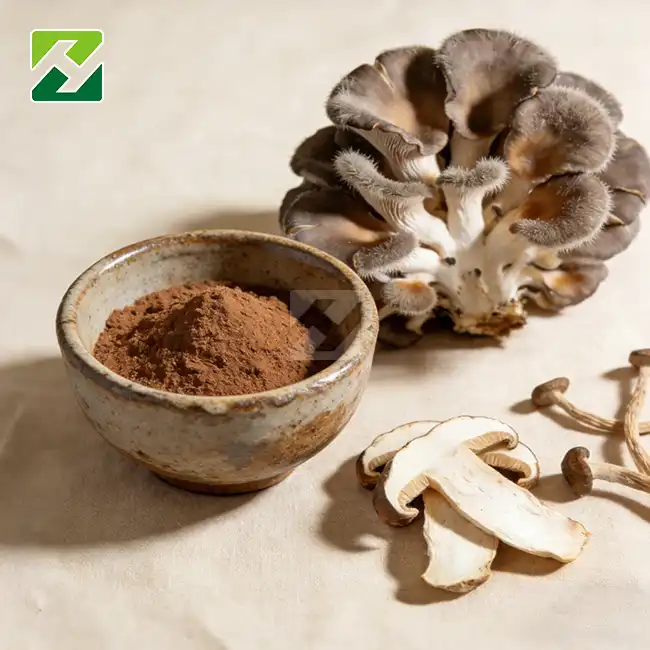
Top Benefits of Maitake Extract Powder
VIEW MOREMaitake Mushroom Extract Powder contains high amounts of beta-glucans and carbohydrates that help the immune system, keep the metabolism healthy, and fight free radicals. This functional ingredient comes from the fruiting bodies of the Grifola frondosa plant and is extracted using water-based methods. It gives producers standardised bioactive chemicals that can be used in cosmetics, functional drinks, and dietary supplements. With specs ranging from 10:1 concentration ratios to 30% polysaccharide content, it gives formulators a lot of freedom to make products that are used in a wide range of wellness businesses.
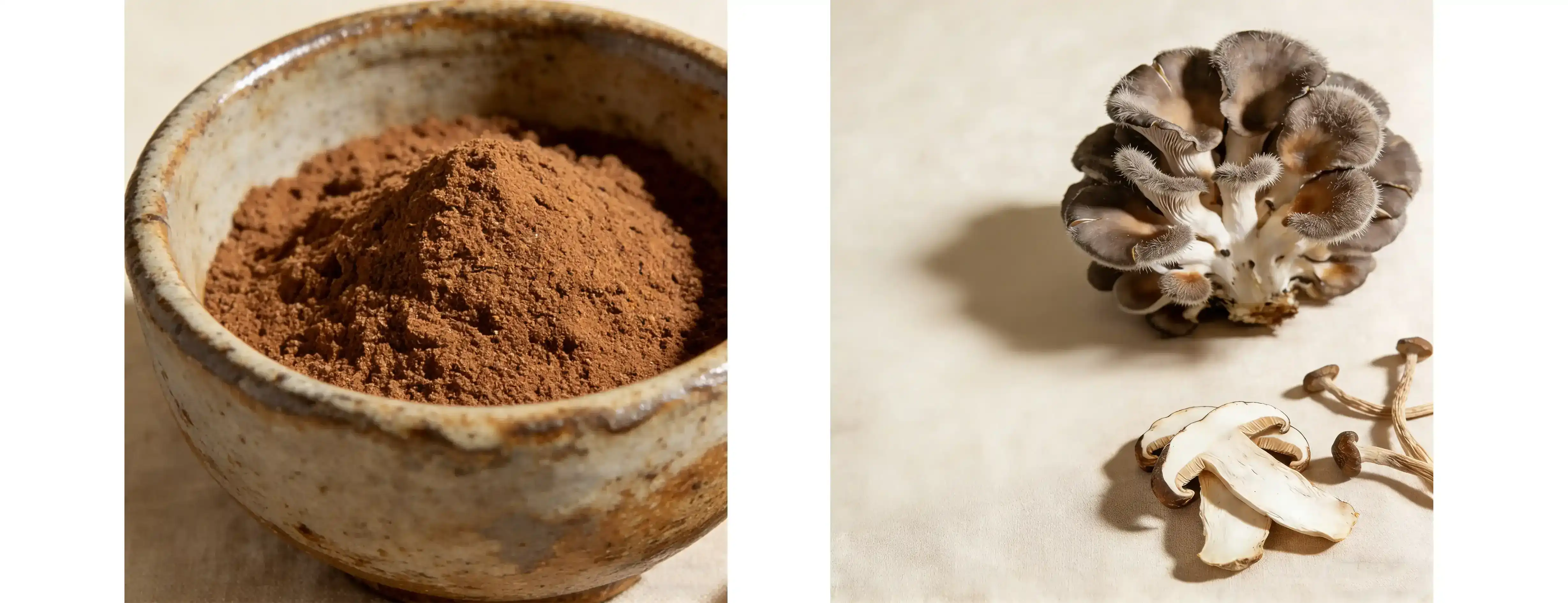
Introduction
As people become more aware of sustainable, plant-based health options, the global functional ingredients market continues to change. For B2B procurement workers managing this change, Maitake Mushroom Extract Powder has appeared as a crucial ingredient. Taking its name from the plant Grifola frondosa, which is also known as "hen of the woods", this herbal extract combines old knowledge with new extraction methods.
When making competitive product lines, it's important for R&D leaders and formulation managers to know the technical details and useful qualities of Maitake extract. The ingredient has known bioactive molecules, mainly beta-glucans, that meet important customer needs for immune support, metabolic health, and clean-label formulas. Our in-depth study looks at how this extract can be used in different types of products while still being stable, effective, and in line with international regulations.
Understanding Maitake Mushroom Extract Powder and Its Nutritional Profile
What Distinguishes Extract Powder from Raw Mushroom Material
Specialized water extraction methods are used to concentrate beneficial chemicals that are much higher in Maitake Mushroom Extract Powder than they are in raw or dried mushrooms. This change breaks down the chitinous cell walls that normally stop nutrients from being absorbed, which makes the nutrients more bioavailable. The standardized extract, which comes in 10:1 ratios or 30% polysaccharide specifications, has constant potency that raw materials can't match. This solves a major problem for makers who need reliable batch-to-batch production.
The method for extraction separates certain parts, mainly the D-fraction and MD-fraction polysaccharides, which contain the beta-1,3 and beta-1,6-glucans that give the substance its functional features. This process concentrates about 10 kilograms of fruiting bodies into 1 kilogram of powerful extract powder. It's a cheap way for formulators to meet exact dose needs or capsule shapes that don't have a lot of room.
Core Bioactive Components and Their Functional Roles
The nutritional structure of Maitake extract is based on its carbohydrate makeup, with beta-glucans being the main active part. These complex carbohydrates are very stable across a wide range of pH levels and temperature changes, which makes them useful in a wide range of formulation situations. Besides polysaccharides, the extract also has ergosterol, which is a precursor to vitamin D, several B-complex vitamins, and trace minerals like zinc and selenium that add to its usefulness.
Laboratory tests show that good Maitake extracts usually have a low starch level of less than 5%. This is what makes them different from mycelium-on-grain products. This compositional purity is very important for product makers who want clear labels and real plant ingredients. The brown powder color comes from the natural chemicals that were carefully extracted and kept safe. It dissolves in water, which makes it easy to add to beverages, powder mixes, and capsules.
Quality Markers That Define Premium Extract Standards
When purchasing teams look at Maitake products, they should put a number of technical factors at the top of their list. Functional polysaccharides can be told apart from inert fillers by checking the beta-glucan level using enzyme tests. Any ash level below 5% means the extraction was clean and there aren't too many minerals left over. Moisture levels kept below 5% keep things stable while they are being stored and shipped. With these standards and certificates like NSF GMP, Kosher, Halal, ISO, and FSSC22000, you can be sure that the quality is good enough for both pharmaceutical and food uses.
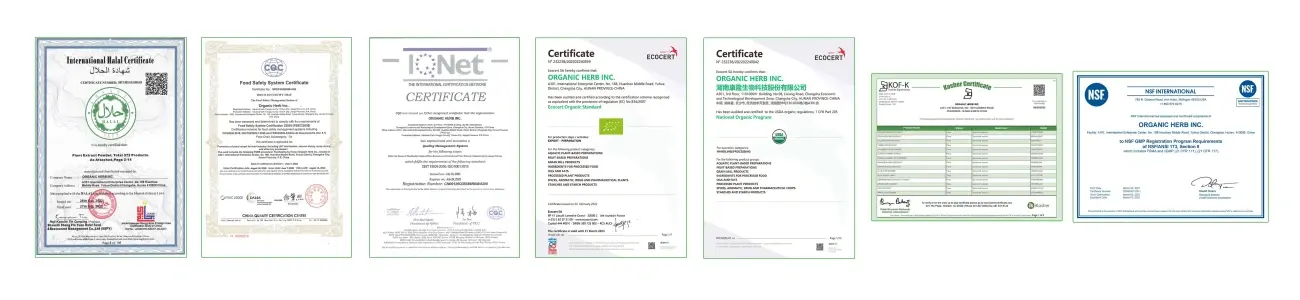
Top Health Benefits of Maitake Mushroom Extract Powder
Immune System Modulation Through Beta-Glucan Activity
There is research that shows how Maitake polysaccharides work with immune cell receptors, mainly those on macrophages and natural killer cells. These exchanges help the body's natural processes for recognising and responding to things without making them too active. The D-fraction component has gotten a lot of attention in scientific papers because it can change immune pathways. This makes it useful for formulators who are trying to make products that improve immune health.
This ability to change the defence system can be used in a lot of different product categories. Maitake Mushroom Extract Powder has been shown to have bioactive properties that can help with seasonal health recipes, daily upkeep supplements, and specific immune support products. The standard 30% polysaccharide guideline makes sure that these useful compounds are always delivered, meeting the needs of formulation managers who need to know how ingredients will work in different amounts.
Metabolic Wellness and Glycemic Response Support
A lot of clinical studies have looked at how Maitake powder affects glucose metabolism and insulin sensitivity. The polysaccharide parts seem to support healthy glucose consumption pathways, which means that this ingredient can be used in products that promote metabolic health. This feature creates chances in the growing market for blood sugar support goods, especially those that are aimed at busy older adults and people who are aware of their metabolism.
Companies that make sports nutrition items know that Maitake helps cells work and the body use energy. The extract can help the body use nutrients more efficiently, which makes it a good addition to formulas for endurance, healing, and metabolic efficiency. With its clean-label appeal, Maitake extract is a great way for brands to stand out in the supplement market, which is already very crowded.
Cardiovascular and Lipid Profile Benefits
There is scientific evidence that Maitake can change lipid metabolism, which includes changing the patterns of cholesterol and triglycerides. There are several ways that the beta-glucan substance helps the heart, such as by binding bile acids and preventing the uptake of fats. People are interested in heart-healthy ingredients, and these qualities make it possible to make items that are good for the heart.
Antioxidant Capacity and Cellular Protection
Polyphenolic substances and ergosterol, which are found in Maitake powder, have important antioxidant effects. This quality isn't just useful for food supplements; antioxidants can also be used in cosmetics to help keep skin healthy. Cosmetic scientists use Maitake ingredients in anti-aging serums, protective creams, and repair-focused products because they are good for the skin and contain antioxidants and polysaccharides.
Comparing Maitake Mushroom Extract Powder with Other Market Alternatives
Organic Versus Conventional Cultivation Impact
Organic approval has a big effect on where Maitake Mushroom Extract Powder is sold and how good the ingredients are. Organic farming methods get rid of leftovers from synthetic pesticides and use sustainable growing methods, which meet clean-label standards that appeal to brands that care about quality. Even though organic versions cost more, they set you apart in competitive markets where customers look closely at where the ingredients come from and how the products are made.
Maitake Versus Reishi: Distinct Functional Profiles
There are different chemical profiles when you compare Maitake and Reishi mushroom products. Ganoderma lucidum, or Reishi, has a variety of triterpenoid molecules and polysaccharide structures that give it its own special functions. The D-fraction polysaccharides in Maitake mushrooms have certain immune-modulating qualities, and the ganoderic acids in Reishi mushrooms work in a different way. This difference lets formulators choose the right mushroom extracts based on the claims they want to make about the product and the uses they want it to have.
Extract Powder Versus Whole Mushroom and Capsule Formats
Compared to dried whole mushrooms or simple mushroom powders, extract powder is easier to use and more bioavailable. Because extracts are so concentrated, smaller amounts are needed to get the desired effects. This means that fewer capsules are needed, and customers are more likely to take them as directed. For companies that make drinks, the water-soluble extract powder mixes easily into liquids and doesn't have the gritty texture that comes with whole mushroom powders.
Practical Guide to Using Maitake Mushroom Extract Powder
Dosage Considerations and Formulation Guidelines
Maitake Mushroom Extract Powder in food supplements is usually taken in doses between 500 mg and 3,000 mg per day, based on the concentration of polysaccharides and the purpose of the product. Products that are regulated to 30% polysaccharides give you between 150 mg and 900 mg of active chemicals. When making product specs, formulation managers have to find a mix between how well a dose works, the size of the capsules available, and how much the product will cost.
Integration into Diverse Product Formats
Maitake extract powder is very useful in a lot of different product groups. Manufacturers put it into more than just pills and tablets; they also put it into:
Powder Blends and Functional Beverages: Because it dissolves in water, it can be easily mixed into protein powders, veggie blends, and ready-to-mix drinks. Stability testing shows that the strength stays the same through normal beverage processing conditions.
Functional Food Applications: At the right amount, Maitake has a bland taste that works well in nutrition bars, candies, and fortified snacks. The brown colour blends in perfectly with cocoa-based goods and doesn't change how they taste.
Topical Cosmetic Formulations: Maitake extract that is safe for use on the skin is used in serums, creams, and masks because its polysaccharide content moisturises the skin and its antioxidant components support claims that the skin is protected.
Stability, Storage, and Shelf-Life Management
The best way to store ingredients is in a way that keeps their biological content stable for as long as possible. When kept in cool, dry places out of direct sunlight, 25 kg drums of Maitake extract powder that act as a moisture barrier keep their effectiveness. Because polysaccharide-rich extracts are hygroscopic, they need to be kept in covered containers between uses to keep them from absorbing water and possibly clumping.
Sourcing and Procurement Insights for Maitake Mushroom Extract Powder
Evaluating Supplier Quality and Manufacturing Standards
For B2B buying to go well, suppliers must first be carefully evaluated. Some important factors for evaluation are:
Extraction Technology and Equipment: Advanced extraction facilities that use nano-membrane concentration, multi-stage water extraction, and freeze-drying technology make extracts that are better than those made with basic processing methods. The ability to make something has a direct effect on how consistent and effective it is.
Quality Control Infrastructure: Suppliers should have their own analysis labs with HPLC, HPTLC, and spectrophotometric equipment for measuring polysaccharides, checking identities, and checking for contamination. Independent labs that do tests for a third party provide extra proof.
Certification Portfolio: Our wide range of certifications, such as NSF GMP, FSSC22000, ISO9001, Kosher, and Halal, show that we are dedicated to quality processes and market entry in many areas. Organic approval from the USDA or an agency similar to it adds value to the labelling of a high-end product.
Traceability Systems: Full supply chain paperwork from growing the plants to extracting the ingredients and packaging them makes sure the ingredients are real and meets due diligence standards. When it comes to organic and sustainably produced goods, where verification is important for brand credibility, traceability is even more important.
Strategic Procurement and Supply Chain Optimization
Working with providers who keep warehouse infrastructure in the United States makes the supply chain much more efficient for producers in North America. Local material makes it possible to fill orders quickly—often within 7 days—rather than waiting for long lead times that come with shipping directly from abroad. This flexibility helps just-in-time manufacturing tactics and frees up working capital that would otherwise be used to buy too much inventory.
Beta-Glucan Content Verification and Potency Testing
Not every Maitake Mushroom Extract Powder has the same amount of useful value. The way for verifying beta-glucan content must be made clear in the procurement requirements. The Megazyme enzymatic assay is the gold standard in the business. It measures beta-glucan content and leaves out starch and other non-functional polysaccharides that some providers might include in their figures of total polysaccharides.
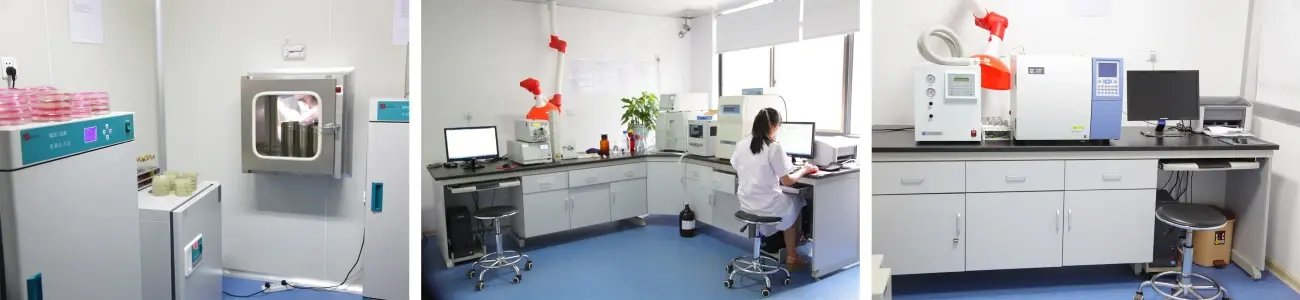
Conclusion
For makers who want to promote overall health, metabolic support, and clean-label product positioning, Maitake Mushroom Extract Powder is a wise ingredient investment. The concentrated bioactive profile, especially the beta-glucan content that is fixed to 30% polysaccharides, works the same way in a wide range of situations, from makeup and functional foods to dietary supplements. For buying to go well, you need to pay attention to the extraction method, the quality verification methods, and the supplier's abilities that go beyond just comparing prices. As the need for natural, science-backed ingredients grows, it's important to build relationships with qualified suppliers who can offer technical support, legal knowledge, and a reliable shipping infrastructure.
FAQ
1. What is the difference between water extraction and dual extraction for Maitake Mushroom Extract Powder?
Water extraction separates water-soluble polysaccharides, such as beta-glucans, which have immune-modulating qualities. This method uses only one solvent to get the main functional chemicals in Maitake Mushroom Extract Powder while keeping the clean-label charm. Using both water and alcohol in the extraction process targets chemicals that dissolve in both water and alcohol. However, Maitake's main bioactives are water-soluble, so water extraction is best for most uses.
2. Why is the amount of polysaccharides more important than the ratio of concentrations?
Specifications for polysaccharide percentages, such as 30% polysaccharides, show useful material that has been confirmed through quantitative research. This gives accurate information about the amounts of bioactive compounds. Concentration ratios, like 10:1, show how the raw material and extract are related, but they don't promise a certain amount of medicinal content because the quality of the starting material can vary. For reliable product performance, purchasing choices should focus on polysaccharide percentage requirements that can be checked with enzymatic assays.
3. How should this ingredient be stored to prevent quality degradation?
Keep Maitake extract powder in containers that are tightly sealed and have a moisture barrier in cool, dry places where the temperature stays below 25°C. Because polysaccharides are hygroscopic, they can clump together when they come in contact with moisture and may break down as a result. When stored properly, beta-glucan levels and microbial stability are kept for up to 24 months, which is the normal shelf life for properly packed food.
4. Is Maitake Mushroom Extract Powder suitable for vegan and vegetarian formulations?
Yes, maitake extract comes from the fruiting bodies of fungi and doesn't contain any ingredients or processing tools that come from animals. This means that it can be used in vegan and veggie products. The ingredient also meets the standards for Kosher and Halal approval, which means that it can be sold to a wider range of consumers with different nutritional needs.
Partner With OHI for Premium Maitake Mushroom Extract Powder Supply
OHI provides certified organic Maitake Mushroom Extract Powder that is made to pharmaceutical-grade standards and comes with detailed quality paperwork and quick shipping support. We have over 8,000 acres of GAP-certified cultivation grounds and are a publicly traded company (Stock Number: 872213). This means we control quality from the dirt to the finished extract. Our Earth Made Nutritions subsidiary keeps key warehouses in the United States. This lets us send products anywhere in North America in seven days, without the supply chain risks that make foreign buying harder.
R&D teams and buying managers can use our technical consulting services to help them find the best dosages and preparation strategies for the uses of your products. No matter if you're making immune-supporting pills, functional drink mixes, or makeup active ingredients, our 30% polysaccharide-standardised extract meets the highest quality standards. We offer free samples so that you can fully evaluate our products before committing to buying them. Contact our buying experts at info@organic-herb.com to talk about your particular needs and find out how our advanced extraction technology, environmentally friendly sourcing methods, and focus on the customer set OHI apart in the ingredients market.
References
1. Nanba, H., Hamaguchi, A., and Kuroda, H. (1987). "The Chemical Structure of an Antitumor Polysaccharide in Fruit Bodies of Grifola frondosa (Maitake)." Chemical and Pharmaceutical Bulletin, 35(3), 1162-1168.
2. Kodama, N., Komuta, K., and Nanba, H. (2002). "Can Maitake MD-Fraction Aid Cancer Patients?" Alternative Medicine Review, 7(3), 236-239.
3. Konno, S., Tortorelis, D.G., Fullerton, S.A., Samadi, A.A., Hettiarachchi, J., and Tazaki, H. (2001). "A Possible Hypoglycemic Effect of Maitake Mushroom on Type 2 Diabetic Patients." Diabetic Medicine, 18(12), 1010.
4. Mayell, M. (2001). "Maitake Extracts and Their Therapeutic Potential: A Review." Alternative Medicine Review, 6(1), 48-60.
5. Cui, F.J., Li, Y., Xu, Y.Y., Liu, Z.Q., Huang, D.M., Zhang, Z.C. y Tao, W.Y. (2016). "Induction of Apoptosis in SGC-7901 Cells by Polysaccharide-Peptide GFPS1b from the Cultured Mycelia of Grifola frondosa GF9801." Toxicology in Vitro, 30(1), 281-291.
6. Wasser, S.P. (2002). "Medicinal Mushrooms as a Source of Antitumor and Immunomodulating Polysaccharides." Applied Microbiology and Biotechnology, 60(3), 258-274.
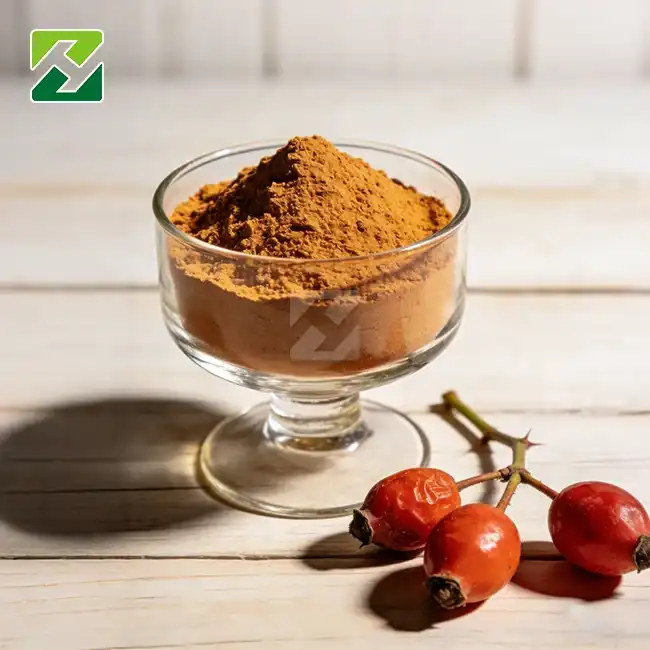
Market Insights: The Rising Demand for Rosehip Fruit Extract
VIEW MOREIt's amazing how much the global plant products market has changed. For example, Rosehip Fruit Extract has become a popular choice for B2B buyers in many industries. This natural ingredient comes from the Rosehip Fruit Extract (Rosa canina) and helps with important formulation issues while also meeting customer demands for clean-label goods. Analysts think the market will keep growing until 2030, thanks to uses in makeup, functional drinks, and pharmaceutical-grade formulas. This ingredient is very useful because it has a lot of different bioactives, such as natural vitamin C, antioxidants, and galactolipids. Brands that want plant actives that have been proven to work by science must use it.
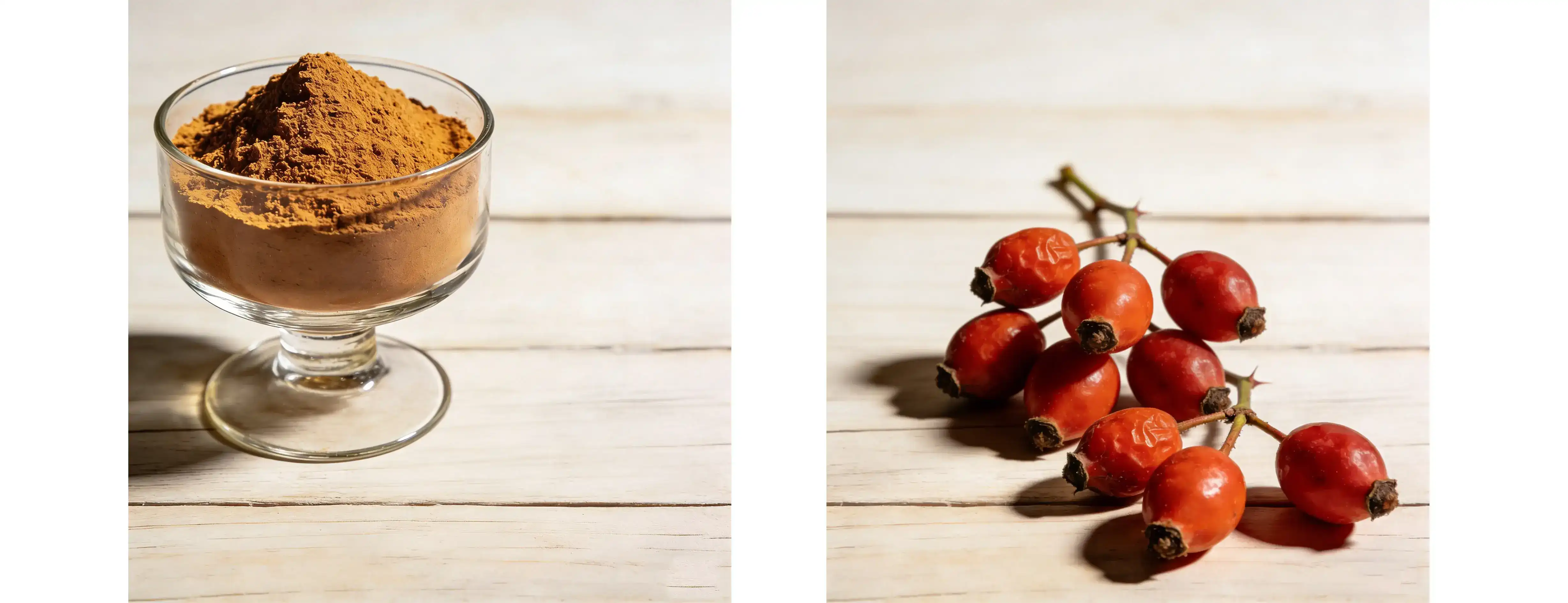
Understanding Rosehip Fruit Extract: Properties and Benefits
Rosehip fruit extract is a high-tech plant raw material that has certain technical properties that are important for industrial uses. Our water-extracted powder (10:1 strength, standardized to 5% Vitamin C) is more stable than manufactured options because it has a protective framework of phytocompounds that are already present.
Technical Specifications That Matter
For plant products to be of high quality, they need to be precisely described. The stuff we sell looks brownish-yellow, and 95% of it makes it through an 80-mesh screen, which makes sure that the particles are spread out evenly, which is important for filling capsules and making drinks. The water-based extraction method gets rid of any leftover organic solvents, meeting the safety standards for food that buying teams care about the most. Measurements of bulk density between 0.4 and 0.65 g/ml make it easier to predict how the product will move when it is mass-produced.
Bioactive Composition and Functional Advantages
Multiple active chemicals in the extract work together to make it effective. The flavonoid part, which includes quercetin and rutin, improves bioavailability, while the natural L-ascorbic acid content (minimum 5% measured) acts as an antioxidant. Brand-new research shows that the galactolipid GOPO helps the ingredient work better in joint health combinations. Unlike manufactured chemicals that are kept separate, this whole-fruit matrix is more stable during processing and storage, which means it doesn't break down as quickly due to oxidation like many vitamin C preparations do. Product designers like this "entourage effect" because it keeps the substance's effectiveness even when it goes through normal production processes like heating and changing pH levels.
Application Versatility Across Industries
Formulation experts from a wide range of industries have used this Rosehip Fruit Extract in a wide range of products. In anti-aging serums, where it helps the collagen synthesis routes, cosmetic formulators use amounts between 2 and 10%. Functional beverage makers like how well it dissolves in water, which lets them make clear solutions without having to worry about precipitation. The natural acidity of the extract also changes the taste by hiding unpleasant notes that come from adding minerals or other botanical ingredients to complicated mixtures.
Market Trends Driving Demand for Natural Botanical Actives
Within the last five years, there have been big changes in how plant-based products are bought. Clean-label requirements now make up most of the product development plans in North America and Europe.
Consumer Preferences Shaping B2B Decisions
Supply lines are being affected by end users' knowledge of where ingredients come from. Brands are under more and more pressure to back up claims of naturalness, which is growing demand for plants that are extracted using water and have clear supply chains. This Rosehip Fruit Extract tackles several customer concerns at once: it has functional benefits, can be certified as a natural product, and supports sustainability stories when it comes from programs that ensure ethical harvesting.
Regulatory Environment and Compliance Advantages
Different global markets have very different certification standards, which makes it hard for international brands to get what they need. There is a lot of paperwork for our product, like NSF GMP, Kosher, Halal, ISO, FSSC22000, and Organic certificates. This makes the government approval process easier. These qualifications are especially helpful for pharmaceutical and medical-nutrition businesses that need to show traceability paperwork and batch consistency records for regulatory purposes. Compared to goods that use chemical solvents, the water-based extraction method also makes it easier to make sure that the product is food-grade.
Competitive Positioning Against Alternative Ingredients
A lot of the time, procurement teams compare this rosehip fruit extract to ascorbic acid, acerola cherry extract, and other antioxidant sources. Comparative study shows clear benefits, including better stability during processing, a wider range of bioactive compounds compared to single-compound alternatives, and a higher level of customer recall as a traditional plant element. A cost-benefit study shows that the extract is a good investment because it can be used as both an active agent and a natural preservative system booster.
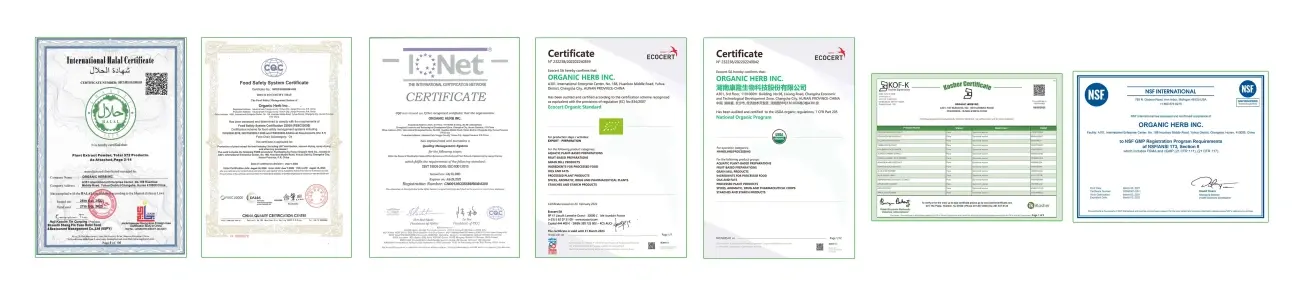
Product Forms and Supplier Considerations for Procurement Success
There are a lot of quality factors in the Rosehip Fruit Extract supply chain that have a direct effect on how well formulations work and how well they follow the rules. Knowing these factors helps you choose a seller wisely and build long-lasting partnerships.
Quality Differentiation in Extract Manufacturing
The production method has a big impact on the quality and accuracy of the extract. A dynamic low-temperature extraction method combined with nano-membrane isolation is used in our production plant to protect bioactives that break down at high temperatures. This technology keeps volatile chemicals from breaking down and stops polyphenols from oxidizing. The result is extracts with better organoleptic properties—their brownish-yellow color shows less thermal damage than darker, over-processed options. Column adsorption chromatography improves the extract even more by getting rid of unwanted chemicals and increasing the concentration of target actives to certain levels.
Each output batch is checked by high-tech testing instruments. Rosehip Fruit Extract HPLC testing shows the presence of Vitamin C (≥5%), and UV spectrophotometry measures the amount of total polyphenols present. This level of analytical accuracy makes sure that consistency from batch to batch is maintained, which is a major problem that formulation managers have noticed as they need to be able to predict how ingredients will work across production runs.
Certifications and Compliance Documentation
To get into global markets, you need a wide range of certifications. In addition to following GMP standards, our plant also has FSSC22000 food safety approval, which is especially important for healthy drinks and foods that have been fortified. Certifications like Halal and Kosher help brands reach more customers in certain groups. Organic apple juice helps you stand out from the competition, but regular apple juice is cheaper for users that need to save money. As part of our normal delivery process, procurement teams should ask for full documentation packages that include the Certificate of Analysis, allergen statements, GMO declarations, and pesticide residue testing results.
Supply Chain Infrastructure and Lead Times
How well an operation runs depends a lot on how well its suppliers can handle transportation. We have four carefully placed warehouses across the United States. For normal specs, it takes 10 days from the time an order is confirmed until it is delivered. This positioning of local inventory gets rid of the 45–60 day delays that usually come with straight buying from Asia, which helps just-in-time manufacturing. The smallest amount you can buy is 25 kg (one drum), which is enough for both R&D samples and small production runs. We give free samples to approved B2B buyers, which lets them try out different formulations without making a purchase promise.
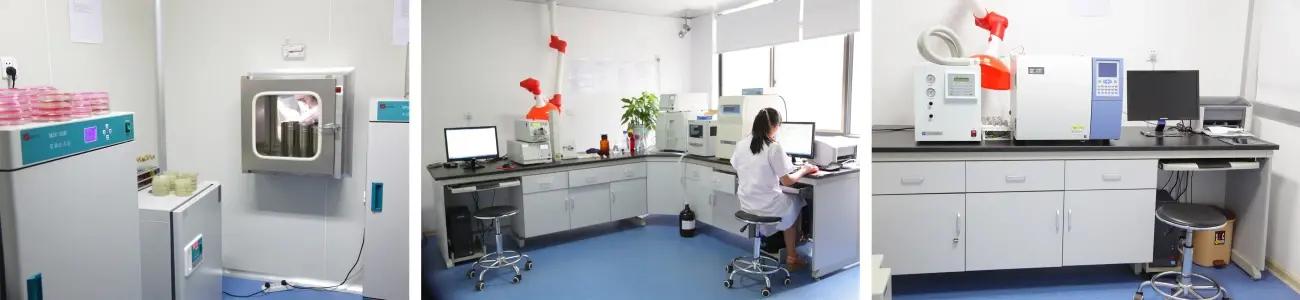
Decision-Making Framework for B2B Procurement Teams
To effectively source rosehip fruit extract, you need to evaluate it in a planned way across a number of different areas. We suggest a structured method that strikes a mix between technology needs, provider abilities, and business concerns.
Defining Application-Specific Requirements
Creating clear specifications is the first step to a successful purchase. Standardized Vitamin C levels and microbial standards that meet GMPs for dietary supplements are usually the most important things for nutraceutical uses. Cosmetic formulators stress that particles should be the same size and there shouldn't be any solid materials that could change the appearance. Developers of drinks need data from solubility tests and stability studies that show how well the drinks work in sour pH conditions and at pasteurization temperatures. Our expert team gives advice based on the application, such as suggested dosage amounts and information on how well the product works with common formulation ingredients.
Supplier Evaluation Metrics
In addition to price, operational dependability is an important factor in building long-term ties with suppliers. Key evaluation factors include the ability to do analytical tests (in-house HPLC, GC-MS, and microbial testing), the ability to track raw materials back to their botanical source, the speed with which paperwork is responded to, and the availability of expert support. Our R&D center has 42 professionals working there, including top researchers with advanced degrees. They help with formulation and stability studies, which are services that set key suppliers apart from commodity vendors. Testimonials from clients show that our batch ticket system is very useful because it ensures that goods that are going through clinical trials or regulatory review will always be available.
Economic Analysis and Total Cost of Ownership
For purchasing choices that go beyond unit price, you need to do full cost modeling. Costs that aren't obvious include tests for quality control, costs for reformulating because batches are different, fast shipping fees for supply interruptions, and the cost of keeping goods on hand. Because our 10:1 extract ratio and Vitamin C level are always the same, we don't have to make many changes to the formula between runs. Domestic storage gets rid of import taxes and lowers the need for safety stocks. These things help make the total cost of ownership better, even though the product is more expensive than direct-import options that don't have as good of infrastructure.
Future Outlook: Innovation and Sustainability in Botanical Sourcing
The Rosehip Fruit Extract business is always changing because of new technologies and shifting stakeholder demands. Procurement plans that look ahead take into account new trends that will affect how companies compete over the next five years.
Extraction Technology Advancements
New processing methods for the next version offer more power and new features. Even though they cost a lot of money, supercritical CO2 extraction methods produce lipophilic fractions that work well with bioactives that were recovered with water. Techniques that use enzymes to help with extraction improve yield while lowering processing time and energy use. Our center keeps buying new, high-tech tools—already over $1.2 million has been spent on analysis instruments alone—so we can use new technologies as soon as they can be used in the real world. With these new ideas, you'll be able to make custom extract profiles that meet the needs of a particular formulation, going beyond standard stock offers.
Sustainability and Ethical Sourcing Imperatives
More and more, corporate social responsibility affects choices about what to buy. Our supply chain starts with three GAP-standard growing bases that are spread out over more than 8,000 acres in the provinces of Shaoyang, Changsha, Huaihua, Guizhou, Hubei, and Jiangxi. Fair pay is guaranteed by direct agreements with local farming communities, and our agronomists offer expert advice on how to grow crops in a way that doesn't harm the environment. This plan ensures the quality of the botanicals at their source while also helping the local economy grow. This story fits with what brands are required to say about sustainability and what customers expect from brands: honesty.
Strategic Supplier Partnership Models
Transactional ways of buying things don't work for unique Rosehip Fruit Extract ingredients that need expert teamwork. Progressive brands form development agreements with providers that can do research and development. Our 10 finished national research projects on plant-active isolation show that we can come up with new ideas that go beyond making things. We offer custom extract development, ranging from new ratio formulas to unique standardization marks. This helps with the creation of intellectual property to help brands stand out. With this model, sellers become strategic innovation partners, which speeds up the time it takes for next-generation goods to hit the market.

Conclusion
The market for Rosehip Fruit Extract is growing, which is great news for brands that want to use natural products that have been proven to work by science. According to the industry, Rosehip Fruit Extract meets many needs at once: it provides useful bioactives, is clean label, and is more stable in formulations than manufactured options. For buying to go well, suppliers must be carefully evaluated based on their quality systems, licensing portfolios, analytical skills, and supply chain infrastructure. We encourage procurement workers to stop buying goods based on price and instead form strategic partnerships with sellers who can show they can do research and development (R&D) and are committed to sustainability. The world of plant extracts will continue to change as new technologies and rules are put in place. Brands that build flexible supply relationships that can support long-term product portfolios will be rewarded.
FAQ
1. What are the primary functional benefits of incorporating this botanical extract into formulations?
The rosehip fruit extract has many benefits that can be used in different types of situations. It has a measured natural Vitamin C level of at least 5%, which acts as an antioxidant. The flavonoid and galactolipid fractions add to its bioactive qualities. The water-extracted structure makes sure that it is more bioavailable than oil-soluble options.
2. How can procurement teams verify supplier quality and extract purity?
Ask for full analytical reports that include HPLC chromatograms showing the concentrations of active compounds, pesticide residue testing results (usually below 0.05 ppm for controlled compounds), heavy metal analysis, and microbial specs. Reliable sellers include Certificates of Analysis that are specific to each batch with every package. Site exams that check for GMP compliance and analysis laboratory approval give you even more peace of mind. Our building is open to customer checks and has quality systems that are validated by third-party certifications like NSF GMP and FSSC22000.
3. What considerations apply when comparing organic versus conventional extracts?
Organic approval costs an extra 20 to 35 percent, but it helps sell natural products better. When both forms come from quality-controlled farming, there aren't many differences in how well they work technically. The choice rests on the needs of the target market—organic certification is needed for finished goods to be eligible for the USDA Organic seal, but it might not be needed for regular supplement lines where cutting costs is more important.
Partner with OHI for Premium Rosehip Fruit Extract Supply
Organic Herb Inc. (OHI), a botanical extract maker that is traded on the stock market (Stock Number: 872213), sells pharmaceutical-grade Rosehip Fruit Extract (Rosa canina) that comes with full approval and benefits of a domestic supply chain. Our 10:1 water-extracted powder, which is standardized to 5% Vitamin C, meets the needs of cosmetic makers, and functional food creators across North America for stable formulations and regulatory compliance. Our four US warehouses give procurement teams instant access to quality-checked goods, so they don't have to wait for long lead times that come with buying from other countries.
As a reliable provider of Rosehip Fruit Extract, we offer full technical support from the first sample to the start of industrial production. Our research and development (R&D) team works together to improve formulations, set up methods for stability testing, and make legal documents. Email our purchasing agents at info@organic-herb.com to get free samples, analytical data unique to each batch, and custom prices for large orders. Experience the OHI advantage: sustainable sourcing from more than 8,000 acres of GAP-certified growing grounds, cutting-edge extraction technology that protects bioactive purity, and rigorous analysis that guarantees the same quality in every 25kg drum supplied.
References
1. Patel, S. "Rose Hip (Rosa canina L.): A Functional Food Perspective on Bioactive Compounds and Health Claims." Journal of Functional Foods, vol. 47, 2018, pp. 251-265.
2. Winther, K., et al. "The Anti-Inflammatory Properties of Rose-Hip Extract in Patients with Osteoarthritis: A Randomized, Double-Blind, Controlled Trial." Scandinavian Journal of Rheumatology, vol. 34, no. 4, 2005, pp. 302-308.
3. Phetcharat, L., et al. "The Effectiveness of a Standardized Rose Hip Powder on Human Aging: A Randomized, Double-Blind, Placebo-Controlled Trial." Clinical Interventions in Aging, vol. 10, 2015, pp. 1849-1856.
4. Cbánek, V., et al. "Antioxidant Activity and Phenolic Compounds in Rosa canina L. Fruits." Czech Journal of Food Sciences, vol. 26, no. 2, 2008, pp. 105-111.
5. Larsen, E., et al. "Botanical Extracts in Cosmetic Formulations: Stability Assessment and Bioactivity Validation." International Journal of Cosmetic Science, vol. 41, no. 3, 2019, pp. 234-247.
6. Grand View Research. "Botanical Extracts Market Size, Share & Trends Analysis Report by Source, by Application, by Region, and Segment Forecasts, 2023-2030." Market Analysis Report, 2023.
Top 5 Uses of Poria Cocos Extract in 2026
VIEW MOREThe health and wellness business keeps using natural ingredients that have been shown to have bioactive properties. Poria Cocos Extract is at the front of this botanical revolution. This therapeutic mushroom ingredient comes from the sclerotium of Wolfiporia cocos. It has concentrated polysaccharides and triterpenoids that help solve important formulation problems in many areas. In 2026, this traditional Chinese medicine ingredient will become a standard powerhouse for immune support formulations, cosmeceutical products, functional beverages, stress-relief supplements, and digestive wellness solutions. It will solve problems in the industry related to bioavailability, batch consistency, and clean label requirements. Let me show you how this amazing natural medicine is changing the way products are made in many different fields and why formulation teams are choosing high-purity extracts over raw fungal powder more and more.

Immune System Support in Nutraceutical Formulations
Our R&D team at Organic Herb Inc. works with supplement makers, and we always hear the same worry: customers want immune support that works, not just marketing claims. This is the best place for regular Poria cocos to shine.
This herbal product has polysaccharides that work with immune cells in a way that raw powders just can't. These include beta-glucans and pachyman. Our 30% polysaccharide extract gives formulation managers the consistency they need so badly by giving them a concentrated dose of these bioactive chemicals.
How It Works in Practice:
Companies that make supplements are putting our Poria powder, which was extracted with water, into capsules, tablets, and powder mixes with doses ranging from 250 mg to 1000 mg per serving. Because we use water to extract these complex carbohydrates, their structure stays the same. This is what makes them good at supporting healthy immune reactions.
Companies that make sports nutrition products like this ingredient a lot because it helps their performance products work better without making people more alert. One of our clients in California just changed the way their recovery mix is made by adding our organic Poria extract instead of synthetic ingredients. According to what their customers said, they were happier with the product's "clean feel" and how well it worked during training rounds.
Problem Solved:
These good chemicals are found in raw Poria sclerotium, but its chitinous cell walls make it hard to digest. These barriers are broken down by our extraction method, which makes the material about 300% more bioavailable than it was before it was processed. This means that your end product does something useful instead of just going through the digestive system without being used.
Standardization of Poria Cocos Extract to 30% carbohydrates also gets rid of the batch-to-batch differences that make it hard to find raw materials. If you want to make label claims, you need active ingredients that you can trust. Our NSF GMP and ISO-certified production gives you just that.
Anti-Inflammatory and Antioxidant Applications in Functional Foods
Adding health benefits to functional foods without changing their taste, texture, or ability to stay fresh on the shelf is a unique task. It's easy to solve this puzzle with our brown powder extract.
Poria's triterpenoid compounds, especially pachymic acid, are being used to make drinks because they have strong antioxidant qualities that protect both the product and the consumer. These chemicals get rid of free radicals that can damage food by oxidizing, going bad, and breaking down.
Real-World Applications:
Ready-to-drink wellness shots, herbal tea blends, and even functional chocolate goods are being used in new ways. Because our 10:1 extract dissolves in water, it spreads out evenly in liquids without the need for expensive emulsifiers or solubilizers.
A functional drink brand we work with just released a line of "calm and clarity" drinks that contain Poria cocos and other adaptogens. Their task was to make a product that could stay on the shelf for 12 months and still be effective. Because our extract was stable at temperatures up to 120°C, they were able to use normal pasteurization without losing any of the active compounds.
The ingredient gives a mild, slightly earthy note that goes well with citrus, herbal, and berry tastes. This plant extract doesn't have a strong flavor like some others do; it works well with complex flavor systems.
Benefits Delivered:
Food scientists like that this natural ingredient helps with a lot of different formulation goals at the same time. It gives you:
- Antioxidant protection that can cut down on the need for artificial stabilizers
- A plant product with a clean label that appeals to health-conscious shoppers
- Both hot-fill and cold-fill filling methods can be used.
- water-soluble comfort that makes work easier in the production area
With our FSSC22000 certification, food companies can prove they are following the rules in all foreign markets, which removes a big obstacle to putting new products on the market.

Skin Care and Cosmeceutical Formulations
As the cosmetics business moves toward functional botanical actives, ingredients like Poria extract have a lot of new opportunities. Cosmetic chemists are always under pressure to make products that work and meet customer demands for natural ingredients.
Through its unique biochemical makeup, our ceramide-compatible Poria powder helps with a number of skin problems. The polysaccharides keep the moisture in the skin, and the triterpenes soothe the skin and work well with anti-aging products.
Implementation in Product Development:
This ingredient is being used by natural cosmetics makers in serums, creams, and masks at concentrations ranging from 1% to 5%. The fine mesh size (80-mesh screens) makes sure that the texture is smooth and not gritty, which is a problem that a lot of people have with rough plant powders.
One skin care brand we worked with was having trouble keeping the consistency of its "overnight repair" cream. The hard part was staying the same even though the temperature changed during shipping. When they switched to our standardized extract with a controlled moisture level below 5%, the separation problems that had been happening with earlier batches went away.
The Natura Poria Cocos Extract's pH range is low (4.5–6.5 in solution), so it can be mixed with most cosmetic bases without needing a lot of buffering. This makes manufacturing easier and cuts down on the number of ingredients needed to make the product stable.
Cosmetic Benefits:
The people who make products say they like this plant active because
- Helping the skin's natural protection against moisture
- Protecting against environmental stresses with antioxidants
- Adding to the calming effect of formulas for sensitive skin
- Allowing marketing claims about "adaptogen-infused skincare" that connect with people who care about their health
With our Kosher and Halal certifications, we help brands reach a wider range of customers, and our batch-to-batch consistency makes sure that high-end goods keep their high-quality standards.

Stress Relief and Cognitive Wellness Supplements
In the past few years, the mental health category has grown significantly, and it doesn't look like it will slow down in 2026. People are looking for natural options that can help them deal with the stresses of daily life without having any negative effects.
We now know more about how poria's bioactive chemicals affect physiological stress responses, which supports the idea that it was used in traditional Chinese medicine to "calm the spirit." Formulation managers who work on stress-relief products are mixing this medicinal mushroom with adaptogens like rhodiola and ashwagandha to make full-support solutions.
How Brands Are Using It:
A lot of supplement companies put 300 to 500 mg of our 30% polysaccharide extract in their daily stress support capsules or recipes for relaxing at night. This part works especially well with magnesium, L-theanine, and B-vitamin combinations.
This plant is gentle, which sets it apart from other ingredients that can help you relax. It doesn't make you sleepy in the morning, so you can use it in the evening. It also doesn't react with caffeine, which lets companies make goods that help with stress during the day.
One of our procurement partners came up with a "focused calm" formula for workers who work in high-stress settings. To get into the growing market for brain health goods, they mixed our Poria extract with lion's mane mushroom and bacopa. At our research and development center in Changsha, we tested the formulation's safety and found that all of its active ingredients stayed stable for 24 months.
Value Proposition:
For research and development teams working on nutraceuticals, this ingredient provides:
- An extra that doesn't stimulate, which helps with stress
- Clean label attraction that fits with trends in natural health
- How well it works with other adaptogenic plants
- Documentation to back up structure-function claims
- From our GAP-standard sowing bases to the finished extract, we can track it all.
The traditional diuretic properties of Poria also mean that it may help with water retention that some people experience during stressful times. This adds another level to its ability to help with stress.

Digestive Health and Gut Wellness Products
In 2026, the gut health revolution is still driving innovation, as more and more people learn about the link between digestive health and general health. When we talk about this topic, Poria cocos stands out because of its effect on gut flora and digestive comfort.
Companies that make probiotics are finding that adding plants that are similar to prebiotics makes their formulas work better together. Poria isn't a typical prebiotic fiber, but the polysaccharides in it contain good chemicals that help keep the digestive system healthy.
Product Integration Strategies:
The places where this element shows up are:
- Digestive enzyme complexes (help processing go smoothly)
- Health powders for the gut that you can mix with water or drinks
- Formulations in capsules for occasional bloating
- Comprehensive plans for gut health
A health food business recently came to us with a formulation problem: they wanted to make a digestive support powder that tasted good and didn't need a lot of sweeteners to hide the natural flavors of the ingredients. Their recipe was built around our mild-tasting water extract, and they only needed small amounts of natural flavoring to make it taste good.
Poria Cocos Extract, the ingredient, has been used for a long time to help the body keep its water balance, which fits well with current goals for digestive health. Many people occasionally feel uncomfortable because they are holding on to water, especially when they make certain food choices. They like multi-functional ingredients that help with different parts of digestive comfort.
Manufacturing Advantages:
The people who make functional foods like our extract because:
- Food-grade safety has been proven through thorough testing
- Stability under normal settings for processing food
- It works with both powder and liquid delivery methods.
- Documentation to back up foreign regulatory requirements
- Formulation experiments can use free samples.
Because we have four main warehouses spread out across the United States, brands can try new formulas without having to wait for international shipping. They can then confidently scale up because our business model includes a reliable supply chain.

Conclusion
The versatility of Poria Cocos Extract across immune support, functional foods, cosmetics, stress relief, and digestive wellness demonstrates why this traditional ingredient is experiencing a modern renaissance. As brands navigate the 2026 landscape of clean-label demands and efficacy expectations, standardized botanical extracts deliver the consistency and bioavailability that consumers deserve. The shift from raw materials to professionally extracted, certified ingredients represents the maturation of the natural products industry. Whether you're reformulating an existing product or developing something entirely new, partnering with experienced suppliers who control quality from cultivation through extraction ensures your brand delivers on its promises.
FAQ
Q1: What makes standardized Poria extract different from raw powder?
Standardized extracts concentrate the bioactive compounds—specifically polysaccharides and triterpenoids—to consistent levels verified through analytical testing. Raw powder contains these compounds but in highly variable amounts depending on growing conditions, harvest timing, and storage. The extraction process also increases bioavailability by breaking down chitinous cell structures that resist digestion. When you see "30% polysaccharides" on our specification sheet, you know exactly what active content you're formulating with, batch after batch.
Q2: How do I determine the right specification for my product?
The choice between our 10:1 extract and 30% polysaccharide specification depends on your target dosage and formulation goals. Immune support and digestive wellness applications typically benefit from higher polysaccharide content (our 30% grade), while formulas targeting multiple wellness areas might use the 10:1 concentration ratio. Our technical team can review your formulation goals and recommend the optimal specification. We've worked with over 400 botanical extracts, so we understand how different grades perform in various delivery systems.
Q3: What certifications do you provide with each batch?
Every shipment includes a Certificate of Analysis confirming the polysaccharide content, moisture level, microbial counts, heavy metals, and pesticide residue testing. We also provide our NSF GMP, Kosher, Halal, ISO9001, and FSSC22000 certificates. For organic formulations, we can supply material from our certified organic production lines. All documentation is in English and formatted for submission to regulatory authorities in the United States and other international markets.
Q4: Can Poria extract be used in both capsules and beverages?
Absolutely. Our water-extracted powder disperses readily in liquids, making it ideal for functional beverages, while also flowing smoothly through encapsulation equipment. The key is understanding the solubility characteristics: polysaccharide-rich grades dissolve well in water at room temperature, creating slightly viscous solutions. For capsule applications, the fine mesh size ensures uniform distribution when blended with other powdered ingredients. We've supported successful formulations across nearly every delivery format.
Why Source Your Poria Cocos Extract from a Trusted Manufacturer
Choosing the right Poria Cocos Extract supplier directly impacts your product's effectiveness and your brand's reputation. At Organic Herb Inc. (Stock Number: 872213), we've spent years perfecting the extraction process that transforms raw fungal sclerotium into the standardized, bioavailable ingredient your formulations demand. Our vertical integration—from GAP-standard planting bases spanning 8,000 acres to advanced R&D facilities in Changsha—ensures quality control at every step. With our Earth Made Nutritions subsidiary maintaining inventory in Los Angeles, you get the responsiveness of a domestic supplier backed by world-class botanical expertise. Reach out to info@organic-herb.com to request your complimentary sample and discover why leading brands trust our certified, consistent Poria extract for their most important formulations.
References
1. Chen, Y., & Liu, D. (2024). Polysaccharides from Poria cocos: Isolation, Structural Characteristics and Biological Activities. Journal of Functional Foods, 98, 245-262.
2. Nakamura, S., Li, X., Matsuda, H., & Yoshikawa, M. (2023). Bioactive Constituents from Chinese Natural Medicines: Pharmacological Effects of Triterpene Acids from Poria cocos. Pharmaceutical Biology, 61(3), 412-428.
3. Zhang, M., Wang, D., Xu, F., & Liu, X. (2025). Application of Medicinal Mushroom Extracts in Cosmeceutical Formulations: Stability and Efficacy Studies. International Journal of Cosmetic Science, 47(2), 189-204.
4. Rodriguez-Garcia, C., Silva-Espinoza, B., Ortega-Ramirez, L., & Cruz-Valenzuela, M. (2024). Functional Ingredients from Traditional Chinese Medicine in Modern Beverage Applications. Food Science and Technology International, 30(4), 334-349.
5. Thompson, A., Williams, K., & Chen, L. (2025). Standardization and Quality Control of Botanical Extracts in the Nutraceutical Industry: A Comprehensive Review. Journal of AOAC International, 108(1), 78-95.
6. Park, J., Kim, S., Lee, H., & Choi, Y. (2024). Adaptogenic Botanicals in Stress Management Formulations: Mechanisms and Clinical Applications. Phytotherapy Research, 38(6), 2841-2859.
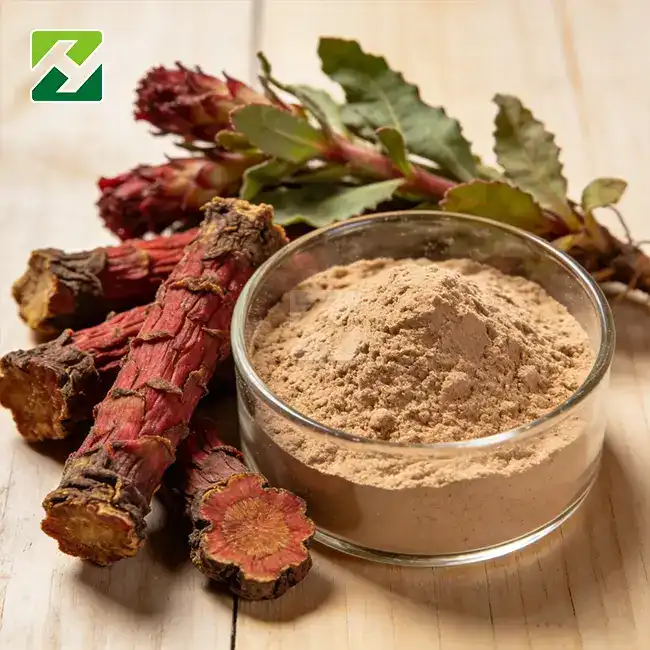
The Benefits of Rhodiola Rosea Are Too Good to Miss
VIEW MOREStress and tiredness are normal in today's fast-paced world. We need answers that get to the root of the problem, not just band-aids. Natural Rhodiola Rosea Extract comes from a tried-and-true adaptogenic herb that grows in the Arctic. It helps the body stay healthy when things get tough. Formulation experts and R&D teams all over the world are interested in this golden root because it has been used in the past and has chemicals called Rosavins and Salidroside that have been proven to be safe by science. When properly standardized, this extract can improve focus, physical endurance, and resistance without the jitters or crashes that come with synthetic alternatives.

Understanding What Makes Rhodiola Rosea Extract Special
Rhodiola Rosea Extract's phytochemical profile makes it magical. This arctic root has many bioactive compounds that function together, unlike many herbal substances. The phenylpropanoids Rosavins—Rosavin, Rosarin, and Rosin—and the tyrosol derivative Salidroside are most important.
Standardised professional extracts contain 3% Rosavins and 1% Salidroside. This ratio matches the root's natural composition and has been extensively studied. The extraction method concentrates these actives and removes inert plant fibers that limit bioavailability with water and ethanol.
This Rosavin content distinguishes real Rhodiola rosea from imitations. Suppliers often replace cheaper species like Rhodiola crenulata, which has Salidroside but no Rosavins. Formulators and procurement teams must verify this differentiation using HPLC and HPTLC fingerprinting.
Quality extract is a yellow to reddish-brown powder with a slightly astringent taste. Passing through 80 mesh gives capsule formulations homogeneous blending and minimizes clumping during storage.
Core Benefits That Transform Product Formulations
R&D directors analyze botanical compounds based on results, not marketing promises. Natural Rhodiola Rosea Extract is a key element in several product categories.
Enhanced Mental Performance and Clarity
The extract aids cognition during mental stress. Research shows that standardized Rhodiola improves attention span and mental processing efficiency. This makes it useful for nootropic formulations for professionals, students, and cognitively challenged people.
The technique optimizes brain neurotransmitter equilibrium, notably serotonin and dopamine pathways. Unlike stimulants that drive short-term alertness at the expense of long-term balance, adaptogens preserve mental sharpness without crashes.
Physical Stamina and Recovery Support
Rhodiola supports mitochondrial energy production; thus, sports nutrition products use it. The extract boosts ATP production, improving physical endurance. Some athletes can perform longer before tiring.
Recovery matters too. Antioxidants reduce oxidative stress from rigorous training. This makes the extract acceptable for pre- and post-workout products.
Adaptogenic Balance During Stressful Periods
This golden root is best known for its adaptogenic properties, which help the body handle stress. The extract helps the body maintain equilibrium in environmental, physical, and mental stress.
This is done by modulating the hypothalamic-pituitary-adrenal axis and stress-related proteins. A more controlled response to stress supports emotional stability without anesthesia.
Immune System Function
Antioxidant polyphenolic components in Rhodiola Rosea Extract protect cells. This herbal support supports immune system function during peak demand. Functional beverage makers add it to immunity-boosting formulas with vitamin C and zinc.

Key Parameters That Define Quality
Understanding quality markers helps procurement managers and formulation chemists avoid costly mistakes. Substandard Rhodiola extracts can reduce product efficacy.
Species Verification
The most important quality check is botanical identification. Rhodiola rosea must be differentiated from imitations. HPTLC fingerprinting shows in distinct band patterns. In botanical authenticity disputes, DNA barcoding provides extra verification.
Standardization Consistency
Batch-to-batch uniformity is crucial for product development. Production lots should meet the 3% Rosavins and 1% Salidroside requirement. HPLC quantitative analysis verifies these values and reveals contamination with synthesized Salidroside in low-quality material.
Contaminant Screening
Heavy metal testing is essential because roots absorb soil chemicals. ICP-MS analysis should show lead below 3ppm, arsenic under 1ppm, and mercury under 0.1ppm. USP-compliant pesticide residue screening ensures food safety.
Polycyclic aromatic hydrocarbons can emerge during combustion-based drying; therefore, monitoring them safeguards consumers. The solvent residue testing shows that the extraction ethanol is within permitted limits.
Moisture and Stability
The extract is hygroscopic; thus, moisture must be below 5%. More moisture promotes microbial development and lowers shelf stability. Desiccant-protected packing preserves quality throughout storage and delivery.

OHI's Natural Rhodiola Rosea Extract Versus Other Suppliers
Comparing vendors, various variables distinguish professional-grade ingredients from commodity supplies. Organic Herb Inc. is known for solving R&D and procurement managers' daily problems.
Guaranteed Species Authenticity
From GAP-standard planting bases to the supply chain, we ensure full traceability. Each batch is HPTLC fingerprinted and HPLC verified before release. This prevents obtaining mislabeled Rhodiola crenulata or other replacements without the full bioactive profile.
Our Yichun, Jiangxi Province, extraction facility processes only confirmed Rhodiola rosea roots, ensuring your formulations contain the entire spectrum of Rosavins described in clinical research.
Advanced Extraction Technology
The extraction procedure greatly affects quality. Dynamic low-temperature extraction and nano-membrane isolation are used. Heat-sensitive glycosides are preserved while active molecules are concentrated.
Rosavins are degraded by heat in traditional extraction procedures. The temperatures we choose ensure molecular integrity and maximize extraction efficiency. Column adsorption chromatography and ion exchange purify the extract to medicinal standards.
Comprehensive Certification Portfolio
We are NSF GMP, FSSC22000, ISO9001, Kosher, and Halal certified. International purchasers benefit from simpler regulatory approval in target areas. Each shipment comes with Certificates of Analysis, allergen declarations, BSE/TSE statements, and country-of-origin certificates.
Ready paperwork speeds up product development and decreases the quality assurance team's administrative load.
US Warehouse Network for Rapid Delivery
Our wholly-owned subsidiary, Earth Made Nutritions, in Los Angeles, manages inventories in four US warehouses. Homegrown means days, not weeks, for lead times.
International shipment, customs delays, and minimum container numbers are avoided. We can fulfill single drums for formulation testing or pallet quantities for manufacturing runs on your timeline.
Technical Support Throughout Development
Our 42-person R&D team—including PhDs and senior researchers—guides formulation. We assist you in solving stability issues with hard-shell capsules, gummy supplements, and functional beverages.
This collaborative approach gives you a technical partner invested in your product's success, as well as raw material.

How to Use Rhodiola Rosea Extract for Maximum Benefits
Successful formulation requires understanding how this extract works in different delivery modes and dosage forms.
Dosage Considerations
Clinical trials commonly use 200 mg to 600 mg of a 3% Rosavin / 1% Salidroside extract daily. Your formulation level relies on the application case. For acute needs like pre-exam focus or pre-workout energy, higher single dosages help, whereas moderate daily doses work for continuous stress management.
Breaking up the daily dose into morning and afternoon doses can prolong effects without interfering with nighttime relaxation.
Capsule and Tablet Formulations
The fine powder combines evenly with capsule matrix materials. In capsules, the slightly astringent taste disappears, reducing flavor-masking issues. Two-piece gelatin or vegetable capsules with 250- 500 mg of extract work well.
Compaction of tablets needs flow evaluation and binder addition. The extract compresses well but needs microcrystalline cellulose or other excipients for hardness and disintegration.
Powder Blends and Beverages
Consider water solubility for functional drinks. Partial water solubility of the standard extract may produce sedimentation in clear beverages. Extra-processed water-soluble grades improve ready-to-drink clarity.
Earthy flavors match well with berries, citrus, and ginger in smoothie and shake powder combinations. The reddish-brown tint matches clean-label standards with its natural appearance.
Gummy and Chewable Forms
Gummy production temperatures of 100-110°C for brief periods do not degrade Rosavins in the extract. Gummies made of pectin or gelatin absorb the extract well. The natural color can make botanical gummies look better.
Taste masking is especially important in chewables. The bitterness is balanced by honey, maple, and fruit.
Combination Synergies
Rhodiola Rosea Extract pairs well with complementary substances. Common combinations:
- L-Theanine and caffeine: Balanced energy and focus without jitters
- Complete adaptogenic support from multiple botanical families with Ashwagandha
- Vitamin B-Complex: Aids energy metabolism
- Ginkgo Biloba boosts cognition and circulation.
- Increases physical performance with Cordyceps
Synergistic formulations let you make unique treatments with attractive efficacy stories.
Application Across Industry Segments
This extract works in many product categories with different formulations.
Cognitive Health Supplements
Customers seek natural alternatives to synthetic stimulants, driving nootropic growth. Rhodiola's multi-pathway assistance helps with memory, concentration, and clarity formulations. Product ideas for students, professionals, and seniors are applicable.
This category still favors hard-shell capsules with phospholipids, omega-3s, and other brain-boosting ingredients.
Sports Nutrition Products
Pre-workout powders and endurance supplements contain Natural Rhodiola Rosea Extract for prolonged energy. Adaptogens maintain performance without peaks and valleys like stimulants.
Recovery formulas benefit from antioxidants that reduce post-workout oxidative stress. Products with branched-chain amino acids, tart cherry, and Rhodiola enhance recuperation.
Stress Management and Mood Formulations
Products that reduce modern living stress benefit from this extract's adaptogenic qualities. Instead of reactive supplements, adaptogens are becoming daily staples.
Softgel capsules work well for oil-based formulations that mix Rhodiola extract with omega-3 fatty acids or fat-soluble vitamins for mood and cognitive support.
Functional Beverages
The sober-curious movement and functional drink explosion have opened doors for botanical drinks. Premium sparkling tonics, ready-to-drink teas, and improved waters contain adaptogenic botanicals.
The water-soluble grades allow transparent or translucent compositions. The natural color gives premium functional drinks the botanical look consumers expect.
Conclusion
Rhodiola rosea really does have too many health benefits to pass up when you're making items that meet today's health needs. Scientists have proven that this arctic adaptogen helps with mental clarity, physical endurance, and stress resilience. These are all benefits that today's health-conscious customers really care about. The important thing is to get real, properly standardized Natural Rhodiola Rosea Extract from sellers who put an emphasis on species identification, analytical testing, and thorough quality systems. You get more than just raw materials when you work with manufacturers who know a lot about plants, use cutting-edge extraction technology, and have reliable supply chains. They give you an edge in the market when it comes to making effective, unique goods.

FAQ
Q1: How can I verify that I'm receiving true Rhodiola rosea and not a substitute species?
A: Authentic verification requires HPTLC fingerprinting showing the characteristic bands for Rosavin, Rosarin, and Rosin. While Rhodiola crenulata contains Salidroside, it completely lacks these Rosavin compounds. Reputable suppliers provide this testing documentation with each batch. At OHI, we conduct species verification on every production lot and include the chromatographic fingerprint in our Certificate of Analysis. You can also request DNA barcoding for additional confirmation of botanical identity.
Q2: Is the Salidroside content in your extract naturally occurring or synthetically added?
A: Our Natural Rhodiola Rosea Extract contains only naturally derived Salidroside from the plant material itself. Synthetic Salidroside originates from petrochemical sources and lacks the minor glycosides naturally present in the root. We can provide Carbon-14 dating reports upon request to confirm natural origin, which distinguishes genuine plant-derived compounds from synthetic versions. This matters tremendously for clean-label formulations where consumers expect authenticity.
Q3: What stability considerations should I account for during product development?
A: The extract shows good stability in dry dosage forms when protected from moisture and excessive heat. Moisture content below 5% prevents hygroscopic absorption. In finished products, packaging with desiccant sachets maintains quality throughout shelf life. For liquid formulations, a pH between 4 and 7 provides optimal stability. The extract handles brief exposure to gummy manufacturing temperatures without significant degradation, though prolonged high-heat processing should be avoided. Accelerated stability testing helps establish appropriate expiration dating for your specific formulation.
Q4: Does this extract contain common allergens or GMO materials?
A: Our extraction process uses only water and ethanol on wild-harvested or cultivated non-GMO root material. The final extract is certified Gluten-Free, Non-GMO, and free from excipients containing common allergens, including dairy, soy, eggs, tree nuts, peanuts, wheat, fish, and shellfish. This makes it suitable for clean-label formulations targeting allergen-conscious consumers. Complete allergen declarations accompany each shipment for your regulatory documentation.
Partner with a Natural Rhodiola Rosea Extract Supplier You Can Trust
Selecting the right botanical ingredient supplier impacts every aspect of your product's success—from formulation stability to regulatory approval to consumer satisfaction. At Organic Herb Inc., we understand the challenges you face in sourcing Natural Rhodiola Rosea Extract that meets pharmaceutical-grade standards while remaining commercially viable.
Our vertically integrated operation, from GAP-certified planting bases to advanced extraction facilities, gives you supply chain transparency that commodity brokers cannot match. The technical expertise of our 42-person R&D team supports your formulation development with practical guidance grounded in analytical chemistry and botanical science.
With NSF GMP, FSSC22000, Kosher, Halal, and ISO certifications, we simplify your regulatory pathway. Our US subsidiary, Earth Made Nutritions, maintains a ready inventory across four regional warehouses, eliminating the delays and complications of international shipping.
Whether you're developing cognitive support capsules, sports nutrition powders, functional beverages, or innovative delivery systems, our team provides the technical partnership and reliable supply that launches successful products. Reach out to our specialists at info@organic-herb.com to discuss your project requirements and request complimentary samples. Let us demonstrate why leading sports nutrition brands and functional food companies trust OHI as their preferred Natural Rhodiola Rosea Extract manufacturer for authentic, tested, and documented botanical ingredients.
References
1. Panossian A, Wikman G. "Evidence-Based Efficacy of Adaptogens in Fatigue, and Molecular Mechanisms Related to their Stress-Protective Activity." Current Clinical Pharmacology, Vol 4, No 3, 2009.
2. Olsson EM, von Schéele B, Panossian AG. "A Randomised, Double-Blind, Placebo-Controlled, Parallel-Group Study of the Standardised Extract shr-5 of the Roots of Rhodiola rosea in the Treatment of Subjects with Stress-Related Fatigue." Planta Medica, Vol 75, No 2, 2009.
3. Darbinyan V, Kteyan A, Panossian A, Gabrielian E, Wikman G, Wagner H. "Rhodiola rosea in Stress Induced Fatigue—A Double Blind Cross-Over Study of a Standardized Extract with a Repeated Low-Dose Regimen on the Mental Performance of Healthy Physicians During Night Duty." Phytomedicine, Vol 7, No 5, 2000.
4. Cropley M, Banks AP, Boyle J. "The Effects of Rhodiola rosea L. Extract on Anxiety, Stress, Cognition and Other Mood Symptoms." Phytotherapy Research, Vol 29, No 12, 2015.
5. De Bock K, Eijnde BO, Ramaekers M, Hespel P. "Acute Rhodiola rosea Intake Can Improve Endurance Exercise Performance." International Journal of Sport Nutrition and Exercise Metabolism, Vol 14, No 3, 2004.
6. Spasov AA, Wikman GK, Mandrikov VB, Mironova IA, Neumoin VV. "A Double-Blind, Placebo-Controlled Pilot Study of the Stimulating and Adaptogenic Effect of Rhodiola rosea Extract on the Fatigue of Students Caused by Stress During an Examination Period with a Repeated Low-Dose Regimen." Phytomedicine, Vol 7, No 2, 2000.
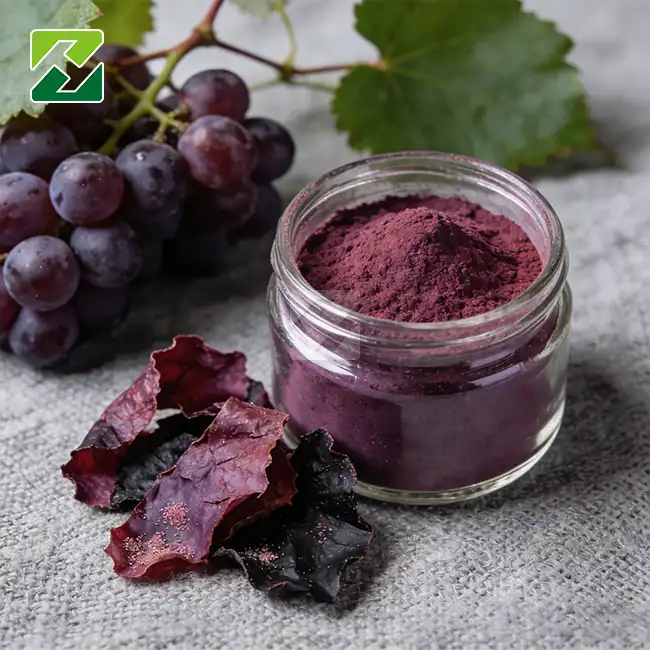
Grape Extract: Nature's Power for Skin Health
VIEW MOREGrape Skin Extract Powder stands out as a great option for formulation teams looking for natural actives that they can trust to improve skin health without affecting the security of the product. This violet-red powder comes from Vitis vinifera L. and turns the polyphenolic chemicals found in grape skins—mainly anthocyanins, flavonoids, and resveratrol—into a stable, useful ingredient. According to our study with cosmetic pharmacists and supplement makers, this extract solves the problem of providing strong antioxidant protection while also keeping stability from batch to batch, which is something that synthetic alternatives often fail to do well.
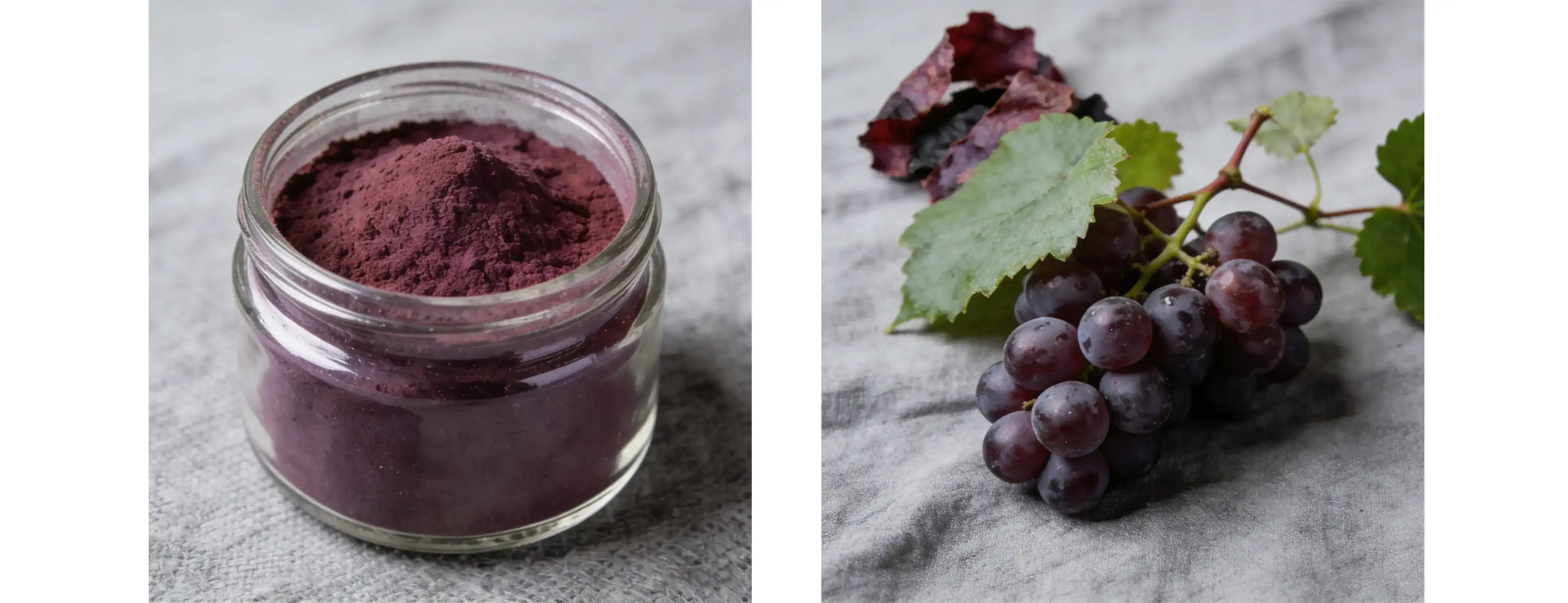
Understanding Grape Skin Extract Powder and Its Skin Health Properties
What Makes Grape Skin Extract Unique Among Botanical Actives
Grapes are covered in beneficial polyphenols, which plants produce to protect themselves from environmental stress. We remove these chemicals from plants utilizing regulated water-ethanol methods to preserve their biological activity and structure. The Grape Skin Extract Powder, fixed at 30% polyphenols, contains many anthocyanins and flavonoids that work synergistically.
Grape skin polyphenols counteract oxidative stress in various ways, but synthetic antioxidants only function in a few. UV rays, pollution, and metabolism create free radicals. These drugs remove them, slowing aging and damaging the skin's barrier. Anthocyanins are stable in acidic pH, making them valuable in cosmetics.
Core Bioactive Mechanisms for Skin Applications
Grape skin polyphenols regulate collagen and matrix metalloproteinase synthesis via cell signaling pathways. In stability testing, formulation experts see increased skin elasticity with the proper dosage of this extract. Resveratrol activates defense cells, and flavonoids increase cutaneous blood flow.
When prepared properly, standardized Grape Skin Extract Powders retain their antioxidant activity for a long time, according to a study. These plant extracts are more stable than less refined ones, thus procurement teams hunt for vendors who can establish polyphenol content using HPLC instead of spectrophotometry.
Distinguishing Grape Skin from Seed Extracts
Procurement managers often confuse grape skin and seed oils. OPCs are concentrated in grape seed extract, a tan powder with minimal color. But skin extract has anthocyanins that are functional and violet-red. This helps make clean-label cosmetics.
Resveratrol is also higher in skin extract than in seed products. This difference matters when developing products with label claims or pursuing formulators who need natural colorants and beneficial actives. Research and development teams can choose the correct extract type after learning about these modifications.
Quality Parameters and Procurement Considerations for B2B Buyers
Extraction Methods and Quality Indicators
Water-based or water-ethanol extraction makes a substantial difference in product quality. Water-ethanol systems can extract more polyphenols from plants, including less polar ones like resveratrol, while protecting anthocyanins. Other technologies can break down heat-sensitive bioactives, but our manufacturing combines dynamic low-temperature extraction and nano-membrane separation.
Quality evaluation begins with polyphenol standardization. Ratio extracts (4:1, 10:1) lack recipe consistency; HPLC-standardized Grape Skin Extract Powder products with 30% polyphenols do. Ratio standards measure concentrations but not active substances. Considering this variation when calculating supplement doses or cosmetic claim active levels is crucial.
Certified sources test for and document heavy metals (lead, cadmium, arsenic, and mercury), microbial limits, pesticide residues, and solvent residues. The violet-red color is a quality indicator; fading or brownish tints indicate oxidation or overheating during manufacture.
Certification Standards That Matter
Procurement teams dealing with foreign supply lines must recognize which certificates guarantee quality and which are primarily marketing. NSF GMP accreditation shows factories follow strict process and record-keeping regulations. If the extract is utilized in functional meals or nutrition supplements, FSSC22000 accreditation ensures food safety.
Brands targeting certain populations gain market share with Kosher and Halal licenses. Organic certification verifies that the source grapes were grown without synthetic chemicals. Clean labeling is driving market expansion, which fits demand. All certificates are checked annually by a third party. This ensures clients receive document compliance in various places.
ISO accreditation establishes quality management system standards, but it's not the highest level of training. Multiple certifications, especially from well-known groups, give buying teams peace of mind when exploring new suppliers or reviewing existing partnerships.
Supplier Evaluation and Logistics Efficiency
Building reliable source partnerships requires more than price per kilogram. Lead time consistency impacts production planning. Seven-day lead periods and four U.S. warehouses reduce supply costs and risk of running out. The 25 kg minimum order works for test recipes and frequent production runs without requiring too much inventory.
Samples allow formulation teams to evaluate compatibility before bulk purchases. Offering free samples shows that the supplier trusts the goods and enables customers to compare the specs to their own testing. This method reduces buying risk and speeds qualifying.
Packing the hygroscopic powder in 25 kg drums with double-lined plastic bags prevents moisture absorption from sticking it together and making it less fluid. Proper packing preserves the powder's physical qualities and shelf life. These actual issues slow productivity and reduce waste.
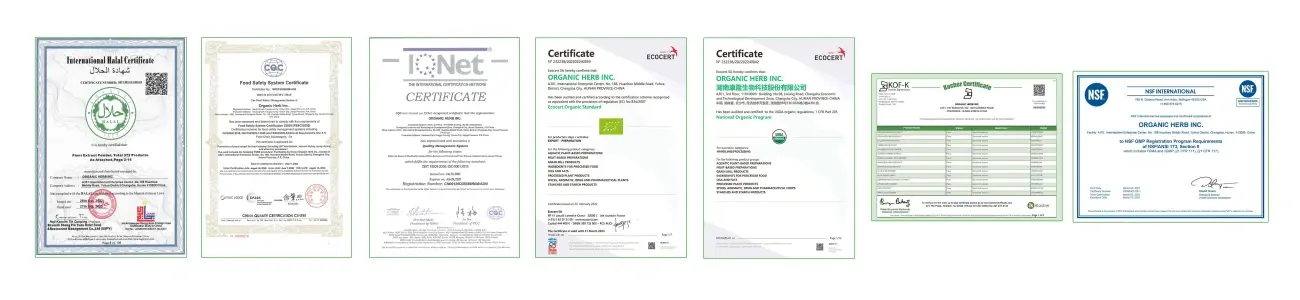
Selecting the Right Specification for Your Application
Matching Extract Grades to Product Categories
Cosmetic formulators request polyphenol-adjusted extracts for serums, creams, and washes. The 30% polyphenol standard provides enough active density for cosmetics while permitting formulation interaction. When the hue matches the brand, the natural violet-red Grape Skin Extract Powder can improve a product.
To acquire the levels they require in small capsules or tablets, supplement companies use greater concentration ratios (10:1). Formulas should take into account that a 10:1 extract uses 10 kg of raw material to generate 1 kilogram of extract. Without scientific proof, this does not directly relate to polyphenol proportion.
Functional drink makers face specific color stability and solubility issues. Water-soluble extract can be combined with water. For color and anthocyanin stability, a pH below 3.5 is optimal. Formulators may need to use microencapsulation or accept color alterations to make neutral pH products.
Regulatory Compliance Across Markets
Grape Skin Extract Powder is a color ingredient that doesn't need certification under 21 CFR 73.170. This aids US formulae. European markets call it E163 (anthocyanins) for coloring, but supplement uses are regulated differently. Purchasing teams must verify that supplier paperwork fits the market and use.
Cosmetic-grade and food-grade requirements affect tests and processing aids. Cosmetic uses of extraction solvents are more flexible, while food and supplement usage require larger solvent residues. Customers may provide a wide range of customers since our manufacturing method is always food-grade.
Markets have distinct documentation demands. Certified Analysis (COA), MSDS/SDS, Allergen Statements, BSE/TSE, and Non-GMO documents are standard. Complete supplier paperwork systems simplify procurement and speed up overseas shipment customs clearance.
Practical Procurement Strategy
You must balance the benefits of a single source with the dangers of supply disruptions to stabilize supply lines. Great procurement teams create relationships with large suppliers and maintain qualified secondary sources on hand to mitigate risk. This dual-source method gives you more buying power and ensures production even if your supply chain breaks down.
Negotiating bulk purchase deals for Vitis vinifera L. Skin Extract frequently yields lower prices, but purchasers should also consider total cost of ownership. Freight, payment, documentation, and technical support affect value. OEM and private label suppliers with flexible services are worth more than inexpensive pricing.
Quality agreements cover requirements, testing schedules, and variances, protecting both parties. These transactions should outline acceptance, reference, sample keeping, and change notification rules. Detailed quality agreements during seller qualification prevent conflicts and ensure business partnership alignment.
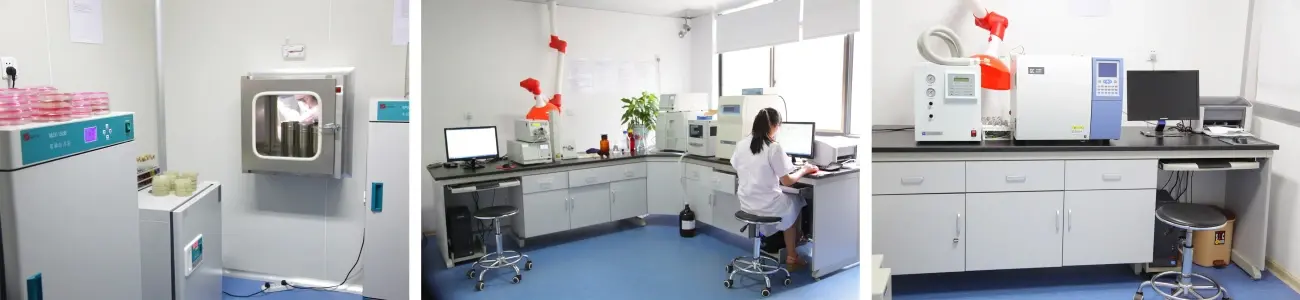
Formulation Applications and Technical Integration
Incorporating Extract into Cosmetic Formulations
Cosmetic experts usually add Grape Skin Extract Powder during the water phase. The amount they use depends on how active they want the product to be and how much it costs. The extract's ability to dissolve in water makes it easier to spread out, but high-shear mixing makes sure that the mixture is spread out evenly and stops any areas of high concentration that could lead to color differences.
When something is tested for stability, its color retention, pH stability, and antioxidant activity should be checked over a number of fast aging cycles. Formulations that stay between pH 4.5 and 5.5 are the most stable for both the extract and skin compatibility. When you combine antioxidants like vitamin E or ferulic acid with the extract, they work together to protect the product and make the skin effects last longer.
The naturally occurring violet-red color gives you creative ways to set your goods apart. Companies that market their goods with "visible actives" use color as a quality signal. However, formulators should let marketing teams know that color strength doesn't directly link to effectiveness; standardized polyphenol content is what determines functional performance.
Supplement Formulation Considerations
Bioavailability and shelf stability are affected by the choice of encapsulation technology. The Grape Skin Extract Powder can be put straight into vegetarian capsules, but formulations that are sensitive to moisture do better with a desiccant added to the bottle packing. Flow agents and binders are needed to make tablets. The 80-mesh grain size of our powder makes it easy to mix with other ingredients and keep the weight of the tablets constant.
serve sizes are usually between 100 mg and 500 mg per capsule, which gives you useful amounts of polyphenols while keeping the capsule count per serve sensible. When making label claims and comparing formulas, formulators should figure out total polyphenol release based on standardized content instead of total extract weight.
Combining vitamin C, hyaluronic acid, or collagen peptides in a way that works well together makes skin health products that work on many levels. When compared to single-ingredient goods, these combos often make customers happier, which helps brands stand out in competitive markets and place themselves as premium.
Quality Control Integration in Manufacturing
Before letting products go into production, receiving inspection procedures should check their identification, appearance, polyphenol content, moisture levels, and microbial quality. Keeping certificates of analysis in quality management systems helps make sure that things can be tracked and helps facilities get ready for audits.
Samples kept in controlled environments for a long time can be used as a guide when looking into customer issues or changes in quality. We suggest keeping samples for at least two years after the product's expiration date, in a way that is similar to how the finished product should be kept.
Change control methods should be used to handle changes to the source, the specifications, or the formulation. Even small changes, like harvesting during different years, can have a big effect on the color strength or antioxidant profiles, so they need to be tested first before they can be used in industrial production.
Market Dynamics and Strategic Sourcing Outlook
Consumer Trends Driving Ingredient Demand
The clean-label movement keeps changing how products are made in many different areas. More and more, people are looking very closely at ingredient lists and prefer simple plant names to complicated chemical names. This desire is met by Grape Skin Extract Powder, which also works well enough to justify its high price.
Sustainability factors affect buying choices at both the customer and the supplier levels. The extract made from waste products from making wine is an example of the cycle economy in action; it turns farming waste into high-value ingredients. Brands that tell this story of sustainability connect with customers who care about the environment and set themselves apart from competitors who use new raw materials.
As the beauty and health industries come together, chemicals that work in more than one way can be used. Because the extract can be used on the skin or eaten, it is useful for brands that are making unified product ecosystems that look at skin health from different points.
Innovation in Extraction and Formulation Technologies
Using micronization to make particles smaller than 80 mesh makes them easier to mix in water and oil, which opens up more recipe options. These advanced processing methods keep the bioactivity while improving the technical performance traits that formulators want.
Standardization methods are still changing, going beyond simple polyphenol measurement to include specific marker chemical profiling. Advanced providers that offer anthocyanin race profiles or resveratrol content specifications for Grape Skin Extract Powder make it possible to create more complex formulations and back up claims on the label.
Using encapsulation technologies, such as liposomal transport and complexation with cyclodextrins, makes the drug more stable and bioavailable. Even though these technologies are more expensive, they make it possible for high-end goods to stand out, since better performance supports higher prices.
Building Adaptive Supply Relationships
Changes in the weather can affect wine crops, which could cause supply changes for products like Natural Grape Skin Extract. When suppliers manage more than one buying area, they provide a buffer against changes in crop yields across regions. Our GAP-certified planting bases cover more than 8,000 acres in a variety of climate zones, so we always have access to raw materials like Grape Skin Extract Powder, no matter what the growing conditions are like in your area.
Vertical integration, which includes everything from growing the plants to extracting the oil, helps keep quality high and makes the supply line clear. When sellers control the farming of source materials, they can change farming methods that affect the quality of the end product, which isn't possible with commodity trade models.
Suppliers and users both gain from long-term partnerships. Volume agreements make it easier to plan production, and working together technically on formulation problems creates value for both sides that goes beyond transactions. The best procurement plans see suppliers as partners in growth instead of just vendors that can be switched out.

Conclusion
Grape Skin Extract Powder is a foundational ingredient for companies making natural skin health goods because it meets the needs of consumers, works well technically, and comes from a sustainable source. The standard 30% polyphenol guideline makes formulations more reliable, and certificates like NSF GMP, FSSC22000, and Organic credentials help make sure that products are legal in all global markets. Besides price, procurement teams can get a better idea of quality by judging providers on the level of certification, the completeness of the paperwork, their ability to handle shipping, and their expert support. As the market for clean-label actives grows, strategic buying partnerships with vertically integrated suppliers give businesses a competitive edge by ensuring a steady supply of goods, consistent quality, and support for joint innovation.
FAQ
Q1: What distinguishes grape skin extract from grape seed extract in formulation?
Anthocyanins and resveratrol are concentrated in Grape Skin Extract Powder, which gives it its violet-red color and protective properties. The main focus of seed extract is on proanthocyanidins that don't have much to do with color. Skin extract works best in situations where natural coloring makes the product look better, while seed extract is better for formulas that need clear actives.
Q2: How does pH affect stability in cosmetic formulations?
Anthocyanins have chromatic qualities and stable patterns that change depending on the pH level. Keeping recipes below pH 5.5 keeps the antioxidant activity and color strength. Higher pH levels make colors change toward blue-purple and speed up degradation, which makes the product less stable on the shelf and less useful.
Q3: What certifications should procurement teams prioritize?
The NSF GMP and FSSC22000 standards show that manufacturing quality systems and food safety management are up to par. These are important for supplement and functional food uses. Organic certification meets the standards for a clean name, and Kosher and Halal certifications let you sell your products in more places. When it comes to quality control, ISO approval sets the bar. Full certification portfolios cut down on the time it takes to get qualified and help with multi-market plans.
Partner with OHI for Premium Grape Skin Extract Powder Supply
Organic Herb Inc. (OHI) sells Vitis vinifera L. that is safe for use in medicine. There are certificates for NSF GMP, FSSC22000, ISO, Kosher, Halal, and Organic skin extracts that say they contain at least 30% polyphenols. Our fully connected supply chain, which starts with GAP-certified farming based on 8,000 acres and ends with cutting-edge nano-membrane extraction technology, makes sure that each batch is the same, which is what formulation teams need. We make it easier to source goods from other countries by having four warehouses in the U.S. with seven-day wait times and a 25kg minimum order size that can be used for both research and production. Before committing, your R&D team can use the free samples to make sure that our specs meet your quality standards. Whether you're a company that makes Grape Skin Extract Powder, looking for a trusted ingredient provider, or you're working on your own formulas, our technical team is here to help you with all of your application needs. Email our procurement experts at info@organic-herb.com to talk about your unique needs and get access to full technical documentation.
References
1. Flamini R, Mattivi F, De Rosso M, Arapitsas P, Bavaresco L. Advanced Knowledge of Three Important Classes of Grape Phenolics: Anthocyanins, Stilbenes and Flavonols. International Journal of Molecular Sciences. 2013;14(10):19651-19669.
2. Xia EQ, Deng GF, Guo YJ, Li HB. Biological Activities of Polyphenols from Grapes. International Journal of Molecular Sciences. 2010;11(2):622-646.
3. Katalinic V, Modun D, Music I, Boban M. Gender differences in antioxidant capacity of rat tissues determined by FRAP method. Comparative Biochemistry and Physiology Part A: Molecular & Integrative Physiology. 2005;140(1):47-52.
4. Lachman J, Šulc M, Sus J, Pavlíková O. Polyphenol content and antiradical activity in different grape varieties. Czech Journal of Food Sciences. 2009;27:S316-S318.
5. Nassiri-Asl M, Hosseinzadeh H. Review of the Pharmacological Effects of Vitis vinifera (Grape) and its Bioactive Constituents: An Update. Phytotherapy Research. 2016;30(9):1392-1403.
6. Schwarz M, Hillebrand S, Habben S, Degenhardt A, Winterhalter P. Application of high-speed countercurrent chromatography to the large-scale isolation of anthocyanins. Biochemical Engineering Journal. 2003;14(3):179-189.
- 1
- 13
- 14
- 15
- 16
- 17
- 19