
Is sodium copper chlorophyllin safe?
Jun 24, 2026
Transparency is important when you're checking the safety of the ingredients in your formulas. A lot of rules have been followed to make sure that Sodium Copper Chlorophyllin Powder is safe. It has been approved by important organizations around the world, like the FDA and EFSA. This semi-synthetic product is stabilized by copper chelation, and it has been used safely in both clinical studies and industrial settings. This water-soluble green pigment works well in useful foods, makeup, and nutritional supplements as long as the right quality controls are in place, like limiting free copper ions and making sure that each batch is the same. Knowing about the chemical safety, legal status, and seller skills helps you make confident buying choices.
Introduction
To find high-quality, useful foods in today's market, you need to do more than just compare prices. Verification of safety is an important part of responsible buying, especially when adding compounds from plants to market goods. Sodium Copper Chlorophyllin Powder is a better option than real chlorophyll from a scientific point of view. It solves important formulation problems by changing the structure. This thorough guide looks at the safety standards, legal landscape, and practical factors that affect B2B buying choices. This resource gives professionals practical information that fits their needs, like R&D directors who are looking at how well ingredients work or procurement managers who are making sure they follow the rules. We look at the molecular benefits over raw extracts, contrast formulation forms, and offer strategic sourcing advice. All of this is done to make it easier for you to choose the right ingredients while still meeting the best quality and documentation standards around the world.
Understanding Sodium Copper Chlorophyllin Powder
What Makes This Ingredient Unique
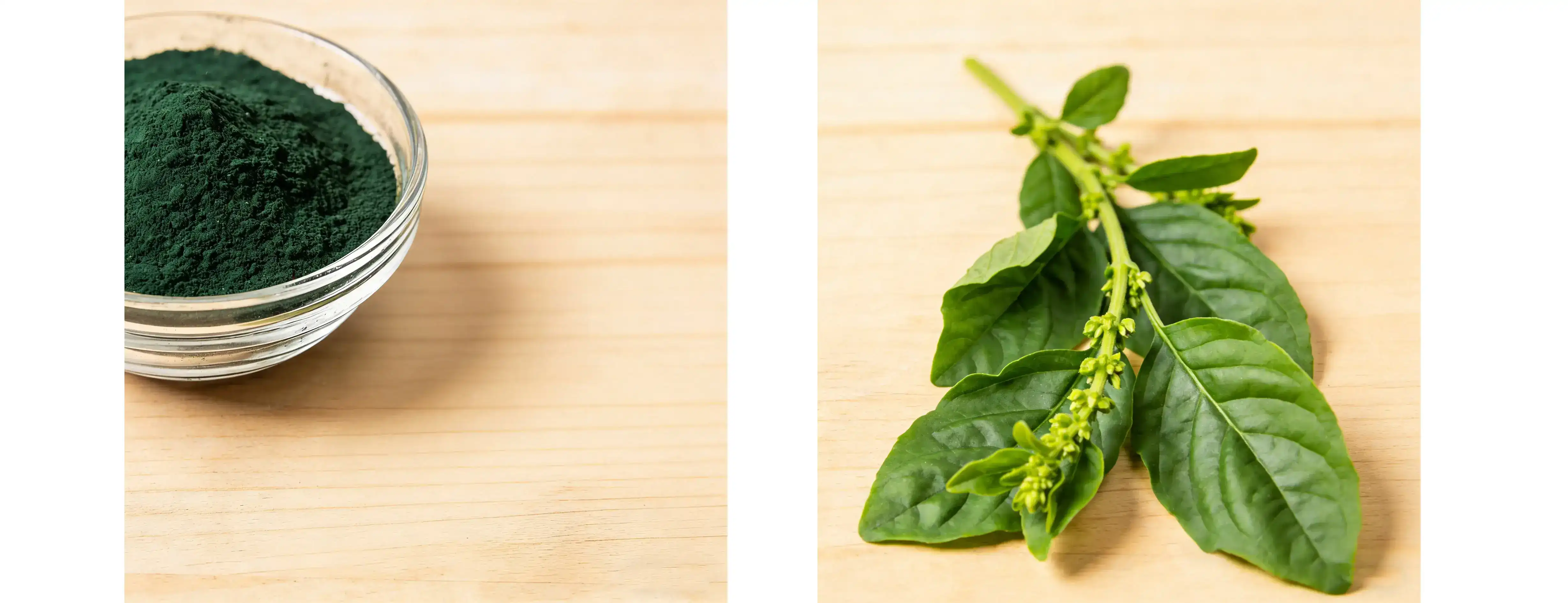
Natural chlorophyll from plants like Morus alba (mulberry) leaves, alfalfa, or grass is broken down by alkaline hydrolysis to make Sodium Copper Chlorophyllin Powder, which is water-soluble. During the process, the magnesium ion in the middle is switched out for copper. This makes a solid porphyrin complex that doesn't break down in light, heat, or changing pH levels. Natural lipophilic chlorophyll quickly changes to dark pheophytin during processing, but this changed structure keeps its bright emerald green color throughout production cycles. Because it forms a sodium salt, it dissolves better in water, which means it can be used in drink systems, tablets, and skin formulas where oil-based ingredients would not work.
Industrial Applications Across Sectors
This ingredient is valued by manufacturers because it can be used as both a natural colorant (E141ii) and a medicinal part. It meets the need for plant-based options in nutritional products and provides antioxidant qualities through its molecular structure. Because it is stable in emulsion systems, cosmetic formulators use it in repair creams and serums that fight aging. Functional beverage makers like that it doesn't break down when heated up, so the color stays true when real chlorophyll would. Because it can be used in so many different ways, it is becoming more popular in personal care items and enhanced foods, where clean-label trends affect the choice of ingredients.
Powder Versus Liquid Formulations
Product style has a big effect on how well it is made and what the end product looks like. Particularly when it comes to 98% purity, Sodium Copper Chlorophyllin Powder has a longer shelf life, easier storage needs (no need for cold chain logistics), and accurate dosing in tablet compression or capsule filling operations. The dark green color of the powder means it has a high concentration, and it is usually packed in 25 kg drums to reduce the number of times it needs to be handled. Pharmaceutical-grade purity that can be sold in controlled markets is achieved through water-ethanol extraction methods. Liquid formats may be easier to use in some beverage situations, but they raise worries about stability and add dilution factors that make it harder to standardize across production runs.
Is Sodium Copper Chlorophyllin Powder Safe?
Regulatory Approvals and International Standards
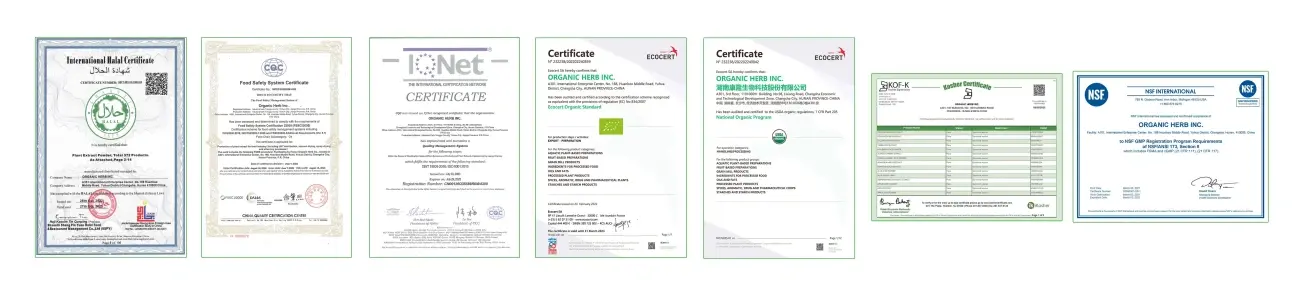
Clear rules have been set by global regulatory groups about how this ingredient can be used. The European Food Safety Authority (EFSA) names it as E141(ii) on their list of allowed color additives, while the U.S. Food and Drug Administration (FDA) recognizes it under 21 CFR 73.125 for certain food uses. Based on long-term studies, the Joint FAO/WHO Expert Committee on Food Additives (JECFA) has done thorough toxicity assessments and set safe daily intake levels. These reputable reviews looked at the absorption, metabolism, and elimination routes and found that properly made material doesn't cause many problems when used within the suggested limits. Certifications like NSF GMP, ISO 22000, Kosher, and Halal further verify production methods and allow for full transparency from the source of raw materials to the final packing.
Dosage Guidelines and Application Levels
The recommended usage changes depending on the type of product and the audience. For food supplements, the usual daily dose size is between 100 mg and 300 mg, but the exact product formulations may change based on the mix of ingredients. In cosmetics, concentrations of 0.1 to 1.0% are used in topical products. This is where the chemical adds color and function without going over the safe levels for the skin. Good manufacturing practices are used by companies that make food and drinks to account for cumulative exposure across multiple product types. Purchasing teams should ask for detailed technical data sheets with suggested inclusion rates. Reliable providers, such as Organic Herb Inc., provide these along with proof of analysis paperwork for every production lot.
Quality Control Parameters That Ensure Safety
Ingredient safety is directly linked to how open a supplier is about how their products are made. Specifications for high-quality, like 98% Sodium Copper Chlorophyllin, reduce the number of possible flaws that could make the product less stable or less acceptable to consumers. Important quality indicators are:
- Free Copper Ion Testing: Strict limits on free copper keep metal ions from escaping during storage. Most of the time, JECFA and USP guidelines limit free copper to keep the complex chelated within the stable porphyrin structure. Atomic absorption spectroscopy and other advanced scientific methods are used to check compliance.
- Microbial Purity Verification: Facilities that are FSSC22000-certified follow proven cleaning procedures and test regularly for yeast, mold, harmful organisms, and total plate count. This is especially important for ingredients that are going to be used in products for kids or people with weak immune systems.
- Heavy Metal Screening: Full testing panels look for levels of lead, arsenic, cadmium, and mercury according to USP <2232> or EU Regulation 2015/1005 limits. Plant-based products need to be closely watched because farming can introduce environmental pollutants.
Supplier Certification Importance
When you work with makers who have current GMP certifications, you can be sure that every step of the production process is governed by written rules. Organic Herb Inc. has qualifications from NSF GMP, ISO 9001, and FSSC22000, which show that they are dedicated to quality systems that meet pharmaceutical-grade standards. To get these certifications, you need to have third-party audits, keep your tools in good shape, and keep good records of your batches. These are all very important things to have when you are making regulatory submissions or replying to customer audits. With Halal and Kosher approvals, more people can buy your products. This is especially true for brands that serve religious or cultural groups or foreign markets.
Comparing Sodium Copper Chlorophyllin Powder with Alternatives
Chemical Stability Advantages Over Natural Chlorophyll
Natural chlorophyll that is taken straight from plant cells is unstable by nature. When exposed to acidic or hot conditions, the magnesium-centered porphyrin ring easily loses its metal ion. This causes it to change into pheophytin, which gives the plant an unwanted brown-olive color. This instability makes it very hard to make goods that need to be heated, have a long shelf life, or come in clear packages. Sodium Copper Chlorophyllin Powder gets around these problems by replacing the sodium with copper. This makes the coordinate bonds stronger and less sensitive to changes in pH between 4 and 9. The process of saponification, which gets rid of the phytol tail, makes the water solubility even better. This is because native chlorophyll is oil-soluble, which limits its use in water systems.
Performance in Different pH Environments
Even though it is generally more solid than chlorophyll, formulators need to know how pH affects different substances. In neutral to slightly alkaline (pH 6–8) conditions, the substance keeps its color the best. If formulators don't use stable hydrocolloids or safe colloid systems, precipitation may happen in drinks with a pH of less than 4. This factor affects choices about how to make new products. For example, sports drinks or green tea drinks with a pH close to neutral keep their color well, while acidic citrus drinks might need changes to the recipe or different colorants. Understanding these technical factors when choosing ingredients keeps you from having to go through expensive reformulation processes.
Evaluating Supplier Specifications
When making a purchasing choice, it is helpful to compare the technical details of different possible sellers. The purity standards have a direct effect on the color strength and uniformity of the formulation. For example, 98% purity grades give consistent results with little variation from batch to batch. The extraction liquid system is important. Water-ethanol methods don't leave behind organic solvents that make following the rules harder or add bad tastes. Deciding which part of the plant to use affects the purity profile. For example, Morus alba leaves offer better extraction than processing the whole plant. Suppliers you can trust give you full specs that include:
- E-value measurements (standardization of color strength)
- Particle size distribution for powder flowability
- Moisture content affects steadiness during storage
- Microbiological limits that are in line with pharmaceutical standards
Each package from Organic Herb Inc. comes with a lot of paperwork, like certificates of analysis, allergen statements, and GMO releases. This makes it easier for you to make sure the quality of the products.
Procurement Guide for Sodium Copper Chlorophyllin Powder
Critical Quality Parameters for Bulk Sourcing
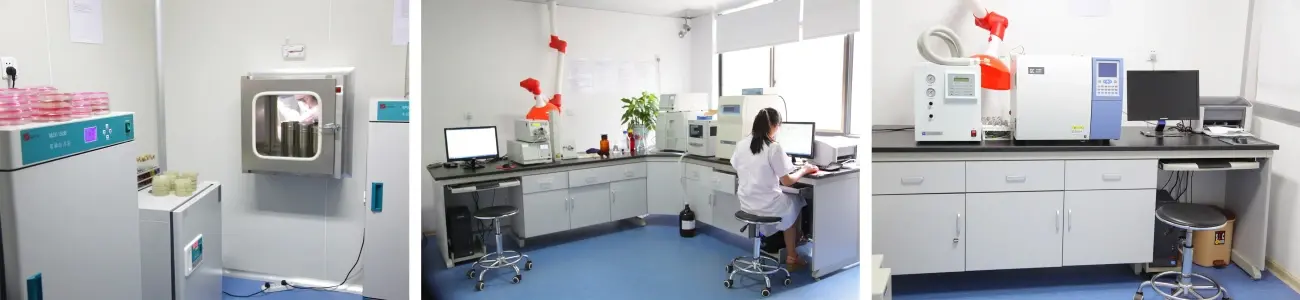
Several technical factors affect the long-term success of a relationship when looking at possible sources. In addition to the purity standards, you should also look at the supplier's analytical skills. For example, if they have HPLC, GC-MS, and spectroscopic tools in-house, you can quickly check the quality and figure out what's wrong. Scale in manufacturing is important for supply stability; facilities that process many tons of goods every year show that their infrastructure can handle delays in supply. Ask about where the raw materials come from. Suppliers that are vertically integrated and have dedicated cultivation bases, like Organic Herb Inc.'s 8,000+ acres of GAP-certified farms in Hunan, Guizhou, and Jiangxi provinces, make it easier to track and ensure quality from plant cultivation to extraction.
Understanding Pricing Structures and MOQ Requirements
Minimum order amounts help keep supplies under control and keep prices low. Standard MOQs of 25 kg (single drum) allow for small-batch production or product development, while sales for multiple drums usually qualify for bulk savings. Pricing represents several cost drivers, including raw material quality, extraction efficiency, certification upkeep, and analytical testing frequency. Buyers should look at the total landing cost instead of just the FOB price. They should think about things like help with customs paperwork, shipping operations, and storage options. Organic Herb Inc. has four warehouses in the United States. This allows for local shipping within 10 days, which saves North American customers money on inventory costs and makes imports easier.
Strategic Supplier Evaluation Criteria
Besides negotiating prices, you should also look at these aspects of the partnership:
- Regulatory Documentation Support: Suppliers should give links to the DMF (Drug Master File), allergen statements, BSE/TSE declarations, and compliance documents that are special to the area. This is especially helpful when putting goods on the market in several different foreign markets with different rules.
- Technical Service Capabilities: Having access to formulation scientists who understand application problems speeds up the process of making new products. Whether it's about pH stability or finding the best inclusion rates, quick expert help keeps projects on track and lowers the risk of having to redo the whole thing.
- Supply Chain Transparency: Knowing how the seller manages inventory, how wait times can change, and how they plan for what to do in case something goes wrong helps keep production running smoothly. Suppliers who keep a safety stock and a variety of raw material sources show that their business is operationally mature.
- Analytical Method Validation: Ask for data on method validation for important quality characteristics. When suppliers use validated, pharmacopeial methods, they give data that can be used to defend themselves during government checks or customer reports.
Free Sample Programs for Product Evaluation
Reliable sellers of Sodium Copper Chlorophyllin Powder offer free samples so that you can try them out before you decide to buy in bulk. This shows that you have faith in the quality of the product and lets your R&D team make sure that it works with current formulas. When you ask for samples, be clear about what your application needs and what kind of analytical tests your QC staff will do. Organic Herb Inc. gives away free samples with full analytical paperwork, which makes it easy to compare directly with other sources or products that are being considered. Allow enough time for stability testing under the specific storage conditions you have chosen. Accelerated studies give you basic information, but real-time aging studies under market conditions give you the most accurate predictions.
Maximizing Business Value with Sodium Copper Chlorophyllin Powder
Differentiation Opportunities in Competitive Markets
As more people buy natural, plant-based goods, brands that use botanically-derived ingredients can find new ways to place themselves. Marketing teams can use the fact that mulberry leaves come from the Morus alba plant to connect their products to traditional biological knowledge while also showing new extraction technology that makes sure the products are pure and consistent. Because it dissolves in water, it can be used in "clear beverage" uses where oil-soluble options would make the drink cloudy, which is not desired. Because of this technology advantage, consumers can get products that look good and list clean ingredients in a way that meets clean-label standards.
Applications Across Product Categories
The special qualities of this ingredient are used in different fields in specific ways. Nutraceutical companies that make gut health products like its natural green color, which clearly emphasizes that it comes from plants and gives antioxidant qualities through its molecular structure. It is used by companies that make sports nutrition in pre-workout or recovery mixes. The bright green color shows that it has natural energy and vigor. Cosmetic makers who are making anti-pollution skin care lines are concerned with how stable it is in liquid systems and how well it works with other plant actives. Each use is better when the right amount of the ingredient is used, and when it might work well with other ingredients that go well with it. Experienced sellers are happy to share this information.
Market Trends Driving Ingredient Demand
Plant-based useful ingredients are becoming more popular because of a number of related trends. Because manufactured colorants are closely watched by regulators, formulators are turning to natural options that have been shown to be safe. People are skeptical of artificial ingredients, which makes it possible for goods that focus on plant ingredients to get a premium placement. When it comes to sustainability, chemicals that come from renewable plant sources are better than those that come from gasoline. These forces in the market make it easier to add or increase the amount of Sodium Copper Chlorophyllin Powder in product lines. When market segments change quickly, brands that move quickly to change their goods or make new ones that follow these trends gain a competitive edge.

Conclusion
Sodium Copper Chlorophyllin Powder is a well-researched and well-known ingredient that can be used in many different ways in useful foods and makeup supplements. Its safety rating, which is backed up by approvals from the FDA, EFSA, and JECFA, lets formulators make decisions with confidence. Chemical changes that make natural chlorophyll more stable solve important problems in manufacturing while keeping the plant sources that consumers who like clean labels like. Paying attention to seller certifications, quality paperwork, and technical support skills is important for successful procurement. These are some of the things that set commodity deals apart from strategic relationships. The information in this article about regulations, formulation issues, and market possibilities will help procurement workers make smart choices that improve product quality, make sure they are following the rules, and take advantage of new market trends.
FAQ
1. What distinguishes chlorophyll from Sodium Copper Chlorophyllin Powder?
Natural chlorophyll is still oil-soluble and very fragile. It breaks down quickly in light or heat and turns brown during processing. Sodium Copper Chlorophyllin Powder is able to dissolve in water and stay stable in heat by replacing copper with another metal and changing its structure. Its bright green color stays the same throughout industrial production processes. This means that it can be used widely in water-based mixtures where natural chlorophyll doesn't work.
2. Can this ingredient work in devices that make sour drinks?
The chemical stays stable in a pH range from neutral to alkaline. In places with an acidity level below 6, the chance of precipitation increases. Formulation scientists often use stabilizers or protective colloid systems to keep substances suspended in acidic delivery forms. This makes it possible to use these systems in a wider range of beverage types.
3. What thermal stability can manufacturers expect during processing?
Compared to other natural colors, this material is very resistant to heat. It keeps its color when heated up, baked, or used to make high-temperature sweets. This makes it good for thermally processed foods where color stability affects brand consistency and customer acceptance.
4. How should buyers be sure that the free copper percentage is correct?
The USP and JECFA set strict limits on copper ions that are not linked to anything else in the compound. This is done to make sure that the compound stays safely chelated. Good sellers give you certificates of analysis that show they tested for free copper using approved analytical methods like atomic absorption spectroscopy. This shows that the chelation stability of the item will stay the same during its shelf life.
Partner with OHI for Premium Sodium Copper Chlorophyllin Powder
Organic Herb Inc. (OHI) sells Sodium Copper Chlorophyllin Powder that is safe for use in medicine. It is made under strict quality control measures that are approved by NSF GMP, ISO 9001, FSSC22000, Kosher, and Halal agencies. Our fully connected supply chain, which starts with more than 8,000 acres of GAP-certified farming grounds and ends with advanced extraction facilities in Jiangxi province, makes sure that every batch is traceable and consistent. We have four strategically located stores in the U.S. that allow for 10-day shipping across the country. Our minimum order quantity (MOQ) is as low as 25 kg, and we offer free samples for formulation testing. Our 98% pure standard, which comes from extracting Morus alba leaves with water and ethanol, meets the strictest government standards for vitamins, cosmetics, and functional foods. As a publicly listed company (Stock Number: 872213), we have over 400 standardized extracts that were made through relationships with top research institutions. This gives us a depth of R&D that turns finding ingredients into working together to come up with new ideas. Get in touch with our technical team at info@organic-herb.com to talk about your unique needs with a reliable Sodium Copper Chlorophyllin Powder source that cares about the success of your product.
References
1. Joint FAO/WHO Expert Committee on Food Additives. "Safety Evaluation of Certain Food Additives: Copper Complexes of Chlorophylls and Chlorophyllins." WHO Food Additives Series 62, 2010.
2. Kephart, J.C. "Chlorophyll Derivatives—Their Chemistry, Commercial Preparation and Uses." Economic Botany, vol. 9, no. 1, 1955, pp. 3-38.
3. Tumolo, T. and Lanfer-Marquez, U.M. "Copper Chlorophyllin: A Food Colorant with Bioactive Properties?" Food Research International, vol. 46, no. 2, 2012, pp. 451-459.
4. Scotter, M.J. "Methods for the Determination of European Union-Permitted Added Natural Colours in Foods: A Review." Food Additives and Contaminants Part A, vol. 28, no. 5, 2011, pp. 527-596.
5. Ferruzzi, M.G. and Blakeslee, J. "Digestion, Absorption, and Cancer Preventative Activity of Dietary Chlorophyll Derivatives." Nutrition Research, vol. 27, no. 1, 2007, pp. 1-12.
6. European Food Safety Authority Panel on Food Additives. "Scientific Opinion on the Re-evaluation of Chlorophylls (E 140(i)) and Chlorophyllins (E 140(ii)) as Food Additives." EFSA Journal, vol. 13, no. 5, 2015, article 4089.
Standard Disclaimer (DSHEA):
These statements have not been evaluated by the Food and Drug Administration.
This product is not intended to diagnose, treat, cure, or prevent any disease.

Send Inquiry
Related Industry Knowledge
- Market Insights: The Rising Demand for Rosehip Fruit Extract
- Exploring the Wonders of Rhodiola Rosea
- Coenzyme Q10 (CoQ10): Biohacking Mitochondria for Energy, Longevity, and Anti-Ageing
- The rejuvenating power of Rosehip extract in skin care
- Ultimate Guide to Poria Cocos: Health Benefits & Uses
- When to take saw palmetto morning or night?
- What is black carrot extract?
- Which is better, CoQ10 or Omega-3?
- How Dose Poria Cocos Extract Improve Your Health?
- Roseroot extract (Rhodiola rosea) for stress & exhaustion