
What is a sage?
Jun 25, 2026
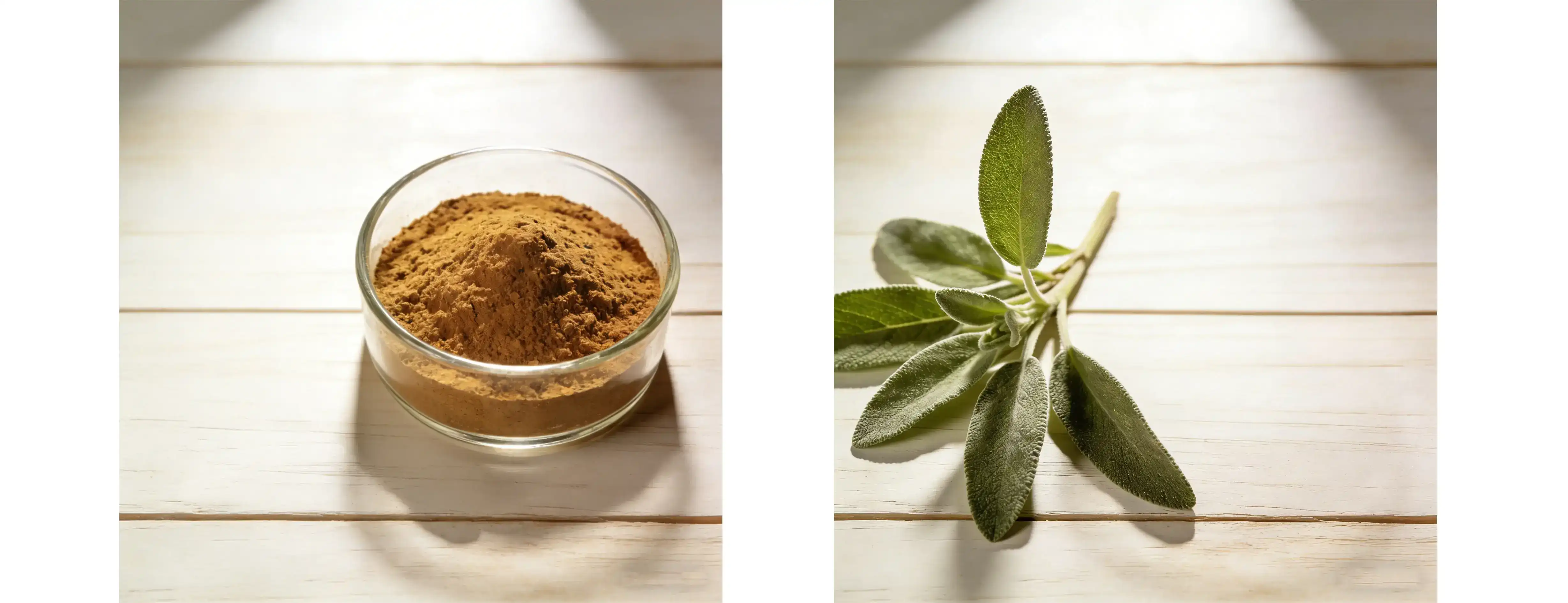
When procurement experts look for botanical products, they need to know about the source plant. Sage, whose formal name is Salvia officinalis, is a perennial plant that grows in the Mediterranean. Its leaves are traditionally used in cooking because they smell good. Sage has become useful in industry because of concentrated plant products that aren't just used in cooking. Sage Extract is a regulated powder made from sage leaves using special extraction methods that concentrate bioactive substances like Rosmarinic Acid and polyphenols. It is the most modern form of this old plant. This change from a raw plant to an industrial-grade ingredient solves important formulation problems in the nutraceuticals, cosmetics, and functional food industries. It gives producers a clean-label option with proven antioxidant qualities.
Understanding What a Sage Is
The Botanical Foundation of Sage
Salvia officinalis is in the Lamiaceae family and does best in mild areas with dirt that doesn't stay soggy. The plant is usually 12 to 24 inches tall and has gray-green leaves with fine hairs on them that contain phenolic chemicals and essential oils. For industrial mining, these leaves are the main source material. Knowing the features of plants helps purchasing teams check what suppliers say about the quality of their products and how they farm them. Higher amounts of active markers are found in plants grown according to Good Agricultural Practice standards than in wild-harvested types.
From Ancient Wisdom to Modern Industry
That the word "sage" comes from the Latin word salvere, which means "to save" or "to heal," shows how important it was in ancient Mediterranean medicine. In ancient times, people valued sage for its ability to keep food fresh and its pleasant smell. With today's extraction technology, this cultural history has been turned into precise commercial solutions. Today's buying choices are a mix of old-fashioned information and scientific proof. Standardized extracts go through strict testing to find out how much of each compound they contain, which makes sure that each batch is the same, which older methods could never do.
Strategic Value for B2B Decision-Making
When purchasing botanical ingredients, people in charge should know that Sage Extract is more than just a product. It's a smart choice that fits with trends toward clean labels and government regulations. In contrast to synthetic options, botanical extracts meet scientific standards and market demands for openness. When you choose sage-based ingredients, you should know how its chemical profile solves formulation problems: its natural antioxidant capacity extends the shelf life of the product, its polyphenolic content backs up functional claims, and its water-soluble extraction methods meet clean-label requirements. From a strategic point of view, buying goes from being just a transactional process to being value-driven.
Sage Extract and Its Relevance in Industry
Chemical Composition and Key Properties
Standardized active ingredients are what set high-quality plant extracts apart. Our Sage Extract powder comes from Salvia officinalis leaves that were extracted with 100% water. It concentrates Rosmarinic Acid to at least 2.5%, and the 10:1 extraction ratio ensures that it has strong bioactivity. The brownish-yellow colour is due to the presence of polyphenolic chemicals that work as antioxidants. Water extraction targets hydrophilic phenolic acids while reducing lipophilic terpenes. This makes a profile that is perfect for use in beverages and other water-based products. This scientific detail is important because the way the substance is extracted affects its solubility, its ability to stay stable at high temperatures during processing, and its end usefulness.
Cross-Industry Applications
The versatility of standardized Sage Extract addresses diverse industrial needs:
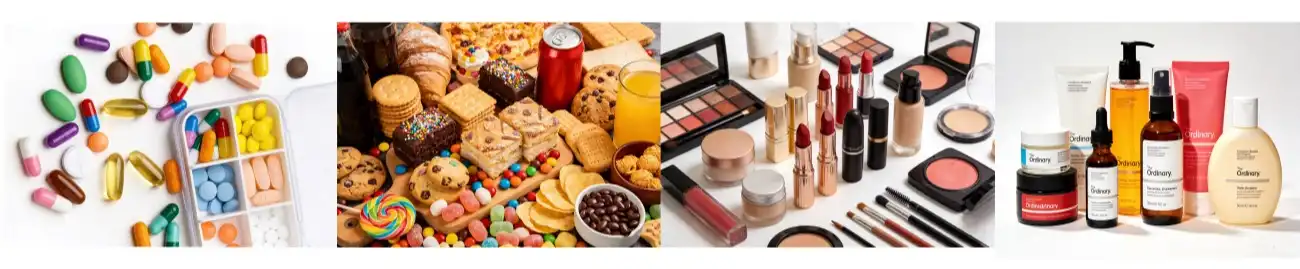
- Nutraceutical Manufacturing: Sports nutrition brands use Sage Extract in brain function formulas because Rosmarinic Acid protects neurons through antioxidant processes. The structure that dissolves in water works well with pill fillers and tablet matrices, and it stays stable over time.
- Cosmetic Formulation: The polyphenolic content of Sage Extract is used in anti-aging skin care items. The botanical ingredient helps keep the mixture stable and lets natural product claims stick with health-conscious customers. It's important that each batch is consistent because beauty scientists need to be able to predict activity levels to make sure that tests show that the products work.
- Functional Food Production: Sage Extract is added by food engineers to functional snacks and drinks to boost their nutritional value. Its natural antioxidant properties help delay lipid oxidation without using artificial stabilizers. In store settings with a lot of competition, the clean label edge helps to set the market apart.
- Pharmaceutical Development: Standardized extracts are useful for initial studies at research institutions that are looking into plant chemicals. Accurately measuring rosmarinic acid makes it possible for experiments to be repeated and for legal paperwork to be kept.
These uses all need the same things: regular quality, thorough paperwork, and a reliable supply. These are the things that set professional providers apart from commodity traders.
Quality Standards and Sourcing Excellence
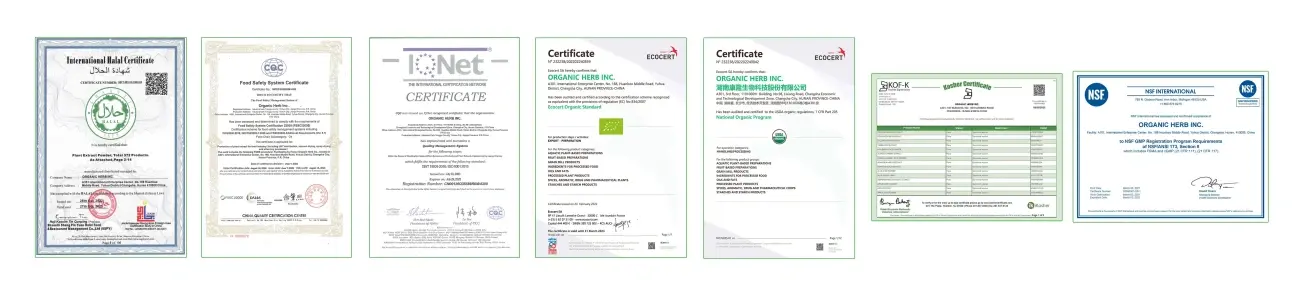
Teams in charge of buying things should compare sellers to certain quality standards. Premium Sage Extract has regular particle sizes (95% of them pass through an 80-mesh screen), a controlled moisture content of less than 5%, and analytical methods that have been proven to work to confirm the amounts of active markers. Objective proof of production standards can be found in certificates like NSF GMP, Kosher, Halal, ISO, FSSC 22000, and Organic approval. Sustainable buying methods are just as important—GAP-certified farming bases make sure that the environment is respected while also ensuring uniform quality of raw materials. In global markets, suppliers who offer full traceability from the field to the finished product make it easier to follow regulations and lower risks.
How to Choose the Right Sage Extract Supplier: A Decision Support Approach
Essential Evaluation Criteria
When choosing plant ingredient providers, you need to do more than just compare prices. People who work in procurement should look at possible partners through a number of different views that have a direct impact on the quality and continuity of production.
Certification portfolios show what a business can do. For example, NSF GMP certification shows limits for making pharmaceuticals, FSSC22000 certification shows food safety management systems, and Organic certification confirms farming methods. These qualifications mean that audits aren't needed as often and regulators have more faith in the company. Suppliers with multiple certifications usually put money into good technology that helps all customers, no matter what certification they need.
Technical ability tells us if providers can keep up with changing formulation needs. Advanced labs with HPLC-ELSD, GC-MS, and atomic absorption spectrophotometers can accurately check the quality of a product. Research and development (R&D) lets you make changes to the extraction ratios, make special grades, or make your own mixes that make your goods stand out.
Delivery dependability and cost structure are affected by the design of the supply chain. Domestic warehousing in the US cuts wait times from weeks to days, which allows for just-in-time manufacturing while lowering the cost of keeping goods on hand. Four large U.S. warehouses run by suppliers can meet immediate production needs that can't be met by foreign shipping.
Comparative Supplier Analysis
There are many types of suppliers in the plant extract market, and each has its own strengths and weaknesses. While international traders may offer low prices, they don't always provide good expert help or documentation. While domestic distributors may offer faster shipping, they may not carry as much product. Vertically integrated companies keep an eye on quality from planting to extracting, making sure that it can be tracked and that each run is the same. This combination is especially helpful when dealing with differences in quality or making changes to specs.
Long-term dedication to botanical supply security is shown by established makers with GAP-certified planting bases that cover 8,000 acres. Coordinated relationships with cultivation partners and technical help programs work together to make farming systems that produce better raw materials. This control upstream has a direct effect on the quality of the product that comes after. Standardized growing conditions produce uniform phytochemical profiles that can't be matched by getting generic goods.
Risk Mitigation and Supply Chain Integration
The procurement approach should plan for possible problems. Changes in the climate affect crop yields, changes in regulations affect the requirements for approval, and events in geopolitics mess up international procedures. Vulnerability can be reduced by building partnerships with providers, keeping strong inventory levels, and finding suppliers in a variety of areas. When samples are available for free, pre-qualification testing can be done without spending any money. This lets formulation teams make sure that the samples will work together before placing orders. Minimum order amounts of 25 kg allow for trial production while still being affordable for new names. Ten-day wait times are a good compromise between planning production and keeping inventory levels low, especially when local warehouse delivery is added.
Benefits and Challenges of Using Sage Extract in B2B Procurement
Strategic Advantages
Using standardized plant extracts has clear benefits in both the market and the operations. Clean-label marketing appeals to people who are becoming more wary of synthetic additives. Natural antioxidants from Sage Extract allow "no artificial preservatives" claims, which are what get top ranking. Polyphenolic substances that bind metal ions and neutralize free radicals make the formulation more stable. This naturally extends the shelf life of the product.
Concentration ratios show how cost-effective something is—a 10:1 extract can replace much larger amounts of raw herb, which cuts down on shipping costs, storage needs, and the complexity of processing. Methods of extracting water are in line with sustainability goals because they get rid of chemical solvents and have less of an effect on the environment. This way of making things fits with brands that stress business responsibility and caring for the world.
When compared to raw plant materials, controlled extracts make quality control easier to handle. A steady level of Rosmarinic Acid makes it possible to predict how well a product will work, which cuts down on batch failures and the cost of reformulating. Multiple markets can easily follow the rules when they have all the necessary paperwork, like Certificates of Analysis, Safety Data Sheets, and governmental status letters.
Practical Challenges and Solutions
Getting botanical ingredients can be hard and needs to be managed in a responsible way. Supply changes because farming depends on the weather, which affects food outputs and phytochemical concentrations. Partnering with sources that have farms in more than one growing area lowers this risk by spreading it out across more areas. Regulatory compliance is harder in some places than in others. For example, what meets FDA requirements might not meet EU standards or Health Canada rules. Suppliers with knowledge in foreign trade offer paperwork and advice that are specific to the market.
Price changes show how the commodity market works, which is affected by crop amounts and demand cycles. Longer-term supply deals keep prices stable and make sure that supplies are distributed evenly when the market is tight. To store plant extracts properly, they need to be kept in climate-controlled spaces that stay cool and dry. Moisture absorption lowers quality and shortens shelf life. Clear keeping instructions from sources keep quality from going down.
Industry Trends Shaping Procurement Decisions
The market for plant extracts is growing steadily thanks to a number of trends that are coming together. As people become more knowledgeable about reading labels, the demand for natural ingredients keeps going up. Differentiating their brands through plant innovation gives them a competitive edge and opens up buying possibilities for new extracts that have been scientifically proven to work. Beyond organic certification, people now expect businesses to reduce their carbon impact, save water, and use fair trade methods. Suppliers who keep records of their social responsibility and environmental projects are in line with company buying policies.
As extraction methods get better at using technology, plant ingredients become cleaner, more concentrated, and better at what they do. Concerns about solvent waste are especially addressed by water-based extraction, which keeps bioactivity. Purchasing teams that keep an eye on these technology advances can get better ingredients that make formulations work better.

How Does the Procurement Process for Sage Extract Work?
Initial Assessment and Specification Development
A clear description of requirements is the first step to successful buying. Formulation teams should be clear about the amounts of active markers they want, how they want to remove them, the size of particles they need, and any special handling needs. Knowing what the application needs helps sellers suggest the right grades. For example, lipophilic extracts work well in oil-based goods, while hydrophilic extracts work well in water-based systems. Collaborative talks with professional sales teams make sure it's possible and find possible ways to improve things for your Sage Extract needs.
Supplier Qualification and Sample Evaluation
When evaluating a provider for the first time, you should ask for a lot of paperwork, such as maker certificates, validation of analytical methods, and recommendations from past customers. Free sample apps let you try formulations in real life before you decide to buy them. When you test a sample, you should not only look at how well it works technically, but also how quick the seller is and how good the technical help is. Suppliers who offer recipe advice show that they care about their customers in a way that goes beyond just making sales.
Pricing Structures and Commercial Terms
The price of botanical extracts depends on a number of things, such as how difficult the extraction is, the quantity of active markers, whether the product is organic, and the size of the order. Understanding what causes costs is important for good bargaining. When you buy in bulk, you can usually get tiered prices. For example, a 25 kg minimum order gives you access to lower unit costs, while buying multiple drums lowers unit costs. Payment terms depend on the supplier and the past of the order. Long-term customers can usually get net terms that help them control their cash flow. To avoid conflicts, make sure that refund rules and quality guarantee terms are clear from the start.
Order Fulfillment and Logistics
The lead time starts once the order is confirmed and the payment is processed. Production times of ten days for normal specs work for most planning processes, but longer times may be needed for custom extractions. Four warehouses in the U.S. allow for domestic warehouse delivery, which makes regional fulfillment possible and cuts down on shipping costs and travel times. Packaging in 25 kg drums makes it easier for factories to handle the goods while keeping the quality of the products intact. Labels that are easy to read and include lot numbers, production dates, and retest dates help with keeping track of supplies and quality.
Post-Purchase Support and Relationship Management
A successful procurement process includes more than just delivery. Regular contact with suppliers is necessary to keep production going and solve problems. Technical support teams should always be available to answer questions about formulas or fix problems. When you compare the data in the Certificate of Analysis to the specs on a regular basis, you can find any problems early on. When you build long-term relationships with your suppliers, you can work together because the suppliers will know what your quality standards are and what your business goals are.

Conclusion
Sage knowledge goes beyond just being interested in plants; it also means finding ingredients in a way that matches tradition with technical accuracy. Using water to turn Salvia officinalis leaves into standardized Sage Extracts makes ingredients that can be used in a wide range of products, including nutraceuticals, skincare, and useful foods. For procurement to go well, sellers need to be judged on a number of factors, including certifications that show their quality systems, technical skills that let you make changes, a supply chain infrastructure that makes sure deliveries happen on time, and recorded sustainability practices that show how the company feels about the environment. The market for plant extracts is still changing because people are becoming more interested in natural products and because regulations are pushing for more openness. Purchasing teams that work with vertically integrated makers that control the whole process, from growing the plants to extracting the products, gain a competitive edge through regular quality and quick service. As clean-label trends pick up speed and demand for useful ingredients rises, this botanical solution provides product innovation options backed by scientific proof and market acceptance.
FAQ
1. What industries benefit most from sage extract ingredients?
The main markets are companies that make nutraceuticals like brain support supplements, sports nutrition goods, and antioxidant complexes. Sage Extract is used by cosmetic companies that are making natural skincare items because it has polyphenols and looks good on a clean label. Botanical ingredients are added to fortified drinks, snack bars, and meal replacement items by companies that make functional foods. Another important group of customers are pharmaceutical experts who are looking into botanical compounds for use in drug creation.
2. How can I verify supplier authenticity and quality?
Ask for all the certification paperwork, like GMP, ISO, FSSC22000, and any related organic certificates. Check to see if the seller has analytical testing capabilities. Suppliers who have HPLC tools in-house can verify quality more quickly than those who outsource testing. Ask for customer recommendations from people in the same line of work as you. Physical building checks give the most trust, but they take a lot of time and money. Before making big promises, start with small sample orders to see how reliable the seller is.
3. What regulatory considerations apply to botanical extracts?
The rules that apply depend on the market and the proposal. Food applications must follow FDA rules about food additives or meet the standards for GRAS status. Dietary products must be labelled correctly and follow GMP guidelines, which are part of the DSHEA. Cosmetic ingredients must follow FDA rules and use INCI name standards. Each export market has its own rules, such as the Novel Food Regulations in the EU, the Natural Health Product Regulations in Canada, and import paperwork that is specific to each country. Suppliers with a lot of experience offer legal advice and market-specific paperwork to help with compliance.
Partner with OHI: Your Trusted Sage Extract Supplier
Organic Herb Inc. can help you with your manufacturing problems because they have a lot of experience extracting plants. Our Sage Extract powder, which was extracted using water, always has a strength of 2.5% Rosmarinic Acid and is backed by a number of certificates, such as NSF GMP, FSSC22000, ISO, Kosher, Halal, and Organic. As a public company with advanced research and development (R&D) capabilities, we keep four ideally placed U.S. warehouses to ensure fast delivery when production plans require it. Our GAP-certified farming bases cover 8,000 acres and allow us to track products from the field to the finished product. Our state-of-the-art analytical labs check each batch against strict standards. Get in touch with our expert team at info@organic-herb.com to talk about your needs, whether you need small amounts (starting at 25 kg) for testing or large amounts for production. Free samples let you test without any risk, and our experienced professionals help with creation as the product is being made. Find out why top companies that make cosmetics and nutraceuticals trust OHI as their source for plant ingredients.
References
1. Hamidpour, M., Hamidpour, R., Hamidpour, S., & Shahlari, M. (2014). Chemistry, pharmacology, and medicinal properties of Sage (Salvia) to prevent and cure illnesses such as obesity, diabetes, depression, dementia, lupus, autism, heart disease, and cancer. Journal of Traditional and Complementary Medicine, 4(2), 82-88.
2. Ghorbani, A., & Esmaeilizadeh, M. (2017). Pharmacological properties of Salvia officinalis and its components. Journal of Traditional and Complementary Medicine, 7(4), 433-440.
3. Lopresti, A. L. (2017). Salvia (Sage): A review of its potential cognitive-enhancing and protective effects. Drugs in R&D, 17(1), 53-64.
4. Petersen, M., & Simmonds, M. S. (2003). Rosmarinic acid. Phytochemistry, 62(2), 121-125.
5. Kintzios, S. E. (Ed.). (2000). Sage: The Genus Salvia. Harwood Academic Publishers, Amsterdam.
6. European Medicines Agency. (2016). Assessment report on Salvia officinalis L., folium and Salvia officinalis L., aetheroleum. Committee on Herbal Medicinal Products (HMPC).
Standard Disclaimer (DSHEA):
These statements have not been evaluated by the Food and Drug Administration.
This product is not intended to diagnose, treat, cure, or prevent any disease.

Send Inquiry
Related Industry Knowledge
- Where to buy saw palmetto?
- What is a sage?
- Top Benefits of Maitake Extract Powder
- What is red yeast rice good for?
- Does rosemary oil repel mosquitoes?
- What is the best reishi mushroom extract?
- What is sage used for?
- Natural Rhodiola Rosea Extract: Origin, Composition, and Key Features
- Poria Cocos Mushroom Extract as Functional Foods in Industry
- Polyporus Discover its nutrients and properties