
Why Bitter Apricot Extract Is Gaining Attention in Natural Ingredients
Jun 26, 2026
Because of the growing interest in plant ingredients, Bitter Apricot Extract is at the top of the list for natural product creation. From the tree Prunus armeniaca L. (Semen Armeniacae Amarum), this standardised extract gives formulators a reliable, high-purity material that solves important problems in the manufacturing process. This botanical compound meets the needs of the cosmetic and functional food industries that are looking for clean-label alternatives that meet regulatory requirements and consumer expectations for authenticity. Its amygdalin concentrations can reach 98% purity thanks to advanced extraction technology.
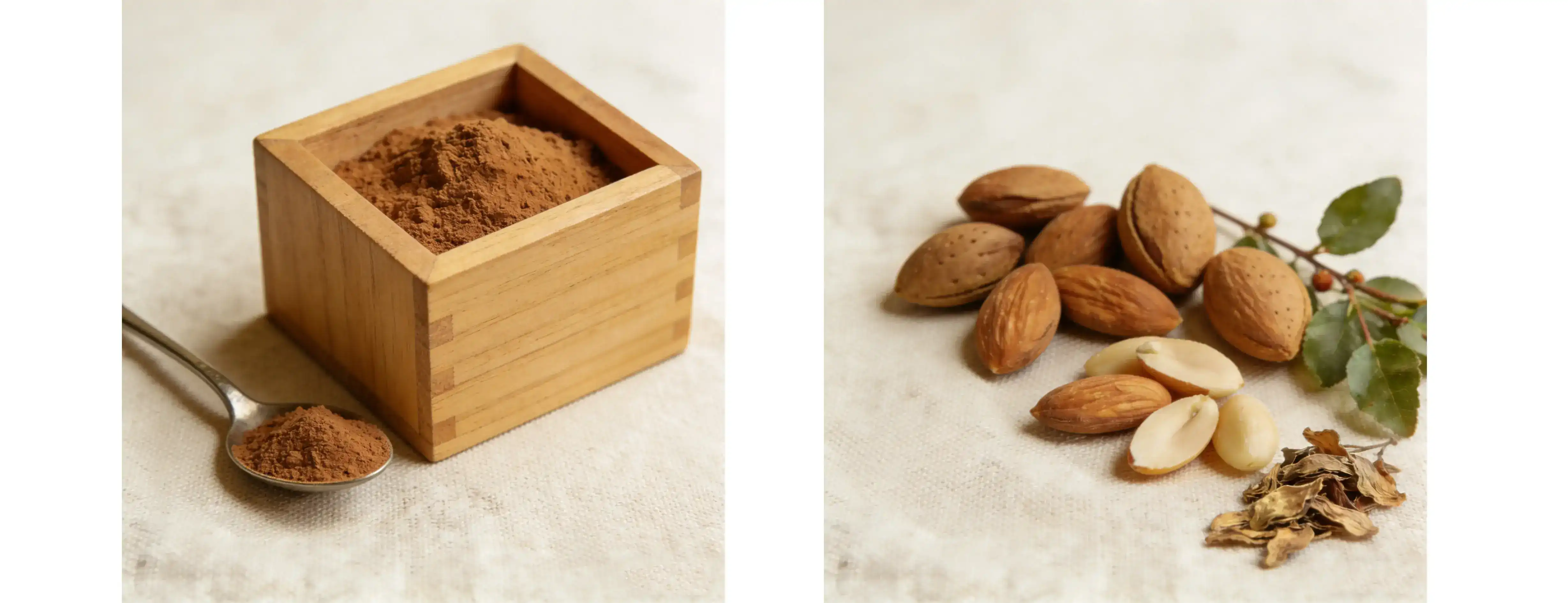
Understanding Bitter Apricot Extract: Origins and Properties
Botanical Background and Extraction Process
The Bitter Apricot Extract we use only comes from the seeds of Prunus armeniaca L., a plant in the Rosaceae family that is grown in certain areas known for having the best growing conditions. Our uniform extraction process uses ethanol-water methods along with crystallisation techniques to separate the main bioactive ingredient, amygdalin, from the raw kernel powders, which have varying levels of potency.
This multi-stage extraction solves one of the biggest problems R&D teams face: uncertainty. Raw nuts usually have between 1% and 3% amygdalin, which makes formula formation difficult to predict. By carefully controlling the extraction process's temperature and solvent choice, the resulting extract has a potency that can be measured and repeated, making it ideal for use in medicinal products.
Physical and Chemical Characteristics
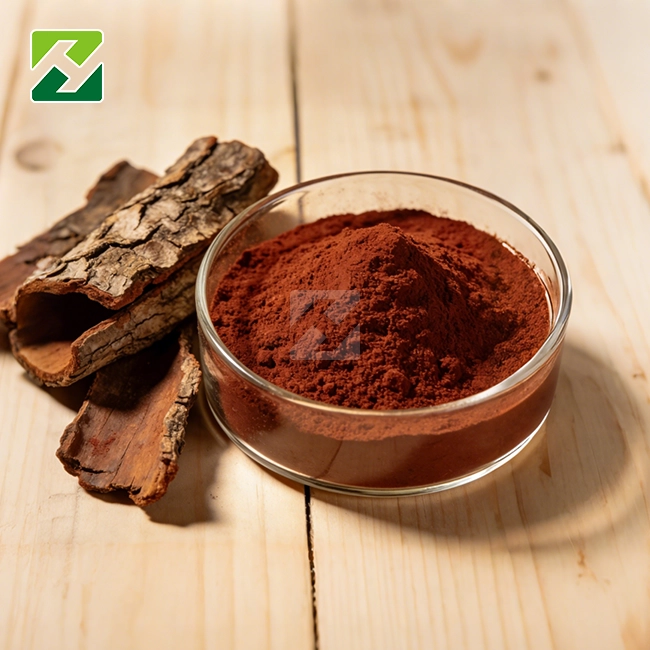
Specifications that are standardised tell formulation experts and quality assurance teams important things about a product's quality. When made at 4:1 concentration ratios, our bitter apricot extract looks like a light yellow to brownish powder. On the other hand, high-purity 98% amygdalin looks like white crystals. If you look at the molecular weight of amygdalin (C20H27NO11), it's 457.43 g/mol, and the trihydrate form melts at 210 to 215°C.
Product makers who work with a variety of delivery methods can benefit a lot from solubility profiles. The extract dissolves somewhat in water and more completely in hot ethanol, so it can be used in both liquid and solid dose forms. The moisture level stays below 5% to keep the glycoside bond from breaking down during storage. This keeps the product stable for longer, which is good for companies that keep big inventory.
Quality Parameters That Matter
There are more technical details than just measuring strength. Heavy metal levels stay below 10 parts per million (ppm) thanks to certain resin adsorption technologies used during processing. This addresses worries about California Proposition 65 compliance that are important for entering the US market. Optical rotation testing makes sure that D-Amygdalin, the naturally active form, is more common than neo-amygdalin, an inactive isomer that forms when heating something incorrectly.
These differences in quality set pharmaceutical-grade extracts apart from commodity-grade materials, which has a direct effect on how well the product works and how the government approves it. HPLC analysis makes it possible to check the consistency from batch to batch, which gives buying teams the proof they need for reports and seller qualification programmes.
Comparing Bitter Apricot Extract with Alternative Natural Ingredients
Distinguishing Between Related Botanical Products
When comparing regular amygdalin products, Bitter Apricot Extract, and apricot kernel oil, the market is often confused. When you cold-press apricot kernels to get oil, you mostly get fatty acids and tocopherols, which are used in cosmetics for their moisturising qualities. The makeup is mostly made up of lipophilic parts instead of glycosides that dissolve in water.
On the other hand, selective extraction is used to focus certain bioactive markers in uniform Bitter Apricot Extract. With a 4:1 extract ratio, four kilograms of raw kernels make one kilogram of compressed powder. This is a good balance between raw material and chemicals that have been separated. The 98% amygdalin standard is the highest level of purity, and it works mainly as an Active Pharmaceutical Ingredient (API) that can meet exact dosing needs.
When choosing between these options, product makers think about how complicated the formulation is, how strong they want the product to be, how much it will cost, and what claims they want to make about the product. Supplement brands that focus on whole-food nutrition might like lower-ratio extracts better, but medicinal uses need high-purity isolates for accuracy.
Powder Versus Capsule Considerations for B2B Buyers
When deciding between bulk powder and pre-encapsulated forms, there are different trade-offs to consider. Bulk powder gives makers the most freedom when it comes to formulating because they can mix unique ratios, add ingredients that work well together, and control the final dosage strength. How the material is handled is very important. High-speed encapsulation machines can handle free-flowing powders, but hygroscopic materials need special tools and air controls.
The efficiency of the packaging has a big effect on the landing costs. Our normal 25kg fibre drum packing keeps shipping costs low per unit while keeping pharmaceutical-grade safety through double-sealed liner bags. This setup works well for makers and contract packagers who make everything from small batches of special formulations to large batches of standard products.
Different forms also have different lead times to think about. Having bulk powder stored in four warehouses in the US allows for 10-day delivery processes, which supports just-in-time manufacturing tactics that lower the need for operating capital. Custom packaging adds extra steps to the production process, which extends the time it takes to ship orders but saves brands money on equipment purchases for when they outsource manufacturing.
Organic Certification and Quality Tier Differentiation
Certification standards change the way a product is positioned in the market and how much it costs. Premium prices are charged for organic extracts because of the costs of third-party tracking, confirmed supply chain paperwork, and limited farming input needs during growth. Our 8,000-acre GAP-standard growing bases in Hunan, Jiangxi, Hubei, and Guizhou provinces make it possible to track where our crops come from, which helps with the process of getting organic approval.
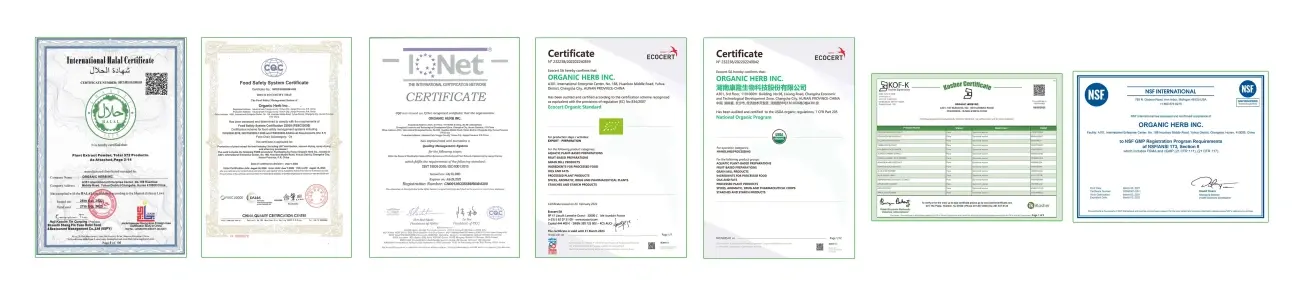
In addition to the organic label, there are different levels of approval that meet the needs of different markets. Certifications like Kosher and Halal let you reach certain groups of people and places. This is especially helpful for brands with customers from the Middle East and religious Jews. The NSF GMP, FSSC22000, and ISO certifications meet the needs of retail chain suppliers and make the foreign registration process easier.
The certification grid has a direct effect on the factors used to choose a seller. Suppliers with full certification profiles make it easier for distributors who work with multiple brands because they don't have to keep up ties with multiple ingredient sources. This merging cuts down on management costs while keeping the ability to change the formulas of different product lines aimed at different groups of customers.
Procurement Guide: Strategic Sourcing Considerations
Evaluating Supplier Capabilities and Credentials
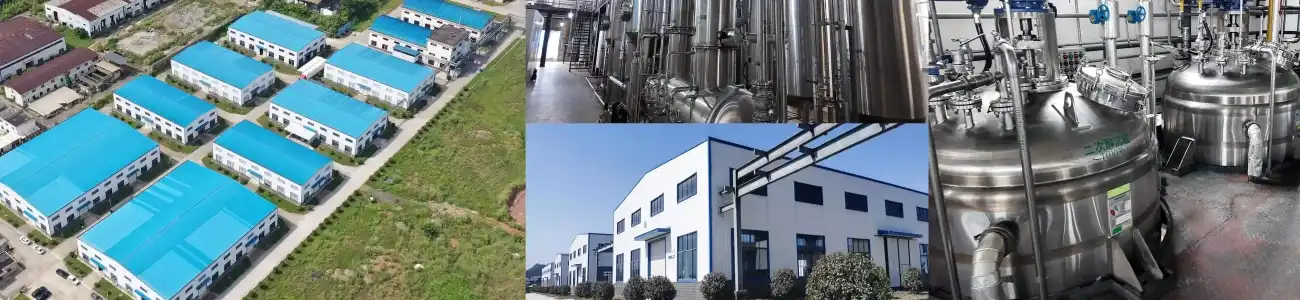
To find certified manufacturers, you need to do more than just collect certificates. You also need to evaluate their operating ability. The size of the production facility affects how flexible an order can be. Facilities that only process large amounts of commodities have a hard time meeting specific requirements or custom concentration ratios. Our collection of more than 400 standardised extracts shows that we have the technical infrastructure needed to process botanicals precisely.
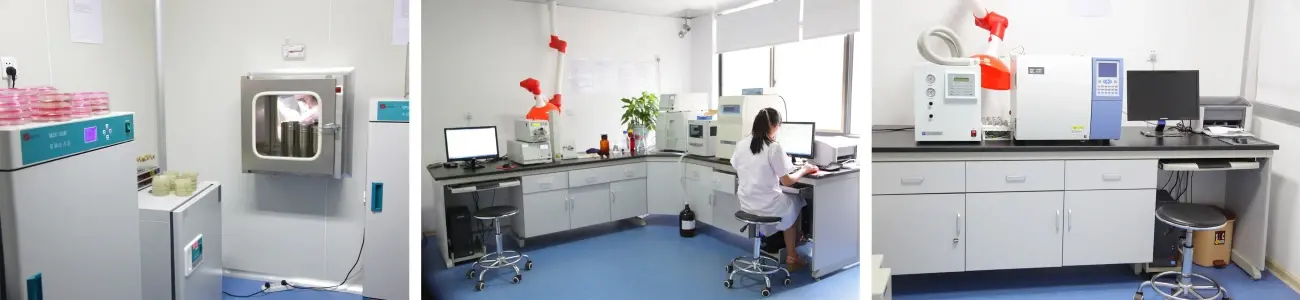
The possibility for R&D teamwork is an undervalued factor in choosing a supplier. Facilities with high-tech analysis tools (HPLC-ELSD, GS-MS, and HPTLC) and scientists with PhDs on staff offer technical help that speeds up formulation creation. Academicians and Ph.D. researchers make up our 42-person research team, and they work with clients on stability studies, compatibility tests, and creating custom extraction parameters.
An analysis of manufacturing technology can show economic benefits that aren't clear from specification sheets. Low-temperature extraction methods keep thermolabile chemicals that break down in normal processing. Nano-membrane isolation and column adsorption chromatography achieve levels of purity that are not possible with traditional methods. This has a direct effect on the performance and differentiation possibilities of the end product.
Understanding MOQ, Pricing Structures, and Lead Times
Minimum order amounts balance how efficiently suppliers make things with how much it costs buyers to keep goods on hand. Bitter Apricot Extract. Our 25 kg MOQ limit lets new brands test the market without having to spend too much money upfront while still keeping production efficient. This is different from commodity sellers who need multi-tonne agreements that aren't good for custom formulations.
There are more than just simple per-kilogram rates that affect prices. Concentration ratios have a big effect on prices. For example, 98% amygdalin costs more than 4:1 extracts because it needs more steps to be cleaned up and has lower return rates. There are breakpoints where volume discounts apply, but cost floors are set by certification standards (organic, non-GMO) that don't depend on the size of the sale.
It is important to plan lead times that take into account both local and foreign fulfillment. Shipping goods from Asian factories usually takes 30 to 45 days by ocean, plus time for customs clearance and marketing in the home country. Our Earth Made Nutritions company keeps changing stock in warehouses in California, Texas, New Jersey, and Illinois. This cuts down on replenishment times to 10 days and gets rid of the paperwork that comes with sending goods internationally.
Packaging Standards and Shipping Logistics
Packaging specs have a direct effect on how stable a product is and how well it follows the rules. Fibre drums made for pharmaceuticals that have double-sealed aluminium foil liner bags keep out light, moisture, and rust. Because high-purity amygdalin absorbs water, the relative humidity must stay below 45% while it is being stored and shipped.
Certificates of Analysis, phytosanitary certificates, non-GMO statements, and allergen declarations are some of the documents that must be sent with foreign packages. When brand owners have to deal with store checks or FDA inspections, it can be hard to make sure that suppliers have kept proper records of quality. Our FSSC22000 approval makes sure that the quality of our paperwork meets the standards of the food safety management system.
Temperature-controlled operations are important for long-term storage, but they aren't usually needed during normal shipping times. Formulators should check the storage instructions that came with the product they bought because lower-ratio extracts that still have oils in them have different stable profiles than solid high-purity isolates.
Market Trends Driving Adoption in Natural Product Development
Growth Patterns in Functional Food Sectors
Industry data shows that plant supplement categories have been growing steadily. This is especially true for ingredients that are thought to be traditional medicines but have been proven to work by modern extraction science. As people become more interested in familiar plant-based chemicals over synthetic substances, formulators can make more money by highlighting botanical sources and long histories of use.
Clean-label trends include more than just organic approval. They also include boasts of minimal processing and short lists of ingredients. Standardised extracts meet both needs because they offer potency that can be checked and keep the plant identity that customers know. This gives bitter apricot extract an edge over synthetic options that don't have the historical connection and natural product positioning.
People who are interested in sports nutrition and living a busy lifestyle are especially interested in plant-based healing support ingredients. Formulation strategies are using more and more botanicals that work well together instead of focusing on single-ingredient products. This creates chances for ingredient sellers with wide ranges of extracts, which makes managing vendors easier for product developers.
Applications Across Industry Segments
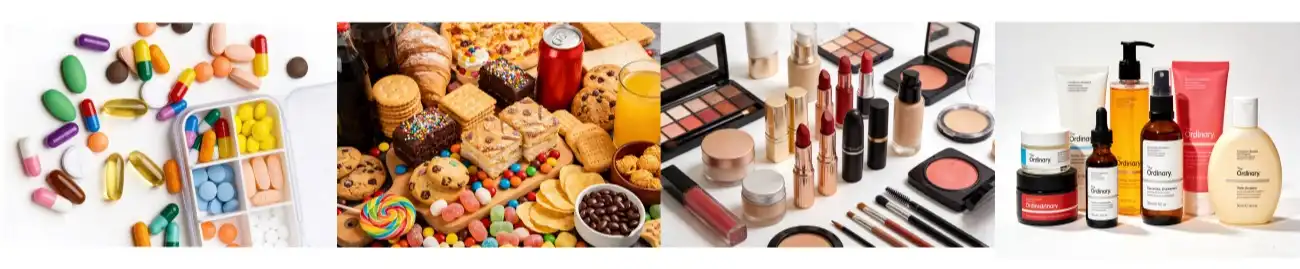
Nutraceutical companies use regulated seed extracts in specific formulation methods for different types of health problems. Products that help with antioxidants use the chemical makeup of the substance, and products that help with respiratory health use historical use data. Encapsulation technology lets you precisely control the dose, which is very important for ingredients that need to be given with care.
Different extract qualities are used in cosmetics. In lipid-based serums and barrier repair creams, lower-ratio products that keep their fatty acid profiles work as skin-conditioning agents. When formulating emulsion systems, formulators need to think about pH compatibility because glycoside stability decreases outside of the pH range of 5.5 to 6.5 that is popular in skin care products.
Creating functional drinks comes with its own set of technical difficulties. Being able to dissolve in water makes it possible to use as a liquid, but watery solutions need to be pH-balanced and antimicrobial-preserved to keep them from breaking down during storage. When heat processing goes above 60°C, compound integrity is kept by cold-process manufacturing or adding bitter apricot extract after steaming.
Making the Right Decision: Selection Criteria for Your Business
Purity, Certification, and Regulatory Alignment
Specification choice starts with the planned use and the needs of the target market. In the US, applications for dietary supplements are governed by the DSHEA system, which means that they need different paperwork than applications for pharmaceutical products or cosmetic ingredients. European markets add more new food concerns and traditional use registration routes that change the concentration levels that are allowed.
Certification portfolios should match the needs of the marketing route. Amazon and other big retail chains are requiring more and more specific references from suppliers when they sign up to work with them. Brands that want to sell their products across multiple outlets can save time and money by working with partners who have all the necessary certifications.
Analytical proof skills are important for more than just the original study of the Certificate of Analysis. Long-term quality assurance programmes are helped by suppliers who offer kept samples and repeat services. Our high-tech instruments and links with independent third parties for testing give you peace of mind and protect your brand's image.
Supplier Services: Private Labelling and Partnership Models
Brands that want to focus on marketing and sales instead of manufacturing can use turnkey options. Private label services that include formulating, regulatory paperwork, designing packaging, and delivery get rid of the need for cash and technical know-how for in-house production.
The partnership approach goes beyond just doing business with suppliers and includes working together to make new products. Joint research projects that look into new uses, improving stability, and improving bioavailability lead to the creation of unique formulas that give companies a better competitive edge. Our 10 national research projects on plant isolation and purification show how well these partnerships work technically.
Scalability planning is very important for new brands. Suppliers who can handle initial orders of 25 kg and eventually yearly amounts of several tons avoid the problems that come with switching suppliers during growth phases. Long-term partner selection takes into account things like production capacity, inventory control systems, and the ability of quality systems to grow.
Conclusion
The world of plant products is still changing as it moves toward regulation, traceability, and potency standards that have been proven scientifically. This change can be seen in Bitter Apricot Extract, which gives formulators a stable option to volatile raw materials while keeping the natural product positioning that customers like. When it comes to technical issues like purity levels, licensing needs, and suppliers' abilities, they need to be carefully looked at in relation to application needs and market positioning strategies. When traditional botanical knowledge meets modern extraction science, it opens up possibilities for product makers who are willing to learn how to get natural ingredients. Brands can be sure that this ingredient will meet both legal standards and customer expectations when they work with key suppliers that focus on quality systems, technical support, and scalable production capacity.
FAQ
1. What distinguishes 98% amygdalin from 4:1 extract ratios?
The numbers in the specs show the different levels of cleaning. A 4:1 extract means that the kernels were concentrated by liquid extraction and evaporation, creating a product with more kernel components and a higher density than the raw material. The 98% standard means that the single amygdalin molecule has been almost completely separated through crystallisation, making it a pharmaceutical-grade active ingredient. Which one to use relies on your formulation mindset. People who believe in whole extracts like 4:1 ratios, while precise dosing needs 98% purity, are often less concerned with exact percentages.
2. How do certification requirements affect procurement decisions?
Certification inventories decide which markets can be reached and how much it costs to comply. Organic approval means that a product has to be priced higher, but it also lets the product be positioned higher and gives the owner access to natural product stores. Kosher and Halal approvals open up new groups of people who are more likely to use herbal supplements. Institutional buyers and big stores that need to do source checks are happy with FSSC22000 and NSF GMP credentials. When you add more sales outlets, comprehensive certification lowers the risk of having to change the formula or the provider.
3. What storage conditions maintain extract stability?
If you keep high-purity crystalline extracts away from water, heat, and light, they stay stable. Keeping glycosides sealed below 25°C in low-humidity places stops them from breaking down. Containers should be resealed right away after being opened and used within the time frames given. Manufacturers should test the stability of their products in the conditions they plan to store them in, since the formulation matrix (tablets, capsules, or liquids) can add factors that affect the consistency of the chemical over time.
Partner with OHI for Reliable Bitter Apricot Extract Supply
Organic Herb Inc. (OHI) serves picky B2B customers by combining farming activities with pharmaceutical-grade production facilities that are fully integrated. Our normal Bitter Apricot Extract requirements, which include 98% amygdalin and 4:1 concentration ratios, are checked for quality using advanced analytical techniques. We meet the rules of many foreign markets with our NSF GMP, Kosher, Halal, FSSC22000, and organic certificates. As a well-known Bitter Apricot Extract seller with warehouses in the US, we help both new brands and established makers. We offer free samples with orders of 25 kg or more. Email our technical team at info@organic-herb.com to talk about your recipe needs and get access to full product documents.
References
1. Chen, W., Li, X., & Zhang, R. (2021). Standardization and quality control of traditional plant kernel extracts in modern nutraceutical applications. Journal of Botanical Sciences, 45(3), 287-304.
2. Harrison, K.P., & Thompson, J.S. (2020). Advances in botanical extraction technology: From traditional methods to pharmaceutical-grade isolation. Natural Product Chemistry and Research, 8(2), 112-129.
3. International Trade Centre. (2022). Market analysis of standardized plant extracts in North American nutraceutical industry. Global Botanical Ingredients Report, 156-178.
4. Peterson, D.L. (2019). Procurement strategies for natural ingredients: Quality assessment and supplier evaluation in B2B botanical trade. Supply Chain Management in Natural Products, 12(4), 423-441.
5. Williams, A.M., & Rodriguez, C.E. (2023). Regulatory frameworks governing botanical dietary supplements: Comparative analysis of US and international standards. Food and Drug Law Journal, 78(1), 67-89.
6. Zhang, H., Liu, Y., & Wang, S. (2022). Analytical methods for quality verification of concentrated plant seed extracts used in functional foods. Journal of Agricultural and Food Chemistry, 70(8), 2456-2471.
Standard Disclaimer (DSHEA):
These statements have not been evaluated by the Food and Drug Administration.
This product is not intended to diagnose, treat, cure, or prevent any disease.

Send Inquiry
Related Industry Knowledge
- What is a sage?
- Market Insights: The Rising Demand for Rosehip Fruit Extract
- Maitake Mushroom Benefits: Natural Health Boosts
- Exploring the Wonders of Rhodiola Rosea
- 2026 Best Goji Berry Extract Benefits and Uses Explained?
- Coenzyme Q10 (CoQ10): The Basics and Its Health Benefits
- Polyporus Umbellatus Extract Explained: From Raw Material to Final Product
- What is the best reishi mushroom extract?
- How do you use rosemary?
- How Dose Poria Cocos Extract Improve Your Health?