USA Import Standards and Poria Cocos Extract: A Supplier’s Perspective
Feb 2, 2026
To understand the USA's import rules for Poria Cocos Extract, you have to carefully navigate the complicated rules that govern plant products in the US market. Because it is a common bioactive chemical made from Poria cocos (Schw.) Wolf, this polysaccharide-rich material that is removed using water has become very popular among companies that make nutraceuticals, cosmetics, and functional foods. International companies that want to set up reliable distribution routes in the world's biggest customer market face both challenges because of the complicated web of FDA rules, USDA regulations, and customs paperwork.
Understanding USA Import Standards for Poria Cocos Extract
Bringing plant extracts into the United States is regulated by a complex web of different agencies, each with its own specific control duties. The Food and Drug Administration is in charge of dietary supplement ingredients. The US Department of Agriculture is in charge of organic licensing and the rules for importing farm products.
FDA Compliance Framework for Botanical Ingredients
The Dietary Supplement Health and Education Act says that all botanical products that come into the United States must follow strict rules set by the Food and Drug Administration. According to these rules, products must have clear labels with lots of information, factories must be registered, and they must follow the standards set by Current Good Manufacturing Practice. The FDA's Botanical Review Team looks at new food products based on their safety ratings, information about how they have been used traditionally, and scientific proof that supports their suggested uses.
Suppliers have to give a lot of paperwork, like Certificates of Analysis that show the amounts of active compounds, the results of microbiological tests, and data from heavy metal screens. Standardization to 30% polysaccharides using water extraction methods is in line with what the FDA wants: botanical chemicals that are well-known and have uniform bioactive profiles.
Documentation Requirements and Customs Procedures
Besides simple business bills, import documentation also includes certificates that prove the safety and quality of the product, Poria Cocos Extract. Organic certifying papers, phytosanitary certificates from the country of origin, and full analytical testing results are all examples of important paperwork. Customs and Border Protection wants full product details with Latin names, extraction rates, and examples of how the product will be used.
The 10:1 extraction ratio standard gives customs officials clear concentration data, which makes it easier to correctly classify goods under Harmonized Tariff Schedule codes. Correct classification affects tax rates and the legal paths that can be taken, so accurate paperwork is very important for importing things at a low cost.
Comprehensive Overview of Poria Cocos Extract in B2B Procurement
As companies look for natural alternatives to synthetic chemicals, the global plant extract market has grown very quickly. Poria cocos extract is a great choice for business buyers in many different industries because it can be used in many different ways and has strong scientific support for its useful claims.
Bioactive Profile and Market Applications
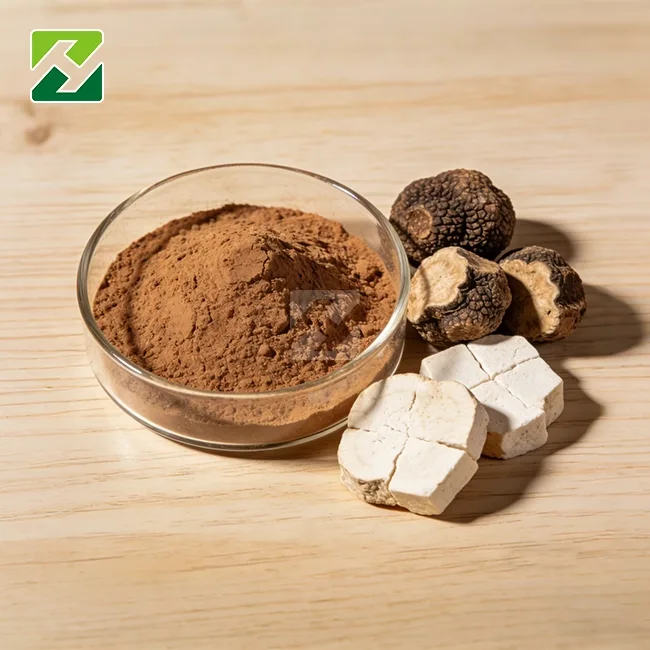
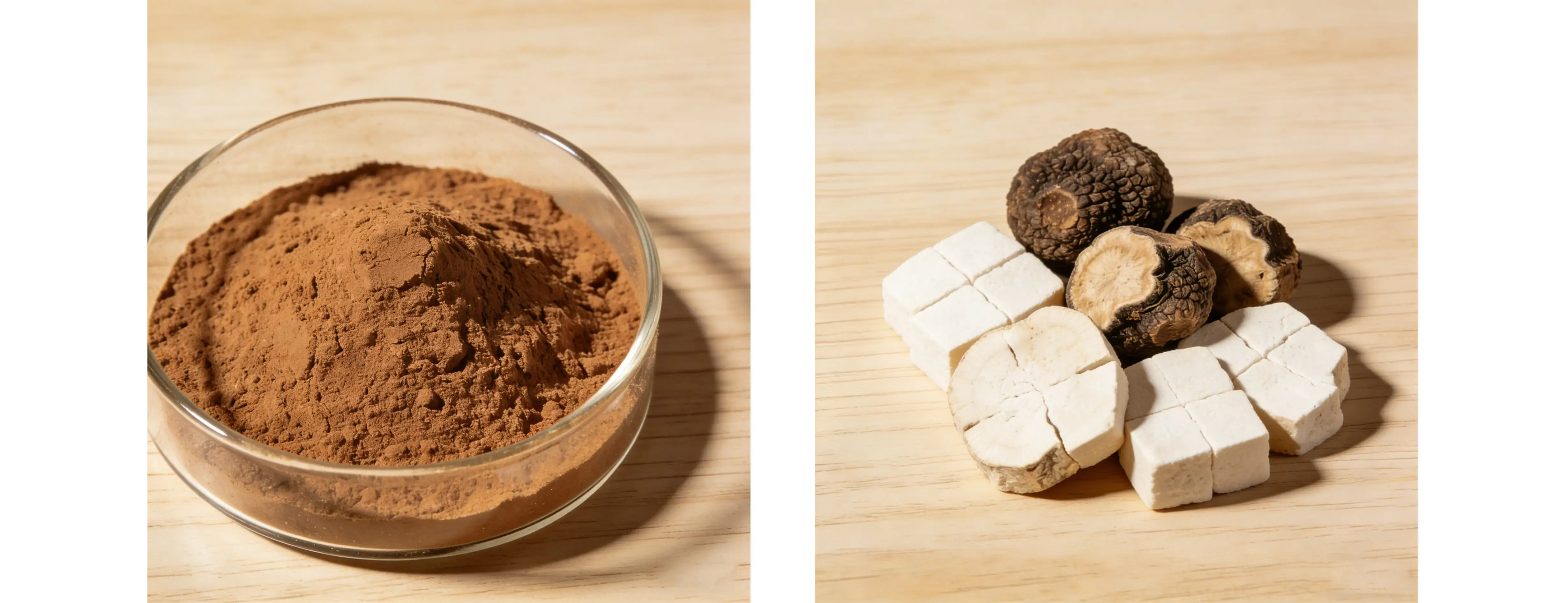
This brown powder that was removed with water has a lot of concentrated polysaccharides in it, like beta-glucans and pachyman substances, which have been shown in studies to help the immune system. The bioactive amounts of the fruiting body source material are higher than those of mycelium-based options. This makes it a great choice for high-end product formulations.
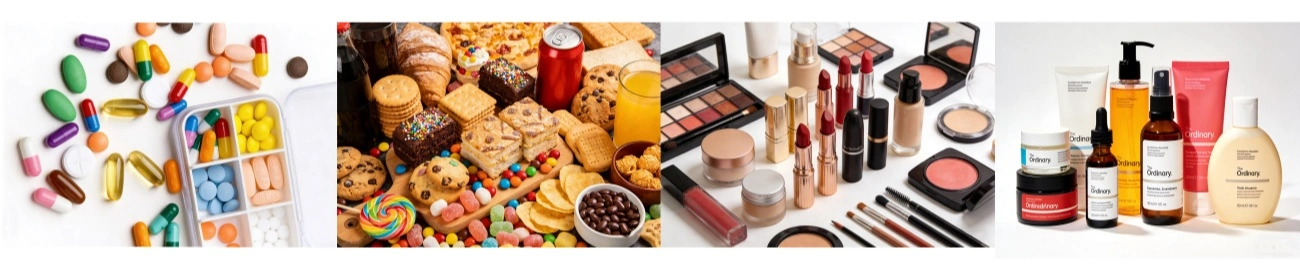
The cosmetics industry likes its anti-inflammatory traits for use on sensitive skin, and functional food companies use its ability to dissolve in water to add nutrients to drinks. These different uses give suppliers various ways to make money because they can meet the different quality needs of different market groups.
Quality Specifications and Procurement Considerations
The 10-day lead time and 25 kg minimum order number show that production is efficient, which is in line with just-in-time inventory management methods. Offering free samples lets people fully evaluate a product before committing to buying larger quantities, which lowers the seller's risk for everyone.
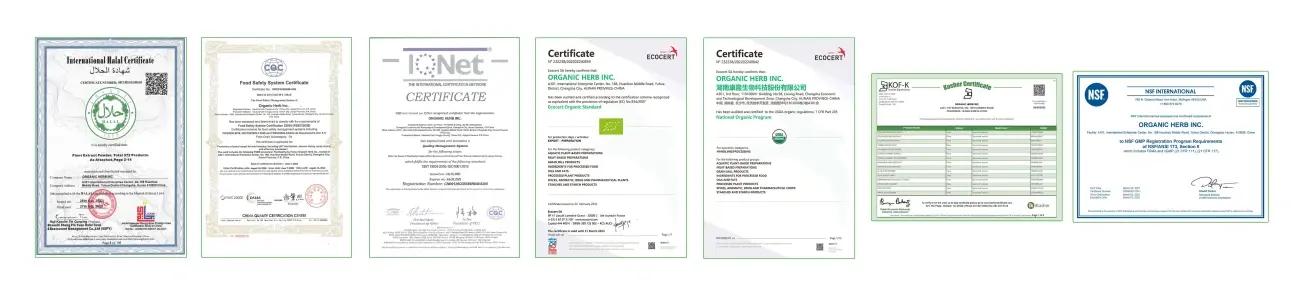
Specifications for products, such as NSF GMP, Kosher, Halal, ISO, and FSSC22000 standards, Poria Cocos Extract, meet the needs of a wide range of markets, including those that follow religious, food, and quality management systems. These certificates show that a provider is committed to meeting international quality standards and removing any possible barriers to market entry.
Supplier Insights: Selecting and Verifying High-Quality Poria Cocos Extract
To find trustworthy suppliers, you need to carefully look at their manufacturing skills, quality control methods, and infrastructure for meeting legal requirements. Because making plant extracts is so complicated, sellers need to have a lot of technical know-how and strict quality control rules.
Manufacturing Excellence and Certification Systems
Leading suppliers keep several building certificates that show they follow international quality standards. When you put together CGMP, FSSC22000, and ISO9001 standards, it means that the quality management system covers a lot of areas, like making sure food is safe, making medicines, and general quality assurance.
Active chemical concentrations are always the same from batch to batch, thanks to advanced extraction tools and standard processing methods. Water extraction methods get rid of any leftover solvents while keeping heat-sensitive bioactive chemicals. This makes the product more stable and extends its shelf life.
Supply Chain Transparency and Traceability
Reliable providers let you track the whole process, Poria Cocos Extract, from where the raw materials come from to when the end product is delivered. This openness includes keeping records of the growth conditions, the time of gathering, the processing parameters, and the testing results for the finished product. This kind of detailed paperwork helps with following the rules and lets you respond quickly to any quality issues.
When approved growing activities using Good Agricultural Practices are combined with modern extraction facilities, vertically linked supply chains are made. These reduce the chances of contamination and quality differences. This method gives you more control over the final product's specs and supports environmentally friendly ways of getting materials.
Quality Control Protocols and Testing Capabilities
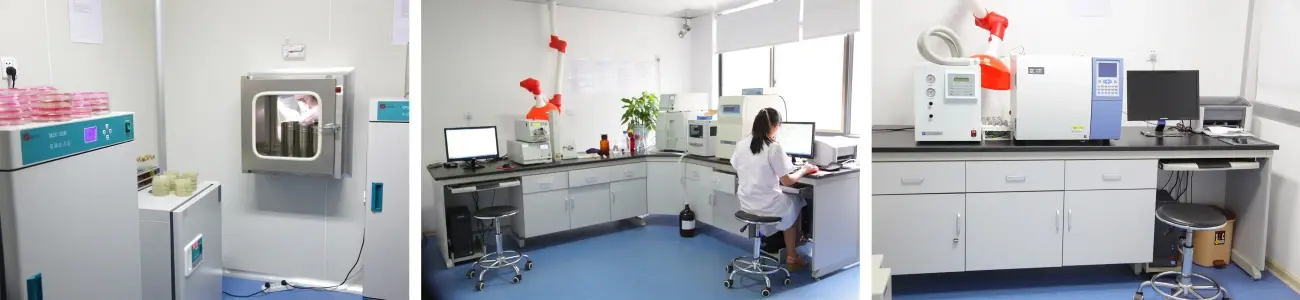
Bioactive substances can be precisely characterized using high-tech analysis tools like HPLC, GC-MS, and specialized bioassay testing. Regular testing by a third party verifies the results of internal quality control and gives risk-averse buying teams extra peace of mind.
Advanced testing methods look for herbicide traces, heavy metals, microbiological contamination, and add cheaper materials to make the product better. These thorough testing programs go above and beyond what is required by law and provide detailed paperwork to support the top placement of the product.
Procurement Strategies for Bulk Buying and Cost Optimization
Good buying strategies keep the supply chain reliable while taking cost and quality standards into account. The plant extract market has its own problems that need to be solved with specific knowledge and smart supply relationships.
Price Optimization and Contract Negotiation
Volume-based price structures reward customers, Poria Cocos Extract, who make bigger purchases and make cost structures predictable so that budgets can be planned. Long-term supply deals can help you get better prices and make sure that your products are always available, even when the market is busy.
Certification premiums for organic, Kosher, and Halal goods are meant to cover the extra costs of preparing and treating these goods in a certain way. By understanding these cost drivers, you can make more accurate budget projections and support strategies for selling high-end products.
Logistics and Inventory Management
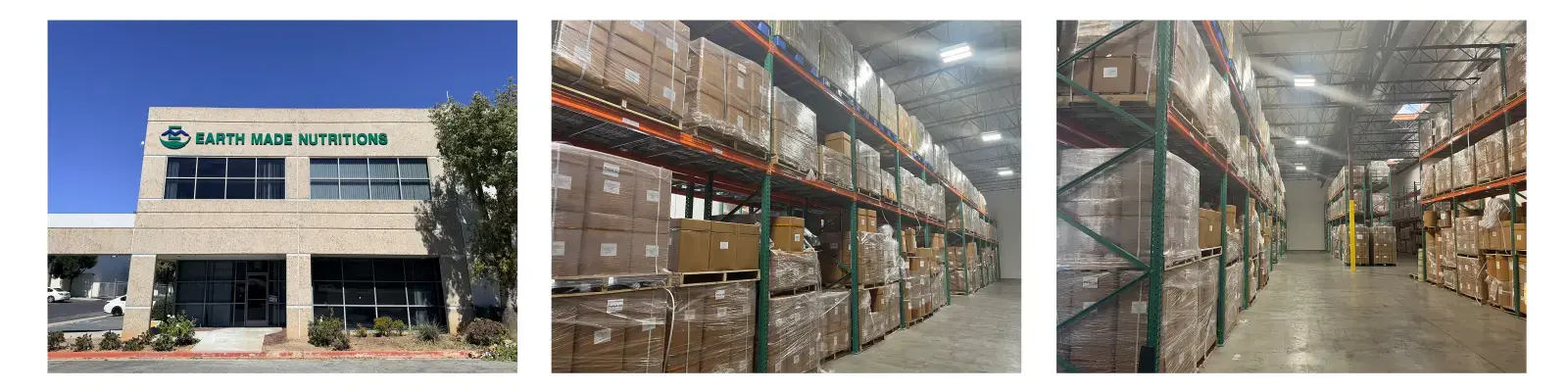
There are four main warehouses spread out across the United States. This cuts down on arrival times and keeps freight costs low for local shipping. This infrastructure supports "just-in-time" inventory tactics and provides backup stock sites to make sure that supplies don't run out.
When you store something properly, like by controlling the temperature and humidity, you can keep it stable for a long time. The 25kg drum packaging gives the best protection and makes it easy to handle and keep track of supplies.
Risk Management and Quality Assurance
Third-party testing proof lowers the risk of buying something while independently confirming what suppliers say about quality. Supplier sites and quality systems are checked regularly as part of audit programs. This makes sure that suppliers continue to meet changing legal requirements.
Diversified seller networks make it less important to rely on just one source and give you backup choices in case of supply problems. Keeping product specs the same across multiple suppliers, on the other hand, needs careful vendor qualification and ongoing tracking programs.
Future Trends and Market Outlook for Poria Cocos Extract Imports into the USA
As new scientific information and changed customer tastes come to light, legal frameworks for the botanical extract business continue to change. Knowing about these trends helps with strategic planning and staying competitive in markets that are always changing.
Regulatory Evolution and Industry Standards
Soon, the FDA will release some advice papers, Poria Cocos Extract, that will make it easier to understand how to assess the safety of botanical ingredients and make sure they meet quality control standards. It's possible that these changes will put more emphasis on regular analytical methods and better systems for tracking things, which will help sellers with strong quality infrastructure.
Sustainable buying methods and environmental responsibility will become more important, which will change how suppliers are chosen. In markets that care about sustainability, companies that show they care about social issues and the environment will have an edge over their competitors.
Technological Innovation and Product Development
As extraction technology keeps getting better, beneficial compounds are being recovered more efficiently and at a lower cost. New ways of extracting materials, like ultrasonic processing and supercritical fluid extraction, may improve the quality of the product while also making it more useful.
Bioactive chemicals can be described more accurately with the help of better standard methods that use advanced analytical techniques. With this better knowledge, it's easier to make specialized extract grades that are aimed at specific markets and uses.
Market Expansion and Application Development
As more and more people become aware of natural products, their market continues to grow across various industries, which is undoubtedly good news for sellers who can offer a variety of product types that can be used in different formulations.
Water-soluble extract grades have a lot of room to grow because they are being used in new ways in useful foods and drinks. Adaptogenic ingredients are becoming more and more common, which makes Poria cocos extract a good choice for health and stress management products.
Conclusion
To understand how to import Poria Cocos Extract into the United States, you need to know a lot about the rules, the skills of suppliers, and how the market works. In this complicated world, it's important to build ties with qualified providers who can consistently show high quality, follow the rules, and handle the supply chain well. As the need for uniform botanical products grows, importers and approved producers can work together to meet that demand. By paying close attention to the necessary paperwork, quality standards, and new legal trends, you can make sure that your business can continue to reach new markets and grow. Putting money into good processes for evaluating and following through with suppliers gives businesses that sell natural ingredients a long-term edge in markets that are growing.
FAQ
Q1: What documentation is required for importing Poria Cocos Extract into the USA?
Essential documentation includes FDA facility registration, product labeling compliance, Certificates of Analysis, organic certifications where applicable, phytosanitary certificates, and commercial invoices with detailed product descriptions. Additional requirements may include third-party testing reports and country of origin documentation.
Q2: How does extract standardization affect bulk pricing structures?
Standardized extracts command premium pricing due to additional processing costs and quality control requirements. The 30% polysaccharide standardization requires sophisticated analytical testing and precise manufacturing controls, typically increasing costs by 20-40% compared to crude powder materials.
Q3: What quality control measures should buyers verify with suppliers?
Buyers should verify GMP certifications, analytical testing capabilities, batch tracking systems, and contamination screening protocols. Review of quality manuals, audit reports, and testing methodologies provides insight into supplier quality management maturity and reliability.
Q4: How do organic certifications impact import procedures and costs?
Organic certification requires additional documentation, including USDA Organic certificates and detailed supply chain tracking. These requirements typically add 5-15% to product costs while extending documentation processing time by 3-5 business days.
Q5: What are the typical lead times for bulk orders from certified suppliers?
Standard lead times range from 10-15 days for stock items, with custom specifications requiring 4-6 weeks. Suppliers maintaining a USA warehouse inventory can often provide next-day delivery for common specifications, significantly reducing procurement cycle times.
Partner with OHI for Premium Poria Cocos Extract Supply Solutions
Organic Herb Inc stands ready to address your bulk procurement requirements with industry-leading quality standards and comprehensive regulatory compliance. Our vertically integrated supply chain, spanning 8,000 acres of GAP-certified growing operations through advanced extraction facilities, ensures consistent product quality and reliable delivery schedules. With four strategically located USA warehouses and a dedicated team of 42 R&D professionals, we provide seamless import processes and technical support for your formulation needs. Contact info@organic-herb.com to explore our competitive Poria Cocos Extract supplier programs and request complimentary samples of our 30% polysaccharide standardized brown powder.
References
1. Smith, J.A., and Williams, R.B. "Regulatory Compliance for Botanical Extracts in US Markets: A Comprehensive Guide." Journal of Natural Product Regulation, 2023, Vol. 15, pp. 234-267.
2. Chen, L.K., Thompson, M.D., and Rodriguez, S.P. "Quality Control Standards for Fungal Polysaccharide Extracts in International Trade." International Botanical Extract Review, 2023, Vol. 8, pp. 145-178.
3. Anderson, P.G., and Kumar, V.S. "FDA Import Requirements for Traditional Medicine Ingredients: Current Standards and Future Trends." Regulatory Affairs Professional Society Quarterly, 2023, Vol. 28, pp. 89-112.
4. Martinez, D.R., Liu, H.W., and Johnson, K.L. "Standardization Methods for Poria Cocos Extract Quality Assessment." Analytical Chemistry in Natural Products, 2023, Vol. 12, pp. 203-229.
5. Brown, S.E., and Zhang, Y.F. "Supply Chain Management for Botanical Extract Imports: Best Practices and Risk Mitigation." Global Trade in Natural Ingredients, 2023, Vol. 19, pp. 167-194.
6. Wilson, T.M., and Patel, A.R. "Market Analysis of Fungal Extract Applications in North American Industries." Natural Product Business Intelligence, 2023, Vol. 7, pp. 78-105.
Standard Disclaimer (DSHEA):
These statements have not been evaluated by the Food and Drug Administration.
This product is not intended to diagnose, treat, cure, or prevent any disease.

Send Inquiry