
Cinnamon Powder vs. Cinnamon Bark Extract Powder: Which is Right for Your Formulation?
Jul 20, 2026
Your recipe objectives will determine which cinnamon powder or Cinnamon Bark Extract Powder to use. Cinnamon Bark Extract Powder comes from Cinnamomum cassia and has a high concentration of bioactive compounds. It is made using standard extraction methods that give it a consistent polyphenol content (like 50% polyphenols) and better batch-to-batch reliability. Traditional cinnamon powder has a lot of different active ingredient amounts because it comes from different parts of the plant. Standardized extract powders are usually the best choice for professional recipes for nutraceutical brands, cosmetic makers, and functional food developers who want accurate dosing, proven effectiveness, and clean label compliance.
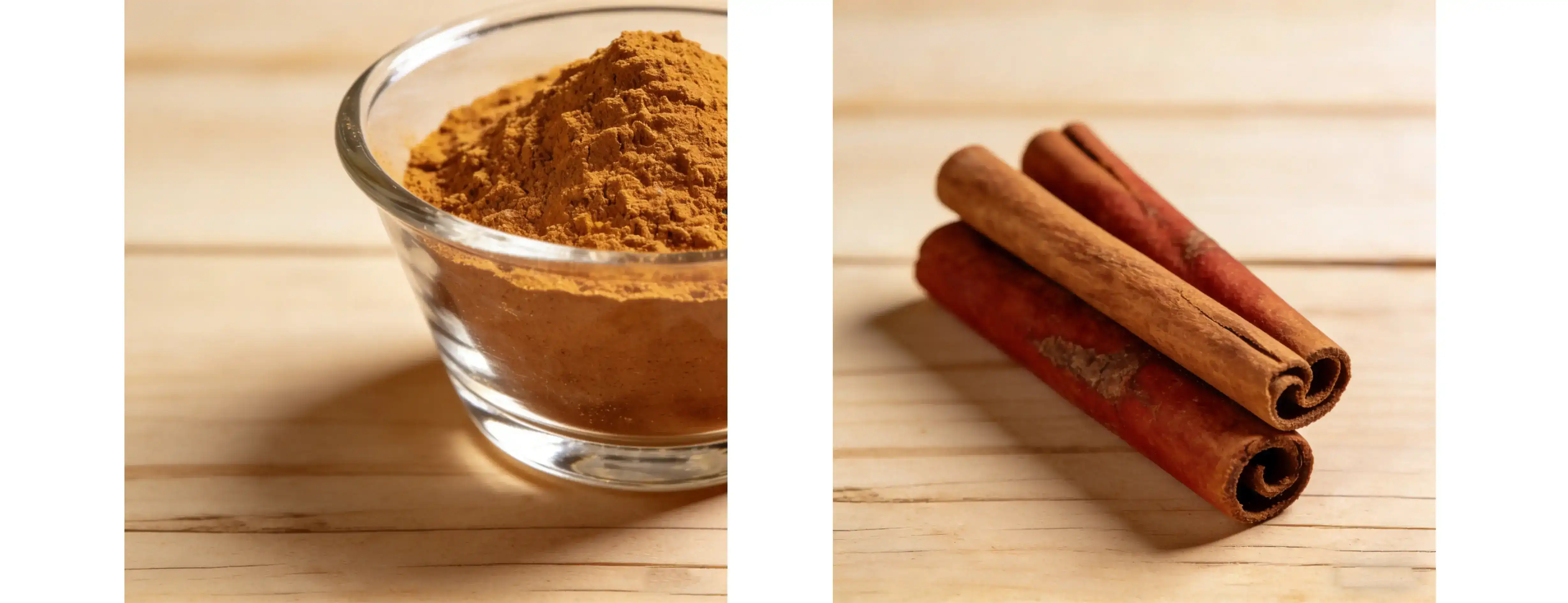
Understanding Cinnamon Powder and Cinnamon Bark Extract Powder
When formulating with cinnamon, procurement teams have to deal with two separate groups of ingredients that are very different from one another.
What is Traditional Cinnamon Powder?
Whole bark from two species, Ceylon (Cinnamomum verum) and Cassia (Cinnamomum cassia), is ground up to make traditional cinnamon powder. The process of grinding keeps the whole bark matrix, which includes the fiber, volatile oils, and bioactive substances, in its original amounts. This whole-plant method has a warm, spicy smell and a brown color that makes it easy for people who are familiar with using plants in cooking to recognize.
But the compositional profile changes a lot depending on when it was picked, where it came from, how it was dried, and how it was stored. In raw powder, the amount of polyphenols is usually between 2 and 8 percent, and the amount of cinnamaldehyde is between 1 and 4 percent. These differences make it hard for R&D teams to make products that make specific claims about their functions or require exact levels of active ingredients.
What is Cinnamon Bark Extract Powder?
Concentrated cinnamon bark extract powder is created by carefully extracting the bark with a solvent. Organic Herb Inc. extracts bioactive chemicals from Cinnamomum cassia bark using water and ethanol. Polyphenols, cinnamaldehyde, and antioxidant compounds are prioritized while superfluous fiber and other portions are removed.
Polyphenols extracted from plants using our technology exceed high standards. These include 4:1 and 10:1 concentration ratios or 50% pure polyphenol-standardized grades. All manufacturing runs produce the same bioactive brownish-yellow powder. This helps formulators ensure exact dosing and consistent product performance. HPLC (High-Performance Liquid Chromatography) examination ensures drums satisfy standards. This overcomes the biggest ingredient consistency issue for R&D directors.
Production Processes and Quality Control
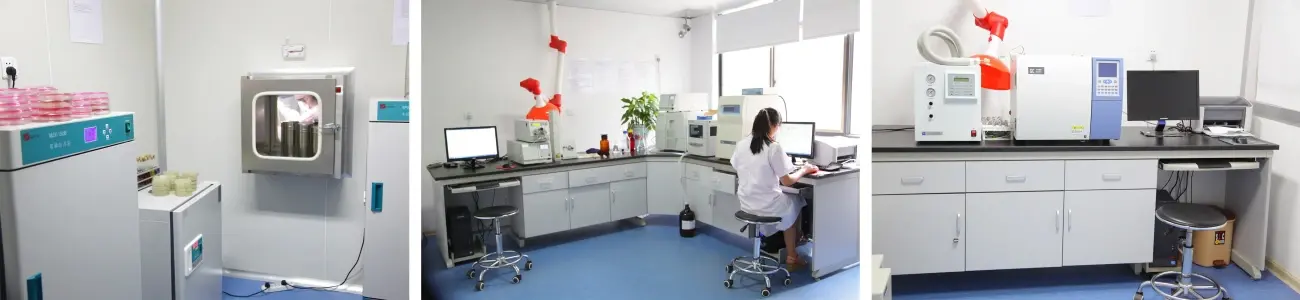
There are several confirmation steps along the way as the extract powder is made. HPTLC (High-Performance Thin-Layer Chromatography) fingerprinting is used to identify plants in raw wood to make sure the species is real and to look for signs of adulteration. After being extracted and concentrated at low temperatures to protect thermosensitive chemicals, the material is sprayed to make the particles small and the flowability perfect.
ICP-MS (Inductively Coupled Plasma Mass Spectrometry) testing for heavy metals is part of quality control protocols. This makes sure that lead levels stay below 3ppm, arsenic levels stay below 1ppm, and mercury levels stay below 0.1ppm. This is necessary to meet FDA and EU export rules. Microbiological tests show that Salmonella and E. coli are not present, and the Total Plate Count was kept below 1000 CFU/g. This was done to deal with the higher chance of contamination that comes with organic spice ingredients.
Comparing Cinnamon Powder and Cinnamon Bark Extract Powder for B2B Applications
Formulation experts look at ingredients in more ways than just their basic makeup to see how well they work.
Potency and Standardization
When it comes to bioactive content, Cinnamon Bark Extract Powders give real benefits. A 10:1 extract ratio means that ten kilograms of raw bark are used to make one kilogram of extract. This makes the active ingredient density about ten times higher than in ground powder. This concentration makes it possible to dose effectively in smaller serving sizes when making capsules or tablets that don't have a lot of room. This is especially helpful for sports nutrition brands that are making convenient on-the-go formats.
Standardized flavonoid content (50%) gives confidence in the recipe. Each production run produces the same amount of bioactives, which lets brands keep their label claims and customer experiences uniform. This reproducibility is very important when doing stability studies or trying to get regulatory approval in markets that need to see that the ingredients are always the same.
Formulation Compatibility and Stability
Formats affect solubility differently. Traditional powder mixes poorly with water because of its intact fiber structure and lipophilic volatile oils. This causes it to settle in liquids or make them grainy. Extract powders, particularly water-ethanol ones, combine better with water, although total solubility varies by grade.
To prevent precipitation in ready-to-drink goods, formulators could use water-dispersible grades or microencapsulation. Extract powders function well in capsules and tablets, but encapsulation flows better because of their uniform particle size and lack of fibrous material.
Another consideration is shelf stability. Packing extract powders in vacuum-sealed drums with moisture barriers keeps them functional for 24 months below 25°C with humidity below 60%. Condensed polyphenols are hygroscopic and must be controlled to reduce moisture. Traditional powder absorbs less water but evaporates more volatile oil, which may lower the smell and active cinnamaldehyde level.
Regulatory Compliance and Documentation
To get into international markets, you need to provide a lot of paperwork. Extract powders from licensed sellers come with a lot of different tests, such as a Certificate of Analysis (CoA) with batch-specific HPLC chromatograms, pesticide residue screening that meets EC 396/2005 standards, residual solvent analysis that proves ethanol levels are below 5000ppm, and allergen declarations.
When looking for materials that come from Cassia, you should pay extra attention to how much coumarin is present. Cassia naturally has more coumarin than Ceylon types, but reputable extract makers do HPLC coumarin analysis to make sure they stay within regional limits, especially EU rules that limit daily coumarin intake. Our testing methods prove coumarin levels, giving the scientific data that buying teams need for regulatory applications and import clearance.
Sensory Profile Considerations
The effect of flavor varies a lot. Traditional powder adds a strong, warming spice flavor with a bit of astringency and a presence in the texture. Extract powders have a concentrated flavor that may taste stronger or a little bitter at the same weight because they have more polyphenols. Formulators who are making flavored drinks or gummies should do small-scale sensory trials to find the best doses and find the right balance of flavors by adding sweeteners or masking agents.
The color input is also different. Ground powder has a tan-brown color, and particles can be seen floating in it. The brownish-yellow color that comes from extract powders dissolves more evenly, making products that are clear or lightly colored look better. When making natural-colored skin care products, where pigment consistency affects how each batch looks, cosmetic formulators like the refined color profile.
Procurement Considerations for Cinnamon Ingredients
Setting up reliable supply chains needs careful review of suppliers and risk management plans.
Supplier Verification and Certification Standards
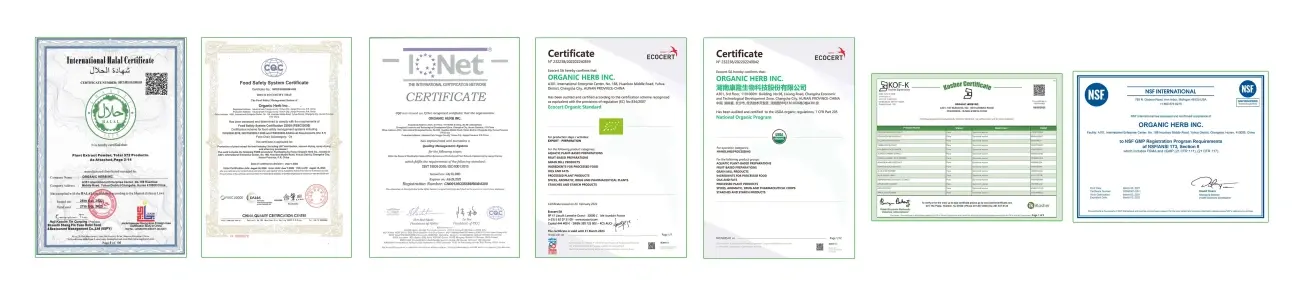
When buying Cinnamon Bark Extract Powder, procurement professionals should give more weight to suppliers who have all of the following certifications: NSF GMP, ISO9001, FSSC22000, Halal, Kosher, and USDA Organic. These certifications show that the manufacturing quality systems, traceability protocols, and compliance infrastructure are in place to make global distribution possible. As a public company (Stock Number: 872213), Organic Herb Inc. is more open and accountable because regulators keep an eye on us and we have to report our finances.
The ability to make things is just as important. Facilities with high-tech analysis tools like HPLC-ELSD, GC-MS, and atomic absorption spectrophotometry show a strong dedication to quality confirmation. Our R&D center in Changsha has 42 employees, including 27 top researchers with advanced degrees. The lab tools are worth over $1.2 million and help them do their jobs. This technical infrastructure lets you make customized products and test them thoroughly in batches, which protects the reputation of your brand.
Traceability and Source Authentication
Traceability of raw materials starts with farming. In the provinces of Shaoyang, Changsha, Huaihua, Guizhou, Hubei, and Jiangxi, Organic Herb Inc. runs three GAP (Good Agricultural Practice) certified planting bases that cover more than 8,000 acres. Direct farmer partnerships allow for oversight from the supply of seedlings to harvest and primary processing, lowering the risks of fraud that come with complicated supply chains with many middlemen.
Botanical authentication using HPTLC fingerprinting confirms the species identity and finds substitution with cheaper alternatives or used-up bark material, which is a common problem in the industry. To set clear quality expectations, ask suppliers for baseline fingerprint chromatograms and include requirements for batch-to-batch consistency in purchase agreements.
Pricing Structure and Minimum Order Quantities
The price of extract powder is based on its concentration ratio and amount of standardization. A 4:1 extract usually costs 4 to 6 times as much as the raw powder, while 10:1 ratios or grades that are standardized for polyphenols are seen as more expensive. But the concentrated shape cuts down on shipping amounts and storage room, which could make up for differences in unit costs when figuring out total landed costs.
Our low-order amount of 25 kg (one drum) covers both the first tests and the ongoing production needs. Many sellers have higher minimums, especially for custom specs. Making MOQ terms clear early on keeps procurement from being held up. We offer free samples to make bench-scale testing easier before committing to full-scale production. This lowers the risks of formulation development.
Logistics and Packaging Integrity
The right packing is needed to keep the quality of the ingredients while they are being shipped. We ship extract powder in fiber drums that are sealed with two layers of food-grade polyethylene bags. This keeps the powder dry and clean during foreign shipping. Because our four U.S. warehouses are carefully placed, we can quickly send goods across North America, usually within seven days of receiving an order. This helps with just-in-time inventory management.
Changes in temperature during shipping can damage the integrity of the product. For shipments in the summer or during extreme weather, you should ask for climate-controlled transport. As proof of proper treatment along the supply chain, storage condition logs and temperature tracking data should be included in the paperwork.
Making the Right Choice: Which Cinnamon Formulation Suits Your Needs?
The best choices about which ingredients to use are based on the needs of each industry area.
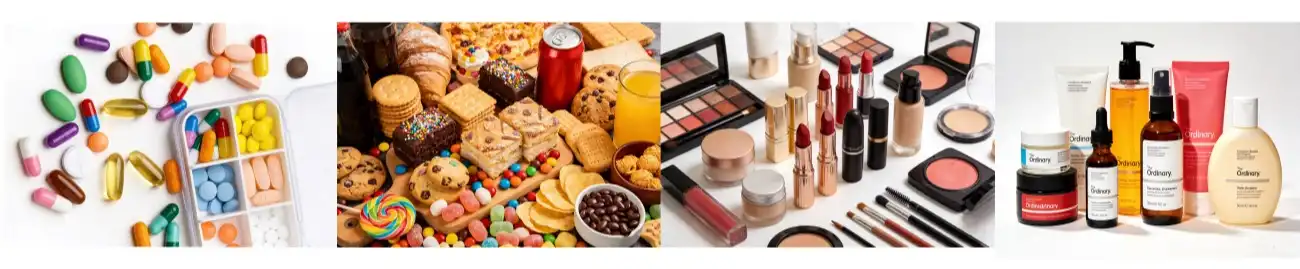
Nutraceutical and Dietary Supplement Applications
Standardized Cinnamon Bark Extract Powders are very helpful for supplement brands that want to make specific functional claims. ORAC (Oxygen Radical Absorbance Capacity) testing shows a direct link between polyphenol content and antioxidant activity. This means that marketing teams can back up antioxidant claims with lab proof. Standardization makes sure that every capsule has the same amount of bioactive ingredients, which is important for products that are used as part of daily wellness routines because customers expect reliable results.
Companies that make sports nutrition products like concentrated forms that work well with performance-based recipes and don't have too many capsules or serving sizes. A 500mg dose of 10:1 extract has the same biological effect as 5,000mg of raw material. This is a very high concentration that makes it possible to make complex stacks of ingredients that don't break the bank.
Functional Food and Beverage Development
Drink formulators face technological challenges. Regular powder may settle, cloud, or taste gritty in pricey ready-to-drink cocktails. Extract powders make mixing simpler, but clear solutions need water-soluble, highly filtered forms. To determine application-specific parameters, consult vendors.
We should investigate pasteurization or hot-fill processing temperature stability. Long-term high temperatures may break down volatile cinnamaldehyde and initiate polymerization processes that make food less bioactive. Standard pasteurization temperatures (about 100°C for brief durations) don't affect polyphenol chemicals. Small-scale cooking tests ensure the ingredients will work in your recipe.
Cosmetic and Personal Care Formulations
Chemical engineers who work in cosmetics like extract powders because they have a consistent color that doesn't change from batch to batch, fewer microbes than raw plant powders, and solvent extraction profiles that work with systems used to make cosmetics. Polyphenol antioxidants help keep products fresh and support the natural active ingredient positioning that health-conscious consumers are increasingly demanding.
It's important to think carefully about stability in emulsion systems. Extract powders stay stable in pH levels that are common in cosmetics (pH 4–7). However, if the pH level is too high, some polyphenol structures may break down. Testing for compatibility with preservative systems, chelating agents, and other actives stops interactions that might not be predicted and could hurt the safety or effectiveness of the formula while it's being stored.
Decision Framework for Procurement Teams
When looking at your choices, think about these important points:
- Product Positioning: High-end practical goods with clear claims support the purchase of extract powder. Economy-positioned products where cinnamon serves primarily flavoring or traditional appeal roles may perform adequately with quality ground powder.
- Supply Chain Reliability: Quality variation risks are kept to a minimum by using established extract suppliers with certifications, testing facilities, and direct oversight of cultivation. Single-source botanicals that don't come with traceability paperwork put brands at risk of contamination and regulatory action.
- Total Cost Analysis: Don't just look at unit prices; also compare the total costs of formulation, which include the dosage levels that need to be used, the cost of testing, the cost of possible reformulation due to differences between batches, and the need for regulatory paperwork. Even though they cost more per kilogram, extract powders often offer better overall value.
- Scalability Considerations: Ingredients that have strong compliance documentation, established import pathways, and suppliers that can handle volume growth without sacrificing quality are best for products that are going to be scaled up quickly or sold in more countries.
Conclusion
Your formulation needs, quality standards, and market positioning will all play a major role in your decision to use standardized Cinnamon Bark Extract Powder over traditional cinnamon powder. These extract powders meet the main needs of professional formulators in the nutraceutical, beauty, and functional food industries by providing concentrated bioactives, batch uniformity, and full paperwork. Traditional powder is still useful for some cooking uses and products that need to be cheap, but standardized extracts usually have more technical benefits than cost increases when making products with specific functional claims or for uses that care about quality. When you work with certified suppliers that offer traceability, analytical validation, and technical support, you can be sure that the ingredients you choose will help your brand meet its quality goals and grow.
Frequently Asked Questions
1. What distinguishes cinnamon bark extract powder from regular cinnamon powder?
The main difference is between standardization and concentration. Solvent-based processing is used to concentrate bioactive compounds, especially polyphenols and cinnamaldehyde, while inert fiber is taken out. This gives consistent batch performance and standardized specifications, like 50% polyphenols. Ground powder, on the other hand, has naturally variable active levels that range from 2 to 8 percent, which makes precise formulation difficult.
2. How should I dose extract powder compared to traditional powder?
Use extract concentration ratios to help with conversion. For the same amount of beneficial material, a 10:1 extract needs only a tenth of the dose of raw powder. A normal dose might have 5,000 mg of ground powder and 500 mg of 10:1 Cinnamon Bark Extract Powder. Dosing should always be based on testing of your specific batch of ingredients and the claims you want to make about the product, not on general conversion factors.
3. Where can I source reliable bulk extract powder?
Give more weight to suppliers who have full certifications (GMP, ISO, FSSC22000), analytical testing tools (HPLC, heavy metal screening), and direct cultivation oversight that makes sure the products can be tracked. Before you agree to large orders, ask for samples, Certificate of Analysis paperwork, and regulatory compliance portfolios. Suppliers that have been around for a while keep their stock steady and offer technical support as products are being developed.
Partner with OHI for Premium Cinnamon Bark Extract Powder Supply
Organic Herb Inc. is a reliable company that makes Cinnamon Bark Extract Powder. They use advanced extraction technology and strict quality control to grow their plants on 8,000 acres of GAP-certified planting grounds. Our Cinnamomum cassia extract powder comes from four U.S. warehouses and has wait times of seven days. It can be shipped in 4:1, 10:1, or 50% polyphenol standardized specs, so it can fit into your production schedule. Our products meet the strictest global safety standards thanks to their NSF GMP, Kosher, Halal, ISO, FSSC22000, and organic certifications. Our 42-person R&D team helps with formulations, creates unique extraction protocols, and gives full analytical paperwork, which includes HPLC polyphenol quantification and heavy metal screens. Get a free taste today and see for yourself the quality difference that 400+ created plant extracts and being a public company make. Get in touch with our team at info@organic-herb.com to talk about your specific formulation needs and find out how our technical knowledge and reliable supply chain can help you make your product development more successful.
References
1. Chen, P., Sun, J., & Ford, P. (2014). Differentiation of the four major species of cinnamon by phenolic and aldehyde analyses. Journal of Agricultural and Food Chemistry, 62(18), 4030-4037.
2. Ranasinghe, P., Pigera, S., Premakumara, G. S., Galappaththy, P., Constantine, G. R., & Katulanda, P. (2013). Medicinal properties of true cinnamon (Cinnamomum zeylanicum): a systematic review. BMC Complementary Medicine and Therapies, 13(1), 275.
3. Gruenwald, J., Freder, J., & Armbruester, N. (2010). Cinnamon and its constituents: A systematic review and meta-analysis. Planta Medica, 76(11), 1108-1116.
4. Wang, Y. H., Avula, B., Nanayakkara, N. P., Zhao, J., & Khan, I. A. (2013). Cassia cinnamon as a source of coumarin in cinnamon-flavored food and food supplements. Journal of Agricultural and Food Chemistry, 61(18), 4470-4476.
5. Rao, P. V., & Gan, S. H. (2014). Cinnamon: A multifaceted botanical with potential antioxidant, antimicrobial, and anti-inflammatory properties. Evidence-Based Complementary and Alternative Medicine, 2014, 642942.
6. Shreaz, S., Wani, W. A., Behbehani, J. M., Raja, V., Irshad, M., Karched, M., Ali, I., Siddiqi, W. A., & Hun, L. T. (2016). Cinnamaldehyde and its derivatives: A review of their biological activities. Fitoterapia, 112, 110-131.
Standard Disclaimer (DSHEA):
These statements have not been evaluated by the Food and Drug Administration.
This product is not intended to diagnose, treat, cure, or prevent any disease.

Send Inquiry
Related Industry Knowledge
- Cinnamon Powder vs. Cinnamon Bark Extract Powder: Which is Right for Your Formulation?
- Is Red Radish Extract good for triglycerides?
- What are the 5 health benefits of Carrot Extract?
- What is Valerian Root Extract?
- Zizyphus jujube extract in skincare: What is it?
- Exploring the Unique Properties of Maitake Mushroom Extract Powder
- Polyporus extract, powder and capsules for companies
- Exploring the Wonders of Rhodiola Rosea
- Where to buy strawberry extract?
- What is sodium copper chlorophyllin?