
Is Red Radish Extract good for triglycerides?
Jul 20, 2026
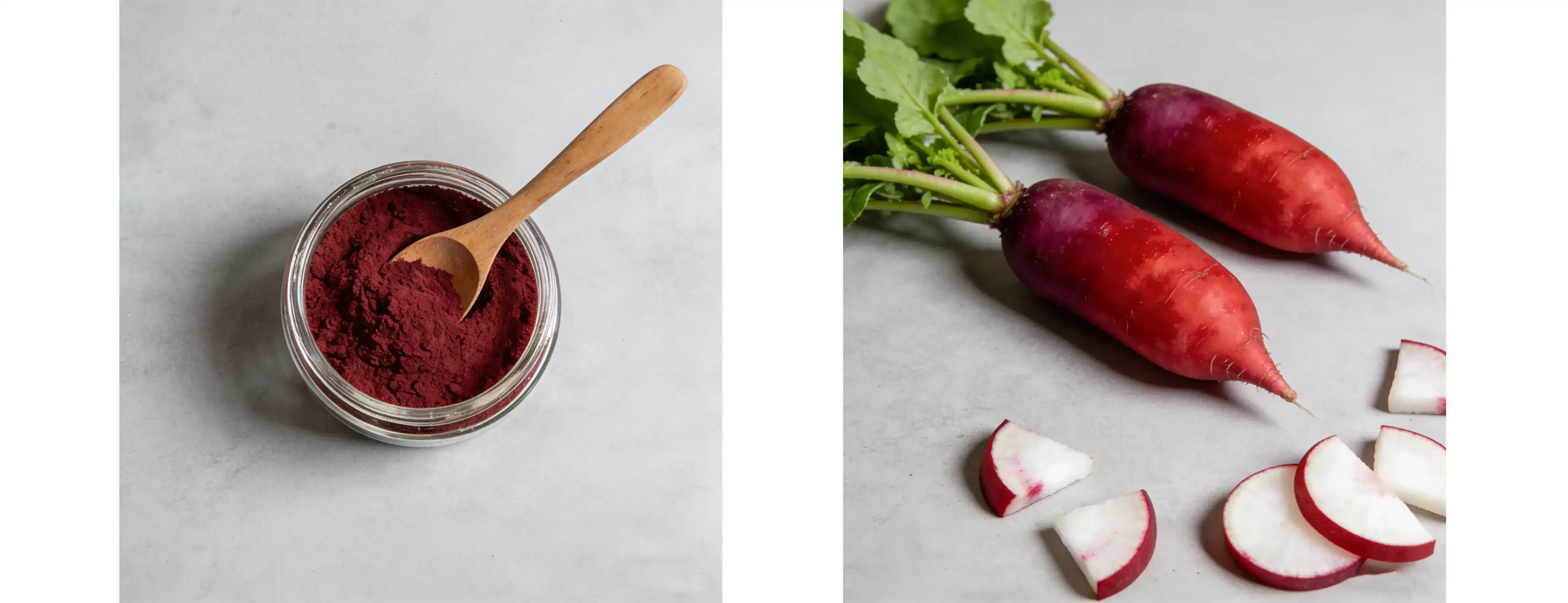
A lot of people still worry about having too many triglycerides in their blood, and the nutraceutical business is always looking for natural ingredients that can help break down fats. Because it contains a lot of anthocyanins, especially pelargonidin derivatives, which show promise for altering lipid parameters, Red Radish Extract, which comes from Raphanus sativus L., has received a lot of attention. An early study suggests that these good chemicals may help keep triglyceride levels healthy by making the body burn more fat and stop lipids from building up in tissues. Formulation scientists have a clean-label option for this botanical ingredient when it comes from suppliers that are certified and have strict quality controls. This meets the market's need for functional plant-based actives right now.
Understanding Triglycerides and Their Health Implications
When it comes to people, triglycerides are the most common type of fat in the blood. They store a lot of energy. Triglycerides are what our bodies do with extra calories when we eat more than we need at the moment. There, they are stored as fat. Our triglyceride levels stay high all the time because of the way we eat now, which is called hypertriglyceridemia. This system helps us stay alive when food is rare.
What Drives Elevated Triglyceride Levels?
Several things can change the amount of triglycerides in the blood. The main cause is diet; triglycerides are directly increased in the liver when you eat too many refined carbohydrates, sugars, and saturated fats. Sitting around all day makes this effect worse because it makes it harder for the body to use stored fats efficiently. Lipid dysregulation can also get worse if you have certain metabolic conditions, genetic traits, or hormonal imbalances.
Why Triglyceride Management Matters for Product Development
Businesses that make nutraceuticals and functional foods have a lot of room to grow by managing triglycerides. People want fitness products that keep them healthy more and more, not just ones that fix problems after they happen. If a brand wants to stand out in a crowded market, it can use ingredients that science has shown to help break down lipids. Buying teams and R&D leaders know that adding bioactive compounds to a product that have been shown to change the way lipids behave makes it more trustworthy and meets the growing need for formulations that are clear and work well.
Red Radish Extract: Nutritional Profile and Key Benefits for Triglyceride Management
Cruciferous red radish roots are red because they contain a lot of different kinds of anthocyanins, with pelargonidin-3-sophoroside-5-glucoside being the main one. The way it's put together makes it different from other natural colorants. It makes colours that are bright and good for living things.
Bioactive Compounds and Lipid Metabolism
Red Radish Extract has antioxidants called anthocyanins that keep lipid molecules from being damaged by oxygen. Researchers have found that these chemicals may break down lipids in more than one way. Better enzymes that break down fatty acids seem to work because of them. This speeds up the process of turning fats into energy that the body can use. Hepatic lipogenesis is the process by which the liver makes new fat molecules. Anthocyanins may also change this process. Triglycerides might not be made at all if this is done.
Complementary Cardiovascular and Metabolic Benefits
There are other ways that radish anthocyanins help the heart besides changing lipids. As antioxidants, they help get rid of reactive oxygen species that make blood vessels swell and endothelial function poor. The extract is stable at different pH levels and can be mixed with water, so it can be used in many different types of supplements and functional drinks. Formulators are interested in these ingredients because they can help with different parts of metabolic health and can do more than one thing.
Evidence-Based Considerations for B2B Procurement
The chemical make-up of Red Radish Extract looks good, but people who buy things should make sure they are of good quality and are consistent. A very important standard that makes sure there is enough anthocyanin to work is the colour value specification (E1% at 514±5nm ≥ 50%). When products meet this standard, they have the right amount of bioactive density to meet formulation goals and stay cost-effective at all sizes of production.
How Is Red Radish Extract Made? Quality Considerations for Procurement
You can choose a good place to get something that meets quality, efficiency, and follows the rules if you know how it is made. It is the way the ingredient is extracted that determines how pure, stable, and effective it is.
Extraction Techniques and Their Impact on Quality
Red Radish Extract is usually made using aqueous extraction procedures to safeguard the heat-sensitive anthocyanins. Carefully choose cruciferous red radish roots (Raphanus sativus L.). The roots are cleaned and shortened to increase plant's surface area. Only pure water is used for controlled temperature extraction to avoid strong chemicals changing the natural profile or leaving residues that are bad for clean label placement.
The extracted liquid is membrane-filtered to remove plant fibers, proteins, and other large molecules. The necessary anthocyanin portion remains. Advanced procedures may utilize nano-membrane separation technologies that provide better purity without breaking down at high temperatures. The concentrated extract is freeze-dried or sprayed into a powder. Because it utilizes less heat, freeze-drying preserves bioactivity.
Certifications and Quality Assurance Measures
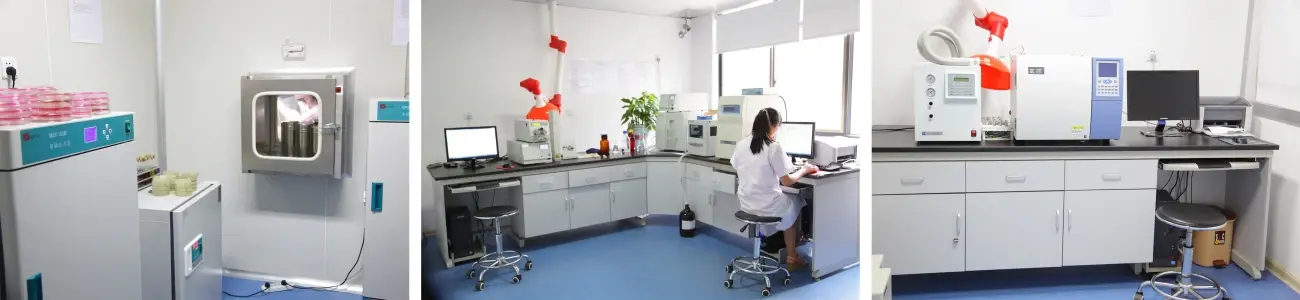
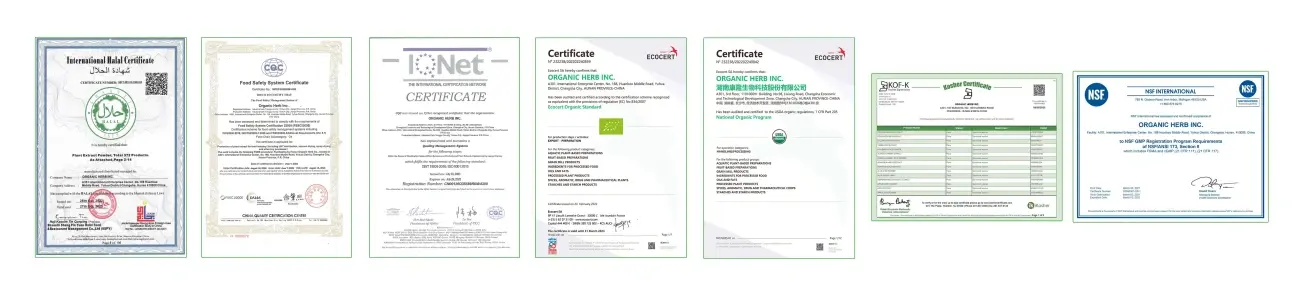
Following precise proving procedures yields plant extracts. Suppliers must maintain many international quality certificates. NSF GMP accreditation confirms that product manufacturing methods fulfill pharmaceutical standards. FSSC22000 and ISO certifications demonstrate adequate food safety management and quality control systems. Kosher and Halal permits allow diverse companies to enter new markets.
Another key verification step is third-party testing. Trustworthy manufacturers provide a Certificate of Analysis (COA) that shows how much active substance, heavy metal, microorganism, or herbicide remains. These documents should accompany every batch to trace it along the supply chain. Free samples allow formulation teams to test the product before placing large purchases. This reduces product development risks and expenses.
Comparing Radish Extract Formats and Related Ingredients
Compared to normal radish powder, it is concentrated and standardized. Whole radish powder contains all the root portions, but the extract concentrates the potent anthocyanins, making it stronger per weight. More concentration equals fewer ingredients in final formulations. This affects formulation, flavor, appearance, and cost the least.
Instead of beets, betalain-based red colorants are utilized. Betalain and beetroot extract are unstable. Betalains degrade fast at 60°C and under light. They're not suitable for many hot products. Radish anthocyanins, particularly acylated ones, are stable under hot, sunny conditions. Even after boiling, pasteurizing, and sun-drying, they retain their color.
Practical Uses of Red Radish Extract in Formulations and Products
You can do more with Red Radish Extract anthocyanins than just colour them. These things are useful and can be used in many different things.
Nutraceuticals and Dietary Supplements
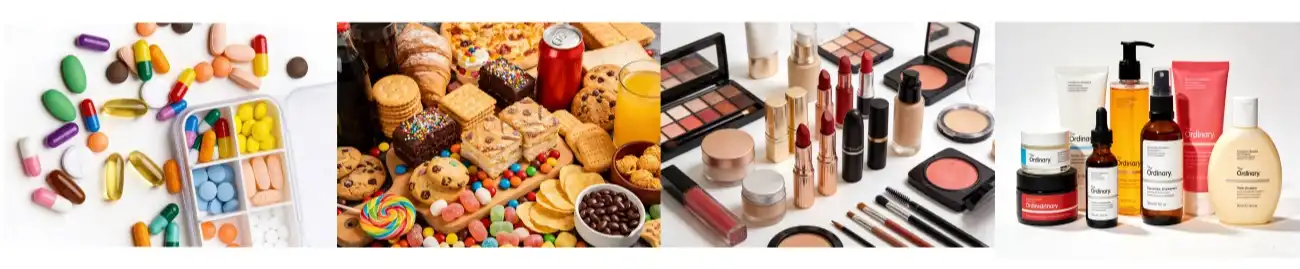
People who make supplements use Red Radish Extract to make heart-healthy pills, tablets, and soft creams. The deep red colour looks good and has health benefits thanks to anthocyanins. A typical inclusion rate is between 50 mg and 200 mg per dose, but this can change based on the standardised quantity of the extract and the health claim. Powder forms are easy to use in encapsulation processes since they flow well and mix well with common fillers.
Functional Beverages and Fortified Foods
People who make acidic drinks can use radish anthocyanins in their drinks. It adds a steady strawberry-red to orange-red colour to sports drinks, vitamin waters, and functional drinks (pH 2.5–3.5). The colour doesn't change when flash-pasteurized, and it stays that way over time. When UV light hits clear PET bottles with some berry products, they split or fade. But Red Radish Extract that has been handled correctly stays the same colour. This keeps the brand's reputation and appeal to customers safe.
Functional foods are things like protein bars, snacks with added nutrients, and yoghurt mixes. The extract can dissolve in water, which makes it easier to spread out evenly in water. It can also stay solid during light heating processes, which are a normal part of making food. Formulators like that it can be used for two things: it makes the product look better and adds medicinal benefits. This shortens the lists of ingredients and helps with clean labelling.
Cosmetic Formulations and Natural Personal Care
Radish anthocyanins are mostly used in food, but they are also used as colourants and vitamins in natural makeup. Because it is an antioxidant, the extract works well with skin care products that fight oxidative stress. Its bright colours also make products look better without using artificial colours. Cosmetic chemists should know that anthocyanins change colour depending on the pH. This means that the pH may need to be changed to get the colour they want.
Application Insights for Product Developers
What you need to pay attention to for good integration is the formulation's pH, the working temperatures, and the way it is packed. The colour and anthocyanin purity are best protected when the pH is between 3.0 and 6.5, which means it is acidic or neutral. When things are heated above 100°C for a long time, they may slowly change colour, but Red Radish Extract can handle heat better than most natural alternatives. Food and drinks that are clear last longer when they are packed in packaging that keeps light out.
Tests of safety always show that Red Radish Extract-based products are safe to use in normal amounts. FDA rules (21 CFR 73.260) say that the extract can be used to colour veggie juice. In Europe, it has E163 status, which makes it easy to get it allowed to sell there.
B2B Guide to Purchasing Red Radish Extract: Suppliers, Pricing, and Logistics
To make sure that your sourcing is quick and cheap, you should carefully think about the skills of your sources, how they set prices, and how they handle shipping.
Identifying Reputable Manufacturers and Suppliers
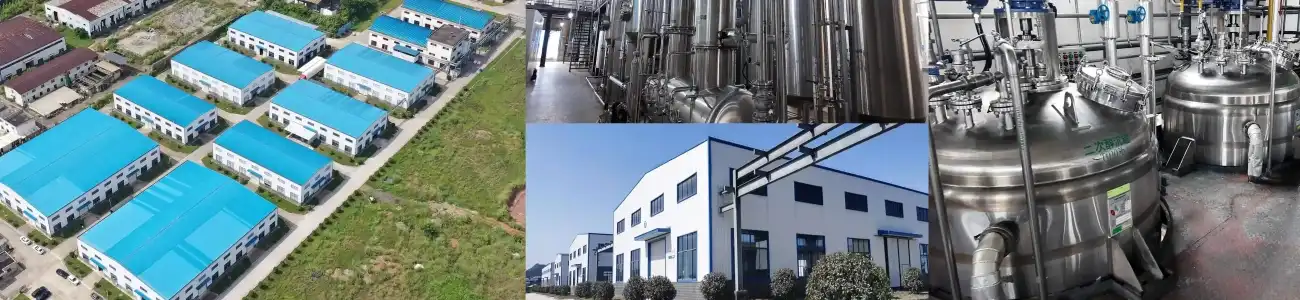
Make sure your Red Radish Extract comes from a firm with strong quality control and plant processing. Public corporation Organic Herb Inc. (Stock Number: 872213) combines agricultural control, innovative R&D, and certified production infrastructure well. Their enterprise spans three GAP-stable growing locations on over 8,000 acres in three Chinese regions. They utilize cautious farming to maintain raw material quality.
Manufacturers must demonstrate their investment in HPLC, GC-MS, and membrane filter systems. If the firm has a robust R&D department, preferably with PhD-level senior researchers, it may create new goods, customize them, and provide technical help throughout formulation development. Earth Made Nutritions has four US regional warehouses. Its headquarters are in LA. North American customers may acquire their items more quickly and with less wait time.
Pricing Structures and Bulk Ordering Considerations
Red Radish Extract prices depend on its anthocyanin content, natural approval, order amount, and packaging. Standardized extracts from E1% to 50% cost more than lesser concentrations. They must go through further stages to get the correct strength.
Fiber bins with food-grade lids hold at least 25 kg for orders. This level balances manufacturing speed with buyer stock movement. Bulk discounts usually apply to orders of 100 kg, 500 kg, or 1000 kg. Depending on the contract and payment, the price is reduced by 5–15%.
Procurement experts should receive detailed shipping, packaging, and unit pricing bids. Clear pricing structures help organizations estimate production costs and compete in a competitive market.
Sample Acquisition and Quality Verification
Verified customers get free 50–100g samples from trustworthy suppliers. This lets customers taste the product before buying a lot. When requesting samples, specify what you intend to use them for, if you need credentials, and any scientific information that will assist the supplier in offering you a complete image. Formulation teams may evaluate chemicals' dissolution, staining, and compatibility early on. They can also sense the substances.
After checking the sample, buy a 25–50 kg test batch to ensure the manufacturing method is the same for both samples and mass production. This strategy reduces the dangers of making large purchases at once and establishes confidence in the provider by doing things slowly.
Navigating Export Regulations and Shipment Logistics
If you buy something from another country, you need to know about customs, the paperwork you need to bring it in, and the different ways you can ship it. You can find Red Radish Extract under HS codes that are related to vegetable extracts or food colourants. It also has to follow the normal rules for bringing food into the country where it will be used.
Commercial Invoices, Packing Lists, Certificates of Analysis, Phytosanitary Certificates (if needed), and any quality licenses that are needed should all be included in the paperwork that suppliers send. To make sure that bioterrorism rules are followed for goods coming into the U.S., a Prior Notice must be filed with the FDA. But food safety directives may need more traceability paperwork for shipments to the EU.
Lead times depend on how you ship and where you're going. Shipping goods from Asian factories to the United States by water. East Coast ports take 28 to 35 days, while West Coast ports take 14 to 21 days. The trip takes only 5–7 days by air freight, but it costs a lot more. The warehouse network of Earth Made Nutritions and other manufacturers who keep stock in the U.S. offers local wait times of three to five business days. This makes just-in-time ordering plans more flexible.
OEM and Private Label Capabilities
A lot of providers of ingredients offer OEM and private label services, which let brands make their own recipes and put their own name on them. As part of these services, basic extracts can be repackaged, and complicated formulations with many plant actives, fillers, and transport systems can be made. Before you decide to work with someone, make sure that their technical skills, knowledge of the rules, and output capacity are in line with your brand's growth goals and quality standards.
Conclusion
Red Radish Extract comes from plants and can be used in lots of different ways. It naturally turns things blue and contains bioactive anthocyanins that help the body break down fats. This ingredient is steady, has been approved by regulators, and has been shown to work with many different products. This makes it a useful tool for businesses that want to target cardiovascular health markets. When you buy something, you should carefully consider the supplier's ability to handle shipping, the way the product is made, and any quality certificates. Companies that make nutraceuticals, functional foods, and dietary supplements can use this natural extract in new products with confidence because they work with well-known manufacturers that have strict quality standards and reliable supply chains. This is because consumers want effective products with clean labels.
Frequently Asked Questions
1. Can Red Radish Extract effectively support healthy triglyceride levels?
A study says that the anthocyanins in Red Radish Extract may change how the body uses fats by changing how they are burnt and how they work as antioxidants. It seems to work pretty well in early tests, but it depends on the dose, the formulation setting, and other live things that interact with it. When procurement teams think about what they could use something for, they should look at the study data that is already out there and think about how to make materials more consistent.
2. How can I verify the quality of Red Radish Extract from suppliers?
There should be tests for heavy metals, bacteria counts, and chemical residues on the Certificates of Analysis. The anthocyanin content should be shown as a colour number between 1% and 50%. If you need to, look for certifications like NSF GMP, ISO, FSSC22000, and organic standards. If you buy from a reliable supplier, they will give you paperwork for each batch and samples that you can send to a separate lab to be tested before you buy a lot of them.
3. What dosage ranges are appropriate for commercial formulations?
The amount added to dietary supplements is between 50 mg and 200 mg per serving. It can be anywhere from 20 mg to 100 mg per serving in functional drinks, depending on how strong the colour is and what the drink is supposed to do. You should know the type of product, how standardised the extract is, and what health claims are being made before you take it. For each job, talk to your providers' expert teams to find out what concentrations will work best.
Partner with OHI for Premium Red Radish Extract Supply
Organic Herb Inc. gets pharmaceutical-grade botanical ingredients that meet the strictest international standards by integrating its GAP-certified planting bases with its state-of-the-art extraction facilities. Our Red Radish Extract, which is standardised to E1% ≥ 50% at 514±5nm, has the right amount of anthocyanins and stability to work in recipes. OHI makes sure that all markets around the world follow the rules by getting certifications in NSF GMP, FSSC22000, Kosher, and Halal. Earth Made Nutritions, our U.S. company, has key warehouses all over the country. This means we can send within three to five business days, which is great for meeting deadlines for production. Contact our technical team at info@organic-herb.com to request complimentary samples, discuss custom formulation requirements, or get in touch with a Red Radish Extract supplier who cares about the success of your brand.
References
1. Wallace, T.C., et al. (2016). "Anthocyanins in Cardiovascular Health: Evidence from Clinical and Epidemiological Studies." Critical Reviews in Food Science and Nutrition, 56(3), 419-443.
2. He, J. & Giusti, M.M. (2010). "Anthocyanins: Natural Colorants with Health-Promoting Properties." Annual Review of Food Science and Technology, 1, 163-187.
3. Khoo, H.E., et al. (2017). "Anthocyanidins and Anthocyanins: Colored Pigments as Food, Pharmaceutical Ingredients, and Their Potential Health Benefits." Food & Nutrition Research, 61(1), Article 1361779.
4. Takahashi, M., et al. (2015). "Isolation and Characterization of Anthocyanins from Red Radish and Their Stability Properties." Journal of Agricultural and Food Chemistry, 63(10), 2589-2595.
5. Fernandes, I., et al. (2014). "Bioavailability of Anthocyanins and Derivatives: Effect of Food Matrix and Processing." Journal of Agricultural and Food Chemistry, 62(29), 6898-6902.
6. Rodríguez-Mateos, A., et al. (2014). "Intake and Time Dependence of Blueberry Flavonoid-Induced Improvements in Vascular Function: A Randomized, Controlled, Double-Blind Study." American Journal of Clinical Nutrition, 100(2), 514-523.
Standard Disclaimer (DSHEA):
These statements have not been evaluated by the Food and Drug Administration.
This product is not intended to diagnose, treat, cure, or prevent any disease.

Send Inquiry
Related Industry Knowledge
- Shiitake Mushroom Extract Powder: Everything You Need to Know
- Is Sophora Japonica Extract Good For Skin?
- What is a sage?
- Is sodium copper chlorophyllin safe?
- Top 5 Uses of Poria Cocos Extract in 2026
- Are kidney beans good for weight loss?
- Where to buy strawberry extract?
- Best Rhodiola Rosea Supplement: Smart Choice Guide
- Ultimate Guide to Poria Cocos: Health Benefits & Uses
- When to take saw palmetto morning or night?