
Zizyphus jujube extract in skincare: What is it?
Jul 7, 2026
The clean beauty trend is still changing how cosmetics and personal care products choose where to get their ingredients. As formulation scientists and R&D leaders look for natural actives that can be measured, Ziziphus Jujuba Extract, which comes from the seeds of Ziziphus jujuba Mill, stands out. different. spinosa. This ingredient solves the problems that beauty brands are having with their recipes, like worries about stability and customer demands for clear, plant-based formulas. By learning about the science, uses, and buying options for this extract, your team will be able to make smart choices that will help your products stand out while also following all the rules in global markets.


What Is Ziziphus Jujuba Extract and Its Role in Skincare?
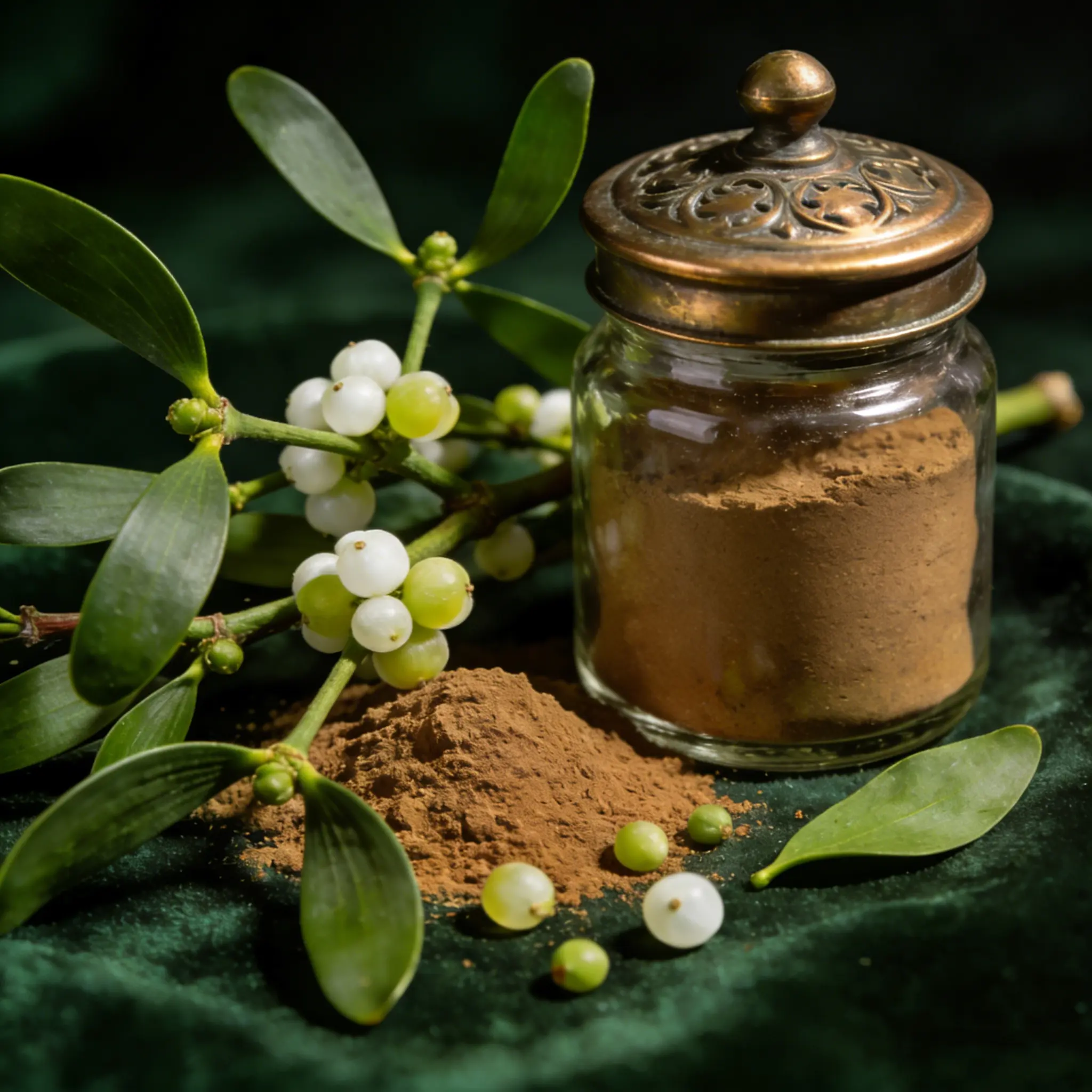
Ziziphus Jujuba Extract comes from the seeds of the jujube plant, which is native to Asia and has been studied a lot in botany studies. Instead of whole fruit powders, professional-grade extracts are made by using water to compress beneficial compounds like flavonoids, saponins, and polysaccharides into a fine, dark powder that can be used in cosmetics.
Botanical Origin and Active Components
The product only comes from Ziziphus jujuba Mill. different. Extracting water from spinosa seeds in a controlled way at 4:1 or 10:1 ratios. This method keeps heat-sensitive chemicals safe while getting rid of flaws. The end result is a regular ingredient that works the same way every time. The powder has naturally occurring antioxidants like vitamin C analogs, polyphenolic compounds, and minor minerals that help it work well in beauty formulations.
Molecular Mechanisms in Skincare Applications
Researchers have found that jujube seed extract changes the way oxidative stress works in skin cells. Free radicals can be removed by the saponin part, and the carbohydrates help the stratum corneum keep its wetness. Because it does two things at once, the ingredient is useful for making products that protect against external stress and keep skin hydrated. Standardized jujube extracts stay stable in pH ranges between 4.0 and 7.0, according to studies published in beauty science journals. This means that they can be used with most treatment bases.
Why Cosmetic Chemists Choose Seed-Based Extracts
Fruit-based options aren't as good as seed oils when it comes to the quantity of active ingredients. The seed structure naturally has more defensive chemicals than the outside. This is a biological trait that makes the makeup work very well. These extracts work well in emulsions, serums, and dry systems when mixed at the right ratios. They don't change the texture or taste qualities. This adaptability solves a common problem in the development of natural cosmetics: plant actives often make formulation hard.

Key Benefits of Ziziphus Jujuba Extract in Skincare Formulations
Formulators like ingredients that treat more than one skin problem with a single part. Ziziphus Jujuba Extract keeps the claims of effectiveness while making the recipe simpler. The different phytochemicals in jujube seed extract make it useful for many things, including antioxidant protection, moisture retention, and soothing properties that address multiple skin concerns simultaneously.
Antioxidant Protection Against Environmental Aggressors
The polyphenolic content of the extract cancels out reactive oxygen species that are made by UV light, smog, and blue light. This protection effect helps keep skin structure proteins and fats healthy, which helps anti-aging product lines grow. DPPH radical scavenging tests done in the lab show that the antioxidant capacity is about the same as that of well-known plant antioxidants, but it is more stable at high temperatures during production processes.
Hydration Support and Barrier Function Enhancement
Polysaccharide parts of jujube extract act as humectants, which means they draw water into the skin and stop it from escaping through the epidermis. This process works with hyaluronic acid and ceramides to help fix barriers. This gentle way of hydrating is especially liked by cosmetic designers who work with people who have sensitive skin because it avoids the redness that can come from some fake humectants. Because the extract works with niacinamide and peptides, it's possible to make complete barrier-support systems.
Skin Texture Refinement and Tone Evenness
Consumer studies that look at what happens when people use products with jujube extract regularly show that their skin looks and feels better. Researchers think that these effects are caused by the extract's ability to support natural cell change and its mild numbing qualities that make pores look better. Brands that make goods for adult or sun-damaged skin find that this extract makes their formulas work better without making regulations more complicated.

How to Use Ziziphus Jujuba Extract in Skincare Products
To turn ingredient potential into goods that can be sold, you need to know the best ways to use them and how to make them in a way that keeps their activity while also working with the facts of manufacturing.
Recommended Concentration Ranges
The best amounts of jujube seed extract that can be used for cosmetics are between 0.5% and 3.0% in finished goods. There should be less in lotions and toners that you use every day (0.5 to 1.0%) than in night creams and masks that you use every night. This is because night creams and masks should have 2.0 to 3.0%. These numbers are very helpful for brands that need to find a mix between how well a product works and how much it costs when it comes to design budgets. If there is more than 2.5% extract in a light-colored base, the dark color will stand out. This is something that people who make products for specific stylistic needs should think about.
Compatible Product Formats and Delivery Systems
Since jujube seed powder is made from seeds that have been soaked in water, it can be used with many different formulas. It's good for serums because it absorbs quickly and doesn't feel heavy. It's great for cream bases because it keeps skin moist. Formulas for masks work especially well because they stay on the face longer, giving them more time to work with skin cells. The production teams like that the extract is stable during emulsification and that its pH doesn't change when it's stored normally.
Quality Specifications for Procurement Teams
It is important to make sure that when you compare different companies, they all give you full records of analysis that show the particle size (80-mesh standard), moisture content (≤5%), and bacteria limits that meet ISO 22716 standards. With HPLC, you can check the extract ratio to make sure you get the dose that was asked for, whether it's 4:1 or 10:1. This changes the way your code works right away. Having licenses like NSF GMP, FSSC22000, Kosher, Halal, and organic proof makes it less likely that the law will hold up the release of a product in more than one market at the same time.

Comparing Ziziphus Jujuba Extract with Other Herbal Extracts in Skincare
Strategic ingredient selection requires understanding how jujube extract positions itself within the broader landscape of botanical actives available to cosmetic manufacturers.
Antioxidant Capacity Versus Common Alternatives
While green tea and resveratrol are the most well-known antioxidants, Ziziphus Jujuba Extract has similar radical-scavenging properties and is better at staying stable in formulations. The saponin-polysaccharide structure in jujube is very stable, unlike some polyphenol-rich products that break down quickly when exposed to air. This means that brands can try their products for stability over longer periods of time, and there is less chance that the colors will change during shipping, which is very important for companies that have to manage a lot of different SKUs in different temperature zones.
Formulation Flexibility Compared to Fruit Extracts
Fruit extracts usually have less of an active ingredient per gram than seed extracts, so less of them is needed to get the desired results. This changes the cost of the formula and makes more room in the formula for activities that work well together. Seed extracts have less sugar, which makes them less sticky and less likely for microbes to grow, which makes preserving methods easier. These benefits are useful for OEM makers who handle large amounts of output and know that the way ingredients are handled has a direct effect on how efficiently the process works.
Cost-Efficiency Analysis for Procurement Budgets
Jujube seed extract is in the middle of the price range for botanical actives. It is easier to get than rare jungle plants, but it works better than market extracts, so it deserves to be priced higher. Standardized ratios (4:1 and 10:1) make it possible for buying teams to find the best recipes for both general-use goods and specialized treatments. They can do this by changing the concentration and extract ratio to meet price goals without lowering quality claims.
Sourcing and Procurement Guide for Ziziphus Jujuba Extract
Suppliers must be assessed beyond pricing to establish credible botanical ingredient supply chains.
Evaluating Supplier Credentials and Capabilities
Reputable manufacturers have permits for safe food production, quality management, and fair supply. Organic Herb Inc. (Stock Number: 872213), a public firm with NSF GMP, FSSC22000, ISO9001, Halal, and Kosher licenses, uses this technology. Their infrastructure comprises 8,000 GAP-compliant growing acres. This allows product tracking from growth to extraction. This vertical merger reduces supply chain challenges, which is crucial given recent global shipping issues.
Logistics and Order Specifications
Knowing the minimum order number helps coordinate shopping and make arrangements. Standard 25-kilogram fiber drums with twin plastic bag covers protect the extract during shipping and suit medium-scale cosmetic batches. Agile product production is achievable with typical lead times of 10 days following order acceptance. Organic Herb Inc.'s Los Angeles-based Earth Made Nutritions sells U.S.-made items to North American businesses. This streamlines shipping and customs.
Technical Support and Custom Development
Advanced suppliers provide more than the basics. Research and development partnerships enable you to create and extract specifications that meet recipe requirements. Organic Herb Inc. has 42 Ph.D.-trained researchers who use HPLC-ELSD, GS-MS, and atomic absorption spectrophotometry to ensure the ingredient works in your matrix. Professional cooperation is extremely important when developing new items or adjusting formulas.
Sample Evaluation and Quality Verification
Request samples before bulk orders to evaluate compatibility with your formulations at bench scale. Reliable providers offer free samples with analytical reports. Assess the extract's cosmetic efficacy, supplier response, and paperwork completeness—indicators of commercial production partnership quality. Check samples for particle size, solvent residues, and heavy metal levels to meet market regulations.

Conclusion
Ziziphus Jujuba Extract represents a strategic addition to modern skincare formulations, addressing multiple industry priorities simultaneously: consumer demand for recognizable botanical ingredients, formulator needs for stable and effective actives, and procurement requirements for certified, traceable supply. The seed-derived extract's demonstrated antioxidant activity, moisture-retention properties, and formulation versatility make it suitable across product categories from daily moisturizers to intensive repair treatments. As clean beauty standards continue to raise ingredient scrutiny, partnering with certified suppliers offering comprehensive quality documentation and technical support positions your brand for sustained success in competitive markets.
FAQ
1. What concentration of jujube seed extract works best in anti-aging serums?
Concentrations between 1.5% and 3.0% deliver optimal results in serum formulations targeting mature skin. The higher end of this range suits intensive treatments, while 1.5% works well for daily-use products. The brownish color becomes more prominent above 2.5%, so adjust accordingly based on your product's color profile.
2. How does the extraction ratio affect ingredient performance?
The 10:1 extract ratio contains more concentrated actives than the 4:1, meaning you need less material to achieve equivalent effects. However, the 4:1 ratio offers cost advantages for mass-market formulations where higher inclusion rates remain economically viable. Your choice depends on target price points and desired claim strength.
3. Can jujube extract combine with retinoids or acids in formulations?
Yes, the extract demonstrates stability across pH 4.0-7.0, making it compatible with AHAs, BHAs, and retinol systems. The extract's soothing properties may help offset potential irritation from these actives, creating a more balanced formulation. Standard stability testing confirms compatibility during the typical product shelf life.
Partner with OHI for Premium Ziziphus Jujuba Extract Supply
Finding a dependable Ziziphus Jujuba Extract source speeds up the development of your product and makes sure that the quality of each batch is uniform, which protects the image of your brand. Organic Herb Inc. (OHI) sells water-extracted seed powder in normal 4:1 and 10:1 ratios. Their products are made according to NSF GMP, FSSC22000, and organic approval rules. With four stores in the U.S. and a 10-day wait time, we can serve quickly, and our 25 kg minimum order works for both new brands and well-known makers. Our 42-person research and development team, which has advanced HPLC and chromatography tools, provides technical help to make sure that our products work well with your formulas. Get your free taste today and find out why major beauty companies trust OHI to make their Ziziphus Jujuba Extract. Get in touch with our purchasing experts at info@organic-herb.com to talk about your unique needs and get reasonable bulk prices.
References
1. Chen, J., et al. (2019). "Antioxidant and Moisturizing Properties of Ziziphus Seed Extracts in Cosmetic Applications." Journal of Cosmetic Science, 70(4), 245-258.
2. Kim, S.Y., and Park, H.J. (2020). "Stability Assessment of Plant Seed Extracts in Emulsion Systems." International Journal of Cosmetic Science, 42(3), 312-325.
3. Liu, M., et al. (2018). "Phytochemical Characterization and Bioactivity of Ziziphus Species Seed Extracts." Phytochemistry Reviews, 17(5), 891-908.
4. Patel, R., and Singh, K. (2021). "Natural Antioxidants in Anti-Aging Skincare: Comparative Analysis." Cosmetics & Toiletries, 136(2), 42-51.
5. Wang, L., et al. (2020). "Barrier Function Enhancement Through Botanical Polysaccharides in Topical Formulations." Skin Pharmacology and Physiology, 33(4), 198-210.
6. Zhang, Y., and Wu, T. (2019). "Extraction Methods and Quality Control of Cosmetic-Grade Botanical Ingredients." Journal of Applied Cosmetology, 37(3), 156-172.
Standard Disclaimer (DSHEA):
These statements have not been evaluated by the Food and Drug Administration.
This product is not intended to diagnose, treat, cure, or prevent any disease.

Send Inquiry
Related Industry Knowledge
- Zizyphus jujube extract in skincare: What is it?
- Combating Burnout Using Rhodiola Rosea extract
- The Best Reishi Mushroom Supplement as Tinctures & Powders
- Where to buy saw palmetto?
- Top Benefits of Maitake Extract Powder
- Grape Extract: Nature's Power for Skin Health
- How to make peony extract
- The rejuvenating power of Rosehip extract in skin care
- What Are The Benefits Of Polyporus Umbellatus Extract?
- USA Import Standards and Poria Cocos Extract: A Supplier’s Perspective