
6 Natural Spirulina Powder Benefits: What The Science Actually Says About This Blue-Green Algae Supplement
Jul 10, 2026
When my team and I first thought about putting blue-green algae in our health goods, we needed scientific proof to back up what the ads said. One of the most nutrient-dense plant-based ingredients available to product makers today is Natural Spirulina Powder, which is derived from Spirulina platensis. Six benefits are made clear in the study, and these benefits have been shown in other studies. Some of these are strong antioxidants and long-term protein supplies. When buying teams know about these scientifically proven traits, they can be sure they are getting high-quality Natural Spirulina Powder for their goods.
Understanding Natural Spirulina Powder: Composition and Nutritional Profile
What Makes Spirulina a Nutritional Powerhouse
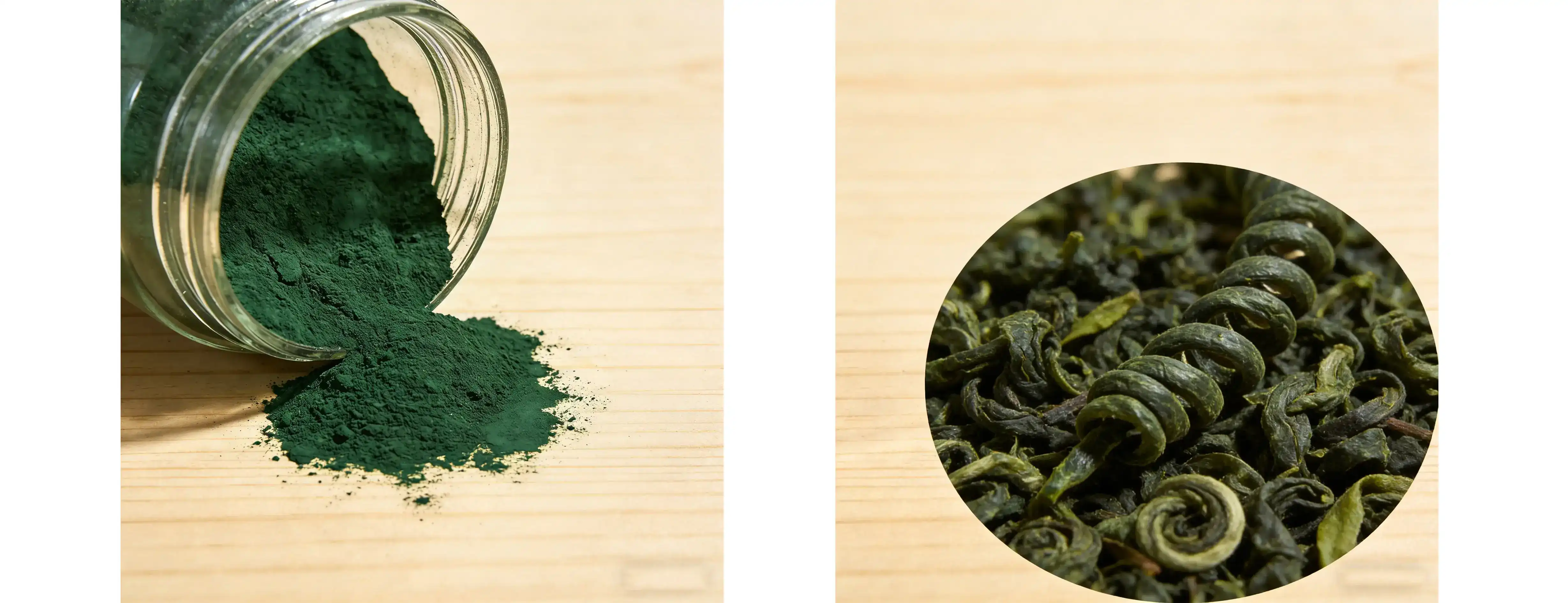
Spirulina platensis is a very small cyanobacterium that does well in water that is high in acidity. Real Natural Spirulina Powder is harvested carefully and dried slowly, so it keeps all of its biological properties. This is different from other options that have been processed a lot. From seven grams of dried Natural Spirulina Powder, the USDA says that it has 4.02 grams of protein and a lot of iron, magnesium, phosphorus, and potassium. Because it is so dense, formulation managers who want to improve nutritional profiles without making serving sizes too big love it.
Key Bioactive Components
The powder is green because it has a lot of chlorophyll in it. The blue color of good Natural Spirulina Powder makes it stand out from less expensive brands. This phycobiliprotein is a useful chemical that helps protect cells and also gives things their color. It is a complete protein source, like milk and eggs, because it contains all the amino acids your body needs.
Natural Spirulina Powder has riboflavin, thiamin, niacin, folate, vitamins A, B6, C, and K. It also has protein. The body needs minerals to do many things. Calcium is one of them. The amount of calcium in one tablespoon is 8.4 mg. Premium Natural Spirulina Powder is different because it keeps these nutrients while it is being made. It's because of how it's grown and put together.
Quality Factors Affecting Nutritional Content
The end product's nutritional absorption depends a lot on how it was grown, whether it is certified organic, and how it was extracted. If you grow Natural Spirulina Powder in a way that follows GAP (Good Agricultural Practice) rules, the levels of phycocyanin stay more stable, and there are fewer signs of contamination. Directors of R&D need to know how farming methods affect the nutritional value of food in order to make good decisions about sources. Things that are handled at low temperatures keep vitamins and enzymes that break down easily in harsh factory conditions.
6 Proven Health Benefits of Natural Spirulina Powder
Benefit 1: Antioxidant Defense System Support
Its blue colour comes from phycocyanin, which is also a strong antioxidant. Free radicals are made by the body's metabolism and by drinking booze and eating some foods that are in the environment. These chemicals are not stable and can cause oxidative stress, which can hurt cells. Researchers have found that phycocyanin and other antioxidants in Natural Spirulina Powder help fight free radicals. This makes the body's defences against oxidative stress stronger.
Benefit 2: Immune Function Enhancement
Researchers have found a link between eating Natural Spirulina Powder and having better immunity markers. Polysaccharides in Natural Spirulina Powder seem to set immune cells on fire, which boosts the body's defences. The fact that Natural Spirulina Powder is known to change the activity of immune cells means that people who make products for the immune system can use the phrase "immune support" in their advertising.
Benefit 3: Complete Plant-Based Protein Source
Because it has between 55 and 70% protein by dry weight, Natural Spirulina Powder is a better plant-based source of protein than most others. Some amino acids, like leucine, isoleucine, and valine, are useful in sports nutrition because they are branched-chain amino acids. Natural Spirulina Powder is a great ingredient for companies that want to make goods that help players do better and help muscles heal because of this. One thing that makes people feel better about plant proteins being absorbed is that they are digested about as quickly as egg proteins.
Benefit 4: Nutritional Density for Fortification
Because Natural Spirulina Powder has a lot of vitamins and minerals, it can be used to add nutrients to foods without making them much bigger. You can get enough iron every day from even a small amount. It is very important to do this for plant-based foods that have trouble getting iron. Gamma-linolenic acid (GLA), a healthy fatty acid, is in this food, making it even better for you.
Benefit 5: Natural Pigmentation for Clean Label Formulations
This is the only natural blue colourant that the FDA lets be used in food (21 CFR 73.530). This is because people are moving away from man-made dyes like Brilliant Blue FCF. Natural Spirulina Powder extract is used to add natural colour to skin care products and get bright colours in food without adding any chemicals. It makes the product stand out more because it can be used as both a colourant and a bioactive ingredient.
Benefit 6: Sustainable Protein Production
It takes a lot less room and water to grow Natural Spirulina Powder than other protein crops. Days, not seasons, are used to measure when to harvest algae because it grows so fast. A few things about Natural Spirulina Powder hurt the environment. This makes corporate responsibility stories better for companies that want to show they care about the environment. Natural Spirulina Powder can be grown in places that aren't good for farming. This helps the world reach its goals for food security without taking up farmland.
How to Use Natural Spirulina Powder Effectively in B2B Applications
Recommended Dosage Guidelines
Scientists have found that the best amount to eat every day is between 3 and 8 grams. Most studies use 4-6 gram servings. This means about a teaspoon to two teaspoons per serve for people who make things. To get the right dose, you need to take more than one capsule. Each capsule has between 500 and 1000 milligrams. If formulators know these things, they can make goods that give important amounts while keeping dose sizes safe.
Integration Into Product Formats
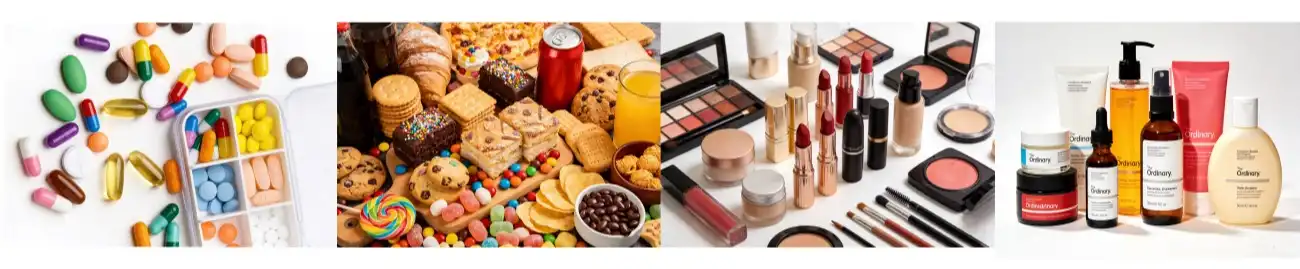
It works great in smoothies, protein mixes, and superfood recipes when mixed with water or milk. Natural Spirulina Powder is used by drink companies in useful drinks, but the bitter taste needs to be carefully hidden or matched with other ingredients. If you're worried about the taste, you can choose tablet or pill forms that maintain bioavailability. Natural Spirulina Powder doesn't go bad because it's enclosed in a soft gel, which makes the finished goods last longer.
Because it is an antioxidant, Natural Spirulina Powder is used in anti-aging serums and face masks for beauty reasons. Those who make the mixtures should know that the powder is sensitive to pH and doesn't mix well with water-based ones. Plant-based actives like curcumin or safflower extract can change the colour of Natural Spirulina Powder from blue-green to teal on its own.
Quality Assurance and Certification Requirements
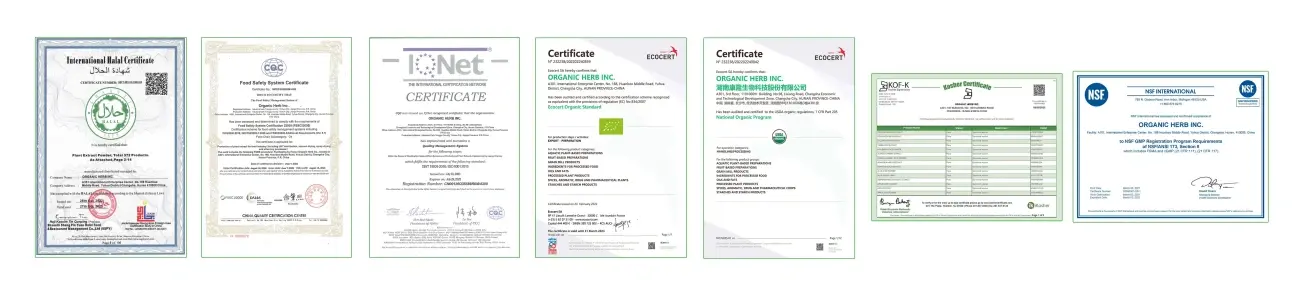
Teams in charge of buying things should give more weight to sellers who have multiple approvals, such as NSF GMP, Kosher, Halal, ISO, and FSSC22000. Organic certification makes sure that no man-made chemicals or fertilisers are used in farming. These stamps of approval show that you follow strict rules that are known all over the world. They also make it easier to enter markets with different rules. It's even more important to be able to track documents for pharmaceutical-grade apps that need full proof of chain of custody.
Comparing Natural Spirulina Powder with Alternatives and Market Options
Natural Versus Conventional Production Methods
Organic Natural Spirulina Powder costs more, but it is much better for you in terms of cleaning. In traditional farming, synthetic nutrients may be added to the growing medium, which could change how the final product is made. As part of the organic licensing process, a lot of tests must be done on heavy metals, microcystin pollution, and bacterial counts. These are all things that have a direct impact on the safety of customers and the image of the business. Natural Spirulina Powder that isn't organic costs more per kilogram, but for brands that care about quality, the extra cost is often worth it because it lowers risk.
Powder Versus Tablet Formats
When formulators work with raw powder, they have the most freedom because they can change the amount and mix the ingredients in any way they want. They keep tablets fresh for longer, keep them safe, and make them easy to use. The type of production changes based on what the client wants. For example, wellness-minded people like to do DIY projects with raw powder, while regular people like tablets that are already measured out. A cost study shows that making pills costs more than making powders, so powders usually have better economics per dose.
Spirulina Versus Chlorella
Both microalgae offer concentrated nutrition, but the way they are made depends on how they are different. Natural Spirulina Powder has more protein than other algae and gives you phycocyanin, which is a special chemical. Chlorella has a harder cell wall that needs to be broken down in a certain way because it has more chlorophyll. Chlorella is better for detox products because it has a stronger connection to some chemicals. Natural Spirulina Powder, on the other hand, is better for sports nutrition because it has more protein. There are many high-end recipes that use both kinds of algae because they work well together.
Procuring Natural Spirulina Powder: Trusted Sources and Brand Insights
Evaluating Supplier Credentials
You should look at more than just price when you're trying to find a good supplier. You should include up-to-date GMP paperwork, organic credentials from reliable groups, and building inspection records in your certification resume at all times. You should find out if the supplier can send 500-kilogram orders every month without the quality changing. A business that has been around for a while will have lead times that don't change. Reliable suppliers also keep stock that is ready to ship with 10-day fulfillment windows.
Geographic Considerations and Logistics
Shipping is easier and faster when suppliers have warehouses in the U.S. When you buy from manufacturers overseas, making sure that there is distribution infrastructure in place in the United States can help you avoid delays at customs and make it easier to keep track of your inventory. Some suppliers have four warehouses in different parts of the United States. This lets them send packages to big places the next day. This location advantage is very important for setting up just-in-time production plans.
Sample Evaluation Protocols
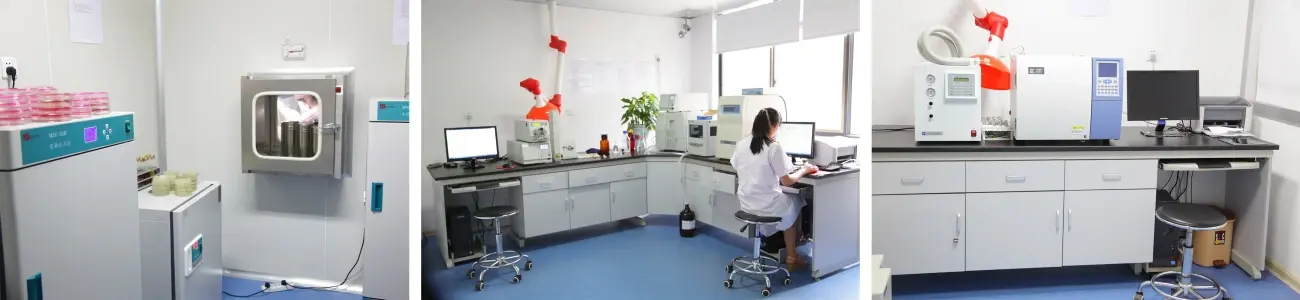
You can avoid specification mismatches if you ask for samples before you agree to buy a lot. You can get free samples from suppliers with a good reputation. The samples are usually between 100 and 200 grams and are large enough to test the composition and the analysis process. Make sure the samples don't turn brown and stay bright green. Also, make sure that the bits are all the same size and don't smell bad. To make sure the levels of protein, phycocyanin, and microbes are safe, lab tests should compare the supplier's analysis reports with those levels.
Minimum Order Quantities and Pricing Structures
Buying problems can be avoided by knowing the MOQ requirements. Suppliers who are good at what they do usually have a minimum order size of 25 kilograms. It strikes a good balance between being easy to get into and making production runs that are cheap. Prices start at 100 kilograms, 500 kilograms, and 1000 kilograms based on volume. When you sign a long-term supply deal, you usually get better prices and make sure that goods get to the right places at the right time.
Conclusion
There is more to the claim that spirulina is good for you than just marketing speak. Well-studied molecular processes show this to be true. Pure Spirulina Powder has a special phycocyanin content and a lot of different amino acids. This makes it useful for making products that meet many market trends at once, like clean label, plant-based nutrition, sustainability, and functional benefits. If you work in sourcing and know about growing, processing, and quality standards, it's easy to find Natural Spirulina Powder that meets both legal needs and brand positioning goals. It is important to work with suppliers who can show they know what they're doing, keep their licenses up to date, and give you clear paperwork at every step of the supply chain.
Frequently Asked Questions
1. Is spirulina appropriate for all demographic groups?
Natural Spirulina Powder is good for most healthy people as long as they get the right amount. If a woman is pregnant, nursing, or has certain health problems, she should talk to her doctor before taking strong vitamins. Natural Spirulina Powder is a cyanobacterium, not real seafood. However, some people who are allergic to seafood wonder if it is safe to eat. There should always be instructions on how to use a product on its label.
2. How does spirulina compare to chlorella for specific applications?
A type of microalgae called phycocyanin and Natural Spirulina Powder both have a lot of nutrients, but Natural Spirulina Powder has more protein and is better for natural colouring and products that focus on protein. Chlorella has more chlorophyll and can bind things together, which makes it a good ingredient for cleaning products. A lot of high-end items use both to get the best of both worlds.
3. What certifications should buyers verify when purchasing spirulina in bulk?
Organic certification from the USDA or a similar foreign body is highly regarded. So are GMP certifications that show production quality controls and tests for contaminants done by a third party. More certifications, such as ISO, FSSC22000, Kosher, and Halal, show that you have good quality management and help you get more customers. Ask for up-to-date records of analysis that show how safe the microbes are, how much heavy metal is in the product, and how many active chemicals are in each lot.
Partner with OHI for Premium Natural Spirulina Powder Supply
Natural Spirulina Powder that has been approved in many ways and is subject to strict quality checks can be found at OHI. This can help you with your manufacturing needs. The low temperatures used to make our Spirulina platensis straight powder keep it bright green and full of nutrients. At low temperatures, compounds that break down at high temperatures are safe. The Natural Spirulina Powder we sell is NSF GMP, Kosher, Halal, ISO, and FSSC22000-certified. It is safe enough to be used in useful foods, skin care items, and supplements all over the world because it meets the high standards.
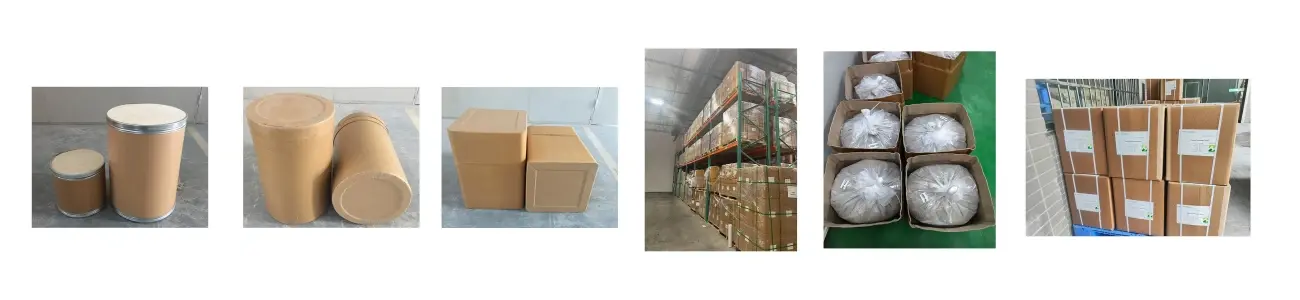
Because we store Natural Spirulina Powder in four well-placed warehouses in the U.S., we can send orders for 25-kilogram drums within 10 days. This means that your plans for making things won't change. Our dedication to farming in a way that is good for the earth and healthy is in line with what people look for in a "clean label." You can talk to us about how our Natural Spirulina Powder can help your product stand out if you are a procurement manager, formulation scientist, or product creator. You can ask for free samples. You can get detailed specs, pricing information, and paperwork that will help you follow the government's rules by emailing info@organic-herb.com.
References
1. Deng, R., & Chow, T. J. (2010). Hypolipidemic, Antioxidant, and Anti-inflammatory Activities of Microalgae Spirulina. Cardiovascular Therapeutics, 28(4), e33-e45.
2. Wu, Q., Liu, L., Miron, A., Klímová, B., Wan, D., & Kuča, K. (2016). The antioxidant, immunomodulatory, and anti-inflammatory activities of Spirulina: an overview. Archives of Toxicology, 90(8), 1817-1840.
3. Karkos, P. D., Leong, S. C., Karkos, C. D., Sivaji, N., & Assimakopoulos, D. A. (2011). Spirulina in Clinical Practice: Evidence-Based Human Applications. Evidence-Based Complementary and Alternative Medicine, 2011, Article ID 531053.
4. Capelli, B., & Cysewski, G. R. (2010). Potential health benefits of spirulina microalgae. Nutrafoods, 9(2-3), 19-26.
5. Simpore, J., Kabore, F., Zongo, F., Dansou, D., Bere, A., Pignatelli, S., & Musumeci, S. (2006). Nutrition rehabilitation of undernourished children utilizing Spirulina and Misola. Nutrition Journal, 5(1), 3.
6. Belay, A. (2002). The Potential Application of Spirulina (Arthrospira) as a Nutritional and Therapeutic Supplement in Health Management. Journal of the American Nutraceutical Association, 5(2), 27-48.
Standard Disclaimer (DSHEA):
These statements have not been evaluated by the Food and Drug Administration.
This product is not intended to diagnose, treat, cure, or prevent any disease.

Send Inquiry
Related Industry Knowledge
- Exploring the Unique Properties of Maitake Mushroom Extract Powder
- How is soybean oil made?
- Are there proteins in pumpkin seeds?
- How to Choose High-Quality Goji Extract Powder for Your Needs
- How is raspberry flavoring made?
- Grape Extract: Nature's Power for Skin Health
- What is peony extract?
- Does rosemary oil repel mosquitoes?
- The Marvels of Maitake Mushroom Extract Powder
- Polyporus Discover its nutrients and properties