
What is carrot extract good for?
Aug 5, 2026
Beta-carotene, alpha-carotene, and natural antioxidants are abundant in Carrot Extract, which is obtained from the seeds of Daucus carota ssp. This powerful extract is used in many fields because it provides stable, standardised natural colourants and functional active compounds. Professional-grade extracts, on the other hand, go through advanced processing to separate bioactive molecules. This helps with important formulation issues like ingredient stability, clean label requirements, and maintaining quality from batch to batch. Carrot Extract is a safe option for B2B formulators in the nutraceuticals, cosmetics, and functional foods industries. It meets both market trends and technical performance needs.
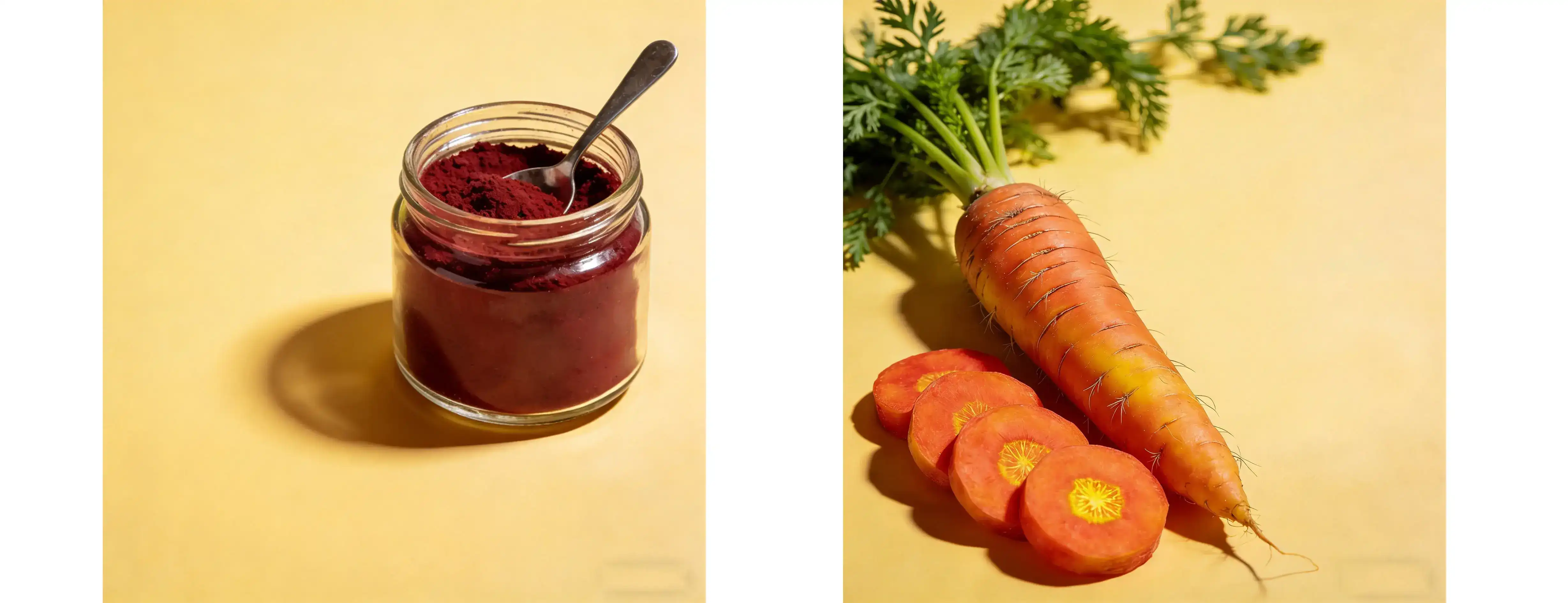
Understanding Carrot Extract: Composition and Production
Carrot Extract is a sophisticated botanical concentrate that is more than just raw carrots. Professional extraction turns regular carrot roots into a standard ingredient with measurable active compounds that can be used in industry.
What Makes Carrot Extract Different from Other Carrot Products
Carrot Extract is different from similar products because it has a higher concentration and targets different compounds. Carrot juice powder keeps the natural sugars and fibre, while carrot oil concentrates on the volatile flavour parts. Carrot Extract, on the other hand, uses controlled extraction methods to separate out certain beneficial molecules, mostly carotenoids. Because of this selectivity, it has a higher functional density per gram, which makes it perfect for capsule supplements, serums for skin care, and drink mixes where space and dosage are important.
The final product's properties depend on the extraction method. Using food-grade ethanol or hexane for solvent extraction increases the amount of carotenoids that are extracted, creating oleoresins that are a bright red-orange colour. The profile of supercritical CO2 extraction is cleaner because it gets rid of all the solvents that are left over, which is a key factor for organic certifications. Cold-pressing keeps heat-sensitive chemicals but makes smaller concentrations. This makes it good for high-end cosmetics where gentle processing fits with the brand's message.
Production Standards and Quality Control
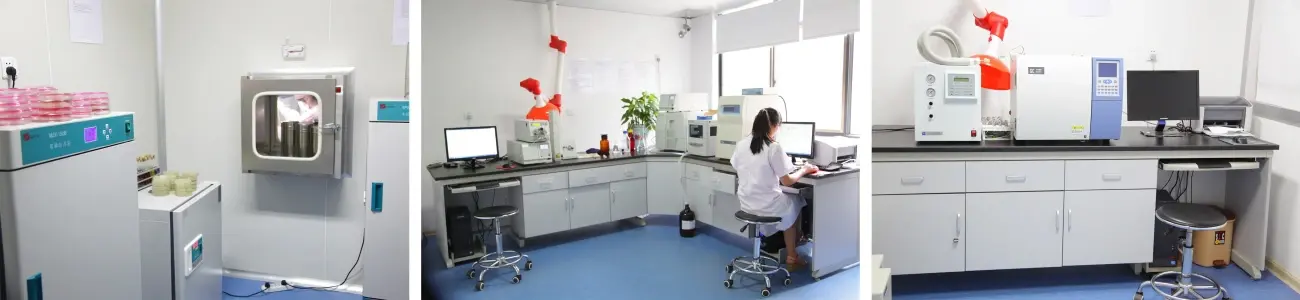
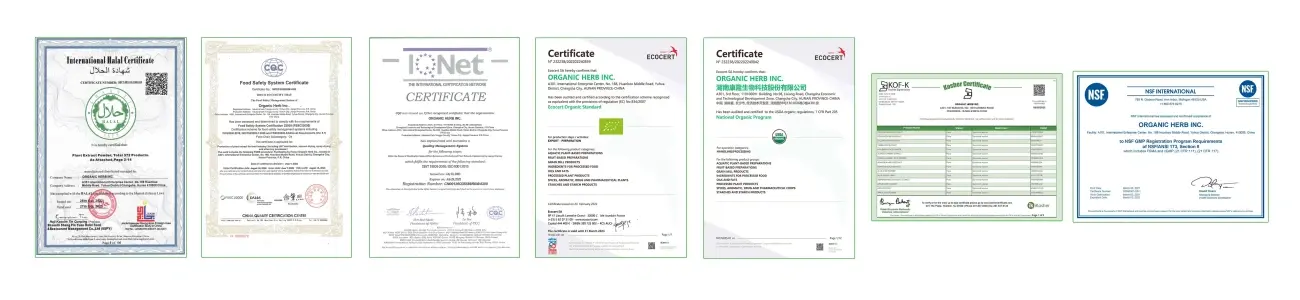
Quality standards are crucial for Carrot Extract production. Organic Herb Inc. maintains its CGMP, FSSC22000, ISO9001, HALAL, and KOSHER certifications to ensure that every batch satisfies global regulatory standards. Our plant in Yichun, Jiangxi Province, employs dynamic low-temperature extraction and nano-membrane isolation to purify materials quickly without compromising bioactivity.
Quality criteria include a minimum color value of 60 (E1%, 1cm, 524±5nm) and conventional 4:1 concentration ratios. Carotenoids are shown in red, dark red, or purple-red color. HPLC testing checks beta-carotene levels, stability testing under rapid settings, and microbial screening ensure each 25-kilogram drum fulfills food-grade and cosmetic-grade criteria. Our R&D center contains atomic absorption spectrophotometers, HPLC-ELSD, and GC-MS. The manufacturing process has over 100 quality checkpoints.
Traceability from Farm to Formulation
Our supply chain transparency begins with our three GAP-certified planting bases in Shaoyang, Changsha, Huaihua, Guizhou, Hubei, and Jiangxi, which encompass over 8,000 acres. We assist local farmers with seedling selection and harvesting. This vertical merging reduces contamination and ensures consistent raw materials, a typical issue in botanical sources where seasonal variations may disrupt production plans.
Testing soil, controlling irrigation, and treating crops after harvest to maintain carotenoid levels are standard agricultural practices. A unique code is assigned to each harvest batch to trace the product in case of formula changes or regulatory issues. This documentation process helps clients comply with complex foreign ingredient regulations and meet FDA requirements.
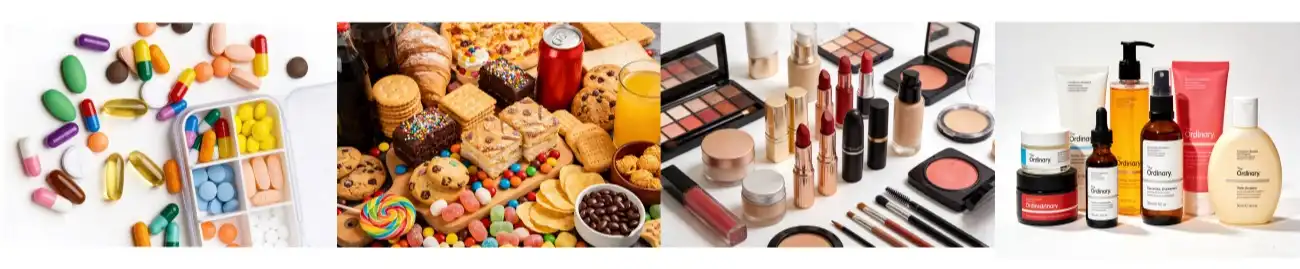
Key Benefits of Carrot Extract for Different Industries
Carrot Extract is useful in many different situations because it has a special mix of phytochemicals that make it better in those situations.
Nutritional Supplement Applications
In nutrition formulas, Carrot Extract provides the provitamin A activity that is needed to keep eyes healthy and boost antioxidant defences. Because the body changes beta-carotene into retinol only when it needs to, preformed retinol supplements don't pose the risk of vitamin A toxicity. Researchers who wrote papers in nutritional science journals found that natural carotenoid complexes from whole foods are more bioavailable than synthetic beta-carotene isolates.
Carrot Extract is used by sports nutrition brands in healing formulas and multivitamins for busy people. The antioxidants help fight oxidative stress caused by exercise, and the natural orange colour means no fake colours are needed, which is a key part of marketing clean-label products. Formulators like that the ingredient stays stable in softgels made of oil and works well with other fat-soluble vitamins, such as D and E.
Cosmetic and Skincare Functionality
Cosmetic chemists like Carrot Extract because it can be used in many ways to make anti-aging and skin-brightening products. The carotenoid content gives it a healthy glow, and the antioxidant activity fights damage from environmental stressors. Deodorised Carrot Extract doesn't have a strong earthy smell as carrot seed oil does. It works well in fragrance-sensitive goods like face serums and eye creams.
The stability of ingredients in emulsion systems is still very important. Our cosmetic-grade extract is microencapsulated with natural carriers to keep it from going bad or changing colour while it's in storage. This format is ready to be mixed and dissolves evenly in oil phases while maintaining optical clarity in clear gel bases. This is better than using raw botanical powders, which can settle or make the texture gritty.
Functional Food and Beverage Enhancement
When formulating drinks with natural colourants, drink makers have to deal with problems like pH sensitivity, light degradation, and the effects of heat processing. Advanced emulsion technology in Water-dispersible Carrot Extract gets around these problems. The ingredient can handle being heated and pasteurised, and still gives bright orange colours in acidic (pH 3.0-4.0) drinks like fruit juices and functional drinks.
The problems people have with synthetic dyes like Yellow 5 and 6 are taken care of by natural colouring strength. Carrot Extract meets clean-label standards in candy like gummies, fruit snacks, and healthy bars without lowering their visual appeal. The neutral flavour profile of the ingredient lets formulators be creative. This is different from beetroot juice concentrate or turmeric, which can add taste notes that aren't wanted.
Choosing the Right Carrot Extract for Your Business Needs
For procurement choices to be made, product specifications and application needs must be in line with each other. Knowing the differences between grades and the requirements for approval makes evaluating vendors easier.
Supplement-Grade vs. Cosmetic-Grade Specifications
HPLC confirms that the supplement carrot extract includes 10–30% beta-carotene and standardises carotenoids. These concentrations meet USP criteria for lead, arsenic, cadmium, and mercury, supporting vitamin A label claims. Capsule and tablet producers require 80-mesh or finer particle size distributions for even excipient mixing.
Cosmetic-grade compounds concentrate on skin function and feel. ISO 17516 and Cosmetics Europe advocate stricter microbe limits. Color constancy is crucial in cosmetics using Carrot Extract as the major coloring ingredient. In our cosmetic requirements, we incorporate irritation testing (HRIPT procedures) and stability studies to illustrate how well the product operates with distribution network temperature variations.
Evaluating Organic vs. Conventional Sourcing
Organic certification is useful in places where how customers feel about a product affects their choice to buy it. For USDA Organic, EU Organic, and similar labels, chemical-free farming must be proven, and non-GMO status must be confirmed. These certifications cost more, but they open up lines of sale in retail and export markets for natural goods that have strict rules about importing them.
Conventional Carrot Extract is cheaper for recipes that need to stick to a budget, but it still does its job. Our conventional farming follows Good Agricultural Practices and uses integrated pest management to keep yields high while reducing the amount of pesticide residues. Codex Alimentarius limits are met through residue testing, which guarantees safety even if the food isn't labelled as organic.
Certifications That Build Trust
Besides organic labels, third-party approvals show that the production process is safe and effective. NSF GMP certification proves that production standards meet pharmaceutical standards, which is very important for supplement brands that are being looked at by the FDA. Kosher and Halal approvals make it easier for religious consumers, especially those in the Middle East and Israel, to buy goods.
The FSSC22000 approval, which is based on ISO 22000 and PAS 220, shows that the food safety system is strong, which is needed to serve big food companies. Many customers will accept third-party certification instead of on-site building checks, which makes audits easier for them. At Organic Herb Inc., having multiple certifications at the same time shows that we are dedicated to meeting the needs of a wide range of regulatory environments.
Sourcing and Procurement: How to Buy Carrot Extract in Bulk
Quality control and cost management go hand in hand with efficient procurement. To do strategic buying, you need to know how the market works and what your suppliers can do.
Direct Manufacturer Advantages
Working directly with makers like Organic Herb Inc. cuts out markups from middlemen and makes it easier to talk about requirements. When you have direct relationships with people, you can make custom formulations by changing the extraction ratios, asking for specific analytical testing, or creating your own microencapsulation formats. Our Earth Made Nutritions subsidiary has four warehouses in the U.S. that are strategically placed to support fast delivery. This eliminates the supply chain reliability issues that come up with suppliers that only work with companies in other countries.
Partnerships in manufacturing also make it easier to fix technology problems. When formulation problems happen, like colour bleeding in a gummy matrix or oxidation in a dry system, our R&D team works together to find answers. They might change the carrier systems or suggest ways to make the system more stable. When time-to-market pressures rise during the product development stage, this amount of support is very helpful.
Understanding Pricing Structures and MOQs
The price of Carrot Extract changes depending on the supply of raw materials, the yield of the extraction, and the difficulty of the specifications. Standard 4:1 concentrates with colour values of 60 or more are usually in the same price range as other products on the market. Organic versions sell for 20 to 40 percent more. When you make a volume promise, you can use tiered prices. For example, buying supplies every three months (multiple drums) instead of just one batch at a time greatly improves unit economics.
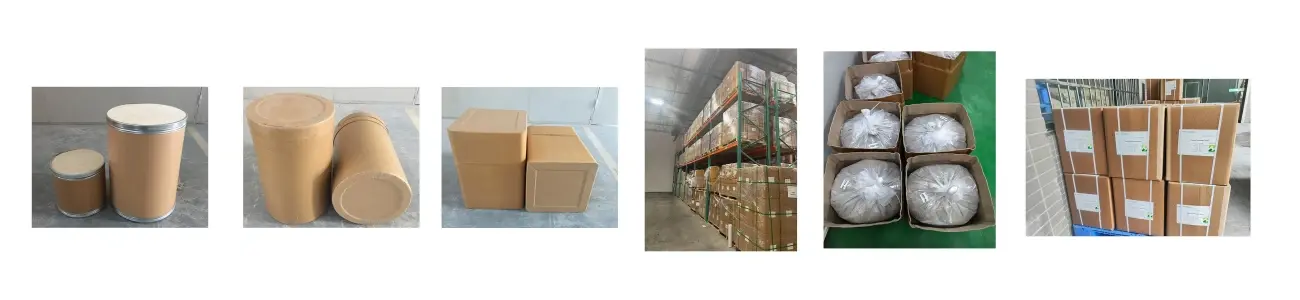
Our 25kg minimum order quantity strikes a good mix between making our products available to new names and making sure they are made efficiently. This level lets useful formulation tries happen without putting too much stress on supplies. For long-term partners, we negotiate yearly supply agreements with set prices and delivery times. This protects against changes in raw materials and keeps production going.
Contract Terms and Quality Guarantees
Strong contracts for buying things include quality standards that go beyond simple product descriptions. The requirements for a Certificate of Analysis (COA) should list the test methods (HPLC for carotenoids, ICP-MS for heavy metals), acceptance limits, and dates for retesting and expiration. Quality assurance funds are affected by sampling methods, like whether every batch is tested or whether statistical sampling is used. These should be talked over at the start of the process.
Lead times for stock items from our U.S. warehouses are usually 10 days, but they can be up to 4–6 weeks for special orders that need production runs. Both sides are protected by terms in contracts that deal with things like "force majeure," product recalls, and changes to specifications. We offer free samples to help with recipe tests, which lowers the risk of buying before agreeing to full-scale orders.
Addressing Common Concerns and Ensuring Safe Use
In B2B relationships, ingredient integrity and application safety are still the most important things. Taking care of these issues ahead of time boosts trust and speeds up acceptance.
Quality Control and Adulteration Prevention
Botanical extract markets have problems with adulteration because some sellers add synthetic beta-carotene to their products or dilute them with maltodextrin in amounts that are higher than what is stated. For authentication, you need to be very careful with your analysis. For example, HPLC fingerprinting can tell the difference between Carrot Extract complexes and synthetic additions, and near-infrared spectroscopy (NIR) can quickly check incoming materials for consistency.
As part of our quality control procedures, we check the identities of samples by comparing their chromatograms to known reference standards using TLC and HPTLC. To make sure that ingredients are safe for pharmaceutical and food use, microbial contamination screening checks for yeast/mold, coliforms, and pathogens like Salmonella and E. coli. Random batch checks by third-party labs that are not part of the company provide unbiased verification, and buyers can get reports on this upon request.
Shelf Life and Storage Recommendations
How stable carotenoids are depends on how they are stored. When kept below 25°C in low-humidity places away from direct light, sealed 25kg drums keep their potency for 24 months. Once it's opened, oxygen speeds up the breakdown process, so we suggest moving the contents to smaller, airtight containers and using them within 6 months. Adding antioxidants like ascorbyl palmitate or mixed tocopherols to finished products makes them last longer.
Temperature changes during shipping, especially in the summer, can lower the quality of the product. For sensitive shipments, our logistics partners use temperature-controlled vehicles, and data loggers keep track of conditions as the goods travel. This paperwork is very important for fixing problems with stability or making sure that the cold chain is compliant for regulatory submissions.
Regulatory Compliance Across Markets
Ingredient laws around the world are very different. You can use Carrot Extract in food in the United States because it is GRAS (Generally Recognised As Safe). Beta-carotene is an allowed colour ingredient according to 21 CFR 73.95. It is controlled in European markets under the name E160a (carotenes), and the amount that can be used depends on the type of product. Our regulatory team keeps up-to-date compliance paperwork, such as safety data sheets (SDS) and specification sheets that are specific to the places where the goods are going.
The FDA and the EU's Cosmetic Regulation 1223/2009 both require safety reviews of ingredients. Based on the opinions of the Scientific Committee on Consumer Safety (SCCS), we give our customers toxicological data and usage suggestions that help with their product information files (PIFs) and safety assessments. This help from regulators makes compliance easier, especially for smaller brands that don't have their own regulatory staff.
Conclusion
Carrot Extract is a flexible and effective plant-based ingredient that solves important formulation problems in the nutraceutical, cosmetic, and functional food industries. The high concentration of carotenoids in it makes it an antioxidant, a natural colourant, and a "clean label" product that appeals to modern consumers. To do a good job of procurement, you need to look at more than just price when reviewing extraction methods, certification qualifications, and suppliers' abilities. Analytical testing, traceability systems, and regulatory compliance documentation are all ways to make sure quality. These things separate reliable partners from transactional suppliers. As the market for natural alternatives to synthetic chemicals grows, finding a reliable source for Carrot Extract becomes important for differentiating products and lowering manufacturing risks and regulatory exposures.
Frequently Asked Questions About Carrot Extract
1. How does carrot extract differ from beta-carotene supplements?
Along with beta-carotene, Carrot Extract contains a full range of carotenoids, such as alpha-carotene, lutein, and zeaxanthin. Isolated beta-carotene supplements, on the other hand, only contain one synthetic or fermentation-derived compound. Natural products may have better bioavailability and extra antioxidant benefits because they contain a complex matrix. Extracts give natural colour benefits that pure beta-carotene crystals can't in food and drink applications because of how they are mixed.
2. Can carrot extract be used in sensitive skin formulations?
When used in the right amounts (usually between 0.5 and 2% for leave-on treatments), cosmetic-grade Carrot Extract, especially in deodorised and microencapsulated forms, works well with products for sensitive skin. The natural antioxidants protect without the irritating chemicals that some plant products contain. Skin compatibility is confirmed by patch tests and HRIPT studies, and our expert team gives recipe advice for different types of products.
3. What storage conditions preserve carrot extract potency?
For best storage, keep items in sealed containers that are cool (below 25°C), dry, and dark. Oxygen exposure speeds up the breakdown of carotenoids; nitrogen flushing or vacuum sealing greatly extends the shelf life. Refrigeration makes stability last even longer, but it can change the thickness of oleoresin forms. As stabilisation methods change from supplier to supplier, always check the COA for batch-specific storage suggestions.
Partner with OHI for Premium Carrot Extract Supply
Organic Herb Inc. offers pharmaceutical-grade Carrot Extract with several licenses and a vertical supply chain. Our 4:1 extract from Daucus carota ssp. Roots fulfills the high criteria of supplement, cosmetic, and functional food companies. Our product consistently performs with color values over 60 (E1%, 1cm, 524±5nm) and a spectrum of crimson to dark red looks. Our four U.S. warehouses assure speedy 10-day lead times, and our free samples enable customers to test formulas before ordering our cheap 25-kilogram minimum.
We provide more than great goods. We employ cutting-edge extraction technologies, including supercritical CO2 systems and nano-membrane cleaning, and coordinate research with 42 specialists. Customers are scrutinizing corporate responsibility claims, and our GAP-certified farms and energy-efficient operations meet those demands. Our experts can aid with cosmetic-grade extracts for anti-aging serums or supplement-grade concentrates for vision formulations. Technical assistance, regulatory paperwork, and a solid supply chain transform ingredient procurement into a strategic collaboration.
Discuss Carrot Extract demands with our procurement professionals at info@organic-herb.com. You may try our Carrot Extract for free now and witness the quality difference from a trusted source that cares about your recipe.
References
1. Rodriguez-Amaya, D.B. (2019). "Update on natural food pigments: A mini-review on carotenoids, anthocyanins, and betalains." Food Research International, 124, 200-205.
2. Tanumihardjo, S.A. (2018). "Biomarkers of carotenoid bioavailability." Annual Review of Nutrition, 38, 51-72.
3. Stahl, W., & Sies, H. (2012). "β-Carotene and other carotenoids in protection from sunlight." American Journal of Clinical Nutrition, 96(5), 1179S-1184S.
4. Priyadarshani, A.M.B. (2017). "A review on factors influencing bioaccessibility and bioefficacy of carotenoids." Critical Reviews in Food Science and Nutrition, 57(8), 1710-1717.
5. Milani, A., Basirnejad, M., Shahbazi, S., & Bolhassani, A. (2017). "Carotenoids: biochemistry, pharmacology and treatment." British Journal of Pharmacology, 174(11), 1290-1324.
6. Namitha, K.K., & Negi, P.S. (2010). "Chemistry and biotechnology of carotenoids." Critical Reviews in Food Science and Nutrition, 50(8), 728-760.
Standard Disclaimer (DSHEA):
These statements have not been evaluated by the Food and Drug Administration.
This product is not intended to diagnose, treat, cure, or prevent any disease.

Send Inquiry
Related Industry Knowledge
- What is Safflower Powder Used For?
- What are the 5 health benefits of Carrot Extract?
- What Is Safflower Extract Powder?
- Are there proteins in pumpkin seeds?
- Learn More About Bitter Apricot Seed
- Understanding Polyporus Umbellatus Extract: Source, Composition, and Characteristics
- How to use rosemary oil for skin
- Does rosemary oil repel mosquitoes?
- Best Rhodiola Rosea Supplement: Smart Choice Guide
- USA Market Insights on Sourcing High-Quality Polyporus Umbellatus Extract